CATHERINE MUROMBEDZI
HEALTH CORRESPONDENT
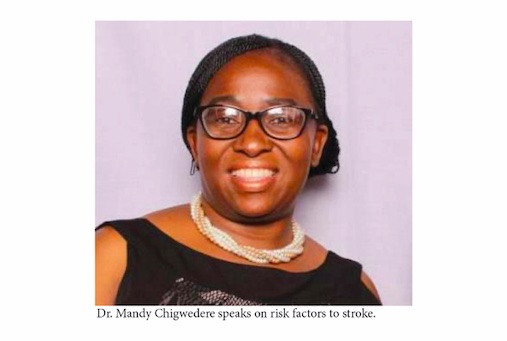
Every year on October 29th, World Stroke Day raises awareness about stroke prevention, treatment, and support. Stroke affects millions globally, emphasizing the need for comprehensive care and lifestyle changes. In recognition of this critical health issue, we bring together expert insights and advocacy. Two people spoke to us, Dr. Mandy Chigwedere and a stroke survivor and Team leader of the Zimbabwe NCDs Action Network Team Leader, Jacob Ngwenya.
Stroke cases are indeed on the rise in Zimbabwe, with the World Health Organisation (WHO) estimating that stroke was responsible for 4 percent of deaths in the country as of 2018. Unfortunately, the exact number of stroke cases in Zimbabwe is not readily available due to a lack of records and limited research in the field of non-communicable diseases. However, it is believed that one in every six Zimbabweans will experience a stroke in their lifetime. Dr. Mandy Chigwedere emphasizes the importance of lifestyle changes in maintaining a healthy weight and preventing chronic diseases. She also spoke on the need for treatment adherence for anyone on life treatment.
“As we navigate the complexities of modern life, prioritising our health and well-being is crucial. Being overweight or obese increases the risk of various health problems, including diabetes, hypertension, and heart diseases. To tackle this issue, it is essential to identify the underlying causes and adopt a comprehensive lifestyle change. Everyone should be able to recognise weight gain or loss. Check your Body Mass Index (BMI): 25 kg/m2 or above. Noticeable weight gain, clothes becoming 1-2 sizes smaller is an indication of weight gain,” said Dr Chigwedere.“The common causes of overweight and obesityare poor diet high in sugar, fat and salt, lack of exercise and a sedentary lifestyle. Medical conditions (hypothyroidism, Cushing’s syndrome, polycystic ovary syndrome, all these are factors,” said Dr. Chigwedere.
“Everyone should take good care of their mental health to avoid depression, anxiety, or comfort eating, which results in binging. These are risk factors to stroke.The spiritual and emotional being should be taken care of. Be at peace with your belief,” said Dr. Chigwedere.“However, when one happens to experience the mentioned issues above, there are corrective measures to be taken.One can have lifestyle changes for sustainable weight loss. It’s a process, not an event.”Correct your diet to high fiber meals. Take regular exercise starting with 30 minutes most days of the week.
Increase the movement to 10,000 steps daily. For most people, this is manageable as walking is part of daily life. For people who also do manual work, this is already covered. House chores also serve as exercises. Manage stress through meditation and yoga. Keep in touch with family, friends, church, or social groups for mental health support. It is important to do so,” advised Dr Chigwedere.”Unmanaged diabetes is a significant risk factor for stroke, as well as renal failure, amputations, and blindness. Undiagnosed hypertension is a major cause of strokes. Missing doses in life treatment is a risk factor to stroke. Have a treatment buddy who reminds you to take your medication if you are on lifelong treatment,” said Dr. Chigwedere.
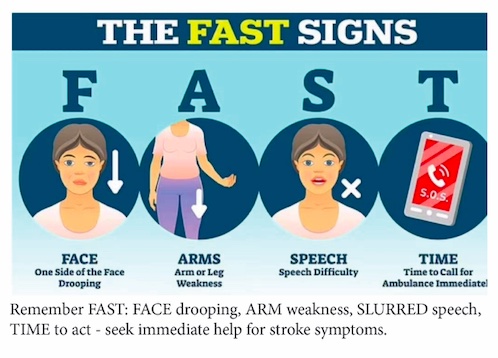
“Prioritise your health by recognising unusual symptoms. Visit your clinic or doctor if you experience these warning signs. Weakness, confusion, severe headache persistent even after taking painkillers.“Persistent pain and unexplained weight changes with sadness, mood changes. Early detection and treatment can prevent serious complications. Don’t delay! Seek medical attention immediately. Stay vigilant, prioritise your health, and encourage others to do the same. Health is wealth,” said Dr. Chigwedere.

However, adopting healthy lifestyle changes is only half the battle. Supporting individuals affected by chronic conditions, such as stroke, is equally vital. Supporting stroke survivors is a call to action.Jacob Ngwenya, a stroke survivor and team leader of the Zimbabwe Non Communicable Diseases Action Network, advocates for comprehensive treatment, care, and support for stroke survivors Speaking on World Stroke Day, he called for correct accessible facilities.”On World Stroke Day, we urge policymakers to ensure a full continuum of treatment, care, and support for stroke survivors. These services must be accessible, affordable, and available to all who need them.
Comprehensive treatment, care, and support for stroke survivors is a must,” Ngwenya emphasized.Ngwenya highlighted the need for enhanced stroke rehabilitation services, citing the current shortcomings that lead to avoidable disabilities and deaths.”Furthermore, we must prioritize the mental health of both stroke survivors and their caregivers. The devastating changes they face require continuous mental health support and treatment,” Ngwenya stressed. Improved accessibility and affordability of stroke services. Enhanced stroke rehabilitation services. Mental health support for stroke survivors and caregivers. We can create a more compassionate and inclusive community by supporting stroke survivors and caregivers,” said Ngwenya.To address the growing concern of stroke cases, initiatives like Zimbabwe Non Communicable Diseases Action Network, led by Ngwenya and the Stroke Organization Zimbabwe (SOZ) are working to raise awareness and provide support for stroke survivors and their caregivers.We all have a role to play a role for better outcomes.
● Feedback: [email protected]
Post Views: 70
Leave a Reply