hacklink hack forum hacklink film izle hacklink marsbahisizmir escortsahabetpornJojobetcasibompadişahbet

Tag: alleging

  • Appeals court reinstates Indiana lawsuit against TikTok alleging child safety, privacy concerns

    Appeals court reinstates Indiana lawsuit against TikTok alleging child safety, privacy concerns

    INDIANAPOLIS — The Indiana Court of Appeals has reinstated a lawsuit filed by the state accusing TikTok of deceiving its users about the video-sharing platform’s level of inappropriate content for children and the security of its consumers’ personal information.

    In a 3-0 ruling issued Monday, a three-judge panel of the state appeals court reversed two November 2023 decisions by an Allen County judge which dismissed a pair of lawsuits the state had filed in December 2022 against TikTok.

    Those suits, which have been consolidated, allege the app contains “salacious and inappropriate content” despite the company claiming it is safe for children 13 years and under. The litigation also argues that the app deceives consumers into believing their sensitive and personal information is secure.

    In November’s ruling, Allen Superior Court Judge Jennifer L. DeGroote found that her court lacked personal jurisdiction over the case and reaffirmed a previous court ruling which found that downloading a free app does not count as a consumer transaction under the Indiana Deceptive Consumer Sales Act.

    But in Monday’s ruling, Judge Paul Mathias wrote on behalf of the appeals court that TikTok’s millions of Indiana users and the $46 million in Indiana-based income the company reported in 2021 create sufficient contact between the company and the state to establish the jurisdiction of Indiana’s courts over TikTok, The Times of Northwest Indiana reported.

    Mathias also wrote that TikTok’s business model of providing access to its video content library in exchange for the personal data of its Indiana users counts as a “consumer transaction” under the law, even if no payment is involved.

    “The plain and ordinary definition of the word ‘sale,’ which is not otherwise defined in the DCSA, includes any consideration to effectuate the transfer of property, not only an exchange for money,” Mathias wrote.

    “It is undisputed that TikTok exchanges access to its app’s content library for end-user personal data. That is the bargain between TikTok and its end-users. And, under the plain and ordinary use of the word, that is a ‘sale’ of access to TikTok’s content library for the end-user’s personal data. TikTok’s business model is therefore a consumer transaction under the DCSA.”

    A spokesperson for the Indiana Attorney General’s office said Tuesday in a statement that the appeals court “took a common sense approach and agreed with our office’s argument that there’s simply no serious question that Indiana has established specific personal jurisdiction over TikTok.”

    “By earning more $46 million dollars from Hoosier consumers in 2021, TikTok is doing business in the state and is therefore subject to this lawsuit,” the statement adds.

    The Associated Press left a message Tuesday afternoon for a lead attorney for TikTok seeking comment on the appeals court’s ruling.

    TikTok is owned by ByteDance, a Chinese company that moved its headquarters to Singapore in 2020. The app has been a target over the past year of state and federal lawmakers who say the Chinese government could access the app’s users’ data.

    Indiana Attorney General Todd Rokita has repeatedly personally urged Hoosiers to ”patriotically delete″ the TikTok app due to its supposed ties to the Chinese Communist Party.
    Source link

  • Google begins its defense in antitrust case alleging monopoly over advertising technology

    Google begins its defense in antitrust case alleging monopoly over advertising technology

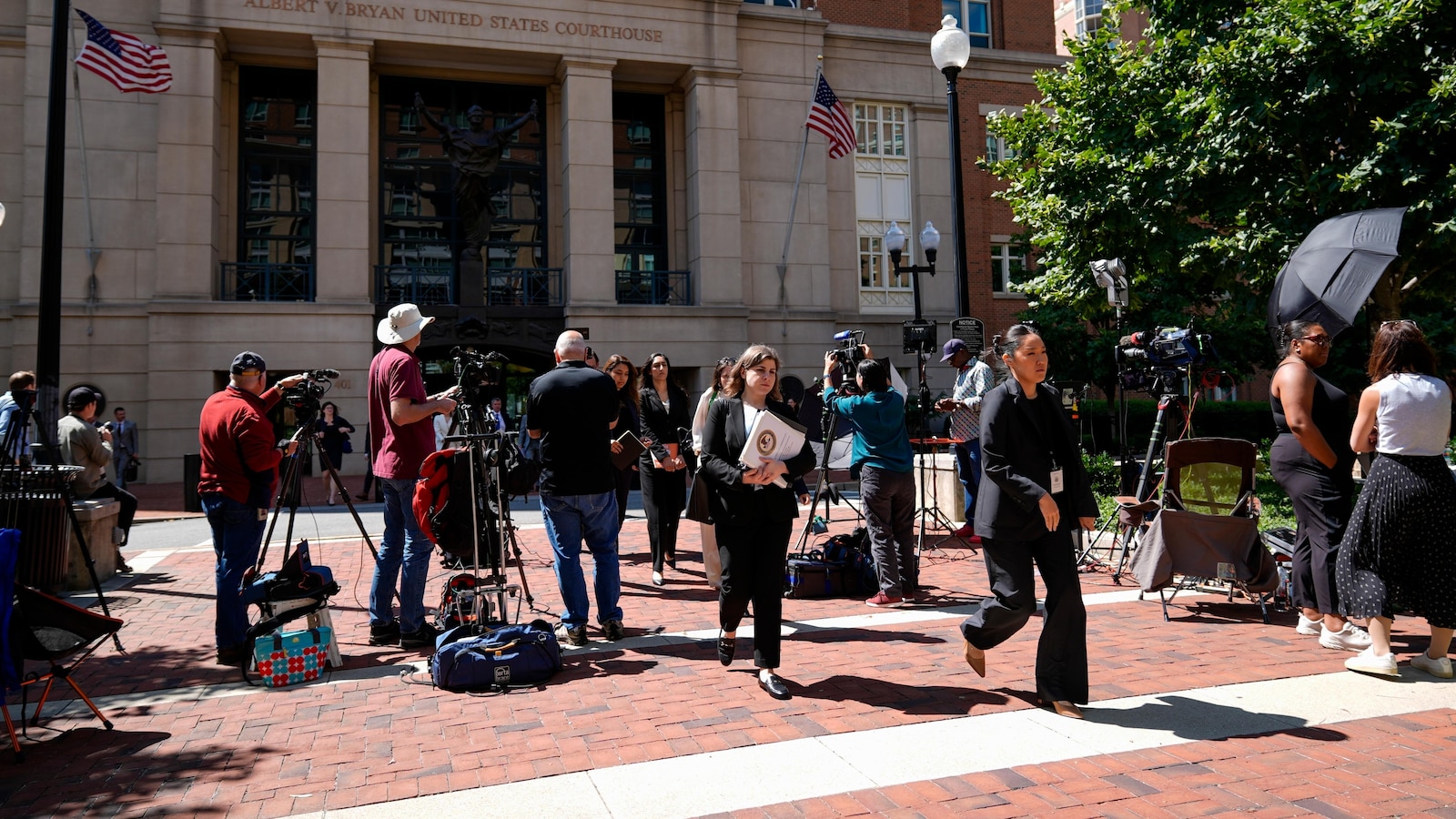
    ALEXANDRIA, Va. — Google opened its defense against allegations that it holds an illegal monopoly on online advertising technology Friday with witness testimony saying the industry is vastly more complex and competitive than portrayed by the federal government.

    “The industry has been exceptionally fluid over the last 18 years,” said Scott Sheffer, a vice president for global partnerships at Google, the company’s first witness at its antitrust trial in federal court in Alexandria.

    The Justice Department and a coalition of states contend that Google built and maintained an illegal monopoly over the technology that facilitates the buying and selling of online ads seen by consumers.

    Google counters that the government’s case improperly focuses on a narrow type of online ads — essentially the rectangular ones that appear on the top and on the right-hand side of a webpage. In its opening statement, Google’s lawyers said the Supreme Court has warned judges against taking action when dealing with rapidly emerging technology like what Sheffer described because of the risk of error or unintended consequences.

    Google says defining the market so narrowly ignores the competition it faces from social media companies, Amazon, streaming TV providers and others who offer advertisers the means to reach online consumers.

    Justice Department lawyers called witnesses to testify for two weeks before resting their case Friday afternoon, detailing the ways that automated ad exchanges conduct auctions in a matter of milliseconds to determine which ads are placed in front of which consumers and how much they cost.

    The department contends the auctions are finessed in subtle ways that benefit Google to the exclusion of would-be competitors and in ways that prevent publishers from making as much money as they otherwise could for selling their ad space.

    It also says that Google’s technology, when used on all facets of an ad transaction, allows Google to keep 36 cents on the dollar of any particular ad purchase, billions of which occur every single day.

    Executives at media companies like Gannett, which publishes USA Today, and News Corp., which owns the Wall Streel Journal and Fox News, have said that Google dominates the landscape with technology used by publishers to sell ad space as well as by advertisers looking to buy it. The products are tied together so publishers have to use Google’s technology if they want easy access to its large cache of advertisers.

    The government said in its complaint filed last year that at a minimum Google should be forced to sell off the portion of its business that caters to publishers, to break up its dominance.

    In his testimony Friday, Sheffer explained how Google’s tools have evolved over the years and how it vetted publishers and advertisers to guard against issues like malware and fraud.

    The trial began Sept. 9, just a month after a judge in the District of Columbia declared Google’s core business, its ubiquitous search engine, an illegal monopoly. That trial is still ongoing to determine what remedies, if any, the judge may impose.

    The ad technology at question in the Virginia case does not generate the same kind of revenue for Goggle as its search engine does, but is still believed to bring in tens of billions of dollars annually.

    Overseas, regulators have also accused Google of anticompetitive conduct. But the company won a victory this week when a an EU court overturned a 1.49 billion euro ($1.66 billion) antitrust fine imposed five years ago that targeted a different segment of the company’s online advertising business.

    Source link

  • OSOM Ex-CPO files lawsuit alleging founder splurged on expensive lifestyle

    OSOM Ex-CPO files lawsuit alleging founder splurged on expensive lifestyle

    ‘OSOM is being hauled to court by its former Chief Privacy Officer. The lawsuit alleges OSOM’s founder and CEO, Jason Keats spent huge sums of money to fund his lavish lifestyle.

    Born from Essential’s ashes, OSOM too headed for financial disaster?

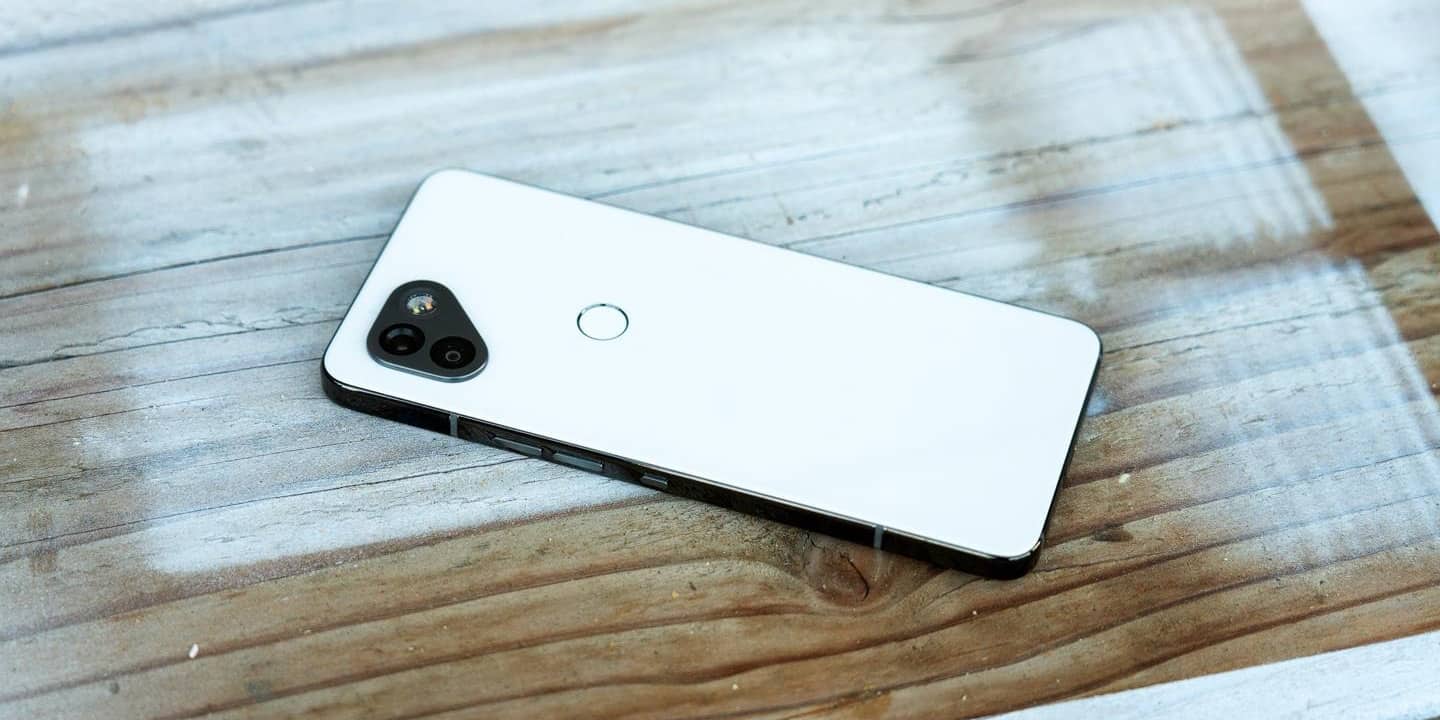
    While OSOM might not be a household name, the Essential Phone would certainly ring a bell. The company behind this minimalist yet fully functional smartphone couldn’t survive and shut down in 2020.

    The tech world celebrated Essential Phone for its design and long-term software support. However, the real-world performance of the device wasn’t up to the mark, and it sold very poorly, forcing Essential to shut shop in 2020.

    OSOM, which the company claims stands for “Out of Sight, Out of Mind,” was formed by several of Essential’s former employees. The company promised two smartphones: Saga Phone and OV1. These smartphones were to run Android OS. However, both failed to garner any respectable response and failed.

    OSOM is now in financial trouble, and a former employee has alleged the company’s CEO and founder is at fault. Specifically speaking, OSOM’s founder and “Chief Hooligan,” Jason Keats, kept Essential’s previous founder, Andy Rubin away, but hired several ex-employees of the company.

    Why has OSOM Ex-CPO filed a lawsuit?

    OSOM’s former Chief Privacy Officer Mary Ross has filed a lawsuit against the company. Ross, who left the company in May 2024 according to her LinkedIn profile, has reportedly requested the court to scrutinize OSOSM’s books and records.

    The lawsuit against OSOM, specifically aims to prove financial mismanagement by Jason Keats. Android Authority reviewed the court documents, and it appears Ross claims Keats abused his position in the company to misappropriate funds.

    The lawsuit claims he purchased two Lamborghinis, paid for his racing hobby, paid for his racing partner’s salary, expensed multiple first-class travel tickets, paid his mortgage, and more. Besides these allegations, the lawsuit also claims OSOM is on the brink of a financial collapse.

    Ross has alleged the company’s resources are depleted, and the company would need to raise additional capital just to survive. As expected, OSOM has refuted these allegations. The company assures it will disprove all of the allegations in court.


    Source link