Hey, folks! It’s spooky season, so I was very happy to find an appropriate image for today’s guide.
Today’s NYTConnections: Sports Edition hints and answers are coming right up.
How To Play Connections: Sports Edition
Connections: Sports Edition is a free daily New York Times game. You get a new puzzle at midnight every day and you can play on the NYT website. It works just like the regular Connections game, except everything is sports-related.
You’re presented with a grid of 16 words. Your task is to arrange them into four groups of four by figuring out the links between them. The groups could be things like teams in a certain city, athletes who won Olympic gold in a certain discipline or various sports terms linked by a color.
There’s only one solution for each puzzle, and you’ll need to be careful when it comes to words that might fit into more than one category. You can shuffle the words to perhaps help you see links between them.
Each group is color coded. The yellow group is usually the easiest to figure out, blue and green fall in the middle, and the purple group is usually the most difficult one. The purple group often involves wordplay.
Select four words you think go together and press Submit. If you make a guess and you’re incorrect, you’ll lose a life. If you’re close to having a correct group, you might see a message telling you that you’re one word away from getting it right, but you’ll still need to figure out which one to swap.
If you make four mistakes, it’s game over. Let’s make sure that doesn’t happen with the help of some hints, and, if you’re really struggling, today’s Connections answers. As with Wordle and other similar games, it’s easy to share results with your friends on social media and group chats.
Today’s Connections: Sports Edition Hints
Scroll slowly! Just after the hints for each of today’s Connections: Sports Edition groups, I’ll reveal what the groups are without immediately telling you which words go into them.
Here’s what the grid looks like:
NYT Connections: Sports Edition grid for Wednesday, October 2.
New York Times
Today’s 16 words and logos are…
TEE
SUIT
SHUFFLEBOARD
FLOATER
POOL
DARTS
GLOVE
GOGGLES
DUNK
CART
JUMPER
FOOSBALL
JENGA
CAP
LAYUP
CLUB
And the hints for today’s groups are:
Yellow group — ways to score in the paint
Green group — useful to have on the fairway
Blue group — anyone can play these, even after a drink or two
Purple group — Ledecky essentials
Today’s Connections: Sports Edition Groups
Need some extra help?
Be warned: we’re starting to get into spoiler territory.
Today’s groups are…
Yellow group — basketball shots
Green group — golf equipment
Blue group — bar games
Purple group — a swimmer’s needs
Today’s Connections: Sports Edition Answers?
Spoiler alert! Don’t scroll any further down the page until you’re ready to find out today’s Connections: Sports Edition answers.
This is your final warning!
Today’s Connections: Sports Edition answers are…
Yellow group — basketball shots (DUNK, FLOATER, JUMPER, LAYUP)
Green group — golf equipment (CART, CLUB, GLOVE, TEE)
Blue group — bar games (DARTS, FOOSBALL, JENGA, SHUFFLEBOARD)
Purple group — a swimmer’s needs (CAP, GOGGLES, POOL, SUIT)
No perfect game today, but I now have a five-day streak. Here’s how I fared:
🟡🟡🟡🟡
🔵🔵🔵🔵
🟢🟣🟢🟣
🟢🟢🟢🟢
🟣🟣🟣🟣
I had to scratch my chin over this one for a moment before deducing the yellows. The blues were next as I thought they were the only games or sports on the grid — I conveniently overlooked POOL.
I then made a mistake with a guess of GOGGLES, SUIT, GLOVE and TEE. I figured those were all things you could wear, but so too is a CAP. It was then that the greens hit me like a ton of bricks, leaving the purple words for the win.
That’s all there is to it for today’s Connections: Sports Edition clues and answers. Be sure to check my blog for hints and the solution for Thursday’s game if you need them.
P.S. I’ve only recently learned about the existence of The Savannah Bananas. I’m not much of a baseball fan, but this is absolutely delightful. I love it so very much.
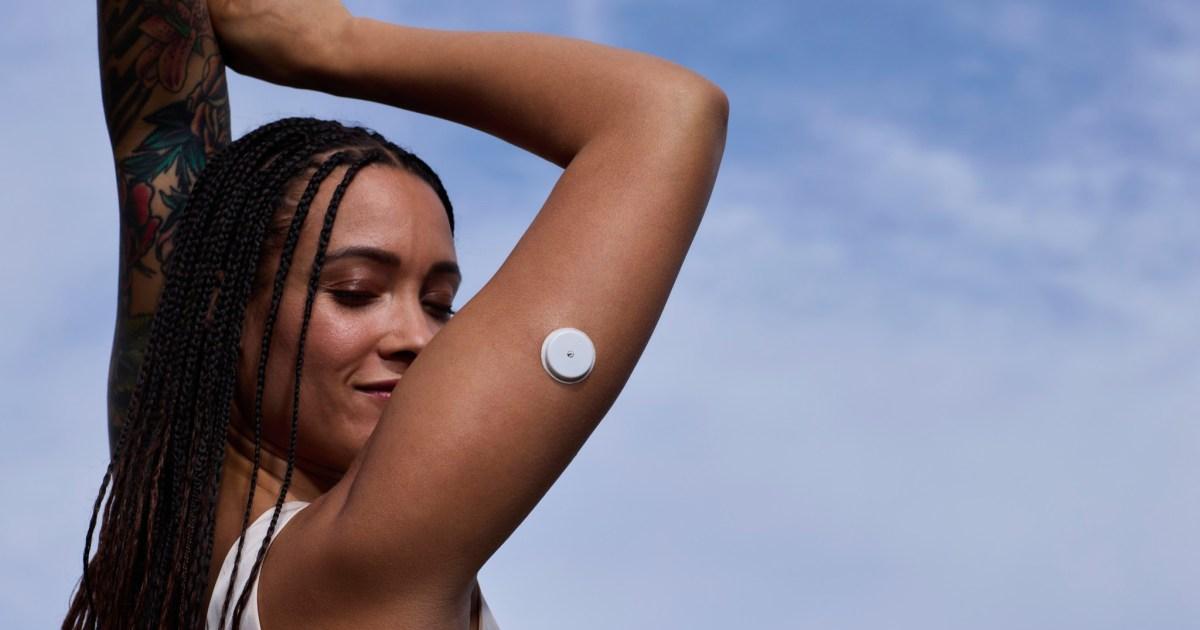
Want to take away the guesswork about how food and life’s daily stresses impact your body? Now you can (Picture: Supplied)
Given every human being is totally unique, it’s no surprise our bodies often behave in different ways.
So, while you should always follow the fundamentals of healthy living – like exercising and eating a balanced diet – sometimes it pays to take a more personalised approach. Your glucose levels can be an important indicator of what’s happening inside your body and can impact how you’re feeling.
Glucose is a molecule that circulates in your body and provides your cells with energy. As a result, it plays a key role in metabolism – the complex series of chemical reactions and processes that keep your body functioning.
But the amount of glucose in circulation isn’t static: it constantly changes based on the food and drink you consume as well as the exercise or activities you carry out. Even the stress you feel can influence your glucose levels.
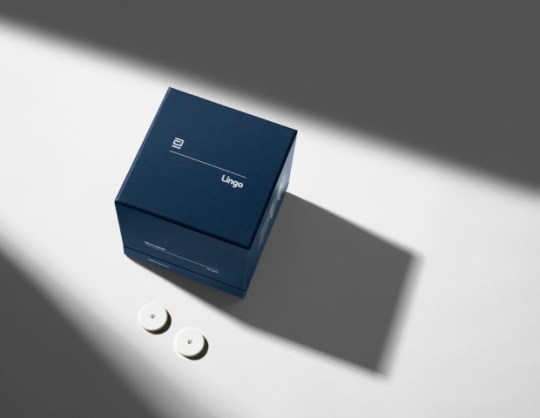
Lingo by Abbott, a glucose biosensor, app, and coaching programme, helps you to understand your glucose levels and how your lifestyle impacts them – supporting you to build healthier habits.
Below, we look at the importance of learning about glucose, the role it plays within your body, and how you could use this knowledge to make proactive changes aimed at improving your wellbeing.
Understanding your glucose levels
Lingo is a biosensor, app and coaching programme designed to empower people to better understand their body’s glucose levels (Picture: Supplied)
Glucose is an important fuel for the body, powering key functions, from the working of vital organs like the heart and brain to the movement of your muscles. When needed, the liver and kidneys can make glucose to fuel the body. It is also obtained when your body breaks down the carbohydrates contained in food and drink. So, when you consume carbohydrates, your glucose levels naturally rise.
However, ‘simple’ carbohydrates like table sugar are converted into glucose faster than ‘complex’ ones, such as vegetables and wholegrains. This means your glucose levels increase much faster if you eat a bag of sweets or a slice of cake with sugary icing compared to a heartier alternative, like a slice of wholegrain toast with a savoury spread.
Pairing carbs with protein and healthy fats, like avocado or olive oil, can also slow down the rate carbohydrates are processed into glucose, slowing down the rise of glucose within the body.
Increases in your glucose levels can also be caused by lifestyle factors such as stress, which prompts a ‘fight or flight’ response from your body. Poor sleep¹ can also impact your body’s glucose.
Exercise can have different effects on glucose. Low intensity exercise can help lower high glucose, while high intensity exercise might increase glucose levels to ensure fuel gets to the working muscles.
What your glucose levels can tell you
The information you see empowers you to make decisions that help you live healthier and better (Picture: Supplied)
Understanding how and why your glucose levels change provides a window into what’s going on in your body. But everyone’s glucose response to certain foods or activities is different, so a one-size-fits-all approach isn’t the answer.
A continuous glucose monitor (CGM) is a wearable biosensor that tracks your glucose levels 24 hours a day.
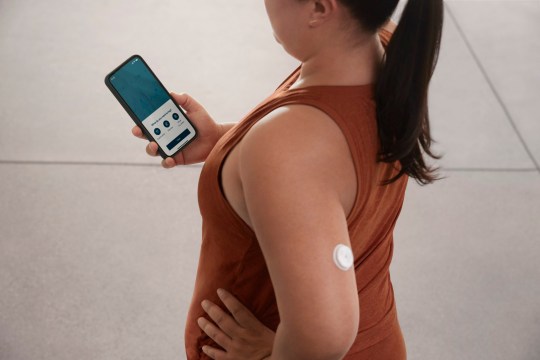
With Lingo, this data is automatically streamed to the Lingo app, which provides personal insights into your unique glucose response to food, activity and other lifestyle factors.
Keeping glucose levels more stable in response to food is linked to a series of wellbeing benefits, including improved energy levels, mood regulation and focus.²
Lingo is a wearable biosensor that tracks your glucose levels 24 hours a day. It connects to the Lingo app, which provides personal insights into your unique glucose response to food, activity, and other lifestyle factors (Picture: Supplied)
And because glucose spikes followed by dips are linked to hunger and excess intake, keeping your glucose levels steady could lead to fewer food cravings3.
Sleep and glucose influence one another. Higher and more fluctuating glucose levels is linked to fewer hours of sleep4. Going to bed late and spending more time awake in bed might result in bigger glucose spikes at breakfast the next day.5
How to keep your glucose levels steady
Exercising for at least 30 minutes a day can help regulate your glucose levels (Picture: Supplied)
Knowing what causes your glucose to spike means you can start to build healthier habits. For example, if you find that a particular food causes your glucose to rise especially quickly, you may choose to eat less of it, pair it with protein and healthy fats, or take some light exercise after consuming it.
Eating sugary foods in moderation is always a good idea to help keep your glucose levels stable, as is staying within the recommended limits for alcohol – which can be carb heavy and can disrupt your sleep.
Exercising for at least 30 minutes a day can help regulate your glucose levels. To incorporate more exercise into your day, try to put yourself in situations where you need to move around – such as by getting off the bus one stop early and walking the rest of the way to your destination.
Reducing stress and focusing on getting good quality sleep could also be beneficial.
Lingo: Helping you listen to your body
Lingo’s biosensor tracks glucose before the app provides personalised insights and customised coaching, helping you to pursue better sleep, mood, focus and energy (Picture: Supplied)
Lingo is created and designed by Abbott, a leader in global healthcare* that has put science and health innovation to work for over 135 years (Picture: Supplied)
The biosensor tracks glucose and the app provides personal insights and coaching, helping you pursue better sleep, mood, focus and energy. Rooted in decades of research, Lingo by Abbott is science-backed system offering a new view of your metabolic health — and a plan for how to improve it.
Over 10 years ago, Abbott introduced FreeStyle Libre — a continuous glucose monitor now used by 6 million people worldwide. Lingo is made by Abbott, built on that proven technology.
The Lingo system is not for medical use and intended for users 18 years and older. Lingo is not intended for diagnosis or management of any disease including diabetes.
The Lingo programme does not guarantee that everyone will achieve the same results as individual responses may vary. It is best to speak to your doctor for advice on starting any diet or exercise regime or if you have an eating disorder or a history of eating disorders.
Craving an unhealthy snack? Four ways to manage your hunger
Hunger can often strike at inconvenient times and send you reaching for something sweet, but by following a few simple tips you can get back in control.
1. Plan – Having high-protein, high-fibre snacks and meals readily available to combat hunger when it comes will help you avoid being tempted by unhealthy options that might make you want to reach for even more.
2. Balance your meals – A ‘glucose friendly’ meal is all about balance. Try dividing up your plate to include a quarter protein, a quarter complex carbohydrate (wholegrains like quinoa or starchy vegetables like lentils and squash), and half non-starchy vegetables (like spinach, broccoli, asparagus and tomatoes).
3. Drink lots of water – Sometimes, when you feel hungry, you might just be thirsty. Drinking enough water that your urine is light in colour (think lemonade, not apple juice) keeps you hydrated. And skipping sugar sweetened beverages can help avoid dips in glucose that are linked to hunger.3
4. Take time out – Ask yourself whether you are actually hungry or just stressed, bored, frustrated, or tired. Take a few minutes out to do something else, like have a walk or read a book, and see if you are still hungry afterwards.
*Data on file, Abbott Diabetes Care, Inc. Based on the number of users worldwide for the FreeStyle Libre portfolio compared to the number of users for other leading personal use sensor-based glucose monitoring systems
¹ Sondrup N, Termannsen AD, Eriksen JN, et al. Effects of sleep manipulation on markers of insulin sensitivity: A systematic review and meta-analysis of randomized controlled trials. Sleep Med Rev. 2022;62:101594 https://pubmed.ncbi.nlm.nih.gov/35189549/
²Jarvis PRE, et al. Continuous glucose monitoring in a healthy population: understanding the post-prandial glycemic response in individuals without diabetes mellitus. Metabolism. 2023 Sep;146:155640. https://pubmed.ncbi.nlm.nih.gov/37356796/
³Wyatt P, et al. Postprandial glycaemic dips predict appetite and energy intake in healthy individuals. Nat Metab. 2021 Apr;3(4):523-529. doi: 10.1038/s42255-021-00383-x. Epub 2021 Apr 12. Erratum in: Nat Metab. 2021 Jul;3(7):1032. https://pubmed.ncbi.nlm.nih.gov/33846643/
⁴ Yoshimura E, Hamada Y, Hatanaka M, et al. Relationship between intra-individual variability in nutrition-related lifestyle behaviors and blood glucose outcomes under free-living conditions in adults without type 2 diabetes. Diabetes Res Clin Pract. 2023;196:110231. https://pubmed.ncbi.nlm.nih.gov/36565723/
5 Tsereteli N, Vallat R, Fernandez-Tajes J, et al. Impact of insufficient sleep on dysregulated blood glucose control under standardised meal conditions. Diabetologia. 2022;65(2):356-365. https://pubmed.ncbi.nlm.nih.gov/34845532/
Sign up to our guide to what’s on in London, trusted reviews, brilliant offers and competitions.London’s best bits in your inbox
Want to take away the guesswork about how food and life’s daily stresses impact your body? Now you can (Picture: Supplied)
Given every human being is totally unique, it’s no surprise our bodies often behave in different ways.
So, while you should always follow the fundamentals of healthy living – like exercising and eating a balanced diet – sometimes it pays to take a more personalised approach. Your glucose levels can be an important indicator of what’s happening inside your body and can impact how you’re feeling.
Glucose is a molecule that circulates in your body and provides your cells with energy. As a result, it plays a key role in metabolism – the complex series of chemical reactions and processes that keep your body functioning.
But the amount of glucose in circulation isn’t static: it constantly changes based on the food and drink you consume as well as the exercise or activities you carry out. Even the stress you feel can influence your glucose levels.
Lingo by Abbott, a glucose biosensor, app, and coaching programme, helps you to understand your glucose levels and how your lifestyle impacts them – supporting you to build healthier habits.
Below, we look at the importance of learning about glucose, the role it plays within your body, and how you could use this knowledge to make proactive changes aimed at improving your wellbeing.
Understanding your glucose levels
Lingo is a biosensor, app and coaching programme designed to empower people to better understand their body’s glucose levels (Picture: Supplied)
Glucose is an important fuel for the body, powering key functions, from the working of vital organs like the heart and brain to the movement of your muscles. When needed, the liver and kidneys can make glucose to fuel the body. It is also obtained when your body breaks down the carbohydrates contained in food and drink. So, when you consume carbohydrates, your glucose levels naturally rise.
However, ‘simple’ carbohydrates like table sugar are converted into glucose faster than ‘complex’ ones, such as vegetables and wholegrains. This means your glucose levels increase much faster if you eat a bag of sweets or a slice of cake with sugary icing compared to a heartier alternative, like a slice of wholegrain toast with a savoury spread.
Pairing carbs with protein and healthy fats, like avocado or olive oil, can also slow down the rate carbohydrates are processed into glucose, slowing down the rise of glucose within the body.
Increases in your glucose levels can also be caused by lifestyle factors such as stress, which prompts a ‘fight or flight’ response from your body. Poor sleep¹ can also impact your body’s glucose.
Exercise can have different effects on glucose. Low intensity exercise can help lower high glucose, while high intensity exercise might increase glucose levels to ensure fuel gets to the working muscles.
What your glucose levels can tell you
The information you see empowers you to make decisions that help you live healthier and better (Picture: Supplied)
Understanding how and why your glucose levels change provides a window into what’s going on in your body. But everyone’s glucose response to certain foods or activities is different, so a one-size-fits-all approach isn’t the answer.
A continuous glucose monitor (CGM) is a wearable biosensor that tracks your glucose levels 24 hours a day.
With Lingo, this data is automatically streamed to the Lingo app, which provides personal insights into your unique glucose response to food, activity and other lifestyle factors.
Keeping glucose levels more stable in response to food is linked to a series of wellbeing benefits, including improved energy levels, mood regulation and focus.²
Lingo is a wearable biosensor that tracks your glucose levels 24 hours a day. It connects to the Lingo app, which provides personal insights into your unique glucose response to food, activity, and other lifestyle factors (Picture: Supplied)
And because glucose spikes followed by dips are linked to hunger and excess intake, keeping your glucose levels steady could lead to fewer food cravings3.
Sleep and glucose influence one another. Higher and more fluctuating glucose levels is linked to fewer hours of sleep4. Going to bed late and spending more time awake in bed might result in bigger glucose spikes at breakfast the next day.5
How to keep your glucose levels steady
Exercising for at least 30 minutes a day can help regulate your glucose levels (Picture: Supplied)
Knowing what causes your glucose to spike means you can start to build healthier habits. For example, if you find that a particular food causes your glucose to rise especially quickly, you may choose to eat less of it, pair it with protein and healthy fats, or take some light exercise after consuming it.
Eating sugary foods in moderation is always a good idea to help keep your glucose levels stable, as is staying within the recommended limits for alcohol – which can be carb heavy and can disrupt your sleep.
Exercising for at least 30 minutes a day can help regulate your glucose levels. To incorporate more exercise into your day, try to put yourself in situations where you need to move around – such as by getting off the bus one stop early and walking the rest of the way to your destination.
Reducing stress and focusing on getting good quality sleep could also be beneficial.
Lingo: Helping you listen to your body
Lingo’s biosensor tracks glucose before the app provides personalised insights and customised coaching, helping you to pursue better sleep, mood, focus and energy (Picture: Supplied)
Lingo is created and designed by Abbott, a leader in global healthcare* that has put science and health innovation to work for over 135 years (Picture: Supplied)
The biosensor tracks glucose and the app provides personal insights and coaching, helping you pursue better sleep, mood, focus and energy. Rooted in decades of research, Lingo by Abbott is science-backed system offering a new view of your metabolic health — and a plan for how to improve it.
Over 10 years ago, Abbott introduced FreeStyle Libre — a continuous glucose monitor now used by 6 million people worldwide. Lingo is made by Abbott, built on that proven technology.
The Lingo system is not for medical use and intended for users 18 years and older. Lingo is not intended for diagnosis or management of any disease including diabetes.
The Lingo programme does not guarantee that everyone will achieve the same results as individual responses may vary. It is best to speak to your doctor for advice on starting any diet or exercise regime or if you have an eating disorder or a history of eating disorders.
Craving an unhealthy snack? Four ways to manage your hunger
Hunger can often strike at inconvenient times and send you reaching for something sweet, but by following a few simple tips you can get back in control.
1. Plan – Having high-protein, high-fibre snacks and meals readily available to combat hunger when it comes will help you avoid being tempted by unhealthy options that might make you want to reach for even more.
2. Balance your meals – A ‘glucose friendly’ meal is all about balance. Try dividing up your plate to include a quarter protein, a quarter complex carbohydrate (wholegrains like quinoa or starchy vegetables like lentils and squash), and half non-starchy vegetables (like spinach, broccoli, asparagus and tomatoes).
3. Drink lots of water – Sometimes, when you feel hungry, you might just be thirsty. Drinking enough water that your urine is light in colour (think lemonade, not apple juice) keeps you hydrated. And skipping sugar sweetened beverages can help avoid dips in glucose that are linked to hunger.3
4. Take time out – Ask yourself whether you are actually hungry or just stressed, bored, frustrated, or tired. Take a few minutes out to do something else, like have a walk or read a book, and see if you are still hungry afterwards.
*Data on file, Abbott Diabetes Care, Inc. Based on the number of users worldwide for the FreeStyle Libre portfolio compared to the number of users for other leading personal use sensor-based glucose monitoring systems
¹ Sondrup N, Termannsen AD, Eriksen JN, et al. Effects of sleep manipulation on markers of insulin sensitivity: A systematic review and meta-analysis of randomized controlled trials. Sleep Med Rev. 2022;62:101594 https://pubmed.ncbi.nlm.nih.gov/35189549/
²Jarvis PRE, et al. Continuous glucose monitoring in a healthy population: understanding the post-prandial glycemic response in individuals without diabetes mellitus. Metabolism. 2023 Sep;146:155640. https://pubmed.ncbi.nlm.nih.gov/37356796/
³Wyatt P, et al. Postprandial glycaemic dips predict appetite and energy intake in healthy individuals. Nat Metab. 2021 Apr;3(4):523-529. doi: 10.1038/s42255-021-00383-x. Epub 2021 Apr 12. Erratum in: Nat Metab. 2021 Jul;3(7):1032. https://pubmed.ncbi.nlm.nih.gov/33846643/
⁴ Yoshimura E, Hamada Y, Hatanaka M, et al. Relationship between intra-individual variability in nutrition-related lifestyle behaviors and blood glucose outcomes under free-living conditions in adults without type 2 diabetes. Diabetes Res Clin Pract. 2023;196:110231. https://pubmed.ncbi.nlm.nih.gov/36565723/
5 Tsereteli N, Vallat R, Fernandez-Tajes J, et al. Impact of insufficient sleep on dysregulated blood glucose control under standardised meal conditions. Diabetologia. 2022;65(2):356-365. https://pubmed.ncbi.nlm.nih.gov/34845532/
Sign up to our guide to what’s on in London, trusted reviews, brilliant offers and competitions.London’s best bits in your inbox
Want to take away the guesswork about how food and life’s daily stresses impact your body? Now you can (Picture: Supplied)
Given every human being is totally unique, it’s no surprise our bodies often behave in different ways.
So, while you should always follow the fundamentals of healthy living – like exercising and eating a balanced diet – sometimes it pays to take a more personalised approach. Your glucose levels can be an important indicator of what’s happening inside your body and can impact how you’re feeling.
Glucose is a molecule that circulates in your body and provides your cells with energy. As a result, it plays a key role in metabolism – the complex series of chemical reactions and processes that keep your body functioning.
But the amount of glucose in circulation isn’t static: it constantly changes based on the food and drink you consume as well as the exercise or activities you carry out. Even the stress you feel can influence your glucose levels.
Lingo by Abbott, a glucose biosensor, app, and coaching programme, helps you to understand your glucose levels and how your lifestyle impacts them – supporting you to build healthier habits.
Below, we look at the importance of learning about glucose, the role it plays within your body, and how you could use this knowledge to make proactive changes aimed at improving your wellbeing.
Understanding your glucose levels
Lingo is a biosensor, app and coaching programme designed to empower people to better understand their body’s glucose levels (Picture: Supplied)
Glucose is an important fuel for the body, powering key functions, from the working of vital organs like the heart and brain to the movement of your muscles. When needed, the liver and kidneys can make glucose to fuel the body. It is also obtained when your body breaks down the carbohydrates contained in food and drink. So, when you consume carbohydrates, your glucose levels naturally rise.
However, ‘simple’ carbohydrates like table sugar are converted into glucose faster than ‘complex’ ones, such as vegetables and wholegrains. This means your glucose levels increase much faster if you eat a bag of sweets or a slice of cake with sugary icing compared to a heartier alternative, like a slice of wholegrain toast with a savoury spread.
Pairing carbs with protein and healthy fats, like avocado or olive oil, can also slow down the rate carbohydrates are processed into glucose, slowing down the rise of glucose within the body.
Increases in your glucose levels can also be caused by lifestyle factors such as stress, which prompts a ‘fight or flight’ response from your body. Poor sleep¹ can also impact your body’s glucose.
Exercise can have different effects on glucose. Low intensity exercise can help lower high glucose, while high intensity exercise might increase glucose levels to ensure fuel gets to the working muscles.
What your glucose levels can tell you
The information you see empowers you to make decisions that help you live healthier and better (Picture: Supplied)
Understanding how and why your glucose levels change provides a window into what’s going on in your body. But everyone’s glucose response to certain foods or activities is different, so a one-size-fits-all approach isn’t the answer.
A continuous glucose monitor (CGM) is a wearable biosensor that tracks your glucose levels 24 hours a day.
With Lingo, this data is automatically streamed to the Lingo app, which provides personal insights into your unique glucose response to food, activity and other lifestyle factors.
Keeping glucose levels more stable in response to food is linked to a series of wellbeing benefits, including improved energy levels, mood regulation and focus.²
Lingo is a wearable biosensor that tracks your glucose levels 24 hours a day. It connects to the Lingo app, which provides personal insights into your unique glucose response to food, activity, and other lifestyle factors (Picture: Supplied)
And because glucose spikes followed by dips are linked to hunger and excess intake, keeping your glucose levels steady could lead to fewer food cravings3.
Sleep and glucose influence one another. Higher and more fluctuating glucose levels is linked to fewer hours of sleep4. Going to bed late and spending more time awake in bed might result in bigger glucose spikes at breakfast the next day.5
How to keep your glucose levels steady
Exercising for at least 30 minutes a day can help regulate your glucose levels (Picture: Supplied)
Knowing what causes your glucose to spike means you can start to build healthier habits. For example, if you find that a particular food causes your glucose to rise especially quickly, you may choose to eat less of it, pair it with protein and healthy fats, or take some light exercise after consuming it.
Eating sugary foods in moderation is always a good idea to help keep your glucose levels stable, as is staying within the recommended limits for alcohol – which can be carb heavy and can disrupt your sleep.
Exercising for at least 30 minutes a day can help regulate your glucose levels. To incorporate more exercise into your day, try to put yourself in situations where you need to move around – such as by getting off the bus one stop early and walking the rest of the way to your destination.
Reducing stress and focusing on getting good quality sleep could also be beneficial.
Lingo: Helping you listen to your body
Lingo’s biosensor tracks glucose before the app provides personalised insights and customised coaching, helping you to pursue better sleep, mood, focus and energy (Picture: Supplied)
Lingo is created and designed by Abbott, a leader in global healthcare* that has put science and health innovation to work for over 135 years (Picture: Supplied)
The biosensor tracks glucose and the app provides personal insights and coaching, helping you pursue better sleep, mood, focus and energy. Rooted in decades of research, Lingo by Abbott is science-backed system offering a new view of your metabolic health — and a plan for how to improve it.
Over 10 years ago, Abbott introduced FreeStyle Libre — a continuous glucose monitor now used by 6 million people worldwide. Lingo is made by Abbott, built on that proven technology.
The Lingo system is not for medical use and intended for users 18 years and older. Lingo is not intended for diagnosis or management of any disease including diabetes.
The Lingo programme does not guarantee that everyone will achieve the same results as individual responses may vary. It is best to speak to your doctor for advice on starting any diet or exercise regime or if you have an eating disorder or a history of eating disorders.
Craving an unhealthy snack? Four ways to manage your hunger
Hunger can often strike at inconvenient times and send you reaching for something sweet, but by following a few simple tips you can get back in control.
1. Plan – Having high-protein, high-fibre snacks and meals readily available to combat hunger when it comes will help you avoid being tempted by unhealthy options that might make you want to reach for even more.
2. Balance your meals – A ‘glucose friendly’ meal is all about balance. Try dividing up your plate to include a quarter protein, a quarter complex carbohydrate (wholegrains like quinoa or starchy vegetables like lentils and squash), and half non-starchy vegetables (like spinach, broccoli, asparagus and tomatoes).
3. Drink lots of water – Sometimes, when you feel hungry, you might just be thirsty. Drinking enough water that your urine is light in colour (think lemonade, not apple juice) keeps you hydrated. And skipping sugar sweetened beverages can help avoid dips in glucose that are linked to hunger.3
4. Take time out – Ask yourself whether you are actually hungry or just stressed, bored, frustrated, or tired. Take a few minutes out to do something else, like have a walk or read a book, and see if you are still hungry afterwards.
*Data on file, Abbott Diabetes Care, Inc. Based on the number of users worldwide for the FreeStyle Libre portfolio compared to the number of users for other leading personal use sensor-based glucose monitoring systems
¹ Sondrup N, Termannsen AD, Eriksen JN, et al. Effects of sleep manipulation on markers of insulin sensitivity: A systematic review and meta-analysis of randomized controlled trials. Sleep Med Rev. 2022;62:101594 https://pubmed.ncbi.nlm.nih.gov/35189549/
²Jarvis PRE, et al. Continuous glucose monitoring in a healthy population: understanding the post-prandial glycemic response in individuals without diabetes mellitus. Metabolism. 2023 Sep;146:155640. https://pubmed.ncbi.nlm.nih.gov/37356796/
³Wyatt P, et al. Postprandial glycaemic dips predict appetite and energy intake in healthy individuals. Nat Metab. 2021 Apr;3(4):523-529. doi: 10.1038/s42255-021-00383-x. Epub 2021 Apr 12. Erratum in: Nat Metab. 2021 Jul;3(7):1032. https://pubmed.ncbi.nlm.nih.gov/33846643/
⁴ Yoshimura E, Hamada Y, Hatanaka M, et al. Relationship between intra-individual variability in nutrition-related lifestyle behaviors and blood glucose outcomes under free-living conditions in adults without type 2 diabetes. Diabetes Res Clin Pract. 2023;196:110231. https://pubmed.ncbi.nlm.nih.gov/36565723/
5 Tsereteli N, Vallat R, Fernandez-Tajes J, et al. Impact of insufficient sleep on dysregulated blood glucose control under standardised meal conditions. Diabetologia. 2022;65(2):356-365. https://pubmed.ncbi.nlm.nih.gov/34845532/
Sign up to our guide to what’s on in London, trusted reviews, brilliant offers and competitions.London’s best bits in your inbox
Cookware is a fundamental part of any kitchen, but many of us wonder what type is best. Non-stick pans are convenient, but some worry they might affect the nutritional value of food. Stainless steel is a popular choice, while a segment of people swear by cooking in clay utensils. To address these concerns, author Krish Ashok has created a LOL video. In his Instagram post, Krish Ashok shares that he has reviewed numerous studies and reference books on toxic materials and the effects of cookware on nutrients and even consulted the “head chef of the restaurant at the end of the universe.” His conclusion? You can use whatever cookware you like. According to Krish Ashok, all types – whether stainless steel, triply, terracotta, clay, cast iron, pure iron, stone, or ceramic – do not affect the nutritional value of food. What truly matters, he says, is cook time and temperature. Choose cookware that is convenient, easy to maintain and affordable.
Also Read: Don’t Let Your Non-Stick Cookware Get Burnt Out! Avoid These 5 Mistakes
In his humorous caption, Krish Ashok wrote, “THE BEST COOKWARE ACCORDING TO SCIENCE. Since this question has been asked several thousand times in the DMs over the last year or so, I decided to dig deep and do the most comprehensive analysis of every cookware material for your benefit. I built a mathematical model based on 13 parameters, as described below: 1. Feelings over Science Index 2. Trivial Magnification Index 3. Have Money Will Spend modulus 4. Privilege Index 5. Standard Common Sense Deviation 6. Influenza Infection Ratio 7. Marketing Budget 8. Appeal to Tradition Lens 9. Women Enslavement Index 10. At this point does it even matter Index 11. According to Ayurveda Deflection Index 12. Endocrine Disruption Illusion 13. Abeyaar Coefficient And I am glad to share the final findings with all of you.”
The video has amassed almost half a million views. Many people shared their reactions in the comments section.
A user wrote, “The moment you said ‘Head Chef of the restaurant at the end of the universe’, I immediately guessed the reel will go otherwise. Amazing content as usual.”
Another one added, “The sheer sense of humour in this reel is applaud-worthy.”
Someone said, “You are an amazing storyteller, Sir. Admire your knowledge but more than that your style and ability to masterfully weave words around complex ideas.”
“Perfect. Since I have almost all of the above mentioned in my kitchen,” read a comment.
A person jokingly asked, “What are the 100s of books that you referred to in your research?”
“No utensils were discriminated and feelings hurt or destroyed thereof. Some cookware brands did feel neglected though!” joked an Instagrammer.
Also Read: From Grandma’s Kitchen To Yours: Why Cast Iron Is The Hottest Trend In Healthy Cooking
What is your favourite type of cookware? Tell us in the comments.
BLYTHEWOOD, S.C. (WIS) – The Blythewood High School community is mourning the loss of a beloved student who died following the death of one of its athletes.
The school announced Saturday the passing of Troy Allen Moore, a high school junior and a varsity athlete in football and basketball.
Earlier on Wednesday, Moore’s head football coach and a fellow teammate spoke about how the team and the school is remembering him.
“He was always the last player out, and always had a big smile,” Martin said.
It was an emotional address coming from Coach Martin as he remembered the star qualities of his star athlete Troy Moore.
“Even when he was leaving, he always asked what could he do to help out, or did we need anything, or could he do something for somebody else,” Martin said.
A leader on and off the field ― Coach Martin said Troy had a bright future ahead of him and was even being looked at by Clemson University’s defensive coach.
He was loved not just for his 6 foot 6 stature, or his great defensive and offensive skills, but because of his big heart, Martin said.
“A plane trip Troy was on over the summer. There was another man Troy was talking to on that trip,” said Martin. “His mannerisms and his respect and just how he carried himself. He didn’t realize that was a college recruiter who called up the defensive line coach at Clemson and said you need to go to Blythewood.”
Martin says he got a call from that Clemson coach just three weeks ago.
“I remember Troy from when he came in as a little freshman, all the way up to when he grew to be bigger than me,” said football player Sterling Sanders.
17-year-old Sterling Sanders called Troy more than just a friend, but his brother.
Sterling said, “One of my favorite memories is my mom would always get us mixed up at football games and basketball games.”
Sterling played alongside Troy ― he was number 52 while Troy was number 51.
“I’m glad he wore number 51 because he was one and 5″ he said.
A cause of death has not yet been released.
The team is planning to honor Troy with a moment of silence during their JV game on Thursday night. They’ll also wear decals on their helmets.
Counseling services are still available for students and faculty.
Feel more informed, prepared, and connected with WIS. For more free content like this, subscribe to our email newsletter, and download our apps.Have feedback that can help us improve? Click here.