hacklink hack forum hacklink film izle hacklink marsbahisizmir escortsahabetpornJojobetcasibompadişahbetjojobet

Tag: anxiety

  • Drone operators worry that anxiety over mystery sightings will lead to new restrictions

    Drone operators worry that anxiety over mystery sightings will lead to new restrictions

    Drones for commercial and recreational use have grown rapidly in popularity, despite restrictions on who can operate them and where they can be flown.

    No-fly zones are enforced around airports, military installations, nuclear plants, certain landmarks including the Statue of Liberty, and sports stadiums during games.

    Not everybody follows the rules. Sightings at airports have shut down flights in a few instances.

    Reported sightings of what appear to be drones flying over New Jersey at night in recent weeks have created anxiety among some residents, in part because it is not clear who is operating them or why. Some state and local officials have called for stricter rules to govern drones.

    After receiving reports of drone activity last month near Morris County, New Jersey, the Federal Aviation Administration issued temporary bans on drone flights over a golf course in Bedminster, New Jersey, that is owned by President-elect Donald Trump, and over Picatinny Arsenal Military Base. The FAA says the bans are in response to requests from “federal security partners.”

    The FAA is responsible for the regulations governing their use, and Congress has written some requirements into law.

    With a 2018 law, the Preventing Emerging Threats Act, Congress gave certain agencies in the Homeland Security and Justice departments authority to counter threats from unmanned aircraft to protect the safety of certain facilities.

    New drones must be outfitted with equipment allowing law enforcement to identify the operator, and Congress gave the agencies the power to detect and take down unmanned aircraft that they consider dangerous.

    The law spells out where the counter-drone measures can be used, including “national special security events” such as presidential inaugurations and other large gatherings of people.

    To get a “remote pilot certificate,” you must be at least 16 years old, be proficient in English, pass an aeronautics exam, and not suffer from a ”mental condition that would interfere with the safe operation of a small unmanned aircraft system.”

    Yes, but the FAA imposes restrictions on nighttime operations. Most drones are not allowed to fly at night unless they are equipped with anti-collision lights that are visible for at least 3 miles (4.8 kilometers).

    Over the past decade, pilots have reported hundreds of close calls between drones and airplanes including airline jets. In some cases, airplane pilots have had to take evasive action to avoid collisions.

    Drones buzzing over a runway caused flights to be stopped at London’s Gatwick Airport during the Christmas travel rush in 2018 and again in May 2023. Police dismissed the idea of shooting down the drones, fearing that stray bullets could kill someone.

    Advances in drone technology have made it harder for law enforcement to find rogue drone operators — bigger drones in particular have more range and power.

    Some state and local officials in New Jersey are calling for stronger restrictions because of the recent sightings, and that has the drone industry worried.

    Scott Shtofman, director of government affairs at the Association for Uncrewed Vehicle Systems International, said putting more limits on drones could have a “chilling effect” on “a growing economic engine for the United States.”

    “We would definitely oppose anything that is blindly pushing for new regulation of what are right now legal drone operations,” he said.

    AirSight, a company that sells software against “drone threats,” says more than 20 states have enacted laws against privacy invasion by drones, including Peeping Toms.

    Will Austin, president of Warren County Community College in New Jersey, and founder of its drone program, says it’s up to users to reduce public concern about the machines. He said operators must explain why they are flying when confronted by people worried about privacy or safety.

    “It’s a brand new technology that’s not really understood real well, so it will raise fear and anxiety in a lot of people,” Austin said. “We want to be good professional aviators and alleviate that.”

    ___

    Associated Press reporter Rebecca Santana in Washington, D.C., contributed.
    Source link

  • “Had Severe Moments of Anxiety” – Grigor Dimitrov Opens Up on His Worst Phase of Life as He Makes an Emotional Plea to Athletes

    “Had Severe Moments of Anxiety” – Grigor Dimitrov Opens Up on His Worst Phase of Life as He Makes an Emotional Plea to Athletes

    Tennis isn’t just about showcasing skill and resilience; it’s as much mental as it’s physical. Players often find themselves faced with challenges that push them to their limits not only physically but also mentally. For many, the strain goes beyond the match, affecting their mindset in ways fans may not always realize. Grigor Dimitrov, the Bulgarian tennis star, is the latest to open up about the mental toll the game can take.

    The Bulgarian tennis sensation is currently gearing up to face Tommy Paul in the finals of the Stockholm Open. However, besides his remarkable run in the event, what captured the attention of the community is a sensational admission and a heartfelt appeal that came from the star player during an interview. 

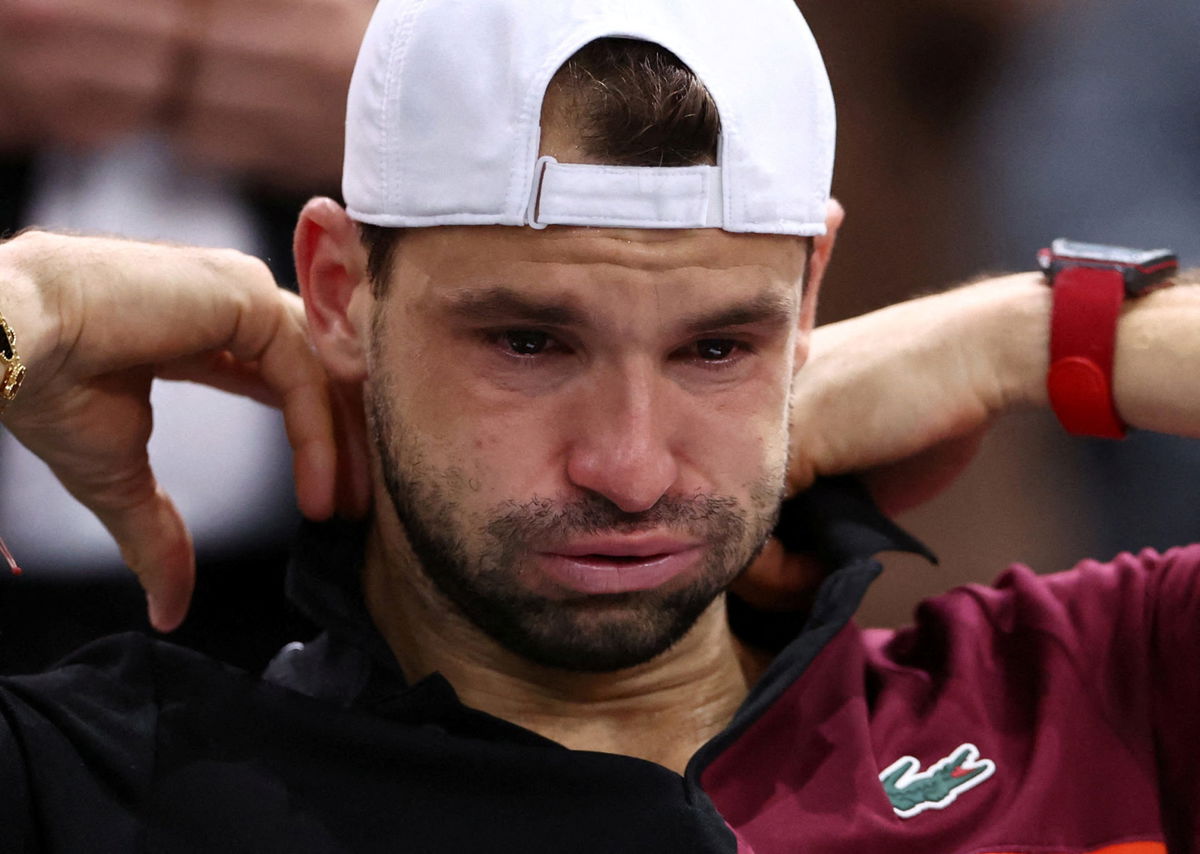
    Speaking to the press, Dimitrov opened up on facing adverse situations in his life. He revealed that it would be a lie if he claimed that he never witnessed distressing times. “I had severe moments of, you know, anxiety, panic attacks,” said Dimitrov. Continuing further, he said it would be good if athletes could open up to each other about their challenges.  

    ADVERTISEMENT

    Article continues below this ad

    Of course, I think, you know, it helps when you can talk to people and share. Even if it’s another tennis player, I would say we all should be more open to each other.  I know it’s difficult, I know it’s very individual sport, I know it’s brutal. But I mean, we are all human in general today, and we are not different than anyone else,” the 33-year-old shared.  This comes just a week after the world celebrated the Mental Health Day. Dimitrov shared his happiness for athletes who are coming to admit the mental stress that they face, he said that it should continue to increase. “We don’t speak about it often but I think we should. It’s not a weakness. I think it’s totally the opposite,” he added. Remember, this is not the first time that the star player has opened up about mental health. 


    For Dimitrov, mental health is one of the crucial topics and he has talked about mental health issues time and again. Earlier, he revealed how the COVID-19 pandemic impacted him mentally and the repercussions he faced. “I started playing again but I was just not there – both physically and mentally – and I wasn’t prepared to do the hard yards,” Dimitrov said while talking about his recovery process. “You’re alone for about 20 days for 24 hours. I spent over 5,000 hours by myself. A lot of things are going through your head. It doesn’t matter how mentally strong you are as a person or athlete, it’s inevitable to get some bad thoughts in your head,” Dimitrov revealed in 2020. But the Bulgarian player has now learned to fight through challenges – about which he himself opened up during the conversation. 

    ADVERTISEMENT

    Article continues below this ad

    When Grigor Dimitrov revealed the secret mantra to win over these challenges

    Grigor Dimitrov has depicted immense resilience over the years. This trait has not just helped him overcome the challenges on the court, but it has also allowed him to maintain a positive outlook. The Bulgarian opened up about how he amalgamates positivity and belief to stay motivated. 

    Speaking in an interview with the Australian Tennis Magazine, the star player shared, “I was thrilled with the way I was playing throughout the whole tournament. A lot of good wins, a lot of positive wins,” said Dimitrov, about his campaigns in 2023. “I need to stay positive and keep on believing that things will come out for me.” He also highlighted the importance of a determined outlook to achieve success. 

    ADVERTISEMENT

    Article continues below this ad

    The discipline, the hard work, you know, all the dedication, the adjustment to very different players throughout that time, I mean, you need to be able to do that on a constant basis. It’s been difficult. I had very, very difficult matches that I have lost … but I kept on believing.”

    The star’s mental tenacity has definitely helped him recently. His incredible performance in Stockholm is a good expression of the result of his belief and determination. Do you think he would clinch the title? Let us know in the comments below:


    Source link

  • “Had Severe Moments of Anxiety” – Grigor Dimitrov Opens Up on His Worst Phase of Life as He Makes an Emotional Plea to Athletes

    “Had Severe Moments of Anxiety” – Grigor Dimitrov Opens Up on His Worst Phase of Life as He Makes an Emotional Plea to Athletes

    Tennis isn’t just about showcasing skill and resilience; it’s as much mental as it’s physical. Players often find themselves faced with challenges that push them to their limits not only physically but also mentally. For many, the strain goes beyond the match, affecting their mindset in ways fans may not always realize. Grigor Dimitrov, the Bulgarian tennis star, is the latest to open up about the mental toll the game can take.

    The Bulgarian tennis sensation is currently gearing up to face Tommy Paul in the finals of the Stockholm Open. However, besides his remarkable run in the event, what captured the attention of the community is a sensational admission and a heartfelt appeal that came from the star player during an interview. 

    Speaking to the press, Dimitrov opened up on facing adverse situations in his life. He revealed that it would be a lie if he claimed that he never witnessed distressing times. “I had severe moments of, you know, anxiety, panic attacks,” said Dimitrov. Continuing further, he said it would be good if athletes could open up to each other about their challenges.  

    ADVERTISEMENT

    Article continues below this ad

    Of course, I think, you know, it helps when you can talk to people and share. Even if it’s another tennis player, I would say we all should be more open to each other.  I know it’s difficult, I know it’s very individual sport, I know it’s brutal. But I mean, we are all human in general today, and we are not different than anyone else,” the 33-year-old shared.  This comes just a week after the world celebrated the Mental Health Day. Dimitrov shared his happiness for athletes who are coming to admit the mental stress that they face, he said that it should continue to increase. “We don’t speak about it often but I think we should. It’s not a weakness. I think it’s totally the opposite,” he added. Remember, this is not the first time that the star player has opened up about mental health. 


    For Dimitrov, mental health is one of the crucial topics and he has talked about mental health issues time and again. Earlier, he revealed how the COVID-19 pandemic impacted him mentally and the repercussions he faced. “I started playing again but I was just not there – both physically and mentally – and I wasn’t prepared to do the hard yards,” Dimitrov said while talking about his recovery process. “You’re alone for about 20 days for 24 hours. I spent over 5,000 hours by myself. A lot of things are going through your head. It doesn’t matter how mentally strong you are as a person or athlete, it’s inevitable to get some bad thoughts in your head,” Dimitrov revealed in 2020. But the Bulgarian player has now learned to fight through challenges – about which he himself opened up during the conversation. 

    ADVERTISEMENT

    Article continues below this ad

    When Grigor Dimitrov revealed the secret mantra to win over these challenges

    Grigor Dimitrov has depicted immense resilience over the years. This trait has not just helped him overcome the challenges on the court, but it has also allowed him to maintain a positive outlook. The Bulgarian opened up about how he amalgamates positivity and belief to stay motivated. 

    Speaking in an interview with the Australian Tennis Magazine, the star player shared, “I was thrilled with the way I was playing throughout the whole tournament. A lot of good wins, a lot of positive wins,” said Dimitrov, about his campaigns in 2023. “I need to stay positive and keep on believing that things will come out for me.” He also highlighted the importance of a determined outlook to achieve success. 

    ADVERTISEMENT

    Article continues below this ad

    The discipline, the hard work, you know, all the dedication, the adjustment to very different players throughout that time, I mean, you need to be able to do that on a constant basis. It’s been difficult. I had very, very difficult matches that I have lost … but I kept on believing.”

    The star’s mental tenacity has definitely helped him recently. His incredible performance in Stockholm is a good expression of the result of his belief and determination. Do you think he would clinch the title? Let us know in the comments below:


    Source link

  • “Had Severe Moments of Anxiety” – Grigor Dimitrov Opens Up on His Worst Phase of Life as He Makes an Emotional Plea to Athletes

    “Had Severe Moments of Anxiety” – Grigor Dimitrov Opens Up on His Worst Phase of Life as He Makes an Emotional Plea to Athletes

    Tennis isn’t just about showcasing skill and resilience; it’s as much mental as it’s physical. Players often find themselves faced with challenges that push them to their limits not only physically but also mentally. For many, the strain goes beyond the match, affecting their mindset in ways fans may not always realize. Grigor Dimitrov, the Bulgarian tennis star, is the latest to open up about the mental toll the game can take.

    The Bulgarian tennis sensation is currently gearing up to face Tommy Paul in the finals of the Stockholm Open. However, besides his remarkable run in the event, what captured the attention of the community is a sensational admission and a heartfelt appeal that came from the star player during an interview. 

    Speaking to the press, Dimitrov opened up on facing adverse situations in his life. He revealed that it would be a lie if he claimed that he never witnessed distressing times. “I had severe moments of, you know, anxiety, panic attacks,” said Dimitrov. Continuing further, he said it would be good if athletes could open up to each other about their challenges.  

    ADVERTISEMENT

    Article continues below this ad

    Of course, I think, you know, it helps when you can talk to people and share. Even if it’s another tennis player, I would say we all should be more open to each other.  I know it’s difficult, I know it’s very individual sport, I know it’s brutal. But I mean, we are all human in general today, and we are not different than anyone else,” the 33-year-old shared.  This comes just a week after the world celebrated the Mental Health Day. Dimitrov shared his happiness for athletes who are coming to admit the mental stress that they face, he said that it should continue to increase. “We don’t speak about it often but I think we should. It’s not a weakness. I think it’s totally the opposite,” he added. Remember, this is not the first time that the star player has opened up about mental health. 


    For Dimitrov, mental health is one of the crucial topics and he has talked about mental health issues time and again. Earlier, he revealed how the COVID-19 pandemic impacted him mentally and the repercussions he faced. “I started playing again but I was just not there – both physically and mentally – and I wasn’t prepared to do the hard yards,” Dimitrov said while talking about his recovery process. “You’re alone for about 20 days for 24 hours. I spent over 5,000 hours by myself. A lot of things are going through your head. It doesn’t matter how mentally strong you are as a person or athlete, it’s inevitable to get some bad thoughts in your head,” Dimitrov revealed in 2020. But the Bulgarian player has now learned to fight through challenges – about which he himself opened up during the conversation. 

    ADVERTISEMENT

    Article continues below this ad

    When Grigor Dimitrov revealed the secret mantra to win over these challenges

    Grigor Dimitrov has depicted immense resilience over the years. This trait has not just helped him overcome the challenges on the court, but it has also allowed him to maintain a positive outlook. The Bulgarian opened up about how he amalgamates positivity and belief to stay motivated. 

    Speaking in an interview with the Australian Tennis Magazine, the star player shared, “I was thrilled with the way I was playing throughout the whole tournament. A lot of good wins, a lot of positive wins,” said Dimitrov, about his campaigns in 2023. “I need to stay positive and keep on believing that things will come out for me.” He also highlighted the importance of a determined outlook to achieve success. 

    ADVERTISEMENT

    Article continues below this ad

    The discipline, the hard work, you know, all the dedication, the adjustment to very different players throughout that time, I mean, you need to be able to do that on a constant basis. It’s been difficult. I had very, very difficult matches that I have lost … but I kept on believing.”

    The star’s mental tenacity has definitely helped him recently. His incredible performance in Stockholm is a good expression of the result of his belief and determination. Do you think he would clinch the title? Let us know in the comments below:


    Source link

  • How to Naturally Manage Stress and Anxiety: Supplements and Lifestyle Tips

    Stress and anxiety have become all too common to the average person today. Juggling work, family, and social commitments, along with the constant barrage of information from technology, can leave us feeling overwhelmed and on edge.

    While modern medicine offers solutions, nature provides a treasure trove of remedies to help us manage stress and anxiety naturally. Let’s delve into some of the most effective supplements and lifestyle tips for finding calm and balance in our hectic lives.

    Herbal Allies for Stress and Anxiety

    • Ashwagandha: This adaptogenic herb, revered in Ayurvedic medicine, helps the body cope with stress by regulating cortisol levels, the stress hormone. Studies suggest it can reduce anxiety, improve sleep, and enhance overall well-being.

    • Rhodiola Rosea: Another powerful adaptogen, Rhodiola, helps the body adapt to physical and mental stress. It can improve mood, reduce fatigue, and enhance cognitive function, making it a valuable tool for managing stress-related symptoms.

    • Passionflower: This beautiful flower has a long history of use for anxiety and insomnia. It contains compounds that interact with the brain’s GABA receptors, promoting relaxation and calmness.

    • Lavender: The soothing scent of lavender has been shown to reduce anxiety and improve sleep quality. Consider using lavender essential oil in a diffuser, adding it to a warm bath, or simply inhaling its aroma.

    • Chamomile: This gentle herb has calming properties that can help ease anxiety and promote relaxation. Enjoy a cup of chamomile tea before bed for a restful night’s sleep.

    Vitamins and Minerals for Mental Well-being

    • Magnesium: Often referred to as the “relaxation mineral,” magnesium plays a vital role in regulating stress responses. It can help reduce anxiety, improve sleep, and support overall mental health.

    • B Vitamins: B vitamins, particularly B6 and B12, are essential for brain health and the production of neurotransmitters that regulate mood. A deficiency in these vitamins can contribute to anxiety and depression.

    • Vitamin D: Often called the “sunshine vitamin,” Vitamin D is crucial for mood regulation. Spending time outdoors in sunlight or taking a Vitamin D supplement can help improve mood and reduce anxiety symptoms.

    If you’re looking for high-quality herbal supplements to support your stress and anxiety management journey, consider Herbal Pharm, a brand dedicated to providing natural solutions for health and wellness. Their products are made with premium ingredients, halal-certified, and formulated to promote optimal well-being.

    Lifestyle Tips for Stress Reduction

    Beyond supplements, incorporating these lifestyle tips into your daily routine can significantly impact your stress levels:

    • Regular Exercise: Physical activity releases endorphins, the “feel-good” hormones, and helps reduce stress and anxiety.

    • Mindfulness and Meditation: Practices like mindfulness and meditation can help you cultivate inner peace and manage stress more effectively.

    • Healthy Diet: Eating a balanced diet rich in fruits, vegetables, and whole grains provides your body with the nutrients it needs to function optimally and cope with stress.

    • Quality Sleep: Aim for 7-8 hours of quality sleep each night to allow your body and mind to recharge.

    • Social Connection: Nurturing strong relationships with friends and family can provide emotional support and buffer the effects of stress.

    Take the First Step to a Lower-Stress Life

    Stress and anxiety are inevitable parts of life, but they don’t have to control us. By incorporating natural remedies like herbal supplements, vitamins, and lifestyle modifications, we can empower ourselves to manage stress and anxiety effectively. Remember, you’re in control and you can choose to take the first step towards a calmer, more balanced life.

    Source: Busines NewsWire

    Source link

  • How to Naturally Manage Stress and Anxiety: Supplements and Lifestyle Tips

    Stress and anxiety have become all too common to the average person today. Juggling work, family, and social commitments, along with the constant barrage of information from technology, can leave us feeling overwhelmed and on edge.

    While modern medicine offers solutions, nature provides a treasure trove of remedies to help us manage stress and anxiety naturally. Let’s delve into some of the most effective supplements and lifestyle tips for finding calm and balance in our hectic lives.

    Herbal Allies for Stress and Anxiety

    • Ashwagandha: This adaptogenic herb, revered in Ayurvedic medicine, helps the body cope with stress by regulating cortisol levels, the stress hormone. Studies suggest it can reduce anxiety, improve sleep, and enhance overall well-being.

    • Rhodiola Rosea: Another powerful adaptogen, Rhodiola, helps the body adapt to physical and mental stress. It can improve mood, reduce fatigue, and enhance cognitive function, making it a valuable tool for managing stress-related symptoms.

    • Passionflower: This beautiful flower has a long history of use for anxiety and insomnia. It contains compounds that interact with the brain’s GABA receptors, promoting relaxation and calmness.

    • Lavender: The soothing scent of lavender has been shown to reduce anxiety and improve sleep quality. Consider using lavender essential oil in a diffuser, adding it to a warm bath, or simply inhaling its aroma.

    • Chamomile: This gentle herb has calming properties that can help ease anxiety and promote relaxation. Enjoy a cup of chamomile tea before bed for a restful night’s sleep.

    Vitamins and Minerals for Mental Well-being

    • Magnesium: Often referred to as the “relaxation mineral,” magnesium plays a vital role in regulating stress responses. It can help reduce anxiety, improve sleep, and support overall mental health.

    • B Vitamins: B vitamins, particularly B6 and B12, are essential for brain health and the production of neurotransmitters that regulate mood. A deficiency in these vitamins can contribute to anxiety and depression.

    • Vitamin D: Often called the “sunshine vitamin,” Vitamin D is crucial for mood regulation. Spending time outdoors in sunlight or taking a Vitamin D supplement can help improve mood and reduce anxiety symptoms.

    If you’re looking for high-quality herbal supplements to support your stress and anxiety management journey, consider Herbal Pharm, a brand dedicated to providing natural solutions for health and wellness. Their products are made with premium ingredients, halal-certified, and formulated to promote optimal well-being.

    Lifestyle Tips for Stress Reduction

    Beyond supplements, incorporating these lifestyle tips into your daily routine can significantly impact your stress levels:

    • Regular Exercise: Physical activity releases endorphins, the “feel-good” hormones, and helps reduce stress and anxiety.

    • Mindfulness and Meditation: Practices like mindfulness and meditation can help you cultivate inner peace and manage stress more effectively.

    • Healthy Diet: Eating a balanced diet rich in fruits, vegetables, and whole grains provides your body with the nutrients it needs to function optimally and cope with stress.

    • Quality Sleep: Aim for 7-8 hours of quality sleep each night to allow your body and mind to recharge.

    • Social Connection: Nurturing strong relationships with friends and family can provide emotional support and buffer the effects of stress.

    Take the First Step to a Lower-Stress Life

    Stress and anxiety are inevitable parts of life, but they don’t have to control us. By incorporating natural remedies like herbal supplements, vitamins, and lifestyle modifications, we can empower ourselves to manage stress and anxiety effectively. Remember, you’re in control and you can choose to take the first step towards a calmer, more balanced life.

    Source: Busines NewsWire

    Source link

  • Will taking a magnesium supplement help your anxiety? TikTok seems to think so

    Will taking a magnesium supplement help your anxiety? TikTok seems to think so

    So why is everyone talking about magnesium right now, and with so many forms on the market, how do we know which is the most effective?

    It turns out there are myriad symptoms that can be attributed to a deficiency in magnesium (anxiety included), as the mineral is crucial for many aspects of human health.

    Can magnesium help with anxiety?

    Magnesium is involved in over 700 enzymatic reactions in the body, says Shaz Andrew, a qualified naturopath, medical herbalist and holistic nutritionist. When it comes to anxiety, magnesium helps to provide calm and relaxation, which can help alleviate stress and anxiety and improve sleep quality.

    “It does this by relaxing the muscles and binds to receptors for the neurotransmitter GABA in the brain – an inhibitory neurotransmitter that promotes calmness and tranquillity,” explains Andrew, who runs her own online clinic as well as working as the in-house naturopath at Auckland wellness space Hana.

    In his video, Wesley is shown holding a jar of magnesium glycinate, which Andrew confirms is the most effective form of magnesium for treating anxiety.

    “Magnesium glycinate has calming properties and can be helpful for alleviating chronic stress, anxiety, depression and PMS symptoms. It is also a good form of magnesium for improving sleep quality and regulating blood sugar levels,” she says.

    Clinical trials suggest there is merit in introducing magnesium for those living with anxiety. One study of 264 adults with low to low-normal magnesium levels showed subjects reported an improvement in their anxiety and stress after supplementing magnesium for eight weeks.

    A 2017 review of 18 clinical studies examining the impact of magnesium supplementation on people with anxiety showed nine of those studies reported improvements in anxiety levels in those participating in the trials.

    Magnesium also impacts the actions of other nutrients, in particular vitamin D.

    “The enzymes in our body involved in the production of active vitamin D require magnesium as a co-factor,” says Andrew. “Magnesium is also required for the transport of vitamin D around the body.”

    Studies have shown vitamin D also has a role to play in regulating mood and decreasing symptoms of anxiety and depression.

    What are the signs you may be magnesium deficient?

    Andrew explains that low magnesium levels have become more common in the Western world due to our highly processed and nutrient-deplete diets. “Too much coffee, alcohol, sugar and the use of pharmaceutical drugs like omeprazole, antacids and diuretics also deplete magnesium levels,” she says.

    Some signs of magnesium deficiency include fatigue, headaches, sugar cravings, cravings for stimulants such as coffee, muscle cramps, eye twitching, muscle weakness, numbness, irritability, anxiety, poor memory, poor sleep quality, loss of appetite, nausea, vomiting, photosensitivity, hormonal imbalances, PMS symptoms, dysmenorrhea (painful periods) and bone weakness.

    “Long-term deficiencies in magnesium increase the risk of osteoporosis, high blood pressure, cardiovascular disease and type two diabetes,” adds Andrew.

    Is it possible to have too much magnesium?

    “As with every nutritional supplement, overconsumption of magnesium can lead to unwanted side effects,” says Andrew, who lists digestive issues, low blood pressure, an irregular heartbeat and lethargy as some of the most common.

    “Based on a standard diet, most people require an extra 150-300mg of magnesium daily. But it is always best to take magnesium according to the advice of your healthcare practitioner, alongside a balanced diet and lifestyle, with movement and rest.”

    Decoding the different forms of magnesium

    Magnesium bisglycinate

    As mentioned, magnesium glycinate has calming properties and can be helpful for alleviating chronic stress, anxiety, depression and PMS symptoms. It is also a good form of magnesium for improving sleep quality and regulating blood sugar levels.

    “This form of magnesium has great absorption and does not cause gastrointestinal symptoms, so is beneficial for people with digestive issues such as inflammatory bowel disease (IBD) or IBS,” says Andrew.

    Magnesium bisglycinate supplement:

    BePure magnesium restore, from $37.90.

    Magnesium oxide

    This form of magnesium is cheap to make and is often found in over-the-counter supplements but it is not well absorbed and can lead to uncomfortable gastrointestinal symptoms, including abdominal discomfort, gut irritation, loose stools and flatulence, says Andrew.

    “Magnesium oxide can be used as a laxative, but does not raise magnesium levels in the body effectively,” she adds.

    Magnesium oxide supplement:

    Longevity magnesium oxide, 500mg, from $35.

    Magnesium citrate

    This is one of the most common forms of magnesium often found in over-the-counter magnesium supplements and is more bioavailable than magnesium oxide.

    “Magnesium citrate can be used to calm the nervous system, alleviate night cramps and for constipation,” says Andrew, who notes that its laxative effect means it is not recommended for those already experiencing loose stools.

    Magnesium citrate supplement:

    The Good Vitamin Co Kids Good Magnesium Calm Down, $27.99

    Magnesium L-threonate

    “Magnesium L-threonate is able to cross the blood-brain barrier, helping to increase magnesium levels in the brain. It is beneficial for cognitive function, memory and mood,” says Andrew. It’s a form of magnesium that is often used in the treatment of depression, Alzheimer’s disease and other forms of memory loss.

    Magnesium L-threonate supplement:

    Now Magtein magnesium L-threonate, $89.90.

    Magnesium chloride

    Magnesium chloride is a highly bio-available form of magnesium commonly used in topical magnesium products, such as lotions, oils and sprays. It’s valued for its ability to be absorbed through the skin, making it a popular choice for those seeking the benefits of magnesium without needing to take oral supplements.

    Applying magnesium chloride topically allows for targeted relief. For example, if someone has muscle pain in a specific area, they can apply a magnesium chloride product directly to that spot for localised treatment.

    Magnesium chloride supplement:

    Sisuu magnesium oil spray, from $36.

    Lucy Slight is a beauty and lifestyle columnist for the Herald. She has worked in print and digital publishing for the past 17 years in New Zealand and Australia, across several well-known fashion, beauty, entertainment, food and home titles. Recently, she’s explained how to care for your hands this winter, whether all children need to be using gentle bath products on their skin, and the skincare tradies use.

    Source link