hacklink hack forum hacklink film izle hacklink marsbahisizmir escortsahabetpornJojobetcasibompadişahbetBakırköy Escortcasibom9018betgit casinojojobet

Tag: Breast

  • Simple lifestyle changes to help prevent breast cancer: A doctor’s top tips

    Simple lifestyle changes to help prevent breast cancer: A doctor’s top tips

    As a local family doctor passionate about promoting wellness and managing disease through a balanced lifestyle, I understand the impact that small, consistent choices can have on overall well-being. For October, Breast Cancer Awareness Month, I’d like to share ten practical tips to help reduce the risk of breast cancer. Prevention through lifestyle changes can be empowering, and these recommendations are designed to support you in making informed, health-positive choices every day.

    1. Maintain a Healthy Weight: Being overweight or obese is associated with an increased risk of breast cancer, particularly after menopause. Excess fat tissue can increase estrogen levels, which may contribute to the development of breast cancer. A healthy weight not only reduces cancer risk but also promotes overall wellness, boosts energy, and supports longevity. To help maintain a healthy weight:
      • Eliminate Snacks: Limiting eating to three balanced meals a day can help control calorie intake, prevent mindless eating, and encourage more mindful, nourishing meals.
      • Limit Added Sugar: Excess sugar can contribute to weight gain and inflammation, which has been linked to cancer risk. Restrict added sugar to no more than once per week, avoid sugary beverages, and consider unsweetened alternatives for coffee and tea.
      • Limit Refined Grains and Starchy Vegetables: Foods like flour tortillas, white bread, white rice, and potatoes quickly raise blood sugar levels, contributing to weight gain and potentially increasing cancer risk. Try whole grains, such as quinoa and barley, to increase fiber intake and stabilize blood sugar.
    2. Be Physically Active: Staying active is essential for maintaining a healthy weight and regulating hormones. Research shows that women who are physically active have a lower risk of breast cancer. Aim to walk at least 10,000 steps daily, incorporating small changes such as parking farther from work and taking the stairs instead of elevators. On weekends, a longer hike or bike ride can increase fitness and mental clarity. Additionally, include two sessions of strength training each week to support muscle health. Strength training exercises can include body weight routines, free weights, yoga, or Pilates, each of which builds muscle, improves bone density, and boosts metabolic health.
    3. Eat Plenty of Fruits and Vegetables: Filling half your plate with colorful fruits and vegetables provides essential vitamins, fiber, and antioxidants that may protect against cancer. These foods are rich in phytonutrients and other compounds with potential cancer-fighting properties. For example, berries are high in antioxidants, leafy greens support cellular health, and cruciferous vegetables like broccoli and kale contain glucosinolates, which may help deactivate cancer-causing substances in the body. Try to include a variety of produce in your diet each day for maximum benefit.
    4. Limit Processed and Red Meats: Studies suggest a link between high intake of processed meats (like bacon, sausage, and deli meats) and red meats with an increased risk of breast cancer. These meats often contain preservatives, nitrates, and other additives that can be harmful to cells. Instead, choose lean proteins like poultry, fish, and plant-based options such as beans, lentils, and tofu. These alternatives provide high-quality protein without the potential carcinogens associated with processed meats.
    5. Limit Ultra-Processed Foods: Ultra-processed foods, including packaged snacks, fast food, sodas, and processed desserts, often contain high levels of unhealthy fats, sugars, and preservatives that may contribute to cancer risk. Some of these ingredients, such as trans fats and artificial sweeteners, can promote inflammation and cellular damage. Choosing whole foods and minimally processed options not only benefits breast health but also supports gut health, metabolic function, and immune response.
    6. Limit Alcohol Intake: Alcohol consumption is a known risk factor for breast cancer, as it can increase estrogen levels and lead to DNA damage in cells. Limiting alcohol intake to one drink per day or less is recommended to reduce breast cancer risk. If you enjoy a drink on occasion, try to choose lower-alcohol options and alternate with non-alcoholic beverages like sparkling water or herbal tea to stay hydrated and minimize intake.
    7. Avoid Smoking: Smoking is linked to a variety of cancers, including breast cancer. If you’re trying to quit, remember that there are effective medications and nicotine replacement products that can double or even triple your chances of quitting successfully. Talking to your healthcare provider can help you find the best strategy for you, whether it’s medication, nicotine patches, or other support options. A smoke-free lifestyle improves lung function, reduces inflammation, and enhances overall health.
    8. Limit Hormone Replacement Therapy (HRT): Combined HRT, which includes both estrogen and progesterone, is linked to an increased, but very small, risk of breast cancer (most studies show less than 3 in 1,000). If HRT is necessary, talk with your doctor to explore the lowest effective dose for the shortest possible time. Non-hormonal options for managing menopausal symptoms, like certain lifestyle adjustments and non-hormonal medications, can be effective alternatives to HRT, potentially minimizing breast cancer risk.
    9. Manage Stress: Chronic stress can impact the body in numerous ways, potentially increasing cancer risk by weakening the immune system and promoting inflammation. Developing a regular routine to manage stress can positively impact health. For example, I use the Calm app for a quick 10-minute morning meditation that sets a calm tone for the day. Journaling for 15 minutes daily can also help release thoughts and emotions, reducing mental clutter. Additionally, a short 12-minute yoga routine using the Down Dog app adds another layer of relaxation, supporting flexibility, muscle tone, and mental peace.
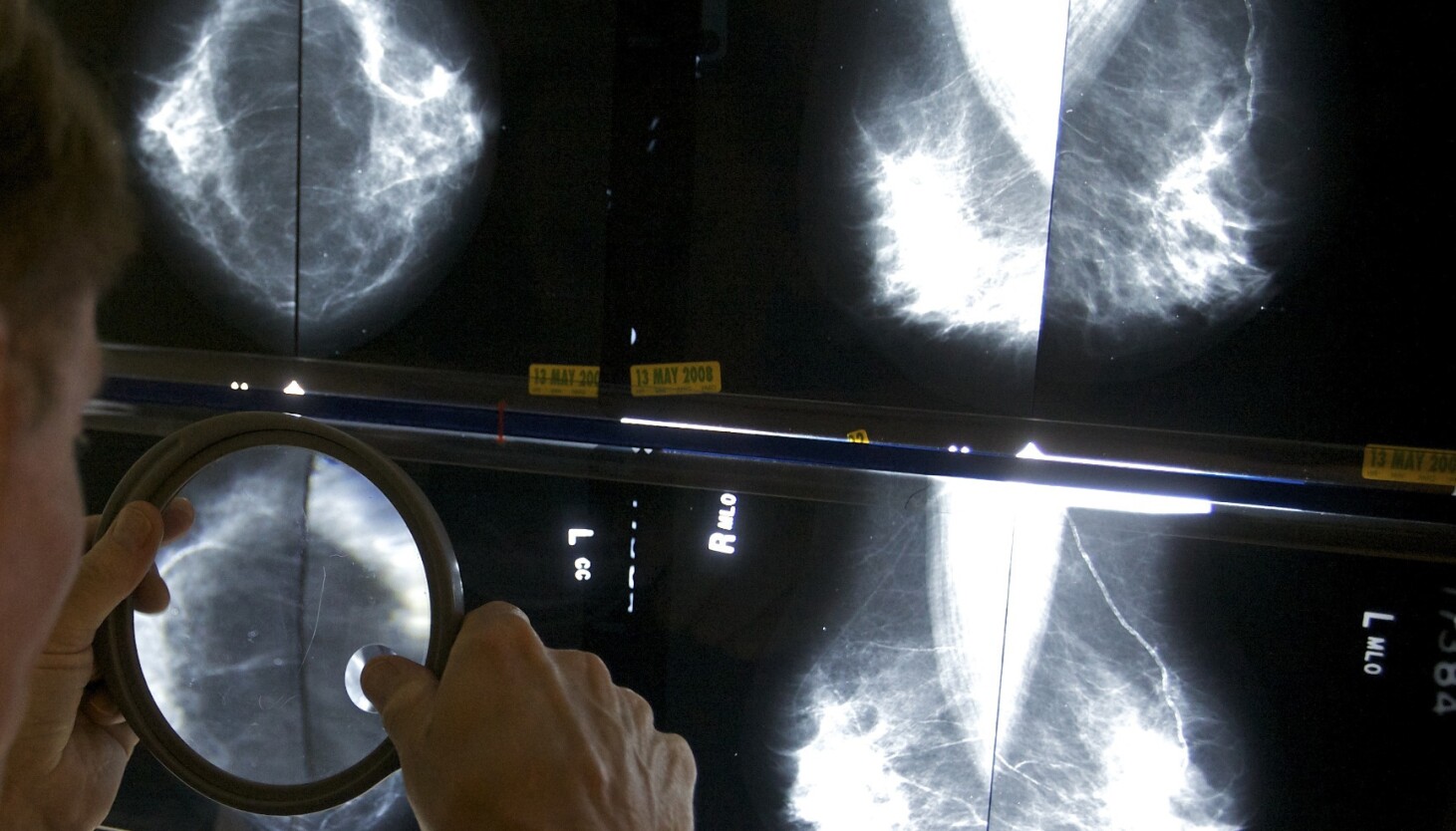
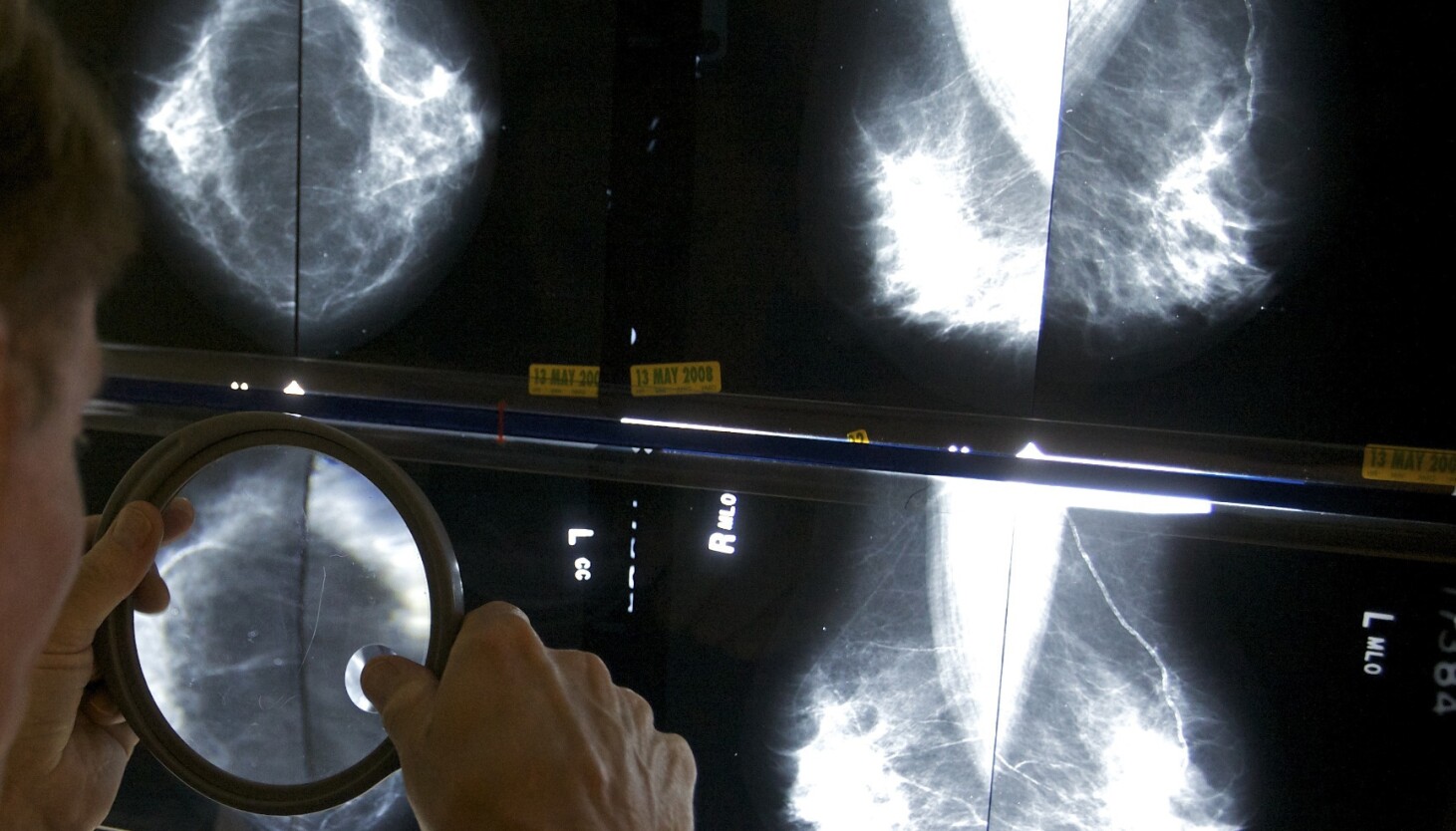
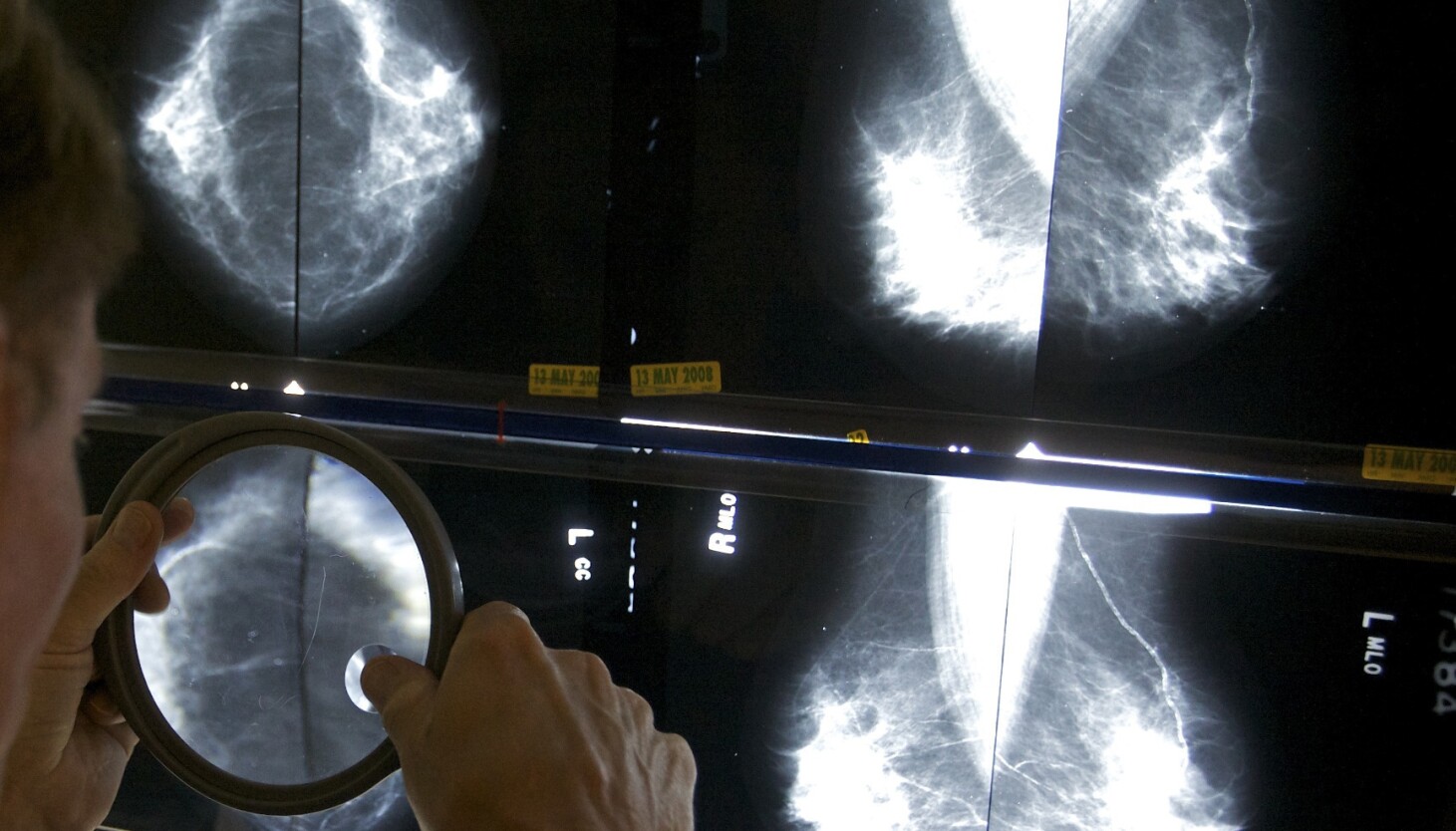
    10. Get Regular Screenings: Regular screenings like mammograms can detect breast cancer early, improving the chances of successful treatment. Follow screening guidelines based on your age, personal risk factors, and family history. Early detection saves lives, so make sure to schedule routine screenings as recommended by your healthcare provider.

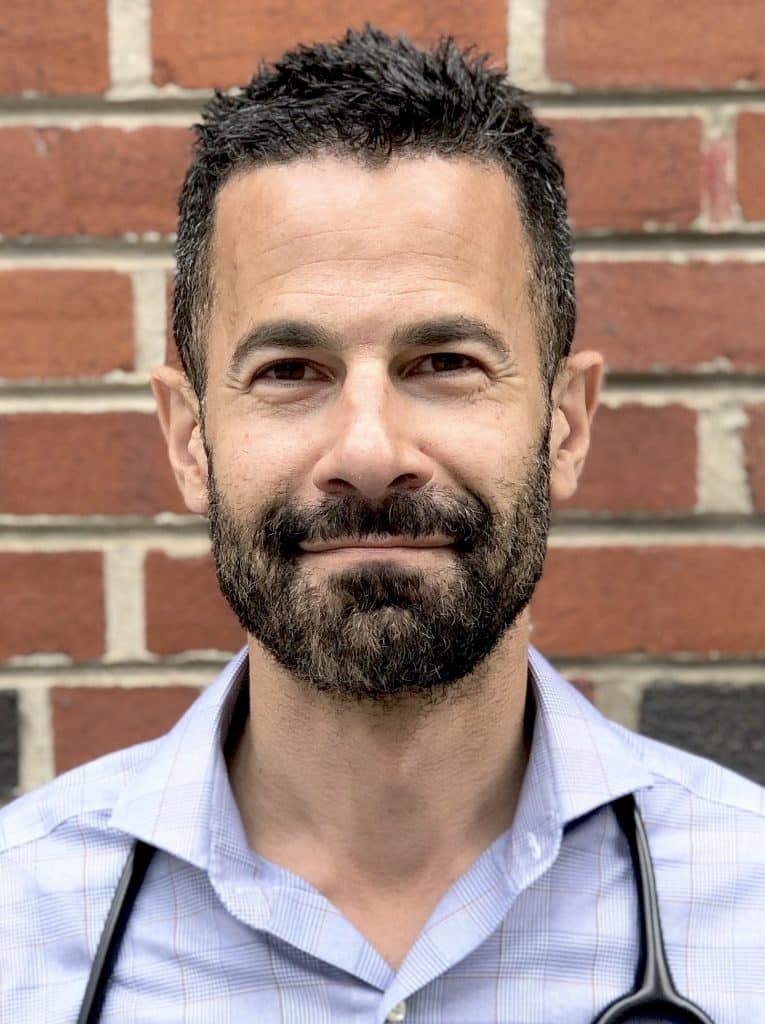
    Dr. Nicholas Cohen, MD, is a board-certified family physician affiliated with the Tahoe Forest Health System. To book a visit with a primary care provider at Tahoe Forest, call (530) 582-6205.
    Source link

  • Lifestyle changes are as important as screening in preventing breast cancer

    Lifestyle changes are as important as screening in preventing breast cancer

    Early detection of breast cancer is indeed crucial, as Sun-Times reporter Kaitlin Washburn’s story on young women being diagnosed with the disease recently pointed out. However, beyond screening, it’s also critical to address the role lifestyle factors play in reducing cancer risk.

    Genetic predisposition is a key factor in breast cancer, and while we can’t change our genes, we can control our lifestyle. Maintaining a healthy weight, exercising and eating a balanced diet all influence metabolic health, which can affect cancer development. This is particularly important for women with BRCA mutations and those in communities where access to health care is limited, leading to delayed diagnoses and worse outcomes.

    Metabolic health is a vital aspect of cancer prevention. Studies show that metabolic imbalances such as obesity, high glucose levels and insulin resistance can create conditions that enable cancer to thrive. This is especially true for breast cancer, where these factors are associated with poorer outcomes.

    In addition to diet, maintaining a healthy gut is essential in cancer prevention. A diverse, well-functioning gut microbiome supports immune health and can enhance the body’s ability to fight off disease. Research has even shown that certain gut bacteria can improve the effectiveness of cancer therapies, such as immunotherapy.

    So, assessing your diet and daily movement are good places to start when it comes to lifestyle prevention methods. Monitoring sugar intake, focusing on whole, fiber-rich foods, including fruits and vegetables and incorporating daily movement may help improve metabolic and gut health as well as overall cancer resilience.

    SEND LETTERS TO: letters@suntimes.com. To be considered for publication, letters must include your full name, your neighborhood or hometown and a phone number for verification purposes. Letters should be a maximum of approximately 375 words.

    That said, lifestyle changes alone are not a complete solution. We need to look at the whole picture for tools to reduce cancer risk, including testing for genetic predispositions, regular screenings and addressing barriers to timely diagnosis and treatment.

    But it’s equally important to promote comprehensive prevention strategies that include lifestyle modifications. It’s time to broaden the conversation to include lifestyle factors, empowering women to take control of their health.

    Julia Holden, Lincoln Park

    Gun industry shouldn’t get off scot-free

    In his most recent column, Jacob Sullum argues that the father of the boy who killed two students and two teachers at a Georgia school in September should not face criminal charges for his son’s actions.

    Mr. Sullum has a point — it’s always difficult to judge parents for their children’s behavior. We’ll see what is revealed during the trial and whether in this case, the father did act recklessly.

    But Mr. Sullum might consider another common-sense solution that may have prevented this shooting and many others: Repeal the law that provides gun manufacturers and dealers immunity from civil liability. Instead of seeking justice from parents for school shootings, let’s hold the gun industry accountable for the devastating impact of its product.

    Gun crime and murders are exponentially higher in America than in most high-income nations. This is for one simple reason: Gun manufacturers and dealers have bought the support of the GOP to protect themselves from accountability for the horrific impact of their product on our society. This makes guns more easily available to Americans, even children, than in most similar countries.

    If Congress made the gun industry liable for the harm their product causes (just like every other product) the gun industry might shrink dramatically, saving thousands of lives from gun violence annually.

    Barry Owen, Lake View


    Source link

  • Lifestyle changes are as important as screening in preventing breast cancer

    Lifestyle changes are as important as screening in preventing breast cancer

    Early detection of breast cancer is indeed crucial, as Sun-Times reporter Kaitlin Washburn’s story on young women being diagnosed with the disease recently pointed out. However, beyond screening, it’s also critical to address the role lifestyle factors play in reducing cancer risk.

    Genetic predisposition is a key factor in breast cancer, and while we can’t change our genes, we can control our lifestyle. Maintaining a healthy weight, exercising and eating a balanced diet all influence metabolic health, which can affect cancer development. This is particularly important for women with BRCA mutations and those in communities where access to health care is limited, leading to delayed diagnoses and worse outcomes.

    Metabolic health is a vital aspect of cancer prevention. Studies show that metabolic imbalances such as obesity, high glucose levels and insulin resistance can create conditions that enable cancer to thrive. This is especially true for breast cancer, where these factors are associated with poorer outcomes.

    In addition to diet, maintaining a healthy gut is essential in cancer prevention. A diverse, well-functioning gut microbiome supports immune health and can enhance the body’s ability to fight off disease. Research has even shown that certain gut bacteria can improve the effectiveness of cancer therapies, such as immunotherapy.

    So, assessing your diet and daily movement are good places to start when it comes to lifestyle prevention methods. Monitoring sugar intake, focusing on whole, fiber-rich foods, including fruits and vegetables and incorporating daily movement may help improve metabolic and gut health as well as overall cancer resilience.

    SEND LETTERS TO: letters@suntimes.com. To be considered for publication, letters must include your full name, your neighborhood or hometown and a phone number for verification purposes. Letters should be a maximum of approximately 375 words.

    That said, lifestyle changes alone are not a complete solution. We need to look at the whole picture for tools to reduce cancer risk, including testing for genetic predispositions, regular screenings and addressing barriers to timely diagnosis and treatment.

    But it’s equally important to promote comprehensive prevention strategies that include lifestyle modifications. It’s time to broaden the conversation to include lifestyle factors, empowering women to take control of their health.

    Julia Holden, Lincoln Park

    Gun industry shouldn’t get off scot-free

    In his most recent column, Jacob Sullum argues that the father of the boy who killed two students and two teachers at a Georgia school in September should not face criminal charges for his son’s actions.

    Mr. Sullum has a point — it’s always difficult to judge parents for their children’s behavior. We’ll see what is revealed during the trial and whether in this case, the father did act recklessly.

    But Mr. Sullum might consider another common-sense solution that may have prevented this shooting and many others: Repeal the law that provides gun manufacturers and dealers immunity from civil liability. Instead of seeking justice from parents for school shootings, let’s hold the gun industry accountable for the devastating impact of its product.

    Gun crime and murders are exponentially higher in America than in most high-income nations. This is for one simple reason: gun manufacturers and dealers have bought the support of the GOP to protect themselves from accountability for the horrific impact of their product on our society. This makes guns more easily available to Americans, even children, than in most similar countries.

    If Congress made the gun industry liable for the harm their product causes (just like every other product) the gun industry might shrink dramatically, saving thousands of lives from gun violence annually.

    Barry Owen, Lake View


    Source link

  • Lifestyle changes are as important as screening in preventing breast cancer

    Lifestyle changes are as important as screening in preventing breast cancer

    Early detection of breast cancer is indeed crucial, as Sun-Times reporter Kaitlin Washburn’s story on young women being diagnosed with the disease recently pointed out. However, beyond screening, it’s also critical to address the role lifestyle factors play in reducing cancer risk.

    Genetic predisposition is a key factor in breast cancer, and while we can’t change our genes, we can control our lifestyle. Maintaining a healthy weight, exercising and eating a balanced diet all influence metabolic health, which can affect cancer development. This is particularly important for women with BRCA mutations and those in communities where access to health care is limited, leading to delayed diagnoses and worse outcomes.

    Metabolic health is a vital aspect of cancer prevention. Studies show that metabolic imbalances such as obesity, high glucose levels and insulin resistance can create conditions that enable cancer to thrive. This is especially true for breast cancer, where these factors are associated with poorer outcomes.

    In addition to diet, maintaining a healthy gut is essential in cancer prevention. A diverse, well-functioning gut microbiome supports immune health and can enhance the body’s ability to fight off disease. Research has even shown that certain gut bacteria can improve the effectiveness of cancer therapies, such as immunotherapy.

    So, assessing your diet and daily movement are good places to start when it comes to lifestyle prevention methods. Monitoring sugar intake, focusing on whole, fiber-rich foods, including fruits and vegetables and incorporating daily movement may help improve metabolic and gut health as well as overall cancer resilience.

    SEND LETTERS TO: letters@suntimes.com. To be considered for publication, letters must include your full name, your neighborhood or hometown and a phone number for verification purposes. Letters should be a maximum of approximately 375 words.

    That said, lifestyle changes alone are not a complete solution. We need to look at the whole picture for tools to reduce cancer risk, including testing for genetic predispositions, regular screenings and addressing barriers to timely diagnosis and treatment.

    But it’s equally important to promote comprehensive prevention strategies that include lifestyle modifications. It’s time to broaden the conversation to include lifestyle factors, empowering women to take control of their health.

    Julia Holden, Lincoln Park

    Gun industry shouldn’t get off scot-free

    In his most recent column, Jacob Sullum argues that the father of the boy who killed two students and two teachers at a Georgia school in September should not face criminal charges for his son’s actions.

    Mr. Sullum has a point — it’s always difficult to judge parents for their children’s behavior. We’ll see what is revealed during the trial and whether in this case, the father did act recklessly.

    But Mr. Sullum might consider another common-sense solution that may have prevented this shooting and many others: Repeal the law that provides gun manufacturers and dealers immunity from civil liability. Instead of seeking justice from parents for school shootings, let’s hold the gun industry accountable for the devastating impact of its product.

    Gun crime and murders are exponentially higher in America than in most high-income nations. This is for one simple reason: gun manufacturers and dealers have bought the support of the GOP to protect themselves from accountability for the horrific impact of their product on our society. This makes guns more easily available to Americans, even children, than in most similar countries.

    If Congress made the gun industry liable for the harm their product causes (just like every other product) the gun industry might shrink dramatically, saving thousands of lives from gun violence annually.

    Barry Owen, Lake View


    Source link

  • Experts call for early detection, lifestyle changes as breast cancer cases surge among younger women – Firstpost

    Experts call for early detection, lifestyle changes as breast cancer cases surge among younger women – Firstpost

    The rising incidence of breast cancer is becoming a global health crisis, affecting women at increasingly younger ages. In March 2024, renowned actress Olivia Munn, 43, revealed her battle with aggressive luminal B breast cancer, leading to a double mastectomy. In India, recently Bollywood actress Hina Khan, 36, was diagnosed with stage 3 breast cancer.  Experts, alarmed by these trends, emphasize the importance of regular health check-ups and recommend annual mammograms for women over the age of 30 to promote early detection and improve outcomes.

    Raising awareness among women about screening at early age is one of the most effective measures that help in combating this menace. Experts said that regular screening can detect a very high number of breast cancer cases at early stage and that would leave ample rooms for oncologists to better deal with breast cancer which is presently the most prevalent cancer among women in India not only in terms of high incidence but also mortality.

    Dr Archana Dhawan Bajaj, Gynecologist, Obstetrician and IVF Expert, Nurture IVF Clinic “Raising awareness is crucial for early detection. We advise women to perform monthly breast self-examinations starting at age 20, ideally about five days after their menstrual cycle. For postmenopausal women, this examination can be scheduled for a specific day each month. Given the current trend, we find all women over 20 years should go for an annual breast examination by a trained doctor. Importantly, regular mammograms should now begin at age 30 to facilitate early detection of breast cancer and ensure timely clinical interventions. Previously, annual mammograms were recommended for women over 40.”

    According to the ICMR’s National Cancer Registry Programme Report 2020, India is projected to see a 12% increase in cancer cases by 2025. Current trends suggest that the total number of cancer cases could rise to approximately 1.57 million by that year, with breast cancer accounting for an estimated 200,000 cases, or 14.8% of all cases among women.

    Dr Anshuman Kumar, Director of Surgical Oncology, Dharamshila Narayana Superspeciality Hospital said “Breast cancer, once largely associated with metro cities, is now alarmingly common in rural areas, with cases being reported even in young, unmarried females as young as 18, often at stage 4. The rise in early-age breast cancer can be attributed to multiple factors, including modern lifestyle choices and dietary habits. Processed and ultra-processed foods, especially when consumed warm in plastic containers, release harmful chemicals like phthalates and bisphenol A (BPA), which are known to disrupt hormonal balance and contribute to cancer risk. Irregular eating habits and exposure to food adulterants, insecticides, and heavy metals further exacerbate the situation”.

    “A significant link has also been found between night-shift work and increased breast cancer risk, as per studies like the Nurses’ Health Study, particularly when combined with consumption of food heated in plastic. Environmental pollution only adds to the growing number of cases. One of the most critical gaps, however, lies in the lack of early detection and screening, which is not yet mandatory in India. This means many women, especially in rural areas, remain unaware of the importance of regular mammograms, clinical breast exams, and breast self-examinations. Increased awareness, coupled with government-led initiatives for mandatory screening, is crucial to curbing this alarming rise in breast cancer cases.” added Dr Kumar.

    Dr Amit Upadhyay, Senior Consultant – Oncology and Hemato-Oncology, PSRI Hospital “Common symptoms of breast cancer include a lump in the breast, bloody or straw-colored discharge from the nipple, recent inversion of the nipple, ulceration or deterioration of the nipple, skin dimpling, and thickening of the skin that resembles the texture of an orange peel.”

    ” After the mammogram, we proceed with a needle biopsy to confirm that it is indeed a breast cancer case. This is not a complex procedure and can be done with 10-15 minutes. Along with MRI or ultrasound, for patients with larger lumps, swollen glands in the armpit, or signs that may indicate the disease has spread to distant organs—such as bone pain, difficulty breathing, or an enlarged liver—further evaluation with a PET-CT scan may be necessary,” added Dr Upadhyay.

    Dr. Arun Kumar Giri, Director – Surgical Oncology, Aakash Healthcare pointed out, “We are seeing a troubling trend, with many patients arriving at our facilities with advanced stages of breast cancer. For those diagnosed in the early stages (I and II), surgery is usually the primary treatment option. However, in cases classified as locally advanced (stage III), chemotherapy is often administered first, followed by surgery and radiation.”

    “Advance-stage breast cancer, particularly when it has metastasized to different organs, poses a significant challenge to us as it complicates treatment strategies. Interventions require a comprehensive approach to address not only the primary cancer but also the secondary sites.  Symptom-directed interventions become necessary, including surgery for ulcerated breast masses, radiation therapy for pain relief or bone-related issues, and effective pain management strategies. The focus now shifts to controlling the disease, alleviating symptoms, and improving the patient’s quality of life,” added Dr Giri.

    Advancements in imaging technology and radiation therapy have significantly enhanced the treatment of breast cancer, leading to improved dose homogeneity and conformity. These modern techniques also reduce radiation exposure to surrounding organs, marking a notable improvement over older method.

    Dr. Puneet Gupta, Chairman of oncology at Asian Hospital, explained, “Chemotherapy generally consists of 6-8 cycles administered in a daycare environment, with each cycle spaced 15-21 days apart. Hormone therapy, which is typically taken in tablet form, usually lasts for five years or longer. In some cases, patients may need targeted therapy, which is usually administered for approximately one year. This specialized treatment is designed to enhance its effectiveness and provide a more personalized approach to care.”

    Experts stressed that raising awareness about cancer is essential for fully leveraging medical advancements. Despite remarkable progress in early detection and treatment, millions continue to succumb to this serious disease. By educating the public about these innovations and the critical role of early intervention, we can save countless lives and provide hope for improved outcomes in the ongoing battle against cancer.

    Anticancer medicines are of five types (immunotherapy, Hormonal therapy, target therapy, biological therapy and above all chemotherapy). Hormonal therapy is best and cheapest for Hormonal positive (ER positive; PR positive) cancer breast. Even simple removal of both ovaries in young still menstruating women is effective.

    Hormonal therapy needs to be taken for a few years. However, the use of Chemotherapy remains integrated in more than one way with or without breast surgery in locally advanced or metastatic or recurrent breast cancer. The latest kid on the block is Antibody-drug conjugate (a type of combo chemo target drug) which is the only option for LOW POSITIVE HER 1+, HER 2+ ISH positive cancer breast types.

    Immunotherapy has emerged as an important armamentarium in the fight against TRIPLE NEGATIVE breast cancer whereas target drugs like TRASTUZUMAB are vital for TRIPLE POSITIVE HER 3+ positive cancer.

    Source link

  • Experts stress early detection, lifestyle and technology’s role in breast cancer survival – Firstpost

    Experts stress early detection, lifestyle and technology’s role in breast cancer survival – Firstpost

    Breast cancer is the most commonly diagnosed cancer type among women worldwide and the leading cause of death in women. Annually, over 2.3 million breast cancer cases are reported, making it the most common cancer among adults.

    In 95% of countries, breast cancer ranks as the first or second leading cause of female cancer deaths. However, breast cancer survival rates vary greatly between and within countries. Alarmingly, nearly 80% of breast and cervical cancer deaths occur in low- and middle-income countries.

    A 2020 study by the International Agency for Research on Cancer revealed that out of 4.4 million cancer-related deaths among women, approximately 1 million children were left orphaned. Notably, 25% of these orphans lost their mothers to breast cancer. Children who lose their mothers to cancer often face lifelong health and educational disadvantages, leading to chronic social disruption and financial hardship in many instances.

    Dr Vaishali Zamre, Director & Head, of the Breast Cancer Centre at Andromeda Cancer Hospital (Sonipat) and Dr Rohan Khandelwal, Lead Consultant and Head of Breast Center at CK Birla Hospital (Gurugram) shared insights with Firstpost on various aspects surrounding the topic.

    How crucial is early detection in improving breast cancer survival rates, and what role does mammography play in this?

    Dr Zamre: Breast cancer is the commonest cancer affecting women, globally. Advancements in treatments have led to significantly higher survival rates. Presently, with modern treatment, the 5-year survival rates for stage 1, stage 2 and stage 3 breast cancer are 95%, 92% and 70%, respectively. It cannot be overemphasized that early detection is important for better outcomes. Not only does it lead to higher survival rates, but the cost and duration of the treatment is also less. Patients diagnosed in the early stage do not need to undergo complete removal of the breast.

    Mammography plays an important role in early detection. An adequately performed mammography can detect abnormalities that represent cancer (such as abnormal-looking microcalcifications, small speculated masses, etc) much before these abnormalities become palpable with fingers. Cancers that do not have any clinical manifestations and are diagnosed only on mammograms are staged as stage 0 cancers. These cancers have a nearly 100% survival rate after treatment. 3-D mammography, an advanced mammography technology, has been found to improve the detection rate cancer by nearly 50-55%. The introduction of artificial intelligence in breast imaging has improved detection rates of breast cancer even further.

    Some studies link hormone replacement therapy to an increased risk of breast cancer. Could you share the latest research on this and offer advice to women considering or currently using HRT?

    Dr Khandelwal: HRT or Hormonal replacement therapies are given in females who are reaching menopause and it generally includes both progesterone and estrogen in different dosages. So, it does increase the risk of breast cancer when compared to the general population especially if it is given for a longer duration. It should be reserved only for those females who have major symptoms of menopause and should not be given to all patients.

    With advancements in AI and 3D mammography, how has breast cancer detection improved? Are these new technologies widely accessible, and how do they compare to traditional mammograms?

    Dr Zamre: There is no doubt that this advanced technology will be of tremendous help in improving the accuracy of breast imaging results as well as saving reporting time but presently there are certain ethical and legal dilemmas in total adoption of AI in breast imaging reporting. In our country, such advanced technology is not widely available. It is presently available in bigger cities and major healthcare Institutes.

    Given that 1 in 8 women will develop breast cancer in their lifetime, what preventative measures should women take to reduce their risk?

    Dr Khandelwal: The risk factors of breast cancer are categorised into modifiable and non-modifiable risk factors. The modifiable risk factors are the ones that one can take care of, excessive weight gain, smoking and alcohol should be avoided and breastfeeding would be the one thing that has a preventive role in case of breast cancer.

    Genetic predisposition, lifestyle, and environmental factors all play roles in breast cancer risk. Could you discuss the most common risk factors today and how women can proactively manage them?

    Dr Zamre: The most common risk factor of breast cancer is female gender. Being a woman, itself poses the biggest risk of breast cancer development. As far as the modifiable risk factors are concerned, lifestyle-related factors like consumption of a high-calorie diet, obesity, lack of physical activity, and unsupervised use of hormone pills are some of the important factors that pose additional risks. There is no sure way of totally preventing breast cancer from happening but to reduce the risk, women should watch their diet, incorporate fresh vegetables and fruits, avoid high fat-containing and processed food, adopt regular physical activity and avoid excessive use of over-the-counter medication without a valid prescription.

    What are the latest treatment options for triple-negative breast cancer, which tends to be more aggressive and harder to treat?

    Dr Khandelwal: Triple-negative breast Cancer is considered to be an aggressive type of breast cancer when compared to other molecular biologies. Immunotherapy with pembrolizumab and targeted cancer therapy with some medications are available these days along with chemotherapy drugs

    Genetic mutations like BRCA1 and BRCA2 significantly increase breast cancer risk.  What specific measures should women with high genetic risk consider?

    Dr Zamre: Women who are carriers of high-risk genetic mutations like BRCA 1 or 2, should consult a breast oncologist and a genetic counselor. Certain risk-reducing strategies are discussed during such sessions. Removal of both breasts and both-sided fallopian tubes and ovaries has been found to significantly reduce the risk (Nearly 95-98%) of having breast and ovarian cancers in the future. However, such surgeries are advised for high-risk women who are above 40 years of age and have had children. Women who are younger than this age or who are not willing for this surgical risk-reducing strategy are advised Tab, Tamoxifen 20 mg once a day to reduce the risk of breast cancer in the future. However, there are many studies about the use of Tamoxifen in this population with variable outcomes. Moreover, there is no consensus about the duration of use of this drug. It has also been found to have compliance issues. Patients who are not willing for both surgical and medical risk-reducing methods are advised close surveillance in the form of annual mammography and or MRI of the breasts (depending on the age of the woman), a clinical breast examination once in six months. This is done for breast cancer surveillance. There is no reliable test for ovarian cancer surveillance.

    Despite significant awareness efforts, many women still avoid or delay screenings. What are the common barriers to breast cancer screening, and how can public health campaigns more effectively reach at-risk groups?

    The common barriers to breast cancer screening are lack of awareness and hesitation on the part of women these days. Public health awareness talks on campaigns should be organized so that women understand that this is something that they can talk about and should talk about freely.

    Immunotherapy and targeted therapies have emerged as treatment options in recent years. Could you explain how these newer treatments differ from traditional chemotherapy and their impact on patient outcomes?

    Dr Zamre: Breast cancer cells have different receptors on the cell membrane or inside the nucleus. Based on the presence or absence of these receptors or amplification of these genes, many different molecular subtypes of breast cancer can be recognized. Her 2 neu is one such receptor, if found to be present on the breast cancer cell, makes that particular subtype responsive to targeted drugs. Targeted cancer drugs work by targeting these receptors on cancer cells that help them to grow and survive. There are many types and generations of anti-Her 2 targeted medications. These when used along with chemotherapy or without have been found to improve breast cancer outcome.

    Immunotherapy uses our immune system to fight cancer. It works by helping the immune system recognise and attack cancer cells. Immunotherapy drugs like check point inhibitors, cytokines, cancer vaccines etc help in improving the outcome of breast cancer in suitably selected patients. Oncologists carry out certain tests to understand the suitability of a particular patient for immunotherapy. Immunotherapy medicines are used in different stages of breast cancer, e.g. before surgery in neoadjuvant setting along with chemotherapy or after surgery along with chemotherapy in adjuvant setting. They are used with variable results in metastatic stage of breast cancer also.

    Source link

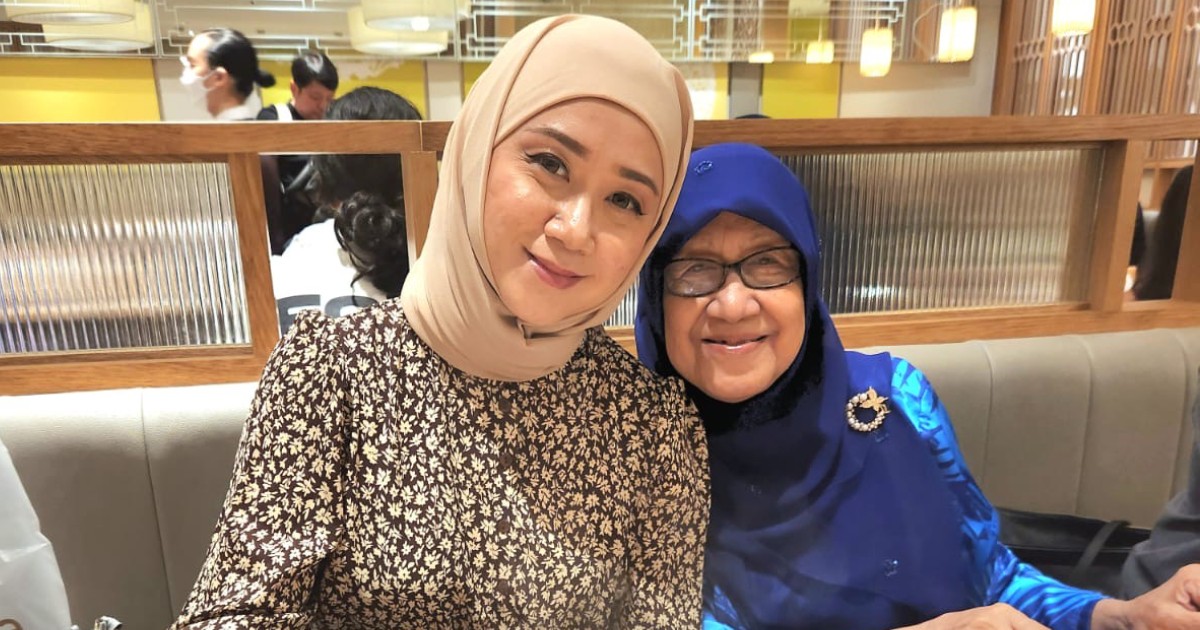
  • ‘I try not to think about myself’: Woman battles breast cancer while caring for mum who has gall bladder cancer, Lifestyle News

    ‘I try not to think about myself’: Woman battles breast cancer while caring for mum who has gall bladder cancer, Lifestyle News

    To mark Breast Cancer Awareness Month, we speak to inspiring Singaporeans about their journey in battling and overcoming cancer. 


    Warda Ismail gets anxious about things easily, especially when it comes to her health. 

    So much so that her doctor once told her that she is a “borderline hypochondriac”, she shared with AsiaOne in an interview. 

    For the uninitiated, hypochondria is a condition where a person is excessively and unduly worried about having a serious illness.

    To keep her mind at ease, the 44-year-old preschool educator has the habit of going for regular medical checkups. 

    Though she was vigilant, her worst nightmare came true — she was diagnosed with breast cancer on May 8 this year. 

    And in the midst of her recovery journey, she got more terrible news — her mother, who had been caring for her, was diagnosed with stage-three gall bladder cancer. 

    Despite the string of unfortunate events, Warda persevered and tried to have a more positive outlook on life and her health. 

    It started with nipple discharge 

    Since young, Warda has had naturally lumpy breast tissue. 

    This made her worry, so she would monitor changes in her breasts, do breast self-exams, and go for yearly breast ultrasounds at Singapore General Hospital (SGH).

    “Whenever I get body changes that are not normal to me, I will get it checked out,” she told us. 

    When she noticed that her left nipple was producing a clear, watery discharge in July 2023, she became extremely concerned and booked a mammogram appointment at SGH.

    The results showed micro-calcifications (white dots) in both her breasts.

    After which, Warda was scheduled for a follow-up mammogram in the next six months.

    However, in November 2023, she noticed that the discharge from her left nipple had turned yellowish-brown. So, she made an appointment to see her doctor.

    She was advised to monitor the colour of the discharge and seek immediate medical attention if it turned red.

    Things seemed to be fine for the next few months. Despite still experiencing discharge in her left nipple, Warda’s follow-up mammogram result on March 5 was normal. 

    However, things took a turn in April when the discharge turned red. 

    Concerned, Warda made an appointment to see her doctor and on April 17, an ultrasound revealed a new nodule in her left breast milk duct.

    She was scheduled for a biopsy on April 29 and the only person she told was her father as she did not want to alarm her mother. 

    “I had already begun to prepare myself for bad news because I am over anxious and an overthinker,” she said. 

    “My rationale is that if I’m already prepared for the bad news, when the bad news hits me, I’ll be more ready.” 

    But the news of being diagnosed with stage-one triple positive breast cancer in her left breast still took a toll on her even though it didn’t come as a shock. 

    “My whole body went cold [when I received the news],” she recounted. 

    Despite the bad news, Warda remained calm and strong.  

    “My immediate focus was trying to understand what could be done to tackle this problem.” 

    Warda, who had gone to the doctor’s appointment alone, immediately went home after to break the news to her family. 

    Naturally, they were shocked and devastated, especially since they did not have any history of cancer in their immediate family. 

    They did, however, take comfort in the fact that the cancer was in its early stages and still treatable. 

    Over the next few months, the family worked together to make Warda’s life more comfortable. 

    “For instance, my dad’s love language is through actions. After the day I was diagnosed, I would still go to work and he insisted on driving me there every day,” Warda shared. 

    On the other hand, her mother would prepare her healthy meals so that she had the energy to recover, while her brother and sister-in-law would accompany her for her doctor’s appointments. 

    “Having someone to accompany me during my sessions helps to take the anxiety away. It feels less overwhelming and I feel more comfortable,” she said gratefully. 

    “I’m fortunate to have such a strong support system.” 

    Others who have helped her during this difficult time are her two friends, who are also battling cancer.

    “Asking them how it was for them, asking them for tips, how they managed their side effects, definitely helped me cope better,” said Warda. 

    “When I talk to them, they understand me, they can relate.” 

    Chemotherapy and a 12-hour-long surgery

    Warda’s doctor presented her with two treatment options – a lumpectomy or mastectomy. 

    For context, a lumpectomy is surgery to remove cancer from the breast, while a mastectomy is surgery to remove a breast. 

    After doing her own research and talking with a friend who underwent a mastectomy, she opted for the latter to reduce the risk of the cancer spreading to other areas in the breast.

    On June 11, she underwent a mastectomy and breast reconstruction surgeries.

    The 12-hour-long procedure also involved a fat graft from her abdomen to the left breast.

    She joked that this could be seen as a positive. 

    “The upside of breast reconstruction is that they used my stomach tissue, so I essentially had a tummy tuck. That’s a win,” she told us with a chuckle. 

    Thankfully, Warda experienced minimal side effects from the surgeries such as slight pain, dizziness and the inability to lift her left arm.

    [[nid:669920]]

    She began physiotherapy two weeks after her surgeries and because of the aggressive nature of the cancer, she was advised by her doctor to undergo chemotherapy to reduce the risk of the cancer recurring or spreading.

    She started the first of her 12 sessions on July 22 and experienced side effects like hair fall, pimples on her scalp and numbness in her fingers and toes.

    Concurrently, she receives targeted therapy every three weeks and after she completes chemotherapy, she will be on oral hormonal therapy for seven years.

    If she faced any issues with side effects, she would seek support from the National Cancer Centre Singapore (NCCS) Chemotherapy Helpline. 

    Counting her blessings and the small wins 

    Despite being someone who gets anxious easily, Warda fought to overcome this instead of letting it swallow her up during this tough period.

    “I knew my anxiety would raise my blood pressure and this would not be good for my chemotherapy sessions. So I tried my best to maintain a positive mindset, which I give myself credit for,” she told us. 

    “It was challenging, but I forced myself to think of the upsides of chemotherapy.”

    To mentally prepare herself before each chemotherapy session, Warda would also ask the doctors and nurses attending to her about what to expect. 

    “Knowing what to expect while understanding the possible side effects that may emerge earlier or later on helps me console [myself]. It reduces my anxiety because I already know what is coming.” 

    Another thing Warda does for herself, which she calls “trivial”, is treating herself to nice things. 

    “Sometimes I would buy some new clothes and wear it for my chemotherapy sessions,” she shared. 

    “It works for me. Because I want to wear it somewhere and it makes me feel like I’m going out to hang out with a friend.”

    She also likes to buy herself scones from the cafe at the NCSS before her chemotherapy sessions. 

    “I have a scone obsession now,” she told us with a laugh. 

    Her mother’s diagnosis 

    Ever since Warda’s diagnosis, her emotions have been all over the place. 

    “It was really a rollercoaster ride. From the initial shock of the diagnosis to the fear of what’s to come, I found that sometimes it’s hard to not feel this constant wave of emotions, it’s up and down,” she shared. 

    “Some days I feel okay, some days I feel overly worried. So there are better days, and there are some bad days and uncertainty. The uncertainty of the future is the hardest part. Because I’m sure all cancer patients will say that they worry about recurrence.” 

    Unfortunately, while dealing with her diagnosis, Warda found herself having to worry about another matter— her mother was diagnosed with stage-three gall bladder cancer on Aug 28. 

    “It initially felt really surreal. I was just diagnosed with cancer in May, now it’s my mum,” Warda told us. 

    Before the diagnosis, the family already sensed that something was wrong with her mother’s health and initially suspected that it was jaundice.

    “We didn’t expect it to be cancer. It took a while to fully process the news. Honestly, I’m still processing the news,” Warda sombrely told us.

    “I feel an overwhelming sense of fear and worry for her because she’s elderly; she turns 70 next month.” 

    Though as a cancer patient, Warda can in a way relate to her mother, it’s still been hard. 

    “Me going through [cancer] myself is different, but to see someone you love face such a tough battle… I feel helpless. No matter what I want to do, I can’t change her diagnosis,” she said. 

    And now, Warda also takes on the responsibility of being her mother’s caretaker. Whenever she is home, she would help her mother with her meals and medication. 

    “My mum used to be the main person who does the cooking. But since she got sick, I suddenly turned into a domestic goddess, which is a shock to everyone who knows me as I don’t cook,” Warda shared with a chuckle. 

    While caring for her mother, Warda herself still has to go for her own treatments, which can be taxing.

    “I am very thankful and grateful that I can still function per normal. Just that on the day of chemotherapy, I will be more groggy and weak,” she explained. 

    When this happens, she usually tries to sleep it off, and after a good rest, she can aid her mother with her day-to-day needs. 

    “I try not to think about myself. I count my blessings, that I am able to do things for my mum and I’m healthy enough to help her.” 

    For those struggling with cancer or are caretakers of someone who is, Warda encourages you to “take it a day at a time”. 

    “Don’t think too much and remain positive,” she said. 

    “Some days will be harder than other days, but there will also be good days. Focus on the small wins and remember that every step forward, no matter how small, is progress towards recovery.” 

    ALSO READ: At 24, this female Singaporean’s already survived breast cancer and a double mastectomy

    melissateo@asiaone.com

    Source link

  • 6 Lifestyle changes to reduce breast cancer risk

    6 Lifestyle changes to reduce breast cancer risk

    Author

    First Published Oct 17, 2024, 4:16 PM IST | Last Updated Oct 17, 2024, 4:16 PM IST

    Health Desk: October is observed as Breast Cancer Awareness Month. The main purpose of celebrating this month is to spread awareness about breast cancer among people. Today, the number of women suffering from breast cancer is increasing not only in the country but also in the world. It is very important for women to know what causes breast cancer. Let’s know which lifestyle changes reduce the risk of cancer.

    Maintaining Weight Reduces Breast Cancer Risk

    Women reach menopause between the ages of 45 and 50, and after that, weight also starts to increase. Due to high levels of estrogen, the risk of breast cancer increases. In such a situation, the risk of breast cancer can be reduced with the help of a balanced diet and regular exercise.

    Exercise to Prevent Breast Cancer

    Women do not find time to exercise amidst household chores. Whereas daily exercise is very important to avoid the risk of breast cancer. You can reduce your risk of breast cancer by doing 150 minutes of moderate aerobic activity per week. Or take a 20-minute walk every day.

    Say No to Alcohol

    Women who drink heavily are at risk of increased estrogen levels. Along with this, DNA can also be damaged. This also increases the chances of breast cancer. You can avoid the risk of breast cancer by reducing the amount of drinking or by stopping drinking altogether.

    Antioxidant Foods Will Protect Against Cancer

    You should take a nutrient-based diet in your meals. Daily fresh fruits, vegetables, grains, lean protein, etc. work to strengthen the immune system. Along with this, the risk of cancer is also reduced. You must include antioxidant foods, fiber foods, and healthy fats like omega-3 in your diet.

    Stay Away from Toxic Chemicals

    The risk of breast cancer increases with toxic substances. You should avoid certain chemicals, cosmetics, plastic bags, or pesticides that can increase the risk of breast cancer. It is better to use natural organic products and never make the mistake of keeping hot food in plastic containers.

    Hormone Replacement Therapy Poses Risk

    If you are taking estrogen and progesterone hormone replacement therapy, the risk of breast cancer increases. A low dose of hormone replacement therapy should be taken and used for a short duration.

    Breast cancer can be diagnosed with the help of regular screening. If cancer is diagnosed early, then treatment becomes easier. You can reduce the risk of breast cancer to a great extent by adopting a healthy lifestyle. If you ever feel a lump in your breast or have a nipple discharge, consult a doctor without delay. A little vigilance on your part can prevent the disease from becoming serious.

    Download App:

    • android
    • ios


    Source link

  • Zulal Wellness Resort by Chiva-Som Shares Insights on Everyday Lifestyle Changes to Reduce Risk of Breast Cancer

    Zulal Wellness Resort by Chiva-Som Shares Insights on Everyday Lifestyle Changes to Reduce Risk of Breast Cancer

    Reading Time: 4 minutes

    This Breast Cancer Awareness Month, Zulal Wellness Resort by Chiva-Som, the first full-immersion wellness resort in Qatar and the largest in the Middle East, is sharing insights on the significant role lifestyle and environmental factors can play in breast cancer risks and sharing practical changes women can make in their daily lives to help reduce them. 

    As part of its commitment to fostering holistic health, the resort’s specialists will offer complimentary talks during October, highlighting breast cancer risk factors and the essential lifestyle changes to help mitigate them. These talks will also feature inspiring stories from breast cancer survivors who will discuss their personal journeys. Additionally, 10 percent of proceeds from coffee sales at the resort’s Casuarina Café will be donated to the Qatar Cancer Society.

    These awareness insights aim to encourage women to adopt healthier lifestyles as a proactive and effective way to reduce their breast cancer risk. Everyday choices – from the food we consume to the products we use – can significantly impact our overall health. On 9th October, from 14:00–14:30, Zulal Wellness Resort’s Holistic Dietitian and Certified Integrative Nutrition Health Advisor, Nour Hasni, will offer a complimentary talk for public (Complimentary Talk), discussing how environmental factors and lifestyle choices (epigenetics) play a crucial role in breast cancer risk, alongside inherited genetics (genomics).

    Epigenetics, where external influences can activate or suppress certain genes, play a vital role in each individual’s health. Helping them to understand this further, Zulal Wellness Resort is sharing some of the key everyday lifestyle and environmental hormonal-disruptors that are linked to breast cancer and the mindful adjustments that can be adopted to effectively lower the risk of developing breast cancer, including:

    • Chemical exposure in beauty and hygiene products. Common makeup and personal care products often contain harmful chemicals like parabens, synthetic oestrogens, and endocrine disruptors. Hasni recommends choosing only natural products with simple, minimal ingredient lists and exploring natural alternatives like essential oils where possible.
    • Plastics and household toxins. Chemicals such as BPA and phthalates, often found in plastic water bottles and household items, can be absorbed by the body and are difficult to eliminate. They not only elevate the risk of breast cancer but also contribute to cardiovascular issues. Switching to alternatives like glass or stainless steel helps to minimise exposure.
    • Cookware: Many modern cooking tools, such as aluminium, Teflon, and non-stick cookware, can release toxic heavy metals that the body struggles to process and eventually expel. To mitigate the risks, Hasni advises using stainless steel, glass or clay cookware, the latter of which can also enhance the nutrient profile of food and support overall well-being.
    • Processed foods and additives. Synthetic food additives, colourings, and seed oils are linked to a range of health concerns. Zulal Wellness Resort advocates for a diet that eliminates processed food, reduces red meat consumption, and focuses on organic, plant-based choices and the use of natural, extra-virgin oils like olive, avocado, or coconut. Increasing the intake of oestrogen-rich foods like grains, nuts, and seeds (for example, flaxseeds, anise, sesame, coriander seeds, etc.) can support natural regulation of hormone levels.

    Diets rich in fruits, vegetables, whole grains, and healthy fats, such as omega-3s, can significantly help reduce inflammation. Diets focused on whole, nutrient-dense foods can support the reduction of inflammation, may lower the risk of breast cancer, and support overall well-being.

    • Personal hygiene and clothing. Clothing and undergarments can influence overall health. Hasni suggests opting for breathable fabrics like organic cotton, linen, or wool to reduce the absorption of harmful substances through the skin and avoiding synthetic fabrics, which often contain chemicals. Similarly, switching to chemical-free household cleaners and hygiene products will reduce the body’s toxic load.
    • Stress management and detox. Stress is a significant contributor to poor health, including increased breast cancer risk. Zulal Wellness Resort provides insights on regular stress management techniques such as mindfulness, yoga, and grounding exercises. Hasni recommends grounding techniques – spending 10–15 minutes a day connecting the physical body with the earth – as a simple yet effective way to restore balance in body and mind.
    • Exercise and movement. Physical activity plays a crucial role in preventing a wide range of illnesses. Zulal Wellness Resort advises incorporating regular exercise, of every intensity level, whether that is strength training or aerobics, as part of a holistic approach to health. Exercise not only boosts immunity but also helps regulate hormones, maintain a healthy weight, and reduce inflammation.
    • EMF awareness. In today’s technology-driven world, electromagnetic field (EMF) exposure is unavoidable. To mitigate its effects, Hasni suggests placing plants known for absorbing EMF radiation, like cacti and spider plants, near electronic devices, work laptops/desktops and practicing regular “digital detoxes”.

    These topics will also be addressed during the Breast Cancer Awareness Talk at Zulal Wellness Resort’s extensive library and relaxation space, House of Wisdom. On 16 October, from 10:30 to 12:00, two breast cancer survivors and members of the Qatar Cancer Society will share their personal stories, discussing their fight against cancer and their journeys to recovery. Additionally, the resort’s Health & Wellness advisors will cover genomics, how Zulal Wellness Resort supports both pre- and post-cancer care, essential lifestyle changes, and tips for maintaining a healthy life. Following the talk, guests are invited to enjoy complimentary lunch at Aizoon, the resort’s all-day dining restaurant. The Qatar Cancer Society has also prepared an informative guide on self-examination, which will be available at House of Wisdom until the end of October.

    Zulal Wellness Resort believes that prevention is the best medicine. Through regular self-examination and informed lifestyle changes to reduce exposure to harmful environmental factors, people can take proactive steps to protect their health and lower the risk of diseases such as breast cancer.

    Source link

  • Zulal Wellness Resort by Chiva-Som Shares Insights on Everyday Lifestyle Changes to Reduce Risk of Breast Cancer

    Zulal Wellness Resort by Chiva-Som Shares Insights on Everyday Lifestyle Changes to Reduce Risk of Breast Cancer

    Reading Time: 4 minutes

    This Breast Cancer Awareness Month, Zulal Wellness Resort by Chiva-Som, the first full-immersion wellness resort in Qatar and the largest in the Middle East, is sharing insights on the significant role lifestyle and environmental factors can play in breast cancer risks and sharing practical changes women can make in their daily lives to help reduce them. 

    As part of its commitment to fostering holistic health, the resort’s specialists will offer complimentary talks during October, highlighting breast cancer risk factors and the essential lifestyle changes to help mitigate them. These talks will also feature inspiring stories from breast cancer survivors who will discuss their personal journeys. Additionally, 10 percent of proceeds from coffee sales at the resort’s Casuarina Café will be donated to the Qatar Cancer Society.

    These awareness insights aim to encourage women to adopt healthier lifestyles as a proactive and effective way to reduce their breast cancer risk. Everyday choices – from the food we consume to the products we use – can significantly impact our overall health. On 9th October, from 14:00–14:30, Zulal Wellness Resort’s Holistic Dietitian and Certified Integrative Nutrition Health Advisor, Nour Hasni, will offer a complimentary talk for public (Complimentary Talk), discussing how environmental factors and lifestyle choices (epigenetics) play a crucial role in breast cancer risk, alongside inherited genetics (genomics).

    Epigenetics, where external influences can activate or suppress certain genes, play a vital role in each individual’s health. Helping them to understand this further, Zulal Wellness Resort is sharing some of the key everyday lifestyle and environmental hormonal-disruptors that are linked to breast cancer and the mindful adjustments that can be adopted to effectively lower the risk of developing breast cancer, including:

    • Chemical exposure in beauty and hygiene products. Common makeup and personal care products often contain harmful chemicals like parabens, synthetic oestrogens, and endocrine disruptors. Hasni recommends choosing only natural products with simple, minimal ingredient lists and exploring natural alternatives like essential oils where possible.
    • Plastics and household toxins. Chemicals such as BPA and phthalates, often found in plastic water bottles and household items, can be absorbed by the body and are difficult to eliminate. They not only elevate the risk of breast cancer but also contribute to cardiovascular issues. Switching to alternatives like glass or stainless steel helps to minimise exposure.
    • Cookware: Many modern cooking tools, such as aluminium, Teflon, and non-stick cookware, can release toxic heavy metals that the body struggles to process and eventually expel. To mitigate the risks, Hasni advises using stainless steel, glass or clay cookware, the latter of which can also enhance the nutrient profile of food and support overall well-being.
    • Processed foods and additives. Synthetic food additives, colourings, and seed oils are linked to a range of health concerns. Zulal Wellness Resort advocates for a diet that eliminates processed food, reduces red meat consumption, and focuses on organic, plant-based choices and the use of natural, extra-virgin oils like olive, avocado, or coconut. Increasing the intake of oestrogen-rich foods like grains, nuts, and seeds (for example, flaxseeds, anise, sesame, coriander seeds, etc.) can support natural regulation of hormone levels.

    Diets rich in fruits, vegetables, whole grains, and healthy fats, such as omega-3s, can significantly help reduce inflammation. Diets focused on whole, nutrient-dense foods can support the reduction of inflammation, may lower the risk of breast cancer, and support overall well-being.

    • Personal hygiene and clothing. Clothing and undergarments can influence overall health. Hasni suggests opting for breathable fabrics like organic cotton, linen, or wool to reduce the absorption of harmful substances through the skin and avoiding synthetic fabrics, which often contain chemicals. Similarly, switching to chemical-free household cleaners and hygiene products will reduce the body’s toxic load.
    • Stress management and detox. Stress is a significant contributor to poor health, including increased breast cancer risk. Zulal Wellness Resort provides insights on regular stress management techniques such as mindfulness, yoga, and grounding exercises. Hasni recommends grounding techniques – spending 10–15 minutes a day connecting the physical body with the earth – as a simple yet effective way to restore balance in body and mind.
    • Exercise and movement. Physical activity plays a crucial role in preventing a wide range of illnesses. Zulal Wellness Resort advises incorporating regular exercise, of every intensity level, whether that is strength training or aerobics, as part of a holistic approach to health. Exercise not only boosts immunity but also helps regulate hormones, maintain a healthy weight, and reduce inflammation.
    • EMF awareness. In today’s technology-driven world, electromagnetic field (EMF) exposure is unavoidable. To mitigate its effects, Hasni suggests placing plants known for absorbing EMF radiation, like cacti and spider plants, near electronic devices, work laptops/desktops and practicing regular “digital detoxes”.

    These topics will also be addressed during the Breast Cancer Awareness Talk at Zulal Wellness Resort’s extensive library and relaxation space, House of Wisdom. On 16 October, from 10:30 to 12:00, two breast cancer survivors and members of the Qatar Cancer Society will share their personal stories, discussing their fight against cancer and their journeys to recovery. Additionally, the resort’s Health & Wellness advisors will cover genomics, how Zulal Wellness Resort supports both pre- and post-cancer care, essential lifestyle changes, and tips for maintaining a healthy life. Following the talk, guests are invited to enjoy complimentary lunch at Aizoon, the resort’s all-day dining restaurant. The Qatar Cancer Society has also prepared an informative guide on self-examination, which will be available at House of Wisdom until the end of October.

    Zulal Wellness Resort believes that prevention is the best medicine. Through regular self-examination and informed lifestyle changes to reduce exposure to harmful environmental factors, people can take proactive steps to protect their health and lower the risk of diseases such as breast cancer.

    Source link