Rankin Group, the advertising agency run by the British photographer, publisher and film director Rankin, has filed for bankruptcy, owing employees more than £300,000 and the UK tax authority (HMRC) more than £1m.
Rankin, whose full name is John Rankin Waddell, has photographed Kate Moss, Madonna, David Bowie and Queen Elizabeth II among others. Though mainly known for his fashion photography, his work has been exhibited in commercial art galleries and is held in the National Portrait Gallery. Rankin’s photography, directing and production business, Rankin & Co, is not part of the insolvency proceedings.
Rankin tells The Art Newspaper: “[Rankin Group] was forced into liquidation because of an unforeseen tax bill, which meant that some staff did not receive their entire redundancy payments. The HMRC bill came as a big shock to us when we received the demand. Up until that point, we were looking at a recovery plan or, in the worst-case scenario, a winding down. Even after the demand, I tried to work out a deal, but it was just too late.”
According to filings on Companies House, trade creditors are owed £258,000—though this figure includes prepayments of £73,000 for the year, which will not become due—while inter-company creditors are owed £980,000. “This indicates the level of support this company has had and is still owed to other Rankin businesses,” the photographer says. He adds that the £300,000 owed to employees “are primarily claims arising from the closure of the business—redundancy or notice, as opposed to arrears of wages—much of which will be recovered from the Redundancy Payments Service”.
Rankin set up his advertising agency, initially called Rankin Creative, five years ago, later changing the name to the Rankin Group. “It was 100% financed and owned by me, which is why I’m the sole director, although there was a share incentive scheme,” Rankin says. The company was run by eight key people, including a chief executive, finance director and managing director.
Rankin says the business did well in its first three years but had begun to struggle over the past two. “Whether it was due to reduced budgets around the economy or losing work to programmatic and AI-based solutions, it was a massively challenging period for us and many other services like us,” he says. “In addition, the technological revolution has essentially gutted a lot of the creative services agencies delivering great non-programmatic work. Sadly, that is what we were selling: a bespoke creative service around storytelling and brand building. When you combined that, with the lack of face-to-face work and meetings post-covid, it’s been a perfect storm. I couldn’t be more disappointed with both myself and the business for not being able to make the agency a success. I put everything I had into it, but it just wasn’t enough to make it work.”
Rankin launched the lifestyle magazine Dazed & Confused with his friend and business partner Jefferson Hack in 1992. In December 2000 he added the quarterly fashion magazine RANK to the Dazed stable, before launching Another Magazine the following year. Rankin says the magazine business is untouched by the insolvency proceedings. “The Hunger Publishing company was and is a separate limited company to the insolvent one and continues to trade. Dazed has absolutely nothing to do with the advertising agency at all, and to be honest, I have very little to do with Dazed these days. I am mainly just a shareholder,” he says.
While he continues to run his photography and production business, Rankin says he is “leaving the struggle of surviving in this climate to people that I really respect and who are obviously much better at it than I am”. He adds: “I wish them all the luck in the world, as I’ve never experienced something quite as tough as this shift in the creative landscape.”
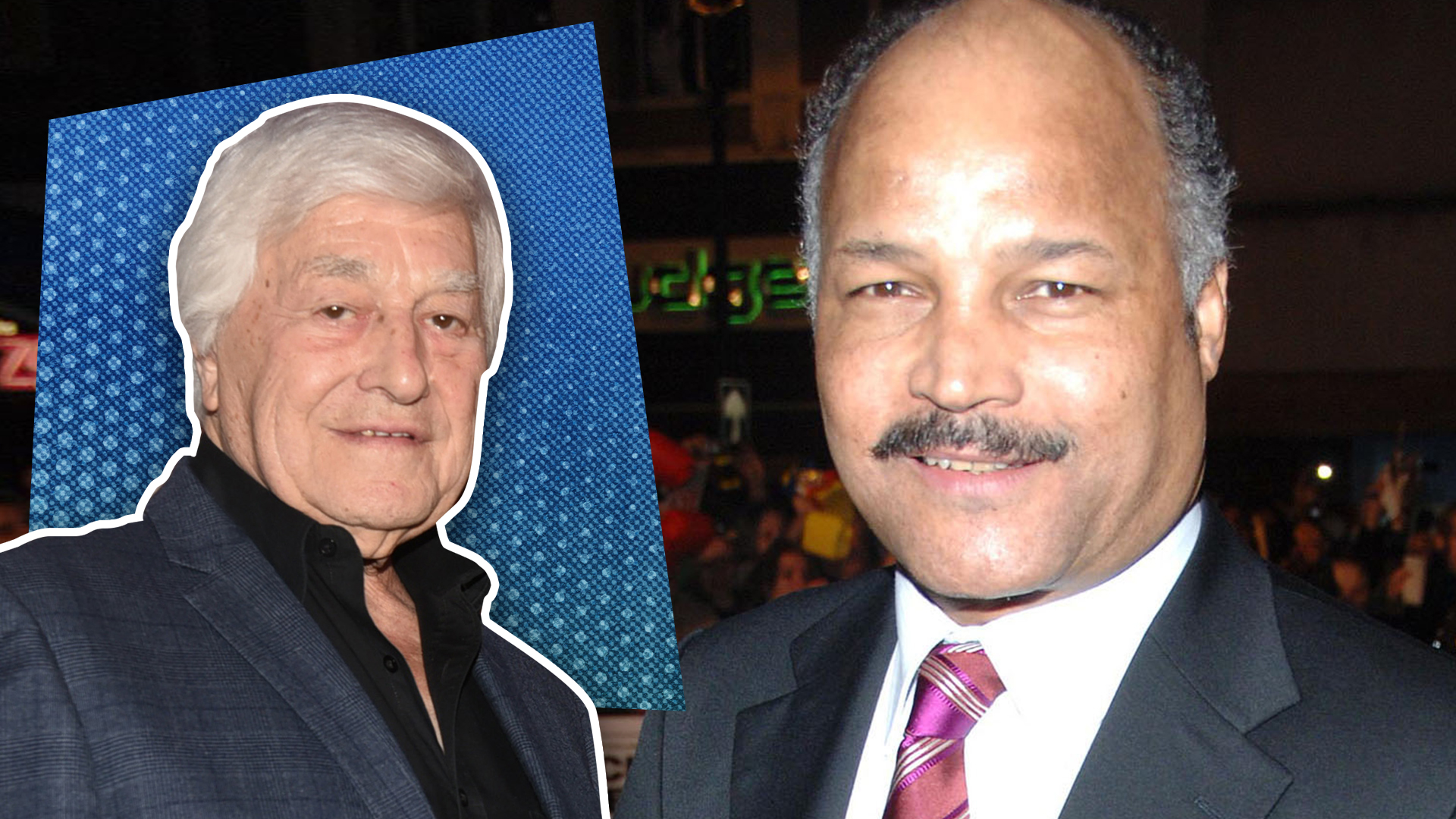
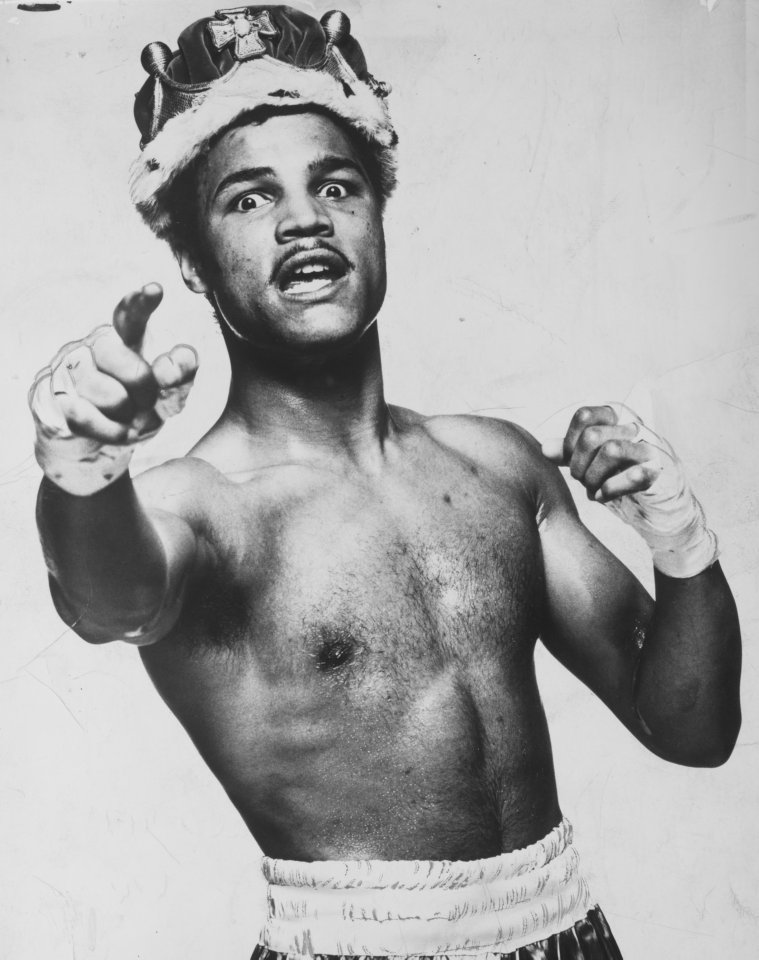
YOU didn’t have to be Angelo Dundee to realise you were watching an immense talent when John Conteh won the middleweight gold medal at the 1970 Commonwealth Games.
But I had no idea as I saw him brilliantly outbox a Tanzanian in the final in Edinburgh that the 19-year-old kid from Kirkby was about to evolve in a few years into JC Superstar.
2
John Conteh was the David Beckham of his eraCredit: News Group Newspapers Ltd
Because of his outstanding ability, knockout-handsome film star looks and cheeky Merseyside charisma, it was no surprise he was made financial offers to turn pro he couldn’t refuse.
Four years later he was ready to challenge Argentine Jorge Ahumada for his WBC world light-heavyweight title, at Wembley’s Empire Pool.
Conteh delivered a superb points victory — it was the peak performance of his life.
Everything was on display, his considerable skills, speed of thought and movement, brutal punching, plus heart and desire to bring the title to Britain.
It was only Ahumada’s teak-tough chin that got him through the 15 rounds.
To celebrate the 50th anniversary of the most momentous moment of Conteh’s nine-year career, he is being honoured with a star-studded tribute lunch organised by the London Ex- Boxers Association at Holborn’s Connaught Rooms on October 20.
When LEBA secretary Ray Caulfield announced the event in June, there were those who wondered if it would attract a large enough crowd.
But when the £125 tickets went on sale, within a matter of days all 400 had been snapped up. And Conteh, at 73, was involved in yet another sell-out.
Frank Bruno, Michael Watson and David Haye will pay homage to one of our all-time great fighters, along with celebrities from football and showbiz.
In the 1970s John was one of this country’s most famous sporting personalities — the David Beckham of his era.
Sky Sports forced to apologise after boxer swears in live TV interview
Immediately after he had beaten Ahumada, it was the start of a celebrity lifestyle that eventually led to his downfall.
Conteh’s marketability saw his face staring out from the front covers of magazines and advertising hoardings.
He was a guest on Parkinson and every other TV chat show and made appearances at functions nationwide.
As you went down the escalators of every London underground station there were pictures of a near-naked John modelling men’s underwear.
He was also a regular at Tramp, then Mayfair’s most fashionable nightclub.
Unfortunately, excessive drinking led to him becoming an alcoholic — which is why sadly he only realised 50 per cent of his potential.
Arguably, John’s greatest winning fight was overcoming his drink disease.
He never hid away from his problems and hasn’t touched alcohol for nearly 40 years, which must be an inspiration to fellow sufferers.
What I love about my favourite Scouser is that he always has time for young and old who want selfies or simply to have a chat.
Tyson Fury and Anthony Joshua are the present-day darlings of boxing fans — it would be interesting to know if they will still be sought after in 50 years.
2
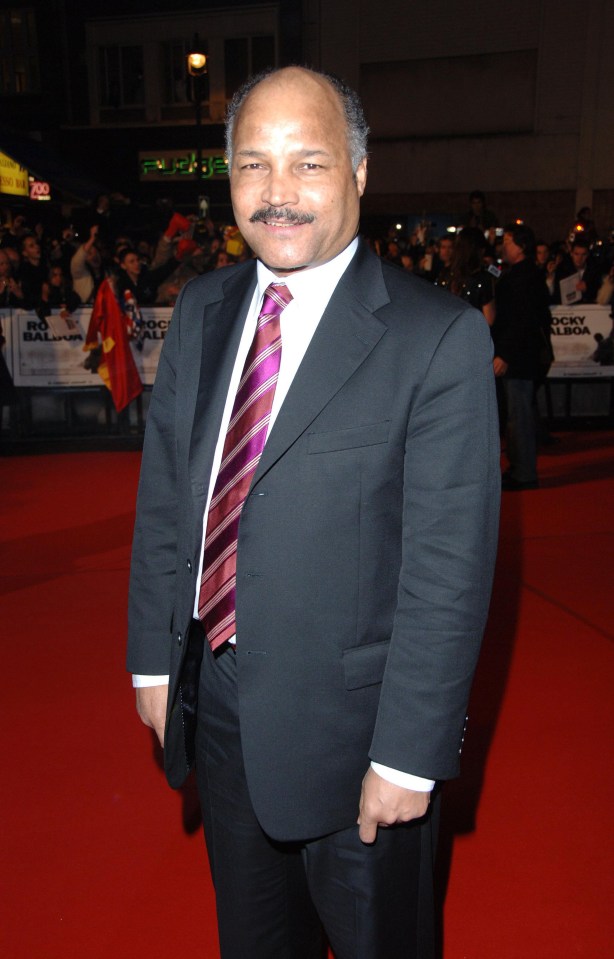
John Conteh during “Rocky Balboa” London Premiere in 2007Credit: Getty
Britain is home to a fine tapestry of football grounds, many of which possess rich history and generate spectacular match-day experiences – be it in the Premier League, Scottish Premiership or elsewhere across the United Kingdom.
However, not all grounds are created equal and there are, equally, stadiums that frequently struggle to meet the standard. Atmospheres at these grounds can be flat for a variety of reasons and the lack of passion and vigour can make for a disappointing trip. Here, the 10 worst stadium atmospheres in British football have been listed and ranked.
Wigan Athletic
Wigan Athletic’s fortunes have steadily declined since their relegation from the Premier League – and improbable FA Cup victory – in 2013. They have since bounced between the second and third tiers and attendances have been below half the Brick Community Stadium’s capacity on average since they dropped into League One in 2015.
They remain mired in the third tier and, perhaps, after the high of beating Manchester City in the FA Cup final at Wembley, life in the lower divisions simply doesn’t compare. Fans will also know it by its former names, the JJB Stadium and the DW Stadium.
The Brick Community Stadium
Year Built
1999
Seating Capacity
25,133
9 Vicarage Road
Watford
Watford have become most well-known for their tendency to cycle through managers at a clip that even former Chelsea owner Roman Abramovich would struggle to keep up with.
The Hornets have gone through 18 head coaches in the last decade and that constant upheaval and lack of stability has begun to take its toll on supporters, particularly in the last few seasons as their yo-yo Premier League status has given way, with the club finishing 15th in the second tier last season and 11th the year before. As such, that weary fanbase has struggled to generate much of an atmosphere at Vicarage Road of late.
Vicarage Road
Year Built
1921
Seating Capacity
22,220
8 Carrow Road
Norwich City
Norwich City, unlike some of the clubs on this list, do not have much of an issue with supporter attendance, frequently attracting plenty of fans relative to their stadium’s capacity.
However, Canaries fans are perhaps not renowned for being the most vocal group and, therefore, the atmosphere at Carrow Road can be rather disappointing even when it is at or near capacity. On the occasions when the stadium is not as full as it normally is – perhaps for a game deemed to be of lesser importance – that lack of energy is even more stark.
Carrow Road
Year Built
1935
Seating Capacity
27,244
7 Pride Park
Derby County
Derby County have fallen on hard times in recent seasons, suffering relegation to League One in 2021 after a 21-point deduction for going into administration and breaching EFL accounting rules.
Though they have recently fought their way back into the Championship, the team’s suffering has unsurprisingly affected the fans, leading to a dampening of the atmosphere around Pride Park.
Pride Park
Year Built
1997
Seating Capacity
33,597
6 Coventry Building Society Arena
Coventry City
Attendances at the Coventry Building Society Arena did rise last season, but Coventry City’s average attendance have been poor for some time. They sat at below 20,000 – less than two-thirds of the stadium’s capacity – for the preceding two campaigns and three of the five seasons between 2014/15 and 2018/19 saw numbers fall to below 10,000.
The frequent emptiness of the stadium has a significant knock-on effect on the quality of the atmosphere, leading to a flat experience lacking in any real intensity.
Coventry Building Society Arena
Year Built
2005
Seating Capacity
32,753
5 The County Ground
Swindon Town
The County Ground – an old ground full of history – has been due a makeover for quite some time.
Its capacity is limited and, while its age brings a certain nostalgic charm, the stadium does need a firm pull into the 21st century in many respects. However, Swindon Town’s continuous struggles – suffering relegation to League Two on several occasions since the turn of the century, where they still remain – have prevented work from taking place.
The consistently poor displays of the team and the ground being in so desperate need of work serve to generate an altogether poor matchday atmosphere.
The County Ground
Year Built
1890
Seating Capacity
15,728
4 Stadium MK
MK Dons
MK Dons may occupy the big, shiny Stadium MK, but they struggle badly to fill it. In fact, the club rarely averages attendances that take up even half the ground’s capacity.
Part of that struggle stems from the club’s origins – they arose from the ashes of the old Wimbledon FC after they went into administration with the move to Milton Keynes bitterly opposed by many of the club’s fans. AFC Wimbledon was formed in protest, with many of Wimbledon FC’s fans choosing to support that fledgling club and leaving MK Dons to form a largely new supporter base in Milton Keynes. The result is a half-empty stadium, a fanbase with little history to sing of and a decidedly blank atmosphere.
Stadium MK
Year Built
2007
Seating Capacity
30,500
3 St. Mary’s Stadium
Southampton
Southampton venue St Mary’s Stadium is by no means a poor ground – but it can often feel flat and lack intensity.
The Saints have, at times in history, been a significant footballing force and a little over a decade ago, they were hailed for their talent identification and development of young players. However, since the reign of Mauricio Pellegrino, the club’s fortunes have declined steadily and so too have their atmospheres. The 9-0 drubbing by Leicester City at the ground in 2019 perhaps left something of a scar on the fanbase’s collective psyche.
A lack of obvious rivalries also hurts the ground’s atmosphere, with no significant derbies (sorry Bournemouth) to look forward to that ramp up the volume and passion.
St Mary’s Stadium
Year Built
2001
Seating Capacity
32,384
2 MKM Stadium
Hull City
Hull City stadium atmospheres have suffered in recent years, particularly since 2017, when fan protests began against then-owner Assem Allam and supporter attendance declined, making for a flat and generally disgruntled atmosphere.
That continued through to 2022 and, despite something of an upturn since Acun Ilicali purchased the club from Allam, the vibrancy and intensity of the atmosphere in the ground has suffered longer-term damage that still has some way to go before it can deliver the sort of match-day experience it should.
MKM Stadium
Year Built
2002
Seating Capacity
25,586
1 London Stadium
West Ham United
West Ham United’s former stadium, Upton Park, could have been a contender for a place on a list of the top 10 best stadium atmospheres. Their shift to a bigger, shinier new ground was supposed to mark a step forward in the club’s history, however, and enable the Hammers to compete more regularly at the top end of the table.
That vision – or a version of it – did eventually come to pass, with David Moyes’ second spell in charge delivering regular European football and the Conference League trophy, but the end of his tenure was plagued with fan dissatisfaction, making for a truly unhappy atmosphere on matchdays. Their initial move was fraught with issues as well, as fans struggled to settle into their new home amidst a plethora of issues – a running track that kept fans far from the action and a generally flat feeling as supporters acclimated to unfamiliar surroundings. Those problems have still not fully been resolved and make a trip to what should be one of Britain’s most glamorous grounds a truly disappointing experience.
Full-backs for England and Scotland dominate the British list.
Manchester United’s Gary Neville features after glittering career at Old Trafford.
Liverpool duo Andy Robertson and Trent Alexander-Arnold also included.
The role of a full-back has evolved dramatically over the years, with many different iterations of the position requiring different attributes and tasked with different responsibilities. For a significant portion of football history, full-backs were essentially wide centre-backs, with those filling the position often boasting a similar skillset to those deployed at the heart of a defence, perhaps with a less physically imposing frame.
In modern times, we’ve seen the emergence of more offensive full-backs, tasked with providing an extra option in attacking areas, and essentially taking on the traditional winger mantle. While inverted full-backs are the new fancy toys on the block, we may be seeing a return to the ‘centre-back’ full-back, with Pep Guardiola leading the charge with this antiquated evolution.
Regardless of the era, British football has produced some of the greatest full-backs of all time, in several different moulds, who have achieved exceptional feats within the game. The likes of Gary Neville and Trent Alexander-Arnold emanated from the small island nation, both enjoying outstanding careers in very different ways. Here are the top 10 greatest full-backs in British football history.
British Football’s Greatest Ever Full-Backs
Rank
Player
Career Span
1
Ashley Cole
1999-2019
2
Kyle Walker
2008-Present
3
Trent Alexander-Arnold
2016-Present
4
Phil Neal
1968-1989
5
Gary Neville
1992-2011
6
Viv Anderson
1974-1995
7
Andy Robertson
2012-Present
8
Lee Dixon
1982-2002
9
Ray Wilson
1952-1971
10
Danny McGrain
1970-1988
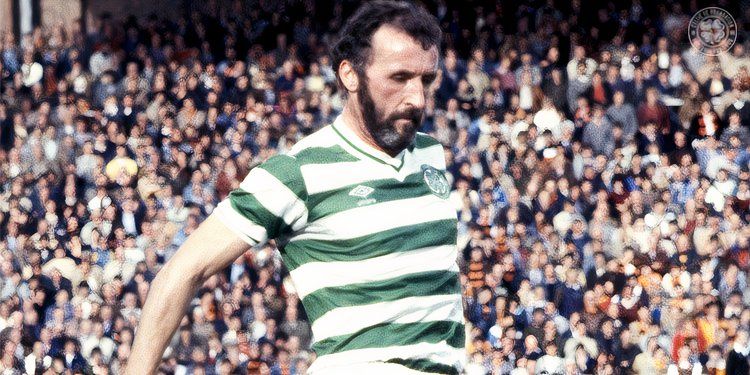
10 Danny McGrain
Clubs: Celtic, Hamilton Academical
A Celtic legend, Danny McGrain is viewed by many as one of the greatest defenders to ever emerge from Scotland, and is a member of the Scotland national football team roll of honour. Managing 62 caps for his country, and 681 appearances for Celtic over 17 years in the 70s and 80s, the right-back won seven league titles with the Hoops, and numerous domestic cups, captaining the Glaswegian side to many of these triumphs.
His freakish athleticism meant he was able to fulfill a role in the mould of a modern day full-back, pioneering the overlapping run, which became a trademark of Celtic’s attacking style of play. Not only was he subsequently an effective offensive outlet, McGrain was also a tenacious defender who was an ever-present in several immensely imposing Bhoys back-lines.
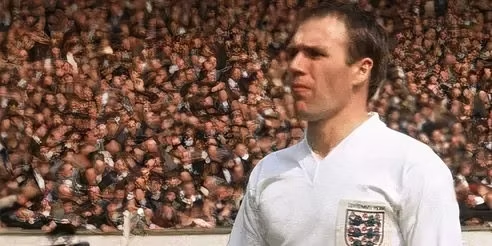
9 Ray Wilson
Clubs: Huddersfield Town, Everton, Oldham Athletic, Bradford City
Identified and developed by none other than the great Bill Shankly at Huddersfield, Ray Wilson, similarly to McGrain, was ahead of his time, with his short stature allowing him to become a nimble offensive full-back, in an era when most players in this position were used as agricultural, one dimensional, defenders. Spending several years at Huddersfield and Everton, winning the FA Cup with the latter, the Derbyshire-born man was one of the most accomplished defenders in English football during the 60s.
However, Wilson is most well known for his heroic displays during England’s only ever World Cup triumph in 1966. Starting all six games on the road to glory under Sir Alf Ramsey, the Huddersfield icon was appointed MBE for his contribution to the success, finishing his career with 63 caps for the Three Lions.
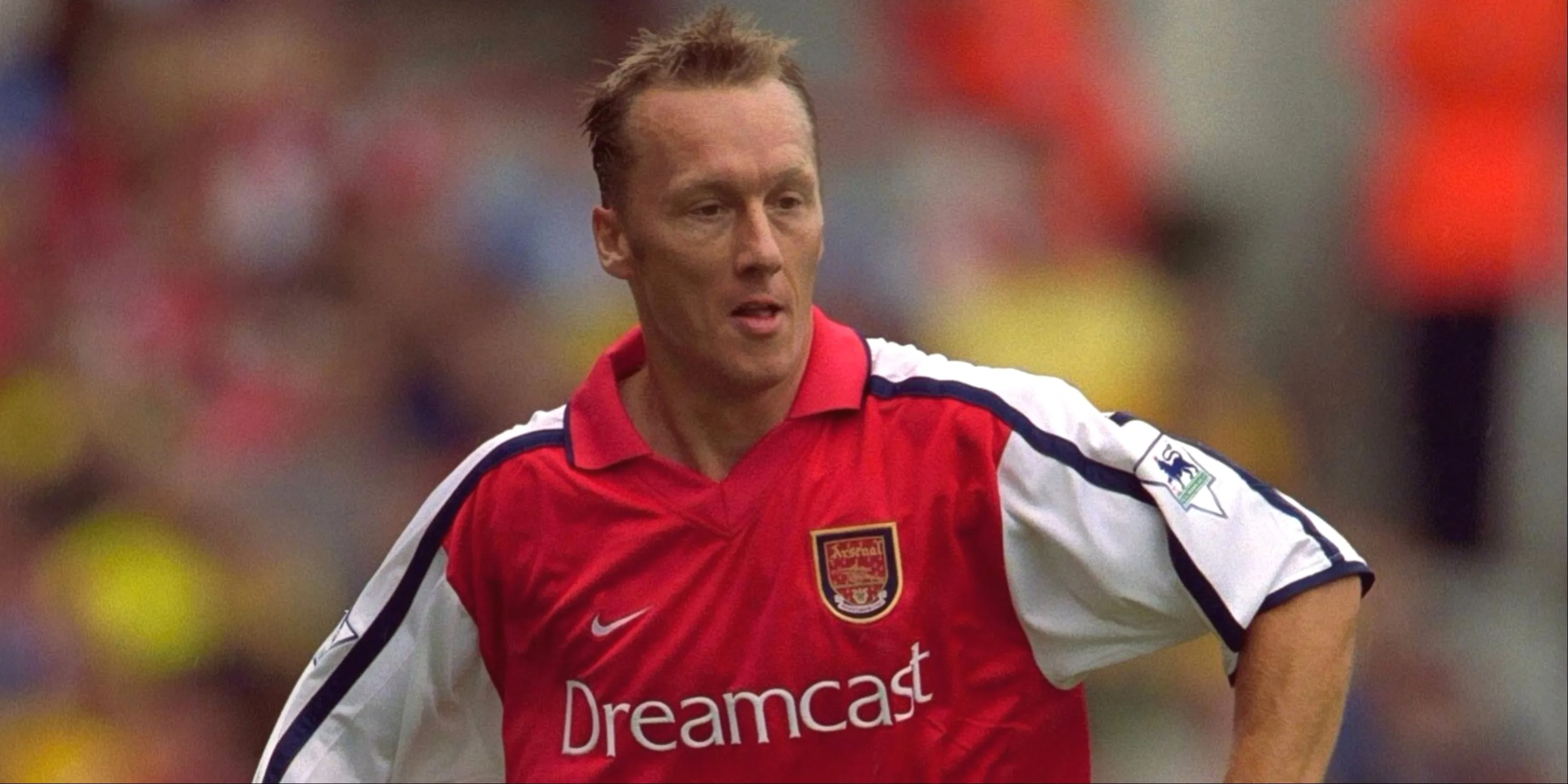
8 Lee Dixon
Clubs: Burnley, Chester City, Bury, Stoke City, Arsenal
An ever-present in Arsene Wenger’s successful early Arsenal sides, Lee Dixon made over 600 appearances for the Gunners, winning four league titles and three FA Cups. His supreme one-on-one ability, crunching tackles and defensive awareness mean this success in a red and white shirt predated the French tactician, as he formed one quarter of the famous Arsenal back four containing Tony Adams, Steve Bould and Nigel Winterburn, under defensive coach George Graham.
Graham’s celebrated defensive unit was responsible for the ‘1-0 to the Arsenal’ theme that emerged into a notorious chant sung from the terraces. As football evolved, Dixon evolved with it, developing the attacking side of his game later in his career as his role demanded it, a complimentary indictment of his quality.
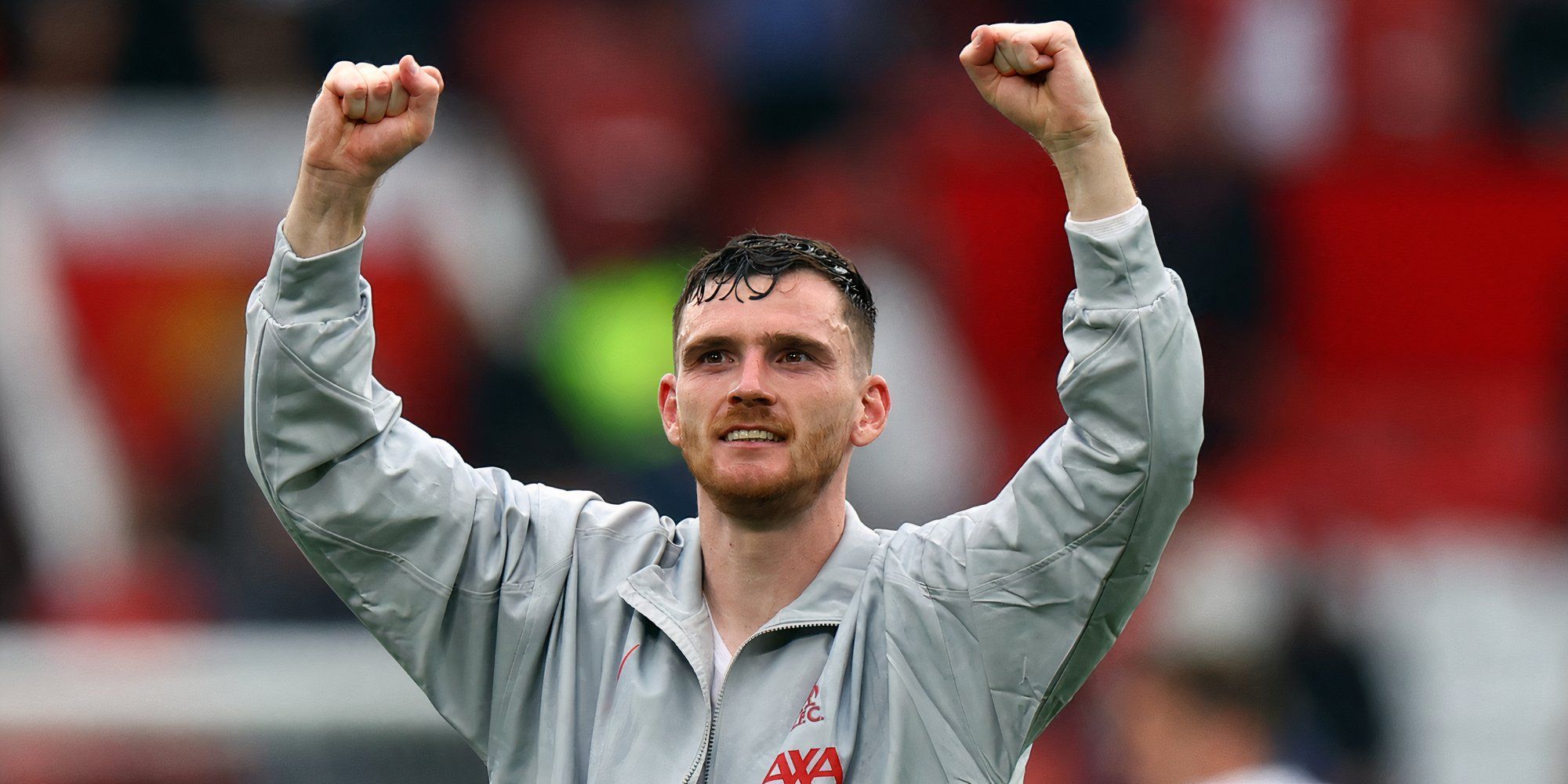
7 Andy Robertson
Clubs: Queens Park, Dundee United, Hull City, Liverpool
When Liverpool opted to spend £7 million on a punt signing from Hull City in 2017, they likely had no idea they’d be acquiring one of the greatest left-backs in modern times. Andy Robertson recently surpassed 300 appearances in a Reds shirt, and has won everything there is to win in club football on Merseyside, lifting the Premier League in 2020 and the Champions League in 2019. Tie in his 76 Scotland caps, the fifth most of any Scotsman, and the fact he led the Tartan Army to two European Championship finals, and Robertson’s career is as illustrious as they come.
The 30-year-old may now be past his prime, but at his best, he was a rip-roaring, effervescent left-back who joined the attack as the final piece of Jurgen Klopp’s high octane football. The archetypal maruading full-back, Robertson has registered more assists than any defender in Premier League history barring one, laying on more goals for teammates than the likes of Eric Cantona, Paul Scholes and Eden Hazard.
6 Viv Anderson
Clubs: Nottingham Forest, Arsenal, Manchester United, Sheffield Wednesday, Barnsley, Middlesbrough
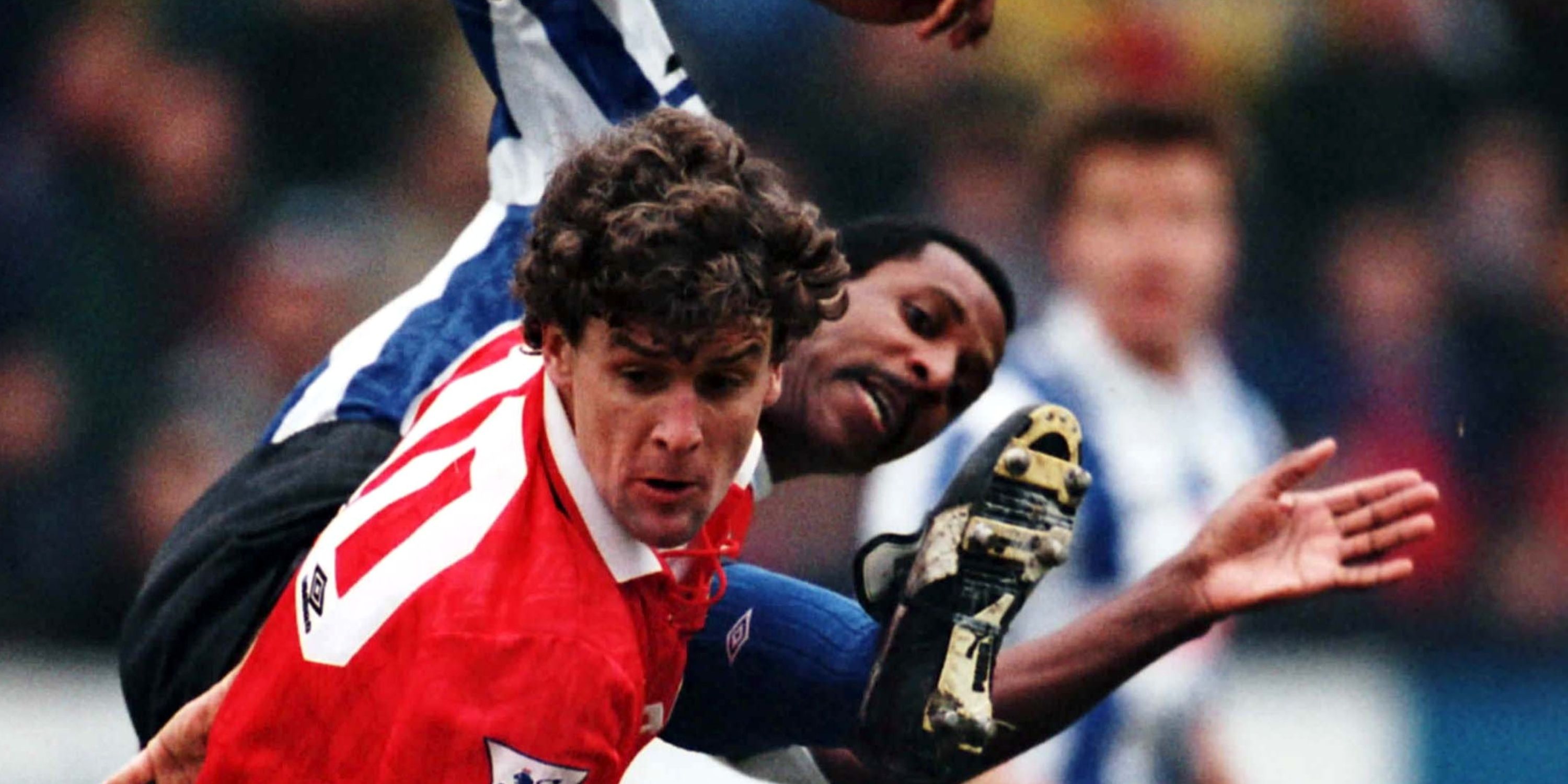
A staple in the most successful period in Nottingham Forest’s history, Viv Anderson was the East Midlands side’s first choice right-back during Brain Clough’s two European Cup triumphs and a first division triumph in the late 70s. Making well over 300 appearances for Forest, the defender later had spells at Arsenal and Manchester United, whilst also playing a prominent role for England, and became the first black player to represent the Three Lions.
Named in Gary Lineker’s dream teammates eleven, Anderson has been cited as pioneering the position, with his all-action playing style resulting in increased demands being placed on full-backs. His endless stamina and engine, combined with his ability to read the game immaculately, meant that Clough entrusted him to hold down the right-hand side for several years in one of Europe’s elite teams.
5 Gary Neville
Clubs: Manchester United
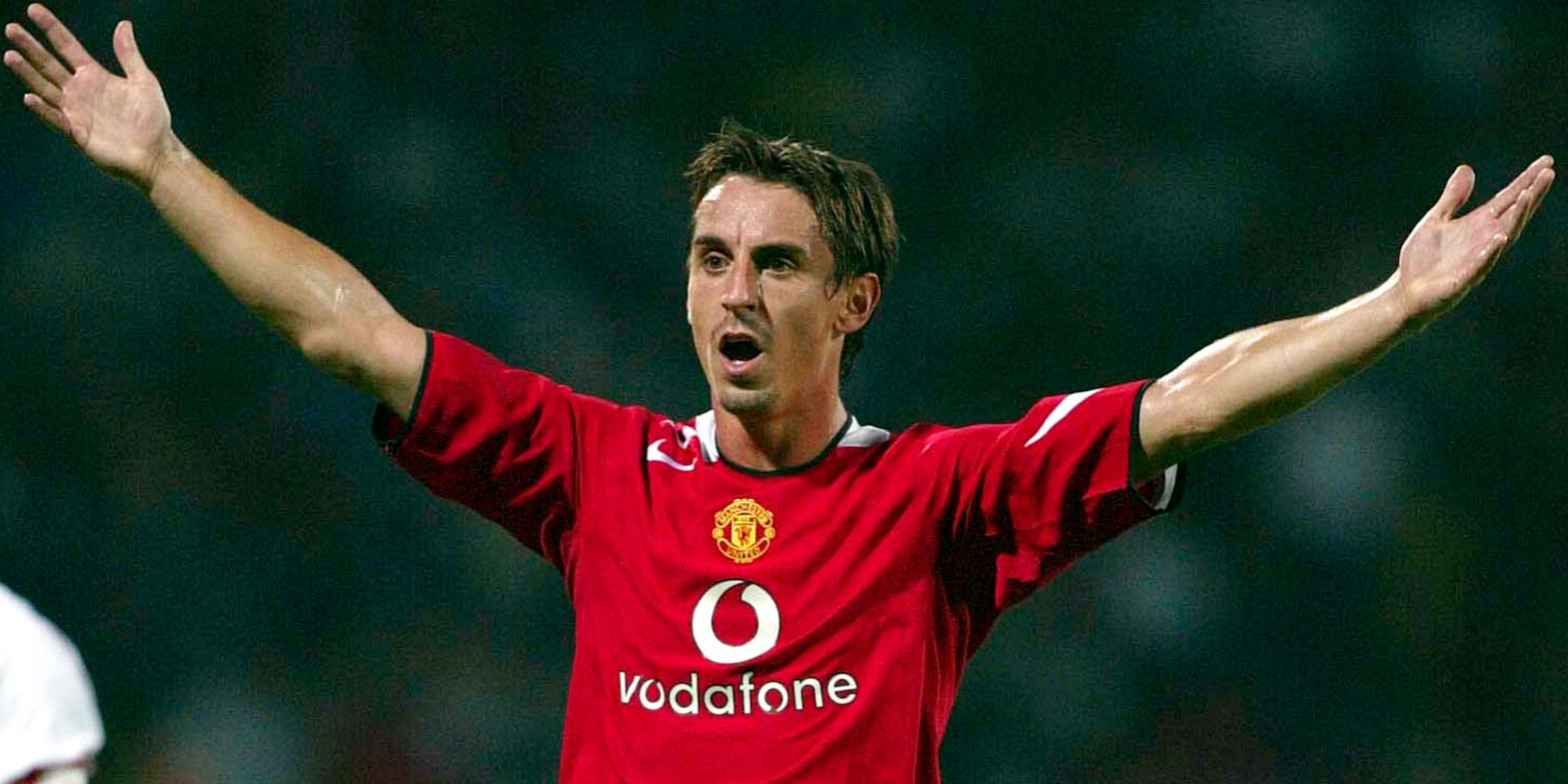
In terms of pure success, there probably isn’t a British full-back with a list of honours as impressive as Gary Neville’s. The nowadays outspoken pundit was a consistent figure throughout Sir Alex Ferguson‘s distinguished tenure at United, winning eight Premier League titles, two Champions Leagues and countless domestic cup competitions.
In spite of an abundance of talented superstars arriving and squad overhauls enacted at Old Trafford, Neville survived two decades in Manchester, making 602 appearances for his boyhood club. His defensive solidity contributed to the platform Ferguson’s teams provided the attacking players, and he supplemented the right-wing stars ahead of him, such as David Beckham and Cristiano Ronaldo.
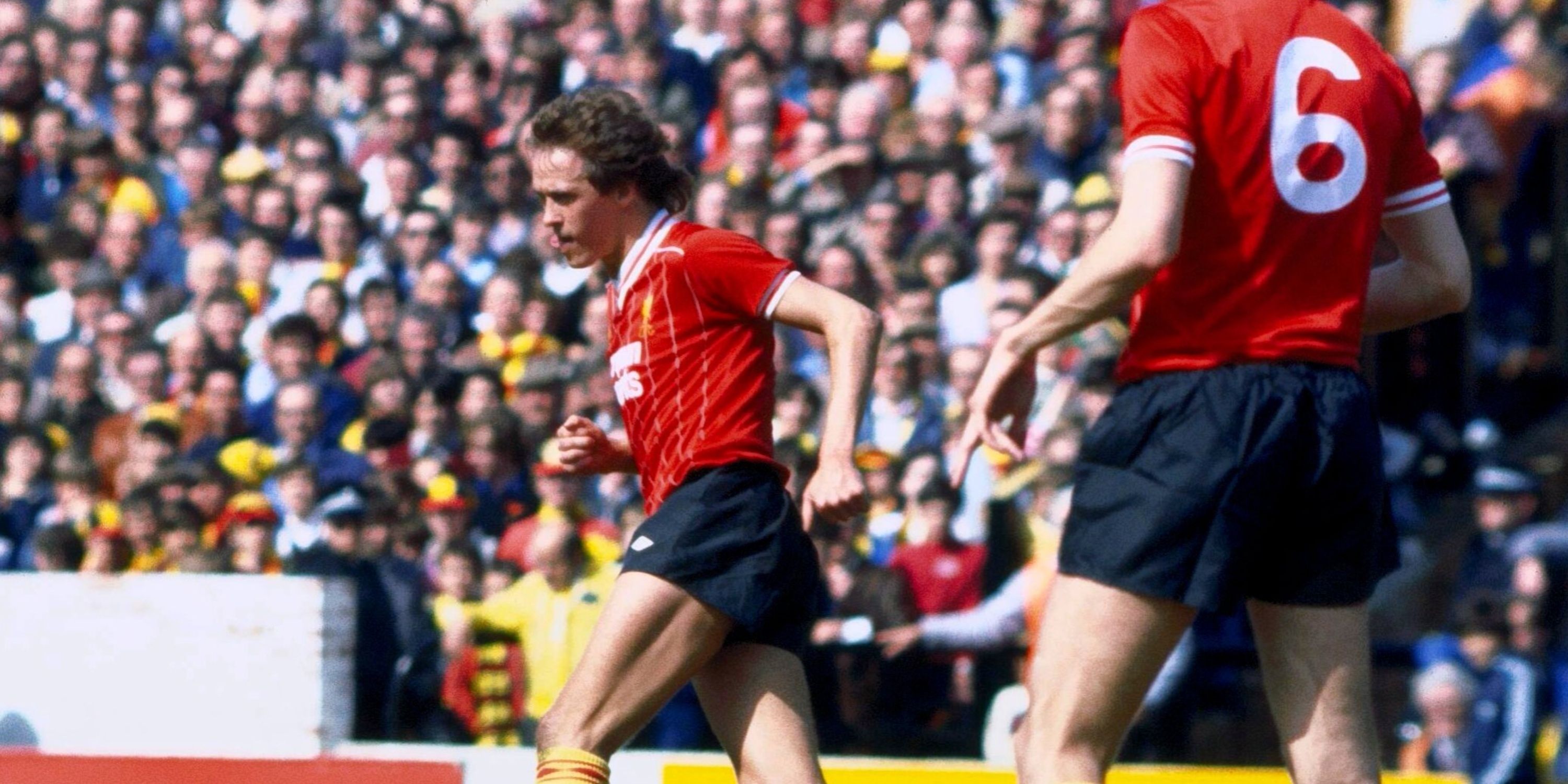
There is actually one man whose medals table supersedes Neville’s as the most accomplished for a British full-back. Phil Neal, who played 650 times for one of the most dominant English club teams in history, won eight First Division titles, four European Cups, and 24 pieces of major silverware in total.
The Liverpool legend spent 12 seasons at Anfield in the 70s and 80s, and played 60 games or more in eight of those campaigns, with his absurd fitness levels transcending the physical capacity of most players at that time. Trusted to convert penalties from right-back on a consistent basis, Neal’s unusual force of nature stamina meant he was another full-back from this generation who was given the rare license to bomb forward and support the attack, while also possessing exceptional defensive acumen, named as one of the 11 greatest British defenders in history.
3 Trent Alexander-Arnold
Clubs: Liverpool
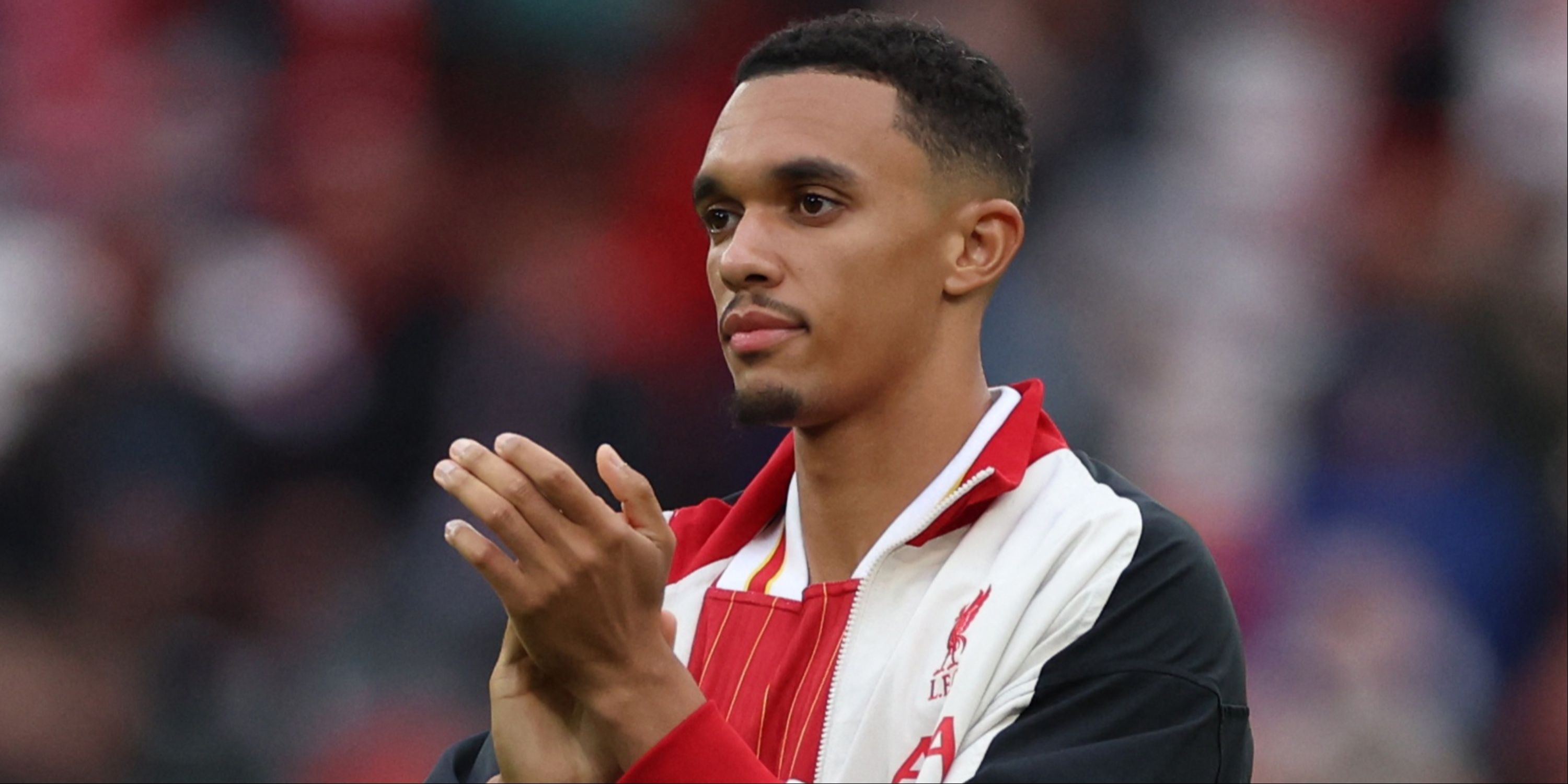
Some may scoff at Trent Alexander-Arnold earning a place as high as this on the list, but the Liverpudlian’s creative output from right-back is unlike anything we’ve ever seen from this position. Registering more assists than any other defender in Premier League history, the England international’s sublime passing ability (named as one of the greatest passers of the ball in British history) is of a level that few in world football can compete with.
Not only emerging as one of the true elite playmakers from full-back, Alexander-Arnold has the accolades to support him. Winning the Premier League and the Champions League with the club he grew up supporting, the 25-year-old has plenty of time left in his career to cement himself in this list and possibly push for a place higher up.
2 Kyle Walker
Clubs: Sheffield United, Northampton Town, Tottenham Hotspur, QPR, Aston Villa, Manchester City
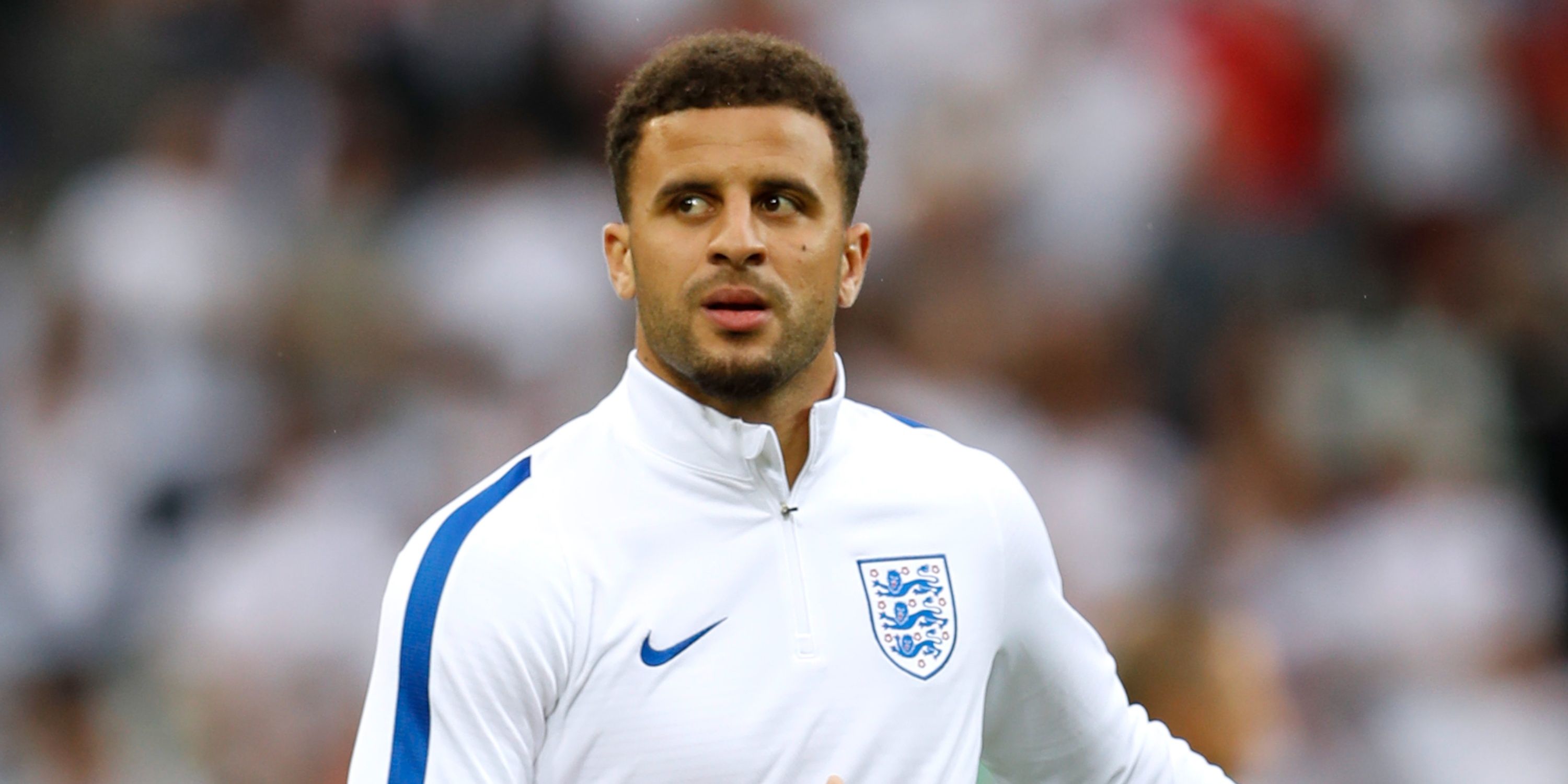
Another eminent full-back, Kyle Walker has played over 300 times for Manchester City, winning six Premier League titles and the Champions League. The Sheffield-born man has also been a dependable fixture in England’s international set-up for several years, making 90 caps and featuring in the Three Lions’ most successful tournament exploits since winning the World Cup.
Walker has also arguably demonstrated the greatest adaptability and versatility of any player on this list, performing to an elite level in a variety of different roles and he’s now widely regarded as one of the best right-backs in history. Starting his career as a barnstorming offensive full-back at Tottenham, the 34-year-old has developed into a more mature, well-rounded footballer at the Etihad, deployed as a centre-back at times, inverting into midfielder and often taking up more advanced positions. His lightening recovery pace has allowed Pep Guardiola’s side to continue to operate with a high line, with his speed acting as a safety valve for the team.
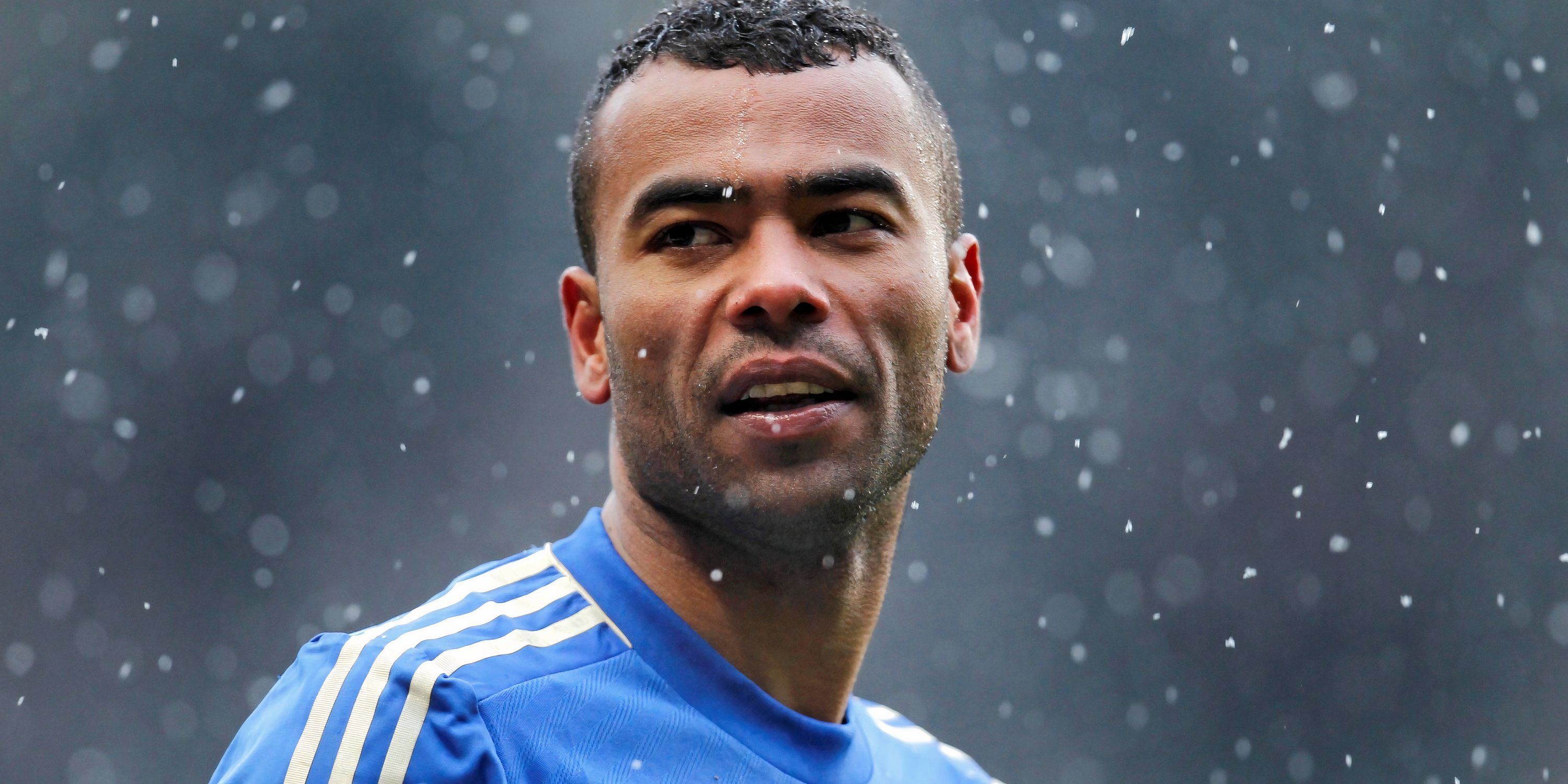
1 Ashley Cole
Clubs: Arsenal, Crystal Palace, Chelsea, Roma, LA Galaxy, Derby County
Photo courtesy of Reuters.
The most complete full-back to ever be unearthed on British soil has to be Ashley Cole. Developing through Arsenal’s academy, Wenger granted him his first team opportunity in late 1999, and the electric left-back didn’t look back.
Quickly establishing himself as first choice at Highbury, Cole played 228 times for the Gunners, and formed part of the Invincibles’ back our. Controversially swapping North London for West London in 2006, the defender would go on to add another Premier League title to the two he claimed at Arsenal, whilst also delivering Chelsea their first Champions League title in 2012.
Named in the PFA Team of the Year on four separate occasions, Cole also made 107 England caps, with only five players in history representing the country more.
Britain’s Gambling Commission is to prosecute Sorare, a multibillion-pound company that makes a fantasy football game promoted by the Premier League, for providing unlicensed gambling.
Sorare, which is valued at $4.3bn (£3.21bn) and counts major international investment firms such as SoftBank among its backers, will appear in court on 4 October in what will be an extremely rare use of the gambling regulator’s prosecutorial powers. The company denies the charge of unlicensed gambling.
Developed in 2018 by Nicolas Julia and Adrien Montfort, Sorare describes itself as a fantasy sport cryptocurrency-based video game. Players can create their own “football club” with cards in the form of tradable non-fungible tokens (NFTs), competing for prizes including cash, VIP tickets and signed kits.
The commission said in October 2021 that it was investigating whether the products provided by the Paris-based firm were online gambling and required a licence.
Almost exactly two years later, the regulator has now charged the company with offering unlicensed gambling, with the company due to appear in Birmingham magistrates court.
Since it was established in 2005, the Gambling Commission is thought to have used its prosecutorial powers only once, in a case of cheating involving a man who had drugged dogs to fix greyhound races.
A spokesperson for Sorare said: “We are aware of the claims made by the Gambling Commission and have instructed our UK counsel to challenge them. We firmly deny any claims that Sorare is a gambling product under UK laws.
“The commission has misunderstood our business and wrongly determined that gambling laws apply to Sorare. We cannot comment further whilst legal proceedings are under way.”
Sorare’s website boasts of partnerships with major leagues and 317 clubs around the world, including every Premier League club and European giants such as Real Madrid, Barcelona and Bayern Munich.
The French international and Real Madrid superstar Kylian Mbappé has featured in an advertising campaign for Sorare. Photograph: Alberto Gardin/NurPhoto/Rex/Shutterstock
It has promoted its games via an ad campaign featuring the French striker Kylian Mbappé and also claims to have partnerships in the US, with the National Basketball Association and Major League Baseball.
In 2023, the Premier League granted Sorare a four-year licence to sell digital sports cards of players from all 20 Premier League clubs, a deal Sky News said at the time could be worth £30m a year.
A section on the Premier League website lists Sorare among the league’s partners.
The page states that Sorare also counts the sportspeople Serena Williams, Lionel Messi, Zinedine Zidane, Rio Ferdinand, Antoine Griezmann, Gerard Piqué, Blake Griffin, and Rudy Gobert among its investors, ambassadors and advisers.
The Premier League website also describes Sorare as one of Europe’s fastest-growing startups, pointing to a recent $680m (£508m) fundraising effort that valued the company at $4.3bn.
Investors in Sorare include SoftBank, Accel and Benchmark.
The company, which employs 160 people in New York and Paris, also boasts of having 3 million users in 180 markets.
The Gambling Commission said it had charged Sorare with “providing unlicensed gambling facilities to consumers in Britain” but that it could not comment any further.
The Guardian has approached the Premier League for comment and has attempted to reach Sorare and its founders.

![10 Worst Stadium Atmospheres in British Football [Ranked]](http://b2bnews24.net/wp-content/uploads/2024/09/epl_worst-stadium-atmospheres-scaled.jpg)


![10 Greatest Full-Backs in British Football History [Ranked]](http://b2bnews24.net/wp-content/uploads/2024/09/rightbacks-scaled.jpg)