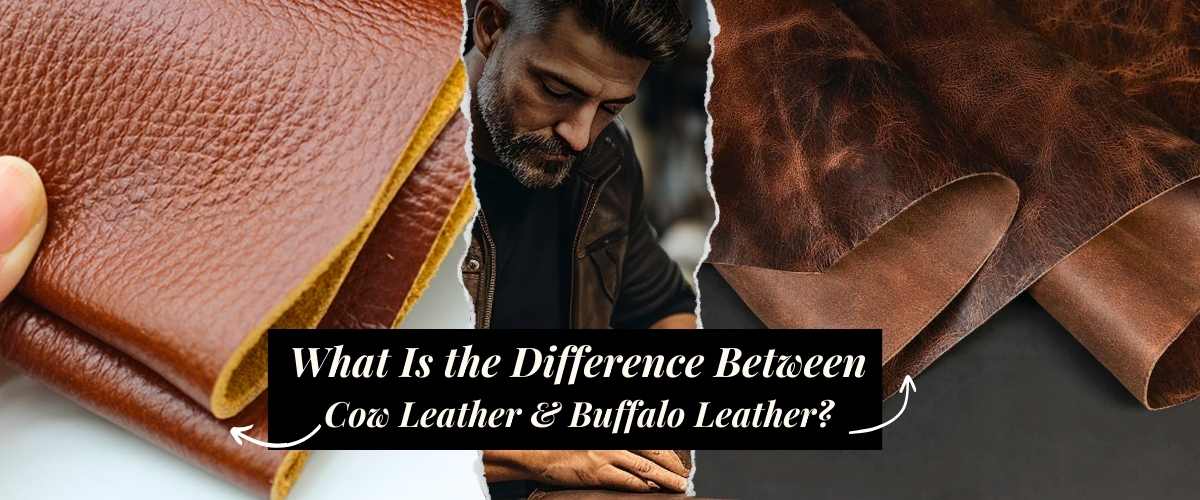
In the world of leather craftsmanship, the choice between cow leather and buffalo leather is not simply a matter of personal preference, it is a decision that can significantly impact your expectations from the leather goods you choose. These two materials, each hailing from different animal sources, have distinct characteristics that cater to various needs and tastes.
Cow leather, derived from the hides of domesticated cattle, has earned its reputation as the essential leather choice. It combines durability with a soft, supple texture, making it a top pick for a wide array of products, from elegant garments and accessories to upholstery. Its consistent grain pattern and versatility in terms of color and finish options make it an enduring favorite in the world of fashion and design.
On the other hand, buffalo leather, sourced from the robust water buffalo, offers a striking contrast. It is known for its exceptional toughness, making it the go-to choice for heavy-duty applications such as motorcycle gear, work gloves, and belts. Buffalo leather’s textured grain adds a rugged charm that sets it apart from the smoother appearance of cow leather.
Our comprehensive exploration will dive into the various aspects that differentiate cow leather from buffalo leather, including their unique textures, strengths, thicknesses, and applications. If you are a seasoned leather enthusiast or a newcomer seeking to make an informed choice, this blog post aims to provide you with the knowledge you need to select the perfect leather for your leather goods.
Also Check Out: What Level of Warmth Does a Shearling Fur Jacket Provide
1. Animal Source
To truly comprehend the difference between cow leather and buffalo leather, it is essential to begin at the source which are the animals themselves. These two distinct types of leather trace their lineage to domesticated creatures that have played vital roles in human civilization for centuries.
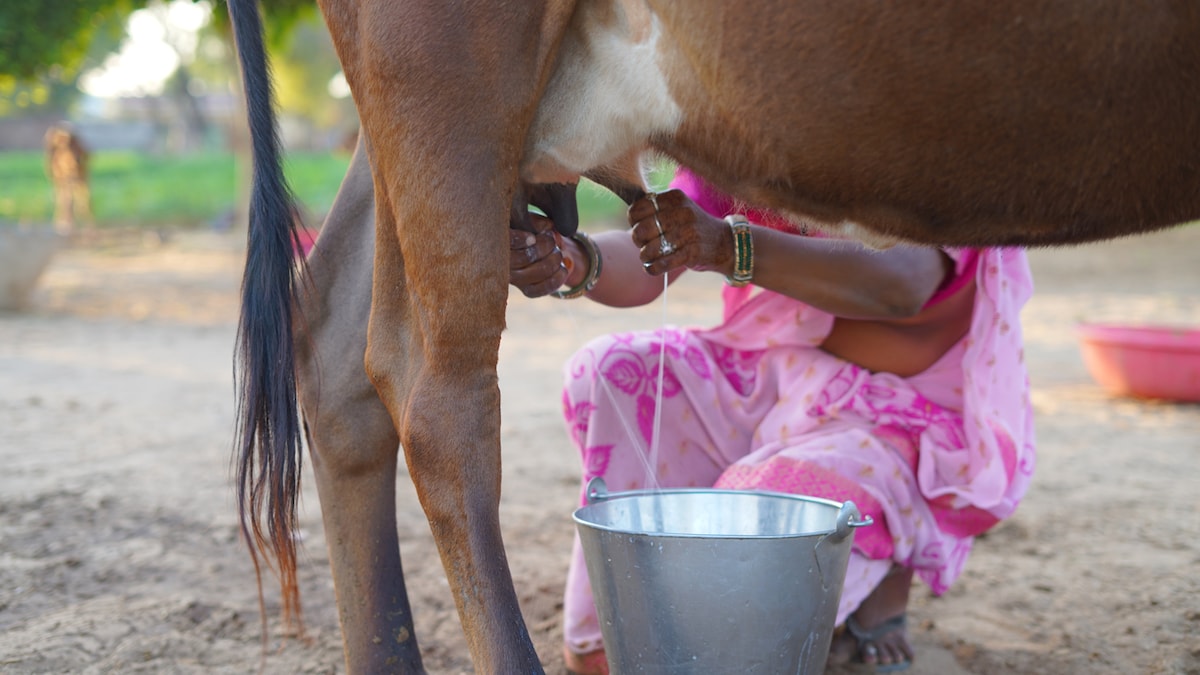
Cow leather, as the name says, finds its roots in cattle, specifically the Bos taurus (Domesticated Cattle) species. These gentle giants have been important to agriculture and food production worldwide. Cow leather is harvested from the hides of these domesticated bovines (Latin word for cow). Prized not only for their meat but also for their versatile hides. The leather industry relies heavily on cowhide, thanks to its abundant availability and exceptional qualities.
In contrast, buffalo leather originates from the formidable water buffalo, a robust and powerful beast vital in many Asian countries. These animals have been used for plowing fields, transportation, and as a source of meat, milk, and leather. The hides of water buffaloes are notably thicker and more rugged than those of cows. Making them ideal for specialized applications requiring superior durability.
2. Strength and Durability
When it comes to evaluating the worth of leather, one of the most crucial factors to consider is its strength and durability. In this respect, cow leather and buffalo leather stand apart in interesting ways, making this a vital consideration when choosing the right material for yourself.
Its robustness and longevity are celebrated features of cow leather. It strikes a fine balance between strength and flexibility, making it a popular choice across various industries. The combination of toughness and suppleness in cow leather makes sure it can withstand the tests of time. Whether it is a well-crafted leather jacket or a cherished handbag, cow leather’s durability often results in products that age gracefully, developing a coveted patina over the years.
Buffalo leather takes durability to the next level. Coming from the mighty water buffalo, this leather shows off exceptional toughness and resilience. Its thicker hide and dense fibers make it an ideal choice for rugged applications where strength is important. Motorcycle jackets, heavy-duty belts, and industrial gloves often feature buffalo leather due to its ability to endure harsh conditions and heavy use.
3. Thickness
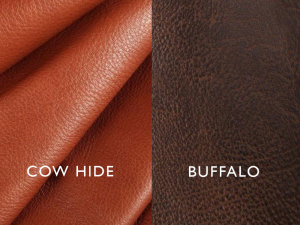
One of the noticeable differences between cow leather and buffalo leather lies in their thickness, a characteristic that has significant implications for their applications and performance.
Cow leather is known for its versatility, and its thickness can vary depending on the specific product it is intended for. In general, cow leather tends to be thinner compared to buffalo leather. This thinner profile makes cow leather easier to work with for applications where flexibility and a softer touch are desired. It is an excellent choice for crafting fine garments, accessories, and upholstery, where a more pliable and lightweight material is preferred.
Buffalo leather, on the other hand, is notably thicker. The hides of water buffalo are naturally denser, resulting in leather that is often more substantial and robust. This thickness contributes to the leather’s exceptional strength and durability, making it ideal for heavy-duty purposes. Products such as motorcycle gear, saddles, and work boots benefit from the extra thickness of buffalo leather, providing added protection and longevity.
4. Cost
For many consumers and artisans, cost is a vital factor when choosing between cow leather and buffalo leather. The price tag associated with each type of leather reflects not only the material’s characteristics but also its availability and manufacturing processes.
Cow leather is often the more budget-friendly option of the two. Its widespread availability, thanks to the global cattle industry, contributes to lower costs. Cow leather’s affordability has made it a favorite for a broad range of consumers and industries, allowing for the creation of quality leather products without breaking the bank. Whether you are shopping for a leather wallet, a pair of shoes, or a stylish handbag, cow leather provides a cost-effective way to enjoy genuine leather goods.
Buffalo leather tends to come with a higher price tag compared to cow leather. Several factors contribute to this increased cost, including the scarcity of buffalo hides in comparison to cattle hides and the labor-intensive processes involved in tanning and crafting buffalo leather. While it may be pricier, the investment in buffalo leather often pays off in the long run, as it offers unmatched durability and longevity, making it an excellent choice for those who prioritize longevity and ruggedness in their leather products.
5. Softness and Comfort
When it comes to selecting leather for various applications, the softness and comfort it offers can be defining attributes. Cow leather and buffalo leather have notable differences in these aspects, making it crucial to understand how they feel against the skin and how they adapt to everyday use.
Its softness and supple texture make cow leather renowned. With its smooth and pliable surface that is gentle against the skin, cow leather stands out as a preferred choice for crafting comfortable clothing, elegant accessories, and upholstered furniture. The natural flexibility of cow leather ensures that items like leather jackets and handbags conform comfortably to the body, facilitating ease of movement and providing a luxurious touch.
Buffalo leather, by contrast, tends to be stiffer and less pliable compared to cow leather. While it may not be as soft initially, it has its unique appeal. Over time, as buffalo leather is broken in, it becomes increasingly comfortable, adapting to the wearer’s body shape and movements. This characteristic makes buffalo leather an excellent choice for products where durability and long-term comfort are key, such as heavy-duty work gloves or sturdy boots.
Weight
The weight of leather plays a crucial role in determining its suitability for different applications. In comparing cow leather and buffalo leather, you will discover that these two materials vary significantly in terms of their heft and handling.
Buffalo leather generally weighs more compared to cow leather. This characteristic makes it a preferred choice for crafting products where a lightweight and comfortable feel is essential. Whether it is a stylish leather jacket or a chic handbag, cow leather’s relatively lighter weight ensures that it is easy to wear or carry for extended periods without causing undue strain or discomfort. Fashion and everyday accessories particularly value this attribute.
Buffalo leather, on the other hand, is notably heavier due to its denser fibers and thicker hide. This added weight contributes to its reputation for ruggedness and durability. While it may be less suited for applications where weight is a concern, such as clothing, it shines in heavy-duty products like work boots, saddlebags, and tool belts, where extra toughness is required.
Application
One of the most significant considerations when choosing between cow leather and buffalo leather is the intended application. These two distinct types of leather offer unique qualities that cater to various needs across a wide spectrum of industries and crafts.
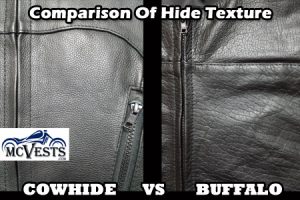
Cow leather’s versatility makes it a top choice for a vast array of applications. Its combination of durability and softness makes it a prime candidate. For crafting comfortable clothing, elegant accessories, and luxurious upholstered furniture. From stylish leather goods and handbags to refined leather shoes and wallets. Products requiring a smooth, pliable texture often excel when made from cow leather. Its adaptability to different finishes and colors also makes it a favored material for fashion and interior design.
Buffalo leather, prized for its exceptional strength and thickness, finds its niche in heavy-duty applications. It is the material of choice for crafting robust motorcycle gear, durable work gloves, and sturdy belts. The rugged texture of buffalo leather not only enhances its durability but also lends a distinctive. Rustic charm that appeals to those who prioritize toughness and longevity in their leather products.
Final Note
In the world of leather, the choice between cow leather and buffalo leather boils down to an understanding of their unique characteristics and your specific needs. Cow leather, with its softness, versatility, and affordability. Is a go-to option for fashion and design enthusiasts seeking comfort and style. Its adaptability to various applications, from clothing to accessories, makes it a perennial favorite.
In contrast, buffalo leather shines in the realm of strength and durability. Its thickness and rugged texture, born from the mighty water buffalo. Makes it the ultimate choice for heavy-duty purposes where longevity and toughness are paramount.
When making your selection, consider the factors that matter most to you: Is it the supple feel against your skin, the long-lasting durability, or the distinctive aesthetic? Both cow leather and buffalo leather have their unique merits, catering to a wide range of preferences and practical requirements.
In the end, the choice is yours, guided by your project’s demands and your appreciation for the diverse world of leather. Whatever you decide, rest assured that both cow and buffalo leather exemplify the timeless appeal and enduring quality of this remarkable material.
FAQs
Which is better cow leather or buffalo leather?
Whether cow leather or buffalo leather is better depends on your specific needs and preferences. Both types of leather have their advantages, and the choice should be based on what suits your intended use:
Cow Leather is Better When
- You need soft and supple leather for clothing or accessories.
- Customization and a wide range of colors and finishes are essential.
- You want a more affordable option for leather goods.
- You prefer lighter-weight leather for comfort.
Buffalo Leather is Better When
- Durability and ruggedness are a priority for heavy-duty items like work boots or motorcycle gear.
- Water resistance is crucial, such as for outdoor equipment or bags.
- You want leather with a more pronounced grain pattern and a rustic look.
- You are willing to invest in a higher-priced, long-lasting product.
What is the difference between cow and buffalo leather?
There are a lot of differences between cow and buffalo leather. Which are the difference in weight, color, thickness, softness, and many other factors.
Is buffalo leather stronger than cow leather?
Buffalo hides are two to three times thicker than cowhide and have a more pronounced grain. Consequently, buffalo leather, being stronger and more durable than cow leather, presents an attractive alternative for all the items typically made from cow leather.
Is cow leather waterproof?
Leather and water do not mix very well, although leather does have a degree of natural water resistance. This is okay if it comes into contact with small amounts of water such as light rain. But as natural animal leather is a porous material, it will never be 100% waterproof.
Why is buffalo leather so expensive?
Even though buffaloes are larger than cows, Their hides are smaller because they lack stretching.. As a result, Buffalo leather is slightly more expensive than cow leather.
Is Buffalo leather waterproof?
The extent to which leather can resist water penetration depends on how it has been treated with oils or waxes, as leather is a naturally porous material. The thickness of Buffalo leather means that it will remain water resistant longer than most other leathers.
Comparison of Shearing vs. Sherpa
| S.No |
Factors |
Cow Leather |
Buffalo Leather |
| 1. |
Grain Pattern |
Cow leather typically has a finer and more uniform grain pattern. It is smoother and has a more even texture. |
Buffalo leather often has a coarser grain pattern and a more pronounced texture. It can appear more rugged and rustic. |
| 2. |
Appearance and Aging |
Cow leather often develops a rich patina over time which enhances its appearance. |
Buffalo leather can also age beautifully but may have a more rugged and rustic look as it develops a patina. |
| 3. |
Availability |
Cow leather is widely available and is the most used leather type in the fashion and upholstery industries. |
Buffalo leather is less readily available than cow leather, and it may be harder to find in some regions. |
| 4. |
Tanning Process |
Cow leather is relatively easier to tan and can be processed using various tanning methods, including chrome and vegetable tanning. |
Buffalo leather can be more challenging to tan due to its thickness and grain. It often requires specialized tanning techniques, such as vegetable tanning, to maintain its quality. |
| 5. |
Color Options |
Cow leather is available in a wide range of colors and finishes, allowing for greater design versatility. |
Buffalo leather is often available in more earthy and natural tones, which can give products a rustic and rugged appearance. |
| 6. |
Water Resistance |
Cow leather can absorb water and may become damaged if exposed to excessive moisture. It requires proper care and maintenance to maintain its quality. |
Buffalo leather is naturally more water-resistant than cow leather due to its dense fiber structure. Outdoor gear often uses it for better moisture resistance, as it can withstand exposure more effectively. |
| 7. |
Allergies and Sensitivities |
Cow leather is generally well-tolerated by people with leather allergies or sensitivities due to its smooth surface and widespread use in various products. |
Some individuals with leather sensitivities may find buffalo leather more suitable because it often undergoes less processing, resulting in fewer chemical treatments. |
| 8. |
Customization |
Cow leather can be easily customized and embossed with various patterns and designs, making it popular for personalized leather goods. |
Buffalo leather can also be customized, but its coarser grain pattern may limit some design options. |
| 9. |
Environmental Impact |
The environmental impact of cow leather production can vary depending on farming and tanning practices. Sustainable and eco-friendly options are available. |
Buffalo leather may have a slightly lower environmental impact in some cases, as water buffalo are often raised for their meat, providing an additional use for their hides. |