A bid by The Onion satirical news outlet to buy Alex Jones’ conspiracy theory platform Infowars is scheduled to return Monday to a Texas courtroom, where a judge will be deciding whether a bankruptcy auction was properly run as Jones alleges collusion and fraud.
U.S. Bankruptcy Judge Christopher Lopez in Houston is set to hear testimony about the November auction and how a trustee chose The Onion over the only other bidder — a company affiliated with Jones that offered twice as much money as The Onion.
The sale of Infowars is part of Jones’ personal bankruptcy case, which he filed in late 2022 after he was ordered to pay nearly $1.5 billion in defamation lawsuits filed by relatives of victims of the Sandy Hook Elementary School shooting in Connecticut. Jones repeatedly called the 2012 shooting that killed 20 children and six educators a hoax staged by actors and aimed at increasing gun control.
Most of the proceeds from the sale of Infowars, as well as many of Jones’ personal assets, will go to the Sandy Hook families to help satisfy judgments issued by juries and judges in state courts in Connecticut and Texas. Some proceeds will go to Jones’ other creditors.
The Onion, which wants to turn Infowars’ website and social media accounts into parodies, offered $1.75 million for Infowars’ assets in the auction, while First United American Companies — which runs a website in Jones’ name that sells nutritional supplements — bid $3.5 million.
The Onion’s bid also included a pledge by many of the Sandy Hook families to forgo some or all of the auction proceeds due to them, in order to give other creditors a total of $100,000 more than they would receive under other bids.
The trustee, Christopher Murray, chose The Onion, saying its proposal was better for creditors because they would receive more money.
In court filings, Jones and First United American Companies accused Murray, The Onion and the Sandy Hook families of illegally colluding on the bidding, committing fraud and violating the judge’s rules for the auction.
Murray, The Onion and the families deny the allegations. In his own court filing, Murray called the allegations “a disappointed bidder’s improper attempt to influence an otherwise fair and open auction process.”
Up for sale at the auction were all the equipment and other assets in the Infowars studio in Austin, Texas, as well as its social media accounts, websites, video archive and product trademarks. Jones uses the studio to broadcast his far-right, conspiracy theory-filled shows on the Infowars website, his account on the social platform X and radio stations.
Jones has set up another studio, websites and social media accounts in case The Onion wins approval to buy Infowars and kicks him out. Jones has said he could continue using the Infowars platforms if the auction winner is friendly to him.
Jones is appealing the $1.5 billion in judgments citing free speech rights but has acknowledged that the school shooting happened.
Tennessee sent emails to season-ticket holders and students on Sunday to prepare them to buy tickets to the Vols’ College Football Playoff game.
Tennessee will make the College Football Playoff, but the only question is whether it will play at home or on the road in the first round. The updated College Football Playoff rankings will be released Tuesday (7 p.m. ET, ESPN), and the final bracket will be announced on Sunday.
There will be one first-round playoff game on Dec. 20 and three games on Dec. 21 at campus sites. Matchups will announced on Sunday.
Ticket prices, which are determined by the College Football Playoff, will be announced at a later date. But UT already has general guidelines for its season-ticket holders and students to purchase playoff tickets.
Here’s the breakdown to request tickets.
Tickets if Tennessee hosts first-round playoff game
UT season-ticket holders will get the first opportunity to purchase their seat for a first-round home playoff game.
“If Tennessee is selected to host a first round (playoff game), 2024 football season ticket holders will receive an invoice for tickets in their current seat location after the selection show on Dec. 8. Any remaining tickets will be offered in donor rank order, with additional details provided after the game is announced,” the UT email to season-ticket holders said.
Credit cards will not be charged until Tennessee’s game is announced. All sales will be final and refunds will not be issued.
Students were sent an email for instructions to purchase tickets for a potential home playoff game.
UT will hold a request window for student tickets from 9 a.m. Monday to noon Tuesday in a similar format to buying regular-season tickets.
Students with the highest T-credit average will be selected for student tickets available, so being first or last to request will have no weight on a student’s chance to be selected to purchase a ticket. T-credit measures the number of athletic events that students attend during the year.
For the rest of the fan base, expect single-game tickets to sell quickly after the 12-team bracket is announced on Sunday.
Tickets if Tennessee plays first-round playoff game on road
If UT plays on the road in the first round, season-ticket holders and donors will have an opportunity to submit ticket requests. That window will open after the game is announced on Dec. 8.
However, tickets to a UT playoff road game would be very limited. Visiting teams in the playoff receive only 3,500 tickets compared to 5,000 tickets for SEC road games.
UT will accommodate Tennessee Fund donors according to donor rank with an opportunity to purchase road playoff tickets. However, UT anticipates only 1,000 tickets being available to donors after institutional needs are met.
A very limited number of student tickets will be available if UT plays a road game in the first round.
So most UT fans planning to attend a first-round road game likely would rely on the secondary ticket market.
Tickets for Tennessee games if Vols advance in playoff
UT is also hosting an exclusive window for season-ticket holders to submit ticket requests for quarterfinal, semifinal and national championship games if the Vols advance past the first-round game.
Details about that window were included in UT’s email to season-ticket holders. The window will remain open through Dec. 11. Season-ticket holders can request as many as six tickets to those games.
Students will receive an email after the bracket is announced on Dec. 8 with instructions on purchasing tickets to quarterfinal, semifinal and championship games.
Quarterfinals will be played at bowl sites: Fiesta Bowl (Dec. 31), Peach Bowl (Jan. 1), Rose Bowl (Jan. 1), Sugar Bowl (Jan. 1). Semifinals will be played at the Orange Bowl (Jan. 9) and Cotton Bowl (Jan. 10).
The national championship game will be on Jan. 20 in Atlanta.
Credit cards will not be charged until Tennessee is announced in the game that was requested. All sales will be final and refunds will not be issued.
Couch materials refer to the upholstery of your sofa, and with so many different options on the market, it’s easy to get confused. Which fabric is the most popular right now? The most durable? The most likely to endure? They’re all important questions.
Apart from the silhouette and design, deciding on what couch material you want is the first step when finding the best sofa for your home. Once you know, it will help you narrow down your choices, and ensure you invest in a piece that will work best for you.
Below, we discussed with interior designers the merits of six of the most common couch materials you’ll definitely encounter on your hunt for the perfect sofa. We weighed up the pros and cons of each, to help you make the most well-informed decision possible.
1. Natural Fibers
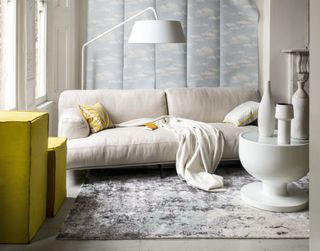
(Image credit: Paul Raeside)
Linen, cotton, and wool are some commonly-used couch materials.
Love neutrals? Try a linen sofa. The natural fabric is often seen as luxe, explains Rosanna Bassford, the founder of Memmo Interiors, and is easy to wash, dry clean, and vacuum.
That said, you should be mindful that linen wrinkles and stretches easily —Rosanna finds that because of this, the material “is best used in very casual settings, or when you desire that relaxed, lived in look.”
Cotton is another excellent option. “Cotton is soft, breathable, and affordable, fitting well in casual or traditional settings, though it can wrinkle and is less durable unless blended with synthetics,” says Cheryl Clendenon, the founder of In Detail Interiors.
Wool sofas are less common, but the couch material is ideal for chilly climates. Most of the designers we spoke to warned that they can be on the scratchier side, though, so that’s worth considering before you commit. Plus, there are other ways to make your sofa cozier.
There are a number of performance fabrics on the market to choose from, one of which is polyester. “Although this synthetic material may sound unappealing, polyester fabrics are really versatile,” Rosanna says. After all, she explains, polyester fabrics come in a number of textures and finishes. Many performance fabrics are made of polyester, too. “Therefore, it is great for high traffic areas and families with kids and pets,” she adds. “You can find a polyester fabric to fit almost any sofa or room style.”
In our research for a previous article we wrote, the designers we spoke to all agreed that performance velvet was the most comfortable fabric for sofas. Not only does its subtle sheen give it a high-end look, but the soft pile makes it all the more cozy and comfortable to sit on.
Other common performance fabrics include Crypton and Sunbrella fabric. “These materials excel at resisting stains, repelling water, and preventing fading, making them ideal for spaces with kids, pets, or frequent use,” Cheryl says. And while performance fabrics are considered the most low maintenance couch material, keep in mind that these fabrics are generally less soft, she adds.
3. Velvet
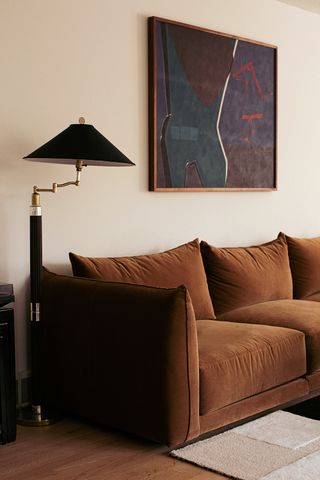
(Image credit: Jennifer Cole Rodriguez. Design: Curated by Thea)
Chic and oftentimes colorful, velvet is a cozy pick that will add a touch of elegance to any room of the home. Opt for a neutral colored for a more subdued look, or pay homage to Art Deco style with a royal blue, purple, or green jewel tone.
Keep in mind that the previously mentioned performance velvet is an option to consider, too. Thea Bloch-Neal, the founder and lead designer of Curated by Thea, considers this type of couch material to be her go-to pick, citing its many colorways available.
“Modern performance velvet features shorter piles, giving it a sleek, contemporary look while being incredibly durable and stain-resistant,” she adds. “It’s soft, kid-friendly, and a good couch material for dogs, making it a practical yet luxurious option.”
4. Chenille
(Image credit: Hugh Metcalf)
Chenille is a nice alternative couch material to linen that is also a super cozy option. We’ve already predicted it’s going to be a popular sofa trend next year, having spotted it everywhere during Milan and Paris Design Week this year. It also plays nicely into the chic 1970s resurgence in the world of interior design as of late.
If you’re thinking of embracing the couch material in an upcoming purchase, it’s worth keeping in mind that due to its texture, it is snag-prone, so Cheryl suggests avoiding it if you have pets (or potentially even children) at home.
That said, the textural detailing is an excellent way to add more visual interest to your space. The material can be seen as a happy medium between velvet and bouclé, discussed below.
5. Bouclé
(Image credit: Pär Bengtsson. Design: Meg Lonergan)
Bouclé sofas are a couch material that has grown in popularity in recent years and doesn’t appear to be on its way out any time soon.
“Its rich texture adds depth and a touch of luxury to any space,” Thea says, noting that bouclé can be made from either wool, silk, or cotton fibers. “Each fiber type brings its own charm and comes in a variety of colors,” she adds.
This popular couch fabric does come with a warning though. Thea says that cleaning bouclé can be a bit challenging, given that the textured surface can trap dirt. (Luckily, we have a step-by-step guide on how to clean bouclé fabric.)
Add a storied touch to your space with the addition of a leather sofa. “Leather is a timeless and versatile choice, offering different options to suit various needs,” Cheryl says, adding that it is also easy to clean and allergen-resistant.
Of course, be mindful that there are different types of leather from which to choose. Full-grain, the designer says, “provides a natural, luxurious feel that develops a patina over time.” She recommends weaving this material into a rustic or traditional space.
Top-grain leather and bonded leather are a few other choices to consider. “Top-grain leather balances softness and resilience, while bonded leather offers a budget-friendly alternative, though it is less durable,” she adds.
Looking for a leather sofa living room idea that’s a bit off the beaten path? Try aniline-dyed leather. “With its rich color, it appeals to design enthusiasts but is more prone to stains due to its lack of a protective coating,” the designer says. “But there is nothing better than a vibrant-colored leather sofa to make a statement!”
FAQs
How to know what couch material is right for you?
Based on the above list, it’s clear that there are many different couch materials to consider, each with their pros and cons. “Each material brings its own style, durability, and care requirements, so the best choice depends on the homeowner’s lifestyle and the room’s intended function and overall design,” Cheryl says.
A couch can be a major investment, so it is always wise to order a few fabric samples to your home before committing to one in particular. Many people will test each sample to see how well it responds to stains, pet hair, spills, and the like.
You will also want to consider how often you will be using your couch and how long you’d like for it to last. A couch in a family room will likely experience more daily wear and tear than one in a living room. If you will be eating on the sofa while watching television, you will want to choose a much more durable fabric than if you solely plan to sit on the sofa to read.
Couch materials refer to the upholstery of your sofa, and with so many different options on the market, it’s easy to get confused. Which fabric is the most popular right now? The most durable? The most likely to endure? They’re all important questions.
Apart from the silhouette and design, deciding on what couch material you want is the first step when finding the best sofa for your home. Once you know, it will help you narrow down your choices, and ensure you invest in a piece that will work best for you.
Below, we discussed with interior designers the merits of six of the most common couch materials you’ll definitely encounter on your hunt for the perfect sofa. We weighed up the pros and cons of each, to help you make the most well-informed decision possible.
1. Natural Fibers
(Image credit: Paul Raeside)
Linen, cotton, and wool are some commonly-used couch materials.
Love neutrals? Try a linen sofa. The natural fabric is often seen as luxe, explains Rosanna Bassford, the founder of Memmo Interiors, and is easy to wash, dry clean, and vacuum.
That said, you should be mindful that linen wrinkles and stretches easily —Rosanna finds that because of this, the material “is best used in very casual settings, or when you desire that relaxed, lived in look.”
Cotton is another excellent option. “Cotton is soft, breathable, and affordable, fitting well in casual or traditional settings, though it can wrinkle and is less durable unless blended with synthetics,” says Cheryl Clendenon, the founder of In Detail Interiors.
Wool sofas are less common, but the couch material is ideal for chilly climates. Most of the designers we spoke to warned that they can be on the scratchier side, though, so that’s worth considering before you commit. Plus, there are other ways to make your sofa cozier.
There are a number of performance fabrics on the market to choose from, one of which is polyester. “Although this synthetic material may sound unappealing, polyester fabrics are really versatile,” Rosanna says. After all, she explains, polyester fabrics come in a number of textures and finishes. Many performance fabrics are made of polyester, too. “Therefore, it is great for high traffic areas and families with kids and pets,” she adds. “You can find a polyester fabric to fit almost any sofa or room style.”
In our research for a previous article we wrote, the designers we spoke to all agreed that performance velvet was the most comfortable fabric for sofas. Not only does its subtle sheen give it a high-end look, but the soft pile makes it all the more cozy and comfortable to sit on.
Other common performance fabrics include Crypton and Sunbrella fabric. “These materials excel at resisting stains, repelling water, and preventing fading, making them ideal for spaces with kids, pets, or frequent use,” Cheryl says. And while performance fabrics are considered the most low maintenance couch material, keep in mind that these fabrics are generally less soft, she adds.
3. Velvet
(Image credit: Jennifer Cole Rodriguez. Design: Curated by Thea)
Chic and oftentimes colorful, velvet is a cozy pick that will add a touch of elegance to any room of the home. Opt for a neutral colored for a more subdued look, or pay homage to Art Deco style with a royal blue, purple, or green jewel tone.
Keep in mind that the previously mentioned performance velvet is an option to consider, too. Thea Bloch-Neal, the founder and lead designer of Curated by Thea, considers this type of couch material to be her go-to pick, citing its many colorways available.
“Modern performance velvet features shorter piles, giving it a sleek, contemporary look while being incredibly durable and stain-resistant,” she adds. “It’s soft, kid-friendly, and a good couch material for dogs, making it a practical yet luxurious option.”
4. Chenille
(Image credit: Hugh Metcalf)
Chenille is a nice alternative couch material to linen that is also a super cozy option. We’ve already predicted it’s going to be a popular sofa trend next year, having spotted it everywhere during Milan and Paris Design Week this year. It also plays nicely into the chic 1970s resurgence in the world of interior design as of late.
If you’re thinking of embracing the couch material in an upcoming purchase, it’s worth keeping in mind that due to its texture, it is snag-prone, so Cheryl suggests avoiding it if you have pets (or potentially even children) at home.
That said, the textural detailing is an excellent way to add more visual interest to your space. The material can be seen as a happy medium between velvet and bouclé, discussed below.
5. Bouclé
(Image credit: Pär Bengtsson. Design: Meg Lonergan)
Bouclé sofas are a couch material that has grown in popularity in recent years and doesn’t appear to be on its way out any time soon.
“Its rich texture adds depth and a touch of luxury to any space,” Thea says, noting that bouclé can be made from either wool, silk, or cotton fibers. “Each fiber type brings its own charm and comes in a variety of colors,” she adds.
This popular couch fabric does come with a warning though. Thea says that cleaning bouclé can be a bit challenging, given that the textured surface can trap dirt. (Luckily, we have a step-by-step guide on how to clean bouclé fabric.)
Add a storied touch to your space with the addition of a leather sofa. “Leather is a timeless and versatile choice, offering different options to suit various needs,” Cheryl says, adding that it is also easy to clean and allergen-resistant.
Of course, be mindful that there are different types of leather from which to choose. Full-grain, the designer says, “provides a natural, luxurious feel that develops a patina over time.” She recommends weaving this material into a rustic or traditional space.
Top-grain leather and bonded leather are a few other choices to consider. “Top-grain leather balances softness and resilience, while bonded leather offers a budget-friendly alternative, though it is less durable,” she adds.
Looking for a leather sofa living room idea that’s a bit off the beaten path? Try aniline-dyed leather. “With its rich color, it appeals to design enthusiasts but is more prone to stains due to its lack of a protective coating,” the designer says. “But there is nothing better than a vibrant-colored leather sofa to make a statement!”
FAQs
How to know what couch material is right for you?
Based on the above list, it’s clear that there are many different couch materials to consider, each with their pros and cons. “Each material brings its own style, durability, and care requirements, so the best choice depends on the homeowner’s lifestyle and the room’s intended function and overall design,” Cheryl says.
A couch can be a major investment, so it is always wise to order a few fabric samples to your home before committing to one in particular. Many people will test each sample to see how well it responds to stains, pet hair, spills, and the like.
You will also want to consider how often you will be using your couch and how long you’d like for it to last. A couch in a family room will likely experience more daily wear and tear than one in a living room. If you will be eating on the sofa while watching television, you will want to choose a much more durable fabric than if you solely plan to sit on the sofa to read.
Couch materials refer to the upholstery of your sofa, and with so many different options on the market, it’s easy to get confused. Which fabric is the most popular right now? The most durable? The most likely to endure? They’re all important questions.
Apart from the silhouette and design, deciding on what couch material you want is the first step when finding the best sofa for your home. Once you know, it will help you narrow down your choices, and ensure you invest in a piece that will work best for you.
Below, we discussed with interior designers the merits of six of the most common couch materials you’ll definitely encounter on your hunt for the perfect sofa. We weighed up the pros and cons of each, to help you make the most well-informed decision possible.
1. Natural Fibers
(Image credit: Paul Raeside)
Linen, cotton, and wool are some commonly-used couch materials.
Love neutrals? Try a linen sofa. The natural fabric is often seen as luxe, explains Rosanna Bassford, the founder of Memmo Interiors, and is easy to wash, dry clean, and vacuum.
That said, you should be mindful that linen wrinkles and stretches easily —Rosanna finds that because of this, the material “is best used in very casual settings, or when you desire that relaxed, lived in look.”
Cotton is another excellent option. “Cotton is soft, breathable, and affordable, fitting well in casual or traditional settings, though it can wrinkle and is less durable unless blended with synthetics,” says Cheryl Clendenon, the founder of In Detail Interiors.
Wool sofas are less common, but the couch material is ideal for chilly climates. Most of the designers we spoke to warned that they can be on the scratchier side, though, so that’s worth considering before you commit. Plus, there are other ways to make your sofa cozier.
There are a number of performance fabrics on the market to choose from, one of which is polyester. “Although this synthetic material may sound unappealing, polyester fabrics are really versatile,” Rosanna says. After all, she explains, polyester fabrics come in a number of textures and finishes. Many performance fabrics are made of polyester, too. “Therefore, it is great for high traffic areas and families with kids and pets,” she adds. “You can find a polyester fabric to fit almost any sofa or room style.”
In our research for a previous article we wrote, the designers we spoke to all agreed that performance velvet was the most comfortable fabric for sofas. Not only does its subtle sheen give it a high-end look, but the soft pile makes it all the more cozy and comfortable to sit on.
Other common performance fabrics include Crypton and Sunbrella fabric. “These materials excel at resisting stains, repelling water, and preventing fading, making them ideal for spaces with kids, pets, or frequent use,” Cheryl says. And while performance fabrics are considered the most low maintenance couch material, keep in mind that these fabrics are generally less soft, she adds.
3. Velvet
(Image credit: Jennifer Cole Rodriguez. Design: Curated by Thea)
Chic and oftentimes colorful, velvet is a cozy pick that will add a touch of elegance to any room of the home. Opt for a neutral colored for a more subdued look, or pay homage to Art Deco style with a royal blue, purple, or green jewel tone.
Keep in mind that the previously mentioned performance velvet is an option to consider, too. Thea Bloch-Neal, the founder and lead designer of Curated by Thea, considers this type of couch material to be her go-to pick, citing its many colorways available.
“Modern performance velvet features shorter piles, giving it a sleek, contemporary look while being incredibly durable and stain-resistant,” she adds. “It’s soft, kid-friendly, and a good couch material for dogs, making it a practical yet luxurious option.”
4. Chenille
(Image credit: Hugh Metcalf)
Chenille is a nice alternative couch material to linen that is also a super cozy option. We’ve already predicted it’s going to be a popular sofa trend next year, having spotted it everywhere during Milan and Paris Design Week this year. It also plays nicely into the chic 1970s resurgence in the world of interior design as of late.
If you’re thinking of embracing the couch material in an upcoming purchase, it’s worth keeping in mind that due to its texture, it is snag-prone, so Cheryl suggests avoiding it if you have pets (or potentially even children) at home.
That said, the textural detailing is an excellent way to add more visual interest to your space. The material can be seen as a happy medium between velvet and bouclé, discussed below.
5. Bouclé
(Image credit: Pär Bengtsson. Design: Meg Lonergan)
Bouclé sofas are a couch material that has grown in popularity in recent years and doesn’t appear to be on its way out any time soon.
“Its rich texture adds depth and a touch of luxury to any space,” Thea says, noting that bouclé can be made from either wool, silk, or cotton fibers. “Each fiber type brings its own charm and comes in a variety of colors,” she adds.
This popular couch fabric does come with a warning though. Thea says that cleaning bouclé can be a bit challenging, given that the textured surface can trap dirt. (Luckily, we have a step-by-step guide on how to clean bouclé fabric.)
Add a storied touch to your space with the addition of a leather sofa. “Leather is a timeless and versatile choice, offering different options to suit various needs,” Cheryl says, adding that it is also easy to clean and allergen-resistant.
Of course, be mindful that there are different types of leather from which to choose. Full-grain, the designer says, “provides a natural, luxurious feel that develops a patina over time.” She recommends weaving this material into a rustic or traditional space.
Top-grain leather and bonded leather are a few other choices to consider. “Top-grain leather balances softness and resilience, while bonded leather offers a budget-friendly alternative, though it is less durable,” she adds.
Looking for a leather sofa living room idea that’s a bit off the beaten path? Try aniline-dyed leather. “With its rich color, it appeals to design enthusiasts but is more prone to stains due to its lack of a protective coating,” the designer says. “But there is nothing better than a vibrant-colored leather sofa to make a statement!”
FAQs
How to know what couch material is right for you?
Based on the above list, it’s clear that there are many different couch materials to consider, each with their pros and cons. “Each material brings its own style, durability, and care requirements, so the best choice depends on the homeowner’s lifestyle and the room’s intended function and overall design,” Cheryl says.
A couch can be a major investment, so it is always wise to order a few fabric samples to your home before committing to one in particular. Many people will test each sample to see how well it responds to stains, pet hair, spills, and the like.
You will also want to consider how often you will be using your couch and how long you’d like for it to last. A couch in a family room will likely experience more daily wear and tear than one in a living room. If you will be eating on the sofa while watching television, you will want to choose a much more durable fabric than if you solely plan to sit on the sofa to read.
Conspiracy theorist Alex Jones’ Infowars broadcasts could end next week as he faces a court-ordered auction of his company’s assets to help pay the more than $1 billion defamation judgment he owes families of victims of the Sandy Hook Elementary School shooting.
Or maybe not.
Both opponents and supporters of the bombastic internet show and radio host have expressed interest in bidding on the Infowars properties he has built over the past 25 years. They include Roger Stone, an ally of Jones and Donald Trump, and anti-Jones progressive media groups. If Jones supporters buy the assets, he could end up staying on Infowars.
Up for sale are everything from Jones’ studio desk to Infowars’ name, video archive, social media accounts and product trademarks. Buyers can even purchase an armored truck and video cameras. For now, Jones’ personal social media, including his account on X, formerly known as Twitter, with 3 million followers, are not up for sale, but court proceedings on whether they should be auctioned are pending.
The auctions resulted from Jones’ personal bankruptcy case, which he filed in late 2022 after the Sandy Hook families were awarded nearly $1.5 billion in damages in lawsuits in Connecticut and Texas over his claims that the school shooting was a hoax. Many of Jones’ personal assets also are being liquidated to help pay the judgment.
The deadline to submit bids and nondisclosure agreements on the Infowars assets is Friday afternoon. After the bids are reviewed, prospective buyers deemed qualified will be invited to a live auction that could see multiple bidding rounds next Wednesday. Any items not sold will be put up at another auction on Dec. 10.
Jones has expressed confidence that supporters — whom he did not name — will buy the assets of Infowars and its parent company, Free Speech Systems, allowing him to continue using its platforms. He also appears to be preparing for losing the brand because he has set up new websites and social media accounts and has been directing his audience to them.
“There’s a lot of buyers, people that are patriots that want it and will come in,” Jones said on his show in August. “If not … we’ll work with somebody else, fire something up. And it’ll be a little bit of a hiccup for the crew, and things. But that will just make us bigger.”
Email messages to Infowars and Jones’ bankruptcy lawyer were not returned.
It’s not clear how much money the auctions might bring in. In court documents, Free Speech Systems listed the total value of its properties and holdings at $18 million. Proceeds from the sales will go to creditors including the Sandy Hook families, who have not yet received any money from Jones and his company.
Confidentiality agreements and sealed bids generally are used in auctions to maximize bid amounts while preventing bidders from talking to each other and driving down the offers. The trustee in Jones’ bankruptcy case said in court documents that the procedures for the Infowars auction were designed to attract the highest possible bids.
Christopher Mattei, a Connecticut lawyer representing the Sandy Hook families, called the auctions an important milestone in their yearslong fight to hold Jones accountable. He also said the families will be seeking a portion of all Jones’ future income.
“From the beginning, the Connecticut families have sought to hold Jones fully accountable for his lies and to protect other families from him,” Mattei said. “Stripping Jones of the corrupt business he used to attack the families while poisoning the minds of his listeners is an important measure of justice.”
The families sued Jones and his company for defamation and emotional distress for repeatedly saying on his show that the 2012 shooting that killed 20 first graders and six educators in Newtown, Connecticut, was a hoax staged by crisis actors to spur more gun control.
Parents and children of many of the victims testified that they were traumatized by Jones’ hoax conspiracies and threats by his followers.
Jones, who has since acknowledged that the shooting did happen, is appealing the judgments.
Jones has made millions of dollars from his internet and radio shows, primarily through sales of nutritional supplements, survival gear, clothing and other merchandise.
Stone, the Jones and Trump ally and a conservative commentator, said on his X account and on Jones’ show that he would like to put together a group of investors to buy Infowars. He did not return email and social media messages on Thursday.
“I understand the importance of Infowars as a beacon of the truth, as a beacon of truthful information. And therefore, I would like to do whatever I possibly can to ensure, if possible, that Infowars survives,” Stone said on Jones’ show in September.
People on social media also have urged billionaire Elon Musk, owner of Tesla and X, to buy Infowars, an idea Jones has backed but Musk has not publicly responded to.
On the other side, Jones’ detractors have shown interest in buying Infowars, kicking Jones out and turning it into something else, such as a news site that debunks conspiracy theories or even a parody site. They include officials at two progressive media sites, The Barbed Wire and Media Matters for America.
An opinion piece by The Barbed Wire in September by publisher Jeff Rotkoff had a headline that read, “Let’s Buy Infowars. Alex Jones used these exact materials to exploit his viewers, peddle conspiracy theories, and damage the lives of grieving parents. We want revenge.”
Rotkoff urged readers to donate money to help put in bids, but he said Thursday that The Barbed Wire, based in Jones’ home state of Texas, was now unlikely to make any offers.
“But we have talked to a number of similarly ideologically aligned bidders and we are certain we will be outbid,” Rotkoff said in an email. “We’re thrilled that there appear to be multiple well-resourced bidders who share our interest in undoing much of the damage to our country done by Alex Jones. We’ll be rooting for those folks to be successful.”
He declined to say who the other potential bidders were.
Who exactly has submitted bids so far has not been disclosed. Jeff Tanenbaum, president of ThreeSixty Asset Advisors, which is helping to run the auction along with Tranzon Asset Advisors, would only say there have been a large number of inquiries.
If detractors buy up Infowars’ properties and Jones gets the boot, he should be able to build new platforms fairly quickly, said Melissa Zimdars, an associate professor of communication and media at Merrimack College in Massachusetts.
“As long as there is an audience hungry for his content — and there is — he’ll be able to utilize X and various fringe social media platforms,” she said in an email.
Domestic brokerage house Motilal Oswal Financial Services (MOSL) initiated coverage on Raymond Lifestyle, a recent spin-off from Raymond Ltd, with a ‘buy’ rating and a target price of ₹3,200, suggesting an upside potential of over 35 per cent for the stock.
Following the announcement, shares of Raymond Lifestyle surged more than 5.5 per cent in Monday’s trading session. MOSL projects that the company’s revenue and net profit will grow at a compounded annual growth rate (CAGR) of 11 per cent and 15 per cent, respectively from FY24 to FY27.
Also Read | Top 5 stocks in the plastic and tyre recycling ecosystem
“Although the valuation of Raymond’s Lifestyle (RLL) business has almost doubled since the demerger, the stock is currently trading at a relatively lower P/E and an EV/EBITDA (pre-Ind-AS-116) of 25x and 16x on FY26E, respectively. The valuation is significantly lower than that of our Coverage Universe and other retail and discretionary companies, which are valued at an EV/EBITDA of ~35-40x on FY26E. While RLL benefits from strong brand affinity, its valuation has been impeded by sluggish execution in the past (volatility in PAT growth over FY10-20). However, as RLL continues to exhibit a positive growth trajectory, characterised by revenue/PAT CAGR of 11%/15% over FY24-26E, we believe valuations could re-rate,” said the brokerage.
“Additionally, we anticipate a return on invested capital (ROIC) of 24%, 26%, and 30% in FY25, FY26, and FY27, respectively. With improved FCF generation, RLL could look to increase shareholder returns through dividends,” it added.
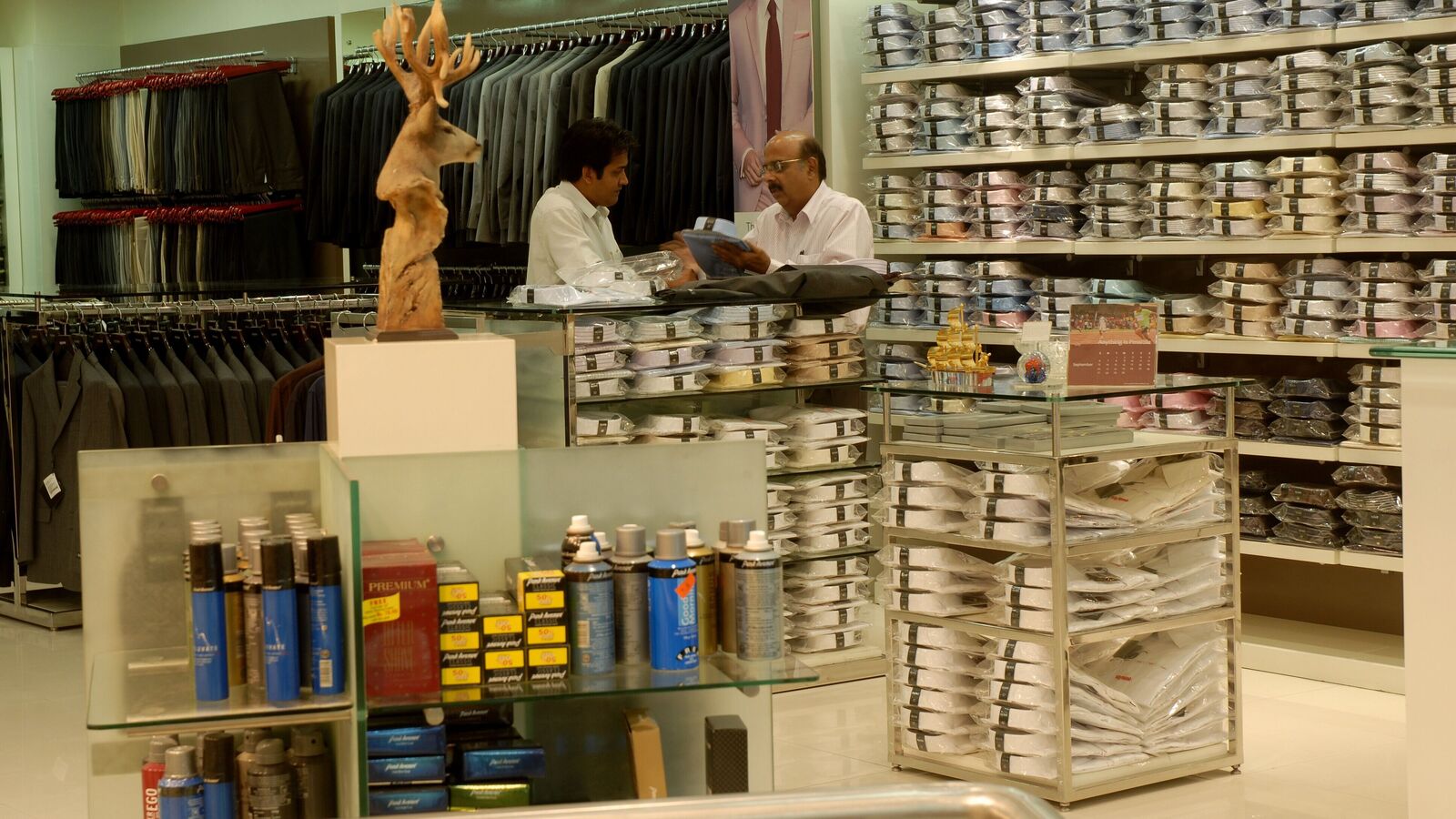
Raymond Lifestyle emerged as a standalone entity after the demerger from Raymond Ltd, positioning itself as a pure-play lifestyle company. With a strong presence in the men’s wear segment, RLL commands a significant market share of around 65 per cent in worsted suiting. Its portfolio includes a wide range of branded textiles, operating in both B2B and B2C segments. The company also boasts several popular apparel brands, such as Park Avenue, ColorPlus, and Ethnix by Raymond, catering to formal, casual, and ethnic wear categories. Notably, RLL holds about 5 per cent of the men’s wedding wear market, showcasing its prominence in the sector.
Also Read | Dolly Khanna pares stake in THIS multibagger stock. Shares hit 5% lower circuit
In terms of stock performance, Raymond Lifestyle was listed on the NSE on September 5 at ₹3,020. The stock has gained over 17 per cent from its post-listing low of ₹2,081. However, it still trades below its listing day close of ₹2,869. Despite this, analysts remain optimistic about the stock’s future, supported by the company’s solid brand presence, wide distribution network, and ambitious growth plans.
Investment Rationale
MOSL highlighted several growth drivers for RLL, including its fast-paced expansion in branded apparel, targeting a doubling of its exclusive brand outlets (EBOs). The company is also positioned to benefit from Bangladesh+1 and China+1 trends in B2B garmenting, it said. Additionally, the launch of new categories like innerwear and sleepwear as well as a shift towards casualisation and premiumisation of its product portfolio are expected to contribute to its growth, said MOSL. Enhanced sourcing efficiencies due to scale could further improve its operating leverage.
In recent years, Raymond Group has undertaken strategic initiatives such as demerger of its lifestyle and real estate businesses, restructuring of its engineering division, and sale of its FMCG business. These moves have streamlined the group into distinct listed entities focused on lifestyle, real estate, and engineering, aimed at enhancing shareholder value. Each business is professionally managed with a focus on maintaining a net cash balance sheet, optimising costs, and effectively managing working capital.
Also Read | Dharmesh Shah recommends these two stocks to buy today – October 21
Despite historically facing challenges related to growth, profitability, and a high working capital cycle, RLL has made significant progress, the brokerage said, adding that it has improved its working capital management, achieved a net cash position ahead of schedule, and enhanced its pre-IFRS EBITDA margins through store rationalisation and cost control measures.
Under the leadership of Sunil Kataria, former GCPL executive, RLL’s margins have improved to approximately 12 per cent in FY24, up from single-digit levels between FY17 and FY20. Going forward, RLL is focused on accelerating growth in branded apparel, expanding its network, and introducing new categories such as sleepwear and innerwear, alongside scaling up its Ethnix by Raymond brand.
Disclaimer: The views and recommendations made above are those of individual analysts or broking companies, and not of Mint. We advise investors to check with certified experts before taking any investment decisions.
If you’re someone who cooks often, you surely know the importance of possessing a good chopping board. This kitchen tool allows us to chop, cut, and slice our food with finesse, making the process of cooking a lot easier and more fun, doesn’t it? However, many find it challenging to shop for one. Nowadays, you’ll come across a variety of chopping boards in the market. While it’s good to have options to choose from, it can also challenge your decision-making abilities. Do you find yourself in a similar situation? Are you feeling confused about which chopping board to pick? Fret not! We are here to solve all your doubts about chopping boards so that you’re able to make the right decision while shopping for one. Below are five key factors you should evaluate before making your purchase. Also Read: Plastic Chopping Board Slipping And Sliding? 5 Genius Hacks to Keep It Steady
Photo Credit: Getty
Here Are 5 Factors To Keep In Mind Before Buying A Chopping Board:
1. What Material Is It Made From?
The first thing you should assess while shopping for a chopping board is the material. Chopping boards are made with different materials, such as wood, plastic, and glass. For heaving chopping and robustness, opt for a wooden chopping board. If you’re looking for something affordable and lightweight, a plastic chopping board is ideal. A glass one is great for tasks like kneading dough.
2. Is It Knife-Friendly?
Another key aspect to evaluate is if the chopping board is knife-friendly. A knife-friendly chopping board ensures that your knives don’t become blunt and their sharpness remains intact. If this is a matter of concern to you, consider choosing a wooden or a plastic chopping board. Both of these are durable and provide a surface that is gentle on knives.
3. Is It Easy To Clean?
Imagine buying a chopping board and not being able to clean it properly. What a bummer, right? To avoid being in such a situation, make sure to assess if the chopping board is easy to clean. Among all the varieties, a plastic chopping board is usually the easiest to clean, followed by a glass one. A wooden chopping board, on the other hand, tends to absorb flavours, making it challenging to clean.
4. How Durable Is It?
The durability of a chopping board determines how long it will last. While this mainly depends on usage, a wooden chopping board is the best pick because wood is quite sturdy and can handle a lot of wear and tear. Plastic chopping boards are also quite durable. However, glass chopping boards may not be as durable since they can break easily. Also Read: Easy And Effective: 5 Tips For Cleaning Your Wooden Chopping Board
Photo Credit: Getty
5. How Much Does It Cost?
Cost is another major factor to consider when shopping for a chopping board. The cost of chopping boards can begin from anywhere between Rs 200-300 and go up to Rs 2000. Make your purchase based on how often you use a chopping board. If you use it occasionally, you can make do with a cheaper one. However, if you use it on a regular basis, don’t hesitate to spend extra and invest in a quality chopping board.
Now that you know about these points, keep them in mind and make an informed decision when buying a chopping board.