
If you’ve noticed yellowish eruptions or growths around your eyelids, don’t ignore them. These are called xanthelasmas, and while they may seem harmless or just a cosmetic concern, they could be signalling something more serious – high cholesterol levels. Xanthelasmas are soft, yellowish deposits that form under the skin around the eyes, typically on the upper eyelids. They are most often associated with elevated cholesterol levels, particularly with high levels of low-density lipoprotein (LDL), the “bad” cholesterol.
Also Read: Manage Cholesterol: This Quick And Easy Orange-Flaxseed Drink May Keep Cholesterol Levels In Check
What Are Xanthelasmas?
Xanthelasmas are fatty deposits that form on the skin, often appearing as yellowish patches or bumps. These growths can vary in size and are commonly seen on the upper and lower eyelids. Though they are generally painless and do not cause any discomfort, they can be a visible sign of underlying health issues, especially cholesterol imbalances. People who develop xanthelasmas may be at a higher risk of developing cardiovascular diseases or heart problems due to the link between high cholesterol levels and artery blockages.
Xanthelasmas can appear in people of all ages, but they are more common in those who are middle-aged or older. They can also occur in individuals with certain conditions, such as diabetes, liver disease, or thyroid disorders, and are frequently seen in people with a family history of high cholesterol.
Why Are Xanthelasmas Important?
Although xanthelasmas themselves are not dangerous, they often serve as a visible reminder that your cholesterol levels could be out of balance. High cholesterol levels can lead to the buildup of plaque in the arteries, increasing the risk of heart disease, stroke, and other cardiovascular problems. Therefore, the appearance of these yellowish growths on your eyelids could be a sign that it’s time to take a closer look at your diet and lifestyle.
If you notice these growths, it’s a good idea to consult with a healthcare professional who can help assess your cholesterol levels and provide guidance on how to manage them.
Also Read: 6 Most Effective Home Remedies For Cholesterol
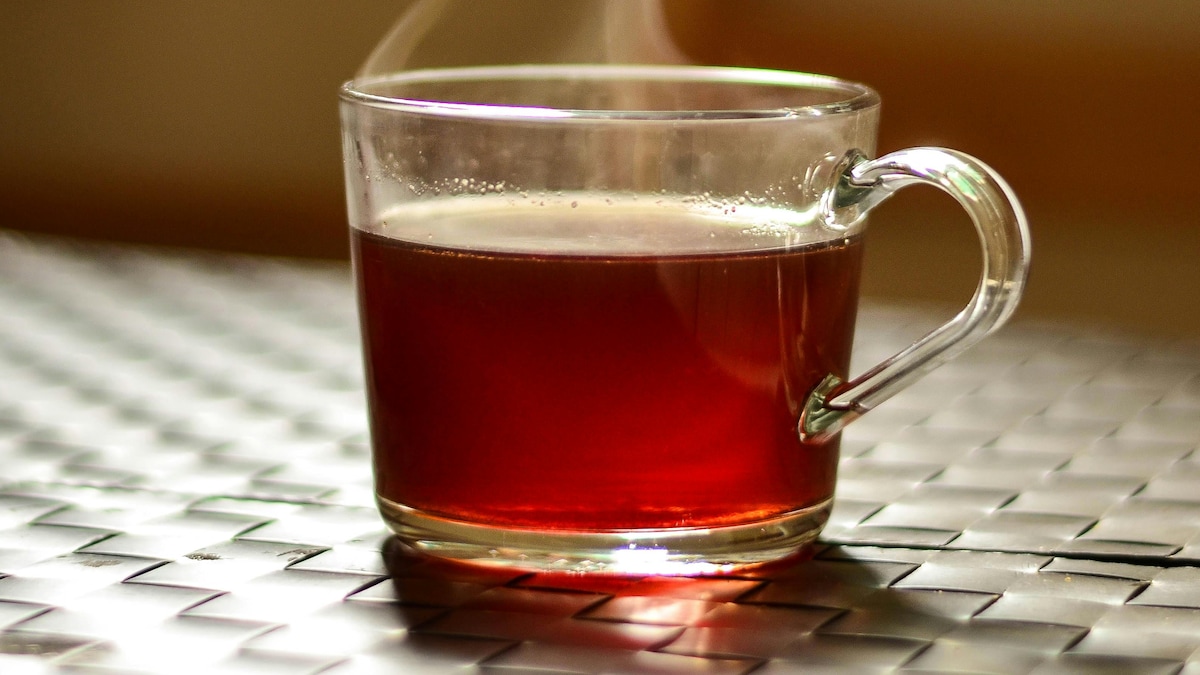
Cholesterol-Reducing Tea: A Simple Solution
In her recent Instagram post, dietitian Manpreet Kalra shared a simple yet effective remedy for lowering cholesterol levels – a cholesterol-reducing tea. The ingredients are natural, easily available, and known for their health benefits.
Here’s the recipe for the Cholesterol Reducing Tea:
Ingredients:
- Methi seeds (Fenugreek seeds) – 1/4 tsp
- Fresh ginger – 1/4 tsp
- Turmeric – 1/4 tsp
- Green cardamom – 1 pod
- Cinnamon – a pinch
Instructions:
- Add all the ingredients to a small pot of water.
- Boil everything together for a few minutes, making sure the ingredients infuse properly into the water.
- Strain the tea and drink it in the morning on an empty stomach for best results.
- This simple herbal tea is packed with powerful ingredients that have been shown to support heart health and lower cholesterol levels.
Benefits of the Cholesterol-Reducing Tea Ingredients:
- Methi Seeds (Fenugreek Seeds): Methi seeds are a popular ingredient in traditional medicine, known for their ability to improve lipid profiles. These seeds are rich in soluble fibre, which helps reduce the absorption of cholesterol in the intestines. Studies have shown that fenugreek can help lower both total cholesterol and LDL cholesterol levels.
- Fresh Ginger: Ginger has a long history of use for digestive health and circulation improvement. It can help lower bad cholesterol levels and promote overall heart health. It also has anti-inflammatory properties that can contribute to better lipid health.
- Turmeric: Curcumin, the active compound in turmeric, has been widely studied for its ability to reduce cholesterol levels and improve heart health. It also helps reduce inflammation, which is a key contributor to cardiovascular diseases.
- Green Cardamom: Cardamom has antioxidant properties and has been found to improve cholesterol metabolism. It helps reduce LDL cholesterol and can promote better lipid health when consumed regularly.
- Cinnamon: Cinnamon is not only a flavorful spice but also a powerful tool for managing cholesterol. It has been shown to lower triglycerides and improve cholesterol metabolism, helping reduce the risk of heart disease.
By incorporating this cholesterol-reducing tea into your daily routine, you can support better heart health and manage your cholesterol levels naturally. However, it’s important to remember that while such remedies can be beneficial, they should complement a healthy lifestyle that includes a balanced diet, regular exercise, and routine medical check-ups.
If you notice xanthelasmas or other signs of high cholesterol, it’s a good idea to consult with your healthcare provider for a comprehensive evaluation. Taking proactive steps now can help ensure that your heart stays healthy for years to come.
Disclaimer: The opinions expressed within this article are the personal opinions of the expert. NDTV is not responsible for the accuracy, completeness, suitability, or validity of any information on this article. All information is provided on an as-is basis. The information, facts or opinions appearing in the article do not reflect the views of NDTV and NDTV does not assume any responsibility or liability for the same.