Coffee filters are one of those humble kitchen items that you rarely think twice about – until you run out of them! While their primary job is to brew your favourite cup of coffee, these little paper wonders have a lot more to offer. Thanks to their tight weave and high absorbency, paper coffee filters do an excellent job of removing microgrounds and oils in coffee. But these same qualities also make them useful for a variety of other things around the house. Wondering what you can do with coffee filters? Let’s find out.
Also Read:Difference Between Filtered and Boiled Coffee: Which One Would You Pick?
Photo: iStock
Here Are 6 Genius Ways To Use Coffee Filters At Home
1. Clean Glass And Mirrors
Are you looking for a quick way to get your glass and mirrors streak-free? Then use your coffee filters. These have a smooth, lint-free texture that makes them perfect for wiping glass surfaces without leaving behind any kind of fibre. Just spray your favourite cleaner on the surface and wipe it down with a filter to make it squeaky clean. It is a cheap and perfect alternative to microfibre cloths!
2. Absorb Oil From Fried Foods
We all love fried snacks but not the oily mess that comes with them. Coffee filters work wonders for draining excess oil from foods like fries, pakoras or anything fried. Just place a filter on a plate and let your fried food rest over it. The filter absorbs oil without sticking to the food, which makes post-cleaning hassle-free. Plus, coffee filters are thicker than paper towels, so they won’t tear easily under the weight of your fried foods.
3. Great For Gardening
If gardening is your thing, then coffee filters could be your best friend! Before adding soil to a plant pot, place a filter at the bottom to cover the drainage holes. The filter will allow water to flow freely while keeping the soil in place. This won’t create any muddy mess on your patio or porch and will keep the plant intact.
Photo: iStock
4. Prevent Plates From Scratches
Do you use glass plates? Then you’d understand how stacking dishes in cabinets can cause annoying scratches over them. To prevent this, place a coffee filter between each dish as a protective layer, keeping your plates nice and shiny. This is especially useful if you are storing glassware or moving houses.
5. DIY Spice Sachets
Scooping out bay leaves and peppercorns from your gravies and soups could be annoying. But not anymore! With coffee filters, you can make a quick DIY spice sachet. Just add whole spices like cloves, cinnamon, cardamom, etc., to the filter, tie it up with a string and place it in your pot. The flavours will infuse beautifully with an effortless clean-up. Just remove the sachet once you are done cooking. It is simple and a hassle-free way to add flavour to your dishes.
6. Effortless Cleaning Of Snack Bowls
Are you hosting a movie night? Then make after-cleaning super easy by lining your snack bowls with coffee filters! Whether you are munching popcorn, chips, or even trail mix – the coffee filter catches crumbs and grease, making cleanup super easy. Plus, if you are hosting multiple guests, you can hand out several individual snack bowls lined with filters. It will save a ton of time usually spent on cleaning and keeping things in order.
Also Read:5 Clever Ways To Make Your Glass Of Cold Coffee Weight-Loss Friendly
Can you think of any other way to use coffee filters at home? Let us know in the comments below.
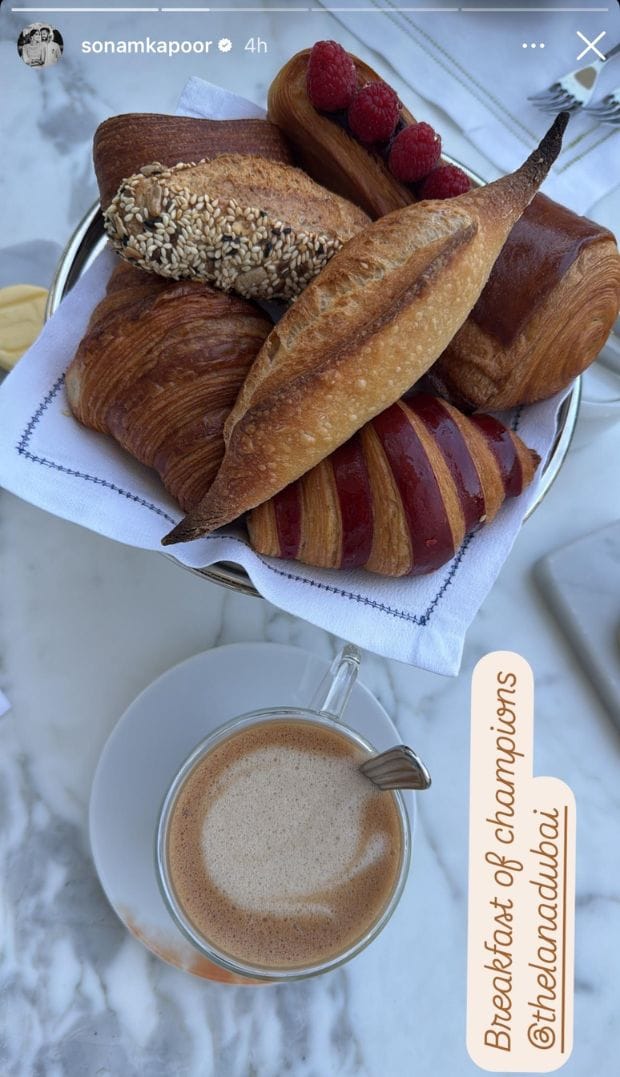
Sonam Kapoor is a true-blue food connoisseur. Her culinary trails are a visual extravaganza that foodies just cannot ignore. Presently, the actress has jetted off to Dubai and oh boy, she has indulged in a “Breakfast of champions” at the destination. Sonam’s morning meal at the 5-star restaurant The Lana featured a bowl of crispy-baked plain croissants, flavoured croissants, sesame-covered and raspberry-topped baguettes, and a classic puff pastry garnished with juicy strawberries. A delectable spread indeed. That’s not all. Sonam also sipped a cup of hot coffee sealing her luxurious breakfast outing. “Breakfast of champions” read her side note. She also tagged the hotel in her post.
Also Read:Watch: From Breakfast To Dinner, Diljit Dosanjh Shares His Foodie Day In Punjab
Watch Sonam Kapoor’s Story below:
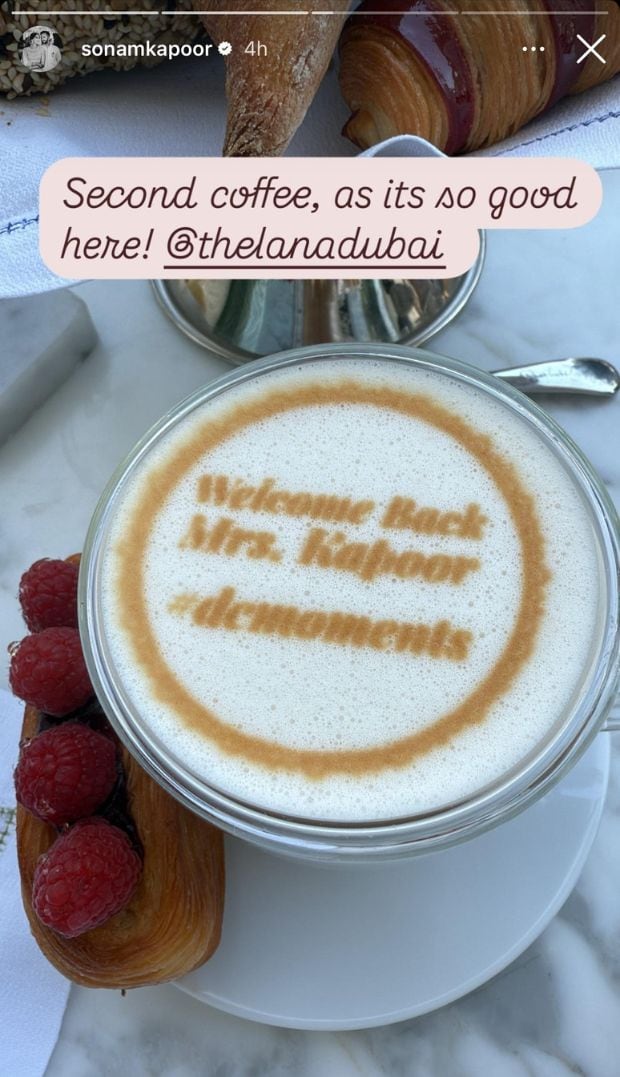
In a separate Instagram Story, Sonam shared a snap of her latte drink. The actress appears to be a regular at the hotel. How do we know? Well, the words “Welcome back Mrs Kapoor. #demoments” written on the surface of the beverage with steamed milk serve as clear proof. Sonam hinted at her love for coffee through the caption which said, “Second coffee, as it is so good here!”
Sonam Kapoor embraced the spirit of the festive season by arranging a Christmas dinner for close friends and family. The actress is an expert — be it in the fashion sector or the hosting department, and she did not disappoint this time as well. On the menu, there was creamy palak paneer, pindi chole filled with finely chopped paneer cubes, aromatic pulao, richly textured malai kofta and dal makhani. The lavish meal was complete with tangy achaar on the side. This desi feast had the power to make anyone drool. Read the full story here:
Before that, Sonam Kapoor tasted authentic Hyderabadi Biryani when in the City of Pearls. Displayed on the table there was fragrant and aromatic biryani topped with spices like saffron and cardamom. We also spotted creamy raita which is simply a wonderful pairing with Biryani. Adding to the gastronomical adventure was Hyderabadi-style chicken fry seasoned with curry leaves, green chillies and garlic and seekh kebabs. Laccha pyaz (crispy onions), coupled with sliced tomatoes, onions and cucumber completed the wholesome feast.
Also Read: Bhumi Pednekar Savoured A Traditional Bengali Thali In Kolkata – See Pic
Drinking coffee could add almost two years of healthy living to one’s life, according to a new study that reviewed previously published research. The study, published in Ageing Research Reviews journal, found that the benefits of drinking coffee “correspond to an average increase in healthspan of 1.8 years.” Researchers from Portugal suggested that as the global population ages, regular, moderate consumption of coffee could play an important role in supporting a healthy and balanced lifestyle. “We know that the world’s population is aging faster than ever, which is why it’s increasingly important to explore dietary interventions which may allow people to not only live longer but also healthier lives,” said Rodrigo Cunha, from the University of Coimbra in Portugal and lead author of the study. Coffee, a widely studied commodity, has been shown to reduce deaths from various causes, including lowering the risk of heart disease, cognitive decline, and chronic diseases, among others. While commonly associated with caffeine, coffee contains a mixture of over 2,000 potentially bioactive compounds, including those that offer antioxidant and anti-inflammatory benefits, reduce neuroinflammation, and regulate insulin sensitivity. “Our review underlines the role regular, moderate coffee consumption can play in mediating against the biological mechanisms which naturally slow or fail as we get older — triggering a range of potential health issues and comorbidities,” Cunha explained. Furthermore, the team noted that studies suggest nutritional “anti-ageing” interventions may have a gender bias, favouring either men or women. However, the ageing-related benefits of coffee were found in both sexes. For the review, the authors specifically focused on studies examining how coffee affects biological processes that contribute to ageing, including genomic instability and cell mutations. Although older adults are traditionally advised to reduce or avoid coffee, the authors suggested that clinical guidelines should now be re-evaluated in light of compelling scientific evidence supporting coffee’s role in healthy ageing. “Traditional clinical recommendations have at times overlooked coffee’s role in healthy aging, but with a strong research base around how regular consumption can potentially reduce some of the most chronic diseases facing society, it is likely time to re-evaluate these,” Cunha said. However, the exact mechanisms by which coffee and its components contribute to extending healthy life remain unclear, and future research could explore this further, the researchers concluded.
(Disclaimer: Except for the headline, this story has not been edited by NDTV staff and is published from a syndicated feed.)
Sipping on a glass of freshly-made cold coffee brings immense joy. Whether in the morning or after a tiring day at work, that first sip is extremely satisfying, isn’t it? However, if you’re someone who’s trying to lose weight, you need to be mindful of what you put in your glass of cold coffee. While the beverage itself is not harmful to your health, certain ingredients can derail you from your weight loss journey. You don’t have to completely exclude cold coffee from your diet; instead, modify the recipe to make it healthier. This way, you can enjoy your favourite beverage guilt-free and still achieve your weight loss goals. Below, we’ve listed five smart ways to craft weight-loss friendly cold coffee at home. Also Read: Get Ready For Summer: 5 Tips To Make The Perfect Glass Of Cold Coffee
Healthy Cold Coffee Recipe | Here Are 5 Tips To Make Cold Coffee Weight-Loss Friendly:
1. Use the right type of milk
Cold coffee is typically made from full-fat milk. Sure, it will make your cold coffee rich and creamy, but it also increases its calorie count. To make a healthier version, opt for low-fat or skimmed milk over full-fat milk. If you’re vegan or lactose intolerant, consider using oat milk or almond milk. All of these options are much healthier and make for great alternatives to regular milk.
2. Ditch the white sugar
White sugar is probably the worst thing you can add to your cold coffee. We all know that processed white sugar is not the best for our health, so avoid using it. There are several other wonderful sweeteners that you can use in place of sugar, such as honey, maple syrup, and date syrup. If you don’t mind the taste of coconut, you can also add coconut sugar.
3. Add protein powder
Protein is one of the key ingredients to have in your weight loss diet. Why miss out on adding it to your glass of cold coffee as well? While preparing it, go ahead and add a scoop of protein powder. This will help boost the protein content of your cold coffee and make it super healthy. You can use any protein powder of your choice. However, remember to add only one scoop and not more.
4. Keep things simple
Do you like your cold coffee with additional ingredients? It could be a scoop of vanilla ice cream, a drizzle of chocolate syrup, or some whipped cream. These additions will surely make your cold coffee indulgent, but don’t forget they are also high in sugar. If you skip the white sugar but add these instead, it won’t achieve the purpose of making your cold coffee healthy. It’s best to keep things simple. Also Read: Making Perfect Cold Coffee At Home Is Not Difficult. Watch Out For These 5 Common Mistakes
5. Exercise portion control
Anything consumed in excess is never good – it’s the same when drinking cold coffee. We agree that we’ve modified the recipe to make it healthier, but you’re still consuming calories. Stick to having only one glass to keep your calorie count in check. Avoid having more as it can lead to the consumption of extra calories. Remember, less is always more!
Now that you know about these tips, make yourself a glass of refreshing cold coffee and enjoy it guilt-free.
[Looking for a customized diet plan for healthy and effective weight loss? Click here for a tailor-made weight loss diet plan and recipes curated by a certified nutritionist.]
Disclaimer: This article may contain links to third-party websites or resources. However, this does not affect the integrity of the content, and all recommendations and views are based on our independent research and judgment.
Coffee is one of the most popular beverages worldwide. We love its energizing effects and comforting aroma; it’s an essential part of our daily routine. However, while many of us enjoy our daily cup, there are certain health conditions where coffee might do more harm than good. It’s important to recognize that it isn’t ideal for everyone, especially those dealing with certain health conditions. Nutritionist Ritika Kukreja, in an Instagram post, warns that if you have any of the following health issues, it may be time to reconsider your coffee habits.
Also Read: How Much Tea Is Too Much? Side Effects Of Excess Tea Consumption
Avoid Coffee If You Have These 5 Conditions
1. Acid Reflux or GERD (Gastroesophageal Reflux Disease)
If you suffer from acid reflux or GERD, coffee can exacerbate your symptoms. The caffeine and acids in coffee stimulate the production of stomach acid, which can increase the likelihood of heartburn and reflux. This can lead to discomfort, bloating, and chest pain. What You Can Do: It’s best to limit or avoid coffee if you experience frequent acid reflux. Instead, opt for herbal teas like chamomile or ginger, which are gentler on the stomach and can help soothe digestive issues.
2. Anxiety or Insomnia
Coffee’s caffeine content can be a double-edged sword for people with anxiety or sleep problems. Caffeine stimulates the nervous system, which can lead to feelings of jitteriness, increased heart rate, and heightened anxiety. For those prone to anxiety, this can worsen symptoms and make it difficult to relax. In addition, caffeine is a stimulant that can interfere with sleep patterns. Consuming coffee late in the day, or even in the early evening, can disrupt your ability to fall asleep or stay asleep. What You Can Do: If you experience anxiety or insomnia, try switching to decaffeinated coffee or reduce your coffee intake, particularly after 2 PM. Herbal teas such as lavender or valerian root are great alternatives for relaxation.
3. Iron Deficiency Anemia
Coffee can interfere with your body’s ability to absorb iron from food, especially when consumed with meals. The tannins in coffee bind to iron and can reduce its bioavailability, leading to potential deficiencies over time. If you are already dealing with iron deficiency anemia, it’s particularly important to be mindful of when and how much coffee you drink. What You Can Do: To minimize coffee’s impact on iron absorption, it’s recommended to wait at least one to two hours between drinking coffee and eating meals. If you’re struggling with iron deficiency, consider consuming iron-rich foods like leafy greens, legumes, and red meat, and speak with your doctor about iron supplements.
Also Read: How Drinking Tea Without Milk Could Benefit You, As Per Top Medical Body ICMR
4. Pregnancy
During pregnancy, it’s essential to monitor your caffeine intake, as high levels can potentially affect the baby’s growth and development. Studies have shown that excessive caffeine consumption during pregnancy may increase the risk of preterm birth, low birth weight, and even miscarriage. The general recommendation is to limit caffeine intake to 200 milligrams per day, which is roughly the amount found in a small cup of coffee. What You Can Do: Instead of coffee, try sipping on warm milk with a dash of saffron or cardamom, which can be soothing and nourishing. There are also many caffeine-free alternatives available, such as herbal teas, that are safe for expectant mothers.
Also Read: What Are The Worst Times To Consume Tea Or Coffee? Expert Weighs In
5. High Blood Pressure
Caffeine has been shown to cause temporary spikes in blood pressure. For individuals with hypertension, this can be risky, as it may lead to further complications, such as increased strain on the heart and blood vessels. Even if you don’t have high blood pressure, excessive caffeine consumption may increase the risk of developing it over time. What You Can Do: If you have high blood pressure, it’s important to monitor your caffeine intake. Reducing your consumption or opting for decaffeinated coffee can help keep your blood pressure in check. You may also want to explore other beverages that don’t impact your heart health, such as herbal teas or water infused with fresh fruits.
As always, it’s a good idea to consult with a healthcare provider for personalized advice. By being mindful of your body’s needs, you can enjoy your drinks in a way that supports your overall health and well-being.
(Disclaimer: This content including advice provides generic information only. It is in no way a substitute for qualified medical opinion. Always consult a specialist or your own doctor for more information. NDTV does not claim responsibility for this information.)
Now that the pollution in North India has finally calmed down, winter is officially here. And you know what that means – time to snuggle up with a steaming mug of your favourite drink. For many of us, coffee is the ultimate winter sidekick – that warm cup that gets us through cold mornings and cosy evenings. But let’s be real – nothing ruins your coffee faster than it going cold. Keeping your brew hot during the winter can feel like a lost cause. But if you’re like us and can’t make it through the day without that perfect, hot cup of coffee, don’t worry – we’ve got your back! Here are 5 simple hacks to keep your coffee warm all season long!
Also Read: Coffee For Weight Loss: Benefits Of Black & Green Coffee; 5 Coffee Recipes For Weight Loss
Photo Credit: iStock
Here Are 5 Ways To Keep Your Coffee Warm This Winter:
1. Use A Thermos
In winter, vacuum-insulated thermos mugs are your best friends. These special mugs are designed to lock in heat for hours, ensuring your coffee stays hot every time you have it. This is ideal for long workdays or chilly road commutes. Plus, you’ll find several trendy, sturdy, and budget-friendly options on the market. The spill-proof lids prevent the coffee from spilling, making it ideal for car rides. Invest in one, and your coffee – and taste buds – will thank you.
2. Preheat Your Mug
Do you want your coffee to stay warmer for longer? Then start warming up your mug! Just pour hot water into it and let it sit for a minute. Empty the cup afterwards and then add your hot coffee. This pre-warming trick will prevent heat loss, keeping your coffee hot for longer. It’s a simple and effective trick that keeps your beverage hot for hours. Try it once, and you’ll wish you’d known it sooner.
3. Use A Coffee Warmer
If you’re an avid coffee drinker, then a coffee warmer is a must-have in your pantry. These compact gadgets can keep your coffee warm without the hassle of reheating. This makes them perfect for non-stop work-from-home sessions or when you want to tuck into bed with your favourite drink. Most designs are larger than typical coffee mugs, so you can store more coffee without worrying about it cooling off too soon. Plus, these coffee warmers have spill-resistant lids and a non-slip base, so your coffee stays hot and won’t leak.
Photo Credit: iStock
4. Cover It Up
Want a no-fuss way to keep your coffee warm? Just cover it up! If your mug doesn’t have a lid, you can use a saucer, plate, or even a cookie to cover the coffee. This is especially handy for those chai-and-coffee gossip sessions that tend to stretch longer than planned. When you trap the steam inside the cup, your coffee stays warmer than usual, and you can sip it until the last drop.
5. Wrap Your Mug
Don’t just wrap yourself to keep the cold out – do the same with your coffee mug! Use a thick napkin, scarf, or even a knitted sweater to keep the heat trapped in your coffee mug. This DIY hack is perfect when you’re in a rush or have run out of options to keep your coffee hot for longer. Just make sure to wrap it properly and keep it upright to avoid spillage. If anyone sees this, you’ll definitely get a 10/10 for creativity.
Also Read: Know Your Coffee: Cappuccino, Latte and 15 Different Kinds
Intel has reinstated free coffee and tea at its workplaces after major job layoffs. The benefit was removed last summer as part of the company’s $10 billion yearly cost-cutting plan. This action is viewed as a modest but significant attempt to raise staff morale in the wake of recent budget cuts. In a message shared with staff on its internal platform, the chip giant stressed the value of small comforts in everyday routines while acknowledging persistent cost issues in the company. The note read, “Although Intel still faces cost challenges, we understand that small comforts play a significant role in our daily routines. We know this is a small step, but we hope it is a meaningful one in supporting our workplace culture,” as quoted by The Oregonian. However, free fruit, which was previously a popular employee perk, will not make a return.
Back in August, Intel announced that its 15,000 employees would be let go through layoffs or voluntary separation. Notices on the reduction of employee benefits, such as internet, phone and trip reimbursements, were also distributed at roughly the same time. In September, Patrick P. Gelsinger, CEO of Intel, announced that the company would be separating its chip-making and design activities in an attempt to increase overall efficiency and reduce costs.
Also Read:LinkedIn Employee Shares Life In Bengaluru Office – Cafeteria Food, Meeting Room Named ‘Gulab Jamun’ And More
Once at the forefront of the tech sector, Intel has had a number of setbacks over the years that have impacted its market position. Although it contributed significantly to the PC boom of the 1990s, its focus on personal computers caused it to lag behind in the mobile chip market while Apple was able to overtake it with the launch of the iPhone.
Paul Otellini, the former CEO of Intel, acknowledged in 2013 that he regretted turning down an offer from Apple to manufacture chips for the iPhone because he believed the volume wouldn’t justify the expenses.
Another lost chance occurred in 2017 and 2018, when Intel chose not to invest in OpenAI, now a front-runner in artificial intelligence.
Additionally, Intel has experienced production difficulties in the past, such as in 2020 with its 7-nanometer chips, which have allowed rivals like Samsung and TSMC to pull ahead. As its valuation dropped, Intel ramped up cost-cutting measures in the company.
New Study reveals how work, nightlife, tech, and coffee shape sleep patterns on both sides of the Pond
Londoners drink more coffee than New Yorkers yet still manage to squeeze in more sleep each night, proving the ‘City That Never Sleeps’ reputation holds true – with a surprising edge on shut-eye.
In an independent study commissioned by sleep-tech company Simba, a survey of 2,000 adults across both cities examined everything from work schedules and nightlife to tech habits and caffeine intake. The findings?
New Yorkers may be renowned for their fast-paced lifestyle, but it comes at the cost of sleep, with residents averaging just 6 hours and 36 minutes per night.
Londoners, however, are clocking more quality slumber at 6 hours and 48 minutes nightly—amounting to three extra days of sleep each year – in comparison to their New York counterparts.
However, despite enjoying better and longer sleep, Londoners are still reaching for coffee more often, consuming 109.5 more cups annually per person than New Yorkers. Even with all those brews, the Big Smoke seems to be winning the ‘rest race.’
As urban sleep deprivation continues to be a growing health concern, these insights spotlight a cultural divide between two iconic metropolises – and reveal how lifestyle choices may just be fuelling a sleep deprivation pandemic.
Healthy adults need to sleep seven – nine hours a night on a regular basis for optimal health, according to the American Academy of Sleep Medicine and British National Health Service (NHS).
With city dwellers on both sides of the Atlantic consistently falling short of the essential seven – nine hour sleep goal overall, this new report highlights a looming sleep deprivation crisis in major urban areas. Simba warns this chronic lack of sleep can lead to serious health issues, affecting everything from mental well-being to physical performance.
Big Smoke vs. Big AppleThe report commissioned by sleep tech firm Simba – who has analysed body profile data from 10 million sleepers to engineer cutting edge sleep solutions tailored to every sleep style and body type – uncovers shared anxieties and differences in what residents are losing sleep over.
The cost of living is the biggest source of stress for both – with 31% of Londoners and 30% of New Yorkers indicating this as their biggest worry keeping them awake.
Health is the second major source of shared nighttime anxiety, with 19% of Londoners and 21% of New Yorkers reporting it as a significant factor affecting their sleep.
When it comes to neighbourhood noise, New Yorkers struggle more, with 19% citing it as a major sleep disruptor compared to just 13% of Londoners.
On the flip side, job stress is a more acute concern for Londoners, with 18% saying it’s a source of sleeplessness, compared to just 14% of New Yorkers.
Family life and children are also keeping more London parents awake in contrast to their counterparts across the pond. (16% London Vs 13% New York)
With the US presidential election looming on November 5, 2024, the race between Kamala Harris and Donald Trump appears to be keeping many New Yorkers awake at night – political instability is a concern for 12% of New Yorkers, compared to 9% of Londoners.
Conversely, healthcare access is weighing much more heavily on the minds of Londoners right now. The UK health secretary, Wes Streeting recently told Sky News that NHS waiting lists need to be “millions lower” by the next general election in 2029.
Only 3% of New Yorkers reported being kept awake by difficulty getting a GP appointment, compared to 8% of Londoners.
Cities rely heavily on night workers, from healthcare professionals and emergency responders to hospitality and delivery staff, but night shift work comes with great personal sacrifice. The World Health Organisation (WHO) has classified it as ‘probably carcinogenic’.
According to the findings, nearly double the respondents in New York reported working primarily at night, (7% in New York Vs 4% in London). Night workers often require more support compared to their daytime counterparts. Research from The Liminal Space indicates that night workers are 37 percent more likely to have a heart attack, and 44 percent more likely to develop diabetes than those who work during the day.
“While Londoners and New Yorkers both grapple with financial pressures and health concerns that impact their sleep, there are distinct differences at play. Noise levels, job-related stress, and political worries reflect the unique challenges of urban living in each city,” says Lisa Artis, Deputy CEO of Simba’s charity partner, The Sleep Charity “The higher percentage of night workers could also be contributing to New York’s elevated sleep challenges. Getting a good night’s sleep is key for our physical and emotional health. Research has shown that a lack of sleep can increase the risk of conditions such as heart disease, obesity and stroke as well as increase our anxiety and stress levels. While both cities have vibrant social scenes and demanding jobs, it seems Londoners are carving out a bit more time for rest – or maybe just hitting the snooze button a little more often!”
Post-pandemic lifestyle choices and routines may also offer some clues as to why the Big Smoke is getting slightly more shut-eye compared to the Big Apple.
Almost a third (32%) of Londoners report going out less than before Covid, compared to just 27% of New Yorkers. With fewer late nights, Londoners are likely getting to bed earlier, setting the stage for better sleep.
On the flip side, New Yorkers outpace Londoners when it comes to prioritising self-care (31% New York Vs 27% London).
Nevertheless, Londoners are thriving more when it comes to work-life balance. Over a quarter (26%) of Londoners say it’s a bigger priority now, compared to only 19% of New Yorkers.
Similarly, 21% of Londoners say they are prioritising sleep more these days, while only 18% of New Yorkers do the same.
A closer look at both cities revealed that those in North East London (Barking and Dagenham, Hackney, Havering, Newham, Redbridge, Tower Hamlets and Waltham Forest) get the most sleep in London with a third (33%) registering an average ofeight hours of sleep or above each night.
But just a few boroughs away in North London (Barnet, Camden, Enfield, Haringey, Islington and Westminster) Londoners are getting the least sleep in the capital with over two in five (43%) registering six hours of sleep or less on average each night.
Across the pond, Manhattan gets the most sleep in New York with nearly a third (30%) banking an average of eight hours sleep or above each night, while in Staten Island they’re strapped for shut-eye with over half (58%) registering six hours of sleep or less each night – making them the worst sleepers in the city.
Steve Reid, CEO and Co-Founder of sleep technology brand Simba, who commissioned the study, said: “We’re dedicated to creating the perfect night’s sleep for everyone, every night. Rest levels in both cities are dangerously low. Sleep is essential for overall health, impacting everything from mental wellbeing to physical resilience, and is crucial for coping with the stresses of city life.”
Sustainability is also at the heart of Simba’s mission. As a B Corp™ accredited company, Simba operates zero-waste factories and incorporates recyclable materials in their products, making them an eco-conscious choice for customers who value both luxury and environmental responsibility. By prioritising both innovation and sustainability, Simba has cemented itself as a leader in the sleep industry, becoming the world’s most five-star rated mattress brand, with over 90 awards and more than 325,000 five-star reviews from satisfied customers.
Founder Sonia Lim runs it within her family’s landed home in Upper Thomson.
Opened in February, this home-based business provides a cafe experience for its customers.
You walk through the entrance (or front gate, in this case), place your order and head to the seats and tables available at the front yard to enjoy your coffee.
Initially, they served coffee to the surrounding community only.
“There aren’t any cafes nearbyso it’s not very convenient if you don’t have a car,” the 21-year-old said during a chat with AsiaOne.
At the time, all you had to do was drop her a text, come by and pick up your cup of coffee.
This had been going on for a few months until Coffee Near Me started going viral on social media.
Taking TikTok by storm
Thanks to a few TikTok clips, what was once a coffee business for a neighbourhood became a home-based cafe open to the public.
“I felt there was potential and I wanted people to know more about this space,” Sonia said before cheekily noting that the decision to open to a wider customer base might make her a few extra bucks too.
But this transition brought with it more challenges.
While the number of customers grew, there was no change to the operational processes.
Sonia recalled: “It became more stressful because I was[still] the only one that’s preparing the drinks.”
The first two weeks after Coffee Near Me opened to the public, her cousin came over to offer a helping hand.
Apart from churning out orders, there was also the issue of crowd control.
Having neighbours over for a cuppa is one thing but welcoming a bunch of strangers into your home is a whole new ball game.
“The tricky part is that I have very limited tables and chairs,” Sonia said.
Coffee Near Me was not fully prepared for the influx of customers so, at times, they would hang around, queuing or waiting for an empty seat.
People wanted to experience what they saw in thosesocial media videos — a place to chill with friends over drinks and small bites.
[[nid:706907]]
But having a thriving business inside of a quiet residential district didn’t sit well with some.
In late September, Urban Redevelopment Authority (URA) and Singapore Food Agency personnel dropped by, Sonia told AsiaOne, as the authorities had received “feedback” about Coffee Near Me.
She added: “They checked if I had a food licence, third-party bakes or commercial machineries at home.”
The business was allowed to continue, though Sonia had to make minor adjustments, one of which was to remove the Coffee Near Me signage at the premises.
URA’s home-based business scheme prohibits such businesses from putting up advertisements, signages or posters at residential premises.
This entire episode was a bittersweet experience for Sonia.
While she admitted to feeling annoyed initially, she has since seen the incident in a different light.
“Oh wow, it’s like ‘I made it’!” she giggled.
What’s on the menu
Caffeine lovers have options aplenty, whether it is an Americano ($3.50), Cafe Latte ($4.50) or Spanish Latte ($5).
According to Sonia, a favourite among her customers is the Matcha Latte ($5).
Given the scorching weather during my visit, I opted for an Iced Cafe Latte ($5) and was pleased with my pick.
When asked what makes a good cup of coffee, she excitedly replied: “Well balanced, not too milky but not too acidic either.”
Fans of Coffee Near Me would also be aware of its secret menu, visible onlyon its socials, with drinks like Hojicha Einspanner and Cream Top Latte.
If you’re feeling peckish, there are bakes available too. Prepared in-house, the menu changes weekly and customers can expect menu items from Tomato Focaccia to Earl Grey Madeline.
Unconventional route
Sonia mentioned how tricky and unpredictable customer footfall can be.
And as if right on cue during our interview, she had to step away to attend to a customer’s order.
“You see what I mean when I say there might be nobody but suddenly I’ll have [customers]!” she said.
Sonia was energetic in the kitchen, whether it’s brewing beans, preparing milk, or whisking matcha powder.
As I observed from the side, it did look like she was (for the lack of a better phrase) right at home.
Having a desk-bound job wasn’t appealing to her.
“I don’t see myself in a 9-to-5 job,” she explained.
Given Coffee Near Me’s positive start, Sonia may not need to consider office jobs at all.
She is open to the idea of barista-entrepreneur being her full-time profession.
Sonia added: “I would want to [eventually] have my own space. But I’m looking more towards [a stall in a] kopitiam.”
High rental cost and the competitiveness of Singapore’s cafe scene were reasons why she is less keen on running a standalone cafe.
Coffee Near Me’s competitive pricing vis-a-vis its cafe counterparts is something she took into consideration too.
And according to Sonia, moving into a kopitiam would likely allow for prices to be kept low.
After the chat about the business’s future, she noted that there isn’t a specific timeline for it to move out of her home.
For now, Coffee Near Me is set to stay put at Casuarina Walk.
For many people, coffee is an essential part of their daily routine, whether they drink it in the morning, evening or multiple times throughout the day. As a daily coffee drinker or an aspiring connoisseur, personalizing the coffee can help you experience and understand your coffee more deeply and sincerely. A plethora of customization can be applied to your cup of Joe, such as choosing from a range of coffee beans, the brewing technique, choice of milk, etc. Let’s look at five ways to customize the coffee cup to fit your taste profile.
1. Selecting The Preferred Bean Type:
Photo: iStock
Coffee beans are available in various types and levels of roast. Each bean represents a specific taste. The level of roast – ranging from light to medium to dark – distinctively influences the texture and flavour of the coffee. Light roasts maintain the bean’s innate flavours and usually have fruity or floral notes. Medium roasts balance the coffee’s flavour with sweetness and acidity, whereas dark roasts are sharp and smoky, ideal for those who like their coffee bold and intense.
2. Picking A Desired Brew Process:
The correct brewing process helps the coffee emanate its underlying flavours to its fullest. Manual brewing helps to give you control over every aspect of the brewing process. V60 is a go-to brewing process for those who like a clean and light brew. It is a common pour-over method focusing on bringing out subtle flavours. For those who enjoy their coffee cold, the cold brew method is the best. In this process, coffee grounds are steeped in cold water for up to a day, which brings out smooth, less acidic flavours. The French press method, a traditionally popular type of brewing helps the coffee beans to ooze out their oils for a full-bodied taste. Chemex offers a more refined version of the pour-over, whereas AeroPress is best suited for aficionados who like instant, concentrated brews. Also Read:Think Ghee Coffee Will Help You Lose Weight? Luke Coutinho Has Something To Say
3. Different Milk Types For Varying Palate:
Photo: iStock
Milk is a crucial element that affects the texture and flavour of the coffee cup. Skimmed milk works well if you want a light and creamy texture. For an added creamier texture and natural sweetness, oat milk is commonly available across coffee shops. For those looking for dairy-free alternatives, almond milk gives the brew a nutty flavour, whereas soy milk adds to the creamy texture and gives a beany taste.
4. Sweetening The Coffee:
Sweeteners directly react with coffee’s flavours, which is why many aficionados avoid using sugar. For coffee enthusiasts who like the rich sweetness of sugar but steer away from processed varieties, jaggery works well with its molasses-like flavour added to the brews. For health-conscious coffee lovers, stevia is the best plant-based calorie-free sweetener. Irrespective of the sweetener, be it sugar, jaggery, or stevia, moderating the sweetness helps the coffee establish its flavours to your liking.
5. Varying Temperature:
Coffee lovers like their coffee either piping hot, mildly warm or ice cold, depending on the season and their mood. Extremely hot coffee is not suggested for mild brews as they tend to lose their delicate taste notes. Cold coffee range including iced lattes and cold brews helps one refresh during a warm day. Also Read:Cold Coffee Face-Off: Woman Makes Italian Partner Try Indian Cold Coffee For First Time, His Reaction…
Customizing your coffee experience is all about discovering and connecting unique textures and flavours from your coffee cup. Right from selecting the preferred bean-to-roast type, brewing method and type of milk, sweetener, and temperature, you can curate the ideal coffee cup that suits your palate.
About the Author: Sankalp Jain is the Co-founder of Carbon.