If you want to shed 15 kg without rigorous workouts, a fitness trainer has shared simple yet effective tips to help you achieve your goal.
You’re in luck if you’re committed to losing 15 kg of weight without doing a lot of exercise.
Shedding 15 kg in just a month may sound too good to be true, but it’s not impossible. While the journey to a fit and healthy body often resembles a rollercoaster ride—filled with highs, lows, and unexpected cravings—iit’s achievable with the right approach. Although physical activities like gym workouts, walking and yoga can be effective for weight loss, many of us find it challenging to commit due to busy schedules, lack of motivation or disinterest in exercise.
If you’re determined to achieve that 15-kg weight loss without extensive workouts, you’re in luck. Fitness trainer Sunil Shetty recently shared some straightforward tips on Instagram that can help you reach your goal effectively.
One essential tip is to start your day with jeera (cumin) water. This simple yet powerful drink can boost your metabolism, allowing you to burn calories more efficiently.
Next up, he advised replacing your milk tea or milk coffee with black tea and black coffee, adding a hint of cinnamon. Black tea can promote bone health, improve mental focus, and reduce stress. It also contains antioxidants, which can help prevent heart disease. Black coffee can boost your metabolism and provide energy.
The trainer also recommended having fruit and a vegetable salad before lunch and dinner every day. Fruits and vegetables are rich in fibre and lower in calories and fat compared to processed foods.
Ensure that you consume apple, beetroot, and carrot juice after every meal, as the fibre in apples helps you feel full for longer, which can reduce your overall calorie intake. The potassium in carrots can decrease cravings for salty foods, while beetroot can help boost your stamina, improving your workout performance.
Sharing the video on Instagram, he wrote in the caption, “Lose 3-10 Kg of fat. Use cinnamon, lemon or acv alternative for jeera water; mak sure you have 8-10k steps daily; hav 3-4 Litres water daily; and eat healthy, unpacked foods 90% of the time.”
If you are looking to shed some calories without going to the gym or sticking to a strict diet, why not try these steps to achieve your goals?
News lifestyle Shed 5 Kg In Just 15 Days: Simple Lifestyle Hacks Without The Diet Struggle
With the biggest festival of the year just around the corner, we all want to look and feel our best. However, after two weeks of indulgence and broken weight-loss promises, how do we achieve this? You’ve likely come across various dos and don’ts for a healthy lifestyle, which can lead to a glowing you, both inside and out. So, let’s embark on a 10-day journey to help you look and feel amazing this festive season with a detox and reboot plan tailored to most of us. A detox diet typically involves a routine designed to reset your system to how it was before the binge period. The goal here is to flush out all the toxins accumulated recently, helping you feel fresh and invigorated. After all, you not only want to look your best during the bustling holiday season, but you also want to feel energetic as you move from one party to another.
With this in mind, here is a 10-day customized detox plan to help you feel refreshed before Diwali 2024, which will be celebrated on October 31, 2024.
Diwali Detox 2024: 3 Steps To Reboot And Detox Plan Before Diwali
Step 1 – Clean Out The Kitchen
For the next 10 days, it’s time to say goodbye to all those convenience foods and say hello to fresh eats made from real ingredients. That means all those ready-to-eat and ready-to-cook meals are out! You’re also ditching sugar and table salt-yep, they’re going bye-bye, too. Refined cereals, like white flour, are on the no-go list, so keep those away! No white rice or breads, and pasta made from white flour? Forget about it! Processed foods are a no-show, so no jams, bakery goodies like biscuits, cakes, mathri, margarine, or even peanut butter! And don’t even think about reaching for beverages like coffee, tea, alcohol, flavoured drinks, or soft drinks. Time to clear the fridge and get fresh!
Also Read: Post Diwali Detox: 7 Foods That Can Cleanse You from Within
Diwali 2020: Over the next 10 days, eat only fresh food made with fresh ingredients.
Step 2 – Get In The Mood
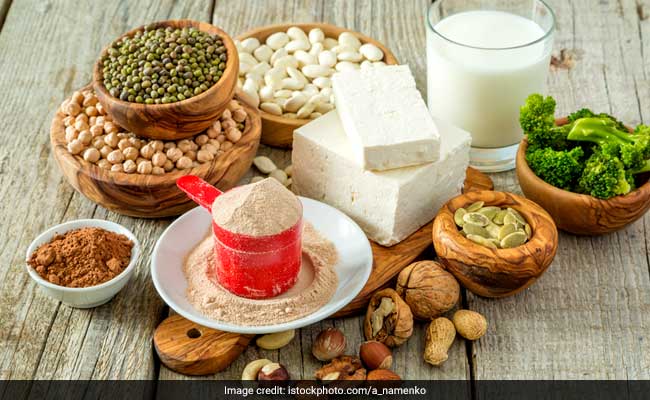
Sprouted whole grains, sprouted moong and legumes are easily done. All fresh vegetables, including potatoes and fruits, will be part of our diet. Stock up on almonds, walnuts, sunflower seeds, chia seeds, sesame and flax seeds. Also get used to consuming healthier whole grains like barley, oats, buckwheat, brown rice and other millets. Dried Fruits are also allowed. Sea salt or sendha namak will be a good change as will honey and gur for salt and sugar respectively. Tofu, soy milk, goat cheese and fresh cheese to replace normal paneer and cheese. If you can replace regular dairy milk with fresh milk from an organic farm it would be amazing. Tea and coffee would be replaced by herbal teas/ green tea without milk and sugar.
Also Read: 6 Wonderful Health Benefits of Detox Drinks
Diwali 2020: Stock up on almonds, walnuts, sunflower seeds, chia seeds, sesame and flax seeds.
Step 3 – Let’s Do This!
I have divided the plan into two weeks. Week 1 is strict, and I encourage you to adhere to it as closely as possible. This week is more challenging but will maximize the benefits of the detox plan. During Week 2, you can gradually reintroduce some of your favourite foods into your diet. Additionally, I’ve included a 2-day eating plan to help you ease into the 2-week diet. The goal is to avoid shocking your system and to increase your chances of successfully completing the plan. Let’s get started!
Day 1 Eating Plan
Only fruits. Let the body rest and get started on this 10-day detox. Flavour your fruits with sendha namak, roasted and ground cumin and lemon juice for a chaat. Eat as much as you wish.
Day 2 Eating Plan
Start the day with a medium-boiled potato and a tablespoon of butter. Spend the day eating only vegetables cooked with less oil and lots of fresh spices like ginger, garlic and tomatoes. Fresh vegetable juices or soups can also be a meal, just make sure you blend and not sieve. Now, that we have had a break from normal, let’s eat food for the next two weeks.
The Ultimate Detox Plan For Diwali 20204 | 10-Day Healthy Detox To Help You Sparkle
Week 1: Diwali Detox 2020
Each day you will eat three meals at the same time daily and one snack. The last meal will be over by 9 pm. Each day you will consume 35ml/kg body weight of water. So, if you are 50 kg then you will drink 50*35= 1.750 ml of water or you can round it off to 2 litres. This will be ideally at room temperature and an in-between meal companion. Portion sizes must be kept to moderate. Use minimum amounts of cooking oil. You can use pure ghee and butter too, but avoid the low-fat versions of butter available in the markets.
How to Start Your Day On The Detox | Early Morning Drink For Detox
You will have to stay away from boiled tea and coffee for these 10 days. It may be tough in the beginning but it would really give your body the head start it needs for the rest of the day. There are many options for you here, pick any – start your day with a green tea, any herbal infusion of your choice, fresh lemon water, kacchi haldi water (soaked overnight), tulsi water (2-minute boil), zeera water (soaked overnight) or methi dana water (soaked overnight).
Also Read: How to Detox After The Festivities
Diwali 2020: Start your day with a green tea
Week 1 Breakfast on the Diwali Detox | Breakfast Diet Plan for Diwali 2024
You must eat within 2 hours of getting up. Here are some healthy breakfast options:
Fresh Old-Fashioned Oats: Cook about 30 grams of oats with soy milk or organic milk, then top with fresh fruits and walnuts. This breakfast is rich in fibre, antioxidants from the fruits, calcium, and protein from the milk.
Nut and Seed Mix with Fruit and Rye Bread: Mix 45 grams of almonds, seeds, and walnuts with an apple and one slice of 70% rye bread. You can soak the nuts and seeds, make a paste in the morning, and use it as a spread on toast or on the apple. This breakfast provides healthy fats along with proteins, polyphenols, pectin, and fibre.
Fruit Smoothie with Homemade Yogurt (Dahi): A medium-sized glass of this smoothie can be quite filling. Avoid adding sugar; instead, use a small amount of honey for sweetness. This option is rich in probiotics, fibre, protein, and calcium.
Ragi Idli with Coconut Chutney: Enjoy two medium-sized ragi idlis with coconut chutney. This gluten-free option is packed with fibre and folates and is easy to digest.
Buckwheat Cheela with Mint Chutney: This dish provides fibre, iron and beta carotene, and is also rich in Vitamin C.
Moong Sprouts with Pomegranate: Delight in this protein and antioxidant-rich breakfast that also includes prebiotics and probiotics.
These options are not only nutritious but also delicious!
Diwali 2020: Drink a fresh fruit smoothie with fresh homemade dahi.
Week 1 Lunch on the Diwali Detox | Lunch Diet Plan For Diwali 2024
Lunch is when our digestion is at its best. The way forward here is to get in as much colour as possible while getting adequate proteins and other nutrients too.
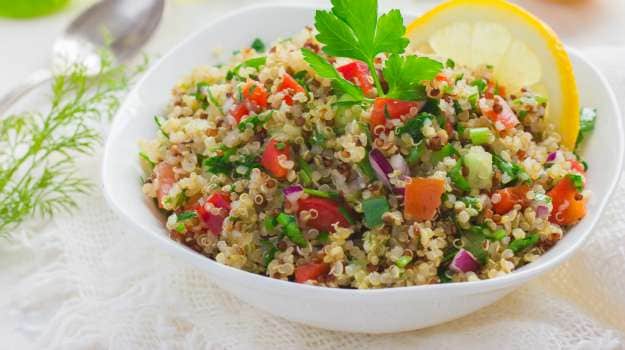
Quinoa Salad: About 30 gm salad with rocket leaves and cherry tomato and some chhaas to drink along. Use an olive oil and vinegar/lemon dressing.
Brown rice and rajma with kachumber salad: Very Indian and extremely nourishing. Cook with minimum oil and use lots of tomatoes. Don’t forget the green chillies in your salad.
Ghiya raita with grilled potato and peanut tikka: Light and easy to eat, you could also do a ghiya, aloo and roasted peanut raita.
Kuttu/Singhara roti with soy paneer and mint chutney rolls: Nothing like rolls to make the taste buds dance. Lots of fibre, vitamin C, Iron and of course protein and calcium.
Bell pepper salad: Mix a few yellow and red bell peppers with steamed corn, fresh mozzarella and feta cheese to create a vibrant salad. Dress this up with apple cider vinegar (ACV). How wonderfully colourful and therefore rich in antioxidant polyphenols!
Buckwheat pasta: Saute vegetables with buckwheat pasta and goat cheese. The Italian job that is healthy to boot!
Chickpeas with oats atta roti and cucumber salad: Good old undervalued chana, a treasure trove of phosphorus, heart-healthy fibre and proteins.
Also Read: 7-Day Diwali Diet to Shine This Festive Season
Diwali 2020: Lunch is when our digestion is at its best. The way forward here is to get in as much colour as possible.
Week 1 Dinner on the Diwali Detox | Dinner Diet Plan For Diwali 2024
Dinner should be your lightest meal and as early as possible.
Wholemeal soup with fresh vegetables and lentils: Add your favourite veggies and create a wholesome, hearty meal in a bowl. Do not use store-bought stock cubes to make the soup.
Dahi chawal with a twist: Dahi and brown rice with a curry patta and rai tadka
Stir fry veggies with Tofu
Barley pearls upma with green peas, grilled tomato with herbs and cheese
Baked potato jackets stuffed with mozzarella cheese and spinach
Paneer tikka with lots of grilled vegetables
It’s important to practice portion control during dinner as well. You might feel tempted to eat a little extra, but a few days of being strict with yourself will be beneficial. Not only will the urge to overeat at night gradually diminish, but you’ll also feel more refreshed the next morning. On day 8, I recommend fasting for the day. Stick to fresh juices, diluted lassi, and coconut water. However, if you find yourself very hungry by dinner time, you can choose one of the dinner options from Week 1 and eat it in moderation—ideally at least 2-3 hours before bedtime.
Week 2 Eating Plan For Diwali Detox
This week, you will continue to follow all the rules but start incorporating vegetables and proteins of your choice. Non-vegetarians can substitute the protein with eggs, chicken breast, or fish. You can now switch from soy milk to regular skimmed milk, and if you prefer, you can use regular paneer instead of soy paneer or tofu. If you feel like a snack at 5 PM, consider one of these options, but ensure that you limit yourself to 20-30 grams. You’ve worked hard all of last week, so don’t give up now!
Diwali 2024: Follow all the rules but start introducing vegetables and proteins of your choice.
Snack at 5 pm:
Nuts and seeds
Fruits
Bhuna chana
Murmura
Fat-free fresh popcorn
A piece of cheese on a whole-grain cracker
Half an apple with 15g of mozzarella
Important Tips During The Detox:
Exercise daily. Work out a 20-30 minute regimen with pranayama, gentle stretching exercises and a warm-up routine. For those of you who do not exercise this will be a good way to start. Those of you who exercise long hours, or tough sessions, could enjoy the gentler routine of stretching and breathing.
6 to 7 hours of sleep is another cog in your cycle of rejuvenation, so pack up the tablets, and computers and switch off your phones. Early to bed and early to rise is your goal these 10 days. Get a lot of me time, go for a massage, get a manicure/pedicure, get pampered.
With a regularized regimen, you will first see the change in your skin, which will look and feel healthy. The hair, with all the nourishment from seeds, vegetables, fruits and fresh ingredients will spring back to life.
Another thing you need to do is feel what is happening to your body, make a conscious connection and listen to your body’s rhythm. This is just a start, with consistency you can convert this to a healthy lifestyle which is the best SIP for life.
Clarkson’s Farm star Kaleb Cooper has revealed he is on a new health kick after a received a message in a dream.
Jeremy Clarkson’s right-hand man has lost almost a stone after starting his new diet.
Kaleb’s new lifestyle comes just a week after the former Top Gear host, 64, revealed he had been just days away from death after suffering a heart attack.
Kaleb, 26, explained that unlike his boss, who is now leading a healthier life, he wasn’t doing it for health reasons.
He explained in an interview with The Sun he had had a realisation after a vivid dream.
Clarkson’s Farm star Kaleb Cooper (pictured left) has revealed he is on a new health kick after a received a message in a dream
The farmer explained that unlike his boss, who is now leading a healthier life, he wasn’t doing it for health reasons but because of a message he received in a dream (pictured with his wife Taya)
Kaleb has now lost six kilos and has managed to stick to his new diet, only having the occasional ‘cheat day’ (pictured September 2024)
He said: ‘I’m on a no-sugar thing, and it’s all because I had this dream. I did and didn’t understand the dream, but I knew I had to quit sugar.
‘I went to tell Taya [his partner] and she thought I wouldn’t do it.’
Kaleb has now lost six kilos and has managed to stick to his new diet, only having the occasional ‘cheat day’ and only ever consuming sugars that occur naturally.
The farmer’s confession comes after Jeremy revealed he was ‘days away from death’ after falling unwell following a swim in the Indian Ocean while on holiday.
Clarkson returned to Britain and a ‘sudden deterioration began to gather pace’ with him feeling ‘clammy’, ‘tightness in my chest’, and ‘pins and needles in my left arm’.
This led him to being admitted to hospital where a heart attack was ruled out after he had an electrocardiogram (ECG), blood tests and X-rays.
Following the life-saving surgery, he has been warned by doctors that he must make major changes to his lifestyle.
Following the life-saving surgery, he has been warned by doctors that he must make major changes to his lifestyle (pictured on The Grand Tour)
The Diddly Squat farm star acknowledged these changes need to be made but he has labelled them as ‘terrifying’ as he is no longer ‘allowed to have fun any more’.
His doctors told him there was a five per cent chance that his heart would stop but he quipped that there was the same chance he would be eaten by lions.
And while this is might be a frightening thought, Clarkson admitted that the changes he has to make following the surgery is what is truly daunting.
Writing in the Sun, he said: ‘What is scary though is what came afterwards. The advice on how I must live my life from now on.
‘Literally, I am not allowed to have fun any more. I must live in a Liberal-Democrat, holier-than-thou fog of weeds, seeds and yoga. This is terrifying.
‘And if I go to a party, I must stand in a corner, nursing some refreshing elderflower juice, before going home at about 9.30. That’s terrifying too.’
The 64-year-old also said that he was aware that his lifestyle was unhealthy, and he was unconcerned by the thought of dying, but now wants to see his ‘grandchildren grow up’.
He revealed he started smoking at age 14 becoming a ‘world champion, sucking down sixty Marlboro Reds a day’ and told how he is a ‘big time’ drinker.
The 64-year-old also said that he was aware that his lifestyle was unhealthy, and he was unconcerned by the thought of dying, but now wants to see his ‘grandchildren grow up’ (pPictured with his partner Lisa Hogan)
He added: ‘I always knew this lifestyle wasn’t going to cause me to live to 112, and I didn’t really care.
‘Because why deny yourself all that fun in your thirties and forties and even fifties just so you can have as long as possible with a grey face and a tube up your nose in an old people’s home?
‘Here’s the thing, though. I’m now 64 and last week, when the Grim Reaper poked his nose round the door, I decided that actually, I quite fancied living a little bit longer. ‘
His doctors also told him that ‘a lot’ of his current work will have ‘to go’, and suggested replacing it with golf.
Clarkson currently writes three newspaper columns a week, runs a brewery, a pub, a shop and a farm, which he documents on TV series Clarkson’s Farm, while also hosting Who Wants To Be A Millionaire. He has also recently released a new book.
Although he remains adamant he will continue to work – the health scare has been enough to shock meat-eater Clarkson into rethinking his diet as he contemplates ways to ‘make celery interesting’.
Bruce Springsteen is making headlines for his one meal a day diet — and his longtime director and producer have some thoughts.
While at the Road Diary: Bruce Springsteen & The E Street Band premiere on Monday, October 21, Thom Zimny praised Springsteen, 75 for his habits.
“The last 24 years I’ve just watched Bruce perform for three and a half hours, four hours a night, and it’s just been a lifestyle of healthy living I’ve witnessed,” Zimny exclusively told Us Weekly at the Los Angeles event held in the Academy of Motion Pictures Museum’s David Geffen Theater. “I think he’s a great influence.”
Jon Landau, however, said he doesn’t take a page out of Springsteen’s diet book. “Well, I don’t follow it,” Landau exclusively told Us. “That’s all I can say about it. I think he does stick to it though.”
Bruce Springsteen is still jamming out on stage over 50 years after releasing his debut album thanks to his diet and exercise routine. In March 2023, Coldplay’s Chris Martin revealed that he took on a new diet inspired by the “Dancing in the Dark” singer. “I don’t actually do dinner anymore. I stop eating at […]
Springsteen revealed in a recent interview that he only eats one full meal a day. “I’ll have a bit of fruit in the morning and then I’ll have dinner,” Springsteen told The Timeson Friday, October 18. “That has kept me lean and mean.”
Springsteen has been open through the years about his desire to stay healthy and perform as he ages. During an episode of the “Beyond the Influence” podcast in November 2022, he said, “The biggest thing is diet, diet, diet.”
Taylor Hill/FilmMagic
“I don’t eat too much, and I don’t eat bad food, except for every once in a while when I want to have some fun for myself,” he continued. “So I think anybody that’s trying to get in shape, exercise is always important of course, but diet is 90 percent of the game.”
While his unusual dietary habits are turning heads, Landau revealed to Us that fans may also be surprised to learn about how “deeply immersed” Springsteen “remains in everything he does.”
Stars like Bruce Springsteen, Chris Martin and Naomi Campbell have opened up about the extreme dietary regimen keeping them in shape, and it consists of eating only one meal a day, otherwise known as the OMAD diet. A form of intermittent fasting, which involves going without food for a period of time, the OMAD diet involves […]
“There is nothing that is automatic. There’s nothing that’s unthought of, there is nothing that’s not real,” he said. “I think his fans all sense that, that’s what they love about him, but to see it really spelled out in the way it is in the film — you know?”
Thank You!
You have successfully subscribed.
When it comes to the documentary, Zimny shared that he thinks Road Diary may “have a lot of surprises” since it “dips into archival footage” of Springsteen that has never been seen before.
“It tells storylines that you had to be with the band, like being a fly on the wall moment,” Zimny said. “You see a lot of details that you would kind of hope for as a fan. So I hope this film brings you inside and also explains a little bit of the magic.”
The American Stroke Association, a part of the American Heart Association, released updated guidelines on Monday, indicating that up to 80% of strokes can be prevented through healthy lifestyle choices, better blood pressure management, and other medical interventions.
The recommendations emphasize a Mediterranean diet, regular physical activity, and closer monitoring of high-risk groups, including women and transgender individuals.
Stroke, the third leading cause of death in Israel, impacts around 20,000 people annually, often resulting in severe disability or death. According to the updated guidelines, which are the first major revision in a decade, most strokes can be avoided with preventive actions.
A stroke occurs when blood flow to the brain is suddenly interrupted, usually due to a blood clot or hemorrhage. This lack of oxygen and nutrients causes rapid brain cell death, making immediate medical attention crucial.
Symptoms include sudden weakness or paralysis, often on one side of the body, difficulty speaking, vision loss, loss of balance, and severe headaches. In such cases, it’s vital to contact Magen David Adom at 101 and rush to the hospital for a CT scan and urgent treatment.
Stroke (illustrative) (credit: INGIMAGE)
The new guidelines stress that most strokes are preventable through lifestyle changes. “These guidelines are a crucial update based on recent studies that identified key factors for reducing stroke risk,” says Prof. Ronen Leker, Chair of the Israeli Stroke Society and Director of the Stroke Center at Hadassah Medical Center.
They recommend adopting a Mediterranean diet rich in nuts and olive oil, shown to lower stroke risk, along with regular physical activity to counteract sedentary lifestyles common in Western countries.
The silent killer
Managing high blood pressure is another critical factor. Studies indicate that a single blood pressure medication only helps about 30% of patients reach their target. Most patients require a combination of two or three medications to achieve the desired results. Based on this data, the guidelines recommend using at least two drugs for most patients needing hypertension treatment.
Specific recommendations are also made for women, particularly those who are pregnant, have experienced early menopause, or suffer from endometriosis, as these conditions increase the risk of stroke. For transgender women, the guidelines highlight that hormone therapy containing estrogen increases stroke risk, warranting close medical supervision.
“Rapid treatment, such as performing a CT scan within 25 minutes of the patient’s arrival, followed by clot-dissolving medication or brain catheterization, has been proven to save lives and reduce disability,” Prof. Leker adds. “However, these new guidelines focus on prevention, aiming to prevent strokes altogether through proactive care that family physicians need to prioritize.”
Senior author Professor Tony Merriman, of Otago’s Department of Microbiology and Immunology, hopes the findings will remove some of the stigma around gout.
“Gout is a chronic disease with a genetic basis and is not the fault of the sufferer – the myth that gout is caused by lifestyle or diet needs to be busted.
“This widespread myth causes shame in people with gout, making some people more likely to suffer in silence and not go and see the doctor to get a preventive drug that lowers urate in the blood and will prevent their pain.
“People need to understand that while specific dietary factors, such as eating red meat, can trigger gout attacks, the fundamental cause is high urate levels, crystals in the joints, and an immune system primed to ‘attack’ the crystals – genetics plays an important role in all of these processes.”
The research identified a large number of immune genes and immune pathways that provide new targets and approaches for preventing gout attacks.
Professor Merriman hopes these findings will lead to improved treatment for gout sufferers.
Senior author Professor Tony Merriman, of Otago’s Department of Microbiology and Immunology.
“We hope that, in time, better and more accessible treatments will become available with the new targets we identified,” he says.
One such option could be the repurposing of a drug used to treat a range of other immune-related diseases, including rheumatoid arthritis – tocilizumab targets a receptor for an immune signaller, interleukin-6, which the research identified as a new gene for gout.
“Gout deserves more health spend resource and greater prioritisation in the health system.”
Information about gout:
– Gout is the most common form of arthritis in men; it affects about 3-4 times more men than women.
– Gout attacks are caused by severe inflammation in the joints that arises from reaction to crystals of urate. These crystals form in the joints when urate levels in the body are high.
– Diet plays a very small role in high urate levels but it is well established as a trigger of gout in people with urate crystals in their joints.
– Gout can be effectively treated by drugs (such as allopurinol) which lower the urate in the blood and prevent urate crystal forming in the joints (or dissolve them if they are already there).
– Gout is a chronic disease so treatment is lifelong.
Senior author Professor Tony Merriman, of Otago’s Department of Microbiology and Immunology, hopes the findings will remove some of the stigma around gout.
“Gout is a chronic disease with a genetic basis and is not the fault of the sufferer – the myth that gout is caused by lifestyle or diet needs to be busted.
“This widespread myth causes shame in people with gout, making some people more likely to suffer in silence and not go and see the doctor to get a preventive drug that lowers urate in the blood and will prevent their pain.
“People need to understand that while specific dietary factors, such as eating red meat, can trigger gout attacks, the fundamental cause is high urate levels, crystals in the joints, and an immune system primed to ‘attack’ the crystals – genetics plays an important role in all of these processes.”
The research identified a large number of immune genes and immune pathways that provide new targets and approaches for preventing gout attacks.
Professor Merriman hopes these findings will lead to improved treatment for gout sufferers.
Senior author Professor Tony Merriman, of Otago’s Department of Microbiology and Immunology.
“We hope that, in time, better and more accessible treatments will become available with the new targets we identified,” he says.
One such option could be the repurposing of a drug used to treat a range of other immune-related diseases, including rheumatoid arthritis – tocilizumab targets a receptor for an immune signaller, interleukin-6, which the research identified as a new gene for gout.
“Gout deserves more health spend resource and greater prioritisation in the health system.”
Information about gout:
– Gout is the most common form of arthritis in men; it affects about 3-4 times more men than women.
– Gout attacks are caused by severe inflammation in the joints that arises from reaction to crystals of urate. These crystals form in the joints when urate levels in the body are high.
– Diet plays a very small role in high urate levels but it is well established as a trigger of gout in people with urate crystals in their joints.
– Gout can be effectively treated by drugs (such as allopurinol) which lower the urate in the blood and prevent urate crystal forming in the joints (or dissolve them if they are already there).
– Gout is a chronic disease so treatment is lifelong.
Please provide your email address to receive an email when new articles are posted on .
We were unable to process your request. Please try again later. If you continue to have this issue please contact customerservice@slackinc.com.
Key takeaways:
Certain foods or lifestyle behaviors are associated with a lower chance of ovulatory fertility.
Setting realistic nutrition goals can help with creating a meal plan that works.
Susan Weiner, MS, RDN, CDN, CDCES, FADCES, talks with Judy Simon, MS, RDN, CD, CHES, FAND, about how women seeking to conceive, whether naturally or with assisted reproduction, can optimize nutrition to boost fertility.
Weiner:How big a factor is nutrition for women’s fertility?
Simon: The prevalence of infertility has increased over the past few decades. WHO reports infertility affects one in six individuals worldwide and, according to the CDC, that number is closer to one in five.
Women are choosing to have children later in life than ever before. We often see women in their 30s or 40s trying for baby No. 1 or No. 2 while their eggs are aging. Fertility is decreased by about half at age 40 years compared with women in their late 20s and early 30s. Meanwhile male fertility does not seem to be affected by age until closer to 50 years.
Advances in reproductive technology now allow women to successfully freeze their eggs at a younger age if they want to delay childbearing.
Age is a major factor that impacts fertility, but diet and lifestyle may also be contributing factors. Red meat and ultraprocessed food consumption has increased along with inadequate intake of fruits, vegetables, legumes and whole grains.
Ideally, 90 days prior to conception is an important time to optimize egg health. The fluid-filled sac (follicle) and granulosa cells in the follicle begin to develop and prepare the egg. Egg health plays a critical role in fertility, and nutrition and lifestyle can boost or weaken egg health. Eating nutritious foods high in antioxidants can reduce oxidative stress to strengthen reproductive health.
The large, observational Nurses’ Health Study established the main advice we now know as the “fertility diet.” This research showed the medical world the link between lifestyle and fertility. Practicing five or more of the following lifestyle factors was associated with a lower chance of ovulatory infertility:
Avoid trans fats mainly found in ultraprocessed and fast foods.
Cook with monounsaturated fats like olive or canola oil.
Consume protein from vegetable sources such as beans.
Choose more whole grains.
Consume full-fat yogurt or milk once a day.
Take multivitamins with folic acid and B vitamins daily.
Get iron from vegetable sources and supplements.
Drink water and avoid sugary sodas.
Lose a small amount of weight — 5% to 10% — if menstrual cycles are irregular.
Exercise 30 minutes or more daily.
Since the Nurses’ Health Study was published, many others have been conducted looking at the effects of different dietary patterns on fertility. Studies on the Mediterranean diet, fruits, vegetables, whole grains, legume, seafood, nuts seeds and olive oil have been shown to be beneficial for natural conception and IVF. Similar findings have been shown for these foods improving male fertility.
Weiner:What are the main nutritional concerns for women seeking to conceive? Do these differ during pregnancy and breastfeeding?
Simon:Optimizing diet for preconception is similar for pregnancy and breastfeeding. Unfortunately, most pregnant and lactating women are eating inadequate servings of fruits, vegetables, whole grains, beans, peas and lentils, according to National Health and Nutrition Examination Survey data. They are also consuming excess amounts of added sugars, saturated fat and sodium.
The 90-day period prior to conception is essential for optimizing gamete function and early placental development. One critical nutrient, for example, is folate, which is essential for neurodevelopment during the first month of pregnancy when a women may not even be aware she is pregnant. Ensuring she has an adequate folate level with diet and folic acid supplementation has been proven to reduce risk for neural tube defects. Omega-3, choline, iron and iodine are also essential nutrients that should be included in a preconception nutrition plan.
Aside from age and diminished ovarian reserve, polycystic ovary syndrome and endometriosis are some of the most common contributors to infertility for women. Eighty percent of women with PCOS have some degree of insulin resistance that affects their ability to ovulate and increases their risk for miscarriage. Improving their glycemic profile with diet, lifestyle and, sometimes, supplements and medications can improve their fertility and prepare them for a healthy pregnancy.
Weiner:Are there special considerations for women undergoing assisted reproduction?
Simon:Women preparing for egg freezing and IVF can greatly benefit by optimizing their diet and lifestyle 3 months prior to egg retrieval. I have worked with many women who had experienced poor retrievals and unsuccessful IVF cycles but achieved positive outcomes after improving their diet — even women with very low ovarian reserves.
IVF techniques have greatly advanced, but never reach 100%. Researchers sought to find out what role nutrition and environment might play.
From 2007 to 2017, Gaskins and colleagues looked at the combined effect of nutrition, lifestyle and environmental factors on fertility among 357 women in a subgroup of the Environment and Reproductive Health (EARTH) study who were using IVF to achieve pregnancy. They all completed a food frequency questionnaire.
The researchers’ “pro-fertility” diet was associated with the highest rates of pregnancy and the lowest rates of pregnancy loss for women undergoing assisted reproduction. This eating pattern emphasized fruits and vegetables, soy, and more seafood consumption over other animal proteins and included supplemental folic acid, vitamin D and vitamin B12 for those who were deficient.
The authors stated in their conclusion, “From a biological perspective, we hypothesize that there are many different pathways through which the ‘pro-fertility’ diet may be acting to promote fertility in women undergoing assisted reproductive technology, including enhancing the body’s capability to synthesize, repair and methylate DNA, suppress oxidative stress and support antioxidant defense, reduce systematic inflammation, and regulate glucose and insulin metabolism.”
A diet that is anti-inflammatory and high in plants, soy and seafood correlates with the highest fertility success.
Weiner:How can women start to redesign their eating plan for fertility? Is a complete dietary overhaul necessary?
Simon:I’ve worked with hundreds of women individually and in our Food for Fertility classes and learned that focusing on what women can add to their diet can be so impactful. Too many women have been fat shamed and blamed for their infertility and think they must be on a restrictive diet and focus on weight loss to get pregnant. Women with PCOS are often told to “just lose weight” and given no evidence-based guidance.
Instead, women should focus on fueling their body and reproductive system. In our book Getting to Baby, we share the three principles of a fertility-promoting diet:
Anti-inflammatory foods and those high in fiber promote a better uterine environment for implantation.
Low glycemic meals and snacks reduce inflammation and insulin resistance.
Foods high in antioxidants strengthen sperm and egg function.
Using our food-first fertility plan, I encourage women to build on the foundations of their preferences while focusing on inclusion of a plant-forward — not a strict vegetarian — meal plan. I encourage them to add in more plant foods while increasing their confidence in their abilities to nourish themselves. Setting small realistic goals, like including two fruits a day, can feel attainable.
Weiner:So many nutritional bars/supplements and vitamins are marketed to women concerned with their fertility. Is there a role for any of these? If so, how might they fit?
Simon:I do recommend a prenatal supplement 3 months prior to conception, but there are several available that are affordable and assessed by independent third parties that will meet most women’s needs.
Women often feel pressured by social media influencers to buy expensive supplements that provide many nutrients that are easily obtained with food. Some women need alternative forms of a prenatal, which are fortunately available.
Women with PCOS may benefit from additional supplements for fertility such as inositol and vitamin D.
Weiner:Women are often advised to reach a normal BMI to improve fertility and pregnancy outcomes. Any tips for losing or gaining weight?
Simon:Reproductive and obstetric medicine are guilty of weight bias, and many clinics have BMI cutoffs. Because IVF is a surgical procedure and many clinics operate in outpatient surgical clinics, they may have BMI cutoffs, usually 40 kg/m2. Luckily, most tertiary medical centers have multidisciplinary teams of health care providers who can provide IVF services to larger women with great success.
I presented at the American Society for Reproductive Medicine Scientific Congress in 2023 on a weight-inclusive approach to fertility. The ASRM obesity and reproduction committee opinion report in 2021 concluded:
Weight should not be the sole criteria for denying access to infertility treatment.
Programs should adopt specific BMI thresholds on the basis of ability to perform procedures.
Shared decision-making should be undertaken.
Research should define best practices to optimize retrievals in higher BMI.
Studies have not shown that weight loss prior to IVF yields better results. Focusing on health, not weight, is where our focus should be. Unfortunately, some women may need to change clinics to receive services. Many of the women in larger bodies who I have worked with have been able to conceive naturally or with medications or intrauterine insemination and have healthy outcomes.
Fertility can be impacted by energy balance and disordered eating patterns that affect ovulation. Women of any size can struggle with hypothalamic amenorrhea. With these women, we work on helping them balance their physical activity and food intake to meet their higher energy needs to help them ovulate. Increasing calorie- and nutrient-dense foods and reducing physical activity to increase available energy can help these women to ovulate and conceive.
Not all women who are thin struggle with fertility and not all women who are fat struggle with fertility. Medicine needs to stop conflating weight with health.
References:
For more information:
Judy Simon, MS, RDN, CD, CHES, FAND,is a registered dietitian nutritionist who specializes in reproductive health. She is the founder of Mind Body Nutrition PLLC, and a clinical instructor and clinic dietitian at the University of Washington. She is co-author of the book Getting to Baby: A Food-first Fertility Plan to Improve Your Odds and Shorten Your Time to Pregnancy and co-founder of the Food for Fertility program. She can be reached atjudy@mind-body-nutrition.com.
Susan Weiner, MS, RDN, CDN, CDCES, FADCES, is the owner of Susan Weiner Nutrition PLLC and the Healio | Women’s Health & OB/GYNNourish to Flourish column editor. She can be reached at susan@susanweinernutrition.com; X (Twitter): @susangweiner.
Our eyes are one of our most precious senses, allowing us to experience the world around us. Healthy eyesight is essential for participating fully in daily activities, from reading and driving to enjoying hobbies and socializing. Vision impairment can significantly impact a person’s quality of life, leading to social isolation, decreased productivity, and even loss of independence. According to the World Health Organization (WHO), nearly 2.2 billion people globally suffer from some form of vision impairment, with uncorrected refractive errors and cataracts being the most common causes. In India, a significant portion of the population is at risk of developing vision problems, particularly with the surge in lifestyle-related conditions like diabetes.
Also Read:World Sight Day: 5 Common Indian Foods That May Boost Eye Health
World Sight Day 2024:
World Sight Day, observed annually on the second Thursday of October, is a global initiative dedicated to raising awareness about the importance of eye health and vision. This year’s theme, “Children, Love Your Eyes,” emphasizes the need for accessible and affordable eye care services for all children. World Health Organization (WHO) writes on its official website, “Research shows that reducing screen time and spending time outside protects children from developing short-sightedness (myopia), which means that parents, caregivers and educators have a central role to play in protecting the vision of our future generations. Regular eye and vision checks can help to identify issues at an early stage.”
We asked Dr. Barsha, Senior Consultant at Sharp Sight Eye Hospitals about the importance of spotting the early signs of eye problems and diseases to watch out for.
Also Read: Ayurveda For Eyes: Home Remedies And Diet Tips To Follow
It’s good to detect early signs of eye diseases.
The Importance of Early Detection Of Eye Problems:
Early detection of eye diseases is crucial for preventing vision loss. Many eye diseases, such as glaucoma and age-related macular degeneration, progress silently until significant damage has occurred. Regular eye exams can help identify these conditions early on, allowing for timely treatment and potentially preventing vision loss.
Common Eye Diseases to Watch Out For
Cataracts: A clouding of the eye’s lens that can cause blurred or double vision, sensitivity to light, and difficulty seeing at night.
Glaucoma: Increased pressure inside the eye damages the optic nerve, leading to peripheral vision loss.
Age-related macular degeneration (AMD): A condition that affects central vision, making it difficult to read or drive.
Diabetic retinopathy: A complication of diabetes that damages the blood vessels in the retina, leading to vision impairment or blindness.
Dry eye syndrome: A condition caused by insufficient tear production or poor tear quality, leading to discomfort, redness, and blurred vision.
How To Protect Your Vision Through Diet:
In addition to regular eye exams, a healthy diet can play a significant role in protecting your eyesight. Dr Barsha suggested some essential nutrients to incorporate into your diet:
Vitamin A: Found in carrots, sweet potatoes, spinach, and kale, vitamin A is crucial for maintaining good vision, especially night vision.
Vitamin C: This antioxidant helps protect the eyes from oxidative damage. Citrus fruits, berries, and tomatoes are excellent sources of vitamin C.
Vitamin E: Found in nuts, seeds, and vegetable oils, vitamin E helps prevent the formation of free radicals, which can damage the eyes.
Zinc: This mineral is essential for eye health and is found in oysters, meat, and fortified cereals.
Omega-3 fatty acids: These healthy fats are found in fatty fish like salmon, mackerel, and tuna. They are essential for brain and eye health.
Additional Dietary Tips For Maintaining Eye Health And Preventing Diseases:
Eat a balanced diet: A diet rich in fruits, vegetables, whole grains, lean protein, and healthy fats is essential for overall health, including eye health.
Limit processed foods: Highly processed foods are often high in unhealthy fats, sugars, and sodium, which can contribute to various health problems, including eye diseases.
Stay hydrated: Drinking plenty of water is important for overall health, including eye health. Dehydration can lead to dry eyes and other vision problems.
Consider supplements: If you have concerns about your nutrient intake, you may want to consider taking a multivitamin or supplements specifically formulated for eye health. However, it’s always best to consult with a healthcare professional before starting any new supplements.
Lifestyle Tips for Eye Health
Protect your eyes from the sun: Wear sunglasses with UV protection and a wide-brimmed hat.
Take breaks from screens: Limit screen time and make sure to look away from screens every 20 minutes.
Quit smoking: Smoking is a major risk factor for several eye diseases.
Manage underlying health conditions: Conditions like diabetes and high blood pressure can affect your eyesight.
Get regular exercise: Physical activity can help improve overall health, including eye health.
Remember, early detection and prevention are key to protecting your and your children’s eyesight.
Long working hours, tight deadlines, and stressful commutes can all contribute to workplace-induced mental health problems. As we observe World Mental Health Day on October 10, 2024, the spotlight is on this year’s theme: “Mental Health at Work.” With 60% of the global population engaged in work, the World Health Organization (WHO) emphasizes the importance of healthy workplaces in safeguarding mental health. Workplaces can act as a double-edged sword – they can either nurture mental well-being or, conversely, exacerbate stress through factors such as long hours, tight deadlines, and poor working conditions.
Also Read: World Mental Health Day 2022: Foods To Help Teenagers Stay Mentally Healthy
One of the more overlooked aspects of stress management at work is the role of diet. The food we consume significantly impacts our mental well-being. Renowned researchers and nutritionists have underscored the importance of diet in managing stress, anxiety, and mood disorders.
In a statement, Mr. Chee Ng, Professor at the University of Melbourne, highlighted that workplace stress not only diminishes productivity but also contributes to an increase in mental health issues such as anxiety and depression. Ng pointed out the toll that tight deadlines, long work hours, and stressful commutes can take on employees, costing both the individual and the business.
Research published in the journal Science Direct suggests that there is a strong connection between poor dietary habits and the exacerbation of mood disorders, such as anxiety and depression. These findings serve as a reminder that incorporating the right foods can be a game changer when it comes to tackling stress.
The Brain and Food: A Crucial Interaction
According to Psychologist Madhumita Ghosh, “Food and the chemicals in our brains interact with each other all day long. A good diet with a variety of healthy foods may have different but positive effects on our brain.” This interaction between nutrition and brain chemistry means that what we eat influences how we feel throughout the day.
Key Dietary Tips For Reducing Office Stress
1. Increase Fruit and Vegetable Intake
Studies from the University of Otago in New Zealand found that increasing the consumption of fruits and vegetables can improve psychological well-being in as little as two weeks. Lead researcher Dr. Tamlin Conner found that young adults who ate more fruits and vegetables experienced heightened motivation and vitality. Health experts recommend at least two cups of fruits and three cups of vegetables daily to keep your mind sharp and stress levels low.
2. Carbohydrates for a Serotonin Boost
Serotonin, a brain chemical responsible for mood stabilization, can be boosted by consuming healthy carbohydrates. Whole grains like oats, quinoa, and brown rice can keep blood sugar levels stable, providing a consistent supply of energy to the brain. This helps alleviate stress and promotes calmness. Nutritionist Rupali Datta adds that incorporating complex carbohydrates, like whole wheat bread and legumes, can sustain energy throughout the day while soothing the mind.
3. Omega-3 Rich Foods
Omega-3 fatty acids, found in fatty fish such as salmon, tuna, and mackerel, are critical for brain health and mood regulation. In addition, foods like walnuts and flaxseeds are excellent plant-based sources of Omega-3. Rupali Datta emphasizes that consuming Omega-3-rich foods can help reduce inflammation in the brain and support emotional well-being.
Also Read: 7 Omega-3 Rich Foods To Add To Your Daily Diet
4. Antioxidants for Mental Clarity
Antioxidant-rich foods, such as berries, citrus fruits, and green leafy vegetables, help protect the brain from oxidative stress. Vitamin C-rich foods like oranges, tomatoes, and guava are known to support mental clarity. By reducing oxidative stress, these foods can promote mental resilience and reduce the impact of work-induced stress.
5. Fresh Foods and Mental Health
A diet rich in fresh, whole foods has been linked with improved mental health and happiness. According to health studies, fresh foods are packed with essential nutrients that nurture brain function. The Mediterranean diet, which emphasizes whole grains, lean proteins, fruits, and vegetables, has been shown to reduce the risk of depression and improve mood.
6. The Power of Vitamins
Deficiencies in key vitamins can significantly impact mental health. B vitamins, especially B6 and B12, are crucial for reducing fatigue and preventing mood disorders. Adequate Vitamin D intake has been linked to improved cognitive function, especially in older adults. By ensuring that you’re getting enough of these vitamins, you can help your brain stay sharp and focused even during stressful times at work.
7. Gut Health and Its Link to Stress
A healthy gut has a profound impact on mental well-being. The gut-brain axis indicates that a well-functioning digestive system can alleviate stress and improve overall mental health. Consuming fibre-rich foods, probiotics, and fermented foods such as yoghurt, idlis, and kimchi can enhance gut health. Avoiding processed, refined foods that disrupt gut flora is equally important. Meal timings and eating in a calm, distraction-free environment also promote healthy digestion and nutrient absorption.
Rupali Datta further explains, “Highly processed food, refined sugary foods, and those rich in salt tend to be deficient in nutrients and have a detrimental effect on our mental health. It’s essential to avoid these foods and instead focus on whole, nutrient-dense options.”
Food as a Mental Health Ally
This World Mental Health Day, we are reminded that tackling stress in the workplace doesn’t solely rest on external factors. Diet plays a crucial role in nurturing our mental resilience. By making simple yet effective dietary changes, employees can better cope with the pressures of the workplace.