Scientists are unraveling the mystery of what triggers Huntington’s disease, a devastating and fatal hereditary disorder that strikes in the prime of life, causing nerve cells in parts of the brain to break down and die.
The genetic mutation linked to Huntington’s has long been known, but scientists haven’t understood how people could have the mutation from birth, but not develop any problems until later in life.
New research shows that the mutation is, surprisingly, harmless for decades. But it quietly grows into a larger mutation — until it eventually crosses a threshold, generates toxic proteins, and kills the cells it has expanded in.
“The conundrum in our field has been: Why do you have a genetic disorder that manifests later in life if the gene is present at conception?” said Dr. Mark Mehler, who directs the Institute for Brain Disorders and Neural Regeneration at the Albert Einstein College of Medicine and was not involved in the research. He called the research a “landmark” study and said “it addresses a lot of the issues that have plagued the field for a long time.”
The brain cell death eventually leads to problems with movement, thinking and behavior. Huntington’s symptoms – which include involuntary movement, unsteady gait, personality changes and impaired judgment – typically begin between the ages of 30 and 50, gradually worsening over 10 to 25 years.
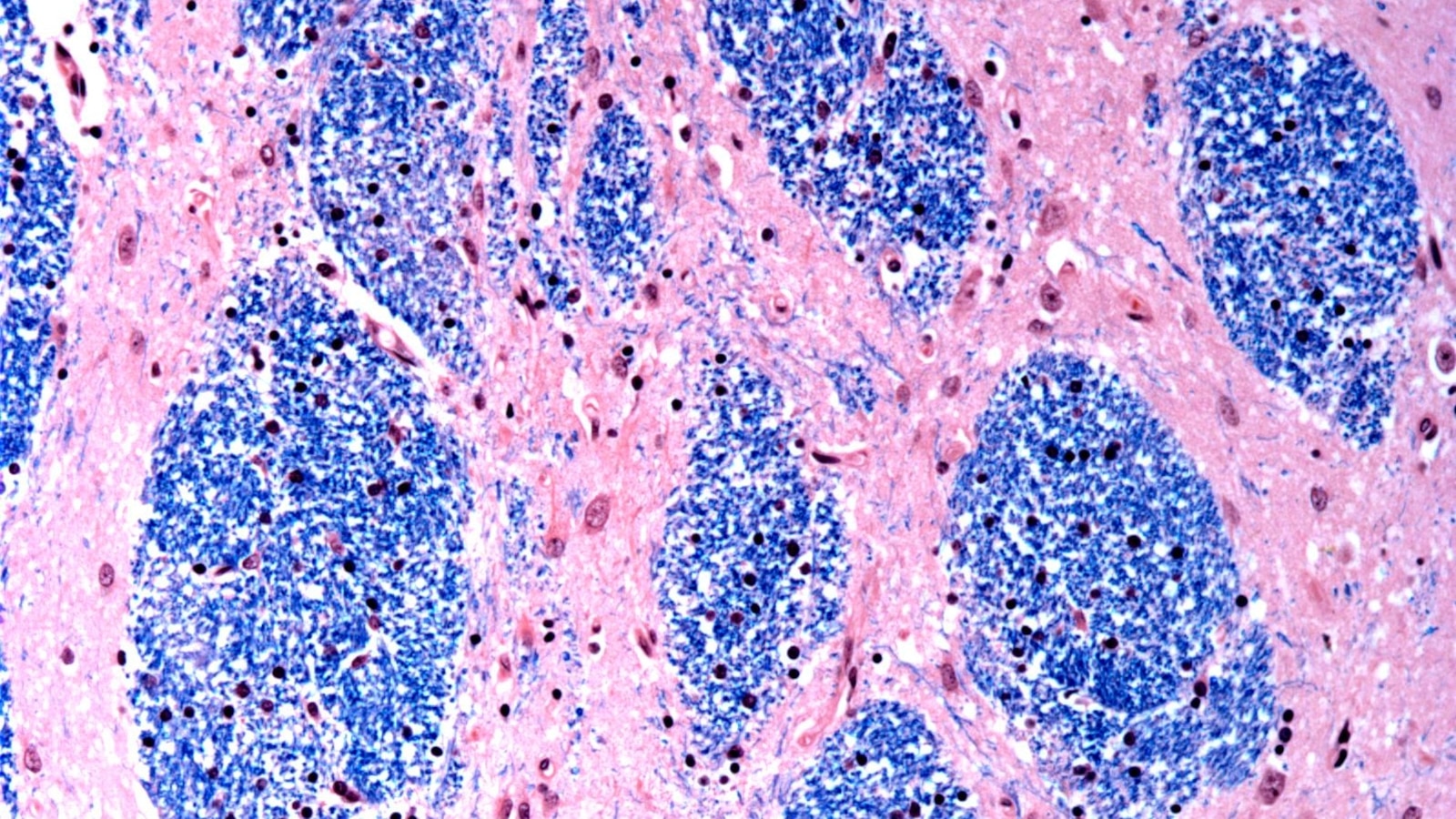
Scientists at the Broad Institute of MIT and Harvard, McLean Hospital in Massachusetts and Harvard Medical School studied brain tissue donated by 53 people with Huntington’s and 50 without it, analyzing half a million cells.
They focused on the Huntington’s mutation, which involves a stretch of DNA in a particular gene where a three-letter sequence – CAG – is repeated at least 40 times. In people without the disease this sequence is repeated just 15 to 35 times. They discovered that DNA tracts with 40 or more such “repeats” expand over time until they are hundreds of CAGs long. Once CAGs reach a threshold of about 150, certain types of neurons sicken and die.
The findings “were really surprising, even to us,” said Steve McCarroll, a Broad member and co-senior author of the study, which was published Thursday in the journal Cell. The study was partly funded by the Howard Hughes Medical Institute, an organization that also supports The Associated Press Health and Science department.
The research team estimated that repeat tracts grow slowly during the first two decades of life, then the rate accelerates dramatically when they reach about 80 CAGs.
“The longer the repeats, the earlier in life the onset will happen,” said neuroscience researcher Sabina Berretta, one of the study’s senior authors.
Researchers acknowledged that some scientists were initially skeptical when results were shared at conferences, since previous work found that repeat expansions in the range of 30 to 100 CAGs were necessary — but not sufficient — to cause Huntington’s. McCarroll agreed that 100 or fewer CAGs are not sufficient to trigger the disease, but said his study found that expansions with at least 150 CAGs are.
Researchers hope their findings can help scientists come up with ways to delay or prevent the incurable condition, which afflicts about 41,000 Americans and is now treated with medications to manage the symptoms.
Recently, experimental drugs designed to lower levels of the protein produced by the mutated Huntington’s gene have struggled in trials. The new findings suggest that’s because few cells have the toxic version of the protein at any given time.
Slowing or stopping the expansion of DNA repeats may be a better way to target the disease, researchers said.
Though there are no guarantees this would stave off Huntington’s, McCarroll said “many companies are starting or expanding programs to try to do this.”
——
The Associated Press Health and Science Department receives support from the Howard Hughes Medical Institute’s Science and Educational Media Group and the Robert Wood Johnson Foundation. The AP is solely responsible for all content.
Low in calories and packed with essential vitamins and minerals, mushrooms make for an excellent addition to your diet and according to new research, eating just five small mushrooms a day could help combat a range of diseases, including heart disease, cancer and dementia.
This is due to two key antioxidants – ergothioneine and glutathione. These substances play a significant role in neutralising damaging ‘free radicals’, which are implicated in a variety of severe diseases, according to researchers.
“What we found is that, without a doubt, mushrooms are highest dietary source of these two antioxidants taken together, and that some types are really packed with both of them,” said Robert Beelman, director at the Penn State Centre for Plant and Mushroom Products for Health in the US.
Portobello. Enoki. Porcini. Chanterelle. Stinkhorn. Puffball. Dung Cannon. Hair ice. Or the almost unpronounceable Hydnellum peckii. Try as hard but you can never remember – or pronounce – names of the nearly 14,000 kinds of mushroom found worldwide.
You can’t eat them all either as a few are poisonous with macabre names (Deadly Dapperling, Destroying Angels, Death Cap, Autumn Skullcap). A few psychedelic mushrooms are so trippy that countries have tagged them illegal.
However, there are several edible ones that are packed with nutrients. According to the Coimbatore-based Mushroom Foundation of India, mushrooms are rich in protein, carbohydrate and vitamins, are low in caloric value and hence are recommended for heart and diabetic patients.
They are rich in proteins as compared to cereals, fruits and vegetables; the proteins are retained even after cooking. Since mushrooms possess low caloric value, high protein, high fibre content and high K: Na ratio, they are ideally suited for diabetic and hypertension patients, say researchers.
There are eight most popular mushrooms in India, like button mushroom which are small, edible mushrooms with a closed cap and light brown or pale white flesh. It is the most popular mushroom variety grown and consumed the world over.
It is good source of essential nutrients such as vitamins (B vitamins, vitamin D), minerals (selenium, copper, potassium), and antioxidants.
Oyster mushroom are known for their tender flesh and velvety texture. A cup of raw, sliced oyster mushrooms has only 28 calories, and is low in fat, cholesterol, and sodium and is high on nutrients like niacin, folic acid, vitamins C and B12, and the amino acid ergothioneine.
Other varieties found in India are Shiitake mushroom, Cordyceps mushroom, Lion’s Mane Mushroom, Reishi mushroom, Turkey Tail mushroom and Chaga mushroom.
(Disclaimer: Except for the headline, this story has not been edited by NDTV staff and is published from a syndicated feed.)
As our population has aged over the last several decades, it has been accompanied by a marked increase in Parkinson’s disease (PD). The amount of increase is, however, so astounding that we have to wonder what else may be going on. While an aging population certainly can account for this increase, are there other factors playing into what has really become an epidemic?
According to a paper published in 2018 by E. Ray Dorsey and his colleagues, “neurological disorders are now the leading source of disability globally, and the fastest growing neurological disorder in the world is Parkinson’s disease. From 1990 to 2015, the number of people with Parkinson’s disease doubled to over 6 million.” They also state that this number is projected to double again to more than 12 million by 2040.
Although there is no known way to reverse PD, we now know it is preventable in many cases. Because of the increasing prevalence of the disease, there is now a great deal of focus on why this is happening. That being said, there was a landmark study released this past April that gives us tremendous insight into what may be the underlying cause of the disease and, in turn, gives us a good look into how to prevent it. Another study from Harvard, also released this year, came to a similar conclusion.
Let’s look at the Harvard study first. Published in the American Journal of Clinical Nutrition it states, “Dietary patterns with a high intake of fruit, vegetables, legumes, whole grains, nuts, fish, and poultry and a low intake of saturated fat and a moderate intake of alcohol may protect against PD. Benefits of a plant-based dietary pattern including fish to PD merit further investigation.” That said, it is the other study which I find even more fascinating and gives us a good reason for optimism, both on the prevention front and also on slowing down the progression of the disease and potentially reducing the severity of symptoms.
This second study, related to microbiome health and its effect on PD, appeared in the medical journal Nature. First, a word about our microbiome. As Harvard Health describes it, picture a bustling city on a weekday morning, the sidewalks flooded with people rushing to get to work or to appointments. They are all walking in different directions and no one looks exactly like the other person.
Fruits and vegetables (credit: INGIMAGE)
Microbiomes in our bodies
Now imagine this at a microscopic level and you have an idea of what the microbiome looks like inside our bodies, consisting of trillions of microorganisms of thousands of different species. These are made up of bacteria, fungi, parasites, and viruses. In a healthy person, these “bugs” coexist peacefully, with the largest numbers found in the small and large intestines but also throughout the body. The microbiome is even labeled a supporting organ because it plays so many key roles in promoting the smooth daily operations of the human body. It has an influence on virtually every area of health.
RESEARCH OVER that last two decades has shown us just how pronounced this influence is. Without spending time on the exact mechanisms on how the microbiome works, it is important to know that the gut microbiome has great influence on all systems in our body and in particular, our brains. (This is a result of what is known as the gut-brain axis.) Barely a week goes by these days without research disclosing just how influential our gut microbiome is on our brain health. For example, after decades of thinking that most of our neural connectors and brain specific hormones were made in the brain, we now know that most of them come from the gut and work their way up to the brain through the vagus nerve and other means.
Two things to keep in mind for the purpose of disease prevention and possible reversal: 1) You can change the makeup of your microbiome through your lifestyle habits and 2) the influence of your gut health on the brain is indeed pronounced.
Looking at the study in Nature, we see that in PD patients, there is a lot of dysbiosis in the gut. In simple terms, there are too many types of inflammatory microbes and not enough anti-inflammatory microbes. This imbalance is often the catalyst for disease. With this connection firmly established, and knowing that we can control our gut health with good lifestyle habits, we can reduce the likelihood of disease in general and certainly PD.
ALL OF this information is supported by yet another study, published in Movement Disorders. This medical journal concludes that higher adherence to a healthy plant-based diet is linked with significantly lower risks of Parkinson’s disease. The study also investigated the impact of unhealthy plant-based eating patterns, finding that diets with more refined grains and sugar-sweetened beverages increased risk of the disease.
Stay updated with the latest news!
Subscribe to The Jerusalem Post Newsletter
Interviewed by the organization Forks over Knives, study author Aedin Cassidy, PhD, stated that, “We showed, for the first time, that eating a dietary pattern high in healthy plant-based foods reduced the risk of developing Parkinson’s disease by 22 percent.” Simple changes to the diet, including increasing the intake of fruits, vegetables, nuts, and tea, may reduce the risk of developing Parkinson’s. To date, there is no cure for PD, so strategies for prevention and reducing risk are especially important.
But there is more to it than diet. Exercise seems to be a key component in both prevention and in greatly slowing the progression of the disease. The Parkinson’s Outcomes Project shows that people with PD who start exercising earlier in their disease for a minimum of 2.5 hours per week experience a slower decline in quality of life compared to those who start later – and more might be better. Establishing early exercise habits is essential to overall disease management. Exercise is also microbiome friendly, so it seems that by putting a plant predominant diet and exercise together, the odds of not getting PD should greatly improve.
We now know with some certainly that Parkinson’s disease is somewhat preventable and that its symptoms can be managed well with a combination of intense exercise along with a diet high in a variety of plants and low in saturated fats. This combination has been working well to prevent and reverse many diseases; let’s hope that these initial findings regarding PD will give us another area in health where you can “add hours to your days, days to your years, and years to your lives.”
The writer is a member of the International Council of the True Health Initiative and on the board of Kosher Plant Based. He is a certified plant-based nutritionist and personal trainer experienced in wellness coaching: www.alanfitness.com
As our population has aged over the last several decades, it has been accompanied by a marked increase in Parkinson’s disease (PD). The amount of increase is, however, so astounding that we have to wonder what else may be going on. While an aging population certainly can account for this increase, are there other factors playing into what has really become an epidemic?
According to a paper published in 2018 by E. Ray Dorsey and his colleagues, “neurological disorders are now the leading source of disability globally, and the fastest growing neurological disorder in the world is Parkinson’s disease. From 1990 to 2015, the number of people with Parkinson’s disease doubled to over 6 million.” They also state that this number is projected to double again to more than 12 million by 2040.
Although there is no known way to reverse PD, we now know it is preventable in many cases. Because of the increasing prevalence of the disease, there is now a great deal of focus on why this is happening. That being said, there was a landmark study released this past April that gives us tremendous insight into what may be the underlying cause of the disease and, in turn, gives us a good look into how to prevent it. Another study from Harvard, also released this year, came to a similar conclusion.
Let’s look at the Harvard study first. Published in the American Journal of Clinical Nutrition it states, “Dietary patterns with a high intake of fruit, vegetables, legumes, whole grains, nuts, fish, and poultry and a low intake of saturated fat and a moderate intake of alcohol may protect against PD. Benefits of a plant-based dietary pattern including fish to PD merit further investigation.” That said, it is the other study which I find even more fascinating and gives us a good reason for optimism, both on the prevention front and also on slowing down the progression of the disease and potentially reducing the severity of symptoms.
This second study, related to microbiome health and its effect on PD, appeared in the medical journal Nature. First, a word about our microbiome. As Harvard Health describes it, picture a bustling city on a weekday morning, the sidewalks flooded with people rushing to get to work or to appointments. They are all walking in different directions and no one looks exactly like the other person.
Fruits and vegetables (credit: INGIMAGE)
Microbiomes in our bodies
Now imagine this at a microscopic level and you have an idea of what the microbiome looks like inside our bodies, consisting of trillions of microorganisms of thousands of different species. These are made up of bacteria, fungi, parasites, and viruses. In a healthy person, these “bugs” coexist peacefully, with the largest numbers found in the small and large intestines but also throughout the body. The microbiome is even labeled a supporting organ because it plays so many key roles in promoting the smooth daily operations of the human body. It has an influence on virtually every area of health.
RESEARCH OVER that last two decades has shown us just how pronounced this influence is. Without spending time on the exact mechanisms on how the microbiome works, it is important to know that the gut microbiome has great influence on all systems in our body and in particular, our brains. (This is a result of what is known as the gut-brain axis.) Barely a week goes by these days without research disclosing just how influential our gut microbiome is on our brain health. For example, after decades of thinking that most of our neural connectors and brain specific hormones were made in the brain, we now know that most of them come from the gut and work their way up to the brain through the vagus nerve and other means.
Two things to keep in mind for the purpose of disease prevention and possible reversal: 1) You can change the makeup of your microbiome through your lifestyle habits and 2) the influence of your gut health on the brain is indeed pronounced.
Looking at the study in Nature, we see that in PD patients, there is a lot of dysbiosis in the gut. In simple terms, there are too many types of inflammatory microbes and not enough anti-inflammatory microbes. This imbalance is often the catalyst for disease. With this connection firmly established, and knowing that we can control our gut health with good lifestyle habits, we can reduce the likelihood of disease in general and certainly PD.
ALL OF this information is supported by yet another study, published in Movement Disorders. This medical journal concludes that higher adherence to a healthy plant-based diet is linked with significantly lower risks of Parkinson’s disease. The study also investigated the impact of unhealthy plant-based eating patterns, finding that diets with more refined grains and sugar-sweetened beverages increased risk of the disease.
Stay updated with the latest news!
Subscribe to The Jerusalem Post Newsletter
Interviewed by the organization Forks over Knives, study author Aedin Cassidy, PhD, stated that, “We showed, for the first time, that eating a dietary pattern high in healthy plant-based foods reduced the risk of developing Parkinson’s disease by 22 percent.” Simple changes to the diet, including increasing the intake of fruits, vegetables, nuts, and tea, may reduce the risk of developing Parkinson’s. To date, there is no cure for PD, so strategies for prevention and reducing risk are especially important.
But there is more to it than diet. Exercise seems to be a key component in both prevention and in greatly slowing the progression of the disease. The Parkinson’s Outcomes Project shows that people with PD who start exercising earlier in their disease for a minimum of 2.5 hours per week experience a slower decline in quality of life compared to those who start later – and more might be better. Establishing early exercise habits is essential to overall disease management. Exercise is also microbiome friendly, so it seems that by putting a plant predominant diet and exercise together, the odds of not getting PD should greatly improve.
We now know with some certainly that Parkinson’s disease is somewhat preventable and that its symptoms can be managed well with a combination of intense exercise along with a diet high in a variety of plants and low in saturated fats. This combination has been working well to prevent and reverse many diseases; let’s hope that these initial findings regarding PD will give us another area in health where you can “add hours to your days, days to your years, and years to your lives.”
The writer is a member of the International Council of the True Health Initiative and on the board of Kosher Plant Based. He is a certified plant-based nutritionist and personal trainer experienced in wellness coaching: www.alanfitness.com
At the Advanced Cardiac Centre OPD of the Postgraduate Institute of Medical Education and Research in Chandigarh, Dr Neelam Dahiya urges several attendants accompanying patients to undergo simple tests to see the risk of heart disease, especially if they are overweight and have a family history. Some like it, some don’t.
“As a cardiologist, it is my responsibility to make people aware, and not everyone likes my advice, but I do it anyway,” said Dr Dahiya, assistant professor at the Department of Cardiology and the in-charge of the Preventive Heart Clinic inaugurated at the Cardiology Outpatient Department Complex, PGI — a first in a tertiary care public hospital in the country — to offer guidance and targeted interventions to health-conscious adults keen to minimise their risk of heart disease.
“I remember a young woman accompanying her father, with whom I spoke at length about exercise, better diet, and regular check-ups for prevention, for as a cardiologist I felt she could be at risk,” she said.
The rising number of patients in the cardiology OPD of the institute — till August 70,000 compared to nearly one lakh last year — and the urgent need to prevent coronary artery disease (CAD) was the genesis of the all-new dedicated Preventive Heart Clinic, she said, adding: “Till August this year, over 6,000 coronary angiographies, 3,500 angioplasties and 700 cardiac implantable devices have been performed at the PGI.”
Inaugurating the clinic, PGI Director Professor Vivek Lal shared his journey toward better health, emphasising the impact of preventive measures. “By focusing on weight management, physical activity like cycling, and practices like yoga, we can prevent many lifestyle diseases. Health is a lifelong journey, and I encourage everyone to prioritize it,” he said.
Dr Yash Paul Sharma, professor and head of the Department of Cardiology, PGI, said, “There is a rapid rise in the number of patients presenting with structural heart diseases, and an increase in incidences of CAD among the young population aged above 40 years may be related to poor dietary habits, increased work stress and a sedentary lifestyle. So, the prevention, including improvement in physical and mental well-being and reducing hypertension, diabetes and dyslipidemia, is the way forward.”
“The clinic will be run from 9 am to 10 am every Wednesday and Saturday. Anyone above 18 can seek consultation. We will assess what is modifiable, and if need be, based on weight and family history do tests to assess risks, and then clinicians from dietetics, psychiatry and community medicine and cardiology will offer interventions. Apart from the social media, we will have an app to make people aware of the clinic, and awareness will also be created at OPDs. We will record all information, and use this to bring awareness about the prevention of heart disease to the community level,” said Dr Dahiya.
Highlighting the link between mental health and heart disease, Dr Krishan from the Department of Psychiatry said, “Stress and psychological challenges often contribute to heart disease. Our clinic will work to address these issues proactively,” he said.
Chief Dietician at the PGI Dr Nancy Sahni spoke about the dietary factors contributing to heart disease and the clinic’s role in managing these through personalized nutrition plans. “Heart health is greatly influenced by diet. We will guide patients on making sustainable dietary changes that support a healthy heart,” she said.
“To enhance awareness, an information booklet on heart disease prevention will be provided to patients and caregivers, covering essential tips on lifestyle changes, diet, and mental wellness,” Dr Neelam said.
Professor Rajesh Vijayvergiya, Advanced Cardiac Centre, PGI, said, “Cardiovascular diseases is the single largest cause of death and illness worldwide. Unlike many other chronic illnesses, cardiac diseases can be well prevented largely by simply incorporating a couple of healthy lifestyle-related changes like having a balanced diet to restrict calories, regular exercise, avoiding undue psychological and physical stress and routine screening for underlying silent heart disease.
Certain cardiac risk factors such as smoking, strenuous physical exercise, excess mental stress and a family history of heart disease can lead to acute cardiac events such as death or heart attack in a seemingly healthy individual.”
“Other risk factors are diabetes, hypertension, and substance abuse. Other than heart attacks, which are due to blockage in coronary arteries supplying blood to the heart, diseases of cardiac muscles such as cardiomyopathy, a viral infection of the heart known as myocarditis, and cardiac arrhythmias – the electrical abnormalities of the heart are the frequent causes of sudden death in young individuals which remained undiagnosed due to lack of medical attention/advice,” Prof Vijayvergiya said.
“Routine screening for underlying silent heart disease in all healthy individuals of more than 40 years of age is recommended. Those with certain risk factors such as being overweight, smoking, diabetes and hypertension or having symptoms of cardiac illness require screening even earlier, which might be from the age of 30 years. The screening for heart disease should be repeated every 2-5 years, and those with risk factors such as smoking, diabetes, obesity, or having symptoms of heart pain should be screened from the age of 30 years,” Prof Vijayvergiya added.
At the Advanced Cardiac Centre OPD of the Postgraduate Institute of Medical Education and Research in Chandigarh, Dr Neelam Dahiya urges several attendants accompanying patients to undergo simple tests to see the risk of heart disease, especially if they are overweight and have a family history. Some like it, some don’t.
“As a cardiologist, it is my responsibility to make people aware, and not everyone likes my advice, but I do it anyway,” said Dr Dahiya, assistant professor at the Department of Cardiology and the in-charge of the Preventive Heart Clinic inaugurated at the Cardiology Outpatient Department Complex, PGI — a first in a tertiary care public hospital in the country — to offer guidance and targeted interventions to health-conscious adults keen to minimise their risk of heart disease.
“I remember a young woman accompanying her father, with whom I spoke at length about exercise, better diet, and regular check-ups for prevention, for as a cardiologist I felt she could be at risk,” she said.
The rising number of patients in the cardiology OPD of the institute — till August 70,000 compared to nearly one lakh last year — and the urgent need to prevent coronary artery disease (CAD) was the genesis of the all-new dedicated Preventive Heart Clinic, she said, adding: “Till August this year, over 6,000 coronary angiographies, 3,500 angioplasties and 700 cardiac implantable devices have been performed at the PGI.”
Inaugurating the clinic, PGI Director Professor Vivek Lal shared his journey toward better health, emphasising the impact of preventive measures. “By focusing on weight management, physical activity like cycling, and practices like yoga, we can prevent many lifestyle diseases. Health is a lifelong journey, and I encourage everyone to prioritize it,” he said.
Dr Yash Paul Sharma, professor and head of the Department of Cardiology, PGI, said, “There is a rapid rise in the number of patients presenting with structural heart diseases, and an increase in incidences of CAD among the young population aged above 40 years may be related to poor dietary habits, increased work stress and a sedentary lifestyle. So, the prevention, including improvement in physical and mental well-being and reducing hypertension, diabetes and dyslipidemia, is the way forward.”
“The clinic will be run from 9 am to 10 am every Wednesday and Saturday. Anyone above 18 can seek consultation. We will assess what is modifiable, and if need be, based on weight and family history do tests to assess risks, and then clinicians from dietetics, psychiatry and community medicine and cardiology will offer interventions. Apart from the social media, we will have an app to make people aware of the clinic, and awareness will also be created at OPDs. We will record all information, and use this to bring awareness about the prevention of heart disease to the community level,” said Dr Dahiya.
Highlighting the link between mental health and heart disease, Dr Krishan from the Department of Psychiatry said, “Stress and psychological challenges often contribute to heart disease. Our clinic will work to address these issues proactively,” he said.
Chief Dietician at the PGI Dr Nancy Sahni spoke about the dietary factors contributing to heart disease and the clinic’s role in managing these through personalized nutrition plans. “Heart health is greatly influenced by diet. We will guide patients on making sustainable dietary changes that support a healthy heart,” she said.
“To enhance awareness, an information booklet on heart disease prevention will be provided to patients and caregivers, covering essential tips on lifestyle changes, diet, and mental wellness,” Dr Neelam said.
Professor Rajesh Vijayvergiya, Advanced Cardiac Centre, PGI, said, “Cardiovascular diseases is the single largest cause of death and illness worldwide. Unlike many other chronic illnesses, cardiac diseases can be well prevented largely by simply incorporating a couple of healthy lifestyle-related changes like having a balanced diet to restrict calories, regular exercise, avoiding undue psychological and physical stress and routine screening for underlying silent heart disease.
Certain cardiac risk factors such as smoking, strenuous physical exercise, excess mental stress and a family history of heart disease can lead to acute cardiac events such as death or heart attack in a seemingly healthy individual.”
“Other risk factors are diabetes, hypertension, and substance abuse. Other than heart attacks, which are due to blockage in coronary arteries supplying blood to the heart, diseases of cardiac muscles such as cardiomyopathy, a viral infection of the heart known as myocarditis, and cardiac arrhythmias – the electrical abnormalities of the heart are the frequent causes of sudden death in young individuals which remained undiagnosed due to lack of medical attention/advice,” Prof Vijayvergiya said.
“Routine screening for underlying silent heart disease in all healthy individuals of more than 40 years of age is recommended. Those with certain risk factors such as being overweight, smoking, diabetes and hypertension or having symptoms of cardiac illness require screening even earlier, which might be from the age of 30 years. The screening for heart disease should be repeated every 2-5 years, and those with risk factors such as smoking, diabetes, obesity, or having symptoms of heart pain should be screened from the age of 30 years,” Prof Vijayvergiya added.
If you must dwell a gluten free way of life, there are two essential determiners for that. Chances are you’ll be gluten illiberal, or you will have Celiac Illness. Many individuals assume that these phrases are interchangeable, however they’re removed from it. Gluten intolerance is a broad time period, and it covers lots of people who’re delicate to a variety of gluten. Celiac Illness, alternatively, solely impacts just a few individuals, and the outcomes of gluten ingestion underneath this illness are a lot worse than with gluten intolerance. Right here we’ll study the variations between the 2 so that they don’t appear as interchangeable anymore.
Gluten illiberal persons are merely allergic to gluten. Whereas their our bodies might not react nicely to gluten, the outcomes may be the equal of somebody with a pollen allergy strolling in a subject of flowers or somebody with lactose intolerance ingesting a glass of milk. There shall be discomfort, however nothing that could be life threatening. In the event you had been identified with Celiac Illness, any consumption of gluten would really be poisoning your physique as a result of this goes past a mere allergy. The variations are evening and day.
Gluten sensitivity can’t be decided by a blood check, however Celiac Illness can. There are a handful of individuals that can check constructive for certainly one of these problems after they actually have the opposite, however the outcomes are normally nicely outlined. About 15 of the inhabitants has Celiac Illness. Due to this, most individuals simply name everybody gluten illiberal, regardless of the variations within the two phrases. Celiacs are much more prone to bowel most cancers when in comparison with gluten delicate individuals, and thus they should be extra conscious of their food plan.
Talking of food plan, the one strategy to forestall a Celiac disruption is to guide a very gluten free life. This can be arduous to do in a world of quick meals, however it’s one thing that should be executed regardless. Gluten illiberal individuals also needs to lead a gluten free life for optimum consolation, however they don’t should. The Celiacs are the principle ones which have to fret. As this situation continues to unfold, there are much more meals popping out that work with a gluten-free way of life. Eating places and meals packagers try to stay conscious of the necessity for gluten-free merchandise. This makes the adjustment a complete lot simpler to undergo.
Cardiovascular diseases (CVDs) remain the primary cause of mortality worldwide, resulting in a substantial number of fatalities and disabilities. The alarming statistics from 2021 reveal that CVDs claimed 20.5 million lives, accounting for approximately one-third of all global deaths.
Young Indians are increasingly vulnerable to heart disease due to alarming environmental and lifestyle factors. Rising air pollution, coupled with a surge in diabetes cases, poses significant concerns. Mental health also plays a critical role, as chronic anxiety and depression can indirectly contribute to cardiovascular issues.
As a result of these risk factors, individuals may exhibit intermediate risk factors, including raised blood pressure, raised blood glucose, raised blood lipids, and overweight and obesity. These intermediate risk factors can be identified through measurements taken at primary care facilities and serve as critical indicators of an increased risk of heart attack, stroke, heart failure and other complications.
Early detection and management of these risk factors are vital in preventing cardiovascular diseases and mitigating their devastating consequences.
We spoke with Dr. Purshotam Lal who is a renowned interventional cardiologist and recipient of Padma Vibhushan, Padma Bhushan and the Dr. B. C. Roy Award by the President of India for his significant contributions to the development of interventional cardiology in India. He currently serves as the Chairman of Metro Group of Hospitals.
Prevalence and risk factors of heart disease
Dr. Purshotam Lal: Major risk factors include unhealthy diets rich in trans fats and sugars, physical inactivity, smoking, excessive alcohol consumption, and conditions like hypertension and diabetes. Stress, often overlooked, is a significant contributor especially in high-pressure environments like urban centers. In India, factors such as rising pollution levels, genetic predisposition, and lack of early detection mechanisms make heart diseases more prevalent. One of the most important factors that people often ignore is a strong family history of premature coronary disease.
Common cardiovascular conditions and symptoms
Dr. Purshotam Lal: The three most common cardiovascular diseases are coronary artery disease (CAD), heart failure, and arrhythmias.
Coronary Artery Disease (CAD):
CAD is the leading cause of death globally, accounting for approximately 9 million deaths per year, which represents 32% of all global deaths according to the World Health Organization (WHO).
In India, CAD contributes to over 1.7 million deaths annually, making it the most prevalent cardiovascular disease in the country.
Common CAD symptoms include chest pain (angina), shortness of breath, and fatigue. It is often diagnosed via stress tests, angiograms, or blood tests.
Its treatment includes lifestyle changes, medications, or surgical interventions like stents or bypass surgery.
Heart Failure:
Heart failure affects around 64 million people For India, the numbers are estimated at 8-10 million cases, with heart failure contributing to 35% of cardiovascular-related hospitalizations.
Its symptoms include persistent coughing, swelling in the legs, and breathlessness. Diagnosis typically involves echocardiograms or MRI.
Treatment for heart failure focuses on lifestyle changes, medications to manage blood pressure, and sometimes the implantation of devices like pacemakers.
Arrhythmias:
Arrhythmias cause palpitations, dizziness, or fainting spells. Generally, it is diagnosed through ECG or Holter monitoring and can be treated with medications, electrical cardioversion, or ablation.
Heart Disease in younger populations
Dr. Purshotam Lal: In recent years, heart disease has surged among younger adults due to a mix of lifestyle and environmental factors. Unhealthy diets, sedentary lifestyles, and high levels of stress, often driven by work pressure, have become common. Smoking, including the use of e-cigarettes, and excessive alcohol consumption have added to this trend.
For younger populations in India, increasing air pollution, a higher prevalence of diabetes, and a lack of awareness about preventive healthcare are major concerns. Mental health issues, such as chronic anxiety and depression, are also indirectly linked to the rising incidence of heart disease.
Genetics and heart disease: Preventive measures for those at risk
Dr. Purshotam Lal: Genetics significantly influence an individual’s risk of heart disease. People with a family history of cardiovascular conditions, particularly those related to high cholesterol, hypertension, or early-onset heart disease, are at a higher risk. However, genetics don’t seal your fate; lifestyle choices play a crucial role in determining outcomes.
For those with a family history, it’s essential to start preventive measures early. Regular health check-ups, monitoring blood pressure and cholesterol, maintaining a healthy diet, exercising regularly, and avoiding smoking can mitigate genetic risks. Genetic screening may also be beneficial in identifying specific markers that indicate higher susceptibility.
Impact of technology on heart health management
Dr. Purshotam Lal: Modern technology has revolutionised heart disease management and prevention in the past few years. Wearable devices, like smartwatches, can monitor heart rate, detect irregularities like atrial fibrillation, and track physical activity. This constant monitoring helps in early detection, even in asymptomatic individuals.
Telemedicine has also emerged as a game-changer, providing real-time consultations without geographical barriers. This has been particularly impactful in rural areas in India, where access to specialized cardiologists is limited. Remote monitoring and virtual check-ups ensure that patients with chronic heart conditions remain connected to their healthcare providers, improving compliance with treatments and lifestyle recommendations.
Heart disease in women: Unique risks and underdiagnosis
Dr. Purshotam Lal: Women often experience more subtle symptoms of heart disease, such as fatigue, nausea, shortness of breath, and pain in the neck, jaw, or back, rather than the more obvious chest pain typical in men. Hormonal differences, especially after menopause, further increase the risk of heart disease.
Heart disease is underdiagnosed in women for a few reasons. Historically, medical research has been more focused on men, and women’s symptoms are often attributed to less critical conditions like anxiety or indigestion. Hence, increasing awareness among both healthcare providers and women themselves about these differences is crucial for early diagnosis and better outcomes.
Congenital heart conditions in children
Dr. Purshotam Lal: Congenital heart defects (CHD) are the most common birth defects worldwide. Common types include atrial septal defects (ASD), ventricular septal defects (VSD), and tetralogy of Fallot. Early detection can be achieved through prenatal screening using fetal echocardiography, which can identify most heart defects during pregnancy. Post-birth, symptoms such as rapid breathing, poor feeding, or bluish skin color can be warning signs.
Early detection is crucial as many congenital heart defects, when caught early, can be corrected or managed with medical or surgical interventions, improving the child’s quality of life.
Dr. Purshotam Lal.
The COVID-19 pandemic’s impact on heart health
Dr. Purshotam Lal: COVID-19 has had a profound impact on heart health, particularly among those with pre-existing conditions. The virus has been linked to complications such as myocarditis (inflammation of the heart muscle), blood clots, and arrhythmias. Even in individuals without prior heart conditions, post-COVID syndrome, or “long COVID,” can lead to persistent cardiovascular issues such as chest pain, fatigue, and palpitations.
Those who were impacted by COVID-19, especially those with heart conditions, should continue monitoring their heart health closely. Regular check-ups, echocardiograms, and maintaining a healthy lifestyle can help mitigate long-term effects.
Artificial intelligence in cardiovascular care
Dr. Purshotam Lal: Artificial intelligence (AI) and machine learning are transforming cardiovascular care by enhancing diagnostics, predicting patient outcomes, and personalizing treatment plans. AI algorithms can rapidly analyze large datasets from imaging techniques like echocardiograms or MRIs, helping detect heart issues earlier and with greater accuracy.
In India, AI-powered tools are increasingly being used for early screening of conditions like heart failure in underserved populations. Machine learning models can also predict the likelihood of heart attacks based on patterns in patient history, allowing for proactive, rather than reactive, healthcare. For example, Tricog Health, an Indian startup, uses AI-based solutions for diagnosing heart attacks remotely. By combining AI with human expertise, it delivers ECG interpretations in real-time. This has proven to be crucial for early diagnosis in rural India, where access to specialists is limited. Tricog has been credited with reducing the diagnosis time for heart attacks to under 10 minutes in many cases.
Cardiovascular diseases (CVDs) remain the primary cause of mortality worldwide, resulting in a substantial number of fatalities and disabilities. The alarming statistics from 2021 reveal that CVDs claimed 20.5 million lives, accounting for approximately one-third of all global deaths.
Young Indians are increasingly vulnerable to heart disease due to alarming environmental and lifestyle factors. Rising air pollution, coupled with a surge in diabetes cases, poses significant concerns. Mental health also plays a critical role, as chronic anxiety and depression can indirectly contribute to cardiovascular issues.
As a result of these risk factors, individuals may exhibit intermediate risk factors, including raised blood pressure, raised blood glucose, raised blood lipids, and overweight and obesity. These intermediate risk factors can be identified through measurements taken at primary care facilities and serve as critical indicators of an increased risk of heart attack, stroke, heart failure and other complications.
Early detection and management of these risk factors are vital in preventing cardiovascular diseases and mitigating their devastating consequences.
We spoke with Dr. Purshotam Lal who is a renowned interventional cardiologist and recipient of Padma Vibhushan, Padma Bhushan and the Dr. B. C. Roy Award by the President of India for his significant contributions to the development of interventional cardiology in India. He currently serves as the Chairman of Metro Group of Hospitals.
Prevalence and risk factors of heart disease
Dr. Purshotam Lal: Major risk factors include unhealthy diets rich in trans fats and sugars, physical inactivity, smoking, excessive alcohol consumption, and conditions like hypertension and diabetes. Stress, often overlooked, is a significant contributor especially in high-pressure environments like urban centers. In India, factors such as rising pollution levels, genetic predisposition, and lack of early detection mechanisms make heart diseases more prevalent. One of the most important factors that people often ignore is a strong family history of premature coronary disease.
Common cardiovascular conditions and symptoms
Dr. Purshotam Lal: The three most common cardiovascular diseases are coronary artery disease (CAD), heart failure, and arrhythmias.
Coronary Artery Disease (CAD):
CAD is the leading cause of death globally, accounting for approximately 9 million deaths per year, which represents 32% of all global deaths according to the World Health Organization (WHO).
In India, CAD contributes to over 1.7 million deaths annually, making it the most prevalent cardiovascular disease in the country.
Common CAD symptoms include chest pain (angina), shortness of breath, and fatigue. It is often diagnosed via stress tests, angiograms, or blood tests.
Its treatment includes lifestyle changes, medications, or surgical interventions like stents or bypass surgery.
Heart Failure:
Heart failure affects around 64 million people For India, the numbers are estimated at 8-10 million cases, with heart failure contributing to 35% of cardiovascular-related hospitalizations.
Its symptoms include persistent coughing, swelling in the legs, and breathlessness. Diagnosis typically involves echocardiograms or MRI.
Treatment for heart failure focuses on lifestyle changes, medications to manage blood pressure, and sometimes the implantation of devices like pacemakers.
Arrhythmias:
Arrhythmias cause palpitations, dizziness, or fainting spells. Generally, it is diagnosed through ECG or Holter monitoring and can be treated with medications, electrical cardioversion, or ablation.
Heart Disease in younger populations
Dr. Purshotam Lal: In recent years, heart disease has surged among younger adults due to a mix of lifestyle and environmental factors. Unhealthy diets, sedentary lifestyles, and high levels of stress, often driven by work pressure, have become common. Smoking, including the use of e-cigarettes, and excessive alcohol consumption have added to this trend.
For younger populations in India, increasing air pollution, a higher prevalence of diabetes, and a lack of awareness about preventive healthcare are major concerns. Mental health issues, such as chronic anxiety and depression, are also indirectly linked to the rising incidence of heart disease.
Genetics and heart disease: Preventive measures for those at risk
Dr. Purshotam Lal: Genetics significantly influence an individual’s risk of heart disease. People with a family history of cardiovascular conditions, particularly those related to high cholesterol, hypertension, or early-onset heart disease, are at a higher risk. However, genetics don’t seal your fate; lifestyle choices play a crucial role in determining outcomes.
For those with a family history, it’s essential to start preventive measures early. Regular health check-ups, monitoring blood pressure and cholesterol, maintaining a healthy diet, exercising regularly, and avoiding smoking can mitigate genetic risks. Genetic screening may also be beneficial in identifying specific markers that indicate higher susceptibility.
Impact of technology on heart health management
Dr. Purshotam Lal: Modern technology has revolutionised heart disease management and prevention in the past few years. Wearable devices, like smartwatches, can monitor heart rate, detect irregularities like atrial fibrillation, and track physical activity. This constant monitoring helps in early detection, even in asymptomatic individuals.
Telemedicine has also emerged as a game-changer, providing real-time consultations without geographical barriers. This has been particularly impactful in rural areas in India, where access to specialized cardiologists is limited. Remote monitoring and virtual check-ups ensure that patients with chronic heart conditions remain connected to their healthcare providers, improving compliance with treatments and lifestyle recommendations.
Heart disease in women: Unique risks and underdiagnosis
Dr. Purshotam Lal: Women often experience more subtle symptoms of heart disease, such as fatigue, nausea, shortness of breath, and pain in the neck, jaw, or back, rather than the more obvious chest pain typical in men. Hormonal differences, especially after menopause, further increase the risk of heart disease.
Heart disease is underdiagnosed in women for a few reasons. Historically, medical research has been more focused on men, and women’s symptoms are often attributed to less critical conditions like anxiety or indigestion. Hence, increasing awareness among both healthcare providers and women themselves about these differences is crucial for early diagnosis and better outcomes.
Congenital heart conditions in children
Dr. Purshotam Lal: Congenital heart defects (CHD) are the most common birth defects worldwide. Common types include atrial septal defects (ASD), ventricular septal defects (VSD), and tetralogy of Fallot. Early detection can be achieved through prenatal screening using fetal echocardiography, which can identify most heart defects during pregnancy. Post-birth, symptoms such as rapid breathing, poor feeding, or bluish skin color can be warning signs.
Early detection is crucial as many congenital heart defects, when caught early, can be corrected or managed with medical or surgical interventions, improving the child’s quality of life.
Dr. Purshotam Lal.
The COVID-19 pandemic’s impact on heart health
Dr. Purshotam Lal: COVID-19 has had a profound impact on heart health, particularly among those with pre-existing conditions. The virus has been linked to complications such as myocarditis (inflammation of the heart muscle), blood clots, and arrhythmias. Even in individuals without prior heart conditions, post-COVID syndrome, or “long COVID,” can lead to persistent cardiovascular issues such as chest pain, fatigue, and palpitations.
Those who were impacted by COVID-19, especially those with heart conditions, should continue monitoring their heart health closely. Regular check-ups, echocardiograms, and maintaining a healthy lifestyle can help mitigate long-term effects.
Artificial intelligence in cardiovascular care
Dr. Purshotam Lal: Artificial intelligence (AI) and machine learning are transforming cardiovascular care by enhancing diagnostics, predicting patient outcomes, and personalizing treatment plans. AI algorithms can rapidly analyze large datasets from imaging techniques like echocardiograms or MRIs, helping detect heart issues earlier and with greater accuracy.
In India, AI-powered tools are increasingly being used for early screening of conditions like heart failure in underserved populations. Machine learning models can also predict the likelihood of heart attacks based on patterns in patient history, allowing for proactive, rather than reactive, healthcare. For example, Tricog Health, an Indian startup, uses AI-based solutions for diagnosing heart attacks remotely. By combining AI with human expertise, it delivers ECG interpretations in real-time. This has proven to be crucial for early diagnosis in rural India, where access to specialists is limited. Tricog has been credited with reducing the diagnosis time for heart attacks to under 10 minutes in many cases.
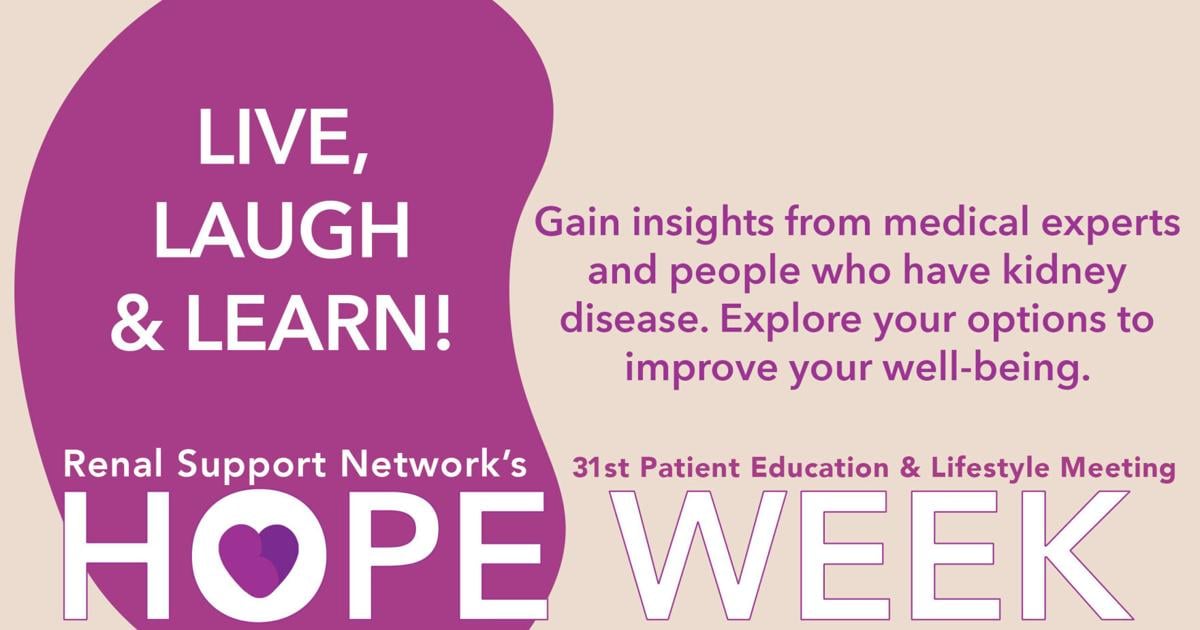
Hope Week 2024 Offers Five Days of Inspiration, Education, and Support for People Living with Kidney Disease, Their Families, and Healthcare Professionals
GLENDALE, Calif., Sept. 27, 2024 /PRNewswire-PRWeb/ — Renal Support Network (RSN) will host its 31st Annual Kidney Disease Education and Lifestyle Meeting from October 9th-13th, 2024. For over three decades, RSN has hosted this highly regarded event, providing education, resources, and support for people living with kidney disease, their families, and healthcare professionals. This event, aptly named Hope Week, will continue this tradition with a focus on fostering hope and empowerment for those affected by kidney disease.
RSN Founder/ President Lori Hartwell reflects, “Fear arises from a lack of understanding, and loneliness can be eased by connecting with a community that truly understands what you’re going through. Hope Week addresses these challenges. Knowledge and confidence in navigating care is within reach.”
Each day of the event will center on a different stage or aspect of chronic kidney disease (CKD), covering topics such as diagnosis, dialysis, kidney transplant, and daily lifestyle challenges. Esteemed healthcare professionals, along with those from within the kidney community who have learned to thrive in spite of having kidney disease, will share their expertise, advice, and personal stories, offering valuable insight into living and thriving with CKD.
RSN remains committed to equitable access to information and resources, ensuring that no individual faces barriers to participation. By utilizing a virtual platform, the meeting allows those who may face physical, geographic, or financial constraints to engage fully in the event.
Hope Week provides not only education but also inspiration and a chance to connect with a supportive community of people who have been there. It’s a unique opportunity to hear firsthand from those who have walked the path and to learn about the latest advancements in kidney care.
RSN Founder and President Lori Hartwell reflects, “Throughout my journey—marked by more than 50 surgeries, 13 years on dialysis, and four kidney transplants—I’ve faced some of life’s toughest lessons. These were not the lessons you learn in school, but ones born from personal experience. I know many of my peers share the same fears and feelings of isolation that I’ve experienced. Fear often arises from a lack of understanding, and loneliness can be eased by connecting with a community that truly understands what you’re going through. That’s exactly what Hope Week provides: five days of inspiration and education designed to address these challenges. One of the cornerstones of RSN is the motto, ‘an illness is too demanding when you don’t have hope’, and Hope Week is here to remind everyone that connection, knowledge and confidence in navigating care is within reach.”
Key Event Highlights:
There are no fees to attend.
Free Gift for Attending: All attendees receive a complimentary gift from RSN.
The event starts later in the afternoon on the weekdays so that people who work can attend.
Daily Focused Sessions: Each day will highlight a different stage or aspect of CKD, including topics such as diagnosis, dialysis, kidney transplants, and the management of daily lifestyle issues.
Expert Speakers and Panelists: Renowned healthcare professionals and experts from the kidney community will offer advice and discuss the latest developments in kidney care.
Patient and Caregiver Stories: Attendees will have the opportunity to hear inspiring personal stories from patients and caregivers who have firsthand experience managing CKD.
Interactive Q&A Sessions: Participants will be able to engage directly with speakers and panelists, asking questions and gaining insight into various aspects of kidney disease management.
Access for All: The virtual platform ensures that individuals from across the globe can participate, regardless of their location or circumstances.
Networking and Support: Hope Week will also feature opportunities to connect with others who are experiencing similar challenges, creating a supportive and uplifting environment.
Youth and Family Day: Parents share their tips for coping with challenges of a busy family life and young adults share their stories about transitioning to adulthood, finding independence, a career, dating and school.
RSN would like to thank our 2024 Hope Week sponsors: Akebia, Amgen, Alexion, Ardelyx, AstraZeneca and U.S. Renal Care.
The Renal Support Network is a Registered 501(c)(3) Non-profit and serve people throughout the United States.
Lori Hartwell founded Renal Support Network in 1993 to empower people who have kidney disease to become knowledgeable about their illness, proactive in their care, hopeful about their future and make friendships that last a lifetime. Lori suffered kidney failure at the age of two, survived 50+ surgeries and 13 years of dialysis, and is now living with her fourth kidney transplant.
RSN’s hopeful and life-enriching, non-medical programs help people who have kidney disease and their families, whether they are in the early stages of the disease, are on dialysis, or have received a transplant. www.RSNhope.org.
Media Contact
Suzette Maffi, Renal Support Network, 1 (818) 543-0896, Info@RSNhope.org, https://www.rsnhope.org/






 View original content to download multimedia: