hacklink hack forum hacklink film izle hacklink marsbahisizmir escortsahabetpornJojobetcasibompadişahbet

Tag: Diseases

  • Lifestyle diseases

    Lifestyle diseases

    The terms chronic diseases and lifestyle diseases are often used interchangeably. Most lifestyle diseases are chronic diseases but not all chronic diseases are due to lifestyle. Some can be due to genetic causes or infections or certain medical interventions. Latrogenic diseases—conditions caused by medical treatments—are a leading cause of death in the U.S., underscoring vulnerabilities in the healthcare system. There are multiple definitions of chronic diseases. Here are a few:

    “Noncommunicable diseases (NCDs), also known as chronic diseases, are not passed from person to person. They are of long duration and generally slow progression.” (World Health Organization)

    “A disease or condition that usually lasts for 3 months or longer and may get worse over time.” (US National Center for Health Statistics)

    “Chronic diseases are defined broadly as conditions that last 1 year or more and require ongoing medical attention or limit activities of daily living or both.” (Center for Disease Control and Prevention)

    The Center for Disease Control and Prevention (CDC) is a US national center for chronic disease prevention and health promotion. According to the CDC

    • 6 in 10 adults have a chronic disease.
    • 4 in 10 adults have two or more chronic diseases and
    • 7 in 10 adults will die of a chronic disease.

    The CDC reports that lifestyle changes, such as quitting smoking or adopting a healthier diet, can reduce the risk of chronic illness by up to 80%. However, our lifestyles are influenced by many external factors, making it challenging to consistently make the healthiest choices. For instance, research indicates that changing social norms around smoking has been one of the most effective ways to reduce tobacco use and improve health outcomes. In contrast, food advertisements and oversized portions in restaurants exert a subliminal influence on our eating habits.

    Epidemiological transition

    In times prior to the 20th century our biggest enemy was infectious diseases. By the 20th century, only 3 out of the top 10 global causes of death were infectious diseases; the majority were chronic diseases. This shift is known as the Epidemiological Transition.

    Self healing

    The human body is a self-healing organism. It inherently knows how to adapt to various conditions. However, we shape those conditions ourselves—through the foods we eat, our level of physical activity, the environment we live in, and the thoughts and emotions we carry.

    Health exists on a continuum 

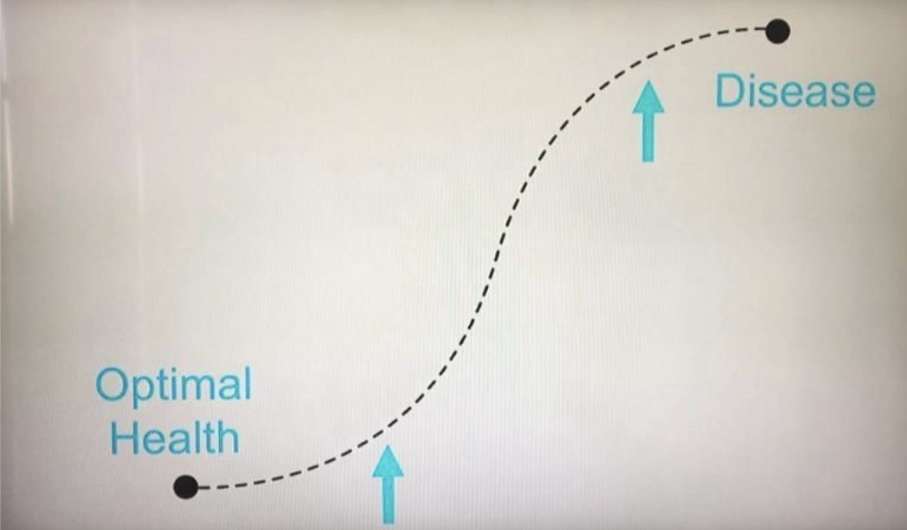
    As illustrated in the graph above, health exists on a continuum and we move up and down that continuum based on our diet and lifestyle. Acute diseases and lifestyle diseases are two different things. While medical doctors are highly effective at treating acute diseases, lifestyle diseases are a different challenge, and it’s not entirely their fault.

    Lifestyle diseases don’t develop overnight. Instead, they build gradually. Initially, the body compensates for a poor diet, environment, and lifestyle, masking their impact. But once the body can no longer keep up, symptoms appear, leading us to seek medical help, and a diagnosis is made. By the time this happens, the condition has often been developing for years. The standard medical approach typically focuses on alleviating symptoms through medication, which can interfere with the body’s compensatory mechanisms and sometimes worsen the condition, creating a cycle of escalating treatments and declining health.

    Blood Pressure: An example of the body’s compensation mechanism

    Consider how blood pressure naturally increases with age. At birth, a baby’s blood pressure might be around 64/41 mmHg. By one month, it typically rises to around 95/58 mmHg. As the child transitions from breast milk to solid foods, inflammation may occur, and plaque begins to develop on blood vessel walls, reducing their effective opening and increasing friction. As a result, the heart has to pump harder, and blood pressure rises.

    By age 10, blood pressure may be around 110/70 mmHg, and by ages 16–18, the average reaches 120/80 mmHg. Physical activities, meals, and stress also prompt natural increases in blood pressure as the body adjusts to meet its needs. This compensation should not be confused with hypertension, which results specifically from substantial plaque buildup within arteries.

    Many doctors are starting to recognize these differences. Leaders in the plant-based, whole-food movement have highlighted this for over two decades, and recent meta-analyses have been eye-opening. Many studies reveal that aggressive symptom management through medication can be more harmful than milder control through diet. For instance, aggressive treatment often results in death from unrelated causes—a concept known as “all-cause mortality.” Diabetics might die from heart disease, while people with hypertension may die from strokes. This has led to more lenient guidelines, such as the JNC-8 recommendations for blood pressure in 2014 and the American College of Physicians’ 2018 guidelines for diabetic control. Yet, these guidelines have been resisted by some specialized medical groups, often due to economic concerns.

    Leading causes of death

    The following were the 10 leading causes of death in the US in  2022:

    1. Heart disease (703,000) (48% adults)

    2. Cancer (608,000); Lung, Breast/Prostate, Colorectal

    3. Iatrogenic causes(200,000)

    4. Covid (186,000)

    5. Stroke and Cerebrovascular disease (165,000)

    6. Chronic lower respiratory disease; COPD, Bronchitis, Emphysema & Asthma (147,000)

    7. Alzheimer’s disease (120,000)

    8. Diabetes (101,000)

    9. Kidney disease (CKD) (58,000)

    10. Liver disease (55,000)

    Of the ten causes listed above eight are lifestyle diseases, one m from medical care and one from infectious diseases like Covid. The PBWF/IF/10K diet and lifestyle also helps there by building stronger immunity and avoiding visits to doctors offices and hospitals.

    The spiral of death

    Our bodies typically remain resilient during our reproductive years until about age 45-50. After that, the compensatory mechanisms start to falter, especially if we have led an unhealthy lifestyle. For example, if atherosclerosis has narrowed our arteries, the heart compensates by increasing blood pressure to keep blood flowing. While the body signals us through headaches or other symptoms, we often overlook these messages. Doctors may prescribe medications to lower blood pressure, which treats the symptom rather than addressing the cause—like killing the messenger. These medications have side effects which create more problems often leading to more medication.

    This same pattern occurs with blood sugar and cholesterol levels. Modern medicine’s response is often to lower these symptoms through medication rather than correcting diet and lifestyle. Consequently, people end up on multiple medications over time, leading to side effects, adverse reactions, and a further decline in health. Eventually, people find themselves managing multiple serious conditions, like advanced heart, kidney, or liver failure—a pattern I call the “spiral of death.”


    Linkedin


    Disclaimer

    Views expressed above are the author’s own.


    END OF ARTICLE


    Source link

  • Lifestyle diseases

    Lifestyle diseases

    The terms chronic diseases and lifestyle diseases are often used interchangeably. Most lifestyle diseases are chronic diseases but not all chronic diseases are due to lifestyle. Some can be due to genetic causes or infections or certain medical interventions. Latrogenic diseases—conditions caused by medical treatments—are a leading cause of death in the U.S., underscoring vulnerabilities in the healthcare system. There are multiple definitions of chronic diseases. Here are a few:

    “Noncommunicable diseases (NCDs), also known as chronic diseases, are not passed from person to person. They are of long duration and generally slow progression.” (World Health Organization)

    “A disease or condition that usually lasts for 3 months or longer and may get worse over time.” (US National Center for Health Statistics)

    “Chronic diseases are defined broadly as conditions that last 1 year or more and require ongoing medical attention or limit activities of daily living or both.” (Center for Disease Control and Prevention)

    The Center for Disease Control and Prevention (CDC) is a US national center for chronic disease prevention and health promotion. According to the CDC

    • 6 in 10 adults have a chronic disease.
    • 4 in 10 adults have two or more chronic diseases and
    • 7 in 10 adults will die of a chronic disease.

    The CDC reports that lifestyle changes, such as quitting smoking or adopting a healthier diet, can reduce the risk of chronic illness by up to 80%. However, our lifestyles are influenced by many external factors, making it challenging to consistently make the healthiest choices. For instance, research indicates that changing social norms around smoking has been one of the most effective ways to reduce tobacco use and improve health outcomes. In contrast, food advertisements and oversized portions in restaurants exert a subliminal influence on our eating habits.

    Epidemiological transition

    In times prior to the 20th century our biggest enemy was infectious diseases. By the 20th century, only 3 out of the top 10 global causes of death were infectious diseases; the majority were chronic diseases. This shift is known as the Epidemiological Transition.

    Self healing

    The human body is a self-healing organism. It inherently knows how to adapt to various conditions. However, we shape those conditions ourselves—through the foods we eat, our level of physical activity, the environment we live in, and the thoughts and emotions we carry.

    Health exists on a continuum 

    As illustrated in the graph above, health exists on a continuum and we move up and down that continuum based on our diet and lifestyle. Acute diseases and lifestyle diseases are two different things. While medical doctors are highly effective at treating acute diseases, lifestyle diseases are a different challenge, and it’s not entirely their fault.

    Lifestyle diseases don’t develop overnight. Instead, they build gradually. Initially, the body compensates for a poor diet, environment, and lifestyle, masking their impact. But once the body can no longer keep up, symptoms appear, leading us to seek medical help, and a diagnosis is made. By the time this happens, the condition has often been developing for years. The standard medical approach typically focuses on alleviating symptoms through medication, which can interfere with the body’s compensatory mechanisms and sometimes worsen the condition, creating a cycle of escalating treatments and declining health.

    Blood Pressure: An example of the body’s compensation mechanism

    Consider how blood pressure naturally increases with age. At birth, a baby’s blood pressure might be around 64/41 mmHg. By one month, it typically rises to around 95/58 mmHg. As the child transitions from breast milk to solid foods, inflammation may occur, and plaque begins to develop on blood vessel walls, reducing their effective opening and increasing friction. As a result, the heart has to pump harder, and blood pressure rises.

    By age 10, blood pressure may be around 110/70 mmHg, and by ages 16–18, the average reaches 120/80 mmHg. Physical activities, meals, and stress also prompt natural increases in blood pressure as the body adjusts to meet its needs. This compensation should not be confused with hypertension, which results specifically from substantial plaque buildup within arteries.

    Many doctors are starting to recognize these differences. Leaders in the plant-based, whole-food movement have highlighted this for over two decades, and recent meta-analyses have been eye-opening. Many studies reveal that aggressive symptom management through medication can be more harmful than milder control through diet. For instance, aggressive treatment often results in death from unrelated causes—a concept known as “all-cause mortality.” Diabetics might die from heart disease, while people with hypertension may die from strokes. This has led to more lenient guidelines, such as the JNC-8 recommendations for blood pressure in 2014 and the American College of Physicians’ 2018 guidelines for diabetic control. Yet, these guidelines have been resisted by some specialized medical groups, often due to economic concerns.

    Leading causes of death

    The following were the 10 leading causes of death in the US in  2022:

    1. Heart disease (703,000) (48% adults)

    2. Cancer (608,000); Lung, Breast/Prostate, Colorectal

    3. Iatrogenic causes(200,000)

    4. Covid (186,000)

    5. Stroke and Cerebrovascular disease (165,000)

    6. Chronic lower respiratory disease; COPD, Bronchitis, Emphysema & Asthma (147,000)

    7. Alzheimer’s disease (120,000)

    8. Diabetes (101,000)

    9. Kidney disease (CKD) (58,000)

    10. Liver disease (55,000)

    Of the ten causes listed above eight are lifestyle diseases, one m from medical care and one from infectious diseases like Covid. The PBWF/IF/10K diet and lifestyle also helps there by building stronger immunity and avoiding visits to doctors offices and hospitals.

    The spiral of death

    Our bodies typically remain resilient during our reproductive years until about age 45-50. After that, the compensatory mechanisms start to falter, especially if we have led an unhealthy lifestyle. For example, if atherosclerosis has narrowed our arteries, the heart compensates by increasing blood pressure to keep blood flowing. While the body signals us through headaches or other symptoms, we often overlook these messages. Doctors may prescribe medications to lower blood pressure, which treats the symptom rather than addressing the cause—like killing the messenger. These medications have side effects which create more problems often leading to more medication.

    This same pattern occurs with blood sugar and cholesterol levels. Modern medicine’s response is often to lower these symptoms through medication rather than correcting diet and lifestyle. Consequently, people end up on multiple medications over time, leading to side effects, adverse reactions, and a further decline in health. Eventually, people find themselves managing multiple serious conditions, like advanced heart, kidney, or liver failure—a pattern I call the “spiral of death.”


    Linkedin


    Disclaimer

    Views expressed above are the author’s own.


    END OF ARTICLE


    Source link

  • Top Virologist On Yoga’s Role In Preventing Lifestyle Diseases

    Top Virologist On Yoga’s Role In Preventing Lifestyle Diseases

    Top Virologist On Yoga's Role In Preventing Lifestyle Diseases

    Dr Kang also said she would like to see India focusing on solving tuberculosis in the country.

    New Delhi:

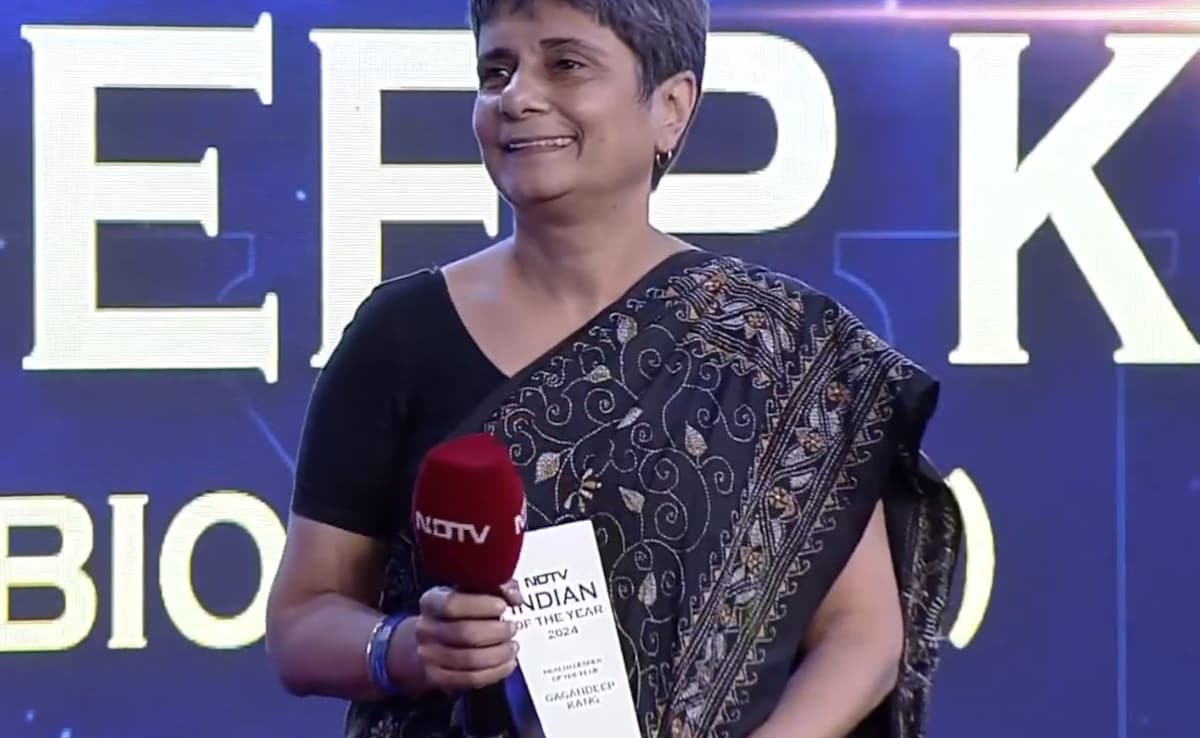
    India has, in the past, tended to borrow solutions from the West and is finally being able to frame its own questions about health and seek to answer them – which was evident during the Covid pandemic – Dr Gagandeep Kang, one of India’s top virologists, has said. 

    Dr Kang, who was honoured with the ‘Health Leader Of The Year’ award at the NDTV Indian Of The Year awards on Friday also spoke about the impact of long Covid and the importance of yoga in tackling the rise of lifestyle diseases. 

    Speaking after receiving the award, Dr Kang said, “In India, we tend to borrow our solutions from the West and what we have been trying to do over the past few decades is for us to frame our own questions about health in India and seek to answer them. I am really excited about the fact that we are finally doing that; we saw it during Covid, but I hope that this is a revolution that will continue because we do need to rely on ourselves to be able to solve our problems,” she said.

    Dr Kang said there are two areas that she would like to see India focus on, including solving tuberculosis (TB) in the country. She said TB is the biggest infectious disease killer in the world and Covid had beaten it for a year, but it is now back. The second area, she said, is nutrition – both under- and over-nutrition. 

    The virologist also spoke about integrating traditional Indian systems of medicine and knowledge, which have not been fully integrated into healthcare, prompting a question on whether she sees the dissonance between traditional and modern medicine reducing. 

    “I think with the increase of westernised lifestyles, we are seeing more lifestyle diseases and if you look at our traditional systems of medicine, they are holistic in the advice that they offer, in terms of diet, exercise and what people need to be doing. Yoga is union,” she said. 

    Dr Kang said she chose research as her field because there is nothing more exciting than the opportunity to ask your own questions and then figure out the answers. 

    ‘Lot Of Work To Do’

    On Covid, its mutations and long Covid, which is still affecting many, she said, “I think we are learning more about long Covid and the consequences of viral infections. We clubbed it all as one syndrome and what we are learning today is that it actually has multiple manifestations that can last long term. So, there is a lot of work for us to do to understand the consequences of both single and multiple infections, which is the situation we are dealing with today.”

    Asked whether she had a message for young girls who have an interest in science, the virologist said, “Economic independence really matters and if you can achieve that doing something that you enjoy, you are doing the right thing for yourself and your family.”

    Source link

  • Top Virologist On Yoga’s Role In Preventing Lifestyle Diseases

    Top Virologist On Yoga’s Role In Preventing Lifestyle Diseases

    Top Virologist On Yoga's Role In Preventing Lifestyle Diseases

    Dr Kang also said she would like to see India focusing on solving tuberculosis in the country.

    New Delhi:

    India has, in the past, tended to borrow solutions from the West and is finally being able to frame its own questions about health and seek to answer them – which was evident during the Covid pandemic – Dr Gagandeep Kang, one of India’s top virologists, has said. 

    Dr Kang, who was honoured with the ‘Health Leader Of The Year’ award at the NDTV Indian Of The Year awards on Friday also spoke about the impact of long Covid and the importance of yoga in tackling the rise of lifestyle diseases. 

    Speaking after receiving the award, Dr Kang said, “In India, we tend to borrow our solutions from the West and what we have been trying to do over the past few decades is for us to frame our own questions about health in India and seek to answer them. I am really excited about the fact that we are finally doing that; we saw it during Covid, but I hope that this is a revolution that will continue because we do need to rely on ourselves to be able to solve our problems,” she said.

    Dr Kang said there are two areas that she would like to see India focus on, including solving tuberculosis (TB) in the country. She said TB is the biggest infectious disease killer in the world and Covid had beaten it for a year, but it is now back. The second area, she said, is nutrition – both under- and over-nutrition. 

    The virologist also spoke about integrating traditional Indian systems of medicine and knowledge, which have not been fully integrated into healthcare, prompting a question on whether she sees the dissonance between traditional and modern medicine reducing. 

    “I think with the increase of westernised lifestyles, we are seeing more lifestyle diseases and if you look at our traditional systems of medicine, they are holistic in the advice that they offer, in terms of diet, exercise and what people need to be doing. Yoga is union,” she said. 

    Dr Kang said she chose research as her field because there is nothing more exciting than the opportunity to ask your own questions and then figure out the answers. 

    ‘Lot Of Work To Do’

    On Covid, its mutations and long Covid, which is still affecting many, she said, “I think we are learning more about long Covid and the consequences of viral infections. We clubbed it all as one syndrome and what we are learning today is that it actually has multiple manifestations that can last long term. So, there is a lot of work for us to do to understand the consequences of both single and multiple infections, which is the situation we are dealing with today.”

    Asked whether she had a message for young girls who have an interest in science, the virologist said, “Economic independence really matters and if you can achieve that doing something that you enjoy, you are doing the right thing for yourself and your family.”

    Source link

  • Holistic lifestyle interventions outshine drugs in preventing cardiometabolic diseases

    Holistic lifestyle interventions outshine drugs in preventing cardiometabolic diseases

    While lifestyle interventions show promise in tackling cardiometabolic diseases, their long-term success hinges on policy-driven environments that make healthy living accessible for all.

    Study: Lifestyle interventions for cardiometabolic health. Image Credit: Shutterstock AI

    Study: Lifestyle interventions for cardiometabolic health. Image Credit: Shutterstock AI

    A recent study published in the journal Nature Medicine reviewed the benefits of combined lifestyle interventions (CLIs) on cardiometabolic health.

    Obesity and overweight are risk factors for cardiometabolic diseases (CMDs), and their global prevalence has tripled in recent decades. Societal changes have shifted from leisure activities or labor-intensive work to more sedentary and inactive lifestyles. Concurrently, dietary patterns have shifted from plant-based diets to Western diets that are characterized by high-energy, low-fiber, and high-sugar foods. The study highlights that these trends disproportionately affect socioeconomically disadvantaged populations, where CMD prevalence can be up to five times higher than in more affluent groups.

    CLIs target multiple lifestyle behaviors and have the potential to prevent CMD in at-risk populations. However, in the long term, they are not always sustainable, and their effects attenuate in routine care. In the present study, researchers reviewed the short—and long-term benefits and cost-effectiveness of CLIs for obesity, overweight, and related CMDs in controlled studies and routine care.

    Contributions of Lifestyle Behaviors to CMD Risk

    Unhealthy diets high in saturated fat, sodium, and added sugar and low intake of fruits and vegetables are major contributors to premature mortality related to CMDs. Collectively, they account for up to 35% of cardiovascular disease (CVD)-related deaths. In addition, physical inactivity impacts CMD development and contributes an estimated 6% and 7% to CVD and type 2 diabetes (T2D) burden, respectively.

    Moreover, sedentary behavior also increases the risk of CMDs. Although other lifestyle behaviors, such as chronic stress and sleep deprivation, are associated with a greater CMD risk, their contribution to the global CMD burden is unclear. The study highlights that unhealthy behaviors often cluster, particularly in disadvantaged communities, compounding the risk of premature death. Therefore, addressing multiple lifestyle behaviors concurrently is crucial to improving cardiometabolic health.

    Effects of CLIs

    CLIs are delivered by health professionals in structured and controlled programs and commonly target sedentary, physical activity, and dietary behaviors. Evidence indicates that CLIs have consistently reduced T2D incidence by about 40% over three to six years of intervention in high-risk individuals compared to usual care in controlled settings.

    CLI effects are mainly driven by decreases in glycemic markers, body weight, blood pressure, and low-density lipoprotein cholesterol. Further, studies comparing CLIs to metformin, a glucose-lowering medicine, observed that the drug was about half as effective as CLIs. A network meta-analysis found that a CLI reduced T2D risk by 60% compared to pharmacotherapy, and this effect was partly persistent for many years post-intervention. For instance, the Finnish Diabetes Prevention Study reported a sustained 20% reduction in diabetes incidence 20 years after the intervention, highlighting the potential for long-term benefits.

    Longitudinal evaluations of CLIs beyond the active intervention period have revealed T2D risk reduction, albeit to a lesser extent, over 3–20 years of follow-up. Despite these long-term benefits, meta-analyses have not observed long-term benefits of CLIs on CVD or all-cause mortality. However, the Da Qing Diabetes Prevention Study in China demonstrated a significant reduction in all-cause and CVD mortality after 23 years of follow-up, underlining the variability in outcomes across different settings.

    CLI Implementation and Cost-Effectiveness

    Studies have translated controlled CLIs to routine care settings, given their promising effects on T2D risk. A meta-analysis of 25 translational or before-after studies found about a third to half of the effectiveness noted in the original studies, with a clinically relevant weight loss after one year, leading to improvements in CMD risk factors.

    Based on these analyses, diabetes prevention programs were implemented for high-risk individuals in Finland, the United States, Australia, and the United Kingdom. However, there is limited evidence on the effectiveness of these implementations, although the programs appear effective for people who completed them. Regarding the cost-effectiveness of CLIs, there is a paucity of evidence in routine practice. The study emphasizes the need for further economic evaluations, particularly in low- and middle-income countries where CMD prevalence is rising rapidly.

    Population-Level Approaches for Healthy Lifestyles

    Although CLIs have been effective at CMD prevention, targeting only high-risk individuals in routine care is insufficient to curb metabolic disease prevalence in the population. Therefore, measures targeting the entire population are needed. Population-based approaches have been successful in reducing smoking by 27% to 37%; this could be exemplary in informing policy decisions affecting other lifestyle behaviors.

    Urban planning policies can also play a pivotal role in reducing CMD risk. For example, designing walkable neighborhoods and increasing access to green spaces have been associated with lower rates of T2D and CVD. Similarly, implementing sugar-sweetened beverage taxes and subsidizing fruits and vegetables can positively influence dietary habits, particularly in underserved populations.

    Concluding Remarks

    While CLIs yield CMD benefits in trials and clinically relevant improvements in translational studies, their long-term effects in routine practice require further evaluation. In addition, drivers and barriers to implementing CLIs in routine practice should be evaluated. Together, CLIs can yield clinically relevant metabolic health effects, especially when reinforced by policy measures and supportive environments targeting population-level lifestyle behaviors. As such, CLIs should remain an essential component of approaches to combat the CMD epidemic.

    Source link

  • Nigerian society advocates prevention of chronic diseases with lifestyle medicine

    Nigerian society advocates prevention of chronic diseases with lifestyle medicine

    Amidst the rising burden of non-communicable diseases (NCDs) in Nigeria, the Society of Lifestyle Medicine of Nigeria (SOLONg) has called for a shift in the nation’s approach to healthcare, advocating for prevention through lifestyle medicine.

    According to the President of SOLONG, Moyosore Makinde, decades of research confirm that unhealthy behaviours, including poor nutrition, physical inactivity, sleep deprivation, and substance abuse, are the primary drivers of chronic diseases.

    Ms Makinde, a consultant family physician highlighted this at a media briefing for SOLONG’s 6th annual International Scientific Conference, themed, ‘Transforming Healthcare Systems in Africa: Sustainable Lifestyle Medicine Strategies,’ being held in Lagos from 28 to 30 November.

    Ms Makinde, who is also an international board-certified lifestyle medicine physician, noted that the increasing challenge of NCDs, such as diabetes, hypertension, and mental health disorders “have overwhelmed Africa’s healthcare systems.”

    Importance of lifestyle medicine

    The SOLONG President observed the need for a radical transformation in Nigeria’s medical approach, noting that “We
can
no
longer
just
 manage
symptoms;
we
must
address
the
root
causes
of
disease.”

    Ms Makinde outlined the conference’s central approach to lifestyle medicine, introducing the acronym, DREAMS, as a framework for health promotion.

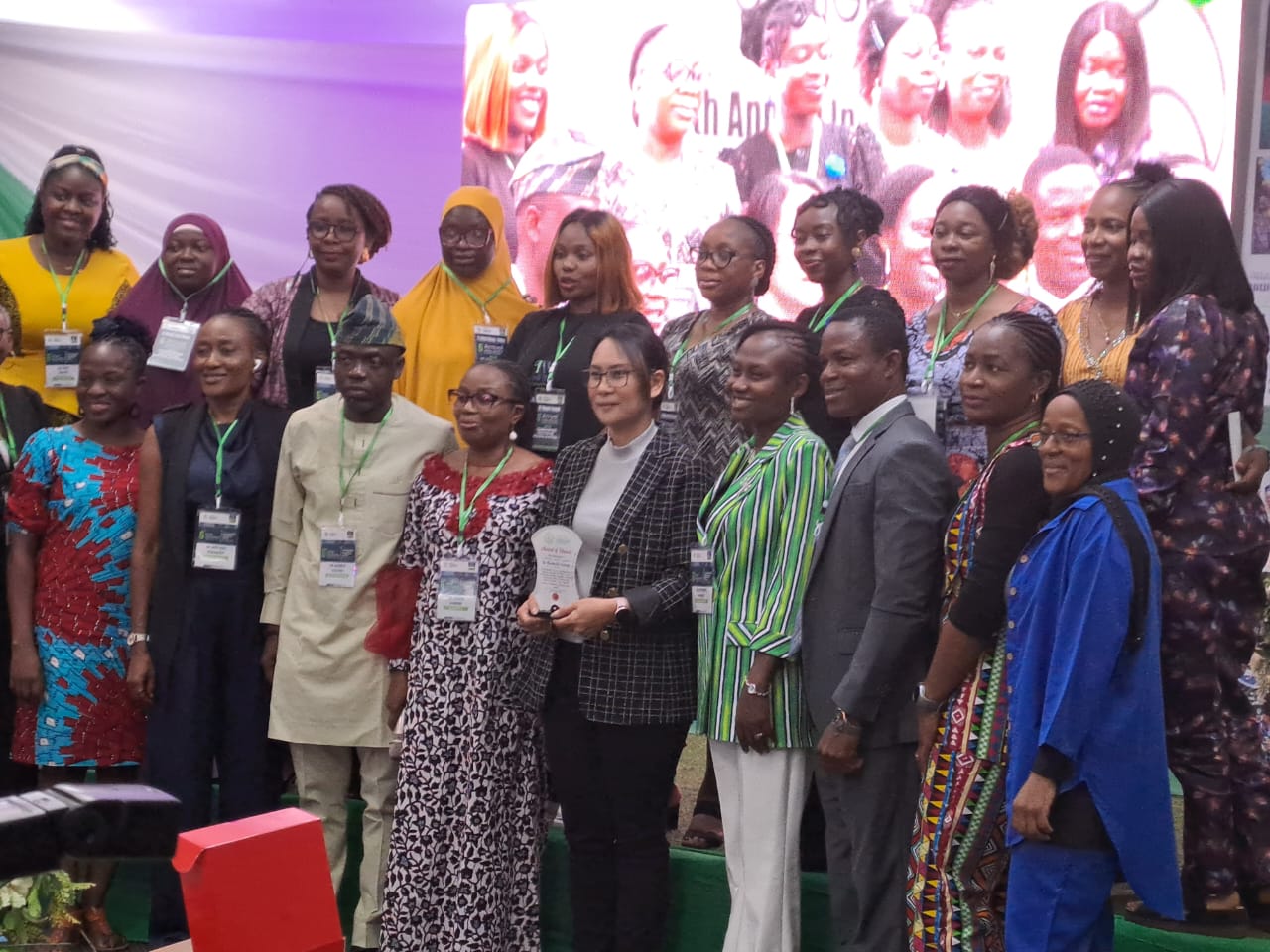
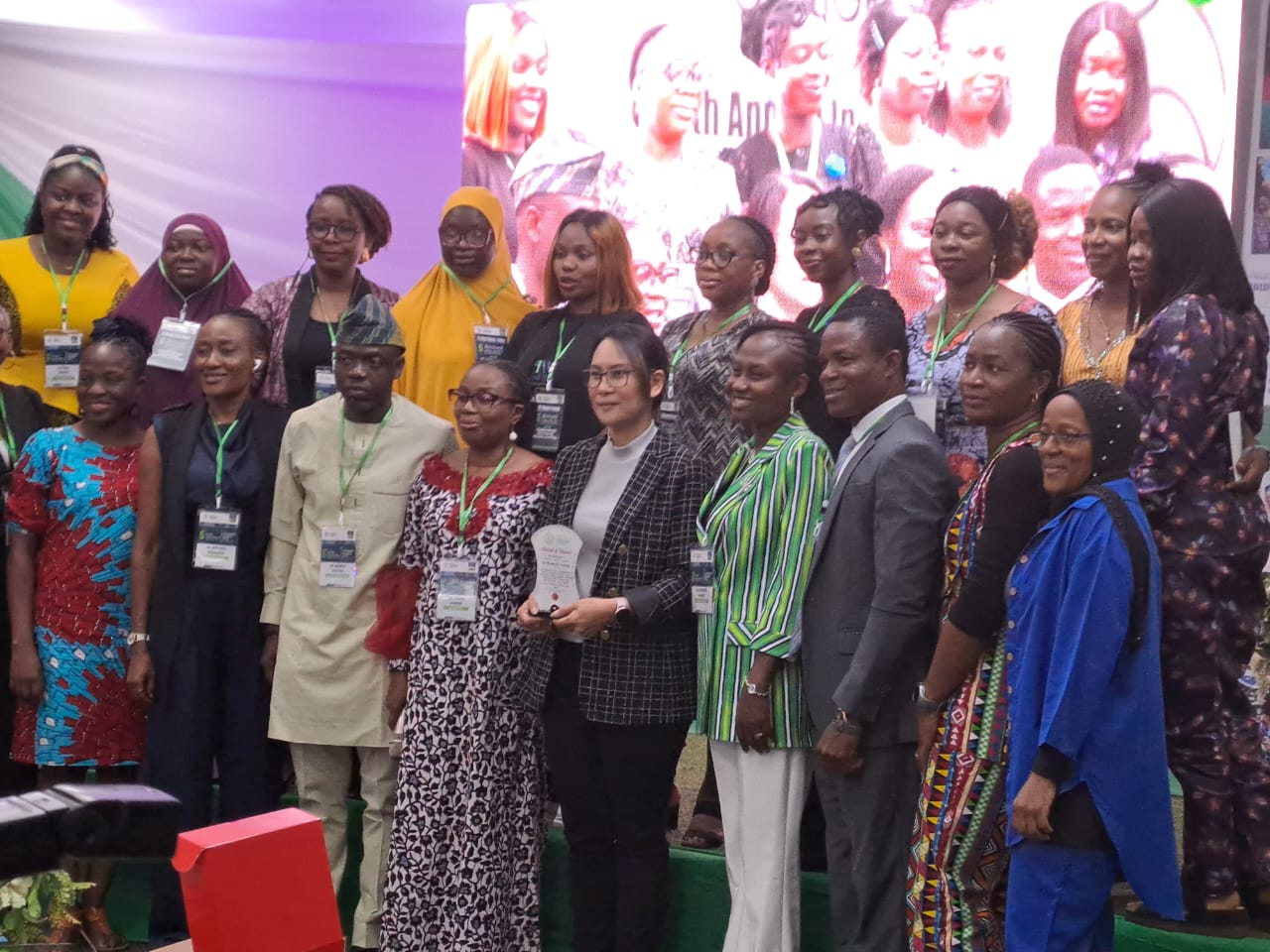
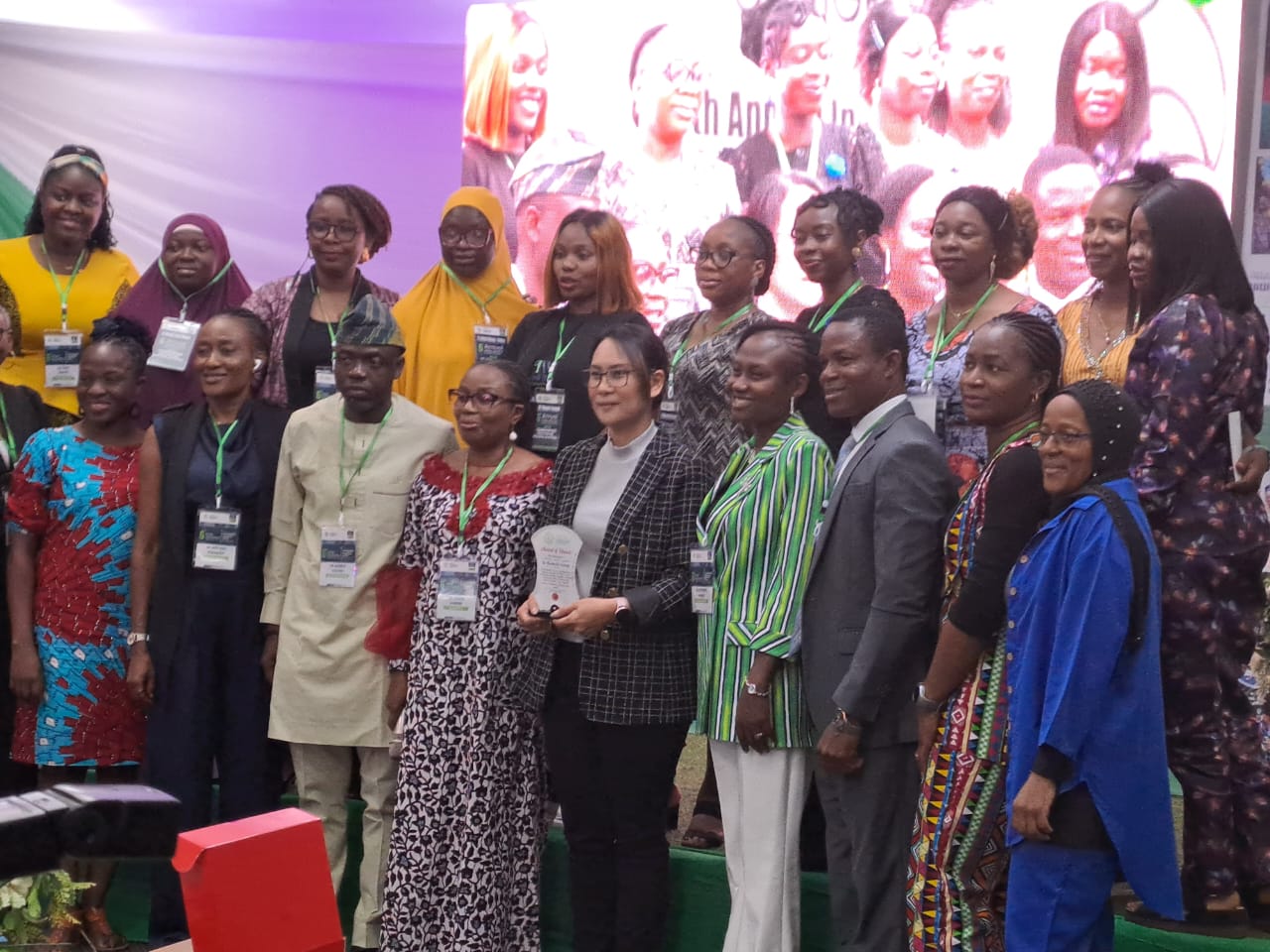
    SOLONG's 6th annual International Scientific Conference
    SOLONG’s 6th annual International Scientific Conference

    DREAMS, according to her, stands for “Diet, Relationships with People, Exercise, Avoidance of risky substances, Mental wellness, and Sleep.”


    Article Page with Financial Support Promotion

    Nigerians need credible journalism. Help us report it.

    Support journalism driven by facts, created by Nigerians for Nigerians. Our thorough, researched reporting relies on the support of readers like you.

    Help us maintain free and accessible news for all with a small donation.

    Every contribution guarantees that we can keep delivering important stories —no paywalls, just quality journalism.


    “The lifestyle medicine approach offers a comprehensive, evidence-based strategy to prevent and manage NCDs. It empowers individuals to take control of their health and well-being, helping to build healthier communities across the continent,” she added.

    Collective responsibility

    Also speaking at the press conference, the Chairman of SOLONg’s Board of Trustees, Ifeoma Monye, acknowledged the significant work needed to promote lifestyle medicine and emphasised the importance of collective responsibility.

    Ms Monye, a chief consultant family and lifestyle physician, noted that lifestyle
medicine
empowers
individuals
and
communities
to
take
control
of
their
health

    ALSO READ: LIFESTYLE: Five life lessons from your immune system

    She said apart from the DREAM approach, “other
strategies
to
focus include the
social
determinants
of
health,
as
well
as
the
reality
of
climate
crisis
and
communal
clashes,
without
which
our
efforts
to
spread
the
message
of
lifestyle
medicine
may
not
achieve
the
desired
transformative
results.”

    Lifestyle conference

    The three-day conference will feature keynote speakers exploring various sub-themes on innovative strategies for improving healthcare systems in Africa through sustainable lifestyle medicine approaches.

    The conference, according to SOLONG, serves as a platform for medical professionals and researchers to discuss advancements in lifestyle medicine.

    “Over
the
coming
days,
we
will
hear
from
experts,
share
best
practices,
and
explore
innovative
approaches
that
can
help
us
integrate
lifestyle
medicine
into
mainstream
healthcare
across
Nigeria
 and
Africa,” Ms Monye said.


    Support PREMIUM TIMES’ journalism of integrity and credibility

    At Premium Times, we firmly believe in the importance of high-quality journalism. Recognizing that not everyone can afford costly news subscriptions, we are dedicated to delivering meticulously researched, fact-checked news that remains freely accessible to all.

    Whether you turn to Premium Times for daily updates, in-depth investigations into pressing national issues, or entertaining trending stories, we value your readership.

    It’s essential to acknowledge that news production incurs expenses, and we take pride in never placing our stories behind a prohibitive paywall.

    Would you consider supporting us with a modest contribution on a monthly basis to help maintain our commitment to free, accessible news? 

    Make Contribution


    TEXT AD: Call Willie – +2348098788999


    PT Mag Campaign AD


    Source link

  • Nigerian society advocates prevention of chronic diseases with lifestyle medicine

    Nigerian society advocates prevention of chronic diseases with lifestyle medicine

    Amidst the rising burden of non-communicable diseases (NCDs) in Nigeria, the Society of Lifestyle Medicine of Nigeria (SOLONg) has called for a shift in the nation’s approach to healthcare, advocating for prevention through lifestyle medicine.

    According to the President of SOLONG, Moyosore Makinde, decades of research confirm that unhealthy behaviours, including poor nutrition, physical inactivity, sleep deprivation, and substance abuse, are the primary drivers of chronic diseases.

    Ms Makinde, a consultant family physician highlighted this at a media briefing for SOLONG’s 6th annual International Scientific Conference, themed, ‘Transforming Healthcare Systems in Africa: Sustainable Lifestyle Medicine Strategies,’ being held in Lagos from 28 to 30 November.

    Ms Makinde, who is also an international board-certified lifestyle medicine physician, noted that the increasing challenge of NCDs, such as diabetes, hypertension, and mental health disorders “have overwhelmed Africa’s healthcare systems.”

    Importance of lifestyle medicine

    The SOLONG President observed the need for a radical transformation in Nigeria’s medical approach, noting that “We
can
no
longer
just
 manage
symptoms;
we
must
address
the
root
causes
of
disease.”

    Ms Makinde outlined the conference’s central approach to lifestyle medicine, introducing the acronym, DREAMS, as a framework for health promotion.

    SOLONG's 6th annual International Scientific Conference
    SOLONG’s 6th annual International Scientific Conference

    DREAMS, according to her, stands for “Diet, Relationships with People, Exercise, Avoidance of risky substances, Mental wellness, and Sleep.”


    Article Page with Financial Support Promotion

    Nigerians need credible journalism. Help us report it.

    Support journalism driven by facts, created by Nigerians for Nigerians. Our thorough, researched reporting relies on the support of readers like you.

    Help us maintain free and accessible news for all with a small donation.

    Every contribution guarantees that we can keep delivering important stories —no paywalls, just quality journalism.


    “The lifestyle medicine approach offers a comprehensive, evidence-based strategy to prevent and manage NCDs. It empowers individuals to take control of their health and well-being, helping to build healthier communities across the continent,” she added.

    Collective responsibility

    Also speaking at the press conference, the Chairman of SOLONg’s Board of Trustees, Ifeoma Monye, acknowledged the significant work needed to promote lifestyle medicine and emphasised the importance of collective responsibility.

    Ms Monye, a chief consultant family and lifestyle physician, noted that lifestyle
medicine
empowers
individuals
and
communities
to
take
control
of
their
health

    ALSO READ: LIFESTYLE: Five life lessons from your immune system

    She said apart from the DREAM approach, “other
strategies
to
focus include the
social
determinants
of
health,
as
well
as
the
reality
of
climate
crisis
and
communal
clashes,
without
which
our
efforts
to
spread
the
message
of
lifestyle
medicine
may
not
achieve
the
desired
transformative
results.”

    Lifestyle conference

    The three-day conference will feature keynote speakers exploring various sub-themes on innovative strategies for improving healthcare systems in Africa through sustainable lifestyle medicine approaches.

    The conference, according to SOLONG, serves as a platform for medical professionals and researchers to discuss advancements in lifestyle medicine.

    “Over
the
coming
days,
we
will
hear
from
experts,
share
best
practices,
and
explore
innovative
approaches
that
can
help
us
integrate
lifestyle
medicine
into
mainstream
healthcare
across
Nigeria
 and
Africa,” Ms Monye said.


    Support PREMIUM TIMES’ journalism of integrity and credibility

    At Premium Times, we firmly believe in the importance of high-quality journalism. Recognizing that not everyone can afford costly news subscriptions, we are dedicated to delivering meticulously researched, fact-checked news that remains freely accessible to all.

    Whether you turn to Premium Times for daily updates, in-depth investigations into pressing national issues, or entertaining trending stories, we value your readership.

    It’s essential to acknowledge that news production incurs expenses, and we take pride in never placing our stories behind a prohibitive paywall.

    Would you consider supporting us with a modest contribution on a monthly basis to help maintain our commitment to free, accessible news? 

    Make Contribution


    TEXT AD: Call Willie – +2348098788999


    PT Mag Campaign AD


    Source link

  • Nigerian society advocates prevention of chronic diseases with lifestyle medicine

    Nigerian society advocates prevention of chronic diseases with lifestyle medicine

    Amidst the rising burden of non-communicable diseases (NCDs) in Nigeria, the Society of Lifestyle Medicine of Nigeria (SOLONg) has called for a shift in the nation’s approach to healthcare, advocating for prevention through lifestyle medicine.

    According to the President of SOLONG, Moyosore Makinde, decades of research confirm that unhealthy behaviours, including poor nutrition, physical inactivity, sleep deprivation, and substance abuse, are the primary drivers of chronic diseases.

    Ms Makinde, a consultant family physician highlighted this at a media briefing for SOLONG’s 6th annual International Scientific Conference, themed, ‘Transforming Healthcare Systems in Africa: Sustainable Lifestyle Medicine Strategies,’ being held in Lagos from 28 to 30 November.

    Ms Makinde, who is also an international board-certified lifestyle medicine physician, noted that the increasing challenge of NCDs, such as diabetes, hypertension, and mental health disorders “have overwhelmed Africa’s healthcare systems.”

    Importance of lifestyle medicine

    The SOLONG President observed the need for a radical transformation in Nigeria’s medical approach, noting that “We
can
no
longer
just
 manage
symptoms;
we
must
address
the
root
causes
of
disease.”

    Ms Makinde outlined the conference’s central approach to lifestyle medicine, introducing the acronym, DREAMS, as a framework for health promotion.

    SOLONG's 6th annual International Scientific Conference
    SOLONG’s 6th annual International Scientific Conference

    DREAMS, according to her, stands for “Diet, Relationships with People, Exercise, Avoidance of risky substances, Mental wellness, and Sleep.”


    Article Page with Financial Support Promotion

    Nigerians need credible journalism. Help us report it.

    Support journalism driven by facts, created by Nigerians for Nigerians. Our thorough, researched reporting relies on the support of readers like you.

    Help us maintain free and accessible news for all with a small donation.

    Every contribution guarantees that we can keep delivering important stories —no paywalls, just quality journalism.


    “The lifestyle medicine approach offers a comprehensive, evidence-based strategy to prevent and manage NCDs. It empowers individuals to take control of their health and well-being, helping to build healthier communities across the continent,” she added.

    Collective responsibility

    Also speaking at the press conference, the Chairman of SOLONg’s Board of Trustees, Ifeoma Monye, acknowledged the significant work needed to promote lifestyle medicine and emphasised the importance of collective responsibility.

    Ms Monye, a chief consultant family and lifestyle physician, noted that lifestyle
medicine
empowers
individuals
and
communities
to
take
control
of
their
health

    ALSO READ: LIFESTYLE: Five life lessons from your immune system

    She said apart from the DREAM approach, “other
strategies
to
focus include the
social
determinants
of
health,
as
well
as
the
reality
of
climate
crisis
and
communal
clashes,
without
which
our
efforts
to
spread
the
message
of
lifestyle
medicine
may
not
achieve
the
desired
transformative
results.”

    Lifestyle conference

    The three-day conference will feature keynote speakers exploring various sub-themes on innovative strategies for improving healthcare systems in Africa through sustainable lifestyle medicine approaches.

    The conference, according to SOLONG, serves as a platform for medical professionals and researchers to discuss advancements in lifestyle medicine.

    “Over
the
coming
days,
we
will
hear
from
experts,
share
best
practices,
and
explore
innovative
approaches
that
can
help
us
integrate
lifestyle
medicine
into
mainstream
healthcare
across
Nigeria
 and
Africa,” Ms Monye said.


    Support PREMIUM TIMES’ journalism of integrity and credibility

    At Premium Times, we firmly believe in the importance of high-quality journalism. Recognizing that not everyone can afford costly news subscriptions, we are dedicated to delivering meticulously researched, fact-checked news that remains freely accessible to all.

    Whether you turn to Premium Times for daily updates, in-depth investigations into pressing national issues, or entertaining trending stories, we value your readership.

    It’s essential to acknowledge that news production incurs expenses, and we take pride in never placing our stories behind a prohibitive paywall.

    Would you consider supporting us with a modest contribution on a monthly basis to help maintain our commitment to free, accessible news? 

    Make Contribution


    TEXT AD: Call Willie – +2348098788999


    PT Mag Campaign AD


    Source link

  • Nigerian society advocates prevention of chronic diseases with lifestyle medicine

    Nigerian society advocates prevention of chronic diseases with lifestyle medicine

    Amidst the rising burden of non-communicable diseases (NCDs) in Nigeria, the Society of Lifestyle Medicine of Nigeria (SOLONg) has called for a shift in the nation’s approach to healthcare, advocating for prevention through lifestyle medicine.

    According to the President of SOLONG, Moyosore Makinde, decades of research confirm that unhealthy behaviours, including poor nutrition, physical inactivity, sleep deprivation, and substance abuse, are the primary drivers of chronic diseases.

    Ms Makinde, a consultant family physician highlighted this at a media briefing for SOLONG’s 6th annual International Scientific Conference, themed, ‘Transforming Healthcare Systems in Africa: Sustainable Lifestyle Medicine Strategies,’ being held in Lagos from 28 to 30 November.

    Ms Makinde, who is also an international board-certified lifestyle medicine physician, noted that the increasing challenge of NCDs, such as diabetes, hypertension, and mental health disorders “have overwhelmed Africa’s healthcare systems.”

    Importance of lifestyle medicine

    The SOLONG President observed the need for a radical transformation in Nigeria’s medical approach, noting that “We
can
no
longer
just
 manage
symptoms;
we
must
address
the
root
causes
of
disease.”

    Ms Makinde outlined the conference’s central approach to lifestyle medicine, introducing the acronym, DREAMS, as a framework for health promotion.

    SOLONG's 6th annual International Scientific Conference
    SOLONG’s 6th annual International Scientific Conference

    DREAMS, according to her, stands for “Diet, Relationships with People, Exercise, Avoidance of risky substances, Mental wellness, and Sleep.”


    Article Page with Financial Support Promotion

    Nigerians need credible journalism. Help us report it.

    Support journalism driven by facts, created by Nigerians for Nigerians. Our thorough, researched reporting relies on the support of readers like you.

    Help us maintain free and accessible news for all with a small donation.

    Every contribution guarantees that we can keep delivering important stories —no paywalls, just quality journalism.


    “The lifestyle medicine approach offers a comprehensive, evidence-based strategy to prevent and manage NCDs. It empowers individuals to take control of their health and well-being, helping to build healthier communities across the continent,” she added.

    Collective responsibility

    Also speaking at the press conference, the Chairman of SOLONg’s Board of Trustees, Ifeoma Monye, acknowledged the significant work needed to promote lifestyle medicine and emphasised the importance of collective responsibility.

    Ms Monye, a chief consultant family and lifestyle physician, noted that lifestyle
medicine
empowers
individuals
and
communities
to
take
control
of
their
health

    ALSO READ: LIFESTYLE: Five life lessons from your immune system

    She said apart from the DREAM approach, “other
strategies
to
focus include the
social
determinants
of
health,
as
well
as
the
reality
of
climate
crisis
and
communal
clashes,
without
which
our
efforts
to
spread
the
message
of
lifestyle
medicine
may
not
achieve
the
desired
transformative
results.”

    Lifestyle conference

    The three-day conference will feature keynote speakers exploring various sub-themes on innovative strategies for improving healthcare systems in Africa through sustainable lifestyle medicine approaches.

    The conference, according to SOLONG, serves as a platform for medical professionals and researchers to discuss advancements in lifestyle medicine.

    “Over
the
coming
days,
we
will
hear
from
experts,
share
best
practices,
and
explore
innovative
approaches
that
can
help
us
integrate
lifestyle
medicine
into
mainstream
healthcare
across
Nigeria
 and
Africa,” Ms Monye said.


    Support PREMIUM TIMES’ journalism of integrity and credibility

    At Premium Times, we firmly believe in the importance of high-quality journalism. Recognizing that not everyone can afford costly news subscriptions, we are dedicated to delivering meticulously researched, fact-checked news that remains freely accessible to all.

    Whether you turn to Premium Times for daily updates, in-depth investigations into pressing national issues, or entertaining trending stories, we value your readership.

    It’s essential to acknowledge that news production incurs expenses, and we take pride in never placing our stories behind a prohibitive paywall.

    Would you consider supporting us with a modest contribution on a monthly basis to help maintain our commitment to free, accessible news? 

    Make Contribution


    TEXT AD: Call Willie – +2348098788999


    PT Mag Campaign AD


    Source link

  • Nigerian society advocates prevention of chronic diseases with lifestyle medicine

    Nigerian society advocates prevention of chronic diseases with lifestyle medicine

    Amidst the rising burden of non-communicable diseases (NCDs) in Nigeria, the Society of Lifestyle Medicine of Nigeria (SOLONg) has called for a shift in the nation’s approach to healthcare, advocating for prevention through lifestyle medicine.

    According to the President of SOLONG, Moyosore Makinde, decades of research confirm that unhealthy behaviours, including poor nutrition, physical inactivity, sleep deprivation, and substance abuse, are the primary drivers of chronic diseases.

    Ms Makinde, a consultant family physician highlighted this at a media briefing for SOLONG’s 6th annual International Scientific Conference, themed, ‘Transforming Healthcare Systems in Africa: Sustainable Lifestyle Medicine Strategies,’ being held in Lagos from 28 to 30 November.

    Ms Makinde, who is also an international board-certified lifestyle medicine physician, noted that the increasing challenge of NCDs, such as diabetes, hypertension, and mental health disorders “have overwhelmed Africa’s healthcare systems.”

    Importance of lifestyle medicine

    The SOLONG President observed the need for a radical transformation in Nigeria’s medical approach, noting that “We
can
no
longer
just
 manage
symptoms;
we
must
address
the
root
causes
of
disease.”

    Ms Makinde outlined the conference’s central approach to lifestyle medicine, introducing the acronym, DREAMS, as a framework for health promotion.

    SOLONG's 6th annual International Scientific Conference
    SOLONG’s 6th annual International Scientific Conference

    DREAMS, according to her, stands for “Diet, Relationships with People, Exercise, Avoidance of risky substances, Mental wellness, and Sleep.”


    Article Page with Financial Support Promotion

    Nigerians need credible journalism. Help us report it.

    Support journalism driven by facts, created by Nigerians for Nigerians. Our thorough, researched reporting relies on the support of readers like you.

    Help us maintain free and accessible news for all with a small donation.

    Every contribution guarantees that we can keep delivering important stories —no paywalls, just quality journalism.


    “The lifestyle medicine approach offers a comprehensive, evidence-based strategy to prevent and manage NCDs. It empowers individuals to take control of their health and well-being, helping to build healthier communities across the continent,” she added.

    Collective responsibility

    Also speaking at the press conference, the Chairman of SOLONg’s Board of Trustees, Ifeoma Monye, acknowledged the significant work needed to promote lifestyle medicine and emphasised the importance of collective responsibility.

    Ms Monye, a chief consultant family and lifestyle physician, noted that lifestyle
medicine
empowers
individuals
and
communities
to
take
control
of
their
health

    ALSO READ: LIFESTYLE: Five life lessons from your immune system

    She said apart from the DREAM approach, “other
strategies
to
focus include the
social
determinants
of
health,
as
well
as
the
reality
of
climate
crisis
and
communal
clashes,
without
which
our
efforts
to
spread
the
message
of
lifestyle
medicine
may
not
achieve
the
desired
transformative
results.”

    Lifestyle conference

    The three-day conference will feature keynote speakers exploring various sub-themes on innovative strategies for improving healthcare systems in Africa through sustainable lifestyle medicine approaches.

    The conference, according to SOLONG, serves as a platform for medical professionals and researchers to discuss advancements in lifestyle medicine.

    “Over
the
coming
days,
we
will
hear
from
experts,
share
best
practices,
and
explore
innovative
approaches
that
can
help
us
integrate
lifestyle
medicine
into
mainstream
healthcare
across
Nigeria
 and
Africa,” Ms Monye said.


    Support PREMIUM TIMES’ journalism of integrity and credibility

    At Premium Times, we firmly believe in the importance of high-quality journalism. Recognizing that not everyone can afford costly news subscriptions, we are dedicated to delivering meticulously researched, fact-checked news that remains freely accessible to all.

    Whether you turn to Premium Times for daily updates, in-depth investigations into pressing national issues, or entertaining trending stories, we value your readership.

    It’s essential to acknowledge that news production incurs expenses, and we take pride in never placing our stories behind a prohibitive paywall.

    Would you consider supporting us with a modest contribution on a monthly basis to help maintain our commitment to free, accessible news? 

    Make Contribution


    TEXT AD: Call Willie – +2348098788999


    PT Mag Campaign AD


    Source link