hacklink hack forum hacklink film izle hacklink marsbahisizmir escortsahabetpornJojobetcasibom girişgalabetBakırköy Escortcasibom9018betgit casinomarsbahismatbet girişcasibomlink 5k depositjojobetonwinmatbetalobet

Tag: FSSAI

  • Eastern Railway Promotes Safer, Healthier Food At Stations With FSSAI Training

    Eastern Railway Promotes Safer, Healthier Food At Stations With FSSAI Training

    In an important step towards promoting safer and healthier food at railway stations, Eastern Railway (ER) recently conducted a comprehensive Food Safety Training and Certification (FoSTaC) session. Held on December 29, 2023, this initiative aims to enhance food safety standards across ER’s vast network of stations, canteens, and other establishments. The workshop is part of the nationwide “Eat Right Campus and Station” campaign, spearheaded by the Food Safety and Standards Authority of India (FSSAI).

    This training session, hosted at the Joint Food Safety Commissioner’s office in Kolkata, was attended by senior officials from Eastern Railway and the Indian Railway Catering and Tourism Corporation (IRCTC). Among the attendees were Dr Anupam Sett, Additional Chief Medical Director of ER, Dr Sanghamitra Chatterjee, Additional Chief Medical Superintendent of ER, and Manoj Kumar Singh, Chief General Manager of IRCTC Eastern Zone. The session was led by Professor Deborshi De, a leading food safety expert, in collaboration with Parikshan, FSSAI’s training partner.

    Kausik Mitra, Chief Public Relations Officer (CPRO) of ER, highlighted that this training program was designed to support the implementation of FSSAI’s high standards for food safety. It aimed to equip Food Business Operators (FBOs) and food handlers from key stations, including the General Manager’s Staff Canteen, B.R. Singh Hospital, and stations like Kolkata, Baharampore Court, and Murshidabad, with essential skills and certification in food safety.

    The workshop covered a range of topics critical for ensuring the safety and quality of food. Participants learned about food safety regulations, hygiene practices, waste management, and the importance of promoting healthy and sustainable food. This aligns with FSSAI’s broader objectives to create awareness around nutritious, safe, and environmentally friendly food practices. The “Eat Right Campus” and “Eat Right Station” initiatives, which target campuses, hospitals, workplaces, and stations, aim to foster healthier eating habits among consumers while supporting India’s social and economic development.

    As one of the busiest and oldest railway zones in India, ER is committed to ensuring the health and safety of its passengers through various programs and initiatives. With this training, ER strengthens its efforts to provide safe, nutritious, and sustainable food across its extensive network.

    FSSAI, a statutory body under the Ministry of Health and Family Welfare, is responsible for regulating food safety in India. Through initiatives like “Eat Right Campus” and “Eat Right Station,” FSSAI continues to play a key role in promoting food safety and healthy eating habits across the country.


    Source link

  • FSSAI Instructs Online Food Delivery Companies To Ensure 45-Day Expiry Of Their Products

    FSSAI Instructs Online Food Delivery Companies To Ensure 45-Day Expiry Of Their Products

    Amid rising consumer complaints, food regulator FSSAI on Tuesday directed e-commerce players selling food items on their platforms to ensure a minimum shelf life of 30 per cent or 45 days before expiry, at the time of delivery to customers.

    According to an official statement, Food Safety & Standards Authority of India (FSSAI) convened a meeting with e-commerce Food Business operators (FBOs) to reinforce compliance requirements for e-commerce FBOs.

    “The (FSSAI) CEO asked the e-commerce FBOs to adopt practices to ensure minimum shelf life of 30 per cent or 45 days before expiry at the time of delivery to the consumer,” the statement said.

    Rao, who chaired the meeting, clarified that any product claims made on e-commerce platforms must align with the information provided on the product labels and in adherence to FSSAI’s Labelling and Display Regulations.

    He also cautioned the FBOs against making unsupported claims online.

    “This would prevent misleading information and protect consumers’ right to accurate product details,” the regulator said.

    Rao highlighted the pivotal role of online platforms in protecting consumer health and promoting transparency. He reiterated the mandate that no FBO can operate on any e-commerce platform without a valid FSSAI license or Registration, emphasizing the critical need for regulatory compliance.

    In a move to ensure safe food handling at every level, he instructed FBOs to implement proper training programs for delivery personnel, empowering them with essential food safety and hygiene protocols.

    Additionally, Rao emphasized the importance of delivering food items and non-food items separately to the consumers to avoid potential contamination.

    In his concluding remarks, the CEO, FSSAI underscored the need for all e-commerce FBOs to adhere to food safety standards diligently.

    He emphasized that a transparent, compliant, and accountable e-commerce food sector is vital for protecting consumer health and fostering confidence in digital food marketplaces.

    The session was attended by over 200 participants joined both physically and virtually from across the country, underscoring the significant commitment to strengthening food safety standards within the e-commerce sector.

    Earlier this month, the FSSAI asked state authorities to increase surveillance in warehouses of e-commerce operators and issue standard operating procedures (SoPs) for delivery personnel to ensure safe food to consumers.

    In its 45th Central Advisory Committee (CAC) meeting on November 7, States and Union Territories were urged to ramp up surveillance at popular tourist destinations to ensure heightened safety standards in preparation for the peak tourist season from November through March.

    Rao had asked “Food Commissioners of various states to step up surveillance on warehouses and other facilities utilised by e-commerce platforms.” He also asked for SOPs to be issued for such warehouses, as well as delivery personnel of these platforms.

    “States/UTs were asked to increase surveillance samples and were also asked to deploy Food Safety on Wheels mobile vans for this purpose,” the regulator said.

    (Disclaimer: Except for the headline, this story has not been edited by NDTV staff and is published from a syndicated feed.)

    Source link

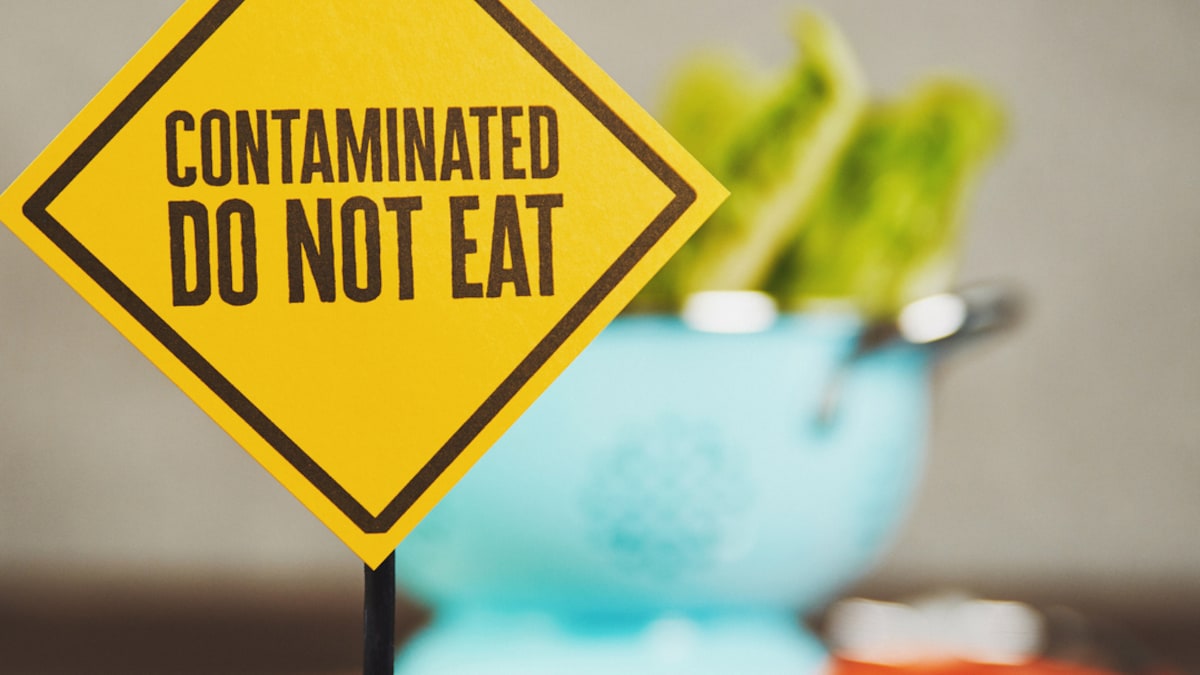
  • How To Detect If Your Food Contains Contaminants? FSSAI Explains

    How To Detect If Your Food Contains Contaminants? FSSAI Explains

    With frequent headlines about food adulteration to cut costs or outbreaks of infections from contaminated ingredients, ensuring food safety and quality has become a critical concern. By purchasing prepared food or raw ingredients from trusted sources, we can minimise our risk of consuming contaminated foods. Additionally, it is important to follow hygienic cooking, eating, and food storage practices at home. The Food Safety and Standards Authority of India (FSSAI) recently shared an Instagram post discussing different types of food contaminants and how to identify each of them. In the caption, FSSAI wrote, “Clean hands, clean surfaces, safe food! A little care goes a long way in keeping your meals safe!”

    Such knowledge can help you remain alert and aware before consuming any potentially contaminated food item:

    Here Are 3 Possible Types of Food Contamination as Shared by FSSAI:

    1. Physical Contamination

    Physical contamination occurs when a physical object enters the food during production or preparation. It can be intentional, as seen in cases of adulterated food products, or accidental due to a lack of awareness. Physical contaminants include any foreign material like stones, stems, seeds, feathers, sand, nails, dust, dirt, straw, hair, etc. Physical objects in food can be a choking hazard and harm your teeth.

    How to detect: FSSAI recommends observing the food item carefully, feeling it with your hands, and checking by washing, sieving, etc.

    Also Read:Stop Reheating Your Tea! Expert Shares 3 Ways It Could Be Harming Your Health

    2. Chemical Contamination

    Chemical contamination occurs when the food comes into contact with toxic chemicals, leading to potential chemical food poisoning. Preservatives, permitted additives beyond safety limits, pesticide residues, insecticides, reused oil, and cleaning chemicals are all examples of chemical contaminants.

    Fresh oil and used oil should not be mixed. Avoid using excessive detergent or sanitizer to clean food preparation surfaces, glassware, dishes, or cutlery. Also, rinse and dry dishes well after using detergent. Use only food-grade plastic and metals for cooking.

    How to detect: Look for unusual colour, odour and taste.

    Also Read: Sip Your Way To Better Health With These 6 Powerful Floral Teas

    3. Microbiological Contamination

    Biological or microbiological contamination occurs when food becomes contaminated by living organisms or the substances they produce. Invisible contamination in this case includes bacteria, yeast, protozoa, mould, and viruses, while visible contaminants include flies, worms, cockroaches, weevils, caterpillars, etc.

    Biological contamination can lead to foodborne illness. In this case, the disease-causing microorganisms, also called pathogens, get into food and multiply to unsafe levels before being eaten. Bacteria and other pathogens thrive in foods that are moist, high in protein or starch, or neutral in acidity.

    How to detect: Observe changes in texture, odour, and colour. Special tests are available for each.

    Follow food safety practices at home and avoid eating outside food that seems risky or even doubtful. Stay healthy!


    Source link