hacklink hack forum hacklink film izle hacklink marsbahisizmir escortsahabetpornJojobet

Tag: Fukushima

  • A robot retrieves the first melted fuel from Fukushima nuclear reactor

    A robot retrieves the first melted fuel from Fukushima nuclear reactor

    TOKYO — A remote-controlled robot has safely returned with a tiny piece of melted fuel it collected from inside one of three damaged reactors at the tsunami-hit Fukushima Daiichi nuclear power plant for the first time since the 2011 meltdown.

    The Tokyo Electric Power Company Holdings, which manages the plant, said Saturday that the extendable fishing rod-like robot successfully clipped a gravel as big as 5 millimeters (2 inches), the size of a tiny granola bit, from the top surface of a mound of molten fuel debris that sits on the bottom of the No. 2 reactor’s primary containment vessel.

    The “telesco” robot, with its frontal tongs still holding the melted fuel bit, returned to the enclosed container for safe storage after workers in full hazmat gear pulled it out of the containment vessel earlier Saturday.

    The sample return marks the first time the melted fuel is retrieved out of the containment vessel. But the mission is not over until it’s certain that the sample’s radioactivity is below a set standard and safely placed into a container.

    If the radioactivity exceeds the limit, the robot must go back inside the reactor to find another piece. TEPCO officials said they expect the piece is small enough to meet the requirement.

    The mission initially started in August for what was supposed to be a two-week round trip but had been suspended twice due to mishaps.

    First one was the procedural mistake at the beginning that held up the work for nearly three weeks, then the robot’s two cameras designed to transmit views of the target areas for its operators in the remote control room failed. The camera problem required the robot to be pulled out all the way for replacement before the mission resumed Monday.

    Fukushima Daiichi lost its key cooling systems during the 2011 earthquake and tsunami, causing meltdowns in its three reactors. An estimated 880 tons of fatally radioactive molten fuel remains in them, and TEPCO has carried out a number of robotic probes to figure out how to decommission the plant.

    Telesco on Wednesday successfully clipped a piece presumably measuring less than 3 grams (0.1 ounce) from the planned area right underneath the Unit 2 reactor core, from which large amounts of melted fuel fell during the meltdown 13 years ago, TEPCO said.

    Plant chief Akira Ono said only the tiny spec can provide key data to plan decommissioning strategy, develop necessary technology and robots and retroactively learn how the accident had developed.

    The government and TEPCO have set a 30-to-40-year target for the cleanup, which experts say is overly optimistic and should be updated.

    No specific plans for the full removal of the fuel debris or its final disposal have been decided.

    Source link

  • TEPCO ex-chair at time of Fukushima nuclear disaster dies at 84 while on trial over responsibility

    TEPCO ex-chair at time of Fukushima nuclear disaster dies at 84 while on trial over responsibility

    TOKYO — Tokyo Electric Power Company Holdings’ former chairperson, who led the emergency response after a meltdown at its Fukushima Daiichi nuclear plant and was accused of being responsible for failing to prevent the disaster as top management, has died, with his trials still pending. He was 84.

    Tsunehisa Katsumata died on Oct. 21, TEPCO said Thursday, without providing further details including the cause of his death.

    Katsumata was TEPCO chair when Fukushima Daiichi was hit by a magnitude 9.0 earthquake and tsunami in March 2011 and suffered triple meltdowns. He led the emergency response after the company’s then-president stepped down due to health problems and served until mid-2012.

    He later became one of the defendants in high-profile criminal and civil lawsuits seeking TEPCO management’s responsibility over their alleged failure to anticipate the massive quake and tsunami and to take preventive measures.

    Nearly 6,000 Fukushima residents in 2012 filed the criminal complaint, accusing several former TEPCO executives, including Katsumata, of professional negligence in the death of more than 40 elderly patients during or after forced evacuations in the aftermath of the meltdown, which released large amounts of radiation to the surroundings.

    After prosecutors dropped the case, Katsumata and two other former executives were indicted in 2016 by a citizens’ inquest of prosecution and forced to stand trial in the only criminal case related to the Fukushima disaster.

    Katsumata and two co-defendants pleaded not guilty, saying predicting the tsunami was impossible, and were acquitted in the district and high court rulings. The case is now pending at the Supreme Court.

    Katsumata also faced a civil trial filed by a group of TEPCO shareholders and was ordered by the Tokyo District Court in 2022 to pay damages exceeding 13 trillion yen ($85 trillion) with three other former executives. The case is pending at Tokyo High Court.

    Katsumata, who was president of TEPCO from 2002 to 2008, was also in charge of damage control and pushing corporate governance following the utility’s earlier data coverup scandal. He joined TEPCO in 1963.

    As head of the powerful utility, Katsumata also served key posts in business organizations, such as Keidanren, and had major influence over Japanese politics and industry.

    Today, more than 13 years after the accident, Fukushima Daiichi is being decommissioned — a decades-long process that is still at an early stage.

    In recent months, TEPCO has struggled to get a first tiny amount of melted fuel debris from one of the three damaged reactors using a remote-controlled robo t. If successful, the sample’s return would be a milestone that could contribute to further research into analyzing the melted fuel and developing necessary technology to remove the 880 tons of melted fuel debris that remain inside the three reactors.

    Source link

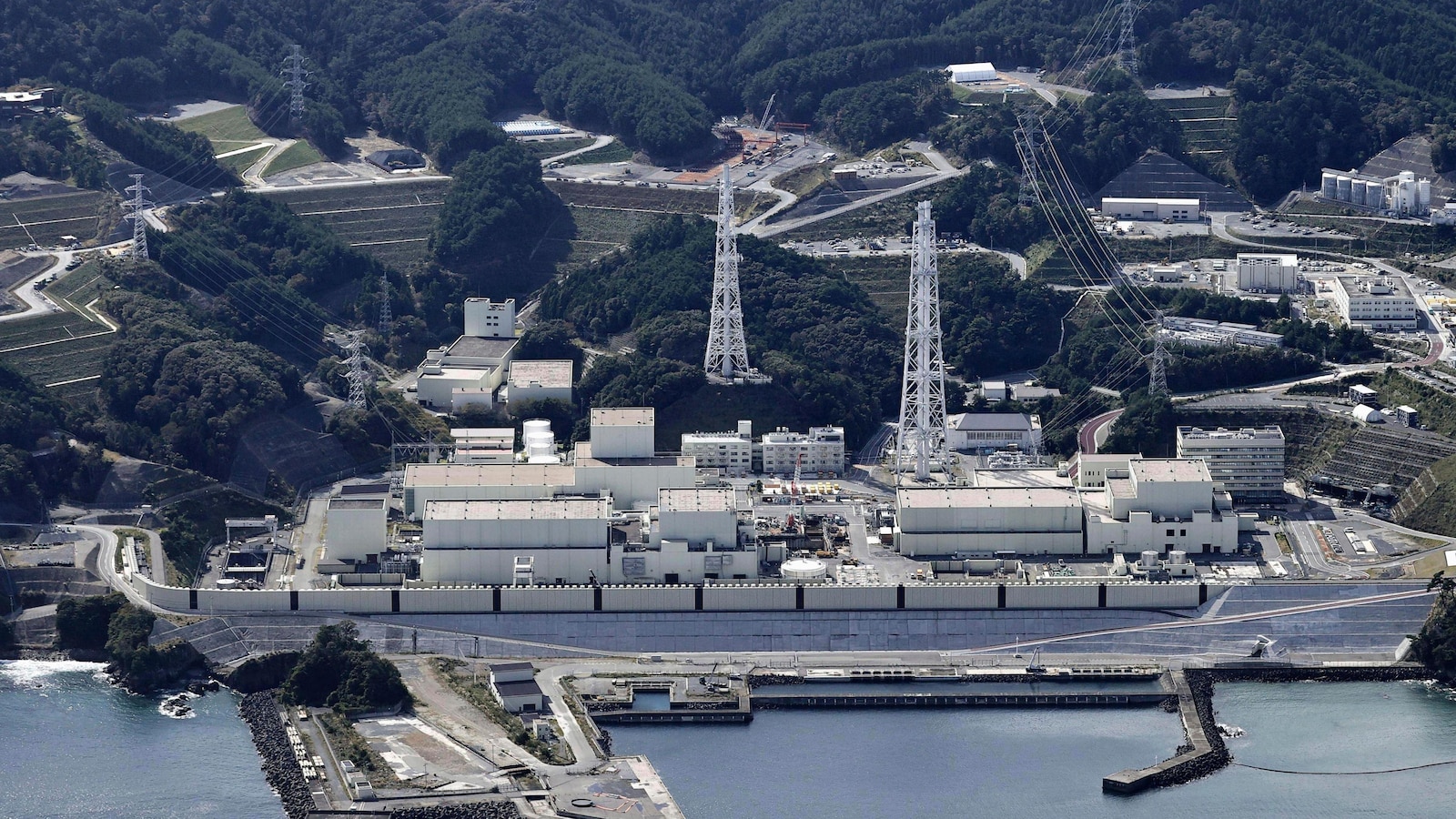
  • Japanese nuclear reactor which survived earthquake that badly damaged Fukushima power plant restarts

    Japanese nuclear reactor which survived earthquake that badly damaged Fukushima power plant restarts

    TOKYO — A Japanese nuclear reactor which survived a massive 2011 earthquake and tsunami that badly damaged the nearby Fukushima nuclear power plant was restarted Tuesday for the first time since the disaster after a safety upgrade, as the government pursues a renewed expansion of nuclear energy to provide stable power and reduce carbon emissions.

    The No. 2 reactor at the Onagawa nuclear power plant on Japan’s northern coast was put back online and is expected to start generating power in early November, operator Tohoku Electric Power Co. said.

    The reactor is one of the three at the Onagawa plant, which is 100 kilometers (62 miles) north of the Fukushima Daiichi plant where three reactors melted following a magnitude 9.0 earthquake and tsunami in March 2011, releasing large amounts of radiation.

    The Onagawa plant was hit by a 13-meter (42-foot) tsunami but was able to keep its crucial cooling systems functioning in all three reactors and achieve their safe shutdowns.

    All of Japan’s 54 commercial nuclear power plants were shut down after the Fukushima disaster for safety checks and upgrades. Onagawa No. 2 is the 13th of the 33 still useable reactors to return to operation. It is also the first restart in Japan of the same type of reactor damaged in Fukushima.

    Tohoku Electric President Kojiro Higuchi said the reactor’s restart highlights the area’s recovery from the disaster.

    Last year, Japan’s government adopted a plan to maximize use of nuclear energy, including accelerating restarts of closed reactors, extending the operational life of aging plants, and developing next-generation reactors, as the country struggles to secure a stable energy supply and meet its pledge to reach carbon neutrality by 2050.

    “Nuclear energy, along with renewables, is an important power source for decarbonization,” Chief Cabinet Secretary Yoshimasa Hayashi said Tuesday. “We will maximize its use while ensuring safety.”

    Restarting nuclear reactors is also increasingly important for Japan’s economic growth, Hayashi said.

    Concern about the government’s revived push for nuclear energy grew after a magnitude 7.5 earthquake hit Japan’s Noto Peninsula on Jan. 1, 2024, killing more than 400 people and damaging more than 100,000 structures. Minor damage was reported at two nuclear facilities and evacuation plans for the region were found to be inadequate.

    For the Onagawa No. 2 reactor, Tohoku Electric in 2013 began upgrading its safety, including tsunami risk estimates and anti-quake measures. It also built an anti-tsunami wall extending up to 29 meters (95 feet) above sea level, and obtained safety approval from regulators in 2020.

    Twenty-one of Japan’s nuclear reactors, including six at Fukushima Daiichi and one at Onagawa, are currently being decommissioned because their operators chose to scrap them instead of investing large amounts for additional safety equipment required under the much-stricter post-Fukushima safety standards.

    Source link

  • A robot begins removal of melted fuel from the Fukushima nuclear plant. It could take a century

    A robot begins removal of melted fuel from the Fukushima nuclear plant. It could take a century

    TOKYO — A long robot entered a damaged reactor at Japan’s Fukushima nuclear power plant on Tuesday, beginning a two-week, high-stakes mission to retrieve for the first time a tiny amount of melted fuel debris from the bottom.

    The robot’s trip into the Unit 2 reactor is a crucial initial step for what comes next — a daunting, decades-long process to decommission the plant and deal with large amounts of highly radioactive melted fuel inside three reactors that were damaged by a massive earthquake and tsunami in 2011. Specialists hope the robot will help them learn more about the status of the cores and the fuel debris.

    Here is an explanation of how the robot works, its mission, significance and what lies ahead as the most challenging phase of the reactor cleanup begins.

    Nuclear fuel in the reactor cores melted after the magnitude 9.0 earthquake and tsunami in March 2011 caused the Fukushima Daiichi nuclear plant’s cooling systems to fail. The melted fuel dripped down from the cores and mixed with internal reactor materials such as zirconium, stainless steel, electrical cables, broken grates and concrete around the supporting structure and at the bottom of the primary containment vessels.

    The reactor meltdowns caused the highly radioactive, lava-like material to spatter in all directions, greatly complicating the cleanup. The condition of the debris also differs in each reactor.

    Tokyo Electric Power Company Holdings, or TEPCO, which manages the plant, says an estimated 880 tons of molten fuel debris remains in the three reactors, but some experts say the amount could be larger.

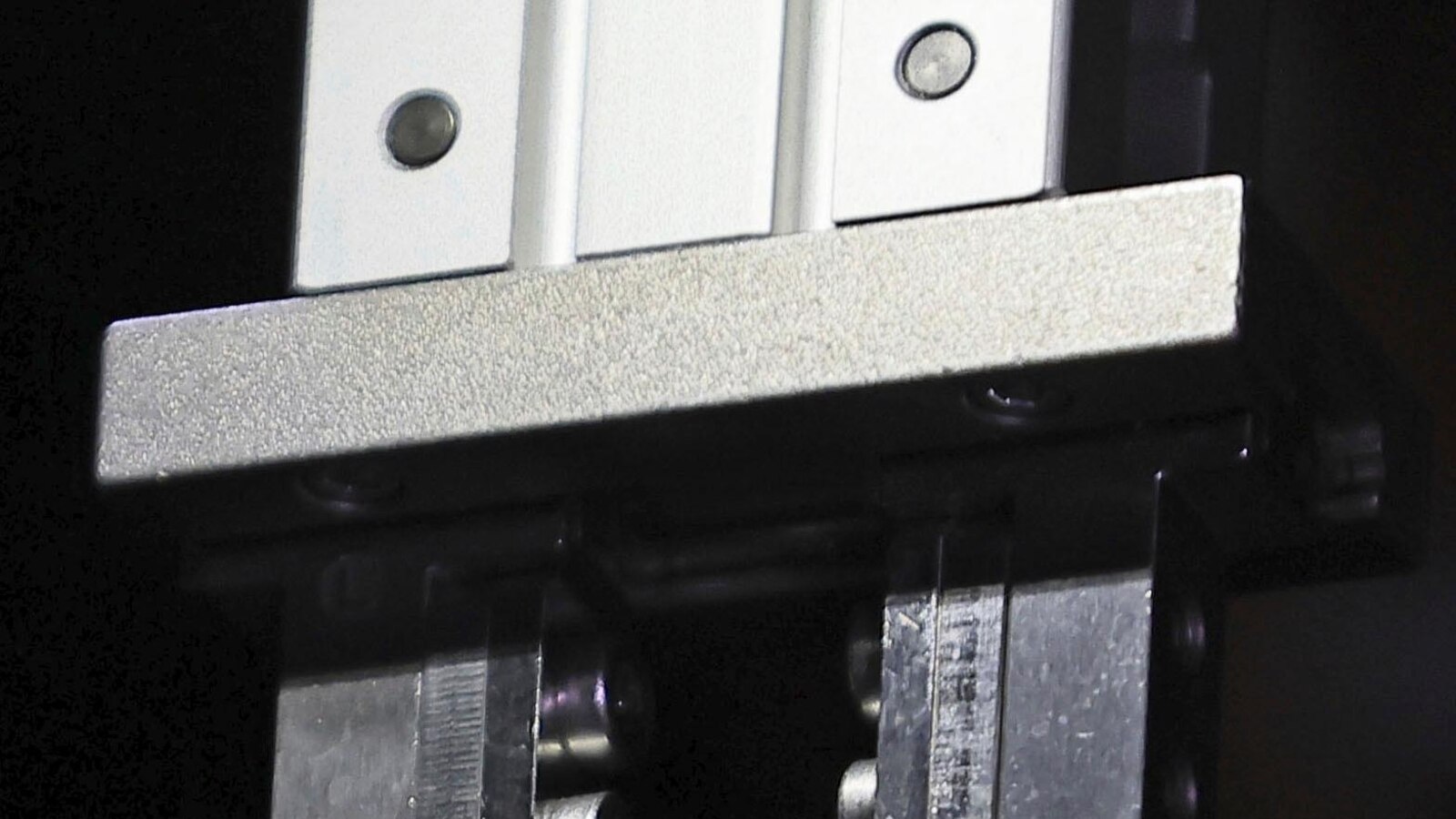
    Workers will use five 1.5-meter-long (5-foot-long) pipes connected in sequence to maneuver the robot through an entry point in the Unit 2 reactor’s primary containment vessel. The robot itself can extend about 6 meters (20 feet) inside the vessel. Once inside, it will be maneuvered remotely by operators at another building at the plant because of the fatally high radiation emitted by the melted debris.

    The front of the robot, equipped with tongs, a light and a camera, will be lowered by a cable to a mound of melted fuel debris. It will then snip off and collect a bit of the debris — less than 3 grams (0.1 ounce). The small amount is meant to minimize radiation dangers.

    The robot will then back out to the place it entered the reactor, a roundtrip journey that will take about two weeks.

    The mission takes that long because the robot must make extremely precise maneuvers to avoid hitting obstacles or getting stuck in passageways. That has happened to earlier robots.

    TEPCO is also limiting daily operations to two hours to minimize the radiation risk for workers in the reactor building. Eight six-member teams will take turns, with each group allowed to stay maximum of about 15 minutes.

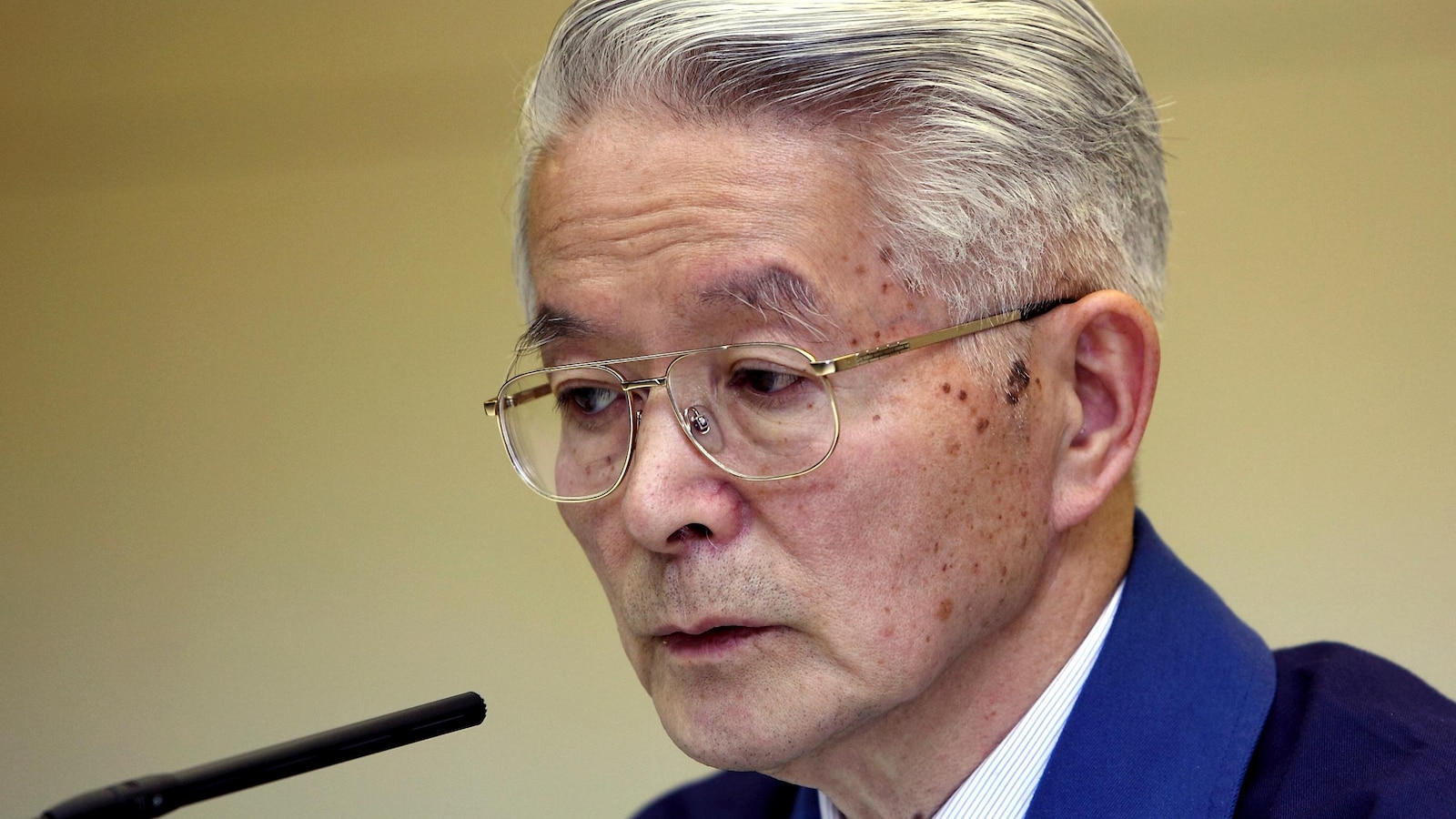
    Sampling the melted fuel debris is “an important first step,” said Lake Barrett, who led the cleanup after the 1979 disaster at the U.S. Three Mile Island nuclear plant for the Nuclear Regulatory Commission and is now a paid adviser for TEPCO’s Fukushima decommissioning.

    While the melted fuel debris has been kept cool and has stabilized, the aging of the reactors poses potential safety risks, and the melted fuel needs to be removed and relocated to a safer place for long-term storage as soon as possible, experts say.

    An understanding of the melted fuel debris is essential to determine how best to remove it, store it and dispose of it, according to the Japan Atomic Energy Agency.

    Experts expect the sample will also provide more clues about how exactly the meltdown 13 years ago played out, some of which is still a mystery.

    The melted fuel sample will be kept in secure canisters and sent to multiple laboratories for more detailed analysis. If the radiation level exceeds a set limit, the robot will take the sample back into the reactor.

    “It’s the start of a process. It’s a long, long road ahead,” Barrett said in an online interview. “The goal is to remove the highly radioactive material, put it into engineered canisters … and put those in storage.”

    For this mission, the robot’s small tong can only reach the upper surface of the debris. The pace of the work is expected to pick up in the future as more experience is gained and robots with additional capabilities are developed.

    TEPCO will have to “probe down into the debris pile, which is over a meter (3.3 feet) thick, so you have to go down and see what’s inside,” Barrett said, noting that at Three Mile Island, the debris on the surface was very different from the material deeper inside. He said multiple samples from different locations must be collected and analyzed to better understand the melted debris and develop necessary equipment, such as stronger robots for future larger-scale removal.

    Compared to collecting a tiny sample for analysis, it will be a more difficult challenge to develop and operate robots that can cut larger chunks of melted debris into pieces and put that material into canisters for safe storage.

    There are also two other damaged reactors, Unit 1 and Unit 3, which are in worse condition and will take even longer to deal with. TEPCO plans to deploy a set of small drones in Unit 1 for a probe later this year and is developing even smaller “micro” drones for Unit 3, which is filled with a larger amount of water.

    Separately, hundreds of spent fuel rods remain in unenclosed cooling pools on the top floor of both Unit 1 and 2. This is a potential safety risk if there’s another major quake. Removal of spent fuel rods has been completed at Unit 3.

    Removal of the melted fuel was initially planned to start in late 2021 but has been delayed by technical issues, underscoring the difficulty of the process. The government says decommissioning is expected to take 30-40 years, while some experts say it could take as long as 100 years.

    Others are pushing for an entombment of the plant, as at Chernobyl after its 1986 explosion, to reduce radiation levels and risks for plant workers.

    That won’t work at the seaside Fukushima plant, Barrett says.

    “You’re in a high seismic area, you’re in a high-water area, and there are a lot of unknowns in those (reactor) buildings,” he said. “I don’t think you can just entomb it and wait.”
    Source link

  • A robot resumes mission to retrieve a piece of melted fuel from inside a damaged Fukushima reactor

    A robot resumes mission to retrieve a piece of melted fuel from inside a damaged Fukushima reactor

    An extendable robot on Tuesday resumed its entry into one of three damaged reactors at Fukushima Daiichi nuclear power plant to retrieve a fragment of melted fuel debris, nearly three weeks after its earlier attempt was suspended due to a technical issue.

    The collection of a tiny sample of the spent fuel debris from inside of the Unit 2 reactor marks the start of the most challenging part of the decadeslong decommissioning of the plant where three reactors were destroyed in the March 11, 2011, magnitude 9.0 earthquake and tsunami disaster.

    The sample-return mission, initially scheduled to begin on Aug. 22, was suspended when workers noticed that a set of five 1.5-meter (5-foot) add-on pipes to push in and maneuver the robot were in the wrong order and could not be corrected within the time limit for their radiation exposure, the plant operator Tokyo Electric Power Company Holdings said.

    The pipes were to be used to push the robot inside and pull it back out when it finished. Once inside the vessel, the robot is operated remotely from a safer location.

    The robot, nicknamed “telesco,” can extend up to about 22 meters (72 feet), including the pipes pushing it from behind, to reach its target area to collect a fragment from the surface of the melted fuel mound using a device equipped with tongs that hang from the of the robot.

    The mission to obtain the fragment and return with it is to last about two weeks.

    The mix-up, which TEPCO called a “basic mistake,” triggered disappointment and raised concerns from officials and local residents. Industry Minister Ken Saito ordered TEPCO President Tomoaki Kobayakawa a thorough investigation of the cause and preventive steps before resuming the mission.

    The pipes were brought into the Unit 2 reactor building and pre-arranged at the end of July by workers from the robot’s prime contractor and its subsidiary, but their final status was never checked until the problem was found.

    TEPCO concluded the mishap was caused by a lack of attention, checking and communication between the operator and workers on the ground. By Monday, the equipment was reassembled in the right order and ready for a retrial, the company said.

    The goal of the operation is to bring back less than 3 grams (0.1 ounce) of an estimated 880 tons of fatally radioactive molten fuel that remain in three reactors. The small sample will provide key data to develop future decommissioning methods and necessary technology and robots, experts say.

    The government and TEPCO are sticking to a 30 to 40-year cleanup target set soon after the meltdown, despite criticism it is unrealistic. No specific plans for the full removal of the melted fuel debris or its storage have been decided.

    Source link