
hacklink hack forum hacklink film izle hacklink marsbahisizmir escortsahabetpornJojobetcasibompadişahbetBakırköy Escortcasibom9018betgit casinojojobet

Tag: Heart

  • Prevent coronary heart disease through healthy lifestyle choices

    Prevent coronary heart disease through healthy lifestyle choices

    On World Heart Day, which will be observed on September 29, heart specialists from around the world will come together to discuss and pool their resources to drastically reduce the upward surge in heart diseases around the globe.

    The Sunday Observer spoke to Consultant Cardiologist Teaching Hospital, Kuliyapitiya, Dr. Wasantha K. Abeywickrama to find out more about these diseases, what had caused this frightening health trend once a disease of the elderly, but now affecting younger persons, and how they can be prevented. We also raised the questions as to why a separate day was needed to discuss these issues amidst so many other equally important and serious health topics.

    Excerpts.

    Q: Cardiovascular disease (CVDs) is now on the increase. How far should we be concerned about this unhealthy trend?

    A: Cardiovascular diseases (CVDs) are the leading cause of death globally, taking an estimated 17.9million lives each year worldwide. It is the leading cause of death in most developed countries and with a prevalence that is rapidly increasing in resource limited developing countries as well. The majority of CVD deaths are due to heart attacks and strokes, and one third of these deaths occur prematurely in people who are under 70 years of age.

    Dr. Wasantha K Abeywickrama Consultant cardiologist, 
Teaching Hospital Kuliyapitiya

    Dr. Wasantha K Abeywickrama
    Consultant cardiologist,
    Teaching Hospital Kuliyapitiya

    Healthy lifestyle habits lower the heart disease risk by 50 percent. The awareness of this number one killer is unsatisfactory globally. That’s why it is necessary to increase awareness among people worldwide. Although we cannot limit it to a single day, it is still necessary to set aside a special day for it.

    Q: What is its significance to the Sri Lankan community as a whole?

    A: On par with the world, in Sri Lanka too, coronary artery disease is the leading cause of death and strokes are the third cause of death. More than 20 percent of deaths are due to cardiovascular diseases.

    These deaths are increasing as result of increasing ageing population in Sri Lanka. These days we noticed an increasing trend of having heart attacks and strokes among young people as well.

    Therefore, it is very important to increase the awareness among our community amidst the economic crisis and unavailability of adequate resources.

    Q: How close is Sri Lanka to achieving the goal of World Health Day 2024 in educating the people on abstaining from unhealthy lifestyles and diets that lead to untimely deaths caused from heart attacks and related diseases like strokes?

    A: I feel that this is not satisfactory and we need to do more on educating the general public and even our health workers.

    Q: Since awareness-raising is the key as you rightly pointed out, and many people are still ignorant of even some of the basic facts about heart disease explain to us what Cardiovascular disease is.

    A: Cardiovascular diseases (CVDs) are a group of disorders of the heart and blood vessels. They include:

    Coronary artery disease – diseases of the blood vessels supplying the heart muscle. Cerebrovascular disease – diseases of the blood vessels supplying the brain. Peripheral arterial disease- disease of blood vessels supplying arms and legs. Other than that, it includes rheumatic heart disease and congenital heart diseases. Out of these, our main concern is coronary artery disease/ coronary heart disease, as it is a condition affecting your coronary arteries which supplies blood to your heart.

    Q: How does it occur?

    A: It occurs when a coronary artery blocks or narrows because of a build up plaque. Plaque is made up of fat, cholesterol, and other materials.

    Q: So who is most at risk of developing a heart disease?

    A: People who are aged 65 years or older are much more likely than younger people to suffer a heart attack,stroke. We as south Asians have a greater risk for it. And also, people who are having diabetes, hypertension (high blood pressure), high cholesterol, obesity and people who are smokers.

    Q: Is this something that has happened overnight, or over a period of time?

    A: Actually, this process happens over a period of time (20 years) and this process of coronary artery narrowing is called atherosclerosis. In this process, plaques are built up in the walls of coronary arteries as well as other vessels. This plaque is made up of deposits of cholesterol and other substances in the artery. Plaque buildup causes narrowing of the lumen of the arteries over time which in turn can partially or totally block the blood flow.

    Q: How could increased high blood pressure, increased blood sugar levels, being obese or overweight also lead to heart damage?

    A: Compared with people without diabetes, those with diabetes have a higher prevalence of coronary heart disease (CHD), have a greater extent of coronary ischemia, and are more likely to have a myocardial infarction (MI) and silent myocardial ischemia. Both type I and type II diabetes are powerful and independent risk factors for coronary artery disease (CAD), stroke, and peripheral arterial disease.

    Atherosclerosis accounts for virtually 80 percent of all deaths among diabetic patients. Prolonged exposure to hyperglycemia is now recognised as a major factor in the pathogenesis of atherosclerosis in diabetes. Hyperglycemia induces a large number of alterations at cellular level of vascular tissue that potentially accelerate the atherosclerotic process.

    The physical stress of hypertension on the arterial wall also results in the aggravation and acceleration of atherosclerosis, particularly of the coronary and cerebral vessels. Moreover, hypertension appears to increase the susceptibility of the small and large arteries to atherosclerose.

    Q: I have heard that many risk factors to heart diseases can be controlled or modified. What do you consider as the main risk factors for heart disease and which of them can be controlled? If so, how? Through modifying lifestyle?

    A: There are risk factors for heart disease that you have control over and others that you don’t.

    Uncontrollable risk factors for heart disease include

    Being male
    Older age
    Family history of heart disease
    Being postmenopausal

    Heart disease risk factors that you can control revolve around lifestyle. These include

    Smoking
    Unhealthy cholesterol numbers (see below)
    Uncontrolled high blood pressure
    Physical inactivity
    Obesity (having a BMI greater than 25)
    Uncontrolled diabetes
    Uncontrolled stress, depression, and anger
    Poor diet
    Alcohol use

    The most important behavioural risk factors for heart diseases and stroke are unhealthy diet, physical inactivity, tobacco use and harmful use of alcohol. The effects of behavioral risk factors may show up in individuals as raised blood pressure, raised blood glucose, raised blood lipids, and overweight and obesity.

    Cessation of tobacco use, reduction of salt in the diet, eating more fruit and vegetables, regular physical activity and avoiding harmful use of alcohol have been shown to reduce the risk of cardiovascular diseases.

    Q: You mentioned that obesity is a risk factor. In Sri Lanka we now see a sharp rise in obesity among young and old alike. So could you please tell readers how being overweight can affect them.

    A: Overweight and obesity are defined by the World Health Organization as abnormal or excessive fat that accumulate and present a risk to health.

    Q: Can obesity be measured? If so, how?

    A: It is measured in body mass index (BMI), which is a person’s weight (in kilograms) divided by the square of his or her height (in meters). A person with a BMI of 30 or more is generally considered obese. A person with a BMI equal to or more than 25 is considered overweight.

    Cardiovascular disease (CVD) mortality and morbidity has been shown to be elevated in those who are overweight, particularly with central deposition of adipose tissues. Obesity may be associated with hypertension, dyslipidemia, diabetes, or insulin resistance, and elevated levels of fibrinogen and C-reactive protein, all of which increase the risk of CVD events.

    Here are three ways that obesity contributes to heart disease.

    It changes our cholesterol levels while it increases bad cholesterol (LDL), decreases the good high density lipoproteins and it leads to high blood pressure and poor glycemic control.

    Q: How does high cholesterol lead to heart disease?

    A: With high cholesterol, you can develop fatty deposits in your blood vessels. Eventually, these deposits grow, making it difficult for blood to flow through your arteries. Sometimes, those deposits can break suddenly and form a clot that causes a heart attack or stroke.

    Factors that increase the risk of developing high cholesterol levels include too much fat in the diet, obesity,and insufficient exercise. A genetic form of high cholesterol known as familial hyperlipidemia is often difficult to control, even through diet and medication. Excessive alcohol intake can raise LDL cholesterol and also contribute to heart disease. Smoking can lower the HDL cholesterol and modify other types of cholesterol to bad forms.

    Q: Can medicinal drugs also lead to heart disease?

    A: Some drugs can increase cholesterol, including estrogen and birth control pills and antidepressants. Some diseases, including diabetes, hypothyroidism, kidney disorders, and polycystic ovarian syndrome, are associated with high cholesterol.

    Q: Smoking cigarettes and other tobacco related items is said to be the main or one of the leading causes for heart disease according to new studies. What do you say?

    A: Smoking has a large impact on heart disease and stroke. Smoking causes these effects by several mechanisms such as causing long term increase in blood pressure, increasing the heart rate , increasing the process of atherosclerosis and damaging the blood vessels and also by reducing the amount of oxygen that reaches the tissues.

    Passive smoking can cause coronary artery disease and stroke. Also, it poses health hazards to pregnant women, infants and young children as well.

    Q: Currently we are seeing a rapid inflow of illegal hard drugs into the country. The common opinion of specialists is that using certain drugs increases risks of heart disease? If so, cite a few commonly used.

    A: Some drugs and chemical substances can cause MI, and their mechanisms can be different: from a direct toxic effect on cardiomyocytes to probably the most common mechanism, which is vasospasm. There are cases of MI caused by chemotherapeutics. Also it is well known that the risk of MI after using such substances like ecstasy, methamphetamine, LSD, cocaine, heroin, cannabis and volatile substances (propane-butane).

    The consumption of recreational drugs has reached epidemic proportions targeting mainly young people. Drug use is commonly associated with complications, including an increased risk of premature death. In particular, recreational drugs have profound effects on cardiovascular function.

    Q: We are now living in a fast paced age driven by the pressure of performing par excellence in our work place, school. Could this stress lead to heart disease?

    A: According to the studies many psychosocial factors such as anger, anxiety, depression and stress have association with coronary artery disease.

    Anger cause increased production of stress hormones called catecholamines. These increase blood pressure and play a role in forming artery clogging plaque.

    Q: Alcohol? Can excessive alcohol intake lead to heart disease? If so, how?

    A: Heavy drinking, on the other hand, is linked to a number of poor health outcomes, including heart conditions. Excessive alcohol intake can lead to high blood pressure, heart failure or stroke. Also, it can cause cardiomyopathy, a disorder that affects heart muscle and rhythm abnormalities.

    Q: How important is a healthy nutritious diet to laying the foundation for healthy hearts?

    A: It’s very important. Healthy food choices can extend longevity and reduce the risk of cardiovascular disease, diabetes, hypertension and it helps with weight management and improve health related quality of life.

    Q: If one wants to prevent a likelihood of heart disease what is the advice you will give? What are the key factors to preventing heart disease?

    A: 50-80 percent of premature heart attacks and strokes are preventable. That’s why preventive measures are so important. Healthy diet.regular physical activity, not using tobacco products are keys for prevention. Checking and controlling risk factors for heart disease and stroke such as high blood pressure, high cholesterol and high blood sugar is also very important.

    Q: If detected and treated early can their harmful impacts be reduced or eliminated?

    A: If you have the gumption to make changes to your lifestyle, yes you can indeed reverse coronary artery disease.

    Q: Treatment-wise how do you treat a heart patient? Is it a blanket treatment for all or tailor made for each specific need of every patient?

    A: It is tailor-made treatment to suit individual conditions. We follow evidence based practice and the current recommendation which are published international guidelines.

    Q: Now that we have moved towards a hi-tech age, what are the most recent interventions for diagnosis/ treatment available for Lankan heart patients?

    A: Cardiac catheterisation and angiogram which is a diagnostic and therapeutic procedure.

    In this procedure a catheter is gently guided to the heart. X-rays help guide it. Dye flows through the catheter. The dye helps blood vessels show up better on the images and outlines any blockages. Andstents are placed to the blockages to reestablish the flow. New technique called Drug coating balloon (DCB) used to remove the block rather than putting stent

    Rotablation can be used to remove the calcium in the plaque coronary computed tomography (CT) angiography and magnetic resonance imaging (MRI) ; these are non-invasive methods to visualize the heart and blood vessels.

    Q: Any do’s and Don’ts for our readers on how to avoid or minimise risks of heart problems?

    A: 

    Do’s

    Regular exercise as a daily routine about 30 minutes

    Adequate sleep

    Maintain healthy weight

    Manage stress

    Get done regular screening tests

    Have good glycemic control if you are a diabetic

    Attend to health care early if you have chest pain, epigastric pain or short of breath

    Don’ts

    Don’t smoke or use tobacco and consume alcohol

    Don’t bottle up frustration and depression

    Don’t neglect Diabetes

    Most importantly, don’t assume that you are not at risk.

    Don’t assume that you are having gastritis when you have chest pain


    Source link

  • Prevent coronary heart disease through healthy lifestyle choices

    Prevent coronary heart disease through healthy lifestyle choices

    On World Heart Day, which will be observed on September 29, heart specialists from around the world will come together to discuss and pool their resources to drastically reduce the upward surge in heart diseases around the globe.

    The Sunday Observer spoke to Consultant Cardiologist Teaching Hospital, Kuliyapitiya, Dr. Wasantha K. Abeywickrama to find out more about these diseases, what had caused this frightening health trend once a disease of the elderly, but now affecting younger persons, and how they can be prevented. We also raised the questions as to why a separate day was needed to discuss these issues amidst so many other equally important and serious health topics.

    Excerpts.

    Q: Cardiovascular disease (CVDs) is now on the increase. How far should we be concerned about this unhealthy trend?

    A: Cardiovascular diseases (CVDs) are the leading cause of death globally, taking an estimated 17.9million lives each year worldwide. It is the leading cause of death in most developed countries and with a prevalence that is rapidly increasing in resource limited developing countries as well. The majority of CVD deaths are due to heart attacks and strokes, and one third of these deaths occur prematurely in people who are under 70 years of age.

    Dr. Wasantha K Abeywickrama Consultant cardiologist, 
Teaching Hospital Kuliyapitiya

    Dr. Wasantha K Abeywickrama
    Consultant cardiologist,
    Teaching Hospital Kuliyapitiya

    Healthy lifestyle habits lower the heart disease risk by 50 percent. The awareness of this number one killer is unsatisfactory globally. That’s why it is necessary to increase awareness among people worldwide. Although we cannot limit it to a single day, it is still necessary to set aside a special day for it.

    Q: What is its significance to the Sri Lankan community as a whole?

    A: On par with the world, in Sri Lanka too, coronary artery disease is the leading cause of death and strokes are the third cause of death. More than 20 percent of deaths are due to cardiovascular diseases.

    These deaths are increasing as result of increasing ageing population in Sri Lanka. These days we noticed an increasing trend of having heart attacks and strokes among young people as well.

    Therefore, it is very important to increase the awareness among our community amidst the economic crisis and unavailability of adequate resources.

    Q: How close is Sri Lanka to achieving the goal of World Health Day 2024 in educating the people on abstaining from unhealthy lifestyles and diets that lead to untimely deaths caused from heart attacks and related diseases like strokes?

    A: I feel that this is not satisfactory and we need to do more on educating the general public and even our health workers.

    Q: Since awareness-raising is the key as you rightly pointed out, and many people are still ignorant of even some of the basic facts about heart disease explain to us what Cardiovascular disease is.

    A: Cardiovascular diseases (CVDs) are a group of disorders of the heart and blood vessels. They include:

    Coronary artery disease – diseases of the blood vessels supplying the heart muscle. Cerebrovascular disease – diseases of the blood vessels supplying the brain. Peripheral arterial disease- disease of blood vessels supplying arms and legs. Other than that, it includes rheumatic heart disease and congenital heart diseases. Out of these, our main concern is coronary artery disease/ coronary heart disease, as it is a condition affecting your coronary arteries which supplies blood to your heart.

    Q: How does it occur?

    A: It occurs when a coronary artery blocks or narrows because of a build up plaque. Plaque is made up of fat, cholesterol, and other materials.

    Q: So who is most at risk of developing a heart disease?

    A: People who are aged 65 years or older are much more likely than younger people to suffer a heart attack,stroke. We as south Asians have a greater risk for it. And also, people who are having diabetes, hypertension (high blood pressure), high cholesterol, obesity and people who are smokers.

    Q: Is this something that has happened overnight, or over a period of time?

    A: Actually, this process happens over a period of time (20 years) and this process of coronary artery narrowing is called atherosclerosis. In this process, plaques are built up in the walls of coronary arteries as well as other vessels. This plaque is made up of deposits of cholesterol and other substances in the artery. Plaque buildup causes narrowing of the lumen of the arteries over time which in turn can partially or totally block the blood flow.

    Q: How could increased high blood pressure, increased blood sugar levels, being obese or overweight also lead to heart damage?

    A: Compared with people without diabetes, those with diabetes have a higher prevalence of coronary heart disease (CHD), have a greater extent of coronary ischemia, and are more likely to have a myocardial infarction (MI) and silent myocardial ischemia. Both type I and type II diabetes are powerful and independent risk factors for coronary artery disease (CAD), stroke, and peripheral arterial disease.

    Atherosclerosis accounts for virtually 80 percent of all deaths among diabetic patients. Prolonged exposure to hyperglycemia is now recognised as a major factor in the pathogenesis of atherosclerosis in diabetes. Hyperglycemia induces a large number of alterations at cellular level of vascular tissue that potentially accelerate the atherosclerotic process.

    The physical stress of hypertension on the arterial wall also results in the aggravation and acceleration of atherosclerosis, particularly of the coronary and cerebral vessels. Moreover, hypertension appears to increase the susceptibility of the small and large arteries to atherosclerose.

    Q: I have heard that many risk factors to heart diseases can be controlled or modified. What do you consider as the main risk factors for heart disease and which of them can be controlled? If so, how? Through modifying lifestyle?

    A: There are risk factors for heart disease that you have control over and others that you don’t.

    Uncontrollable risk factors for heart disease include

    Being male
    Older age
    Family history of heart disease
    Being postmenopausal

    Heart disease risk factors that you can control revolve around lifestyle. These include

    Smoking
    Unhealthy cholesterol numbers (see below)
    Uncontrolled high blood pressure
    Physical inactivity
    Obesity (having a BMI greater than 25)
    Uncontrolled diabetes
    Uncontrolled stress, depression, and anger
    Poor diet
    Alcohol use

    The most important behavioural risk factors for heart diseases and stroke are unhealthy diet, physical inactivity, tobacco use and harmful use of alcohol. The effects of behavioral risk factors may show up in individuals as raised blood pressure, raised blood glucose, raised blood lipids, and overweight and obesity.

    Cessation of tobacco use, reduction of salt in the diet, eating more fruit and vegetables, regular physical activity and avoiding harmful use of alcohol have been shown to reduce the risk of cardiovascular diseases.

    Q: You mentioned that obesity is a risk factor. In Sri Lanka we now see a sharp rise in obesity among young and old alike. So could you please tell readers how being overweight can affect them.

    A: Overweight and obesity are defined by the World Health Organization as abnormal or excessive fat that accumulate and present a risk to health.

    Q: Can obesity be measured? If so, how?

    A: It is measured in body mass index (BMI), which is a person’s weight (in kilograms) divided by the square of his or her height (in meters). A person with a BMI of 30 or more is generally considered obese. A person with a BMI equal to or more than 25 is considered overweight.

    Cardiovascular disease (CVD) mortality and morbidity has been shown to be elevated in those who are overweight, particularly with central deposition of adipose tissues. Obesity may be associated with hypertension, dyslipidemia, diabetes, or insulin resistance, and elevated levels of fibrinogen and C-reactive protein, all of which increase the risk of CVD events.

    Here are three ways that obesity contributes to heart disease.

    It changes our cholesterol levels while it increases bad cholesterol (LDL), decreases the good high density lipoproteins and it leads to high blood pressure and poor glycemic control.

    Q: How does high cholesterol lead to heart disease?

    A: With high cholesterol, you can develop fatty deposits in your blood vessels. Eventually, these deposits grow, making it difficult for blood to flow through your arteries. Sometimes, those deposits can break suddenly and form a clot that causes a heart attack or stroke.

    Factors that increase the risk of developing high cholesterol levels include too much fat in the diet, obesity,and insufficient exercise. A genetic form of high cholesterol known as familial hyperlipidemia is often difficult to control, even through diet and medication. Excessive alcohol intake can raise LDL cholesterol and also contribute to heart disease. Smoking can lower the HDL cholesterol and modify other types of cholesterol to bad forms.

    Q: Can medicinal drugs also lead to heart disease?

    A: Some drugs can increase cholesterol, including estrogen and birth control pills and antidepressants. Some diseases, including diabetes, hypothyroidism, kidney disorders, and polycystic ovarian syndrome, are associated with high cholesterol.

    Q: Smoking cigarettes and other tobacco related items is said to be the main or one of the leading causes for heart disease according to new studies. What do you say?

    A: Smoking has a large impact on heart disease and stroke. Smoking causes these effects by several mechanisms such as causing long term increase in blood pressure, increasing the heart rate , increasing the process of atherosclerosis and damaging the blood vessels and also by reducing the amount of oxygen that reaches the tissues.

    Passive smoking can cause coronary artery disease and stroke. Also, it poses health hazards to pregnant women, infants and young children as well.

    Q: Currently we are seeing a rapid inflow of illegal hard drugs into the country. The common opinion of specialists is that using certain drugs increases risks of heart disease? If so, cite a few commonly used.

    A: Some drugs and chemical substances can cause MI, and their mechanisms can be different: from a direct toxic effect on cardiomyocytes to probably the most common mechanism, which is vasospasm. There are cases of MI caused by chemotherapeutics. Also it is well known that the risk of MI after using such substances like ecstasy, methamphetamine, LSD, cocaine, heroin, cannabis and volatile substances (propane-butane).

    The consumption of recreational drugs has reached epidemic proportions targeting mainly young people. Drug use is commonly associated with complications, including an increased risk of premature death. In particular, recreational drugs have profound effects on cardiovascular function.

    Q: We are now living in a fast paced age driven by the pressure of performing par excellence in our work place, school. Could this stress lead to heart disease?

    A: According to the studies many psychosocial factors such as anger, anxiety, depression and stress have association with coronary artery disease.

    Anger cause increased production of stress hormones called catecholamines. These increase blood pressure and play a role in forming artery clogging plaque.

    Q: Alcohol? Can excessive alcohol intake lead to heart disease? If so, how?

    A: Heavy drinking, on the other hand, is linked to a number of poor health outcomes, including heart conditions. Excessive alcohol intake can lead to high blood pressure, heart failure or stroke. Also, it can cause cardiomyopathy, a disorder that affects heart muscle and rhythm abnormalities.

    Q: How important is a healthy nutritious diet to laying the foundation for healthy hearts?

    A: It’s very important. Healthy food choices can extend longevity and reduce the risk of cardiovascular disease, diabetes, hypertension and it helps with weight management and improve health related quality of life.

    Q: If one wants to prevent a likelihood of heart disease what is the advice you will give? What are the key factors to preventing heart disease?

    A: 50-80 percent of premature heart attacks and strokes are preventable. That’s why preventive measures are so important. Healthy diet.regular physical activity, not using tobacco products are keys for prevention. Checking and controlling risk factors for heart disease and stroke such as high blood pressure, high cholesterol and high blood sugar is also very important.

    Q: If detected and treated early can their harmful impacts be reduced or eliminated?

    A: If you have the gumption to make changes to your lifestyle, yes you can indeed reverse coronary artery disease.

    Q: Treatment-wise how do you treat a heart patient? Is it a blanket treatment for all or tailor made for each specific need of every patient?

    A: It is tailor-made treatment to suit individual conditions. We follow evidence based practice and the current recommendation which are published international guidelines.

    Q: Now that we have moved towards a hi-tech age, what are the most recent interventions for diagnosis/ treatment available for Lankan heart patients?

    A: Cardiac catheterisation and angiogram which is a diagnostic and therapeutic procedure.

    In this procedure a catheter is gently guided to the heart. X-rays help guide it. Dye flows through the catheter. The dye helps blood vessels show up better on the images and outlines any blockages. Andstents are placed to the blockages to reestablish the flow. New technique called Drug coating balloon (DCB) used to remove the block rather than putting stent

    Rotablation can be used to remove the calcium in the plaque coronary computed tomography (CT) angiography and magnetic resonance imaging (MRI) ; these are non-invasive methods to visualize the heart and blood vessels.

    Q: Any do’s and Don’ts for our readers on how to avoid or minimise risks of heart problems?

    A: 

    Do’s

    Regular exercise as a daily routine about 30 minutes

    Adequate sleep

    Maintain healthy weight

    Manage stress

    Get done regular screening tests

    Have good glycemic control if you are a diabetic

    Attend to health care early if you have chest pain, epigastric pain or short of breath

    Don’ts

    Don’t smoke or use tobacco and consume alcohol

    Don’t bottle up frustration and depression

    Don’t neglect Diabetes

    Most importantly, don’t assume that you are not at risk.

    Don’t assume that you are having gastritis when you have chest pain


    Source link

  • AWC Unveils the New Iconic Landmark of Thailand “EA” As the Largest and Highest Rooftop Lifestyle Destination in the Heart of Bangkok at The Empire

    AWC Unveils the New Iconic Landmark of Thailand “EA” As the Largest and Highest Rooftop Lifestyle Destination in the Heart of Bangkok at The Empire

    • “EA” elevates Bangkok’s dining scene to new heights, bringing the world’s top cuisine to the ultimate luxurious dining and lifestyle experiences atop the city’s most stunning rooftop, where unparalleled 360-degree views of the Bangkok skyline combined with the mesmerizing curve of the Chao Phraya River, both day and night.
    • Partnering with culinary legend Chef Nobu Matsuhisa, “EA” launches “Nobu Bangkok” in Thailand, which also holds the title of the highest Nobu restaurant in the world.
    • “EA” introduces the highest chef’s table experience in Thailand at “EA CHEF’S TABLE” by 3 Michelin-starred chefs. This unique dining experience includes the world’s first rooftop Thai restaurant by Michelin-starred Chef Ton; Chef Vicky’s first overseas venture, renowned for its modern Chinese cuisine with a French twist; and the contemporary classic Italian fine-dining restaurant by Chef Paulo.
    • This shines a spotlight on Bangkok and Thailand to the global stage as premier destinations for culinary and lifestyle experiences.

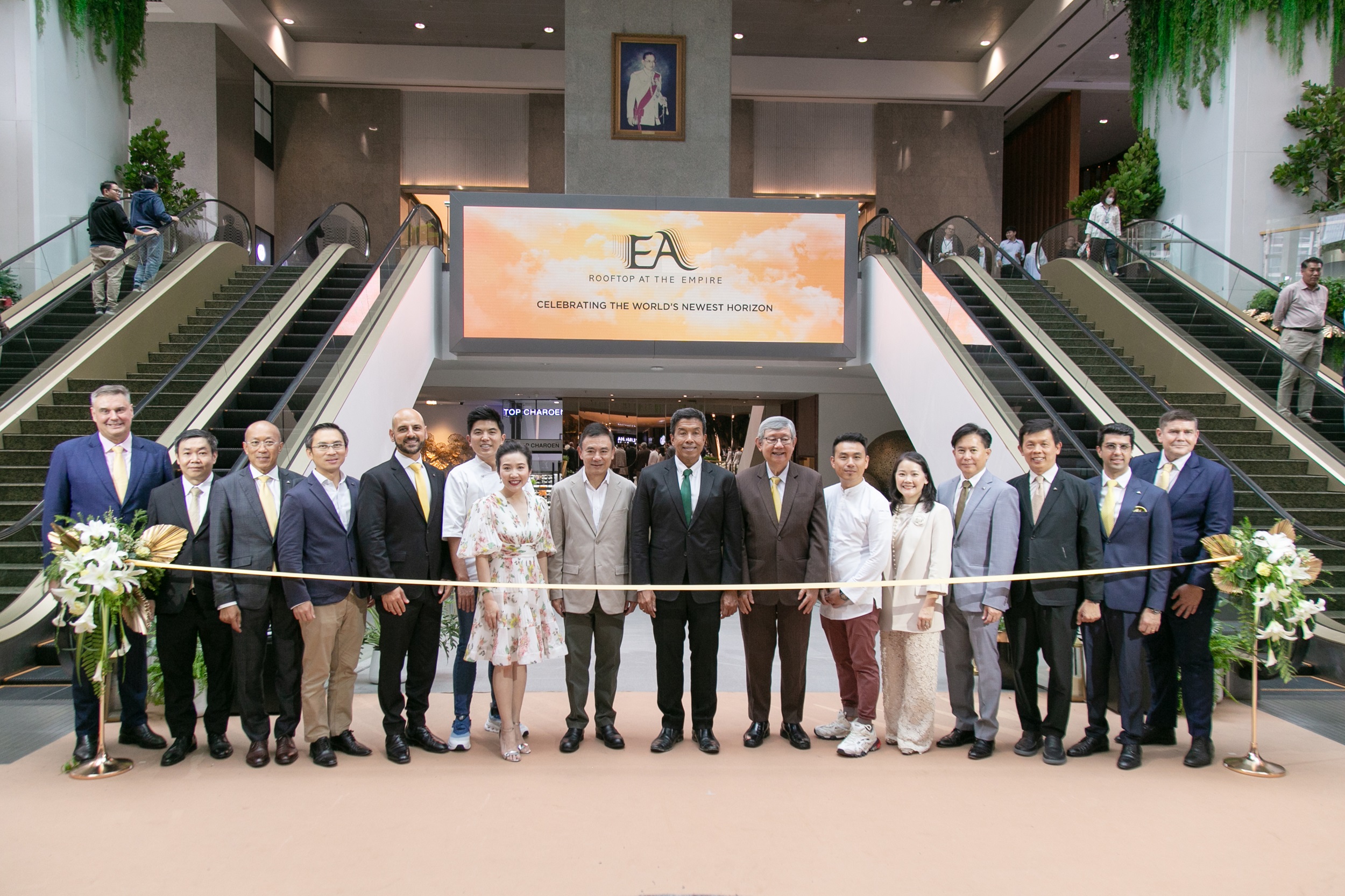
    BANGKOK, THAILAND – Media OutReach Newswire – 20 September 2024 – Asset World Corporation (AWC), Thailand’s leading integrated lifestyle real-estate group, has marked a global phenomenon by magnificently launching “EA” Rooftop at The Empire. This new iconic landmark destination of Thailand brings together world-class top cuisine, including “Nobu Bangkok”, the highest Nobu restaurant in the world and “EA CHEF’S TABLE” offering three Michelin-starred chefs experiences, and “EA Gallery”, a statement collection of leading restaurants and cafes. This will attract Thais, travelers, and food enthusiasts to experience this world-class lifestyle destination and a must-visit on Bangkok’s largest and highest lifestyle rooftop, boasting breathtaking 360-degree views of the city skyline and the Chao Phraya River, day and night. Located at “The Empire,” AWC’s flagship lifestyle office building in the strategic location of the Sathorn business district, “EA” is distinctively designed under the concept “Celebrating The World’s Newest Horizon,” redefining the food and tourism landscape of Thailand. This strengthens Bangkok as a premier destination for culinary and lifestyle experiences.

    EA Rooftop at The Empire

    EA Rooftop at The Empire

    Mrs. Wallapa Traisorat, Chief Executive Officer and President of Asset World Corporation, stated, “Today, AWC is extremely delighted to officially launch ‘EA’ Rooftop at The Empire, a lifestyle destination and AWC’s flagship project. Encompassing over 10,000 square meters, it iconizes a new landmark for Thailand, bringing world-class food and lifestyle experiences to the tourism capital of Bangkok. We have partnered with cafes, restaurants, legendary chefs, and Michelin-starred chefs to create an unforgettable dining experience through sophistications, refined decorations, and unparalleled panoramic views of Bangkok from above. AWC is confident that ‘EA’ will become a new F&B Rooftop Destination phenomenon, culminating a must-visit for both Thais and international travelers. This supports tourism in Thailand and redefines Thai food and beverage landscape globally, aligning with the company’s mission to sustainably create a new standard and opportunities for Thai real estate and tourism industries. Finally, I would like to thank our key partner, Bangkok Marriott Marquis Queen’s Park for supporting this project and managing operations and services in most restaurants at ‘EA’ ”

    EA Rooftop at The Empire - Aerial

    EA Rooftop at The Empire – Aerial

    “Nobu Bangkok,” The World’s Highest Nobu Restaurant

    “Nobu Bangkok” is the highest Nobu restaurant in the world, spanning three floors, including the rooftop of “The Empire.” It offers an extraordinary dining experience that blends traditional Japanese culinary arts with Peruvian food influences by the legendary Chef Nobu Matsuhisa. The breathtaking panoramic views of Bangkok, both day and night, add to the upscale dining journey like no others. The exceptional service and unique menu by Chef Nobu showcase his excellence in culinary, complemented by stunning design by the world-renowned Rockwell Group, inspired by both Thai and Japanese aesthetics, to deliver a distinct and unforgettable dining moments.

    EA CHEF’S TABLE” a collection of restaurants by Michelin-starred chefs

    Located on the 56th floor of “The Empire,” “EA CHEF’S TABLE” unites three exceptional restaurants, each showcasing a unique cuisine led by Michelin-starred chefs. As the highest chef’s table experience in Thailand, it offers unparalleled food and beverage experiences against the backdrop of panoramic views of Bangkok, from day to night. It comprises:”

    Le Du Kaan”: A Journey Through the Seasons of Thai Culture and Cuisine

    “Le Du Kaan”, helmed by Michelin-starred Chef Ton, Thitid Tassanakajohn, is the world’s first rooftop Thai restaurant by Michelin-starred chef. It offers a menu that blends contemporary Thai cuisine with unique storytelling, transforming each dish into a celebration of rich culture and exceptional local ingredients. The ingredients, directly sourced from Thai farmers and fishermen, are presented in a dramatic, and art-like setting. The venue includes diverse dining areas from casual dining area, chic indoor lounge, a vibrant outdoor bar, to a large outdoor terrace, making it the perfect spot to watch the sunset over Bangkok.

    Chef Ton, Thitid Tassanakajohn, stated, “I am delighted to be part of ‘EA’ where our journey of Le Du has now evolved into Le Du Kaan in this prestigious location alongside other leading Michelin-starred chefs. This mind-blowing view of Bangkok skyline and the magnificent rooftop settings create exceptional culinary experience – a true celebration of Thai cuisine and its endless possibilities. We are proud to offer a fresh perspective on our dishes at Le Du Kaan such as ‘Hot Pot Stirred Fried Beef Basil’, delivering an exclusive experience like no other.”

    K by Vicky Cheng”: A Masterpiece of Contemporary Chinese Cuisine and Chef Vicky’s First Overseas Restaurant

    Savor the exquisite flavors of contemporary French-style Chinese cuisine by Michelin-starred Chef Vicky Cheng at “K by Vicky Cheng.” Chef Vicky’s first overseas restaurant offers an unparalleled contemporary Chinese dining experience, blending traditional flavors with French culinary techniques. Inspired by the ancient wisdom of the 24 solar terms of the Chinese calendar, the menu reflects seasonal changes and highlights the best ingredients each season has to offer. The restaurant’s interior features a distinctive design with deep burgundy hues and Chinese art, paying homage to the legacy of the past while embracing the modernity of the present. The qilin motif, symbolizing longevity and prosperity, adds a unique touch to the elegant setting.

    Chef Vicky Cheng stated: “I am truly honored and delighted to be part of this new chapter at ‘EA’ at the Empire, right in the heart of Bangkok with its most spectacular and breathtaking view. This is my first international venture, as I firmly believe in pushing boundaries while embracing the refined taste of Thai people alongside Chinese cuisine as an integral part of their lifestyle. Through my passion and creativity, my every newly curated dish will tell a story of flavor, joy, culture, and the connection between Thai and Chinese cuisines. I am confident that ‘K by Vicky Cheng’ will take the culinary experience to the new heights for everyone”

    Sartoria by Paulo Airaudo”: An Alluring Fine Dining Italian Experience Redefined

    Sartoria by Paulo Airaudo redefines classic Italian cuisine into a contemporary style, offering meticulously crafted dishes by multi-Michelin-starred Chef Paulo Airaudo. Featuring the finest seasonal ingredients sourced from local producers in Thailand, the menu embodies upscale and high quality while blending classic Italian heritage with the charm of Tuscany. The sophisticated yet warm atmosphere is reflected in the interior design, which contrasts deep brown tones with calming blue hues, celebrating Italian heritage with a friendly yet refined touch. Guests can enjoy panoramic night views of Bangkok from The Empire and witness the art of cooking up close through an open kitchen. Sartoria is set to open in the fourth quarter of 2024.

    Chef Paulo Airaudo stated: “I am thrilled to share an adventure to Bangkok’s latest gastronomy scene and my first restaurant in Southeast Asia, where I have brought together an amazing team to share my vision for Italian fine dining experience to Thai and international food connoisseur from around the world. ‘EA’ at the Empire offers us limitless possibilities to create, progress and challenge us to go beyond traditional European cuisine and explore new horizons. “I could not imagine a better place in the world to realize this vision than here, where my food meets the Bangkok sky and my creations contribute to a truly memorable experience. I look forward to welcoming everyone to this latest iconic world-class destination in Thailand.

    “EA Gallery”: A Lifestyle Destination with Unparalleled Views

    “EA Gallery,” located on the 55th floor of “The Empire,” has been open for visitors since early 2024 and has become a popular destination for tourists. It offers a diverse selection of food, beverages, and entertainment from restaurants, cafes, and bars with breathtaking panoramic views of Bangkok. This dynamic space includes the world’s highest renowned cafe, % Arabica, where visitors can enjoy the crisp aroma of coffee against a breathtaking backdrop; qraft, the one of a kind ‘oriental brunch’ experience by Peace 和 Oriental Teahouse; Onggi, is where you can enjoy Hanjeongsik, a Korean Table d’hôte experience and explore the marriage of Thai ingredients and traditional Korean fermentation practices, while Invitation Only is a secret speakeasy sky high bar to enjoy the stunning views of Bangkok and classic international music from the ’80s, ’90s, and 2000s, brought to you by the team from The Cassette Music Bar.

    Celebrate Thailand’s new iconic landmark and experience extraordinary dining amidst the fascinating beauty of Bangkok and the Chao Phraya River at “EA,” now officially open. For more information about “EA,” visit www.empirebuilding.co. For reservations at “Nobu Bangkok,” visit www.noburestaurants.com/bangkok. For reservations at “EA CHEF’S TABLE,” including “Le Du Kaan,” visit www.ledukaan.com. For reservations at “K by Vicky Cheng,” visit www.kbyvickycheng.com.

    Hashtag: #AWC

    The issuer is solely responsible for the content of this announcement.

    About Asset World Corporation

    Asset World Corporation (AWC) is Thailand’s leading integrated lifestyle real estate group and a member of TCC Group, with the focus on hospitality, lifestyle destinations, and commercial workspaces. Driven by the philosophy of “Building a Better Future,” AWC strives to grow and expand beyond the norms with a diverse array of quality projects, providing responsible and sustainable solutions for all our stakeholders. The company has two main businesses. Hospitality business managed by top hotel executives of world-renowned hotel brands such as Marriott, The Luxury Collection, InterContinental, Okura, Banyan Tree, Hilton, Sheraton, and Melia, and Commercial properties whose projects include 1) Retail and Wholesale such as lifestyle travel destinations, community shopping malls, community markets, and wholesale business real estate. Popular real estate projects consist of Asiatique the Riverfront Destination, Gateway at Bangsue, Phenix, and Tawanna Bangkapi, and 2) Commercial buildings including the famous ‘The Empire’ and Athenee Tower located in Bangkok’s central business district. AWC is committed to integrating its sustainability strategy in every part of its operations to create long-term sustainable value for all stakeholders. The sustainability strategy consists of three key pillars: Better Planet, Better People and Better Prosperity, while the framework has created numerous long-term initiatives including the reConcept, The GALLERY and other projects. For more information, please visit .

    Source link

  • Is Extra Virgin Olive Oil Really That Good For Your Heart? New Study Says…

    Is Extra Virgin Olive Oil Really That Good For Your Heart? New Study Says…

    Olive oil, especially extra virgin olive oil (EVOO), is considered to be one of the healthiest cooking and edible oils. EVOO is light, non-greasy, and is believed to be enriched with antioxidants and polyphenols that help protect against inflammation, oxidative stress, and related diseases. However, recent studies have suggested that consuming EVOO in smaller quantities may actually have more benefits for overall heart health. Let’s dive deeper into this finding.

    Also Read: Is Ghee Better Than Olive Oil For Indian Cooking? Nutritionist Explains

    Is Extra Virgin Olive Oil Really Good For Your Heart?

    Researchers at the University of Florida decided to dig deeper into how much EVOO you should actually be consuming. They looked at 40 adults with an average age of 64 and a BMI of 32 (most of whom were classified as obese). The participants followed a diet full of whole foods and plant-based vegan dishes, with no animal products. But here’s the catch-one group consumed four tablespoons of EVOO daily, while the other had less than one teaspoon a day.

    After a month, here’s what they found:

    • Both groups saw improved cholesterol levels across the board.
    • Everyone had better heart health markers compared to their previous diet.
    • The low EVOO group had a slight edge, with lower levels of LDL (the “bad”) cholesterol.

    Also Read: Olive Oil For Cooking: Do’s And Don’ts To Keep In Mind

    Add image caption here

    Photo Credit: iStock

    How A Low EVOO Diet Ties To Better Heart Health?

    During the study, those who started with a low EVOO diet and switched to more olive oil saw their bad cholesterol levels go up. Meanwhile, people who cut back on EVOO actually saw improvements. The pattern held true for other key heart health markers, too. So, what would you say is the takeaway? Eating less extra virgin olive oil as part of a plant-based diet might be a smart move, especially for those at higher risk of heart disease.

    But before you swear off EVOO forever, the researchers noted it’s not all bad. It’s just that “getting fats from whole plant sources like nuts, seeds, and avocados is probably better than relying on refined oils, including EVOO,” the study concluded.

    Click here to discover some heart-friendly fat sources to include in your daily diet.

    About Somdatta SahaExplorer- this is what Somdatta likes to call herself. Be it in terms of food, people or places, all she craves for is to know the unknown. A simple aglio olio pasta or daal-chawal and a good movie can make her day.

    Source link

  • For months, Lauren waited patiently at home while The Block’s heartthrob Ricky Recard finished filming so the lovers could fly off on a romantic trip to Mexico. But when he returned, he broke her heart instead

    For months, Lauren waited patiently at home while The Block’s heartthrob Ricky Recard finished filming so the lovers could fly off on a romantic trip to Mexico. But when he returned, he broke her heart instead

    The Block’s heartthrob Ricky Recard has been branded a love rat by his jilted ex after he dumped her on the eve of their dream trip overseas to hook up with a married make-up artist he met on the show.

    The 34-year-old plumber broke up with Lauren Smith after she had waited three months at home for him while he filmed the new series of Nine’s reno show on Phillip Island.

    Just days after the split, he revealed he was now dating married mother-of-two Erin Lee who had broken up with her heartbroken husband to be with the show’s star.

    To add insult to injury, Recard jetted stright off on holiday with his new lover, leaving Lauren to go on their romantic getaway to Mexico for her 30th by herself. 

    ‘I was absolutely blindsided,’ she told Daily Mail Australia.

    ‘I spent three months looking after his dogs and his house while also helping his employee with the business.’

    Ms Smith said the couple had an overseas holiday arranged to celebrate her milestone birthday, which would have been the first trip away from her young daughter.

    ‘We were due to go at the beginning of July for my 30th birthday but we broke up about two weeks after he got back from filming,’ she said.

    ‘I found out while I was in Mexico that he had apparently begun a relationship with Erin during the time I was away.’

    Ricky Recard has hooked-up with married mum-of-two Erin Lee

    Ricky Recard has hooked-up with married mum-of-two Erin Lee

    His heartbroken ex-girlfriend Lauren Smith says she was 'blindsided' after dog-sitting and minding his house for three months whilst he was busy filming on The Block

    His heartbroken ex-girlfriend Lauren Smith says she was ‘blindsided’ after dog-sitting and minding his house for three months whilst he was busy filming on The Block

    Ricky Recard, left, has made an impression with female fans after joining The Block alongside his best mate Haydn Wise (pictured) on the Yellow Team

    Ricky Recard, left, has made an impression with female fans after joining The Block alongside his best mate Haydn Wise (pictured) on the Yellow Team

    Recard, from Melbourne, has proudly boasted of his budding relationship with 40-year-old mum-of-two on social media.

    The couple flew to Port Douglas in Far North Queensland last month and ‘hard launched’ their relationship on his private Instagram page.

    He posted an image of the couple together with the caption: ‘Beach time with this stunner.’

    On Thursday Ms Lee also shared of her with Recard, with the message: ‘Sometimes the path we never planned leads us to brighter things and the happiness we always needed. 

    ‘Trust the journey.’

    Ms Lee’s estranged husband Lucas Day – who is a lookalike for love rival Recard – insists his wife only hooked up with the Block tradie after their marriage ended

    ‘We are separated now and I’ve dealt with it,’ he told Daily Mail Australia.

    ‘They got together after we split when he got back from Mexico in July and we were done then.’

    Day also agreed he bears a striking resemblance to Ms Lee’s new lover, calling the similarity between the pair as ‘strange’.

    ‘It is a bit strange, it definitely is,’ he said.

    Lauren shared a gushing post about her now ex on Instagram

    Lauren shared a gushing post about her now ex on Instagram

    Recard and his new love enjoyed a getaway to Port Douglas together last month

    Recard and his new love enjoyed a getaway to Port Douglas together last month

    Lucas Day (right) admits he bares a striking resemblance to his ex's new lover Recard

    Lucas Day (right) admits he bares a striking resemblance to his ex’s new lover Recard

    In a recent interview with New Idea, Recard confirmed his new lover, but didn’t identify her.

    Biazrrely though, despite her working as a make-up artist on The Block, he claimed she not know of his role on the show.

    ‘I can definitely say she was impressed, and why wouldn’t she be?’ he said.

    ‘The reason why she was impressed was not because I’m on The Block. She thinks it’s pretty funny. 

    ‘She didn’t know I was on The Block when we started seeing each other.’

    He even claimed she poked fun at him and joked she was now dating ‘someone famous’.

    Recard also responded to viewers who have called him the heartthrob on this year’s hotly-anticipated 20th anniversary series.

    He has won female fans, with many viewers naming him their all-time celebrity crush as they swooned over his rugged looks.

    Fans have also been left charmed by his positive attitude and cheeky sense of humour, taking to social media to claim Ricky’s Yellow Team as their favourites.

    The plumber laughed off being called a celebrity crush as he insisted he is not famous enough to be given the label.

    ‘I don’t know if I consider myself a celebrity, seriously,’ he told Yahoo Lifestyle. 

    ‘I think as a celebrity, you’ve got to have a fair resume, right? Like Shelley [Craft], she’s got The List – Saturday Disney for years, Funniest Home Videos, The Block.

    ‘She’s an Australian icon and I’m just an absolute nobody. But if people want to have a crush on me, that’s cool. I appreciate the love.’

    Daily Mail Australia has contacted Recard and Nine Network for comment. 

    Source link