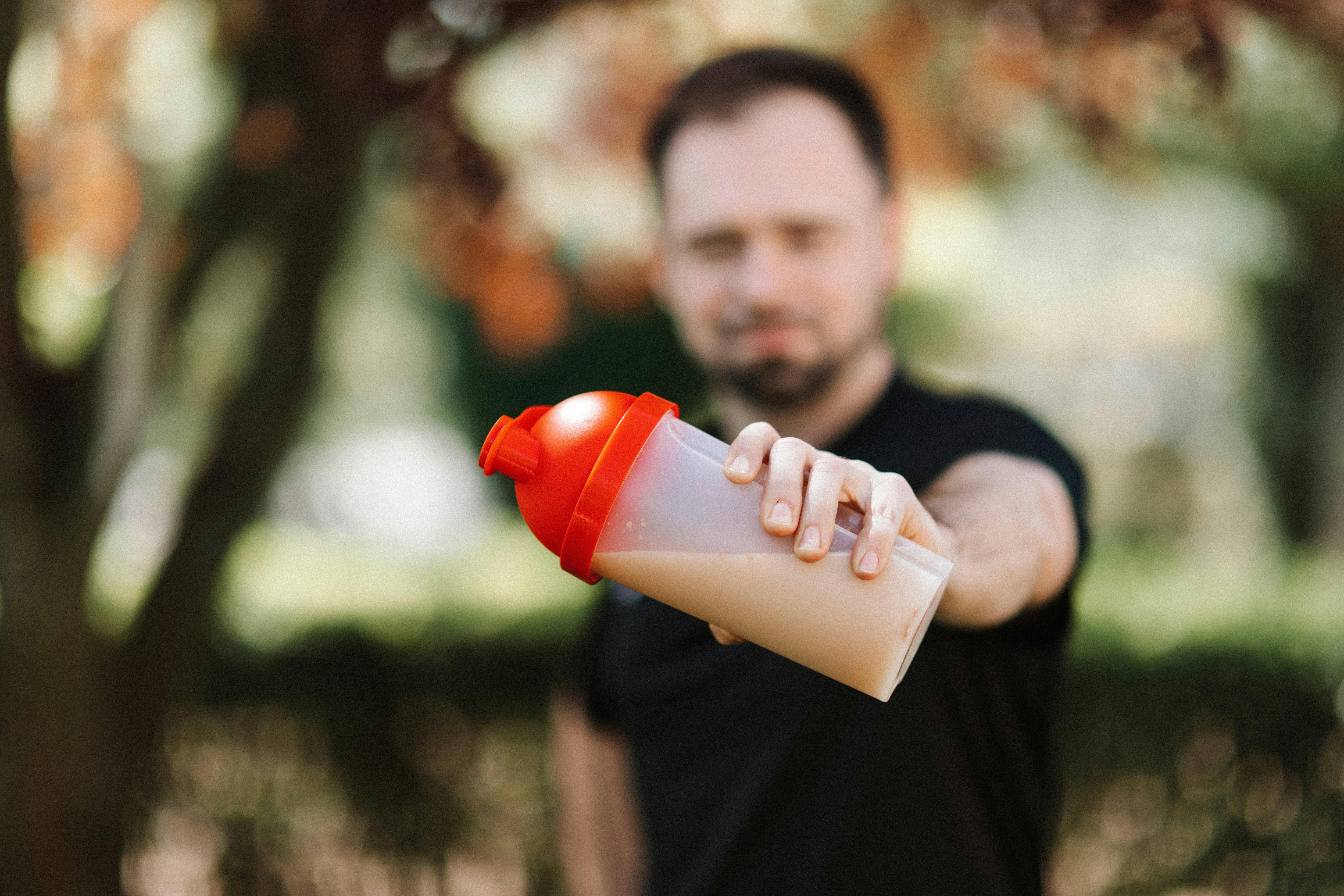
In today’s fast-paced world, dietary supplements, including meal replacement shakes, powders, and bars, have skyrocketed in popularity. They’re often advertised as a convenient, go-to solution for weight loss, fitness performance, and managing hectic lifestyles. These products promise balanced nutrition in a quick, easy-to-consume format, which makes them appealing to anyone looking for a faster alternative to preparing traditional meals. But with so much hype surrounding them, it’s easy to get caught up in the claims. Are these supplements the health game-changers they’re made out to be, or is it just clever marketing? While they offer certain benefits, there’s also a fair amount of misunderstanding about what they can do. Let’s dive into the science behind dietary supplements and separate the facts from the myths so you can decide whether they’re worth incorporating into your daily routine.
Also Read: Vitamin-D Supplements Can Help in Relieving Pain: Experts
Photo Credit: Pexels
So, What Are Dietary Supplements?
Dietary supplements are designed to take the place of your usual meals. Packed with essentials like protein, fibre, vitamins, and minerals, they’re typically low in calories, fats, and sugars. People often turn to them for:
Weight loss: Reducing calories is easier with these.
Fitness goals: They help with muscle recovery or fuel your workouts.
Convenience: When there’s no time to cook, these are a lifesaver.
The Science Behind Them
Meal supplements promise to deliver the same nutrients as a balanced meal but in a compact form. Here’s how they stack up:
Balanced Nutrition: These products are crafted to provide a good mix of proteins, carbs, fats, vitamins, and minerals. They typically offer 200-400 calories per serving, which can help with weight control.
Protein Power: Packed with protein, these supplements keep your muscles strong and help you stay fuller for longer – a big deal when you’re focused on fitness or weight loss.
Calorie Control: Each serving has a fixed number of calories, making portion control and calorie counting easier.
Convenience: For busy days or when cooking feels like a chore, these replacements make it easy to keep up with your nutrition.
Scientific Backing: Studies show that using meal replacements can help with weight loss and even improve metabolic health. Research says people tend to lose more weight with these compared to traditional low-cal diets when used correctly.
Also Read: Whey Protein For Weight Loss: How To Consume This Protein Supplement To Shed Kilos
Photo Credit: Pexels
Busting the Myths
Though meal supplements can be helpful, there are a bunch of myths floating around that might confuse you.
Myth 1: “They’re the same as whole foods.”
Not really. While supplements are packed with nutrients, they often lack the antioxidants, fibre, and phytonutrients you get from whole foods like fruits and veggies. Real food gives you a range of nutrients that work together to boost your health. Relying too much on supplements could lead to deficiencies in the long run.
Myth 2: “They’re great for long-term use.”
Supplements work well for short bursts-like weight loss phases or when you need quick meals-but long-term? Not so much. Over time, you might get bored, miss out on important nutrients, and lose the variety you need from a regular diet.
Myth 3: “All meal supplements are created equal.”
Nope. The quality varies a lot. Some are loaded with protein but might lack fibre, while others could have a ton of sugar or unhealthy fats. Always check the label to see what’s inside.
Myth 4: “They’re better than actual meals for losing weight.”
While meal replacements can help you cut calories, whole foods are more filling and satisfying. Chewing solid food helps you feel fuller than sipping on a shake or nibbling a bar.
Myth 5: “They make portion control a breeze.”
Supplements might help with portions, but they won’t teach you how to manage food portions in real life. Learning how to balance your meals is key for long-term health.
Also Read: How Much Protein Is Enough?
Photo Credit: Pexels
Are Meal Supplements Safe?
Generally, yes, but you should know the risks:
Nutritional Gaps: If you rely solely on these, you might miss out on key nutrients like fibre and healthy fats found in real food.
Quality Counts: Some brands use too much sugar, artificial flavours, or low-quality ingredients, which can undo any potential benefits.
Health Considerations: If you have certain medical conditions like diabetes, talk to a doctor first. Meal replacements can impact your blood sugar.
Long-Term Success: They may help with quick weight loss, but to maintain it, you’ll eventually need to transition back to regular meals and good eating habits.
The Bottom Line
Meal supplements can be helpful for short-term weight loss, convenience, or fitness goals, but they’re not a long-term solution. Combining them with a balanced diet is the best way to use them. Always read the label, pick quality products, and remember: that they’re not a magic fix for your health.
Disclaimer: The opinions expressed within this article are the personal opinions of the author. NDTV is not responsible for the accuracy, completeness, suitability, or validity of any information in this article. All information is provided on an as-is basis. The information, facts or opinions appearing in the article do not reflect the views of NDTV and NDTV does not assume any responsibility or liability for the same.
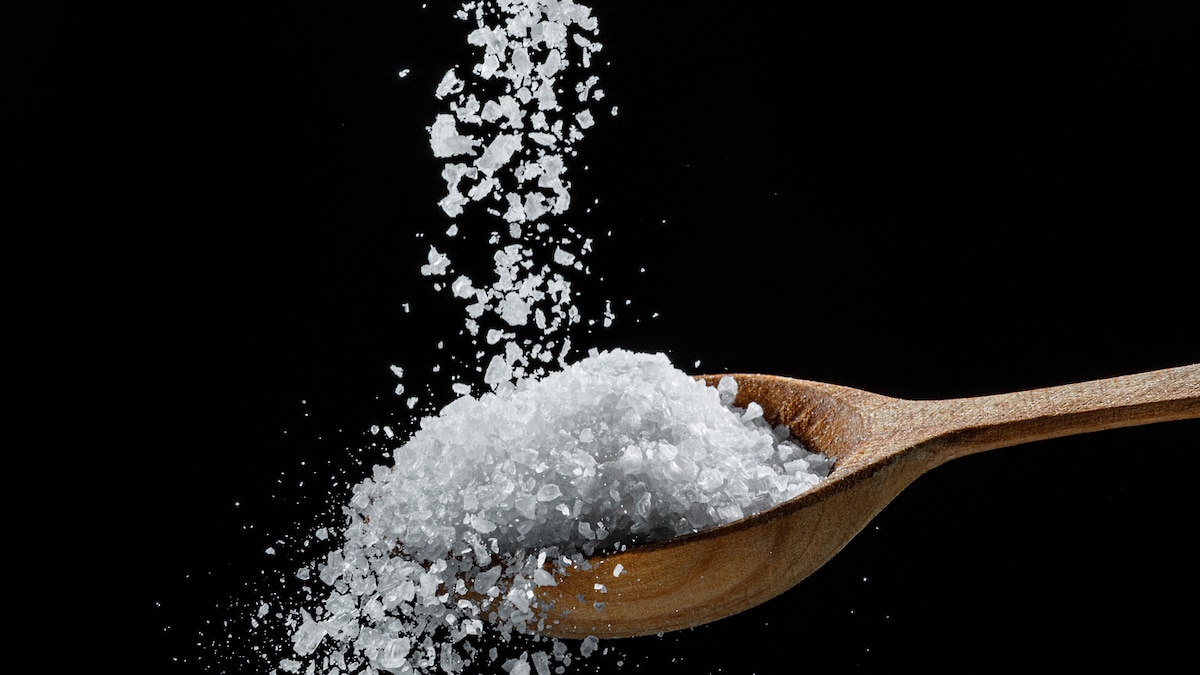
Have you ever taken a bite of your favourite dish and thought, “Hmm, maybe just a pinch of salt would make it better?” Well, you are not alone. For many of us, the final dash of salt seems like an easy way to enhance the flavour of our meals. And we don’t just do it with our daily meals but also with our fruits and salads. But, is it really a good practice to add salt on top of our foods? It makes our food taste better but does it harm our bodies more than we think? If you have this and other sodium-related questions in mind, then you have landed on the right page! Let’s find out if this habit is helping or making your body better or worse.
Also Read: 15 Incredible Rock Salt (Sendha Namak) Benefits for Skin, Hair and Overall Health
Photo Credit: iStock
What Happens When You Eat Too Much Salt?
If you are consuming too much salt daily, it can have several long-term effects on your body. The most common side effect is heightened blood pressure – where blood is being forcefully pushed against the artery walls. Some other common symptoms include the development of multiple sclerosis, heart diseases, headaches, enlarged muscle tissue, damage to organs, kidney stones, osteoporosis, etc. A very evident side effect of too much salt intake is water retention in the body, which could lead to swelling in parts of the body.
Should You Add Salt on Top Of Your Meals?
Yes, you can. As per nutritionist Amita Gadre (@amitagadre) adding salt on top of your meals would not cause any problems. However, it is important to make sure that you aren’t consuming foods that are too savoury or salty to manage your total sodium intake for the day. Many times, we add salt while cooking the ingredients to fasten the process and prevent burning. For example: while cooking onion. The expert says it is completely fine to add salt on top of your meals to enhance their flavour.
How Much Salt Is Okay To Consume Everyday?
As per the expert, it is important to note your salt intake throughout the day. Make sure only to consume 1 teaspoon (5 grams) of salt in a day and not more than that. This is because you obtain sodium from other foods as well and not just from the extra salt being put on top of your foods.
Watch the full video below:
How To Reduce Salt Intake On A Daily Basis?
You can easily reduce your salt consumption by tweaking your daily habits. Follow these easy tips to control your salt intake.
1. Avoid Processed Foods
The ready-to-eat packaged snacks available in the market today have high levels of salt in them. These food products have unhealthy levels of salt that make them tastier but are immensely harmful to us. Instead of buying salty snacks, try munching on healthier options like fruits, nuts and seeds.
2. Limit Pickles, Papads and Chutneys
Pickles, papads and chutneys definitely make the food taste better but have high amounts of salt in them. If you are consuming them in your daily meals, keep the salt levels in your food lower and compensate it with condiments.
3. Cook At Home
Not only will it be pocket-friendly, but cooking at home can help you control your salt intake. Instead of using salt directly, you can use herbs and seasonings to make them nutritious and more delicious. Try substituting salt with seasonings the next time you are cooking.
Apples Photo Credit: iStock
4. Eat Fruits And Vegetables With Less Sodium
Another way to reduce your salt intake is by eating fruits and vegetables with low sodium content. Fruits and veggies like apples, berries, oranges, mangoes, broccoli, sweet potatoes, okra, etc. should be added to your daily diet as they have lower sodium levels.
5. Read Food Labels
Before you buy food, read the labels carefully. Make sure to only buy and consume foods with lower sodium levels to keep a check on your daily salt intake. Start by reducing salt in your daily foods and gradually, your taste buds will get immune to this change.
Also Read: Is Your Table Salt Healthy To Consume? Find It Here
We all have tried losing weight at some point in life and followed various tips available on the internet. But trust us, it’s not as easy as it seems. In fact, sustainable weight loss can be quite a tricky affair that needs a proper routine curated by experts. You would often find people complaining of not losing even an inch after following hard-core workout sessions. Some even complain of weight gain post-gyming! The situation can be quite frustrating, right? But don’t waste your time cribbing over it; instead, look for the loopholes and fix them immediately. In this article, we bring your attention to some of the probable reasons for you to not lose weight, even while on a regime. Also Read:Unveiling The Potential Health Benefits Of Intermittent Fasting In Diabetes
Photo Credit: iStock
3 Major Reasons For Gaining Weight After Exercise:
Nutritionist Simrun Chopra took to her Instagram handle ‘simrun.chopra’ to simplify and categorise the reasons in three basic points.
1. Water retention:
While exercising, the body loses water, making you feel dehydrated. Hence you automatically increase the water and electrolyte consumption, increasing your water weight.
2. Eating more:
While exercising, many people think it is okay to eat more. But that is not true. Eating more means you include more calories in your diet, which if not burnt out properly may lead to fat accumulation in the body.
3. Underestimating what you are burning:
As mentioned, you need to burn as many calories as you are eating. According to Simrun Chopra, “We can eat more in less than five minutes than what we burn in a workout session”. Hence. It is important to limit your calorie intake to avoid unnecessary weight gain.
4 Expert-Tips To Lose Weight Sustainably:
1. Give your body time to adjust:
We understand you feel excessively hungry during the initial days of weight loss. But, trust us that is the time for showing some self-control. You need to control your untimely cravings to avoid excessive calorie intake. Instead, be patient and give some time to your body to adjust to the change.
2. Eat more protein:
Simrun Chopra says protein is your “friend”. It is important to add enough veg or non-veg protein of your choice in each of the meals. “Here’s a secret, if you want to overeat, eat this part first,” she adds.
3. Add mid-meal snacks to your diet routine:
The idea is to eat small but multiple meals to make the most of the nutrients and digest them well. So, it is important to include mid-morning and evening snacks to keep up a sustainable diet regime.
4. Increase your movement:
Simrun Chopra says you can easily burn 500 calories by just moving more. All you need to do is, make some simple changes like taking stairs instead of a lift while going somewhere. Also Read:Losing Hair While On A Diet? Here’s Where You Could Be Going Wrong Watch the detailed post below:
About Somdatta SahaExplorer- this is what Somdatta likes to call herself. Be it in terms of food, people or places, all she craves for is to know the unknown. A simple aglio olio pasta or daal-chawal and a good movie can make her day.
NEW YORK — In what appears to be a sophisticated, remote attack, pagers used by hundreds of members of Hezbollah exploded almost simultaneously in Lebanon and Syria Tuesday, killing at least nine people — including a young girl — and wounding thousands more.
The Iran-backed militant group blamed Israel for the deadly explosions, which targeted an extraordinary breadth of people and showed signs of being a long-planned operation. How the attack was executed is largely uncertain and investigators have not immediately said how the pagers were detonated. The Israeli military has declined to comment.
Here’s what we know so far.
Hezbollah leader Hassan Nasrallah previously warned the group’s members not to carry cellphones, saying they could be used by Israel to track the group’s movements for targeted strikes. As a result, the organization uses pagers to communicate.
A Hezbollah official told The Associated Press the exploded devices were from a new brand the group had not used before. The official, who spoke on condition of anonymity because he was not authorized to talk to the press, did not identify the brand name or supplier.
Apparently the pagers first heated up, and then exploded in the pockets, or the hands, of those carrying them Tuesday afternoon, according to Lebanese security officials and a Hezbollah official.
These pagers run on lithium ion batteries, the official added. And he claims the devices exploded as the result of an Israeli “security operation.”
He gave no evidence, but Israel has a long history of sophisticated operations behind enemy lines.
When overheated, lithium batteries can smoke, melt and even catch on fire. Rechargeable lithium batteries are used in consumer products ranging from cellphones and laptops to electric cars. Lithium battery fires can burn up to 590 C (1,100 F).
A handful of initial reports similarly suggest that the explosions resulted from overheated lithium batteries, likely after the pagers were compromised remotely. But experts also point to other possibilities.
The images seen Tuesday showed signs of detonation, said Alex Plitsas, a weapons expert at the Atlantic Council. “A lithium ion battery fire is one thing, but I’ve never seen one explode like that. It looks like a small explosive charge,” Plitsas said.
That raises the possibility Israel was aware of a shipment of pagers heading to Hezbollah and managed to modify the pagers before delivery, he said.
Another possibility is an electronic pulse “that was sent from afar and burned the devices and caused their explosion,” said Yehoshua Kalisky, a scientist and senior researcher at the Institute for National Security Studies, a Tel Aviv think tank.
“It is not some random action; it was deliberate and known,” Kalisky added.
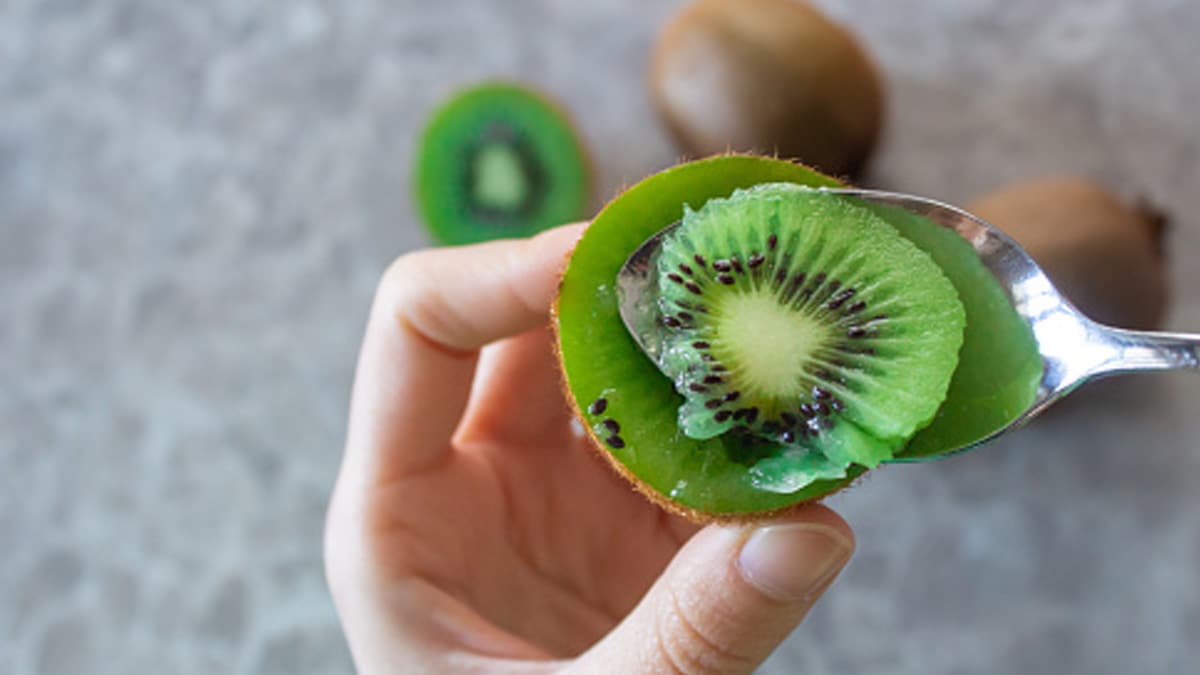
Most people peel the kiwi skin before biting into the tangy, smooth fruit. Some cut it in half and scoop out the inside using a spoon. However, a viral social media video claims the right way to eat kiwi is to simply bite into it like an apple. The content creator claims that you can eat the skin too! Is that correct? MD and nutrition expert Dr Amy Shah confirmed the claim, explaining that eating kiwi with the skin on “increases the fibre by 50%,” she said in an Instagram video. Additionally, she mentioned that kiwi skin also increases folate (vitamin B9) levels by 34%, as well as vitamin E.
How To Eat Kiwi With Skin On?
Eating kiwi skin for the first time might feel a bit odd. Choose a kiwi with smooth skin and less fuzz to make the experience more pleasant and help you gain the added nutritional benefits of the kiwi skin.
Who Should Avoid Eating Kiwi Skin?
Some people experience itching when eating kiwi skin. “This is likely a pollen food cross-reactivity,” explains the doctor, noting that those who are allergic to pollen might also be allergic to kiwi skin. If you experience any such reaction, it’s best to peel the skin before eating.
Photo Credit:Unsplash
Why You Should Add Kiwi To Your Diet
According to Harvard Health, one kiwi provides nearly all (about 80%) of an adult’s daily vitamin C requirement. Dr Amy Shah explains that kiwi boosts mood and helps with constipation, which is especially beneficial for women in the perimenopause age range (35 to 55). They’re also a great source of fibre, antioxidants, and vitamin K. Also Read:No More Mushy Kiwis: 4 Effortless Ways To Keep Them Fresh
If you want to incorporate kiwi into your meals, here are some delicious recipes you can try:
1. Pomegranate and Kiwi Salad
Kiwi pairs deliciously with pomegranate. Combine the two in this healthy and flavorful salad, and dress it with a tangy orange and mint dressing. Click here for the full recipe.
2. Kiwi Smoothie
If you’re into green smoothies, blend kiwis with spinach, apple, and pear. Add honey to taste if you’d like it sweeter. Strain if preferred, and enjoy! Also Read:Enjoy Kiwi In This Exciting Sri Lankan Kiwi Curry – Recipe Video Inside
3. Kiwi Sorbet
On hot days, enjoy a refreshing kiwi sorbet. Blend frozen kiwi pieces with lemon juice and honey to taste. Pour into a loaf tin, smooth it into an even layer, and freeze for two hours. Scoop into a bowl and serve.
4. Mango Kiwi Chutney
Mango and kiwi combine perfectly to make a sweet and tangy chutney. This recipe is ideal when kiwis are very ripe. Full recipe here.
Add kiwi to your diet, with the peel if you can, and enjoy all the health benefits. Stay healthy and happy!
Have you been eating out for quite some time now? Have you not been keeping a check on your calorie intake? Is the sudden thought of uncontrolled weight gain dreading you? If yes, then dear reader, we have the perfect solution for you. Fret not, we would never ask you to not enjoy the delicacies from your favourite food joints. Instead, you can just be a bit mindful and balance out your next few meals carefully. Trust us, it’s all about balance! And to help you with that, Nutritionist Richa Gangani shared a few quick tips on Instagram. Let’s check them out. Also Read: 5 Smart Strategies To Plan A Healthy Food Chart And Lose Weight
Here Are 5 Tips To Balance Your Meals: How To Avoid Weight Gain After Eating Out:
“I love to eat out but gaining the weight next is very frustrating. But here is my cheat sheet to avoid weight gain the next day,” Richa Gangani shares.
Tip 1. Eat light dinner:
Try to avoid eating heavily at night. This slows down your metabolism process throughout the night, making you feel bloated the next morning. “Try going easy on your stomach and balance out the heavy lunch with a moderately light dinner,” the expert states.
Tip 2. Drink warm water or green tea:
By now, we all know that warm water helps aid digestion and burn excess fat in the body. Moreover, green tea is packed with antioxidants and helps reduce oxidative stress in the body, making the digestive system faster. Also Read: Should You Drink Water Before Or After Meals? Here’s The Best Time To Have Water
Tip 3. Go for a small walk:
Always go for a small walk after a heavy meal. Walks help reduce bloating, making you feel lighter, and aiding metabolism and overall gut health.
Tip 4. Don’t try crash dieting:
It is absolutely okay if you have overindulged. Don’t be hard on yourself or your body for consuming those extra calories. Avoid starving or going on a crash diet to balance out your meals.
Tip 5. Don’t skip meals:
This is the worst thing you can do to yourself. Skipping meals may make your metabolism slower. In fact, starving to shed kilos is a temporary solution that comes with various side effects.
So, be judicious while planning your healthy meal and go slow and steady to enjoy good health for a long time.
About Somdatta SahaExplorer- this is what Somdatta likes to call herself. Be it in terms of food, people or places, all she craves for is to know the unknown. A simple aglio olio pasta or daal-chawal and a good movie can make her day.
Northern Michigan University’s Tanner Latsch readies for a faceoff during a game last season at the Berry Events Center in Marquette. Latsch earned a pair of CCHA weekly awards on Oct. 16 after tallying five goals and an assist in his first collegiate action, a two-game series at Minnesota-Duluth. (Photo courtesy NMU)
MARQUETTE — It’s a brave new world, not just in college hockey, but in a wide range of NCAA sports, particularly at the Division I level.
The new rules, in particular the NCAA transfer portal, have created uncertainly probably like never seen before. It would be way overblown to say the Northern Michigan University hockey program was left in shambles, but what was left that way was its roster in the aftermath of a head coaching change this summer.
In the end, NMU has just four players returning from last year’s team — redshirt junior Jakob Peterson, junior Zach Michaelis, redshirt sophomore Tanner Latsch and sophomore Brendan Poshak.
The “redshirt” description means the player has been on a college team for one more year than the class year indicates, either through not playing, or in some cases, earning an extra year through being on a roster during the 2020 coronavirus pandemic season. Those have already been phasing out, but may not be completely done yet.
Despite what sounds like a dire situation, new NMU head hockey coach Dave Shyiak was able to put together a roster of 28 players — compare that to the 30 who were on the Wildcats’ 2023-24 listing.
The coach says this Wildcats team will be one of, if not the youngest, in college hockey with 16 freshmen and 20 underclassmen in total. It’s made up of 15 forwards, 10 defensemen and three goalies.
“We are really excited about our group,” Shyiak said in an NMU Sports Information news release about the roster. “We have many new faces and a lot of freshmen that are coming in with hunger and energy.
“They all know there is a great opportunity in front of them to earn playing time. Internal competition will be healthy for our growth as the season progresses.
“The most important component to our team and staff is the culture building. We really have to put in the time to get to know one another and have an understanding of what our values and identity will be.”
NMU athletic director Rick Comley expedited the process of moving on from one head coach to the next, needing just a few weeks to transition from former seven-year coach Grant Potulny to Shyiak, but more than a dozen players had already announced their intended departure back when the NCAA transfer portal originally opened around the first of April and stayed open for about six weeks.
A study posted online by Grand Forks (North Dakota) Herald sportswriter Brad Elliott Schlossman about portal entries showed 14 NMU players from last year’s team — which didn’t include players like captain Adam Ghantous who had already exhausted his college eligibility — had entered the portal.
That didn’t necessarily mean they were all leaving, as entering the portal is only an announcement about looking for a new school.
Schlossman’s numbers, however, have shown that over the past few years in college hockey that the vast number of portal entrants do move on — in 2023, the number was 74.2% of those declaring did transfer to another Division I school, while only 2.1% remained with their current team. The more than 20% not included in those numbers went pro, stopped playing collegiately, with even a few who went to ACHA club hockey.
In Schlossman’s listing, two of NMU’s returning players who actually had announced for the portal during the spring period returned to the Wildcats — Michaelis and Poshak.
By the way, the transfer portal reopened for another 30 days for NMU players after Potulny announced his resignation.
What wasn’t included in Schlossman’s study was the effect on incoming freshmen or transfers from the in-season signing period back last fall.
It was speculated that part of the reason for the mass migration of current Wildcats players out of Marquette was a robust incoming class that included 10 players with several of them already NHL draft picks.
A majority of that group also went elsewhere, but three of them are still joining Northern this fall.
In the end, though, NMU Sports Information released earlier this week a thumbnail sketch of all the incoming players who will be on this team this fall.
Here is that look, along with profiles of the four returnees. Players are organized by the various ways they’ve come to NMU. There’s the four players returning from last year, the three recruits who were announced last fall, two who announced they were coming to NMU during the April-May transfer portal period, with all the others recruited since Shyiak’s late June hire.
Players are listed with their height, weight, position and uniform number:
——————–
RETURNING PLAYERS
——————–
Jakob Peterson (6-1, 190, forward, No. 23) — This redshirt junior in his fourth year at NMU is a Marquette native having played for the Marquette Redmen — before they became the Sentinels — and earning Great Lakes Conference First Team honors in high school.
He joined the Wildcats midway through the 2021-22 season in January 2022. Just before Northern, he played for Amarillo of the North American Hockey League and previous to that, was with Drayton Valley of the Alberta Junior Hockey League.
He’s been a CCHA Scholar-Athlete the past two seasons, and in 2023-24, he skated in 22 NMU games and had 17 blocked shots along with one assist, that coming on Dec. 8 against Michigan Tech.
——————–
Zach Michaelis (6-1, 210, forward, No. 9) — A junior from Elk River, Minnesota, he is a two-time CCHA All-Academic honoree.
In the season before coming to NMU, he played with Trail of the British Columbia Hockey League, and for three seasons prior was in the U.S. Hockey League and Northern American Hockey League.
In two seasons at Northern, he has a goal and four assists, including three assists last season when he played in 10 games.
——————–
Tanner Latsch (6-2, 190, forward, No. 22) — A redshirt sophomore from downstate Twin Lake, he opened his college playing career with a flourish last October, scoring a hat trick in his first game, against Minnesota-Duluth, only the second NMU player to ever score three goals in their college debut.
He followed it up with a two-goal, one-assist game the next night for six points in his opening weekend, not surprisingly earning both CCHA Rookie of the Week and Player of the Week honors.
He added another two goals the following weekend to again be named CCHA Rookie of the Week, and subsequently, CCHA Rookie of the Month.
Latsch led the NCAA in goal scoring and power play goals among freshmen for awhile after that, even with his campaign cut short to just eight games due to a season-ending injury.
He finished with seven goals, six of them on power plays, and an assist for eight points.
——————–
Brendan Poshak (5-7, 170, forward, No. 7) — This sophomore from Green Bay, Wisconsin, played in nine games last season, making his college debut on Oct. 28 vs. Ferris State, and finished the season with five shots though no points.
Prior to the Wildcats, he played for two seasons with Brooks of the Alberta Junior Hockey League, both Canadian national championship seasons. Before that, he was a two-time all-state player at Notre Dame Academy in Green Bay.
——————–
NOVEMBER RECRUITS
——————–
Jakub Altrichter (5-11, 165, forward, No. 14) — This Prague, Czech Republic, freshman played the past two season in the USHL, most recently with the Waterloo, Iowa, Black Hawks, where in 54 games he had 11 goals and 35 assists for 46 points.
——————–
Rasmus Larsson (6-3, 205, defenseman, No. 8) — This Stockholm, Sweden, freshman was a fifth-round draft pick of the New York Rangers in 2023, having played in 59 games with the Green Bay, Wisconsin, Gamblers last season with four goals and 13 assists for 17 points.
He’s also been on Sweden’s under-19 and under-20 international teams, along with playing in his country’s top junior league in 2022-23.
——————–
Billy Renfrew (5-11, 183, forward, No. 11) — This Fairbanks, Alaska, freshman played last season for the Penticton Vees of the British Columbia Hockey League, scoring 20 goals and 32 assists for 52 points in 51 games.
——————–
APRIL-MAY TRANSFERS
——————–
Ryan Ouellette (6-0, 200, goalie, No. 30) — This college senior from Colorado Springs, Colorado, is a transfer from Niagara University, having played in 11 games over two seasons.
In 2021-22, he played for the USHL’s Lincoln Stars and had an .880 saves percentage in 44 games.
——————–
Matthew Romer (5-11, 185, forward, No. 17) — This Algonquin, Illinois, sophomore transferred from Arizona State, where he played in seven games last season.
Prior to ASU, he played two seasons with the Omaha, Nebraska, Lancers of the USHL, recording three goals and eight assists for 11 points in 2022-23.
——————–
SUMMER TRANSFERS AND RECRUITS
——————–
Nicolas Ardanaz (5-10, 185, defenseman, No. 3) — This college junior from Surrey, British Columbia, is a transfer from RPI, where he played in 38 games over two seasons.
He previously played for the West Kelowna Warriors of the British Columbia Hockey League, earning a spot on the league’s all-rookie team in 2019-20.
——————–
Matthew Argentina (5-11, 193, forward, No. 28) — A junior eligibility-wise from Philadelphia, he played two years at Boston College and had four goals and six assists for 10 points in 53 games.
In the year before college, he was with the Chilliwack Chiefs of the British Columbia Hockey League, where he had 14 goals and 10 assists for 24 points in 41 games.
——————–
Ethan Barwick (6-3, 202, goalie, No. 33) — A redshirt freshman from St. Albert, Alberta, he redshirted last season at Lindenwood University.
In 2022-23 with the Brooks Bandits of the Alberta Junior Hockey League, he had a 45-4-1 record, 1.88 goals-against average and .929 saves percentage.
——————–
Medrick Bolduc (5-9, 185, forward, No. 13) — A freshman from Val-d’Or, Quebec, he played last season with the El Paso, Texas, Rhinos of the North American Hockey League. He skated in 66 games, including playoffs, and had 21 goals and 29 assists for 50 points.
Prior to that, he spent two seasons with the Utica, New York, Comets of the National Collegiate Development Conference.
——————–
Colby Browne (5-10, 180, forward, No. 21) — A freshman from Evergreen, Colorado, he played the last three seasons in the Alberta Junior Hockey League, including last year with the Whitecourt Wolverines, when he played 57 games and had 26 goals and 42 assists for 68 points.
——————–
Danny Ciccarello (5-11, 201, forward, No. 27) — A two-year player at RPI from Kirkland, Quebec, he is a college junior who suited up in 49 games, scoring five goals and two assists for seven points.
——————–
Anthony Cliche (6-4, 208, defenseman, No. 20) — The tallest current Wildcat is a freshman from Vallee Jonction, Quebec.
He’s played the last three seasons with the Vernon Vipers of the British Columbia Hockey League, and last year, had 10 goals and 25 assists for 35 points in 50 games.
——————–
Grayden Daul (6-0, 180, defenseman, No. 5) — A freshman from Glenview, Illinois, he played AAA hockey for the Chicago Mission, where he won a state championship all three seasons there.
For the Langley Rivermen of the British Columbia Hockey League in 2023-24, he scored a goal and added six assists in 51 games.
——————–
Will Diamond (6-3, 205, forward, No. 24) — A freshman from Carpentersville, Illinois, he’s played juniors the past three seasons, including for the Austin, Minnesota, Bruins of the North American Hockey League last year. That’s when he skated in 46 games and scored six goals to go with eight assists for 14 points.
——————–
Ryan Duguay (6-2, 190, forward, No. 18) — A freshman from Edmonton, Alberta, he played the past two seasons for the Melfort Mustangs of the Saskatchewan Junior Hockey League. Last year, including playoffs, he appeared in 51 games and had 40 goals and 36 assists for 76 points.
——————–
Tynan Ewart (6-0, 188, defenseman, No. 6) — A sophomore from Duncan, British Columbia, he played for a year at St. Cloud State, recording five assists in 19 games.
Before that, he had three seasons with the Battleford North Stars of the Saskatchewan Junior Hockey League, and in 2022-23, put up 10 goals and 60 assists for 70 points in 68 games, including playoffs.
——————–
Wolfgang Govedaris (6-2, 200, defenseman, No. 4) — A freshman from Bonita Springs, Florida, he played three seasons of junior hockey. Last year with the Corpus Christi, Texas, IceRays of the North American Hockey League, he had four goals and 17 assists for 21 points in 30 games.
——————–
Aidyn Hutchinson (6-1, 185, forward, No. 29) — Not to be confused with a similar-sounding former University of Michigan and Detroit Lions football star, this freshman from St. Albert, Alberta, played two seasons with the Melfort Mustangs of the Saskatchewan Junior Hockey League.
Last season he had 48 goals and 62 assists for 110 points in 65 games, including playoffs. In those playoffs, which netted his team the SJHL championship, he had 10 points in six games, including a pair of goals in the 4-1 Game 6-clinching victory.
——————–
Jakub Lewandowski (6-3, 197, defenseman, No. 26) — A collegiate senior from Torun, Poland, he spent the past three seasons with fellow CCHA member Bemidji State.
In that time, he played in 61 games, scoring seven goals and six assists for 13 points.
——————–
Trevor Mitchell (6-3, 195, defenseman, No. 10) — A freshman from downstate South Lyon, he’s played the last three seasons in the North American Hockey League with time also in the USHL.
Last season for the Odessa, Texas, Jackalopes, he played 56 games and scored five goals with 15 assists for 20 points.
——————–
Julian Molinaro (5-11, 185, goalie, No. 31) — A freshman from Toronto, he played last season with the Calgary Canucks of the Alberta Junior Hockey League.
In 45 games, he had a 2.60 goals-against average and .916 saves percentage, leading Calgary to the AJHL championship by going 12-3 in the playoffs and stopping 39 of 41 shots in a 3-2 win in the championship game.
——————–
Joe Schiller (6-0, 195, defenseman, No. 2) — A freshman from Moorhead, Minnesota, he played the last two seasons with the Cedar Rapids, Iowa, RoughRiders of the USHL.
In 2023-24, he played in 41 games and had a goal and four assists.
——————–
Grayden Slipec (5-11, 190, forward, No. 15) — A freshman from Surrey, British Columbia, he played the last two years with the Chicago Steel of the USHL, recording 13 points in 2022-23 and 10 points in 2023-24.
——————–
Jesse Tucker (5-11, 187, forward, No. 19) — A senior from Longlac, Ontario, he has played three years collegiately at two schools, last year at Clarkson and the previous two at Michigan State.
At Clarkson, he had four goals and 10 assists for 14 points last season, while he totaled eight goals and 26 assists for 34 points in 67 games over his time with the Spartans.
He also has a twin brother Tyler who is a defenseman with the St. Louis Blues in the NHL.
Steve Brownlee can be reached at 906-228-2500, ext. 552. His email address is sbrownlee@miningjournal.net.
We’ve all been there – that uncomfortable feeling of bloating after indulging in a hearty salad. It’s often surprising, given that salads are typically associated with health and wellness. But as gut health expert Dimple Jangda points out, the way we prepare our salads can significantly impact our digestive comfort. If you also feel bloated every time you eat a salad, you should read this article. Why does it happen? Should you stop eating salads? All your questions are answered here.
Why Raw Salads Lead To Bloating?
According to Dimple Jangda, plants, contrary to popular belief, are not passive organisms. They breathe, react, and even defend themselves. When plants are cut or damaged, they release phytochemicals, gaseous compounds that serve as a warning signal to other plants. These phytochemicals can contribute to bloating when consumed in large quantities.
Also Read: Summer Diet Tips: 5 Herbal Teas That May Remedy Bloating And Gas
Should You Stop Eating Salad To Prevent Bloating?
Salads are a healthy meal and great for a healthy diet. But if you suffer from bloating after eating it, there are ways to resolve the issue without missing out on this refreshing meal altogether. To mitigate this issue, Jangda suggests a simple yet effective solution: steaming your vegetables. Steaming helps to break down the plant cell walls, making it easier for our digestive enzymes to process them. Additionally, steaming can enhance the bioavailability of certain nutrients and antioxidants.
Also Read: Say Goodbye To Bloating: 5 Everyday Herbs And Spices That May Help
How To Avoid Bloating From Raw Salads – Expert’s Suggestions
Steam your vegetables: This includes juicy vegetables like cucumber, tomatoes, carrots, beetroots, pumpkins, and sweet potatoes.
Add flavour: Enhance the taste of your steamed vegetables with a pinch of salt, pepper, herbs like rosemary, basil, and thyme, and a squeeze of lemon juice.
Cook leafy greens: Blanch leafy greens and use them to make soup. This helps with digestion and nutrient absorption.
The argument that cooking vegetables destroys nutrients is often raised. However, Jangda emphasizes that it’s better to consume partially cooked vegetables that are easily digestible than to suffer from bloating and nutrient malabsorption.
By incorporating these simple changes into your salad preparation, you can significantly reduce bloating and enjoy the full benefits of a healthy diet. Remember, it’s not just about eating healthy; it’s also about eating smart.
About Neha GroverLove for reading roused her writing instincts. Neha is guilty of having a deep-set fixation with anything caffeinated. When she is not pouring out her nest of thoughts onto the screen, you can see her reading while sipping on coffee.
Some blame Musk for turning a place that used to be fun into one that’s chaotic and toxic, pointing to moves like allowing polarizing figures such as Donald Trump back in. Others are turned off by Musk’s juvenile humor or by how he’s increasingly barging into their feeds with his posts, often to amplify far-right tropes.
They’re defecting to rival sites like BlueSky, Mastodon, Meta’s Threads, and Reddit. Some even are — gasp — quitting social media altogether.
So if you’ve decided it’s time to exit X, here’s what you need to do:
Begin by deactivating your account, which starts a 30-day countdown until your account is deleted permanently. Go to settings and privacy, then to the Account tab and click Deactivate your Account, enter your password and confirm you want to proceed.
Once you go ahead, your profile and username will be hidden from public view. If you change your mind, you can stop the process by logging in at any point during the 30-day period.
If you’ve signed up for a subscription, like a premium account, cancel that if you don’t want to make another payment. Subscriptions are only automatically canceled when the account is deleted.
If your account somehow gets reactivated even though you didn’t want to, X says on its help pages that it might be because you’ve granted access to third-party apps. These are built by other software developers and can do things like read and make posts or access direct messages on your behalf.
To see which third-party apps you’ve given access to, head to the settings menu, then Security and Account Access. Click Apps and Sessions, and then Connected Apps. You can revoke access to individual apps by tapping or clicking on each one.
If you suspect that a rogue app still has access to your account, try changing your password for X.
Before you leave for good, you can download an archive of all your data from your time on Twitter and X. It could be useful if you want to look up a memorable post you wrote, refer back to direct messages you traded with other users, or find the accounts that you followed or were following you.
In the settings menu, you’ll need to enter your password to request the data, which will come in a zip file. When I requested my archive, which amounted to 211 megabytes of data, it was available to download about 24 hours later.
What happens to that data once you’re gone for good? X says on its privacy page that it keeps users’ profile information and content “for the duration of your account.” It holds on to other “personally identifiable data” for up to 18 months, without being more specific on what that data is.
It has become a ritual for X users to announce they’re departing the platform. Politicians and celebrities have used their final post to take a parting shot at Musk, warn that the site is becoming too toxic, or let their followers know about the other social media venues they’re using. Then, their statements usually disappear because their account is deleted.
Users who aren’t famous have drafted heartfelt farewell letters, on X, their blogs or platforms like LinkedIn, explaining their reasons for leaving. It’s not necessary, though it might help you achieve closure.
Are you sure you want to leave, permanently? If you’re not ready to commit to full deletion, you could instead lock down your account.
Go to the privacy section in your settings, then click on Your posts and then tick the boxes to protect your posts and videos.
Protecting your posts means that only people who follow you already will be able to see them. Any other users will see a padlock. If they try to follow you, you’ll get a notification requesting access.
___
Is there a tech challenge you need help figuring out? Write to us at onetechtip@ap.org with your questions.
We’ve all been there- heartburn, bloating, or that uncomfortable sensation creeping up after a big, spicy meal. Dealing with acidity is no fun, and people have all sorts of tricks up their sleeves to fight it. Whether it’s chugging cold milk, reaching for antacids, or trying to fix things with diet changes, the struggle is real. But one thing that often comes up in conversations is lemon. While lemons are famously acidic, could they actually help you combat acidity? Or will they make things worse? If you’re curious (and let’s be honest, we’ve all wondered!), keep reading to find out whether lemons are your friend or foe when it comes to beating acidity.
Also Read: Is Too Much Lemon Juice Bad For Your Health? Here’s The Answer!
Photo Credit: iStock
What Causes Acidity?
Acidity is a gut issue most of us are all too familiar with. It kicks in when stomach acid sneaks up into your oesophagus, causing that unpleasant burning sensation in your chest or throat. Here’s a quick rundown of why acidity happens.
1. Diet
Ever eaten too much too fast? Or indulged in spicy, greasy, or acidic foods? Yeah, that might be why you’re feeling the burn. These types of foods can spike stomach acid production, making it harder for your body to digest, which leads to-you guessed it-acidity.
2. Medication
If you’ve been on painkillers, sedatives, or other meds, they might be to blame. Certain medications can trigger acidity as a side effect.
3. Lifestyle
Stress, smoking, drinking, and even bad sleep habits can all mess with your body and lead to acid reflux. Not fun, right?
4. Irregular Eating Patterns
Skipping meals, eating super late at night, or just having no set eating routine can be a fast track to triggering acidity. It’s all about timing!
Photo Credit: iStock
Should You Consume Lemon If You Have Acidity?
Surprisingly, yes! Even though lemons are acidic, they can actually help. Nutritionist and dietician Shweta J Panchal (@dt.shwetashahpanchal) says that lemons, despite their acidity, turn alkaline once they hit your stomach acid. So, they help balance your body’s pH levels. If you deal with acidity, gas, or bloating, adding lemon to your routine could do wonders. Just keep in mind, balance is key-aim for a diet that’s 80% alkaline foods and 20% acidic foods.
Check out her full video here:
What Are The Health Benefits Of Lemons?
Now that we know lemons are good for acidity, let’s dive into all the other awesome things they do for your health:
1. Boosts Immunity:
Lemons pack a punch of vitamin C and antioxidants, making them perfect for keeping your immune system strong. They also help fend off those annoying cold and flu bugs that love to strike when you least expect it.
2. Aids Digestion:
Packed with soluble fibre (hello, pectin!), lemons are your gut’s best friend. They help regulate bowel movements and improve digestion, so you can keep things moving smoothly.
3. Supports Weight Loss:
Sipping on lemon water with honey? Turns out, it’s not just a trend. The fibre in lemons helps you feel full for longer, meaning you’re less likely to snack mindlessly, which helps with weight management.
4. Reduces Water Retention:
Lemons are natural diuretics. That means they help your body get rid of excess water and keep your pH levels balanced, making you feel less bloated.
Also Read: 5 Folate (Vitamin B9)-Rich Recipes You May Try For Folic Acid Sufficiency
5. Improves Skin Health:
Thanks to their anti-inflammatory and anti-aging properties, lemons can give your skin that extra glow. They help reduce free radicals in the body, tackling inflammation and giving you a clearer, brighter complexion.