The path to Indianapolis has been set for the state’s soccer teams with the IHSAA sectional pairings announcement on Sunday.
The Bloomington-Martinsville-Bedford area’s girls teams will compete in sectional play at Terre Haute North (Class 3A) and Cascade (2A) while the boys will compete at Bloomington South (3A), Jennings County (3A), Edgewood (2A), Greencastle (2A) and White River Valley (1A).
Here’s how the draws lined up locally, with complete brackets available at ihsaa.org:
Girls soccer draw
3A at Terre Haute North
Bloomington South (10-3-1), ranked 17th and last year’s state runner-up, gets a short path to the finals, placed in the bottom bracket semifinal vs. Bedford North Lawrence (3-9).
Up top, Martinsville (7-7) and Terre Haute North (2-12) play in the first-round opener, followed by Bloomington North (5-9) and Terre Haute South (10-3-2). The Patriots topped the Cougars 3-0 in their conference match. Thanks in part to critical injuries, North has just three goals in its last 11 games.
Winner plays host to Columbus East Sectional winner in regional semis with the regional finals at Seymour.
2A at Cascade
Edgewood (12-1), having the best season in program history, will start its postseason run against rival Owen Valley (3-9) in the sectional opener. The Mustangs were 4-0 winners in their WIC contest. Danville (8-7) has played a rugged schedule and meets Northview (7-6) in the other first-round pairing.
More:How a perfect fit has led to a perfect start for Edgewood girls soccer
The host Cadets (6-7-1) and West Vigo (5-8) got byes to the bottom bracket semis.
Winner is at Speedway Sectional champ for regional semifinals with the finals at Bishop Chatard.
Boys soccer draw
3A at Bloomington South
First round features Bloomington vs. Terre Haute rematches as North Cougars (9-3-1) get North Patriots (6-8) and No. 8 South Panthers (12-1) get struggling South Braves (1-11). Both Bloomington schools won their conference meetings in shutouts.
Martinsville (11-1-2) and Mooresville (6-8) meet in the bottom semifinals. The Arties’ only loss is 2-1 to South with ties against Plainfield and Bloomington North.
Center Grove Sectional winner travels to Bloomington South winner for regional semifinals, with the finals at Seymour.
3A at Jennings County
Bedford North Lawrence (7-5-1) drew a first-round matchup with Jeffersonville (3-8-2), made more interesting after their conference matchup ended in a 2-2 tie. The other first-round match has Floyd Central (7-5-2) taking on Jennings County (0-11-3).
The bottom bracket semi pits New Albany (5-6-3) vs. Seymour (9-5). The Stars face Seymour and Floyd Central in the final week of the regular season.
The sectional champion travels to the Castle Sectional champ for the regional semifinals with the finals at Seymour
2A at Edgewood
Indian Creek (7-3-2) will start off against No. 9 Cascade (11-1), whose only loss is to Bishop Chatard. That will be followed by the host Mustangs (2-10), who got a tough draw in Danville (10-3-1).
The bottom bracket semifinal matchup is Monrovia (7-11) vs. Brown County (0-12).
Winner travels to the Greencastle Sectional champ for regional semifinals with the finals at Bishop Chatard.
2A at Greencastle
Owen Valley (4-7-1) has been sent up US 231 to Greencastle and gets the first-round bye in this group of five and will play the winner between West Vigo (3-9) and the host Tiger Cubs (8-5-1), the only team here with a winning record.
The other semifinal has Sullivan (4-8-2) facing Northview (5-7).
The winner plays host to the Edgewood Sectional champ in the regional semifinals, with the finals at Bishop Chatard.
1A at White River Valley
Lighthouse Christian (2-6-2) and Mitchell (5-4-3) will get the affair started, followed by Shoals (8-5-1) and Bloomfield (4-4-2). Those winners meet in the first semifinal while the second is a battle between Eastern Greene (4-7-2) and the favorites, the 14th ranked Wolverines of WRV (10-1-2).
Mitchell (2015) owns the only sectional title in the group.
The winner travels to the South Knox Sectional champ for the regional semifinals, with the finals at Providence.
Momos are like little pockets of happiness. Not many can resist those perfectly steamed or fried doughy delights filled with an explosion of flavours. Whether you’re grabbing a quick fix from your favourite street vendor or your mom is whipping up a batch at home, momos just have this magical way of making everything better. But have you ever wondered about how they are made in bulk in factories? It is by no means easy to maintain that “handmade” quality of momos that makes the dish so special, in large-scale production. Now, a video is doing the rounds on the internet, showing us exactly how it’s done.
The process in the video begins with a worker slicing cabbages, carrots, and ginger in a factory setting. These vegetables are then fed into a large machine for chopping and mincing into finer pieces.
2. Seasoning and water removal:
The minced vegetable mixture is spread on a tray and seasoned with salt. It is left to dry, allowing excess water to be released. Simultaneously, a machine rapidly spins the vegetables to further eliminate any remaining moisture.
3. Dough making:
Meanwhile, a significant amount of flour is processed under a spiral dough mixture machine, resulting in the creation of the dough for the momos.
4. Dough flattening and cutting:
The prepared dough is then placed in another machine that flattens it, and circular moulds are cut from the flattened dough to serve as the momo wrappers.
5. Vegetable dicing and mincing:
The dried vegetables, having undergone the water removal processes, are collected and fed into a separate machine for thorough dicing and mincing.
6. Momo assembly:
The circular dough moulds are filled with the minced vegetable mixture, and the dumplings are shaped by hand or by machine into the standard momo form.
7. Partial steaming:
The assembled momos undergo a partial steaming process, ensuring they hold their shape but are not fully cooked at this stage.
8. Distribution to vendors:
The partially steamed momos are then sent out to vendors for further steaming. This step allows the momos to be fully cooked and ready for serving.
9. Final steaming by vendors:
Vendors complete the steaming process, ensuring that the momos are thoroughly cooked and ready to delight consumers with their delicious flavours.
What, according to you, is the most consumed alcohol in the world? Is it whisky? Oh, wait! How do you spell it-whisky or whiskey? Or do you use both interchangeably? Too much confusion? We get it! Fret not, for all you whisky lovers; we have got a guide that will help you understand the difference between different forms of the drink. So, sit back and go through the article before you head out to the nearby wine shop to pick one for yourself.
Also Read: 8 Whisky Options That May Help You Keep Warm During The Chilly Winter Evening
Whisky Vs. Whiskey: What Is The Difference?
No, it’s not a typo! Both spellings – whisky and whiskey – are very much in use in different parts of the world. According to Liquor.com, the difference between the two lies in the geography of the drink-meaning, where it is produced. The report further states that records date the spirit to at least the ninth century, “with both Scotland and Ireland claiming provenance, though the liquor has since spread globally and adopted various regional differences over time.”
What is whisky?
To put it simply, the one produced in most European Union countries, Scotland, South Africa, Australia, Japan, and Canada is called whisky. The ones made in India are also termed whisky. For instance, it is scotch whisky, not scotch whiskey.
What is whiskey?
Likewise, the spirit prepared in Ireland, the United States, and some parts of Mexico is called whiskey. This means it is Irish whiskey, not Irish whisky when you write.
Also Read: Love Whiskey? 6 Classic Whiskey Cocktails You Can Whip Up This Weekend
Photo Credit: Unsplash
Scotch Whisky Vs Irish Whiskey: What Is The Difference?
Besides the provinces, these drinks have differences in terms of the distillation process, way of consumption, and flavour profile as well. According to the website www.scotchwhiskyexperience.co.uk, scotch whisky is matured in oak for at least three years and is majorly single malt, made from 100 percent malted barley.
On the other hand, Irish whiskey uses little or no peat, so there is usually no smokiness in these whiskies. It is usually distilled three times and needs at least three years to mature (much like scotch whisky).
What Is Bourbon? Is It The Same As Whiskey/Whisky?
Bourbon is an American whiskey that is majorly produced in the southern part of Kentucky State. According to the US Trade Legislation, bourbon is the type where the “mashbill (the recipe of grains used to produce the whiskey) consists of 51 to 80 percent corn.” The type of grain used in this spirit affects the style and flavours of the whiskey.
Now that you know all about whiskey/whisky, make your drink choices judiciously and pick the right bottle for yourself. But always remember, moderation is the key. And yes, in no possible way do we endorse the consumption of alcohol regularly or in excess. Drink responsibly!
Iron is what keeps our blood healthy and flowing. It’s a mineral that helps in the production of red blood cells, which carry oxygen from our lungs to the entire body. While some individuals are naturally blessed with high iron levels, others may not be as fortunate. For them, the only practical solution is to turn to foods in the kitchen pantry. Of course, spinach and seafood are the go-to options for increasing iron intake, but some also consider dates and raisins. But is this really true? Can these dried fruits actually increase your iron levels, or are they not as effective? Recently, nutritionist Amita Gadre took to her official Instagram to reveal the truth about this. Also Read: 5 Common Indian Foods That May Help Boost Iron Level
Photo Credit: iStock
So, Do They Really Boost Your Iron? Hear It From The Expert:
According to Amita, one shouldn’t solely rely on dates and raisins to boost their iron intake. She says, “A 100-gm serving of dates has approximately 0.89 mg of iron and 286 calories. On the other hand, a 100-gm serving of raisins has 4.26 mg of iron and about 300 calories.” The nutritionist further explains that an adult female requires 29 mg of iron per day, which both of these are unable to fulfil. So, if you consume more dates and raisins, you’ll end up increasing your calorie intake but your iron levels may still not be sufficient. Therefore, it’s best to exercise portion control while eating these sweet treats and incorporate other sources of iron into your diet. Take a look:
What Are The Signs And Symptoms Of Iron Deficiency?
Lack of energy or unexplained fatigue
Pale skin
Shortness of breath
Dizziness
Dry hair and skin
Frequent headaches
Brittle fingernails
Photo Credit: iStock
What Foods Are Highest In Iron?
So, if not dates and raisins, what are the foods that can really help increase your iron levels? While spinach and other green leafy vegetables top the list of iron-rich foods, many people find them boring or may dislike their taste. If you fall into this category, Amita suggests including foods like rajma, chickpeas, sesame seeds, and flaxseed in your diet. Apart from these, you can also opt for soya beans and amaranth. You’ll be amazed at how much you can experiment with these everyday kitchen ingredients and transform them into mouth-watering delicacies. Looking for some recipe inspiration? Click here to discover iron-rich snacks you can make at home. Also Read: 7 Vitamin C Drinks That Will Get The Iron Levels In Your Body Pumping
Now that you know the truth about dates and raisins, be sure to practice portion control while consuming them. Remember to always consult a professional before making any major changes to your diet. Stay fit and healthy!
Whether you are a gym freak or just someone who wants to stay healthy, protein plays a crucial role in everyday life. It is literally the fuel that keeps us going. As for food sources, dal is often deemed one of the best sources of protein in Indian homes. From toor to moong, every region has its favourite version, and we have all grown up eating a comforting bowl of dal. But have you ever wondered if your favourite dal is really meeting your daily protein quota? Is dal alone enough to help you build your dream body? If you have these and other questions in mind, then you have landed on the right page. Read on to know if dal is a good source of protein, and if not, what makes it complete.
Also Read: Indian Cooking Tips: How To Make Dal Tadka Without A Drop Of Oil (Recipe Inside)
Photo: iStock
Why Is Protein Important?
Protein is important for a number of daily activities. It helps in the growth and maintenance of your body’s tissue, especially when you are sick. According to nutrition consultant Rupali Datta, proteins make up around 15% of our body composition and are present in every cell. Protein is also essential for growth and development, fluid balance, building immune health, and giving you the energy to function all day. To meet your body’s protein needs, you should have a balanced diet and include a protein source in every meal.
Is Dal Alone A Good Source Of Protein?
Not really. Dal alone does not meet the protein requirements of the body. This is because it is not a complete protein source. Most of the time, we tend to consume dal either dry or in soup form, thinking it’s enough, but dal requires an additional food source to become more nutritious.
How To Make Dal A Good Source Of Protein?
According to nutritionist Deepsikha Jain, you can make dal a good source of protein by combining it with a cereal, like rice. Cereals lack an amino acid called lysine, and pulses lack an amino acid called methionine. When you combine cereals with pulses, this pairing fills the amino acid gap in each, making it a complete protein source.
Why Are Lysine And Methionine Important?
Lysine and methionine are essential amino acids because they cannot be synthesized by humans. So, you can only get these amino acids through your diet. According to a 2007 research paper published in The Journal of Nutrition, lysine’s main role is to participate in protein synthesis. This amino acid is essential for proper growth and helps convert fatty acids into energy. Methionine, on the other hand, plays a key role in metabolism and detoxification.
Watch the full video below:
Also Read: Masoor Dal Benefits: This Kitchen Ingredient Is A Powerhouse Of Nutrients
So, now that you know why it’s important to combine dal and chawal, click here to learn what makes it the ultimate comfort food!
The beauty standards in our antiaging, pro-thinness culture can feel impossibly high, so it’s no wonder that so many of us deal with bad body image days—yep, even Olympic athlete and Sports Illustrated cover model Ilona Maher.
The rugby bronze medalist, who just returned from the 2024 Paris Games and is currently competing in the newest season of Dancing with the Stars, has been super vulnerable about her own self-acceptance journey. She’s shared a photo of her cellulite with her followers to prove “we all have it,” posted a friendly reminder that “there isn’t one body type for female athletes,” and taken down trolls who criticized her body mass index.
But that doesn’t mean Maher always feels great about herself—and yesterday was one of those off days. “Just keeping it real with you, so I wanted to just let you know I’m not feeling too body confident right now,” Maher admitted in a TikTok video posted on Sunday. “But that’s okay.” In moments like these (which, she noted, are completely “normal”), Maher said she usually leans on three simple strategies to lift her spirits—and we’re here for all of them.
TikTok content
This content can also be viewed on the site it originates from.
Her first mental hack? “I try to remember what my body does for me,” she said. That could look like going on a run, she explained, lifting weights, or dancing her heart out (which she’s been doing a lot of on DWTS lately). Basically, it’s about celebrating all the cool things your arms, legs, stomach, whatever can do—rather than fixating on how they look.
The second thing she tells herself: That her body is always changing. Most people don’t have the same physique they had 10, 5, maybe even two years ago—and that’s totally normal. “Whether we’re in a different part of our cycle, whether we’re eating more, eating less, working out more—I’m not working out as much I usually do, so that’s why my body’s changing a little bit,” Maher added. Beyond lifestyle shifts, though, bodies can outgrow themselves simply because that’s just a natural part of getting older, as SELF previously reported. And while lots of us (including Maher) may forget this reality—or struggle to accept it—experts say it’s important to remind yourself that just as you’re evolving, your body is too.
Finally, Maher said she’s learning to give herself grace whenever that mean, critical voice starts to mess with her self-esteem. “It’s hard for me in this time,” Maher explained, noting that she’s still adjusting—physically and mentally—to her post-Olympics routine and new DWTS schedule. Through all these changes, Maher said she’s committed to showing herself kindness (which, BTW, is a therapist-approved way to buffer the mental health consequences of self-criticism).
And for anyone else struggling with moments of insecurity, Maher has one final message: “Take a breath,” she said in her TikTok. “Remind yourself you’re beautiful. It’s okay if you’re going through [this].”
Want to take away the guesswork about how food and life’s daily stresses impact your body? Now you can (Picture: Supplied)
Given every human being is totally unique, it’s no surprise our bodies often behave in different ways.
So, while you should always follow the fundamentals of healthy living – like exercising and eating a balanced diet – sometimes it pays to take a more personalised approach. Your glucose levels can be an important indicator of what’s happening inside your body and can impact how you’re feeling.
Glucose is a molecule that circulates in your body and provides your cells with energy. As a result, it plays a key role in metabolism – the complex series of chemical reactions and processes that keep your body functioning.
But the amount of glucose in circulation isn’t static: it constantly changes based on the food and drink you consume as well as the exercise or activities you carry out. Even the stress you feel can influence your glucose levels.
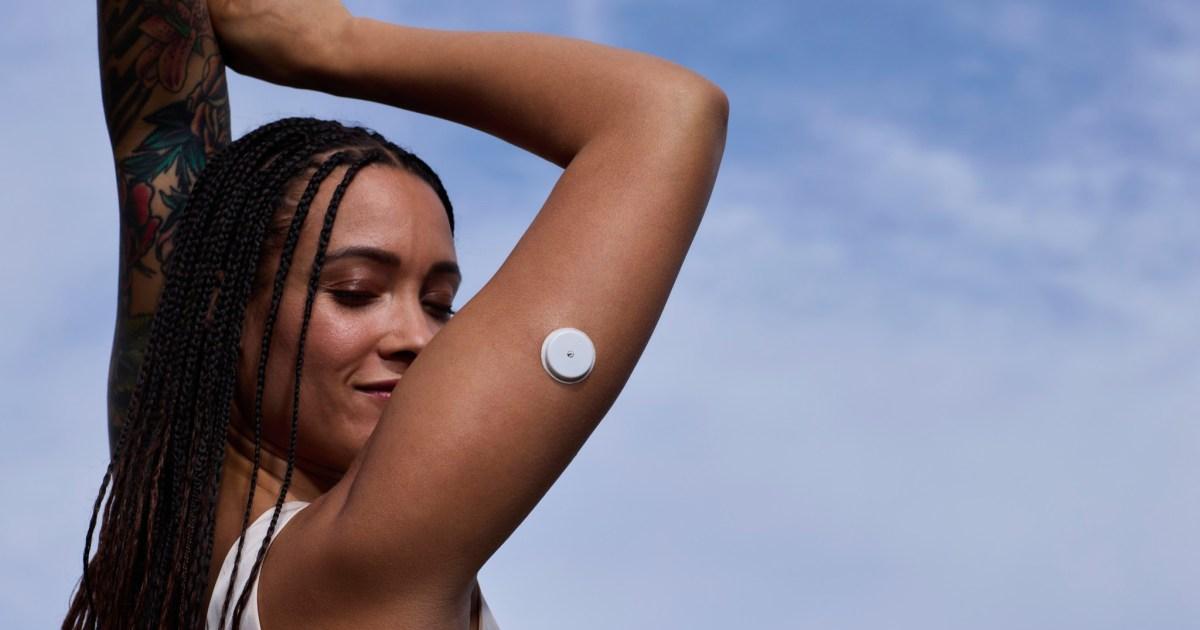
Lingo by Abbott, a glucose biosensor, app, and coaching programme, helps you to understand your glucose levels and how your lifestyle impacts them – supporting you to build healthier habits.
Below, we look at the importance of learning about glucose, the role it plays within your body, and how you could use this knowledge to make proactive changes aimed at improving your wellbeing.
Understanding your glucose levels
Lingo is a biosensor, app and coaching programme designed to empower people to better understand their body’s glucose levels (Picture: Supplied)
Glucose is an important fuel for the body, powering key functions, from the working of vital organs like the heart and brain to the movement of your muscles. When needed, the liver and kidneys can make glucose to fuel the body. It is also obtained when your body breaks down the carbohydrates contained in food and drink. So, when you consume carbohydrates, your glucose levels naturally rise.
However, ‘simple’ carbohydrates like table sugar are converted into glucose faster than ‘complex’ ones, such as vegetables and wholegrains. This means your glucose levels increase much faster if you eat a bag of sweets or a slice of cake with sugary icing compared to a heartier alternative, like a slice of wholegrain toast with a savoury spread.
Pairing carbs with protein and healthy fats, like avocado or olive oil, can also slow down the rate carbohydrates are processed into glucose, slowing down the rise of glucose within the body.
Increases in your glucose levels can also be caused by lifestyle factors such as stress, which prompts a ‘fight or flight’ response from your body. Poor sleep¹ can also impact your body’s glucose.
Exercise can have different effects on glucose. Low intensity exercise can help lower high glucose, while high intensity exercise might increase glucose levels to ensure fuel gets to the working muscles.
What your glucose levels can tell you
The information you see empowers you to make decisions that help you live healthier and better (Picture: Supplied)
Understanding how and why your glucose levels change provides a window into what’s going on in your body. But everyone’s glucose response to certain foods or activities is different, so a one-size-fits-all approach isn’t the answer.
A continuous glucose monitor (CGM) is a wearable biosensor that tracks your glucose levels 24 hours a day.
With Lingo, this data is automatically streamed to the Lingo app, which provides personal insights into your unique glucose response to food, activity and other lifestyle factors.
Keeping glucose levels more stable in response to food is linked to a series of wellbeing benefits, including improved energy levels, mood regulation and focus.²
Lingo is a wearable biosensor that tracks your glucose levels 24 hours a day. It connects to the Lingo app, which provides personal insights into your unique glucose response to food, activity, and other lifestyle factors (Picture: Supplied)
And because glucose spikes followed by dips are linked to hunger and excess intake, keeping your glucose levels steady could lead to fewer food cravings3.
Sleep and glucose influence one another. Higher and more fluctuating glucose levels is linked to fewer hours of sleep4. Going to bed late and spending more time awake in bed might result in bigger glucose spikes at breakfast the next day.5
How to keep your glucose levels steady
Exercising for at least 30 minutes a day can help regulate your glucose levels (Picture: Supplied)
Knowing what causes your glucose to spike means you can start to build healthier habits. For example, if you find that a particular food causes your glucose to rise especially quickly, you may choose to eat less of it, pair it with protein and healthy fats, or take some light exercise after consuming it.
Eating sugary foods in moderation is always a good idea to help keep your glucose levels stable, as is staying within the recommended limits for alcohol – which can be carb heavy and can disrupt your sleep.
Exercising for at least 30 minutes a day can help regulate your glucose levels. To incorporate more exercise into your day, try to put yourself in situations where you need to move around – such as by getting off the bus one stop early and walking the rest of the way to your destination.
Reducing stress and focusing on getting good quality sleep could also be beneficial.
Lingo: Helping you listen to your body
Lingo’s biosensor tracks glucose before the app provides personalised insights and customised coaching, helping you to pursue better sleep, mood, focus and energy (Picture: Supplied)
Lingo is created and designed by Abbott, a leader in global healthcare* that has put science and health innovation to work for over 135 years (Picture: Supplied)
The biosensor tracks glucose and the app provides personal insights and coaching, helping you pursue better sleep, mood, focus and energy. Rooted in decades of research, Lingo by Abbott is science-backed system offering a new view of your metabolic health — and a plan for how to improve it.
Over 10 years ago, Abbott introduced FreeStyle Libre — a continuous glucose monitor now used by 6 million people worldwide. Lingo is made by Abbott, built on that proven technology.
The Lingo system is not for medical use and intended for users 18 years and older. Lingo is not intended for diagnosis or management of any disease including diabetes.
The Lingo programme does not guarantee that everyone will achieve the same results as individual responses may vary. It is best to speak to your doctor for advice on starting any diet or exercise regime or if you have an eating disorder or a history of eating disorders.
Craving an unhealthy snack? Four ways to manage your hunger
Hunger can often strike at inconvenient times and send you reaching for something sweet, but by following a few simple tips you can get back in control.
1. Plan – Having high-protein, high-fibre snacks and meals readily available to combat hunger when it comes will help you avoid being tempted by unhealthy options that might make you want to reach for even more.
2. Balance your meals – A ‘glucose friendly’ meal is all about balance. Try dividing up your plate to include a quarter protein, a quarter complex carbohydrate (wholegrains like quinoa or starchy vegetables like lentils and squash), and half non-starchy vegetables (like spinach, broccoli, asparagus and tomatoes).
3. Drink lots of water – Sometimes, when you feel hungry, you might just be thirsty. Drinking enough water that your urine is light in colour (think lemonade, not apple juice) keeps you hydrated. And skipping sugar sweetened beverages can help avoid dips in glucose that are linked to hunger.3
4. Take time out – Ask yourself whether you are actually hungry or just stressed, bored, frustrated, or tired. Take a few minutes out to do something else, like have a walk or read a book, and see if you are still hungry afterwards.
*Data on file, Abbott Diabetes Care, Inc. Based on the number of users worldwide for the FreeStyle Libre portfolio compared to the number of users for other leading personal use sensor-based glucose monitoring systems
¹ Sondrup N, Termannsen AD, Eriksen JN, et al. Effects of sleep manipulation on markers of insulin sensitivity: A systematic review and meta-analysis of randomized controlled trials. Sleep Med Rev. 2022;62:101594 https://pubmed.ncbi.nlm.nih.gov/35189549/
²Jarvis PRE, et al. Continuous glucose monitoring in a healthy population: understanding the post-prandial glycemic response in individuals without diabetes mellitus. Metabolism. 2023 Sep;146:155640. https://pubmed.ncbi.nlm.nih.gov/37356796/
³Wyatt P, et al. Postprandial glycaemic dips predict appetite and energy intake in healthy individuals. Nat Metab. 2021 Apr;3(4):523-529. doi: 10.1038/s42255-021-00383-x. Epub 2021 Apr 12. Erratum in: Nat Metab. 2021 Jul;3(7):1032. https://pubmed.ncbi.nlm.nih.gov/33846643/
⁴ Yoshimura E, Hamada Y, Hatanaka M, et al. Relationship between intra-individual variability in nutrition-related lifestyle behaviors and blood glucose outcomes under free-living conditions in adults without type 2 diabetes. Diabetes Res Clin Pract. 2023;196:110231. https://pubmed.ncbi.nlm.nih.gov/36565723/
5 Tsereteli N, Vallat R, Fernandez-Tajes J, et al. Impact of insufficient sleep on dysregulated blood glucose control under standardised meal conditions. Diabetologia. 2022;65(2):356-365. https://pubmed.ncbi.nlm.nih.gov/34845532/
Sign up to our guide to what’s on in London, trusted reviews, brilliant offers and competitions.London’s best bits in your inbox
Want to take away the guesswork about how food and life’s daily stresses impact your body? Now you can (Picture: Supplied)
Given every human being is totally unique, it’s no surprise our bodies often behave in different ways.
So, while you should always follow the fundamentals of healthy living – like exercising and eating a balanced diet – sometimes it pays to take a more personalised approach. Your glucose levels can be an important indicator of what’s happening inside your body and can impact how you’re feeling.
Glucose is a molecule that circulates in your body and provides your cells with energy. As a result, it plays a key role in metabolism – the complex series of chemical reactions and processes that keep your body functioning.
But the amount of glucose in circulation isn’t static: it constantly changes based on the food and drink you consume as well as the exercise or activities you carry out. Even the stress you feel can influence your glucose levels.
Lingo by Abbott, a glucose biosensor, app, and coaching programme, helps you to understand your glucose levels and how your lifestyle impacts them – supporting you to build healthier habits.
Below, we look at the importance of learning about glucose, the role it plays within your body, and how you could use this knowledge to make proactive changes aimed at improving your wellbeing.
Understanding your glucose levels
Lingo is a biosensor, app and coaching programme designed to empower people to better understand their body’s glucose levels (Picture: Supplied)
Glucose is an important fuel for the body, powering key functions, from the working of vital organs like the heart and brain to the movement of your muscles. When needed, the liver and kidneys can make glucose to fuel the body. It is also obtained when your body breaks down the carbohydrates contained in food and drink. So, when you consume carbohydrates, your glucose levels naturally rise.
However, ‘simple’ carbohydrates like table sugar are converted into glucose faster than ‘complex’ ones, such as vegetables and wholegrains. This means your glucose levels increase much faster if you eat a bag of sweets or a slice of cake with sugary icing compared to a heartier alternative, like a slice of wholegrain toast with a savoury spread.
Pairing carbs with protein and healthy fats, like avocado or olive oil, can also slow down the rate carbohydrates are processed into glucose, slowing down the rise of glucose within the body.
Increases in your glucose levels can also be caused by lifestyle factors such as stress, which prompts a ‘fight or flight’ response from your body. Poor sleep¹ can also impact your body’s glucose.
Exercise can have different effects on glucose. Low intensity exercise can help lower high glucose, while high intensity exercise might increase glucose levels to ensure fuel gets to the working muscles.
What your glucose levels can tell you
The information you see empowers you to make decisions that help you live healthier and better (Picture: Supplied)
Understanding how and why your glucose levels change provides a window into what’s going on in your body. But everyone’s glucose response to certain foods or activities is different, so a one-size-fits-all approach isn’t the answer.
A continuous glucose monitor (CGM) is a wearable biosensor that tracks your glucose levels 24 hours a day.
With Lingo, this data is automatically streamed to the Lingo app, which provides personal insights into your unique glucose response to food, activity and other lifestyle factors.
Keeping glucose levels more stable in response to food is linked to a series of wellbeing benefits, including improved energy levels, mood regulation and focus.²
Lingo is a wearable biosensor that tracks your glucose levels 24 hours a day. It connects to the Lingo app, which provides personal insights into your unique glucose response to food, activity, and other lifestyle factors (Picture: Supplied)
And because glucose spikes followed by dips are linked to hunger and excess intake, keeping your glucose levels steady could lead to fewer food cravings3.
Sleep and glucose influence one another. Higher and more fluctuating glucose levels is linked to fewer hours of sleep4. Going to bed late and spending more time awake in bed might result in bigger glucose spikes at breakfast the next day.5
How to keep your glucose levels steady
Exercising for at least 30 minutes a day can help regulate your glucose levels (Picture: Supplied)
Knowing what causes your glucose to spike means you can start to build healthier habits. For example, if you find that a particular food causes your glucose to rise especially quickly, you may choose to eat less of it, pair it with protein and healthy fats, or take some light exercise after consuming it.
Eating sugary foods in moderation is always a good idea to help keep your glucose levels stable, as is staying within the recommended limits for alcohol – which can be carb heavy and can disrupt your sleep.
Exercising for at least 30 minutes a day can help regulate your glucose levels. To incorporate more exercise into your day, try to put yourself in situations where you need to move around – such as by getting off the bus one stop early and walking the rest of the way to your destination.
Reducing stress and focusing on getting good quality sleep could also be beneficial.
Lingo: Helping you listen to your body
Lingo’s biosensor tracks glucose before the app provides personalised insights and customised coaching, helping you to pursue better sleep, mood, focus and energy (Picture: Supplied)
Lingo is created and designed by Abbott, a leader in global healthcare* that has put science and health innovation to work for over 135 years (Picture: Supplied)
The biosensor tracks glucose and the app provides personal insights and coaching, helping you pursue better sleep, mood, focus and energy. Rooted in decades of research, Lingo by Abbott is science-backed system offering a new view of your metabolic health — and a plan for how to improve it.
Over 10 years ago, Abbott introduced FreeStyle Libre — a continuous glucose monitor now used by 6 million people worldwide. Lingo is made by Abbott, built on that proven technology.
The Lingo system is not for medical use and intended for users 18 years and older. Lingo is not intended for diagnosis or management of any disease including diabetes.
The Lingo programme does not guarantee that everyone will achieve the same results as individual responses may vary. It is best to speak to your doctor for advice on starting any diet or exercise regime or if you have an eating disorder or a history of eating disorders.
Craving an unhealthy snack? Four ways to manage your hunger
Hunger can often strike at inconvenient times and send you reaching for something sweet, but by following a few simple tips you can get back in control.
1. Plan – Having high-protein, high-fibre snacks and meals readily available to combat hunger when it comes will help you avoid being tempted by unhealthy options that might make you want to reach for even more.
2. Balance your meals – A ‘glucose friendly’ meal is all about balance. Try dividing up your plate to include a quarter protein, a quarter complex carbohydrate (wholegrains like quinoa or starchy vegetables like lentils and squash), and half non-starchy vegetables (like spinach, broccoli, asparagus and tomatoes).
3. Drink lots of water – Sometimes, when you feel hungry, you might just be thirsty. Drinking enough water that your urine is light in colour (think lemonade, not apple juice) keeps you hydrated. And skipping sugar sweetened beverages can help avoid dips in glucose that are linked to hunger.3
4. Take time out – Ask yourself whether you are actually hungry or just stressed, bored, frustrated, or tired. Take a few minutes out to do something else, like have a walk or read a book, and see if you are still hungry afterwards.
*Data on file, Abbott Diabetes Care, Inc. Based on the number of users worldwide for the FreeStyle Libre portfolio compared to the number of users for other leading personal use sensor-based glucose monitoring systems
¹ Sondrup N, Termannsen AD, Eriksen JN, et al. Effects of sleep manipulation on markers of insulin sensitivity: A systematic review and meta-analysis of randomized controlled trials. Sleep Med Rev. 2022;62:101594 https://pubmed.ncbi.nlm.nih.gov/35189549/
²Jarvis PRE, et al. Continuous glucose monitoring in a healthy population: understanding the post-prandial glycemic response in individuals without diabetes mellitus. Metabolism. 2023 Sep;146:155640. https://pubmed.ncbi.nlm.nih.gov/37356796/
³Wyatt P, et al. Postprandial glycaemic dips predict appetite and energy intake in healthy individuals. Nat Metab. 2021 Apr;3(4):523-529. doi: 10.1038/s42255-021-00383-x. Epub 2021 Apr 12. Erratum in: Nat Metab. 2021 Jul;3(7):1032. https://pubmed.ncbi.nlm.nih.gov/33846643/
⁴ Yoshimura E, Hamada Y, Hatanaka M, et al. Relationship between intra-individual variability in nutrition-related lifestyle behaviors and blood glucose outcomes under free-living conditions in adults without type 2 diabetes. Diabetes Res Clin Pract. 2023;196:110231. https://pubmed.ncbi.nlm.nih.gov/36565723/
5 Tsereteli N, Vallat R, Fernandez-Tajes J, et al. Impact of insufficient sleep on dysregulated blood glucose control under standardised meal conditions. Diabetologia. 2022;65(2):356-365. https://pubmed.ncbi.nlm.nih.gov/34845532/
Sign up to our guide to what’s on in London, trusted reviews, brilliant offers and competitions.London’s best bits in your inbox
Want to take away the guesswork about how food and life’s daily stresses impact your body? Now you can (Picture: Supplied)
Given every human being is totally unique, it’s no surprise our bodies often behave in different ways.
So, while you should always follow the fundamentals of healthy living – like exercising and eating a balanced diet – sometimes it pays to take a more personalised approach. Your glucose levels can be an important indicator of what’s happening inside your body and can impact how you’re feeling.
Glucose is a molecule that circulates in your body and provides your cells with energy. As a result, it plays a key role in metabolism – the complex series of chemical reactions and processes that keep your body functioning.
But the amount of glucose in circulation isn’t static: it constantly changes based on the food and drink you consume as well as the exercise or activities you carry out. Even the stress you feel can influence your glucose levels.
Lingo by Abbott, a glucose biosensor, app, and coaching programme, helps you to understand your glucose levels and how your lifestyle impacts them – supporting you to build healthier habits.
Below, we look at the importance of learning about glucose, the role it plays within your body, and how you could use this knowledge to make proactive changes aimed at improving your wellbeing.
Understanding your glucose levels
Lingo is a biosensor, app and coaching programme designed to empower people to better understand their body’s glucose levels (Picture: Supplied)
Glucose is an important fuel for the body, powering key functions, from the working of vital organs like the heart and brain to the movement of your muscles. When needed, the liver and kidneys can make glucose to fuel the body. It is also obtained when your body breaks down the carbohydrates contained in food and drink. So, when you consume carbohydrates, your glucose levels naturally rise.
However, ‘simple’ carbohydrates like table sugar are converted into glucose faster than ‘complex’ ones, such as vegetables and wholegrains. This means your glucose levels increase much faster if you eat a bag of sweets or a slice of cake with sugary icing compared to a heartier alternative, like a slice of wholegrain toast with a savoury spread.
Pairing carbs with protein and healthy fats, like avocado or olive oil, can also slow down the rate carbohydrates are processed into glucose, slowing down the rise of glucose within the body.
Increases in your glucose levels can also be caused by lifestyle factors such as stress, which prompts a ‘fight or flight’ response from your body. Poor sleep¹ can also impact your body’s glucose.
Exercise can have different effects on glucose. Low intensity exercise can help lower high glucose, while high intensity exercise might increase glucose levels to ensure fuel gets to the working muscles.
What your glucose levels can tell you
The information you see empowers you to make decisions that help you live healthier and better (Picture: Supplied)
Understanding how and why your glucose levels change provides a window into what’s going on in your body. But everyone’s glucose response to certain foods or activities is different, so a one-size-fits-all approach isn’t the answer.
A continuous glucose monitor (CGM) is a wearable biosensor that tracks your glucose levels 24 hours a day.
With Lingo, this data is automatically streamed to the Lingo app, which provides personal insights into your unique glucose response to food, activity and other lifestyle factors.
Keeping glucose levels more stable in response to food is linked to a series of wellbeing benefits, including improved energy levels, mood regulation and focus.²
Lingo is a wearable biosensor that tracks your glucose levels 24 hours a day. It connects to the Lingo app, which provides personal insights into your unique glucose response to food, activity, and other lifestyle factors (Picture: Supplied)
And because glucose spikes followed by dips are linked to hunger and excess intake, keeping your glucose levels steady could lead to fewer food cravings3.
Sleep and glucose influence one another. Higher and more fluctuating glucose levels is linked to fewer hours of sleep4. Going to bed late and spending more time awake in bed might result in bigger glucose spikes at breakfast the next day.5
How to keep your glucose levels steady
Exercising for at least 30 minutes a day can help regulate your glucose levels (Picture: Supplied)
Knowing what causes your glucose to spike means you can start to build healthier habits. For example, if you find that a particular food causes your glucose to rise especially quickly, you may choose to eat less of it, pair it with protein and healthy fats, or take some light exercise after consuming it.
Eating sugary foods in moderation is always a good idea to help keep your glucose levels stable, as is staying within the recommended limits for alcohol – which can be carb heavy and can disrupt your sleep.
Exercising for at least 30 minutes a day can help regulate your glucose levels. To incorporate more exercise into your day, try to put yourself in situations where you need to move around – such as by getting off the bus one stop early and walking the rest of the way to your destination.
Reducing stress and focusing on getting good quality sleep could also be beneficial.
Lingo: Helping you listen to your body
Lingo’s biosensor tracks glucose before the app provides personalised insights and customised coaching, helping you to pursue better sleep, mood, focus and energy (Picture: Supplied)
Lingo is created and designed by Abbott, a leader in global healthcare* that has put science and health innovation to work for over 135 years (Picture: Supplied)
The biosensor tracks glucose and the app provides personal insights and coaching, helping you pursue better sleep, mood, focus and energy. Rooted in decades of research, Lingo by Abbott is science-backed system offering a new view of your metabolic health — and a plan for how to improve it.
Over 10 years ago, Abbott introduced FreeStyle Libre — a continuous glucose monitor now used by 6 million people worldwide. Lingo is made by Abbott, built on that proven technology.
The Lingo system is not for medical use and intended for users 18 years and older. Lingo is not intended for diagnosis or management of any disease including diabetes.
The Lingo programme does not guarantee that everyone will achieve the same results as individual responses may vary. It is best to speak to your doctor for advice on starting any diet or exercise regime or if you have an eating disorder or a history of eating disorders.
Craving an unhealthy snack? Four ways to manage your hunger
Hunger can often strike at inconvenient times and send you reaching for something sweet, but by following a few simple tips you can get back in control.
1. Plan – Having high-protein, high-fibre snacks and meals readily available to combat hunger when it comes will help you avoid being tempted by unhealthy options that might make you want to reach for even more.
2. Balance your meals – A ‘glucose friendly’ meal is all about balance. Try dividing up your plate to include a quarter protein, a quarter complex carbohydrate (wholegrains like quinoa or starchy vegetables like lentils and squash), and half non-starchy vegetables (like spinach, broccoli, asparagus and tomatoes).
3. Drink lots of water – Sometimes, when you feel hungry, you might just be thirsty. Drinking enough water that your urine is light in colour (think lemonade, not apple juice) keeps you hydrated. And skipping sugar sweetened beverages can help avoid dips in glucose that are linked to hunger.3
4. Take time out – Ask yourself whether you are actually hungry or just stressed, bored, frustrated, or tired. Take a few minutes out to do something else, like have a walk or read a book, and see if you are still hungry afterwards.
*Data on file, Abbott Diabetes Care, Inc. Based on the number of users worldwide for the FreeStyle Libre portfolio compared to the number of users for other leading personal use sensor-based glucose monitoring systems
¹ Sondrup N, Termannsen AD, Eriksen JN, et al. Effects of sleep manipulation on markers of insulin sensitivity: A systematic review and meta-analysis of randomized controlled trials. Sleep Med Rev. 2022;62:101594 https://pubmed.ncbi.nlm.nih.gov/35189549/
²Jarvis PRE, et al. Continuous glucose monitoring in a healthy population: understanding the post-prandial glycemic response in individuals without diabetes mellitus. Metabolism. 2023 Sep;146:155640. https://pubmed.ncbi.nlm.nih.gov/37356796/
³Wyatt P, et al. Postprandial glycaemic dips predict appetite and energy intake in healthy individuals. Nat Metab. 2021 Apr;3(4):523-529. doi: 10.1038/s42255-021-00383-x. Epub 2021 Apr 12. Erratum in: Nat Metab. 2021 Jul;3(7):1032. https://pubmed.ncbi.nlm.nih.gov/33846643/
⁴ Yoshimura E, Hamada Y, Hatanaka M, et al. Relationship between intra-individual variability in nutrition-related lifestyle behaviors and blood glucose outcomes under free-living conditions in adults without type 2 diabetes. Diabetes Res Clin Pract. 2023;196:110231. https://pubmed.ncbi.nlm.nih.gov/36565723/
5 Tsereteli N, Vallat R, Fernandez-Tajes J, et al. Impact of insufficient sleep on dysregulated blood glucose control under standardised meal conditions. Diabetologia. 2022;65(2):356-365. https://pubmed.ncbi.nlm.nih.gov/34845532/
Sign up to our guide to what’s on in London, trusted reviews, brilliant offers and competitions.London’s best bits in your inbox
Ask a chai lover, a piping hot cup of tea is all they need to kick-start the day. In fact, it comes to the rescue whenever you feel low during the day. So much so that you end up having multiple cups of chai throughout the day. And that’s where problem arises. It is rightly said that excess of everything is bad for health and it stands true for tea as well. While tea contains antioxidants and benefits us in multiple ways, having it in excess amount or without proper knowledge may lead to several digestive issues, most common one being bloating. Let’s elucidate further.
When Do You Feel Bloated After Drinking Tea:
Many of you complain of bloating in the morning or by the end of the day. Right? While people advise checking on meals and lifestyle during such situations, what they miss out on is tea. It is very important to know the right time to have tea to enjoy it to the fullest, without any unwanted side-effect. This means, never have it empty stomach – be it in the morning or throughout the day. It leads to the formation of gas and acids that lead to bloating, heartburn and other digestive issues. Also Read:Beyond Chai: 5 Smart Ways You Can Make Use Of Tea Leaves At Home
Photo Credit: iStock
Why Tea Makes You Feel Bloated:
Now, we will find out the link between your favourite beverage and digestive troubles. Tea contains tannins that are diuretic in nature. It leads to production of digestive acid in your gut, which if not detoxed, leads to formation of gas in the body. Besides, if taken in excess amounts, the caffeine content in tea is also known to make you feel dehydrated – one of the major causes of bloating. Bangalore-based nutritionist Dr Anju Sood explains, “Regular, green or herbal tea – all of them are considered natural dehydrator. Our body is made of cells, and these cells are full of water. By drinking tea in excess amounts, you are flushing out the water from these cells, thereby dehydrating yourself. Since excess water is being pushed out, the body retains the water it derives from the food we eat.”
What Is The Right Way To Drink Tea Without Any Side Effect:
Nutritionist Meher Rajput advises that people “with sensitive gut” should limit their tea intake and “those who are suffering from stomach infection” should totally avoid it. But for others, never drink tea empty stomach. She adds that tea must always be clubbed with some food to avoid the production of excess acid in the gut.
Bottom Line:
Considering all the above factors, we feel, the best practice is to avoid tea first thing in the morning. Instead, you can have some nuts, detox drinks etc and then reach out for your morning chai. The same goes for the evening tea – always pair it with some snacks (preferably healthy) to avoid acid reflux. Enjoy your tea, everyone!
Disclaimer: This content including advice provides generic information only. It is in no way a substitute for qualified medical opinion. Always consult a specialist or your own doctor for more information. NDTV does not claim responsibility for this information.