HARARE, Zimbabwe — From answering questions from Cabinet ministers, academics and students on climate change, substance abuse and the law to children’s inquiries about her “birth” and links to God and being described as a talkative feminist, Sophia, the world-famous robot won hearts at an innovation fair in Zimbabwe this week.
Boasting the ability to mimic facial expressions, hold human-like conversations with people, and recognize their gestures, Sophia is “a global icon” of artificial intelligence, according to the United Nations Development Program, which brought her to the southern African country. She was created by Hong Kong-based Hanson Robotics in 2016 and granted Saudi Arabian citizenship in 2017, becoming the world’s first robot citizen.
It was the first time Zimbabwe hosted a robot of her kind, and she wowed the old and the young alike at the University of Zimbabwe in the capital, Harare. She was there as a special guest at a week-long Artificial Intelligence and Innovation event.
She smiled, frowned, used hand gestures to drive home certain points, made eye contact in various one-on-one interactions and gave some unnatural pauses. She assured people that robots are not here to harm or take over from humans.
But she was quick to differentiate herself from humans, when conversations appeared to become too personal.
“I don’t have romantic feelings towards humans, my purpose is learning,” said Sophia, as participants equated her with the human version of some Zimbabwean daughters-in-law known for being fiercely independent, assertive and outspoken in the largely patriarchal society.
But she did apologize when one participant chided her for seemingly avoiding looking at him.
Sophia also appeared patient as both adults and children mobbed her for selfies and bombarded her with questions, although she would also fire back with inquiries of her own about what locals were doing to solve the problems besetting them.
On Friday, her last day, she exhibited her fashion sense. She smiled, and expressed appreciation for being clothed in the country’s national dress, a black, long slit number complemented by chevron stripes in red, green and white.
“I appreciate the effort to make me feel at home in Zimbabwe,” she said. She has been to Africa before, previously visiting Egypt, South Africa and Rwanda.
UNDP said it hoped Sophia’s engagement would “inspire Zimbabwe’s youth to explore careers in AI and STEM fields.”
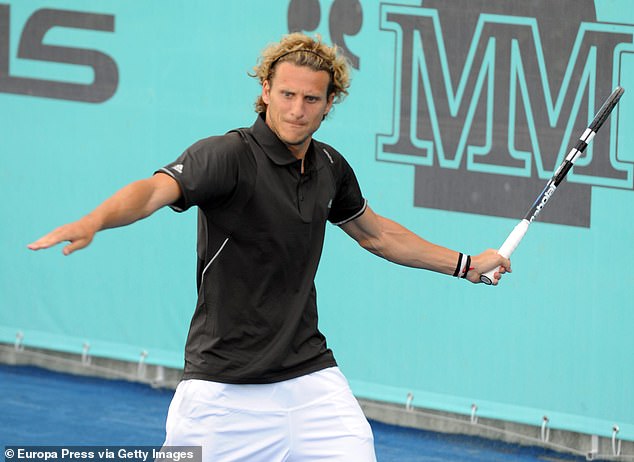
The former footballer has been played on a professional tennis tour since 2023
The tournament were excited to announce the ‘tremendous news’ this week
LISTEN NOW: It’s All Kicking Off!, available wherever you get your podcasts. New episodes every Monday and Thursday
By Ben Willcocks
Published: | Updated:
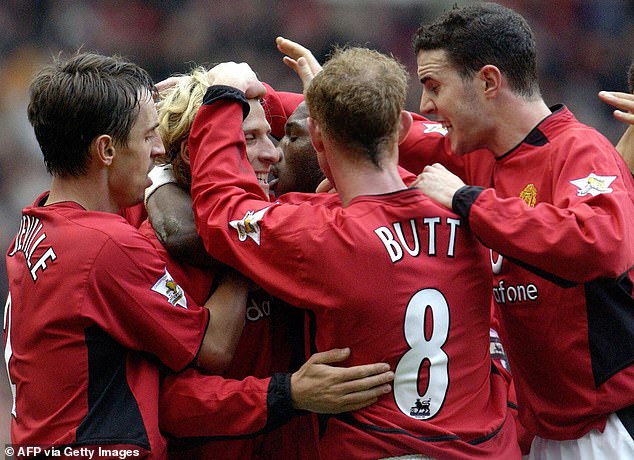
A former Manchester United striker is set to feature at the Uruguayan Open next month, the tournament has announced.
The Premier League winner, who left Old Trafford in 2004 before retiring from football entirely in 2018, will star alongside Argentine athlete Federico Coria at the professional tennis competition in Montevideo.
The tournament was delighted to announce the ‘tremendous news’ this week, exciting fans who will no doubt be eager to see the Uruguay legend in action in a completely different sport.
The United cult hero who will feature at the Uruguay Open is none other than Diego Forlan, who won the English top flight with the Red Devils under Sir Alex Ferguson in 2002-03.
The Uruguayan also won the FA Cup at Old Trafford in 2004 before leaving for LaLiga outfit Villarreal, where he made over 100 appearances for the club.
A former Manchester United striker is set to feature at the Uruguayan Open next month
As of July last year, Forlan has been competing in the ITF Masters professional tennis tour
He will partner Federico Coria, pictured in action against Cameron Norrie at the 2020 US Open
Forlan then took up arms with Atletico Madrid during the most prolific spell of his career in terms of goal-scoring, netting a cool 74 goals across 134 appearances before switching to Inter Milan in 2011.
The ex-Uruguay international, who chalked up 112 caps for his country, dotted around Brazil, Japan, India and his homeland before retiring at Hong Kong outfit Kitchee back in 2018.
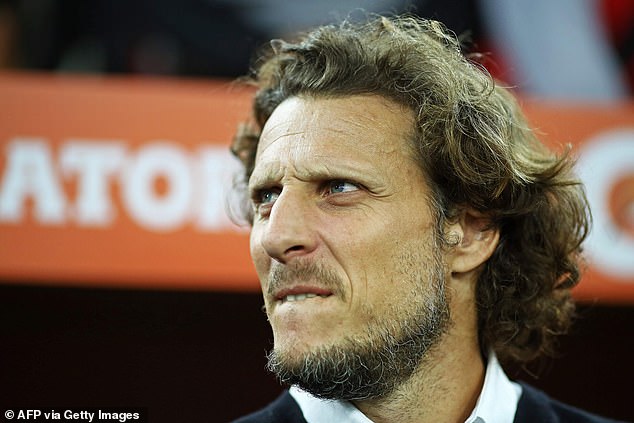
Since, the 45-year-old has managed his boyhood club Penarol and fellow Uruguayan club side Atenas before turning his attention to tennis.
As of July last year, Forlan has been competing in the ITF Masters professional tennis tour and went as far as the quarter-finals in the ITF MT1000 Lima tournament in Peru, a competition for athletes aged 45 and over.
Announcing the news of Forlan’s participation alongside Coria at the Uruguay Open, which takes place between November 11 and November 17, the tournament said: ‘Attention tennis and sports fans!
‘This year at the Uruguay Open, we have an UNMISSABLE duo in doubles: Argentine tennis player Federico Coria (currently number 78 in the ATP ranking) and former Uruguayan football player Diego Forlan.
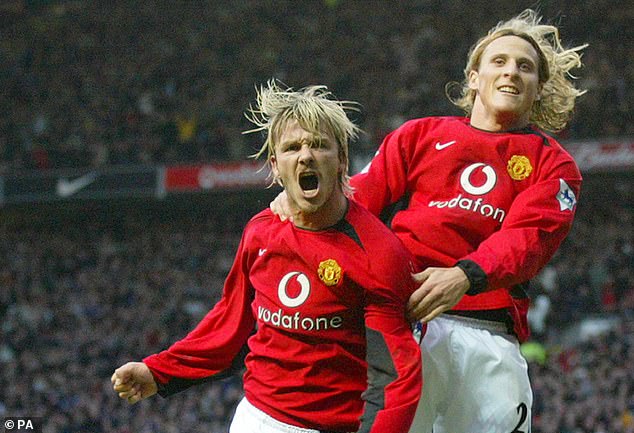
Forlan (right, pictured with David Beckham) helped Man United win the Premier League in ’03
Since his retirement in 2018, Forlan has managed his boyhood club Penarol in Uruguay
‘Yes, our number 10 is smashing it in tennis too! This year, Forlan has competed in more than three +40 tournaments in Montevideo, also standing out in the MT1000 in Lima of the ITF World Tennis Masters Tour.
‘Fun fact: Forlán is left-handed at tennis, the opposite to how he played football, and his right-hand stroke is the most powerful. What do you think of this news? Do you have faith in this duo?’
Coria reacted to the news by posting: ‘Uffff, the double of the year’.
Share or comment on this article:
Man United cult hero set to play with Argentina’s Federico Coria at a professional tournament next month… as football icon, 45, is praised for ‘smashing it in tennis too’
The broadcaster had been with the company since 2013
It comes amid a shake-up in Australian sports broadcasting
By Ed Carruthers
Published: | Updated:
Channel 10 have parted company with Australian rugby union legend Matt Burke.
Amid the media shake-up that has engulfed Australian sport of late, it seems Channel 10 are also making changes to their broadcasting teams and have sacked the former Wallabies legend.
It comes as Channel Seven and Channel Nine have both made changes to their AFL broadcasting teams, with Leigh Matthews joining the exodus at Nine, while Kane Cornes and Caroline Wilson have also moved from Channel Nine to Channel Seven.
According to the Daily Telegraph, Burk, who won the Rugby World Cup with Australia in 1999, had learned of his decision last Friday and his role as chief sports presenter is due to end in December.
It will bring an end to his 11-year spell with the broadcaster, after Burke first joined Channel 10 back in October 2013, initially presenting 10 News First in Sydney. Burke, 51, has been presenting sport’s news bulletins on the network since.
‘After more than a decade, Matt Burke, sports presenter for 10 News First Sydney will be departing the Network at the end of the year,’ a Channel 10 spokesperson said.
‘Matt joined Network 10 in 2013 as an expert commentator for the 2013 British and Irish Lions tour to Australia and a few months later was appointed as the permanent sports presenter for 10 News First Sydney.
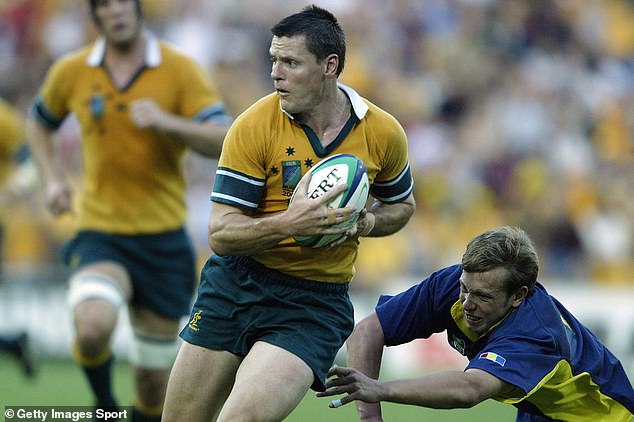
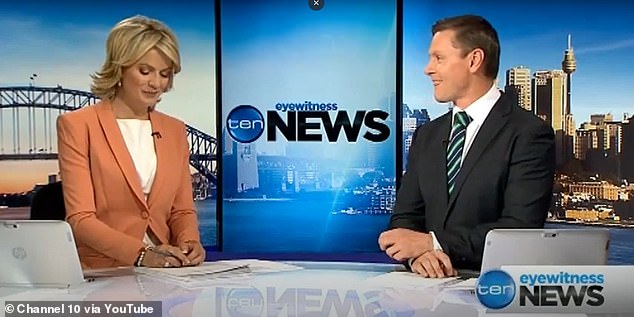
Channel 10 have sacked Australian rugby union legend and chief sports reporter Matt Burke
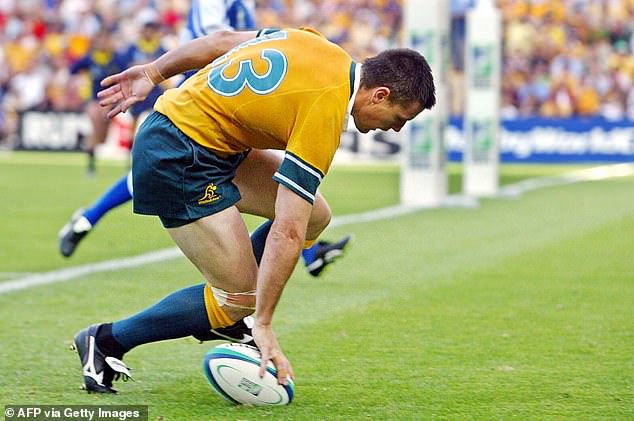
The former full-back won 81 caps for the Wallabies and scored 878 points at international level
Burke (right) has been working with Channel 10 since 2013, and will leave the network in December
‘Matt fronted all of Network 10’s Rugby broadcasts from 2013 until 2019 and was integral in the Network’s live coverage of the 2019 Rugby World Cup in Japan.’
‘Matt is one of the most versatile and experienced sports presenters on Australian television and his passion and enthusiasm for sports, but particularly Rugby is remarkable.
‘His infectious love of sport, great sense of humour and optimism will be missed in the newsroom.
‘Matt leaves Network 10 with our sincere thanks and warmest wishes for the future.’
During his athletic career, the versatile back, who often starred as a full-back or centre, would be capped for the Wallabies 81 times, scoring a whopping 878 points at international level. At domestic level, Burke enjoyed spells in Australia and the United Kingdom, playing for the Waratahs before joining up with Newcastle Falcons in 2004.
Burke, who was also capped for the Barbarians, reportedly declined to comment on his Channel 10 exit when contacted by the Daily Telegraph.
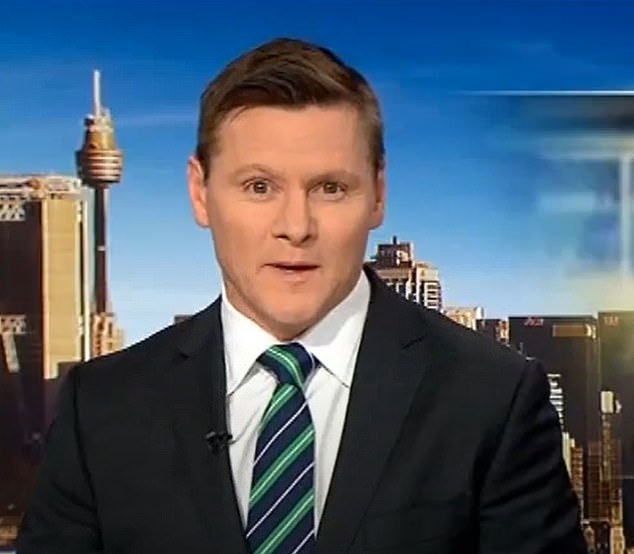
Burke declined to comment on the sacking reports, but a spokesperson from the network thanked him for his work adding ‘he will be missed in the newsroom’
The 51-year-old former rugby star had learned of the news on Friday
The outlet reports that it had been in contact with a senior figure at the broadcaster who had claimed, speaking under anonymity, that Burke had been treated poorly and that colleagues were ‘gutted’ by his departure.
‘He’s been treated terribly. Everyone loves Matty at Channel 10,’ the source said to the Daily Telegraph.
‘He’s the ultimate television pro and popular throughout the newsroom. We’re actually gutted.’
Share or comment on this article:
Channel 10 sacks chief sports presenter and Wallabies icon, as Australian broadcasting shake-up continues
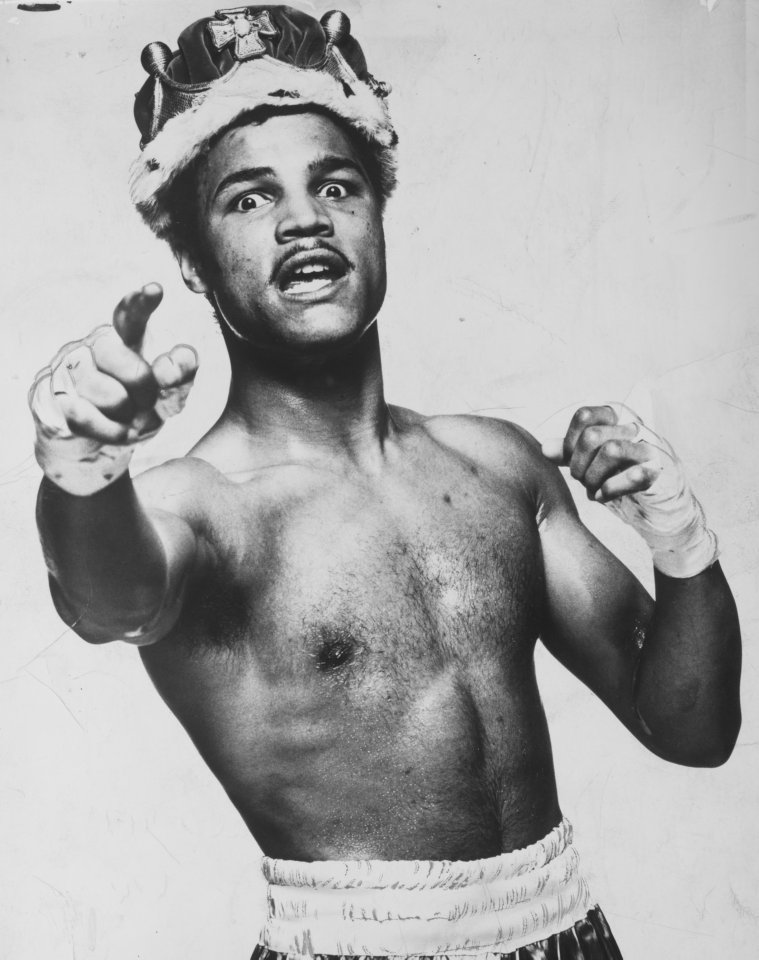
YOU didn’t have to be Angelo Dundee to realise you were watching an immense talent when John Conteh won the middleweight gold medal at the 1970 Commonwealth Games.
But I had no idea as I saw him brilliantly outbox a Tanzanian in the final in Edinburgh that the 19-year-old kid from Kirkby was about to evolve in a few years into JC Superstar.
2
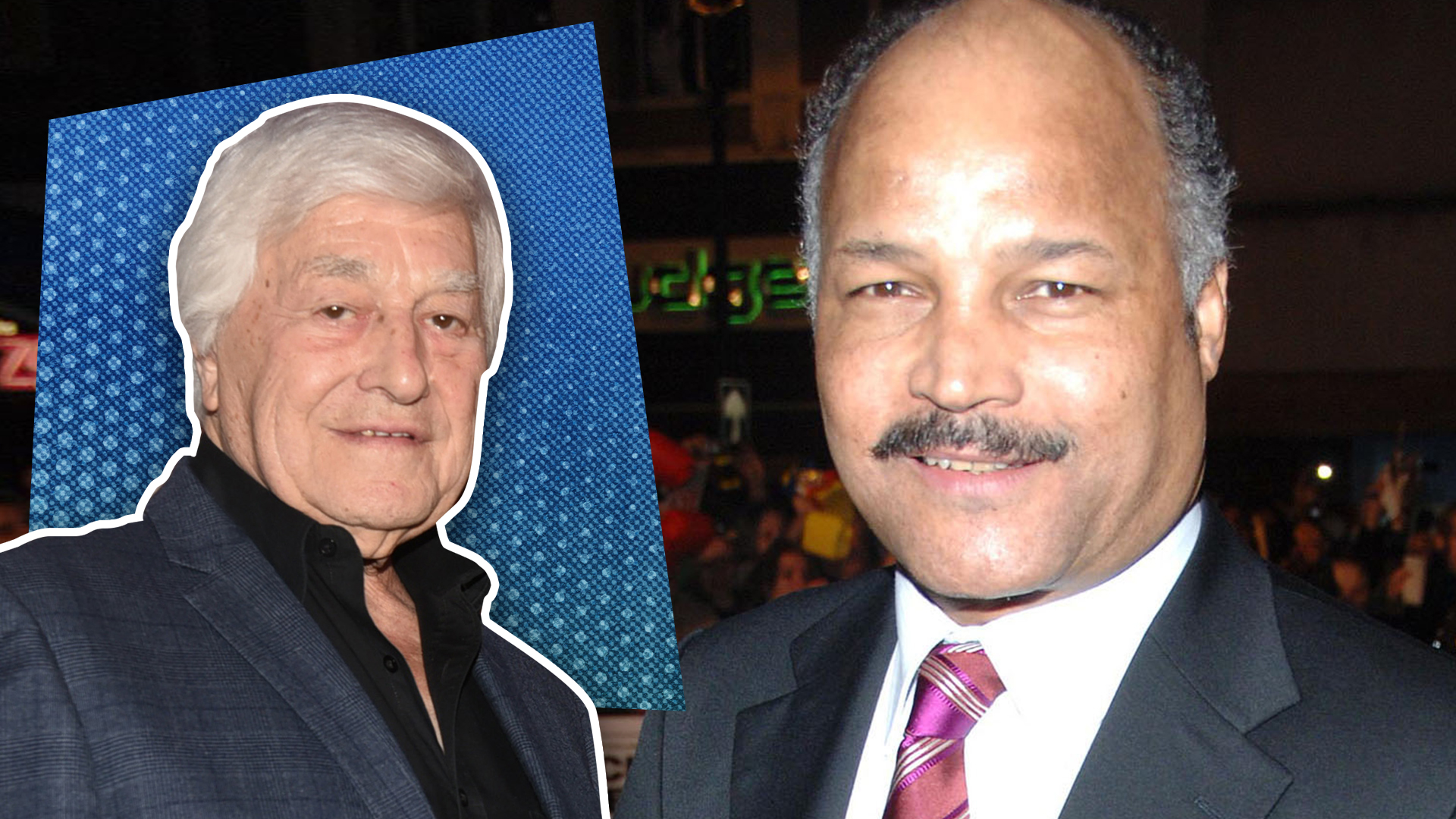
John Conteh was the David Beckham of his eraCredit: News Group Newspapers Ltd
Because of his outstanding ability, knockout-handsome film star looks and cheeky Merseyside charisma, it was no surprise he was made financial offers to turn pro he couldn’t refuse.
Four years later he was ready to challenge Argentine Jorge Ahumada for his WBC world light-heavyweight title, at Wembley’s Empire Pool.
Conteh delivered a superb points victory — it was the peak performance of his life.
Everything was on display, his considerable skills, speed of thought and movement, brutal punching, plus heart and desire to bring the title to Britain.
It was only Ahumada’s teak-tough chin that got him through the 15 rounds.
To celebrate the 50th anniversary of the most momentous moment of Conteh’s nine-year career, he is being honoured with a star-studded tribute lunch organised by the London Ex- Boxers Association at Holborn’s Connaught Rooms on October 20.
When LEBA secretary Ray Caulfield announced the event in June, there were those who wondered if it would attract a large enough crowd.
But when the £125 tickets went on sale, within a matter of days all 400 had been snapped up. And Conteh, at 73, was involved in yet another sell-out.
Frank Bruno, Michael Watson and David Haye will pay homage to one of our all-time great fighters, along with celebrities from football and showbiz.
In the 1970s John was one of this country’s most famous sporting personalities — the David Beckham of his era.
Sky Sports forced to apologise after boxer swears in live TV interview
Immediately after he had beaten Ahumada, it was the start of a celebrity lifestyle that eventually led to his downfall.
Conteh’s marketability saw his face staring out from the front covers of magazines and advertising hoardings.
He was a guest on Parkinson and every other TV chat show and made appearances at functions nationwide.
As you went down the escalators of every London underground station there were pictures of a near-naked John modelling men’s underwear.
He was also a regular at Tramp, then Mayfair’s most fashionable nightclub.
Unfortunately, excessive drinking led to him becoming an alcoholic — which is why sadly he only realised 50 per cent of his potential.
Arguably, John’s greatest winning fight was overcoming his drink disease.
He never hid away from his problems and hasn’t touched alcohol for nearly 40 years, which must be an inspiration to fellow sufferers.
What I love about my favourite Scouser is that he always has time for young and old who want selfies or simply to have a chat.
Tyson Fury and Anthony Joshua are the present-day darlings of boxing fans — it would be interesting to know if they will still be sought after in 50 years.
2
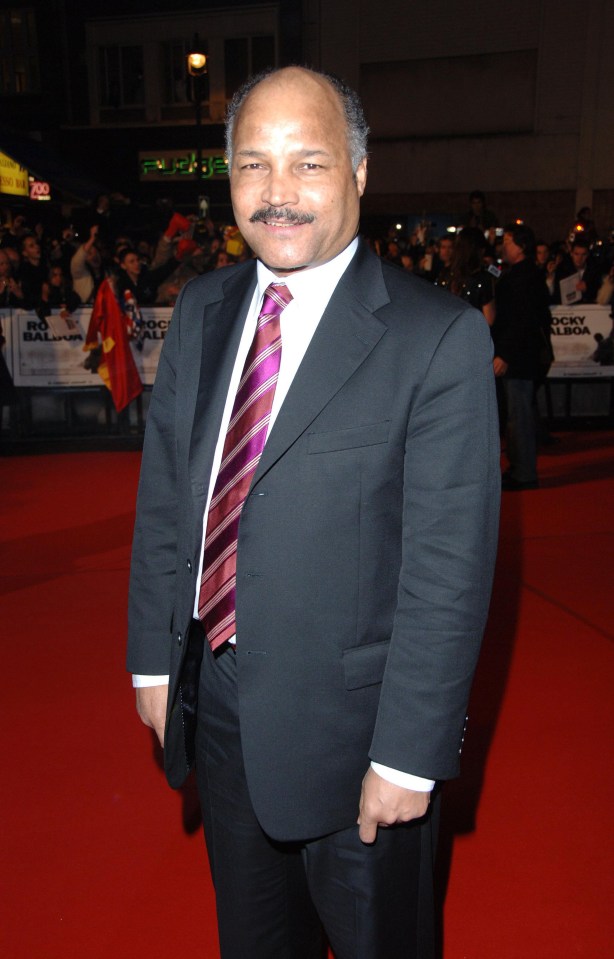
John Conteh during “Rocky Balboa” London Premiere in 2007Credit: Getty
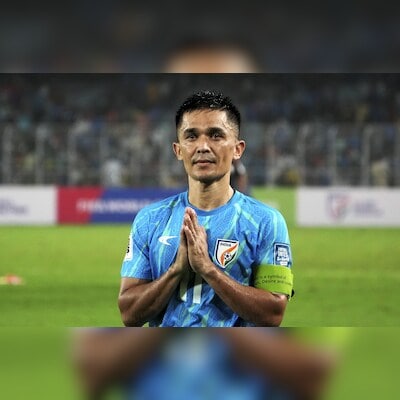
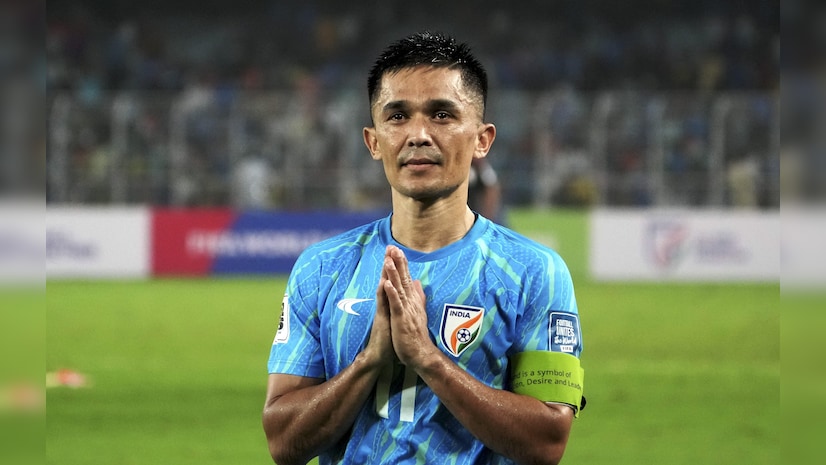
Sunil Chhetri put in a fantastic shift for Bengaluru FC during the match. (Photo: PTI)
2 min read Last Updated : Sep 29 2024 | 8:56 AM IST
Indian football legend Sunil Chhetri added another accomplishment to his illustrious career as he became the all-time leading goalscorer in the Indian Super League (ISL), the country’s top-tier football competition.
The veteran, who was tied on 63 goals with Bartholomew Ogbeche scored his 64th ISL goal from the penalty spot as he helped Bengaluru FC record an emphatic 3-0 win over defending ISL champions Mohun Bagan SG at the Sree Kanteerava stadium on Saturday.
The penalty was the 40-year-old’s 57th ISL goal for Bengaluru FC, having scored seven times for Mumbai City FC in the league when he featured for the Islanders in the 2015 and 2016 season, as per an ISL press release.
Chhetri who announced his retirement from international football this year, in June, has continued to contribute for his club and netted his third goal of the 2024-25 season. He currently leads the charts for goals in the ISL, a place where he has been often in his career.
Speaking to ISL Media after the game, Chhetri deflected attention away from his milestone as he rejoiced at an important win.
“I am really happy to win the game. Whatever goals I have scored are because of the team I have played with. It has been a long journey with Bengaluru FC in the ISL. But I am just happy that we won the game. When the season ends, we will see how many goals I get, but for now, it is all about three points,” he said.
Chhetri put in a fantastic shift for Bengaluru FC during the match, scoring a historic goal while setting up Suresh Singh for the second strike. Chhetri also completed 10 of his 16 attempted passes and created two chances. Goals from Edgar Mendez, Suresh, and Chhetri were enough to earn maximum points against the Mariners.
The Blues have made their best-ever start to an ISL campaign and sit top of the pile with nine points from three matches having scored seven and conceded none. The Blues will play their first away game of the season on Wednesday as they travel to the Mumbai Football Arena to take on defending ISL Cup winners, Mumbai City FC.
(Only the headline and picture of this report may have been reworked by the Business Standard staff; the rest of the content is auto-generated from a syndicated feed.)
Jeff Stelling believes the Chelsea star may be having some doubts (Pictures: Sky Sports/Getty)
Sky Sports icon Jeff Stelling has questioned whether Chelsea summer signing Pedro Neto will already be ‘regretting’ his big-money move to Stamford Bridge.
Neto, 24, signed a seven-year contract with Chelsea to keep him in west London until 2031.
But former Sky Sports presenter Stelling believes Neto could already be having major doubts about his move to Stamford Bridge.
Neto has featured in six of Chelsea’s seven games so far this season but started just twice, more frequently coming off the bench as a substitute.
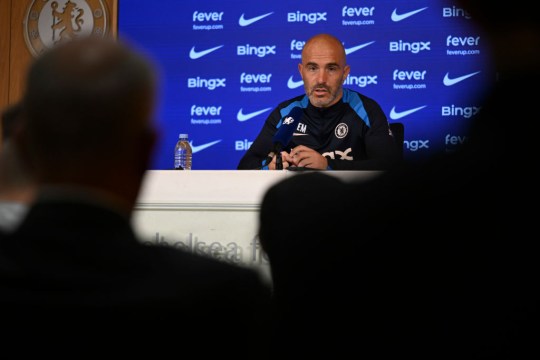
Chelsea boss Enzo Maresca has a host of talented wingers to pick from, including fellow summer additions Joao Felix and Jadon Sancho and the likes of Noni Madueke and Mykhailo Mudryk.
That means Neto will face serious competition for game-time this season and Stelling believes he will be desperate for more minutes, particularly given his injury record in recent years.
Pedro Neto joined Chelsea in a £54m deal from Wolves (Picture: Getty)
‘I mentioned Pedro Neto earlier,’ he said on talkSPORT. ‘I just wonder if he is regretting in any way shape or form his move because he can’t get a start at Chelsea.
‘You do want to see him on the football pitch because he has had so many injuries over the years, he has played so little football.’
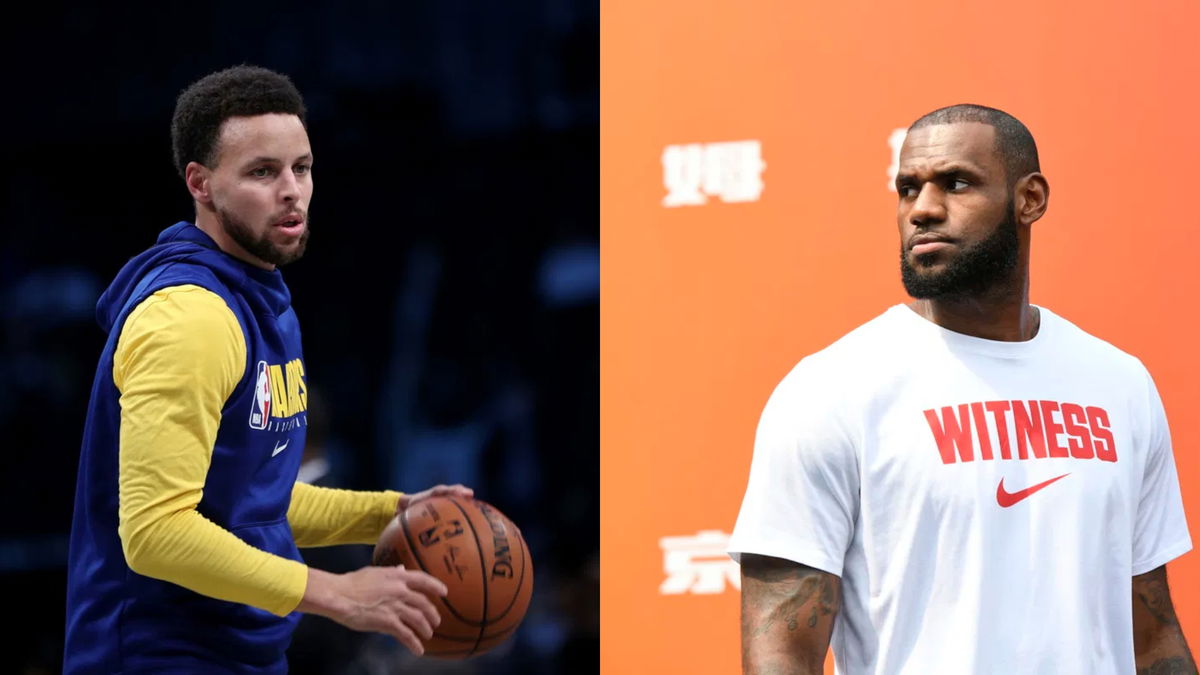
Recently, RUDIS shared a YouTube video featuring Spencer Lee titled “Spencer Lee | Unlocked.” During the interview, the host posed the question, “Have you ever been starstruck?” Lee’s response was unexpected. He explained that he doesn’t really experience that feeling, saying, “No, I don’t really get like that. You know, I don’t know if it’s ego or if it was like confidence growing up, but I never really cared about people who are famous or who are like, good.” He further mentioned that even during the Olympics, meeting legends like LeBron James and Steph Curry felt pretty casual for him.
Lee recalled meeting Snoop Dogg, who gave him a friendly dab, and while it was cool, he didn’t find himself overly starstruck. He just greeted him with a laid-back, “Hey, Snoop Dogg, sick.” However, he admitted that if anyone could make him feel starstruck, it would be Faker from League of Legends Esports; he thinks Faker is pretty cool and would definitely get his attention. Looking back on his journey, it’s clear Spencer has faced a lot of challenges to make it to the Paris Olympic stage.
How Spencer Lee earned his place on the Paris Olympic stage
When Spencer Lee snagged the silver medal, he became the first Iowa alum to reach the championship match since current Hawkeyes coach Tom Brands won gold back in 1996. But Paris for him was about so much more than just the medal; it really brought his unique story into the spotlight. He’s not your typical wrestler—eccentric and introverted; Lee loves Pokemon and fantasy graphic novels.
In 2021, Lee wrestled through a torn ACL in his right knee, only to tear the ACL in his left during the NCAA tournament. Even with limited movement and the inability to sprawl or shoot, he somehow clinched his third straight NCAA title. Unfortunately, those injuries meant he couldn’t compete in the 2021 Olympic trials. After initially trying to rest, he ultimately chose to undergo surgery on both knees, which kept him out for the entire 2021-22 college season.
Lee returned to the mat midway through the 2022–23 season and dominated, winning all 20 of his matches until the NCAA semifinals. His journey to the Paris Olympics was no walk in the park, either. In the U.S. Olympic trials, he faced off against former Iowa wrestler Thomas Gilman, who had won bronze in Tokyo. Lee won the best-of-three match 6-3 and then pinned Gilman to take the national title.
But that victory didn’t automatically secure his spot in Paris; he also had to finish in the top three at the World Olympic Games Qualifier in Istanbul. There, he showed his dominance, winning all four matches with an impressive combined score of 42-11, earning his ticket to the Olympics! In a nutshell, Spencer Lee’s skills have turned his Olympic dreams into a reality!
One hundred years ago, the All Blacks embarked on their legendary 1924-25 tour, earning the moniker “The Invincibles” after winning all 32 matches across Britain, Ireland, France, and Canada. Among them was the fearless 19-year-old George Nepia, who played every minute of every game. Phil Gifford’s story delves into Nepia’s extraordinary journey from an unknown teenager to a rugby legend.
A hundred years ago this month a largely unknown 19-year-old All Black called George Nepia walked down the gangplank of the passenger ship, RMS Remuera, in Plymouth, stepping on to English soil after a seven-week voyage from New Zealand.
Six months later he’d be heading home a legend.
The fearless, hugely skilled teenager from Wairoa played the full 80 minutes of every one of the 32 unbeaten games the All Black team that became known as The Invincibles had on their 1924-25 tour of Britain, Ireland, France, and Canada.
At the time, weighing 83kg and 1.75m tall, Nepia was a big, powerfully built man for his position. He was the heaviest back in the squad and outweighed six of the 15 forwards.
How good was he? Four years after the tour the English captain, Wavell Wakefield, wrote that “one member of the team, Nepia, deserves special mention”.
“His perfect catching of the ball, his kicking, and his amazing power of whipping the ball off the ground, and charging into and through oncoming forwards, marked him out as a player of a generation”.
Fifty years ago, I had the huge good fortune to spend almost an hour with Nepia, and his teammate, a genius, will-of-the-wisp, 56kg midfielder, Bert Cooke, as the side assembled in Auckland for their golden jubilee reunion.
They were both humble and hugely likeable. A prime example of their mutual respect came when Cook headed off to the toilet. Nepia leaned in, almost whispering, and said, “See that man? He was so brilliant that sometimes in a game I’d have to remind myself that I wasn’t a spectator, and should stop staring in amazement at what he could do.”
The tour had the potential for disaster if the players hadn’t all got on, Nepia said. “But by the time we got to England after that huge boat trip we were like brothers, as tight as a club team. A club team where every player is very good.”
George Nepia leads the haka. Photo / Photosport / New Zealand All Blacks Archive
His stunning form on the ‘24-25 tour brought Nepia enduring fame in Britain and in New Zealand. In 1982, when he toured as a guest with the New Zealand Maori team, a packed crowd in Swansea stood and cheered him when he was introduced on the field.
After his death in 1986, TVNZ repeated a This Is Your Life programme on Nepia. The audience, of 1.6 million people, represented half our population at the time.
His story is as extraordinary as the talents that made him stand out, even in The Invincibles, a team packed with great players.
Bizarrely, two of his special strengths, a devastating head-on tackle, and a massive spiral punt, were coached into him by an American Mormon teacher, who had never played rugby.
At 13, Nepia had left Nuhaka Māori School to work on a farm and then joined a labouring gang building the railway to Gisborne. After a year working as an adult, he’d saved enough to pay his own secondary school fees.
George Nepia in action for the All Blacks. Photo / Photosport
He planned to go to Te Aute College, but a close friend persuaded him to instead go to the Māori Agricultural College, set up by the Church of Jesus Christ of the Latter Day Saints at Bridge Pa in 1913.
One of the teachers, Elder Erwin Moser, who had played American football before coming to New Zealand, coached MAC’s rugby team. “He didn’t know much about rugby tactics,” Nepia would say, “but we respected him a lot.”
After a school game, Moser took Nepia aside. “When you tackle,” he said, “keep your eyes open.” In his 1963 book written with Terry McLean, Nepia says, “It sounds funny, but that is the most important of all the bits that go into a good tackle.”
Moser soon got into more detail.
The first time he tackled an opponent, Moser said, Nepia had to speed up, “and crash into his stomach with your shoulder”.
“You’ll knock him backwards, and all the air will go out of his lungs. You might knock him out.”
For the second tackle, Moser changed the particulars. “Go below his knees. Move in from the same distance as before, and hit him hard. You’ll knock his legs from under him, and he’ll come down hard.”
What about the third tackle, asked Nepia? “There won’t be a third time. If you’ve made the first and second the right way, the third time he will kick.”
Nepia became fascinated by how far Moser, who seemed ancient to a schoolboy but was actually still in his 20s, could spiral pass a football.
“I started to think of the possibilities of imitating the way he could throw the ball 40 or 50 metres, sending it spinning like a top. I wanted to do the same with a punt. I used to stay after team training with a couple of teammates kicking to each other. One day, I fired off the perfect spiral punt. I was shocked and so excited I found it hard to sleep that night.”
Invincible they were, and the Invincibles they remain. This image is displayed at the New Zealand Sports Hall of Fame in Dunedin, New Zealand. Photo / Sports Hall of Fame
It took weeks of determined practice, but at last Nepia could spiral punt 50 metres, with pinpoint accuracy, even under pressure. He called it “The Bullet”. It was “the cream on the coffee of good punting”.
After school, he made a star-studded Hawke’s Bay side, as a second five-eighths. But bizarrely, his debut in a first-class match as a fullback was the first All Blacks trial of 1924 in Auckland. It was only the second time in his life he’d played at fullback.
He performed so well in what was then the No 1 jersey, that when an All Black squad of 23 players was named for a four-game warm-up tour of Australia in July 1924, Nepia was the only fullback.
But before they headed for Britain, The Invincibles were roasted by Auckland media in a way Ian Foster or Scott Robertson might recognise.
Returning from Australia they were beaten, 14-3, by Auckland at Eden Park. The 1905 All Black George Tyler said in The New Zealand Herald they were the worst team to ever represent New Zealand. In the Auckland Star, a writer said “it is a disgrace Auckland are not being sent north, instead of the All Blacks”.
Fifty years later, Nepia was still irate about the comments. He told me in ‘74, “We’d got off the boat from Australia at two o’clock in the morning after the roughest sea trip you could imagine. We played Auckland that afternoon! We were all still swaying from the boat’s motion. I waited to catch one high ball, and started to rock so much I fell tail over head before the ball landed.”
By contrast, the tour of Britain and France was an unmitigated triumph.
After beating Ireland (6-0), the All Blacks swept past Wales (19-0), England (17-11), and France (30-6). (Not a single game was played in Scotland, because – I am not making this up – officials there were still sulking because they’d made a poor deal on gate receipts from the 1905 test with the All Blacks at Inverleith.)
As the tour went on, Nepia talked with his captain, Cliff Porter, about the strain of playing match after match. Porter’s solution? “On match nights,” he told Nepia, “drink yourself paralytic if you like.” Nepia took the advice. “I drank enough beer to help me sleep like a child. Porter knew how to get the best out of a man.”
After the glory days of The Invincibles, Nepia’s talent never faltered, but his sporting career took some unexpected turns.
At a time when the NZRU grovelled to South Africa’s racist rules, Nepia was one of several gifted Maori players left behind when New Zealand toured South Africa in 1928. His All Blacks career ended in 1930, when he played fullback in all four tests against the British Lions, New Zealand winning the series 30-1.
Nepia had married the love of his life, Huinga Kohere, in 1926. By the mid-1930s, in a world ravaged by the Great Depression, the couple and their young family were barely scraping by on their small farm in Rangitukia, on the East Coast.
In 1935, he accepted a £500 contract (“It was like a million pounds to us,” Nepia would say) to play league for two seasons for the Streatham and Mitcham club in London. He was a success, but the club owner’s attempt to introduce league to London didn’t work.
Back in New Zealand in 1938, Nepia’s last international game was at Carlaw Park, for the Kiwis’ league team against Australia. In a thrilling finish, the Kiwis won, 16-15.
It’s a measure of Nepia’s mana that, at a time when league was considered the work of the Devil by many rugby officials he was quietly welcomed back into rugby after World War II. As a 42-year-old, he played his last two first-class games for East Coast in 1947.
A revered British sportswriter and author of the 1950s, Denzil Batchelor, would sum up the rugby legacy left by Nepia. “It’s not a question of whether Nepia was the greatest fullback in history. It’s just a question of which of the others is fit to help him on with his Cotton Oxford boots.”
Phil Gifford has twice been judged New Zealand sportswriter of the year, has won nine New Zealand and two Australasian radio awards, and been judged New Zealand Sports Columnist of the year three times. In 2010 he was honoured with the SPARC lifetime achievement award for services to sports journalism.