hacklink hack forum hacklink film izle hacklink marsbahisizmir escortsahabetpornJojobetcasibompadişahbet

Tag: Increase

  • MP Government To Invest Rs 1,500 Crore To Increase Milk Production In 5 Years

    MP Government To Invest Rs 1,500 Crore To Increase Milk Production In 5 Years

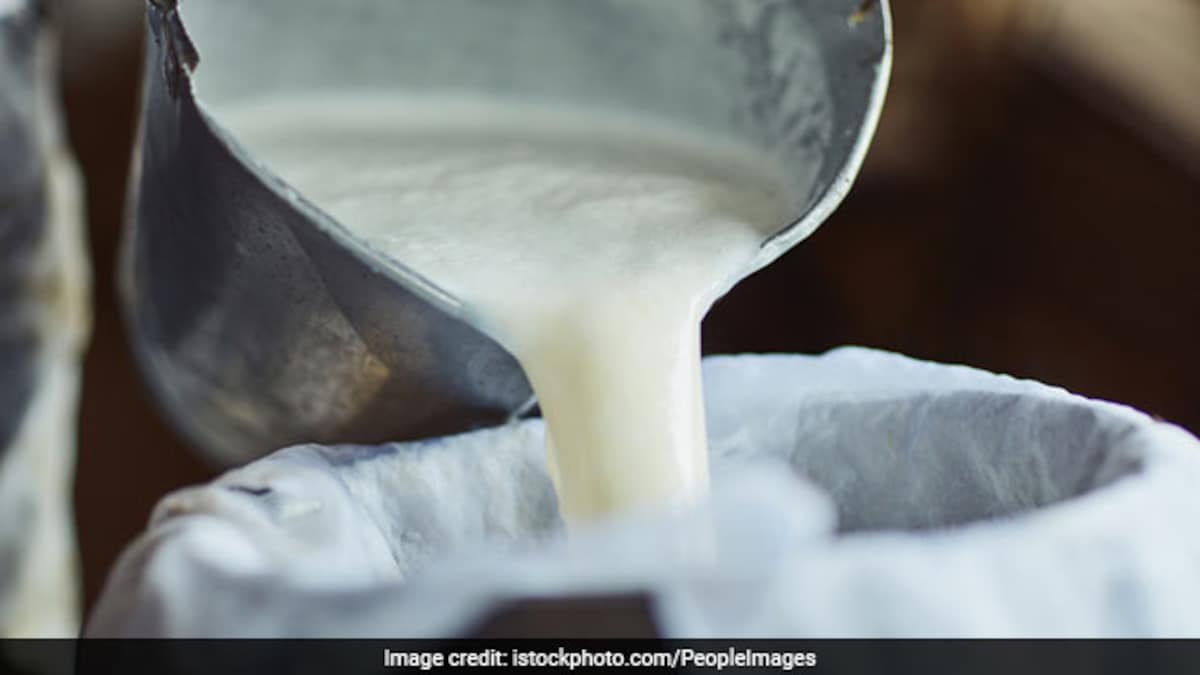
    To elevate Madhya Pradesh’s stature as a key contributor to India’s dairy industry and improve farmers’ livelihoods, the state government has announced a robust Rs 1,500 crore investment plan. Aimed at doubling milk production within five years, the initiative underscores a multifaceted approach to revolutionize the state’s dairy sector. The proposal, approved during a Cabinet meeting chaired by Chief Minister Mohan Yadav on Tuesday, marks a significant step in future-proofing the state’s agricultural economy. Senior Minister Kailash Vijayvargiya, briefing the media, highlighted a pivotal partnership between the Madhya Pradesh State Co-operative Dairy Federation (MPSCDF) and the National Co-operative Dairy Federation (NCDF).

    “The tie-up with NCDF will not only enhance milk production but also significantly boost farmers’ income,” Vijayvargiya said. He emphasized plans to motivate farmers to adopt high-yield cattle breeds, coupled with comprehensive facilities for transporting milk and dairy products to markets. Organic farming practices, supported by organic manure usage, will also be encouraged.

    In a move aligned with the National Education Policy 2020, the government will introduce an academic degree in dairy technology at Vikram University, Ujjain. The course will later be expanded to other universities, equipping youth with modern skills in dairy technology to propel Madhya Pradesh to the forefront of milk production.

    Vijayvargiya also detailed plans to expand the number of dairy co-operative committees from 6,000 to 9,000 within five years. This expansion will enable the establishment of dairy plants in villages, with transportation and branding managed by private stakeholders. The state’s flagship milk brand, Sanchi, will see a renewed push to gain a stronger foothold in national markets with NCDF’s support.

    “This is part of a larger vision to make Sanchi a national brand while ensuring the state becomes a top-tier milk producer,” Vijayvargiya added.

    The move has not been without controversy. In September last year, the Madhya Pradesh government entrusted the operations of the State Cooperative Dairy Federation to the National Dairy Development Board (NDDB) for five years. While the Opposition Congress has raised concerns, accusing the government of paving the way for Gujarat’s Amul to dominate Sanchi through “backdoor” tactics, officials maintain that the decision is rooted in expanding Sanchi’s reach and enhancing its output.

    Madhya Pradesh currently ranks third in milk production nationally, contributing 9% to the country’s total output. The state’s average per capita milk production stands at 673 grams per day, outperforming the national average of 471 grams.

    As the initiative takes shape, Madhya Pradesh’s dairy farmers are poised to witness a remarkable transformation, one that could serve as a model for other states aiming to boost agricultural incomes and build a resilient rural economy.

    Source link

  • Nuclear bunker sales increase, despite expert warnings they won’t provide protection

    Nuclear bunker sales increase, despite expert warnings they won’t provide protection

    When Bernard Jones Jr. and his wife, Doris, built their dream home, they didn’t hold back. A grotto swimming pool with a waterfall for hot summer days. A home theater for cozy winter nights. A fruit orchard to harvest in fall. And a vast underground bunker in case disaster strikes.

    “The world’s not becoming a safer place,” he said. “We wanted to be prepared.”

    Under a nondescript metal hatch near the private basketball court, there’s a hidden staircase that leads down into rooms with beds for about 25 people, bathrooms and two kitchens, all backed by a self-sufficient energy source.

    With water, electricity, clean air and food, they felt ready for any disaster, even a nuclear blast, at their bucolic home in California’s Inland Empire.

    “If there was a nuclear strike, would you rather go into the living room or go into a bunker? If you had one, you’d go there too,” said Jones, who said he reluctantly sold the home two years ago.

    Global security leaders are warning nuclear threats are growing as weapons spending surged to $91.4 billion last year. At the same time, private bunker sales are on the rise globally, from small metal boxes to crawl inside of to extravagant underground mansions.

    Critics warn these bunkers create a false perception that a nuclear war is survivable. They argue that people planning to live through an atomic blast aren’t focusing on the real and current dangers posed by nuclear threats, and the critical need to stop the proliferation of weapons of mass destruction.

    Meanwhile, government disaster experts say bunkers aren’t necessary. A Federal Emergency Management Agency 100-page guidance on responding to a nuclear detonation focuses on having the public get inside and stay inside, ideally in a basement and away from outside walls for at least a day. Those existing spaces can provide protection from radioactive fallout, says FEMA.

    But increasingly, buyers say bunkers offer a sense of security. The market for U.S. bomb and fallout shelters is forecast to grow from $137 million last year to $175 million by 2030, according to a market research report from BlueWeave Consulting. The report says major growth factors include “the rising threat of nuclear or terrorist attacks or civil unrest.”

    “People are uneasy and they want a safe place to put their family. And they have this attitude that it’s better to have it and not need it then to need it and not have it,” said Atlas Survival Shelters CEO Ron Hubbard, amid showers of sparks and the loud buzz of welding at his bunker factory, which he says is the world’s largest, in Sulphur Springs, Texas.

    Hubbard said COVID lockdowns, Russia’s invasion of Ukraine and the outbreak of the Israel-Hamas war have driven sales.

    On Nov. 21, in the hours after Russia’s first-ever use of an experimental, hypersonic ballistic missile to attack Ukraine, Hubbard said his phone rang nonstop.

    Four callers ended up buying bunkers in one day, he said, and more ended up ordering doors and other parts for shelters they were already building.

    Hubbard said his bunkers are built for all disasters.

    “They’re good for anything from a tornado to a hurricane to nuclear fallout, to a pandemic to even a volcano erupting,” he said, sweeping his arms toward a massive warehouse where more than 50 different bunkers were under construction.

    A loaded shotgun at arm’s length and metal mesh window shields to block Molotov cocktails nearby, Hubbard said he started his company after building his own bunker about 10 years ago. He says callers ask about prices — $20,000 to multimillions, averaging $500,000 — and installations — they can go just about anywhere. He said most days he sells at least one bunker.

    Under Hubbard’s doomsday scenario, global tensions could lead to World War III, a situation he is prepared to live through.

    “The good news about nuclear warfare,” he said, “if there ever was any, that it’s very survivable if you’re not killed in the initial blast.”

    He’s not wrong, say U.S. government disaster preparedness experts.

    “Look, this fallout exposure is entirely preventable because it is something that happens after the detonation,” said Brooke Buddemeier a radiation safety specialist at Lawrence Livermore National Laboratory, where the U.S. government designs nuclear weapons. Buddemeier and his colleagues are tasked with evaluating what could happen after an attack and how best to survive. “There’s going to be a fairly obvious nuclear explosion event, a large cloud. So just getting inside, away from where those particles fall, can keep you and your family safe.”

    Buddemeier and others in the U.S. government are trying to get Americans — who decades ago hid under desks during nuclear attack drills — educated about how to respond.

    After a deadly and deafening blast, a bright flash and a mushroom cloud, it will take about 15 minutes for the radioactive fallout to arrive for those a mile or more away from ground zero, said Michael Dillon, a scientist at Lawrence Livermore National Laboratory.

    “It’s going to literally be sand falling on your head, and you’re going to want to get out of that situation. You want to go to your most robust building,” he said. In their models, they estimate people may need to stay inside for a day or two before evacuating.

    The government’s efforts to educate the public were reinvigorated after a false alarm missile alert in Hawaii in 2018 caused widespread panic.

    The emergency alert, which was sent to cellphones statewide just before 8:10 a.m., said: “BALLISTIC MISSILE THREAT INBOUND TO HAWAII. SEEK IMMEDIATE SHELTER. THIS IS NOT A DRILL.”

    For the next 40 minutes there were traffic jams, workers running into and out of buildings, families huddling in their bathrooms, students gathering in gyms, drivers blocking tunnels, all in an attempt to seek shelter, without any clear idea of what “seek immediate shelter” actually meant.

    Today the federal government offers a guide to prepare citizens for a nuclear attack that advises people to find a basement or the center of a large building and stay there, possibly for a few days, until they get word about where to go next.

    “Gently brush your pet’s coat to remove any fallout particles” it says, adding that the 15-minute delay between bomb and fallout allows “enough time for you to be able to prevent significant radiation exposure.”

    Jeffrey Schlegelmilch, who directs the FEMA-backed National Center for Disaster Preparedness at Columbia University, said “the scenarios of a nuclear detonation are not all or nothing.”

    If a small number of weapons detonate rather than all-out war, he said, sheltering inside a large building to avoid the fallout could save lives.

    Nonproliferation advocates bristle at the bunkers, shelters or any suggestion that a nuclear war is survivable.

    “Bunkers are, in fact, not a tool to survive a nuclear war, but a tool to allow a population to psychologically endure the possibility of a nuclear war,” said Alicia Sanders-Zakre at the International Campaign to Abolish Nuclear Weapons.

    Sanders-Zakre called radiation the “uniquely horrific aspect of nuclear weapons,” and noted that even surviving the fallout doesn’t prevent long-lasting, intergenerational health crises. “Ultimately, the only solution to protect populations from nuclear war is to eliminate nuclear weapons.”

    Researcher Sam Lair at the James Martin Center for Nonproliferation Studies says U.S. leaders stopped talking about bunkers decades ago.

    “The political costs incurred by causing people to think about shelters again is not worth it to leaders because it forces people to think about what they would do after nuclear war,” he said. “That’s something that very, very few people want to think about. This makes people feel vulnerable.”

    Lair said building bunkers seems futile, even if they work in the short term.

    “Even if a nuclear exchange is perhaps more survivable than many people think, I think the aftermath will be uglier than many people think as well,” he said. “The fundamental wrenching that it would do to our way of life would be profound.”

    That’s been a serious concern of Massachusetts Congressman James McGovern for almost 50 years.

    “If we ever get to a point where there’s all out nuclear war, underground bunkers aren’t going to protect people,” he said. “Instead, we ought to be investing our resources and our energy trying to talk about a nuclear weapons freeze, initially.”

    Next, he said, “we should work for the day when we get rid of all nuclear weapons.”

    Year after year he introduces legislation pushing for nonproliferation, but looking out his office window at the Capitol, he said he’s disappointed by the lack of debate over what will be a $1 trillion expenditure to build and modernize the U.S. arsenal.

    “The stakes, if a nuclear weapon is ever used, is that millions and millions and millions of people will die. It really is shocking that we have world leaders who talk casually about utilizing nuclear weapons. I mean, it would be catastrophic, not just for those that are involved in an exchange of nuclear weapons, but for the entire world.”

    McGovern pushed back against FEMA’s efforts to prepare the public for a nuclear attack by advising people to take shelter.

    “What a stupid thing to say that we all just need to know where to hide and where to avoid the most impacts of nuclear radiation. I mean, really, that’s chilling when you hear people try to rationalize nuclear war that way,” he said.

    Nuclear war was far from a couple’s mind when they went house-hunting in Southern California a few years ago. They wanted a home to settle down and raise their family, and they needed extra garage space. They spotted an online ad for a home with at least eight parking spots. On the basketball court, there was a metal hatch. Beneath it was a bunker.

    This was Jones’ former home, which Jones said he put up for sale for family reasons.

    The husband, who spoke on condition of anonymity because of concerns about his family’s privacy, went ahead and bought Jones’ home, bunker and all. They aren’t particularly worried about nuclear war, and haven’t spent a night in the bunker, but they have stored food and medical supplies down there.

    “We have told some of our friends, if something goes crazy and gets bad, get over here as fast as possible,” the husband said. “It does provide a sense of security.”

    —-

    Mendoza reported from Sulphur Springs, Texas, and Livermore, California.

    —-

    The Associated Press receives support for nuclear security coverage from the Carnegie Corporation of New York and Outrider Foundation. The AP is solely responsible for all content.

    —-

    Additional AP coverage of the nuclear landscape: https://apnews.com/projects/the-new-nuclear-landscape/
    Source link

  • How To Increase Iron Absorption? Nutritionist Reveals 3 Simple Tips

    How To Increase Iron Absorption? Nutritionist Reveals 3 Simple Tips

    Iron is an essential mineral that our body needs in abundance. It keeps our blood flowing and boosts our overall immunity. While some are naturally blessed with high iron levels, others are not, especially women. An iron deficiency can cause symptoms such as fatigue, weakness, and even pale skin. If you have an iron deficiency, you may have been advised to eat certain foods, but even then, your iron levels may not show any signs of improvement. So, where are you going wrong? Is there anything slowing down the absorption of iron into your body? Let’s find out from nutritionist Deepsikha Jain:
    Also Read: Can Dates And Raisins Help Increase Your Iron Levels? Here’s What You Should Know

    Here Are 3 Ways You Can Increase The Absorption Of Iron In Your Body:

    1. Enrich Your Diet With Iron-Rich Foods

    To increase iron absorption, Deepsikha recommends incorporating foods such as green leafy vegetables, legumes, dates, and pomegranates into your diet. All of these are high in iron and will help boost your iron levels. The recommended daily amount of iron depends on your age and gender. According to the National Institutes of Health (NIH), an adult male should aim for about 8 mg, whereas an adult female should aim for 18 mg.

    2. Do Not Pair Iron-Rich Foods With Tea/Coffee

    Many of us love sipping tea and coffee throughout the day. However, make sure you’re not pairing it with foods rich in iron. Jain says that this can interfere with the absorption of iron in your body. Tea and coffee contain caffeine and tannin, both of which are known to slow down and reduce iron absorption. As per a study published in the Japan Journal of Clinical and Medical Research, iron absorption can be reduced by up to 35% when consumed with tea, and by 62% when consumed with coffee.

    3. Harness The Power Of Vitamin C-Rich Foods

    The nutritionist also suggests pairing iron-rich foods with a source of vitamin C. The reason for this is that vitamin C helps create an acidic environment, which helps dissolve iron more adequately. So, the time you’re having a green leafy salad, go ahead and squeeze some lemon juice over it. By doing so, your body will be better able to absorb iron, thus increasing your overall iron levels.

    Watch the complete video below:

    What Foods Have The Highest Iron Content?

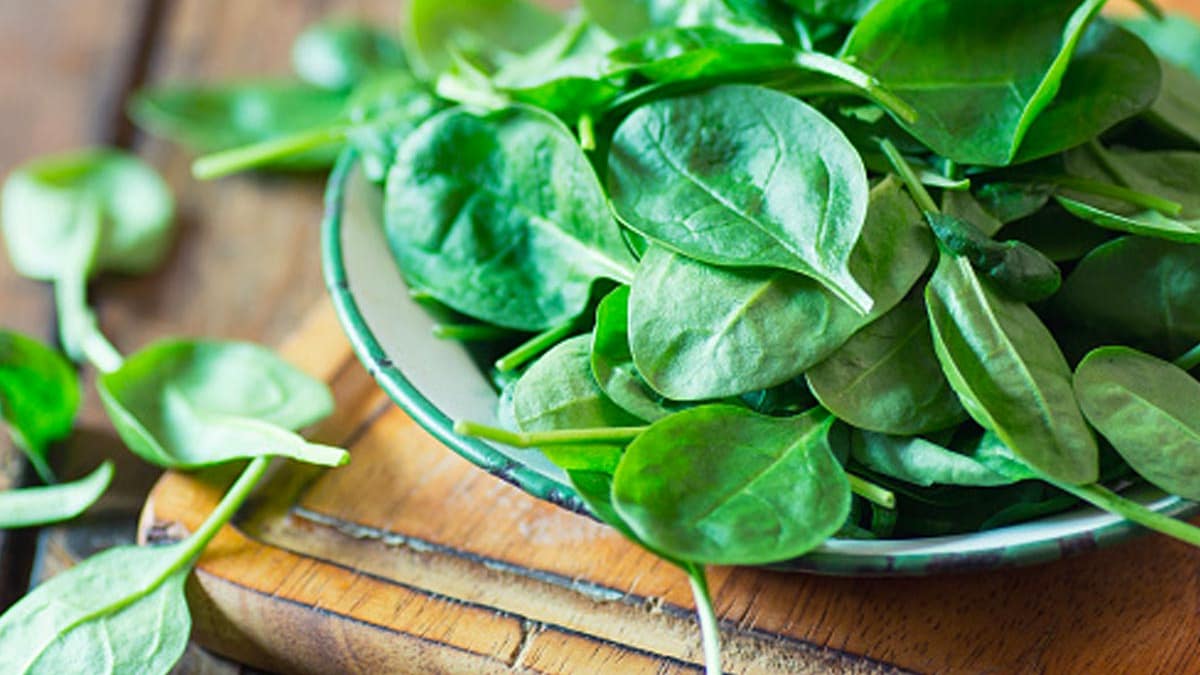
    When we think of iron-rich foods, spinach is probably the first thing that comes to mind. And why not? It is an excellent source of iron and can also be incorporated into several recipes. However, there are several other iron-rich foods that can make for a great addition to your diet. These include chia seeds, dried apricots, amaranth, and cashew nuts. All of these have a high iron content, which is why you should make a conscious effort to include them in your meals.
    Also Read: Winter Diet: 5 Iron-Rich Veg Recipes To Stay Energised This Season

    Suffering from low iron levels can be challenging, but by following these tips, you can increase them quickly. Stay fit, healthy, and happy!


    Source link

  • Expert Reveals How Lifestyle Changes Can Boost Fertility And Increase IVF Success

    Expert Reveals How Lifestyle Changes Can Boost Fertility And Increase IVF Success

    Infertility can be a difficult journey for couples desiring to become parents. However, advancements in reproductive technology, particularly in vitro fertilisation (IVF), offer hope for those facing challenges in conceiving naturally. IVF, a form of assisted reproductive technology (ART), can be particularly effective for couples dealing with issues such as hormonal imbalances, medical conditions, or age-related factors that impact fertility.

    In this article, we explore how making specific lifestyle changes can enhance fertility and improve the chances of a successful IVF outcome, with insights from Dr Sandeep Talwar, a Fertility Specialist at Nova Southend Fertility and IVF in Vasant Vihar, New Delhi.

    Lifestyle modifications to improve fertility and the chances of successful IVF:

    Nutrients for fertility

    Your diet should include essential nutrients that can enhance your IVF chances. As per the expert, this can include essential nutrients like vitamins, folic acid, zinc, omega-3 fatty acids, and antioxidants to support your reproductive health. “Foods like nuts and seeds are good sources of zinc and can help improve sperm health and fertility in men,” added Dr Sandeep.

    Canva

    Healthy diet

    Eating a well-rounded and healthy diet can significantly impact your fertility. Focus more on eating foods like fruits, vegetables, whole grains, lean protein, and healthy fats to improve your reproductive health, emphasised the professional. He further explained, “Be mindful of the foods that you are eating during your IVF treatment. Strictly avoid eating processed, packaged, and junk food that contains heaps of fats, sodium, sugar, and preservatives. Limiting them can help reduce inflammation while keeping you healthy and fit.”

    Avoid harmful habits

    If you enjoy drinking alcohol or smoking cigarettes, it is important to quit these habits if you want to become a parent. Alcohol and cigarettes can negatively impact your fertility and the success of IVF treatment. “Couples who are actively trying to improve their fertility, conceive, or undergo IVF should adopt a healthy lifestyle and eliminate harmful habits such as smoking or drinking alcohol to promote their reproductive health, advised Dr Sandeep.

    Manage your stress levels

    Excessive stress and overthinking about the future or parenthood can take a heavy toll on your fertility. Ensure that you avoid taking too much stress while starting your IVF journey. Adding to this, the doctor stated, “High levels of stress can disrupt your hormones, causing an imbalance that can further affect ovulation and production of sperm in men.” Mindful techniques like yoga and deep breathing techniques can help manage your stress.

    Regular exercise

    According to the expert, individuals with poor physical health, such as those who are overweight, are at a higher risk of facing fertility-related issues. Therefore, it is crucial to engage in regular physical activity and exercise to maintain fitness and overall health.

    Low-impact or moderate exercises, such as walking, yoga, and meditation, can help alleviate stress and promote hormonal balance. However, it is advisable to avoid high-impact exercises, as they can negatively affect reproductive health and reduce the chances of successful IVF outcomes.


    Source link

  • Expert Reveals How Lifestyle Changes Can Boost Fertility And Increase IVF Success

    Expert Reveals How Lifestyle Changes Can Boost Fertility And Increase IVF Success

    Infertility can be a difficult journey for couples desiring to become parents. However, advancements in reproductive technology, particularly in vitro fertilisation (IVF), offer hope for those facing challenges in conceiving naturally. IVF, a form of assisted reproductive technology (ART), can be particularly effective for couples dealing with issues such as hormonal imbalances, medical conditions, or age-related factors that impact fertility.

    In this article, we explore how making specific lifestyle changes can enhance fertility and improve the chances of a successful IVF outcome, with insights from Dr Sandeep Talwar, a Fertility Specialist at Nova Southend Fertility and IVF in Vasant Vihar, New Delhi.

    Lifestyle modifications to improve fertility and the chances of successful IVF:

    Nutrients for fertility

    Your diet should include essential nutrients that can enhance your IVF chances. As per the expert, this can include essential nutrients like vitamins, folic acid, zinc, omega-3 fatty acids, and antioxidants to support your reproductive health. “Foods like nuts and seeds are good sources of zinc and can help improve sperm health and fertility in men,” added Dr Sandeep.

    Canva

    Healthy diet

    Eating a well-rounded and healthy diet can significantly impact your fertility. Focus more on eating foods like fruits, vegetables, whole grains, lean protein, and healthy fats to improve your reproductive health, emphasised the professional. He further explained, “Be mindful of the foods that you are eating during your IVF treatment. Strictly avoid eating processed, packaged, and junk food that contains heaps of fats, sodium, sugar, and preservatives. Limiting them can help reduce inflammation while keeping you healthy and fit.”

    Avoid harmful habits

    If you enjoy drinking alcohol or smoking cigarettes, it is important to quit these habits if you want to become a parent. Alcohol and cigarettes can negatively impact your fertility and the success of IVF treatment. “Couples who are actively trying to improve their fertility, conceive, or undergo IVF should adopt a healthy lifestyle and eliminate harmful habits such as smoking or drinking alcohol to promote their reproductive health, advised Dr Sandeep.

    Manage your stress levels

    Excessive stress and overthinking about the future or parenthood can take a heavy toll on your fertility. Ensure that you avoid taking too much stress while starting your IVF journey. Adding to this, the doctor stated, “High levels of stress can disrupt your hormones, causing an imbalance that can further affect ovulation and production of sperm in men.” Mindful techniques like yoga and deep breathing techniques can help manage your stress.

    Regular exercise

    According to the expert, individuals with poor physical health, such as those who are overweight, are at a higher risk of facing fertility-related issues. Therefore, it is crucial to engage in regular physical activity and exercise to maintain fitness and overall health.

    Low-impact or moderate exercises, such as walking, yoga, and meditation, can help alleviate stress and promote hormonal balance. However, it is advisable to avoid high-impact exercises, as they can negatively affect reproductive health and reduce the chances of successful IVF outcomes.


    Source link

  • How Iron Kadhai Helps Increase Iron Level In Your Food – Experts Weigh In

    How Iron Kadhai Helps Increase Iron Level In Your Food – Experts Weigh In

    Iron is a crucial nutrient in our body that helps develop cells, keeps you energetic, and promotes skin, hair, and overall health. Deficiency of the nutrient leads to dizziness, fatigue, sleep apnea, and more. This is why, you will find health experts stressing on including iron-rich foods in your diet to stay well-nourished. Now, a mere Google search will show you a long list of food items that can help balance iron levels in the body. But did you know your cooking techniques play an equally important role in the scenario? The utensils you use on a daily basis also define how your health profile will look like. Wonder how? Take iron utensils for instance. According to celebrity nutritionist Rujuta Diwekar, “Cooking in iron kadhai makes your food iron-rich.” Let’s take a closer look.

    How Iron Utensils Help Boost Iron Levels In Your Body?

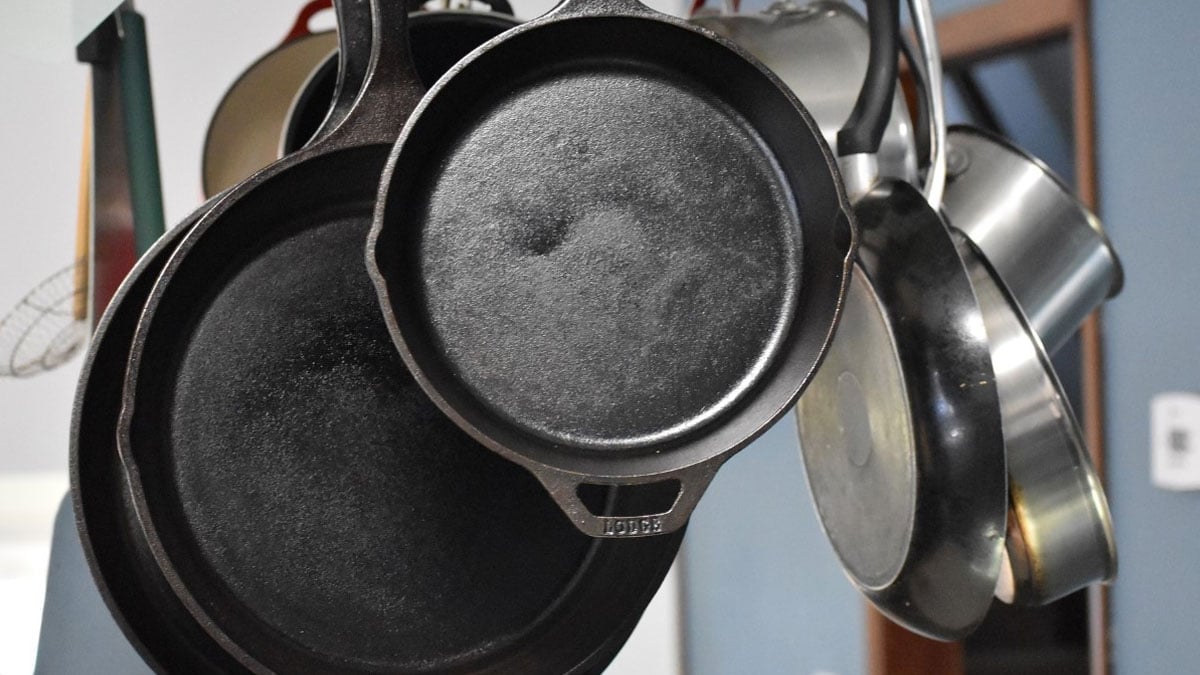
    Iron pots and pans have been in use since time immemorial, but it’s only now that people have been more conscious about its benefits. The food when heated in iron cookware, reacts and absorbs some iron from the utensil, fortifying its goodness. According to a comparative study, published in the Journal of the American Dietetic Association, researchers looked into the amount of iron in 20 different types of foods before and after cooking them in iron pans. It was found that around 90 percent of the foods contained more iron when cooked in iron cookware.
    Also Read:Beyond Spinach: 5 Delicious Iron-Rich Foods You Need To Try

    Another research, published in the journal PLOS ONE, found that using iron cookware had some evidence of reduced iron deficiency and anaemia risks in children. However, it was also found that the effects of iron absorption in these cases, depend much on your age, the size of the pot, and the type of food you are cooking. For instance, it is suggested to not cook acidic food in iron cookware as it may react and erode the nutrients in the food.

    Add image caption here

    Photo Credit: iStock

    Dos And Don’ts To Remember While Using Iron Cookware:

    – Never use acidic ingredients:

    Cooking ingredients like lemon, vinegar, or anything that is acidic in nature in iron pots may ruin the goodness of the food. In fact, it may add a metallic flavour to the food.

    – Don’t keep the food on iron pan after cooking:

    While cooking iron pan adds to the goodness of the food, keeping it as it is for long may evaporate all the goodness. Iron pan retains heat for a long time, which is why, food keeps cooking even after you switch off the gas. And as we know, overcooking ruins the nutrients in food, alongside increasing of it getting burnt.

    – Always season the tawa:

    It is important to keep iron kadhai seasoned to cook the food effortlessly. Food gets stuck to the unseasoned tawa, ruining the final product. All you need to do is brush some oil on the pan and heat it well.

    – Wash it gently:

    Avoid using hard scrub while cleaning iron cookware. It may erode the seasoning, further making it hard for you to cook your next batch of dishes. The best way is to rub some salt on the tawa, along with some baking soda, and rinse thoroughly.
    Now that you know about the goodness of iron cookware, we suggest, bringing it out from the loft and starting using it, keeping all the precautionary measures in mind. Happy and healthy cooking, guys!

    Source link

  • Tesla posts first quarterly increase in deliveries, but shares slump with investors hoping for more

    Tesla posts first quarterly increase in deliveries, but shares slump with investors hoping for more

    Low interest financing, sweet lease deals, price cuts and free charging boosted Tesla’s global deliveries in the third quarter, the first increase this year for the electric vehicle maker.

    The Austin, Texas, company said Wednesday that it delivered 462,890 vehicles from July through September, bolstered by loans as low as 1.99%, and $299 monthly leases on the Model 3, its least expensive vehicle. It delivered 435,059 vehicles during the same period last year.

    The figures for July through September came in slightly higher than analyst estimates of 462,000 for the period, according to data provider FactSet.

    However, shares of Tesla Inc. dropped sharply in morning trading, down nearly 4%.

    The deliveries were “good and a step in the right direction,” wrote Dan Ives of Wedbush, but that there would be pressure on the company’s stock because investors had been hoping for even better.

    “Overall, this is a clear improvement from the first half and we believe getting in the range of 1.8 million for the year is still the key and important bogey,” Ives said.

    Tesla has struggled much of the year to sell its aging model lineup as growth in electric vehicle sales in the U.S. and Europe slowed due to concerns with range, price and the ability to charge on trips.

    Falling sales early in the year led to once-unheard of discounts for the automaker, cutting into its industry leading profit margins. Analysts estimated that Tesla’s average vehicle sales price was $42,500 for the third quarter, the lowest price in four years.

    The sales decline likely will pull down third quarter earnings when they are announced on Oct. 23.

    Tesla’s sales decline comes as competition is increasing from legacy and startup automakers, which are trying to nibble away at the company’s market share.

    Nearly all of Tesla’s sales came from the smaller and less-expensive Models 3 and Y, with the company selling only 22,915 of its more expensive models that include X and S, as well as the new Cybertruck.

    Wedbush analyst Dan Ives wrote in a note to investors Tuesday that third-quarter sales would bring a rebound as China sales continue to increase and price and demand stabilizes.” As China continues to heat up on the demand story for Tesla with favorable leasing/financing terms and pent-up demand in the region, we are confident that we will see a significant growth figure in the region,” he wrote.

    Europe will continue to be slow with macroeconomic pressures, and U.S. demand should stabilize, Ives wrote.

    But BNP Paribas Exane said in an investor note that long term expectations of the market are somewhat high for Tesla. The company said its sales estimates for 2026 and 2027 “remain 10% to 15% below the street, respectively.”

    Tesla is scheduled to unveil a purpose built robotaxi at an event next week.

    Source link

  • Increase Longevity With These Lifestyle Choices – The Costa Rican Times

    How long do you think you’ll live? It is a question many of us rarely consider. While genetics may significantly influence our lifespans, it isn’t entirely out of our hands. Various lifestyle choices can do so much to determine how long we’ll live.

    As much as we can increase longevity, many people fail to take even the simplest steps to live longer. And it isn’t just about living longer—taking these steps can make you healthier and happier. That means a longer life that is of higher quality.

    But what can you do to start increasing your lifespan? Read on for a few tips!

    Eat Healthy, Nutritious Foods

    Eating a balanced diet is the foundation of living a longer, healthier life. Focus on whole foods like fruits, vegetables, lean proteins, and healthy fats. Stay away from processed foods and refined sugars. Practice portion control to ensure you stay at a healthy weight. It is also important to stay hydrated and drink plenty of water.

    Many people also benefit from specialty diets to extend life and be healthier. One option that shows a lot of promise is the Nicoya Peninsula Blue Zone Diet. It is based on a diet of foods available to people on Costa Rica’s Nicoya Peninsula. The diet includes fresh produce, lean proteins, and healthy fats.

    Increase Activity

    Regular exercise is another cornerstone of longevity. Implement strength training to maintain muscle mass. Cardio exercises like walking or swimming can improve heart health. Flexibility exercises, such as yoga or stretching, enhance range of motion and prevent injuries. However, consistency is key. Exercise will only be beneficial if you keep doing it. A good rule of thumb is to get at least 150 minutes of moderate exercise weekly.

    Consider Supplements

    While a balanced diet is essential, it might not be enough for everyone. Taking multivitamins can support overall health. Vitamin D and calcium are essential for bone strength, especially as you age. B complex and Omega-3 can be good for supporting heart and brain health.

    You also have a range of supplements targeted at combating the effects of aging. The NMN supplement from MASI.eu is a good example. NMN helps the body produce NAD+, which can mitigate many age-related issues. Some also report that it can improve energy levels and help you feel younger.

    Be Social

    Strong social connections are key to living a longer, happier life. People who maintain healthy relationships tend to have better mental health and fewer problems with stress. Building meaningful friendships and staying socially active can boost your mood and help maintain cognitive function as you age. You could prioritize time with loved ones, join clubs, or participate in community events.

    Head Outdoors

    Spending time in nature can improve mental health and increase longevity. Exposure to sunlight boosts vitamin D levels, while fresh air and natural surroundings can reduce stress. Outdoor activities can also offer great ways to get your daily exercise. Consider activities like hiking, biking, gardening, or a stroll through a local park. While making it exercise time is good, it doesn’t have to be physical. Sit on a park bench or enjoy time on your front porch.

    Improve Your Sleep

    Quality sleep is another essential element of living a longer life. Poor sleep can lead to weakened immunity, weight gain, and increased risk of chronic diseases. Beyond that, it can also have a negative influence on your mental health. A good target is to aim for around 7-9 hours of sleep each night.

    Establish a consistent bedtime routine, ensuring your sleep environment is dark, quiet, and cool. Limit screen time before bed, since blue light can disrupt your body’s natural rhythm. Additionally, avoid heavy meals, caffeine, or alcohol late in the day. You should also try to go to bed and wake up around the same time consistently.

    Work on Stress Management

    Chronic stress can negatively impact both your physical and mental health. Techniques like meditation, deep breathing exercises, and yoga can help calm the mind and reduce stress. Regular physical activity, adequate sleep, and spending time with loved ones are effective stress relievers. If you have stress problems, it may also help to identify your triggers. When you know the causes of stress, it can be easier to eliminate or mitigate them.

    Exercise the Mind

    Keeping your mind healthy is just as important as it is for your body. Regular mental stimulation can help improve memory, concentration, and overall brain function. Engage in activities that challenge your brain, such as reading, puzzles, or learning new skills. Some games or hobbies may also be good for cognitive stimulation. Social interactions play a role in mental sharpness, as engaging in conversations and social activities stimulates cognitive processes.

    Take Safety Precautions

    You can’t forget about safety when it comes to living a longer life. People’s lives are often cut short by preventable accidents or injuries. Take simple precautions like wearing seatbelts in cars and using helmets while biking or motorcycling. Following safety rules when engaging in sports or other activities can also significantly reduce the risk of injury.

    Fire safety at home is another consideration. Ensure your home has the necessary smoke detectors and regularly check the batteries. Keep a fire extinguisher handy and make sure to replace or recharge it when needed. It is also smart to develop an escape plan so you’re ready if there is a fire at home.

    As a final tip, regular doctor’s visits are also essential for health and longevity. Routine check-ups help you catch issues early for better outcomes. Your doctor can also provide personalized advice on various health measures to extend your life.

    Source link

  • Can Dates And Raisins Help Increase Your Iron Levels? Heres What You Should Know

    Can Dates And Raisins Help Increase Your Iron Levels? Heres What You Should Know

    Iron is what keeps our blood healthy and flowing. It’s a mineral that helps in the production of red blood cells, which carry oxygen from our lungs to the entire body. While some individuals are naturally blessed with high iron levels, others may not be as fortunate. For them, the only practical solution is to turn to foods in the kitchen pantry. Of course, spinach and seafood are the go-to options for increasing iron intake, but some also consider dates and raisins. But is this really true? Can these dried fruits actually increase your iron levels, or are they not as effective? Recently, nutritionist Amita Gadre took to her official Instagram to reveal the truth about this.
    Also Read: 5 Common Indian Foods That May Help Boost Iron Level

    Latest and Breaking News on NDTV

    Photo Credit: iStock

    So, Do They Really Boost Your Iron? Hear It From The Expert:

    According to Amita, one shouldn’t solely rely on dates and raisins to boost their iron intake. She says, “A 100-gm serving of dates has approximately 0.89 mg of iron and 286 calories. On the other hand, a 100-gm serving of raisins has 4.26 mg of iron and about 300 calories.” The nutritionist further explains that an adult female requires 29 mg of iron per day, which both of these are unable to fulfil. So, if you consume more dates and raisins, you’ll end up increasing your calorie intake but your iron levels may still not be sufficient. Therefore, it’s best to exercise portion control while eating these sweet treats and incorporate other sources of iron into your diet. Take a look:

    What Are The Signs And Symptoms Of Iron Deficiency?

    • Lack of energy or unexplained fatigue
    • Pale skin
    • Shortness of breath
    • Dizziness
    • Dry hair and skin
    • Frequent headaches
    • Brittle fingernails
    Add image caption here

    Photo Credit: iStock

    What Foods Are Highest In Iron?

    So, if not dates and raisins, what are the foods that can really help increase your iron levels? While spinach and other green leafy vegetables top the list of iron-rich foods, many people find them boring or may dislike their taste. If you fall into this category, Amita suggests including foods like rajma, chickpeas, sesame seeds, and flaxseed in your diet. Apart from these, you can also opt for soya beans and amaranth. You’ll be amazed at how much you can experiment with these everyday kitchen ingredients and transform them into mouth-watering delicacies. Looking for some recipe inspiration? Click here to discover iron-rich snacks you can make at home.
    Also Read: 7 Vitamin C Drinks That Will Get The Iron Levels In Your Body Pumping

    Now that you know the truth about dates and raisins, be sure to practice portion control while consuming them. Remember to always consult a professional before making any major changes to your diet. Stay fit and healthy!


    Source link

  • 5 Smart Hacks To Increase Antioxidants In Your Body – Experts Weigh In

    5 Smart Hacks To Increase Antioxidants In Your Body – Experts Weigh In

    Have you been feeling low lately? Do you experience fatigue throughout the day? Are you dealing with muscle and joint pains for no apparent reason? Is your skin losing its lustre? If you answered yes to any of these questions, it’s time to consider incorporating more antioxidants into your diet. But what exactly are antioxidants? Consultant nutritionist Rupali Datta explains that antioxidants are compounds that help protect your cells from damage caused by free radicals. They play a vital role in flushing out unwanted toxins and oxidants produced by the nutrients we consume daily. An excess of these toxins can negatively impact your immunity and overall well-being. Therefore, Datta suggests incorporating antioxidants into your diet to maintain a balance and maximize the benefits of the nutrients you consume. And the best part? You don’t need to search far and wide for antioxidants; you can find them in the foods you eat every day. All you have to do is select the right ingredients and consume them in the right amounts.

    Also Read:These 7 Vegetables Pack The Most Powerful Antioxidant Punch; Add Them To Your Diet

    Here Are 5 Benefits of Adding Antioxidants to Your Diet:

    1. Flush Out Toxins

    According to a report published by Harvard Medical School, antioxidants help neutralize free radicals by donating some of their own electrons. This process breaks the chain reaction of oxidants that can harm other molecules in your body’s cells.

    2. Boost Energy

    Effective detoxification enhances your body’s efficiency and provides you with the energy to power through your day. Research published in the Journal of Clinical Biochemistry and Nutrition suggests that consuming antioxidant-rich foods can increase energy production through “aerobic glucose metabolism.”

    3. Aid Heart Health

    As mentioned earlier, antioxidants scavenge free radicals in your body’s cells, preventing oxidative damage. Studies show that this can improve blood and oxygen flow through the arteries, reducing the risk of heart-related issues.

    4. Promote Skin And Hair Health

    Antioxidants protect your skin from sun damage, increase blood circulation in your cells, and maintain skin moisture. This process slows down the ageing process, as reported in WebMD.

    5. Improve Eyesight

    A peer-reviewed journal, Antioxidants, reports that nutrients like lutein and zeaxanthin found in green vegetables act as antioxidants that can prevent or reduce the risk of eyesight-related problems. Vitamin C and E also function as antioxidants, preventing various eye diseases, according to experts.
    Now that you understand the reasons to include antioxidants in your diet, we encourage you to make the necessary changes to improve your overall health. Don’t worry; we’re here to assist you. We’ve gathered some smart tips from nutritionist Nmami Agarwal to help you incorporate more antioxidants into your existing diet. Let’s take a look.

    Here Are 5 Ideas to Increase Antioxidants in Your Body:

    1. Eat Rainbow Foods

    Nutritionist Nmami Agarwal suggests incorporating colourful fruits and vegetables into your diet to increase carotenoids in your body. Foods like carrots, berries, leafy greens, and apples are rich in vitamins, minerals, and phytonutrients, providing a wide range of antioxidants that support immune function and cellular repair.

    2. Garnish Your Foods With Flavourful Herbs

    Enhance the aroma and nutritional value of your dishes by adding herbs like basil, cinnamon, ginger, garlic, and turmeric. Nmami Agarwal recommends these herbs for their polyphenols and curcumin, which have anti-inflammatory properties.

    3. Sprout Your Grains

    Maximize the benefits of whole grains like quinoa, amaranth, and barley by sprouting them. According to the expert, sprouting increases nutrient levels, including antioxidants, and improves digestibility, promoting better nutrient absorption.

    4. Add Healthy Fats To Your Diet

    It’s important to note that not all fats are unhealthy. In fact, incorporating healthy fats like olive oil, nuts, seeds, and more provides essential fatty acids and vitamin E, which protect cells from oxidative damage and promote heart health.

    5. Rely On Fermented Foods

    If you’ve been avoiding fermented foods like pickles due to concerns about excess oil and unhealthiness, it’s time to reconsider. Nmami Agarwal suggests that including fermented foods in your diet can add probiotics, promoting gut health and indirectly boosting antioxidant availability.
    We’ve also compiled a list of everyday food options that serve as potent antioxidants for your body. Click here to learn more.


    Source link