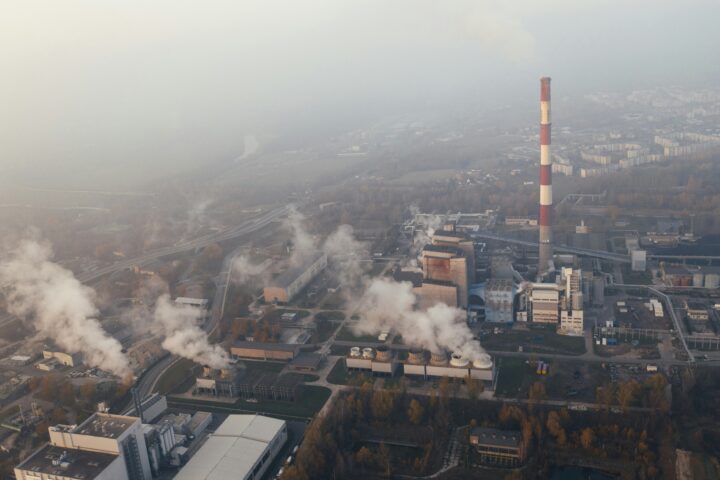

In the rapidly industrializing world, the pursuit of economic growth often comes at a cost. Industrial growth is widely viewed as a driver of economic prosperity, yet it can have serious, often unnoticed effects on nearby residents. Those living close to these sites may experience challenges to their health, well-being, and overall quality of life.
In this article, we explore the multifaceted ways in which residing near industrial areas can affect individuals and communities.
Air Quality and Health Concerns
One of the most pressing health concerns associated with living near industrial sites is the deterioration of air quality. Industrial emissions, including particulate matter, nitrogen oxides, and sulfur dioxide, can significantly degrade the air we breathe. Long-term exposure to these pollutants may cause various respiratory and cardiovascular issues, including asthma, bronchitis, lung cancer, and heart disease.
A recent feature of the World Health Organization (WHO) revealed that air pollution causes millions of premature deaths worldwide each year. In areas with intense industrial activity, this risk increases substantially. Residents in these regions are more likely to develop serious health problems related to pollution exposure.
What symptoms should I watch for if I suspect air pollution is affecting my health?
If air pollution may be impacting your health, monitor for symptoms such as coughing, wheezing, eye irritation, shortness of breath, and fatigue. Persistent or worsening respiratory issues, chest tightness, and frequent asthma flare-ups are common signs. See a healthcare professional if your condition deteriorates.
Noise Pollution and its Effects on Daily Life
Constant noise from machinery, trucks, and factory operations creates a loud environment that can lead to serious long-term effects on residents. Prolonged exposure to high levels of noise can result in sleep disturbances, increased anxiety, and a higher risk of heart disease.
The American College of Cardiology states that individuals exposed to high noise face greater heart attack risks than those in quieter areas. A study found that elevated noise above 65 decibels accounted for 5% of heart attack hospitalizations. This data highlights the serious cardiovascular risks associated with prolonged noise exposure.
Water Quality Issues and Contamination Risks
Industrial activities present serious risks to nearby water bodies, often resulting in pollution and contamination. Discharges of untreated wastewater, hazardous chemicals, and heavy metals compromise water quality. This degradation makes the water unsafe for drinking and recreational use and harms local ecosystems and biodiversity.
Major polluters include oil refineries, chemical manufacturers, and fertilizer plants. Oil refineries alone discharge almost half a billion gallons of wastewater into waterways daily. Chemical and plastic plants emit millions of pounds of pollutants each year, including nitrogen, lead, and benzene, raising environmental health risks.
Industrial pollution is a silent killer, claiming millions of lives through waterborne diseases. A study published by Frontiers reported that over 50 diseases are linked to poor drinking water quality. Globally, 80% of diseases and 50% of child deaths are related to unsafe water. Water pollution contributes to conditions such as diarrhea, skin diseases, malnutrition, and even cancer, underscoring the severe health risks of contaminated water.
Should I consider a specific type of water filter if I live near an industrial area?
If you live near an industrial area, consider a water filter designed to remove heavy metals, VOCs, and other contaminants. Filters certified for specific pollutants, like reverse osmosis or activated carbon models, would be ideal. These filters are effective in reducing harmful substances often present in industrial runoff.
Soil Contamination and Risks to Home Gardens and Landscaping
The toxic legacy of the industry can leave a lasting mark on the environment, leading to soil contamination and endangering overall environmental health. Industrial activities can release heavy metals, chemicals, and other pollutants into the soil, where they may persist for decades. These contaminants can be absorbed by plants, affecting both ornamental landscaping and edible gardens.
Eating vegetables grown in contaminated soil can expose you to lead, arsenic, or cadmium, potentially causing developmental and neurological issues over time.
Chemical Exposure and Its Long-Term Health Implications
Industrial activities can expose communities to a range of hazardous chemicals, some of which have been linked to serious health problems. These chemicals can contaminate the environment in multiple ways.
Many industrial processes release harmful substances, including PFAS (per- and polyfluoroalkyl substances). Dubbed “forever chemicals,” PFAS are persistent pollutants often found in firefighting foams like AFFF.
Improper disposal of PFAS-containing products by industries can lead to the contamination of local water and soil. This contamination poses long-term health risks, including cancer, immune suppression, and liver damage.
PFAS exposure, particularly through AFFF (aqueous film-forming foam), has been associated with serious health issues such as cancer, thyroid disorders, and reproductive problems. Developing fetuses and young children are especially vulnerable to PFAS’ harmful effects.
With mounting evidence of these risks, many communities are now pursuing legal action against AFFF manufacturers. Through the AFFF foam lawsuit, they seek compensation for health impacts caused by chemical exposure.
Key claims in these lawsuits, as outlined by TruLaw, may include design defects, manufacturing defects, and failure to warn.
Design defects allege that AFFF’s chemical makeup is inherently toxic and harmful to human health. Some cases cite manufacturing defects, claiming production errors increased risks, while others argue AFFF products lacked proper warnings or instructions for safe use.
How can I test my water and soil for PFAS?
You can test for PFAS in water and soil through specialized laboratory services. Many labs offer PFAS testing kits for home use, which involve collecting samples and sending them for analysis. Results reveal PFAS levels, helping you understand contamination risks. Remember to contact certified environmental testing labs for accurate assessments.
Property Value and Real Estate Considerations
Proximity to industrial sites can decrease property values because of environmental and health-related issues. Properties near factories or plants typically see slower appreciation rates and may decrease in value over time. Potential buyers are often concerned about pollution, noise, and health risks. Also, living near industrial areas can make selling homes more challenging due to these concerns.
When considering real estate investments or relocation, it’s important to assess both current and future industrial activities in the area. This helps evaluate how these activities influence property prices and future investment opportunities.
Weighing the Impact of Industrial Proximity
Living near industrial sites presents both challenges and considerations, such as health risks from pollution and concerns about property values. While industrial zones may offer job opportunities, they can also affect your well-being and financial stability. Protect your future by understanding the risks associated with industrial areas.
By staying proactive, you can balance the benefits and risks to ensure a healthy, safe environment and protect your lifestyle.