hacklink hack forum hacklink film izle hacklink marsbahisizmir escortsahabetpornJojobetcasibompadişahbetGorabetcasibom9018betgit casinojojobetmarsbahismatbetmatbet

Tag: International

  • International buyers head to uMhlanga for sunnier lifestyle

    International buyers head to uMhlanga for sunnier lifestyle

    uMhlanga is the new wealth hub for the KZN region as buyers are investing in high end villas and apartments and buyers are now flocking here from all over, says Brett Botsis, director for Seeff uMhlanga. The result has been that the property market has not only held up well, but is still performing better compared to the pre-pandemic period.

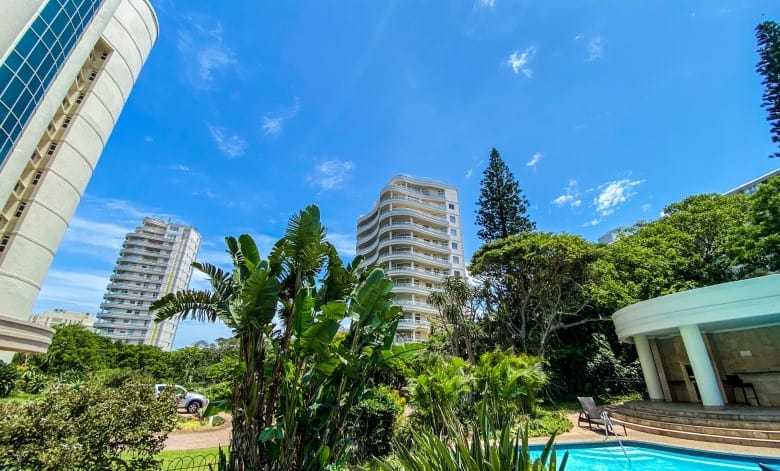
    The area is fast becoming one of the most sought after coastal regions for its warm ocean and sub-tropical climate. It is fronted by the stunning uMhlanga waterfront with its landmark Whalebone Pier and Lighthouse, among the most photographed by visitors.

    There are hotels such as the Oysterbox along with Airbnbs, holiday apartment blocks, and a choice of modern luxury homes, villas, and beach apartments. The bustling commercial centre includes business parks, offices, and retail including the Gateway Theatre of Shopping Mall.

    uMhlanga now has a bustling commercial and residential real estate market, and Botsis says it offers opportunities across the board, and buyers and investors are taking advantage. It is also not just locals, but buyers are coming from Johannesburg and elsewhere, and increasingly international buyers and investors, he says.

    Despite the broader property market challenges, Lightstone data shows that transaction volumes for last year ended still well ahead of the pre-pandemic years, boosted primarily by sectional title sales which make up about 78% of all transactions.

    For the twelve-month period to the end of September 2024, there are already well over 1,000 transactions to the value of over R2.85b at an average transaction price of R2.8m recorded for uMhlanga.

    This includes a number of transactions above R5m ranging to R18.75m for a luxury home with the highest prices paid in estates such as Hawaan Forest Estate and Izinga.

    High value sales above R5m were also predominantly concluded for apartments. These were mostly in complexes such as La Palma Terraces, Longbeach, Ipanema Beach, Oyster Rock, Oyster Quays, Sea Lodge, Seashore, Edge of the Sea and Casa Blanca.

    The average freehold house price stands at around R4.4m and at R8.6m or houses in the estates. Sectional titles average around R2m to R5m

    The median house price for uMhlanga now stands at around R4.225m which is about 14% up since the pandemic, and about 45% up over the last ten years. The majority of buyers making up 64% of all sales over the last year were under 50-years old with about 22% under 35-years of age.

    Botsis says there is an air of positivity returning to the Durban Metro as results of the commitment to services by the Government of Provincial Unity (GPU) are starting to filter through. This should further encourage buyers to get into the market while prices remain fairly flat.

    uMhlanga is simply the best Durban holiday that you can have, and people continue seeking out a better quality of life. Living here is like being on a year-round holiday, says Botsis. The sub-tropical weather and warm ocean makes it a coastal paradise. The area is attracting a significant stream of semigration buyers, especially wealthy buyers from Johannesburg, and Botsis says they are now increasingly looking at international buyers from the Middle East and elsewhere.

    uMhlanga is well positioned for second homes. There is a significant choice of apartments, as well as luxury villas and homes with 5-star amenities right on your doorstep. It is also very accessible with direct flights into the King Shaka International Airport which is an efficient airport for a quick in and out experience. uMhlanga is also only a few hours’ drive from Johannesburg and other inland areas.

    According to Anni Eisele, there is currently a choice of well-located apartments on the market in the R3m to R6m range. At the top-end is the Pearls of Umhlanga complex where one of only four penthouses is on the market for R39.5m. Luxury homes in Hawaan and Izinga are also on the market for between R10m to R25m.

    Apartments are an outstanding investment for own-use as a second home, and can also be rented out when not in use. Rental rates range from around R22,000 to as much as R70,000 per month for a well-located, high-end beach apartment.

    Alwene Els, a rental agent with Seeff who specialises in uMhlanga, La Lucia and Mount Edgecombe says there is high demand for rentals from locals, but also many Johannesburg professionals who are seeking out Durban’s sunny lifestyle. She says remote work has increased demand for homes with dedicated office spaces. Secure, spacious four-bedroom townhouses remain highly sought after, especially pet-friendly units with four-bedrooms are rented out quite quickly.


    Issued by: Gina Meintjes

    Stay in the know. Download the Caxton Local News Network App here.

    Source link

  • International buyers head to uMhlanga for sunnier lifestyle

    International buyers head to uMhlanga for sunnier lifestyle

    uMhlanga is the new wealth hub for the KZN region as buyers are investing in high end villas and apartments and buyers are now flocking here from all over, says Brett Botsis, director for Seeff uMhlanga. The result has been that the property market has not only held up well, but is still performing better compared to the pre-pandemic period.

    The area is fast becoming one of the most sought after coastal regions for its warm ocean and sub-tropical climate. It is fronted by the stunning uMhlanga waterfront with its landmark Whalebone Pier and Lighthouse, among the most photographed by visitors.

    There are hotels such as the Oysterbox along with Airbnbs, holiday apartment blocks, and a choice of modern luxury homes, villas, and beach apartments. The bustling commercial centre includes business parks, offices, and retail including the Gateway Theatre of Shopping Mall.

    uMhlanga now has a bustling commercial and residential real estate market, and Botsis says it offers opportunities across the board, and buyers and investors are taking advantage. It is also not just locals, but buyers are coming from Johannesburg and elsewhere, and increasingly international buyers and investors, he says.

    Despite the broader property market challenges, Lightstone data shows that transaction volumes for last year ended still well ahead of the pre-pandemic years, boosted primarily by sectional title sales which make up about 78% of all transactions.

    For the twelve-month period to the end of September 2024, there are already well over 1,000 transactions to the value of over R2.85b at an average transaction price of R2.8m recorded for uMhlanga.

    This includes a number of transactions above R5m ranging to R18.75m for a luxury home with the highest prices paid in estates such as Hawaan Forest Estate and Izinga.

    High value sales above R5m were also predominantly concluded for apartments. These were mostly in complexes such as La Palma Terraces, Longbeach, Ipanema Beach, Oyster Rock, Oyster Quays, Sea Lodge, Seashore, Edge of the Sea and Casa Blanca.

    The average freehold house price stands at around R4.4m and at R8.6m or houses in the estates. Sectional titles average around R2m to R5m

    The median house price for uMhlanga now stands at around R4.225m which is about 14% up since the pandemic, and about 45% up over the last ten years. The majority of buyers making up 64% of all sales over the last year were under 50-years old with about 22% under 35-years of age.

    Botsis says there is an air of positivity returning to the Durban Metro as results of the commitment to services by the Government of Provincial Unity (GPU) are starting to filter through. This should further encourage buyers to get into the market while prices remain fairly flat.

    uMhlanga is simply the best Durban holiday that you can have, and people continue seeking out a better quality of life. Living here is like being on a year-round holiday, says Botsis. The sub-tropical weather and warm ocean makes it a coastal paradise. The area is attracting a significant stream of semigration buyers, especially wealthy buyers from Johannesburg, and Botsis says they are now increasingly looking at international buyers from the Middle East and elsewhere.

    uMhlanga is well positioned for second homes. There is a significant choice of apartments, as well as luxury villas and homes with 5-star amenities right on your doorstep. It is also very accessible with direct flights into the King Shaka International Airport which is an efficient airport for a quick in and out experience. uMhlanga is also only a few hours’ drive from Johannesburg and other inland areas.

    According to Anni Eisele, there is currently a choice of well-located apartments on the market in the R3m to R6m range. At the top-end is the Pearls of Umhlanga complex where one of only four penthouses is on the market for R39.5m. Luxury homes in Hawaan and Izinga are also on the market for between R10m to R25m.

    Apartments are an outstanding investment for own-use as a second home, and can also be rented out when not in use. Rental rates range from around R22,000 to as much as R70,000 per month for a well-located, high-end beach apartment.

    Alwene Els, a rental agent with Seeff who specialises in uMhlanga, La Lucia and Mount Edgecombe says there is high demand for rentals from locals, but also many Johannesburg professionals who are seeking out Durban’s sunny lifestyle. She says remote work has increased demand for homes with dedicated office spaces. Secure, spacious four-bedroom townhouses remain highly sought after, especially pet-friendly units with four-bedrooms are rented out quite quickly.


    Issued by: Gina Meintjes

    Stay in the know. Download the Caxton Local News Network App here.

    Source link

  • International buyers head to uMhlanga for sunnier lifestyle

    International buyers head to uMhlanga for sunnier lifestyle

    uMhlanga is the new wealth hub for the KZN region as buyers are investing in high end villas and apartments and buyers are now flocking here from all over, says Brett Botsis, director for Seeff uMhlanga. The result has been that the property market has not only held up well, but is still performing better compared to the pre-pandemic period.

    The area is fast becoming one of the most sought after coastal regions for its warm ocean and sub-tropical climate. It is fronted by the stunning uMhlanga waterfront with its landmark Whalebone Pier and Lighthouse, among the most photographed by visitors.

    There are hotels such as the Oysterbox along with Airbnbs, holiday apartment blocks, and a choice of modern luxury homes, villas, and beach apartments. The bustling commercial centre includes business parks, offices, and retail including the Gateway Theatre of Shopping Mall.

    uMhlanga now has a bustling commercial and residential real estate market, and Botsis says it offers opportunities across the board, and buyers and investors are taking advantage. It is also not just locals, but buyers are coming from Johannesburg and elsewhere, and increasingly international buyers and investors, he says.

    Despite the broader property market challenges, Lightstone data shows that transaction volumes for last year ended still well ahead of the pre-pandemic years, boosted primarily by sectional title sales which make up about 78% of all transactions.

    For the twelve-month period to the end of September 2024, there are already well over 1,000 transactions to the value of over R2.85b at an average transaction price of R2.8m recorded for uMhlanga.

    This includes a number of transactions above R5m ranging to R18.75m for a luxury home with the highest prices paid in estates such as Hawaan Forest Estate and Izinga.

    High value sales above R5m were also predominantly concluded for apartments. These were mostly in complexes such as La Palma Terraces, Longbeach, Ipanema Beach, Oyster Rock, Oyster Quays, Sea Lodge, Seashore, Edge of the Sea and Casa Blanca.

    The average freehold house price stands at around R4.4m and at R8.6m or houses in the estates. Sectional titles average around R2m to R5m

    The median house price for uMhlanga now stands at around R4.225m which is about 14% up since the pandemic, and about 45% up over the last ten years. The majority of buyers making up 64% of all sales over the last year were under 50-years old with about 22% under 35-years of age.

    Botsis says there is an air of positivity returning to the Durban Metro as results of the commitment to services by the Government of Provincial Unity (GPU) are starting to filter through. This should further encourage buyers to get into the market while prices remain fairly flat.

    uMhlanga is simply the best Durban holiday that you can have, and people continue seeking out a better quality of life. Living here is like being on a year-round holiday, says Botsis. The sub-tropical weather and warm ocean makes it a coastal paradise. The area is attracting a significant stream of semigration buyers, especially wealthy buyers from Johannesburg, and Botsis says they are now increasingly looking at international buyers from the Middle East and elsewhere.

    uMhlanga is well positioned for second homes. There is a significant choice of apartments, as well as luxury villas and homes with 5-star amenities right on your doorstep. It is also very accessible with direct flights into the King Shaka International Airport which is an efficient airport for a quick in and out experience. uMhlanga is also only a few hours’ drive from Johannesburg and other inland areas.

    According to Anni Eisele, there is currently a choice of well-located apartments on the market in the R3m to R6m range. At the top-end is the Pearls of Umhlanga complex where one of only four penthouses is on the market for R39.5m. Luxury homes in Hawaan and Izinga are also on the market for between R10m to R25m.

    Apartments are an outstanding investment for own-use as a second home, and can also be rented out when not in use. Rental rates range from around R22,000 to as much as R70,000 per month for a well-located, high-end beach apartment.

    Alwene Els, a rental agent with Seeff who specialises in uMhlanga, La Lucia and Mount Edgecombe says there is high demand for rentals from locals, but also many Johannesburg professionals who are seeking out Durban’s sunny lifestyle. She says remote work has increased demand for homes with dedicated office spaces. Secure, spacious four-bedroom townhouses remain highly sought after, especially pet-friendly units with four-bedrooms are rented out quite quickly.


    Issued by: Gina Meintjes

    You can read the full story on our App. Download it here.

    Source link

  • Russian Football Team Left Without Opponents for International Break

    Russian Football Team Left Without Opponents for International Break

    The Russian national men’s football team will not play any friendly matches during the October international break, the Russian Football Union (RFU) told reporters Wednesday. 

    Russia had been in negotiations with Pakistan to play a friendly match this month, but Pakistani outlet Geo News reported that the sides could not come to an agreement.

    Russia reportedly offered to host the match on Oct. 11 and cover all expenses but Pakistan refused, citing insufficient preparation time. Pakistan proposed holding the match in November. 

    Instead, the RFU announced it would hold a training session and fan meet at Dynamo stadium in Moscow on Oct. 10 with children from the Belgorod and Kursk regions bordering Ukraine. 

    The RFU said that it had finalized opponents for friendlies during the November international break, with head coach Valery Karpin telling reporters earlier Wednesday that the national team will play against Syria next month.

    Russia, which is under FIFA and UEFA sanctions due to its full-scale invasion of Ukraine, is banned from playing in international competitions. While it can play in friendly matches, many countries have refused to play against Russia.

    A Message from The Moscow Times:

    Dear readers,

    We are facing unprecedented challenges. Russia’s Prosecutor General’s Office has designated The Moscow Times as an “undesirable” organization, criminalizing our work and putting our staff at risk of prosecution. This follows our earlier unjust labeling as a “foreign agent.”

    These actions are direct attempts to silence independent journalism in Russia. The authorities claim our work “discredits the decisions of the Russian leadership.” We see things differently: we strive to provide accurate, unbiased reporting on Russia.

    We, the journalists of The Moscow Times, refuse to be silenced. But to continue our work, we need your help.

    Your support, no matter how small, makes a world of difference. If you can, please support us monthly starting from just $2. It’s quick to set up, and every contribution makes a significant impact.

    By supporting The Moscow Times, you’re defending open, independent journalism in the face of repression. Thank you for standing with us.

    Continue

    paiment methods

    Not ready to support today?
    Remind me later.

    Source link

  • International Beer and Pizza Day 2024: How To Pick The Right Beer For Your Pizza

    International Beer and Pizza Day 2024: How To Pick The Right Beer For Your Pizza

    International Beer and Pizza Day, celebrated annually on October 9, is a global event that brings together food and drink enthusiasts from around the world. This joyous occasion provides the perfect opportunity to indulge in two of life’s greatest pleasures: delicious pizza and refreshing beer. International Beer and Pizza Day is the perfect excuse to indulge in your favourite foods and beverages. Whether you’re hosting a pizza party with friends or simply enjoying a relaxing evening at home, be sure to celebrate this delicious holiday with a delicious pizza and your favourite beer.

    Also Read: 6 Foods That Are Best Served With Beer

    How To Get The Perfect Pairing Of Beer And Pizza:

    The combination of pizza and beer is a classic pairing that has been enjoyed for centuries. The bold flavours of pizza complement the refreshing and often hoppy taste of beer, creating a harmonious and satisfying experience. When choosing the right beer to pair with your pizza, consider the following factors:

    1. Pizza Style: The type of pizza you’re eating will influence your beer choice. For example, a classic Margherita pizza pairs well with a light and crisp lager, while a meat-laden pizza may call for a bolder, hoppier beer.
    2. Pizza Toppings: The toppings on your pizza can also affect your beer selection. For example, a pizza with spicy toppings might benefit from a beer with a slightly sweet or fruity flavour to balance the heat.
    3. Beer Style: There are many different styles of beer to choose from, each with its own unique flavour profile. Some popular beer styles for pairing with pizza include:
    4. Pale Ale: A well-balanced beer with a slightly hoppy flavour that pairs well with a variety of pizza toppings.
    5. IPA: A hoppy beer with a bitter finish that complements bold and flavorful pizzas.
    6. Lager: A light and refreshing beer that pairs well with classic Margherita pizza.
    7. Wheat Beer: A slightly sweet and fruity beer that complements pizza with fruit or vegetable toppings.
    8. Stout: A dark and full-bodied beer that pairs well with rich and hearty pizzas.

    Also Read: 5 Surprising Health Benefits Of Beer You May Not Know

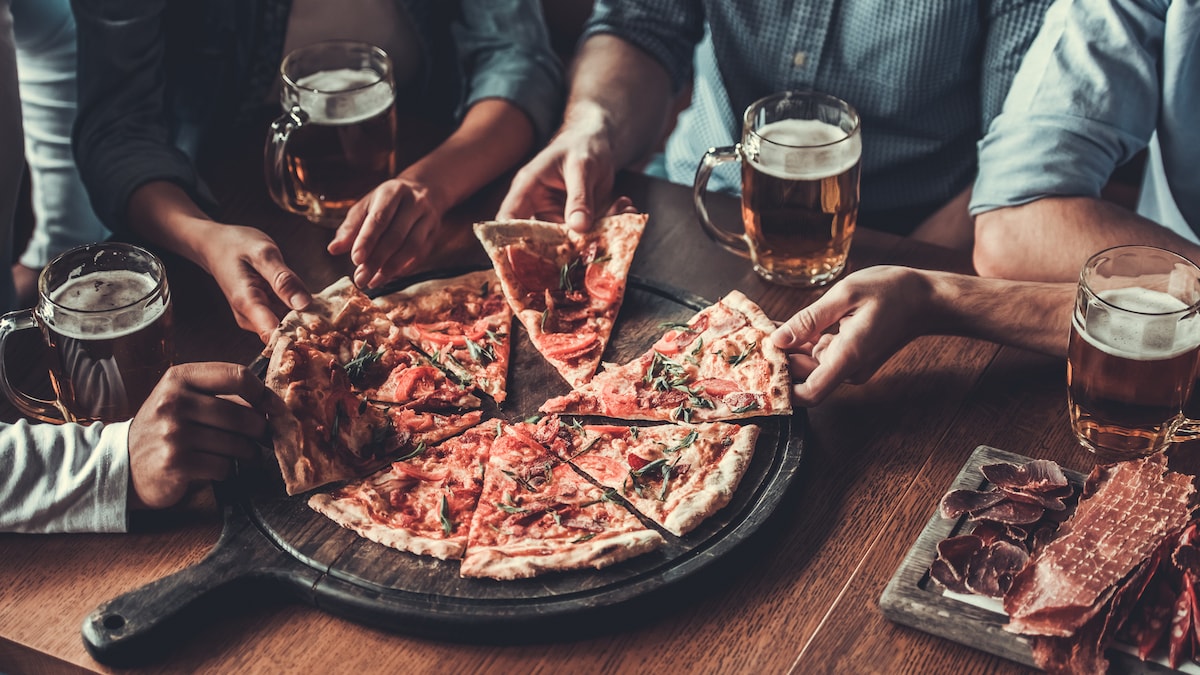
    Beer pairs well with a fresh, delicious pizza.

    Beer pairs well with a fresh, delicious pizza.
    Photo Credit: iStock

    Best Pizza and Beer Pairings

    Here are some classic pizza and beer pairings to get you started:

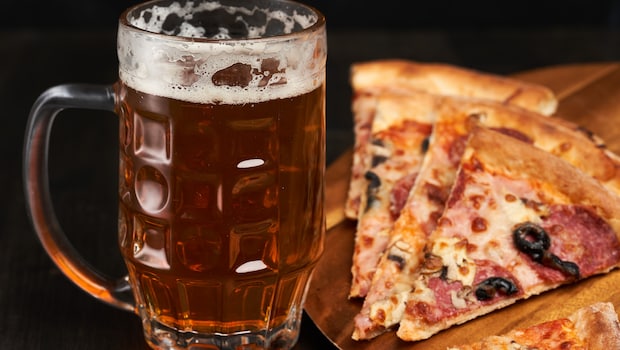
    1. Margherita Pizza: Pair with a light and crisp lager, such as a Pilsner or a Blonde Ale.
    2. Pepperoni Pizza: A bold and flavorful pizza that pairs well with a hoppy IPA.
    3. Meat Lover’s Pizza: A hearty pizza that calls for a dark and full-bodied stout.
    4. Vegetarian Pizza: A light and refreshing wheat beer is a good choice for a vegetarian pizza.
    5. Hawaiian Pizza: A sweet and savoury pizza that pairs well with a fruity wheat beer.

    Beyond the Classics:

    While the classic pairings listed above are always a safe bet, don’t be afraid to experiment and find your own favourite combinations. There are countless possibilities when it comes to pairing pizza and beer. So, grab a slice, crack open a cold one, and enjoy the perfect pairing!

    Also Read:5 Tips To Taste Beer Like A Pro

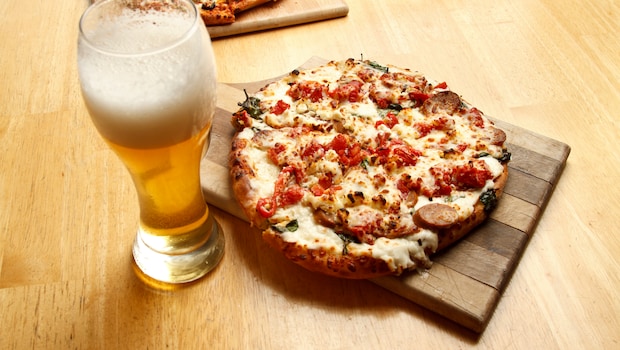
    Get the perfect beer for the pizza of your choice.

    Get the perfect beer for the pizza of your choice.
    Photo Credit: iStock

    Additional Tips for Pairing Pizza and Beer

    • Consider the balance of flavours: The beer should complement the flavours of the pizza, not overpower them.
    • Experiment with different pairings: Don’t be afraid to try new combinations and find your own favourites.
    • Consider the temperature of the beer: Some beers taste better when served cold, while others are best enjoyed at room temperature.

    Have fun! International Beer and Pizza Day is all about enjoying good food and good company. So, relax, have fun, and savour the delicious flavours of pizza and beer.
     

    About Neha GroverLove for reading roused her writing instincts. Neha is guilty of having a deep-set fixation with anything caffeinated. When she is not pouring out her nest of thoughts onto the screen, you can see her reading while sipping on coffee.

    Source link

  • New Zealand-filmed movie Tinā opens the Hawai’i International Film Festival

    New Zealand-filmed movie Tinā opens the Hawai’i International Film Festival

    While the premise is heavy, the film is billed as heartwarming and uplifting. “We’ve got a story about grief, love, acceptance and community,” Magasiva told Hawaii News’s Now Sunrise show at the festival. “Hopefully everyone would go out of the film with a bit of hope.”

    The story “has a lot of Pacific content in it,” he explained, and dialogue is in English and Samoan.

    “I’ve played many Pacific Island mums,” Polataivao said in the interview, and Mareta faces unique and significant challenges in the film.

    “Without expecting it she starts her healing process.”

    Initial reviews are resoundingly positive, noting Percival’s performance “deserves every award”, urging people to see the film, and predicitng it will “blow up”.

    “To have the world premiere of Tinā open the Hawaii International Film Festival has been incredible,” Magasiva said in a media statement. “After years of creating this story for my family, my community and for all of our people, I am so excited that we are finally so close to sharing it with everyone in Aotearoa.”

    Magasiva (brother to Robbie and the late Pua Magasiva) wrote and produced the film – alongside Dan Higgins and Mario Gaoa – which was made with investment from the New Zealand Film Commission, New Zealand Screen Production Grant and NZ On Air.

    New Zealand director Miki Magasiva’s directorial debut Tina stars Anapela Polataivao. Premiered at the Hawaii International Film Festival, it will be released in New Zealand February. Photo / Supplied
    New Zealand director Miki Magasiva’s directorial debut Tina stars Anapela Polataivao. Premiered at the Hawaii International Film Festival, it will be released in New Zealand February. Photo / Supplied

    Shot in Christchurch and Auckland in 2023, the cast includes Nicole Whippy, Beulah Koale and Antonia Robinson.

    It’s Magasiva’s first feature-length film. His first short, Rites of Courage, was released in 2005. He won Best Director award at the 2022 NZ TV Awards for The Panthers miniseries.

    He and Gaoa are co-founders of The Brown Factory, which works to facilitate career pathways in the film industry.

    Miki Magasiva (left) and Mario Gaoa (right). Photo / Alex Burton
    Miki Magasiva (left) and Mario Gaoa (right). Photo / Alex Burton

    Tinā’s world premiere comes amidst a strong year for Kiwi films, with Canterbury proving popular territory.

    Ant Timpson’s Bookworm is set in the region and sees stars Elijah Wood and Nell Fisher searching for the elusive Canterbury Panther.

    Josephine Stewart-Te Whiu’s feature-film debut We Were Dangerous, shot in Lyttleton Harbour, secured the prestigious opening slot at Whānau Mārama New Zealand International Film Festival in August.

    The festival’s Māhutonga section included feature-length films and 19 shorts made by New Zealand directors – including Lucy Lawless’ Margaret Moth documentary Never Look Away, Whetū Fala’s Taki Rua Theatre – Breaking Barriers, thrash metal doco Alien Weaponry: Kua Tupu Te Ara, Sasha Rainbow’s body horror Grafted, and Jonathan Ogilvie’s post-punk elegy Head South (another Christchurch-set story).

    Local filmmakers have also seen success on the international circuit. Michael Jonathan historical drama Ka Whawhai Tonu and Rachel House’s The Mountain both screened at Sydney Film Festival, while Samuel Van Grinsven’s psychological drama Went Up The Hill was on the schedule at Toronto Film Festival.

    March saw Māoriland Film Festival return to Ōtaki with 168 features, documentaries and shorts, where Vea Mafile’o’s Lea Tupu’anga/Mother Tongue won best short film.

    Across the Pacific, the 2024 Hawai’i International Film Festival is screening 92 feature-length movies and 114 short films.

    Tinā will be released in New Zealand in February 2025, distributed by Madman Entertainment.

    Emma Gleason is the Herald’s lifestyle and entertainment deputy editor. Based in Auckland, she covers culture, media and more.

    Source link

  • Sports Insider: Australia’s NRL is failing international rugby league

    Sports Insider: Australia’s NRL is failing international rugby league

    Source link

  • Greenland’s soccer fans yearn for international stage

    Greenland’s soccer fans yearn for international stage

    Despite being covered by ice and largely desolate, soccer is still king in Greenland, whose players want to compete with other nations, but it remains a pipe dream until they join a continental federation.

    Until now, soccer players in the Danish autonomous territory have mostly played among themselves, and the national team — made up of amateurs — have relied on the goodwill of opponents to organize matches. The Football Association of Greenland (KAK) on May 28 announced that it had applied to join the Confederation of North, Central American and Caribbean Association Football (CONCACAF), since it was unable to join the European soccer association UEFA.

    UEFA statutes stipulate that membership can only be granted to federations “based in a country which is recognised as an independent state by the majority of members of the United Nations.”

    Photo: AFP

    “It’s the only place on Earth right now who’s not member of any football association,” Greenland coach Morten Rutkjaer said.

    Nevertheless, soccer — and in particular the English Premier League — is very popular among the 57,000 inhabitants of the world’s largest island, which covers an area of 2 million square kilometers.

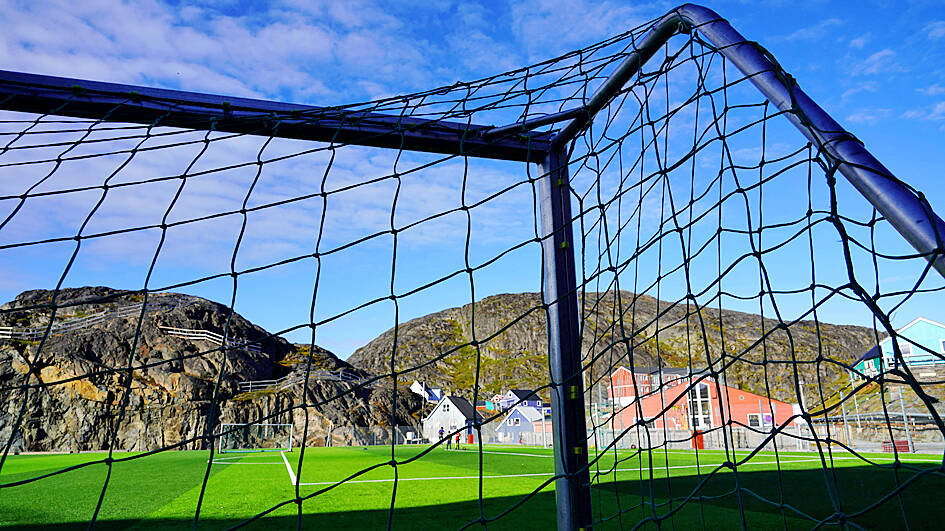
    In the streets of Greenland’s towns and cities, many children play soccer in the summer, and as soon as the weather permits, the pitches fill up — with one of the most eye-catching being the one in the northern village of Uummannaq which lies in the shadow of nearby icebergs.

    “It’s the biggest sport in Greenland,” said KAK secretary-general Ungaaq Abelsen, who estimates that more than 10 percent of the population play.

    “If we get into for example CONCACAF or FIFA in general, then we can play in official tournaments a lot more matches against others,” he added, explaining what counts is being able to join FIFA, which requires you to belong to a regional confederation.

    Although it was not involved in the bid, the Danish Football Association “strongly” supports it.

    “We are getting closer to our goal, to play more international matches and to show that Greenland is among those countries who can play football,” Greenland captain Patrick Frederiksen said.

    The 30-year-old has played just 10 friendlies since his first cap in 2017, most recently on June 1 against Turkmenistan, which Greenland lost 5-0.

    Like his teammates, Frederiksen is not a professional.

    He works at a kindergarten and can only train after hours. For away tournaments, such as the Island Games in Guernsey, the UK, last year, he takes time off work.

    For the federation, the aim is not yet to win the FIFA World Cup; in fact, Greenland does not seek to take part in the qualifying stages before the 2026 edition.

    Instead, they want to focus on playing more matches to improve with the hope that it would not only benefit the national team, but also clubs around the territory.

    Due to the harsh arctic climate, the outdoor season only runs from May to August and the local championship is only played over one week at the beginning of August.

    However, the leaders of the project to go international are convinced they can find arrangements to play abroad on approved pitches.

    In 1992, the Faroe Islands played a UEFA European Championship qualifier in Sweden, because they lacked a suitable pitch, they claim.

    Most players and fans are far removed from such practical considerations and have already begun marveling at the prospects of a possible membership.

    “It will bring some joy, a proud feeling,” Frederiksen said, adding that having a recognized international status would be a “childhood dream” come true.

    “Somebody out in the world will know where Greenland is,” said Robert Fuder, a fan who came to attend an indoor training session in Maniitsoq — a town with a population of 2,500.

    For many, it would also be an important step for the Greenlandic identity.

    “It would mean very, very much to our country… It’s a big part of our identity and helps a lot in many ways in personal development,” Abelsen said.

    For Rasmus Petersen, a 44-year-old plumber who coaches a youth team in the small Arctic town, the territory has “a bright future” in soccer.

    To facilitate this, in Maniitsoq, the municipality subsidizes training so that everyone can play, to mobilize children.

    Joining a soccer confederation is “also about the youth,” Rutkjaer said.

    “Because now when you live in Greenland, you have to have something to look forward to,” he said.

    As well as inspiring the next generation, membership would also create incentives to develop the country’s sports infrastructure.

    In the absence of a stadium meeting international standards, they were considering purchasing air domes — an inflatable structure covering the pitch, protecting it from the elements, Abelsen said.

    Source link

  • International Coffee Day 2024: 8 Viral Coffee Videos That Left Social Media Abuzz

    International Coffee Day 2024: 8 Viral Coffee Videos That Left Social Media Abuzz

    International Coffee Day 2024: Some coffee lovers enjoy experimentation, while others prefer to stick to old favourites. Some like to relish the amazing flavour of coffee in traditional ways, while others are always interested in trending recipes that feature their beloved ingredient. In the recent past, several types of coffee recipes and other coffee-related videos have taken social media by storm. To celebrate International Coffee Day 2024 (which is tomorrow, October 1), we have compiled a list of some of the most fascinating ones from the past year. Check them out below:

    International Coffee Day 2024: 8 Viral Videos Featuring Coffee You Must Check Out:

    1. Trying The Whipped Honey Latte

    Latest and Breaking News on NDTV

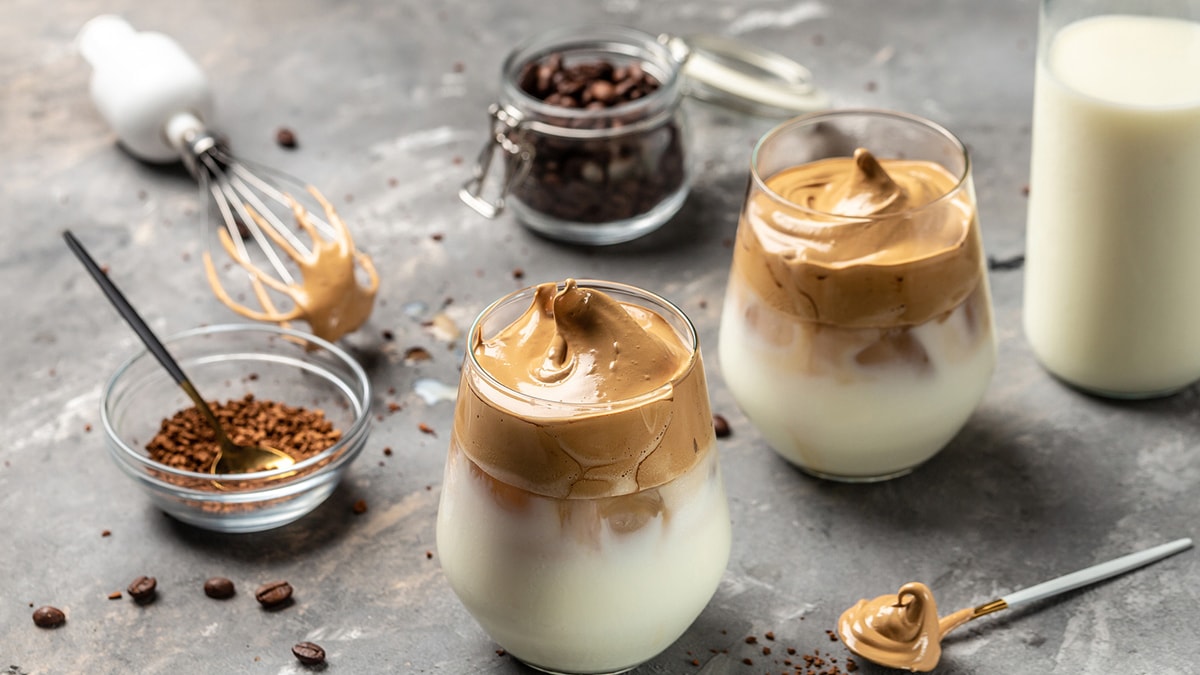
    After whipped honey took social media by storm some time ago, a type of latte featuring it also went viral. In one video, we see a vlogger couple try making this drink from scratch. It clocked more than 24 million views on Instagram. Several users have compared it to dalgona coffee, the beverage that sparked a sort of craze during the COVID-19 pandemic. Find out more about the viral whipped honey latte here.

    2. Relishing Coffee In Ice Cream Cones

    Serving coffee in unique receptacles also attracts a lot of attention online. One viral video showcased coffee being poured into waffle cones that were covered in chocolate on the inside. They also had simple yet aesthetic latte designs on top. Wondering where they were being sold? Click here to find out.

    Also Read:Indian Filter Coffee Ranks No. 2 In The List Of Top 38 Coffees In The World

    3. Serving Coffee In A Large Ice Cube

    This particular viral example gives a whole new meaning to the term “iced coffee”. Multiple videos showing a coffee drink being served in a giant ice cube grabbed eyeballs online. One of them shot at a cafe in Kyoto, shows a massive ice cube with a glass-shaped hole. It is eventually filled with chilled coffee, milk, sugar syrup and vanilla ice cream. Click here to know more.

    4. Dreaming About This Coffee Fountain

    Latest and Breaking News on NDTV

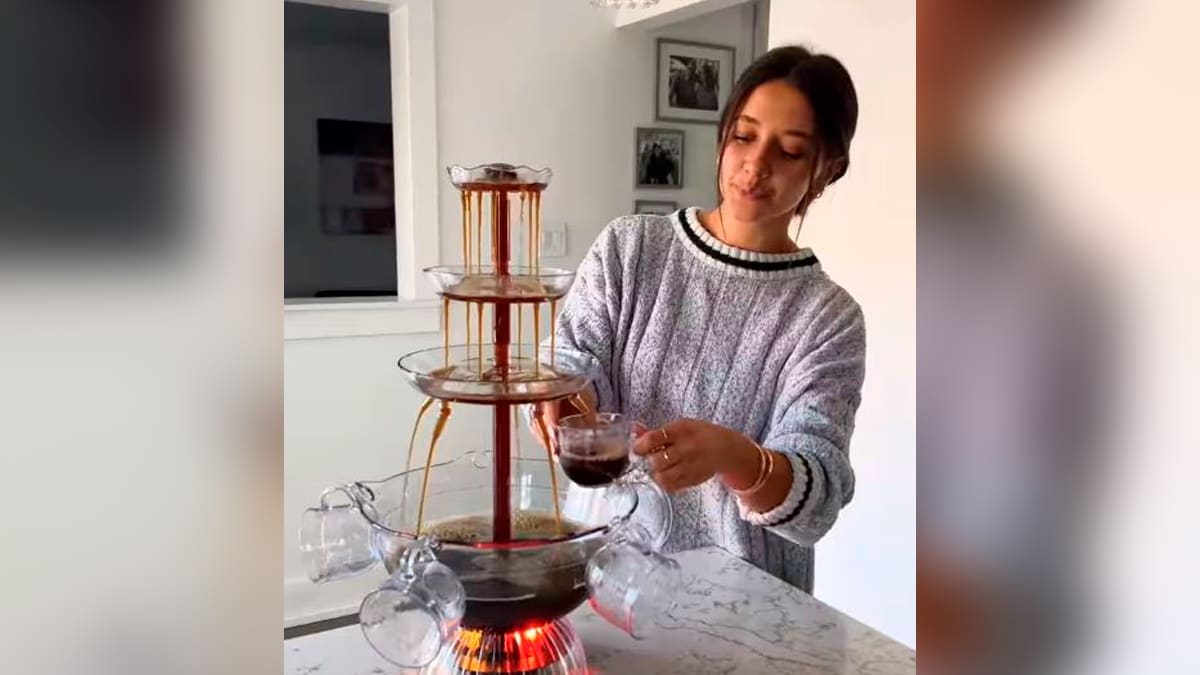
    You may have come across chocolate fountains at restaurants or get-togethers, but have you ever seen a coffee fountain? A reel featuring an awe-inspiring glass coffee fountain won many hearts online. The fountain had four tiers and an intricate chalice-like design. In the video, we could see dark brown coffee flowing gracefully from the top and cascading down into the waiting cup. Read the complete story here.

    5. Making Turkish Coffee While Cycling

    A viral reel showing a person brewing Turkish coffee while cycling redefined the idea of “coffee on the go”. We observed the person setting up a small wooden board across the handlebars of his bike. After covering it with a gingham cloth, he takes out the utensils to make the coffee. He mixes the coffee granules with hot water and heats it on a mini stove. Once brewed, he pours it into a paper cup. Watch the complete viral video here.

    6. Making Pour-Over Coffee On A Plane

    One coffee enthusiast took their love to new heights by making artisanal pour-over coffee from scratch on a flight. Yes, you read that right. A person sitting behind the man who made the drink captured the entire process on video. He is first seen grinding the coffee beans. Next, he sets up the filter and kettle and delicately pours the water required to make the pour-over coffee. Finally, the freshly brewed coffee is poured into a cup. Click here to know how people reacted online.

    Also Read:How Coffee Grounds Can Help Grow Your Kitchen Garden

    7. Eating Raw Coffee Beans

    Add image caption here

    International Coffee Day 2024: Some people apparently enjoy munching on coffee beans. Photo Credit: Unsplash

    Coffee lovers enjoy its flavour in not only drinks but other delicious ways too. And we are not simply talking about desserts. One Instagram user showed how her husband got his caffeine fix by eating raw coffee beans, straight from the jar! People had a lot to say about this in the comment section. Read the full article here.

    8. Reese Witherspoon’s Controversial “Snow Salt Chococinno”

    At the beginning of 2024, Reese Witherspoon made headlines due to a video in which she is seen making (and enjoying) an unusual coffee-flavoured treat. In the clip, two mugs are filled with the snow that had fallen outside her home. They are topped with salted caramel syrup, chocolate syrup and cold brew. The viral video sparked a heated debate online. Some people found the idea unproblematic, while others criticised her for consuming snow in a way that they felt was unhealthy. Click here to know how Reese defended her actions.

    How are you planning to celebrate International Coffee Day 2024? Let us know in the comments below.

    Also Read: How To Use A French Press To Make Perfect Cup Of Coffee Every Single Time

    Source link

  • Russia considers law to ban defending child-free lifestyle | International

    Russia considers law to ban defending child-free lifestyle | International

    Openly defending one’s decision not to have children will be prosecuted in Russia. The State Duma, the lower house of the Russian parliament, is preparing a bill under which authorities will impose fines of up to €50,000 ($55,580) for supporting “the refusal to have children.” The measure affects all areas of life — from casual conversation to films and books — and is a serious threat to the Russian feminist movement.

    The crackdown on what the Kremlin calls the “childfree” movement will result in fines of up to 400,000 rubles for individuals (around $4,300), 800,000 rubles for civil servants ($8,600), and up to five million rubles ($55,580) for companies or other legal entities. Foreigners will also be deported.

    There are thousands of reasons why a person may decide not to have children, but the Cabinet of ministers has asked the State Duma to make only three exceptions to the law: religious reasons, medical reasons or in the case of rape. It also alleges that there is a mass-organized childfree movement, even though the websites on this subject are little more than a curiosity; Russian newspapers cite the existence of groups on VKontakte, the Russian Facebook, which barely have 5,000 members.

    “We have started considering a bill banning propaganda of a conscious refusal to have children,” parliament speaker Vyacheslav Volodin wrote on his Telegram channel. “Groups and communities on social networks often show disrespect for motherhood and fatherhood and aggression towards pregnant women and children and members of large families,” added the politician, a staunch defender of a war in Ukraine, which has left tens of thousands of Russian households without fathers and sons.

    “Everything that needs to be done to increase the birth rate must be done. And everything that hinders this should disappear from our lives,” said Kremlin spokesman Dmitry Peskov. The politician, however, does not envisage Moscow joining the peace talks promoted by Ukraine. “For us, there is absolutely no alternative to achieving our set goals. As soon as these goals have been achieved in one way or another, the special military operation will be completed.”

    Russian President Vladimir Putin said in early September that his government must create the conditions “so that having many children becomes fashionable again, as it used to be – seven or 10 people in a family.”

    Even though Putin is about to celebrate 25 years in power, Russia — with 146 million inhabitants — has been suffering from demographic decline since the 20th century. This has been aggravated by the war in Ukraine, the inverted age pyramid and internal policies. Last year, 1.3 million people died and 1.26 million children were born, the lowest figure since the fall of the USSR, with the exception of 1999 due to the Russian financial crisis. What’s more, the tightening of immigration policies has prompted many foreigners to leave: the number of registered immigrants has fallen from 8.5 million to 6.1 million in the last year.

    In 2007, Putin approved a maternity support program that pays mothers 466,617 rubles (around $5,000) for their first child, and 150,000 rubles ($1,600) for their second. However, this project has not boosted pregnancies in Russia, where only a tenth of the population earns more than $1,000 and a man can earn 10 times more a year at the front.

    Meanwhile, the State Duma is also considering a bill — which was introduced at the end of last year — to ban abortions in private clinics. At least 11 regions have taken this step individually, but the government has called for a “significant review” of the reform because it believes that it will increase public spending and may increase maternal mortality by encouraging clandestine abortions. In addition, lawmakers are also discussing banning abortion after nine weeks, instead of 12.

    First it was the LGBTQ+ community, then feminism, then…

    Volodin said that Russian authorities will ban “childfree propaganda” on the internet and in the media, films and advertising. However, the precedent set by other Kremlin laws against freedom of expression — such as the law against the discrediting of the armed forces or the law against LGBTQ+ propaganda — leaves open the possibility that private conversations could be recorded and subsequently reported.

    “These [measures] have been taken before against LGBTQ+ propaganda and gender reassignment,” Volodin said. Last year, Russia banned sex reassignment surgery for trans people, against World Health Organization guidelines, and also banned changing the gender markers on passports.

    The proposed law to ban the choice no to have children is one more step in the Kremlin’s campaign to defend “traditional values.” Russian authorities accuse the West of being behind any liberal thought, even when it comes to universal human rights, and on these grounds, they repress any internal dissent that advocates for a different vision of Russia.

    “I once said that we should ban the childless movement by law because this is a foreign project, it is a hostile project,” Valentina Matviyenko, the chairwoman of the Federation Council, Russia’s upper house, said last week. “They are instilling in women’s brains, using the most modern technologies, that they should give up motherhood,” she added.

    In the debate on the law, no lawmaker is likely to argue that the decision not to have children is a personal choice. Deputy Justice Minister Vsevolod Vukolov said in June that the government would promote initiatives “to protect the values of the Russian people,” while the Chairman of the Human Rights Council, Valery Fadeyev, said last year that “LGBTQ people, radical feminism, radical environmentalism and the child-free movement dominate in the West.”

    “Those who do not accept this ideology are declared enemies of freedom and supporters of tyranny,” said Fadeyev, who accused the West of “distorting” universal rights “in order to interfere in the internal affairs of states.” He added: “I call this ideology the ideology of death, the destruction of the family.”

    Indeed, the space for debate in Russia is shrinking. Any citizen or foreigner who does not follow the dictates of the state are sent to prison or blacklisted. On Tuesday, the State Duma announced another legal reform to crackdown on comments online and in the media that “disrespect the honor or dignity of a government employee in terms of his personal or professional qualities.” Defendants who are found guilty of this crime face up to two years in prison.

    These latest moves are unlikely to be the last of the Kremlin’s campaign to protect “traditional values.” The government fiercely defends these ideals, despite being hit by constant scandals. In September alone, two scandals have come to light: a lawmaker was recorded with a prostitute inside the Duma last weekend and at the start of the month, Russian children’s rights ombudsman Maria Lvova-Belova married Konstantin Malofeyev, the owner of the ultra-Orthodox television channel Tsargrad. Until just a few months ago, the couple — both ardent defenders of traditional values — were married to other people.

    Sign up for our weekly newsletter to get more English-language news coverage from EL PAÍS USA Edition

    Source link