hacklink hack forum hacklink film izle hacklink marsbahisizmir escortsahabetpornJojobetcasibompadişahbetjojobet

Tag: Japanese

  • Japanese regulators disqualify a reactor under post-Fukushima safety standards for the first time

    Japanese regulators disqualify a reactor under post-Fukushima safety standards for the first time

    TOKYO — Japan’s nuclear watchdog on Wednesday formally disqualified a reactor in the country’s north-central region for a restart, the first rejection under safety standards that were reinforced after the 2011 Fukushima disaster. The decision is a setback for Japan as it seeks to accelerate reactor restarts to maximize nuclear power.

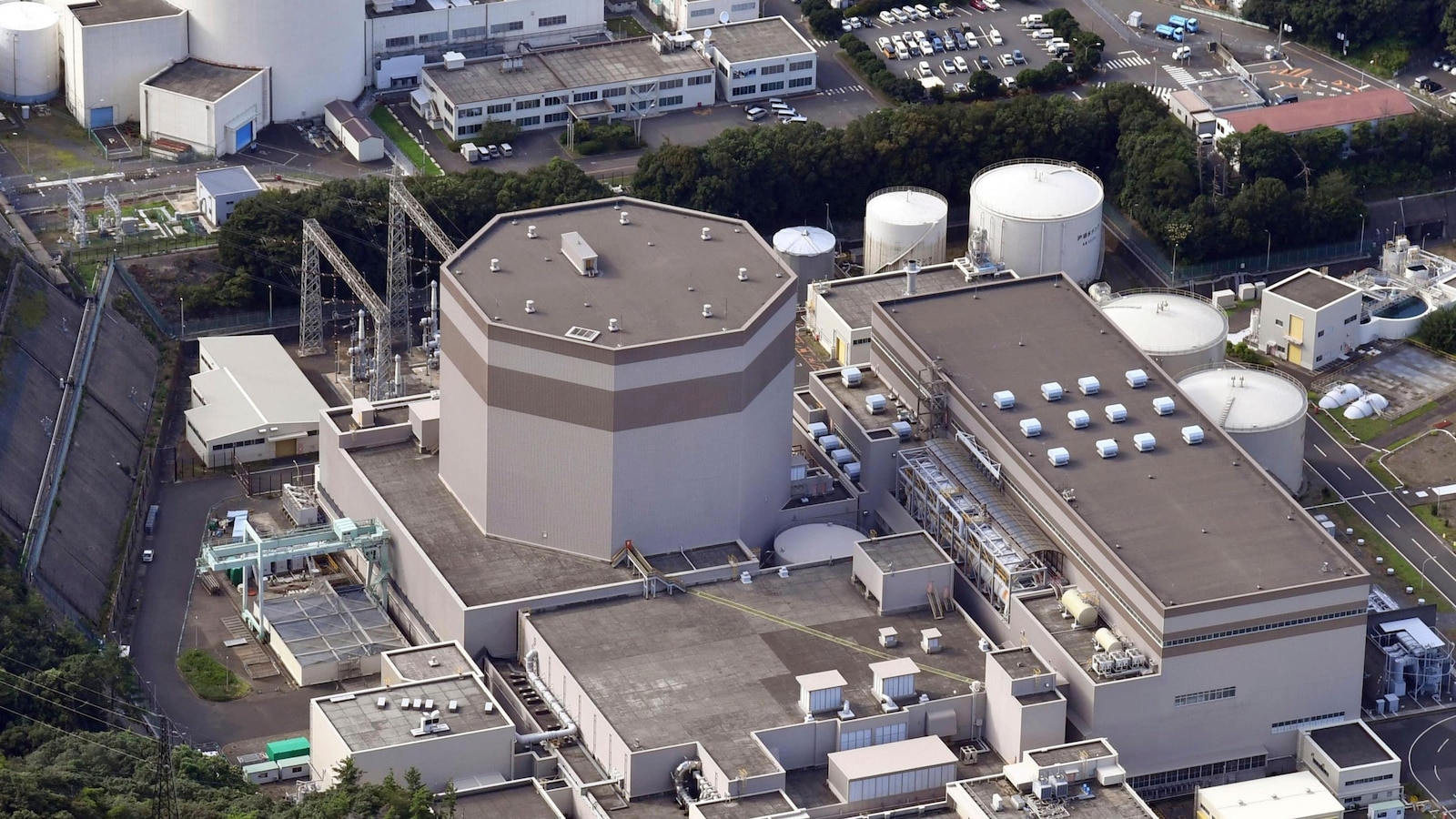
    The Nuclear Regulation Authority at a regular meeting Wednesday announced the Tsuruga No. 2 reactor is “unfit” as its operator failed to address safety risks stemming from possible active faults underneath it.

    Tsuruga No. 2, operated by the Japan Atomic Power Co., is the first reactor to be rejected under the safety standards adopted in 2013 based on lessons from the 2011 Fukushima Daiichi meltdown disaster following a massive earthquake and tsunami.

    “We reached our conclusion based on a very strict examination,” NRA chairperson Shinsuke Yamanaka told reporters.

    The verdict comes after more than eight years of safety reviews that were repeatedly disrupted by data coverups and mistakes by the operator, Yamanaka said. He called the case “abnormal” and urged the utility to take the result seriously.

    The decision is a blow to Japan Atomic Power because it virtually ends its hopes for a restart. The operator, which is decommissioning its other reactor, Tsuruga No. 1, had hoped to put No. 2 back online, but it would require an examination of dozens of faults around the reactor to prove their safety.

    An NRA safety panel concluded three months ago there’s no evidence denying the possibility of active faults about 300 meters (330 yards) north of the No. 2 reactor stretching to right underneath the facility, meaning the reactor cannot be operated.

    Japan’s government in 2022 adopted a plan to maximize the use of nuclear energy, pushing to accelerate reactor restarts to secure a stable energy supply and meet its pledge to reach carbon neutrality by 2050.

    Concern about the government’s revived push for nuclear energy grew after a magnitude 7.5 earthquake hit Japan’s Noto Peninsula on Jan. 1, 2024, killing more than 400 people and damaging more than 100,000 structures. The quake caused minor damage to two nearby nuclear facilities, and evacuation plans for the region were found to be inadequate.

    Building key nuclear facilities, such as reactors, directly above active faults is prohibited in earthquake-prone Japan.

    Yamanaka said the NRA is not immediately ordering a decommissioning because the reactor, which is offline and its spent fuel safely cooled, will not pose a major threat if active faults move.

    If the utility decides to reapply, it must address not only the faults issue but it also must implement adequate safety measures for the entire plant, Yamanaka said. Providing scientific proof of the status of faults underneath key nuclear facilities is difficult, but other operators that obtained restart permits all cleared the requirement, he noted.

    The Tsuruga No. 2 reactor first started commercial operation in February 1987 and has been offline since May 2011. The operator denied the NRA panel’s 2013 on-site inspection results, which concluded that the faults under the No. 2 reactor were active, and it applied for a restart in 2015.

    Source link

  • A tiny grain of nuclear fuel is pulled from ruined Japanese nuclear plant, in a step toward cleanup

    A tiny grain of nuclear fuel is pulled from ruined Japanese nuclear plant, in a step toward cleanup

    TOKYO — A robot that has spent months inside the ruins of a nuclear reactor at the tsunami-hit Fukushima Daiichi plant delivered a tiny sample of melted nuclear fuel on Thursday, in what plant officials said was a step toward beginning the cleanup of hundreds of tons of melted fuel debris.

    The sample, the size of a grain of rice, was placed into a secure container, marking the end of the mission, according to Tokyo Electric Power Company Holdings, which manages the plant. It is being transported to a glove box for size and weight measurements before being sent to outside laboratories for detailed analyses over the coming months.

    Plant chief Akira Ono has said it will provide key data to plan a decommissioning strategy, develop necessary technology and robots and learn how the accident had developed.

    Despite multiple probes in the years since the 2011 disaster that wrecked the plant and forced thousands of nearby residents to leave their homes, much about the site’s highly radioactive interior remains a mystery.

    The sample, the first to be retrieved from inside a reactor, was significantly less radioactive than expected. Officials had been concerned that it might be too radioactive to be safely tested even with heavy protective gear, and set an upper limit for removal out of the reactor. The sample came in well under the limit.

    That’s led some to question whether the robot extracted the nuclear fuel it was looking for from an area in which previous probes have detected much higher levels of radioactive contamination, but TEPCO officials insist they believe the sample is melted fuel.

    The extendable robot, nicknamed Telesco, first began its mission August with a plan for a two-week round trip, after previous missions had been delayed since 2021. But progress was suspended twice due to mishaps — the first involving an assembly error that took nearly three weeks to fix, and the second a camera failure.

    On Oct. 30, it clipped a sample weighting less than 3 grams (.01 ounces) from the surface of a mound of melted fuel debris sitting on the bottom of the primary containment vessel of the Unit 2 reactor, TEPCO said.

    Three days later, the robot returned to an enclosed container, as workers in full hazmat gear slowly pulled it out.

    On Thursday, the gravel, whose radioactivity earlier this week recorded far below the upper limit set for its environmental and health safety, was placed into a safe container for removal out of the compartment.

    The sample return marks the first time the melted fuel is retrieved out of the containment vessel.

    Fukushima Daiichi lost its key cooling systems during a 2011 earthquake and tsunami, causing meltdowns in its three reactors. An estimated 880 tons of fatally radioactive melted fuel remains in them.

    The government and TEPCO have set a 30-to-40-year target to finish the cleanup by 2051, which experts say is overly optimistic and should be updated. Some say it would take for a century or longer.

    No specific plans for the full removal of the fuel debris or its final disposal have been decided.

    Source link

  • Meet Hana Wakimoto: Lifestyle, Family, Career & More Details About Japanese Golf Pro Revealed

    Meet Hana Wakimoto: Lifestyle, Family, Career & More Details About Japanese Golf Pro Revealed

    There is not a shortage of great golfers in the world but what makes them stand out? Is it their skills? Is it their sportsmanship? Well, it might be a lot of things but what truly makes a golfer stand out is how humble they are with their golfing status. Enter Hana Wakimoto. This JLPGA golfer is the epitome of elegance and cutthroat golfing skills and her performance speaks for itself when she is on the greens.

    Wakimoto was born on October 4, 1997, in Kobayashi City, Miyazaki Prefecture. She started golfing at the ripe age of 8 and has made a successful career out of her hobby. Now as a 27-year-old golfer, she is defying what it means and what it takes to be successful in this field of sport.

    Hana Wakimoto’s professional career

    ADVERTISEMENT

    Article continues below this ad

    You know when you have a passion for something you give it your all and hope for the best? Well, that is exactly what Wakimoto did when it came to making decisions about her career. She started her professional journey in 2018 and has been making waves in the industry ever since. She has played in 166 matches to date and has made quite some fortune out of them. Her 2024 career earnings are $205,579 which is a vast difference in contrast to what she earned in 2023 which was $166,994.


    ADVERTISEMENT

    Article continues below this ad

    The golfer has one win under her belt which she achieved at the Hanasaka Ladies Yanmar Golf Tournament. Wakimoto’s recent performances include a string of notable finishes on the Japanese ladies golf tour. She tied for 19th at the Daikin Orchid Ladies Golf Tournament with a score of 286 (-2), and secured 25th place at the MEIJIYASUDA Ladies Yokohama Tire Golf Tournament with a +1 score of 289. That’s not all, she also showed her exceptional skills at the AXA Ladies Golf Tournament in Miyazaki by finishing 23rd with a -3 score of 141. But she couldn’t have done all this without her parents’s help and support.

    A closer look into Hana Wakimoto’s life

    ADVERTISEMENT

    Article continues below this ad

    We all know how important it is to have a supportive figure in your life and in Wakimoto’s case she does. The golfer seems to be very close with her parents and she recently dedicated a tribute to her father on Father’s Day with an Instagram post. Wakimoto gave her father flowers as a token of appreciation from him and his three brothers and wrote, “Today is Father’s Day 👨🏻 I gave my father flowers as a thank you for everything from his three brothers🌻 Thanks for always coming to the games and cheering us on! From now on, I want you to take care of your body, unload your shoulders a little more, and take care of your health”. Tissues, anyone?

    Not only that the golfer is very close to her family too and loves to do little get-togethers every now and then. She also has a black cat that she often posts on her Instagram to share her furry friend with her fans. Also, did we tell you that the golfer has quite the following on her social media with a total of 103,000 followers on Instagram? Well, she does and she puts it to good use by sharing little glimpses of her life with her beloved fans. So, what do you think of the golfer’s life and career? Let us know in the comment section below!

    Source link

  • Japanese nuclear reactor which survived earthquake that badly damaged Fukushima power plant restarts

    Japanese nuclear reactor which survived earthquake that badly damaged Fukushima power plant restarts

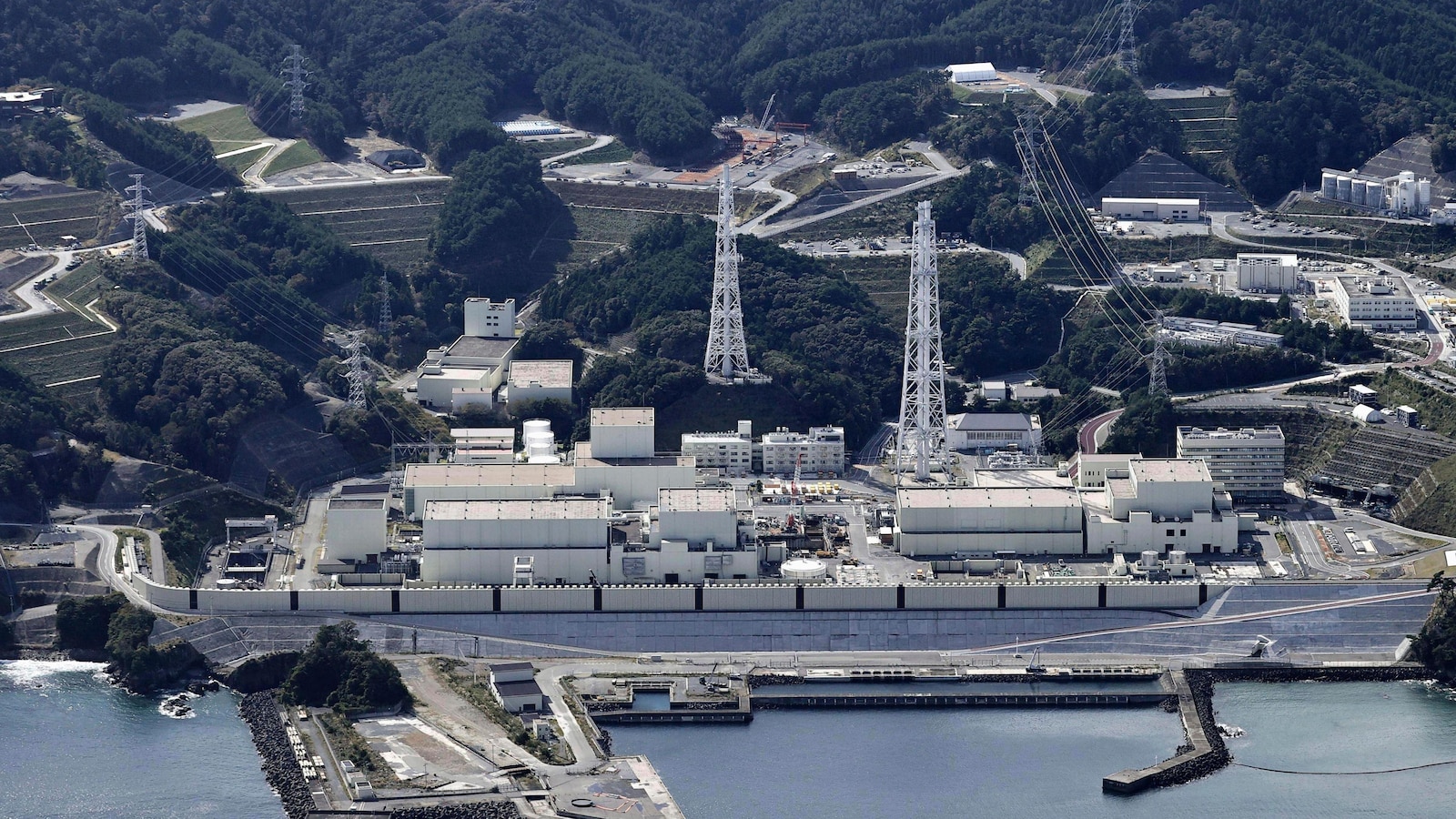
    TOKYO — A Japanese nuclear reactor which survived a massive 2011 earthquake and tsunami that badly damaged the nearby Fukushima nuclear power plant was restarted Tuesday for the first time since the disaster after a safety upgrade, as the government pursues a renewed expansion of nuclear energy to provide stable power and reduce carbon emissions.

    The No. 2 reactor at the Onagawa nuclear power plant on Japan’s northern coast was put back online and is expected to start generating power in early November, operator Tohoku Electric Power Co. said.

    The reactor is one of the three at the Onagawa plant, which is 100 kilometers (62 miles) north of the Fukushima Daiichi plant where three reactors melted following a magnitude 9.0 earthquake and tsunami in March 2011, releasing large amounts of radiation.

    The Onagawa plant was hit by a 13-meter (42-foot) tsunami but was able to keep its crucial cooling systems functioning in all three reactors and achieve their safe shutdowns.

    All of Japan’s 54 commercial nuclear power plants were shut down after the Fukushima disaster for safety checks and upgrades. Onagawa No. 2 is the 13th of the 33 still useable reactors to return to operation. It is also the first restart in Japan of the same type of reactor damaged in Fukushima.

    Tohoku Electric President Kojiro Higuchi said the reactor’s restart highlights the area’s recovery from the disaster.

    Last year, Japan’s government adopted a plan to maximize use of nuclear energy, including accelerating restarts of closed reactors, extending the operational life of aging plants, and developing next-generation reactors, as the country struggles to secure a stable energy supply and meet its pledge to reach carbon neutrality by 2050.

    “Nuclear energy, along with renewables, is an important power source for decarbonization,” Chief Cabinet Secretary Yoshimasa Hayashi said Tuesday. “We will maximize its use while ensuring safety.”

    Restarting nuclear reactors is also increasingly important for Japan’s economic growth, Hayashi said.

    Concern about the government’s revived push for nuclear energy grew after a magnitude 7.5 earthquake hit Japan’s Noto Peninsula on Jan. 1, 2024, killing more than 400 people and damaging more than 100,000 structures. Minor damage was reported at two nuclear facilities and evacuation plans for the region were found to be inadequate.

    For the Onagawa No. 2 reactor, Tohoku Electric in 2013 began upgrading its safety, including tsunami risk estimates and anti-quake measures. It also built an anti-tsunami wall extending up to 29 meters (95 feet) above sea level, and obtained safety approval from regulators in 2020.

    Twenty-one of Japan’s nuclear reactors, including six at Fukushima Daiichi and one at Onagawa, are currently being decommissioned because their operators chose to scrap them instead of investing large amounts for additional safety equipment required under the much-stricter post-Fukushima safety standards.

    Source link

  • Japanese travel blogger wears SIA sarong kebaya onto flight to cabin crew’s amusement, some netizens express concerns, Lifestyle News

    Japanese travel blogger wears SIA sarong kebaya onto flight to cabin crew’s amusement, some netizens express concerns, Lifestyle News

    It was supposed to be a regular day at work for a group of Singapore Airlines (SIA) cabin crew.

    However, they received a pleasant surprise when a passenger boarded their flight, seemingly fully dressed to work alongside them.

    See, Instagram user Travel.saya had donned the iconic Singapore Airlines sarong kebaya for her flight from Jakarta’s Sukarno Hatta International Airport to Singapore’s Changi Airport.

    She documented and posted multiple videos of the experience on her Instagram page on Sept 18, capturing the reactions of the SIA cabin crew on board.

    And judging by the smiles from the crew, they were more than happy to see her wearing their uniform.


    Two crew members couldn’t help but break into a chuckle as they warmly greeted her and welcomed her on board the plane.

    And as she walked down the cabin aisle towards her seat, Travel.saya had a second interaction with another “colleague” of hers.

    This time, it was with a true blue Singapore Girl.

    Clearly amused, the flight attendant made a comment on their matching outfits before she happily directed Travel.saya to her seat.

    One can’t help but wonder,too, if other travellers had to do a double take when they saw her taking her seat among other passengers on the flight.

    In a separate Instagram post, Travel.saya could be seen having a blast as she posed for photos with some other cabin crew members.

    And while credit goes to her for looking the part, to trained eyes, the fit of the kebaya and footwear were definitely non-standard.


    In the comments sections of her videos, netizens praised Travel.saya for sharing such wholesome content.

    “It’s nice, it’s cute and it suits you,” remarked one Instagram user of her outfit.

    Others described her video as “cuteness overload” and that the SIA uniform “looks so good” on her.

    Not all, however, saw the situation in a positive light.

    Some expressed uneasiness at having a passenger don the cabin crew uniform on board a flight.

    One netizen wrote in Japanese: “It’s not a bad thing but it will certainly be confusing when responding to an emergency.”

    A fellow Instagram user also felt that doing so was disrespectful to the crew members.

    “They’ve earned their uniform by their effort, you really shouldn’t do this.

    “Moreover, this might also [be] confusing to other passengers. Don’t do it again,” they admonished.

    Travel.saya responded to these concerns in her Instagram post last Saturday (Sept 28), after appearing to have spoken to SIA personnel at a tourism event which she attended in Tokyo.

    “Singapore Airlines assured me that there is absolutely no problem boarding the plane dressed as one of their cabin crew,” the caption wrote.

    Iconic uniform

    Unveiled in 1968, the sarong kebaya uniform continues to be seen as a hallmark of Singapore Airlines.

    In fact, according to government agency site Roots, it has since become central to its branding, especially after the emergence of the Singapore Girl in the early 1970s.

    The unmistakable batik print design has persisted over the decades and is seen in four colours — blue, red, brown, brown and green — which denotes the rank of the flight stewardess.

    ALSO READ: 5-year-old boards SIA plane donning iconic sarong kebaya uniform, delights cabin crew

    amierul@asiaone.com


    Source link

  • World Sake Day 2024: All About The Japanese Drink That Has Won Our Heart

    World Sake Day 2024: All About The Japanese Drink That Has Won Our Heart

    Every year, the world comes together to celebrate World Sake Day, a day dedicated to appreciating the unique and complex flavours of Japan’s national beverage. Sake, often referred to as “rice wine,” is a fermented alcoholic beverage made from rice. It has gained immense popularity worldwide, winning over our taste buds with its delicate balance of sweetness, umami, and acidity. Sake simply translates to ‘alcohol’. World Sake Day is celebrated worldwide with various events and activities. Many sake breweries offer special tastings and events to educate consumers about the different types of sake and their unique flavours. Restaurants and bars also feature special sake-themed menus and cocktail pairings.

    Also Read: Did You Know? Sushi Was Never Meant to Be Eaten! Uncover Its Surprising Origins

    The History of Sake

    The history of Sake dates back thousands of years to ancient Japan. It was originally brewed as a religious offering and was later adopted as a part of everyday life. Sake’s production process involves a unique method called koji brewing, which involves fermenting rice with koji mould. This process gives sake its distinctive flavour profile.

    The Growing Popularity of Sake

    Sake has gained significant popularity outside of Japan in recent years. Its versatility and complex flavours have made it a favourite among wine and cocktail enthusiasts. Many bars and restaurants now offer a wide selection of sake and sake cocktails, showcasing the diversity of this unique beverage.

    The Art of Sake Tasting

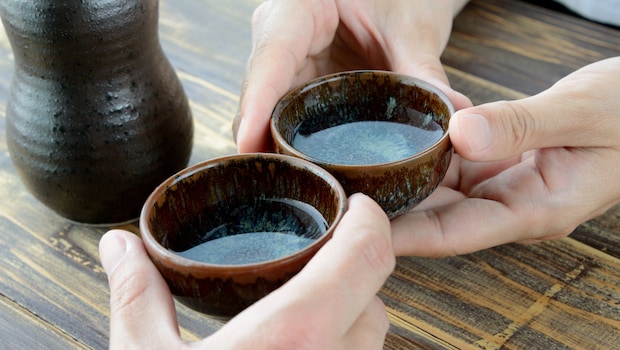
    Sake is typically served warm or cold, depending on the style and personal preference. The traditional way to serve sake is in small ceramic cups called “ochoko.” When tasting sake, it’s important to appreciate its complex flavours and aromas. Pay attention to the sweetness, umami, acidity, and body of the sake.

    What Are The Different Types of Sake?

    There are many different types of sake, each with its own unique characteristics. Some of the most common types include:

    • Junmai: Made from pure rice without any added rice polishings.
    • Honjozo: Made with a small amount of rice polishings, resulting in a slightly more flavorful sake.
    • Daiginjo: Made with a high percentage of rice polishings, resulting in a delicate and complex flavour.
    • Nama-zake: Unpasteurized sake that has a fresher and fruitier flavour.
    • Nigori-zake: A cloudy sake made with unfiltered rice.

    Also Read: 5 Best Dishes Of Japanese Cuisine That Foodies Will Love

    Sake Pairing:

    Sake pairs well with a variety of dishes, especially Japanese cuisine. However, it can also complement Western dishes, such as seafood, poultry, and light meats. When pairing sake with food, consider the flavour profiles of both the sake and the dish.

    How Does Sake Taste?

    The flavour of sake can vary widely depending on the type of rice used, the brewing process, and the ageing period. However, sake generally has a clean, refreshing taste with a subtle sweetness and a touch of umami. Some sakes may have fruity or floral notes, while others may have a more earthy or nutty flavour.

    Best Ways to Enjoy Sake

    There are many ways to enjoy sake. Here are a few suggestions:

    • Sake Tasting: Attend a sake-tasting event to learn about the different types of sake and how to pair them with food.
    • Sake Cocktails: Many bars and restaurants offer creative sake cocktails that combine the unique flavours of sake with other spirits and mixers.
    • Warm or Cold: Sake can be enjoyed either warm or cold. Warm sake is often served at a temperature between 40-50 degrees C (104-122 degrees F), while cold sake is typically served at a temperature of 5-10 degrees C (41-50 degrees F).
    • Sake Pairing: Experiment with different sake pairings to find your favourite combinations. Sake can complement a variety of dishes, from sushi and sashimi to grilled meats and cheeses.

    World Sake Day 2024 is a celebration of Japan’s rich cultural heritage and the delicious and complex flavours of Sake.

    Source link

  • 20 Years Of Wasabi: In Conversation With The Japanese Maestro, Chef Masaharu Morimoto

    20 Years Of Wasabi: In Conversation With The Japanese Maestro, Chef Masaharu Morimoto

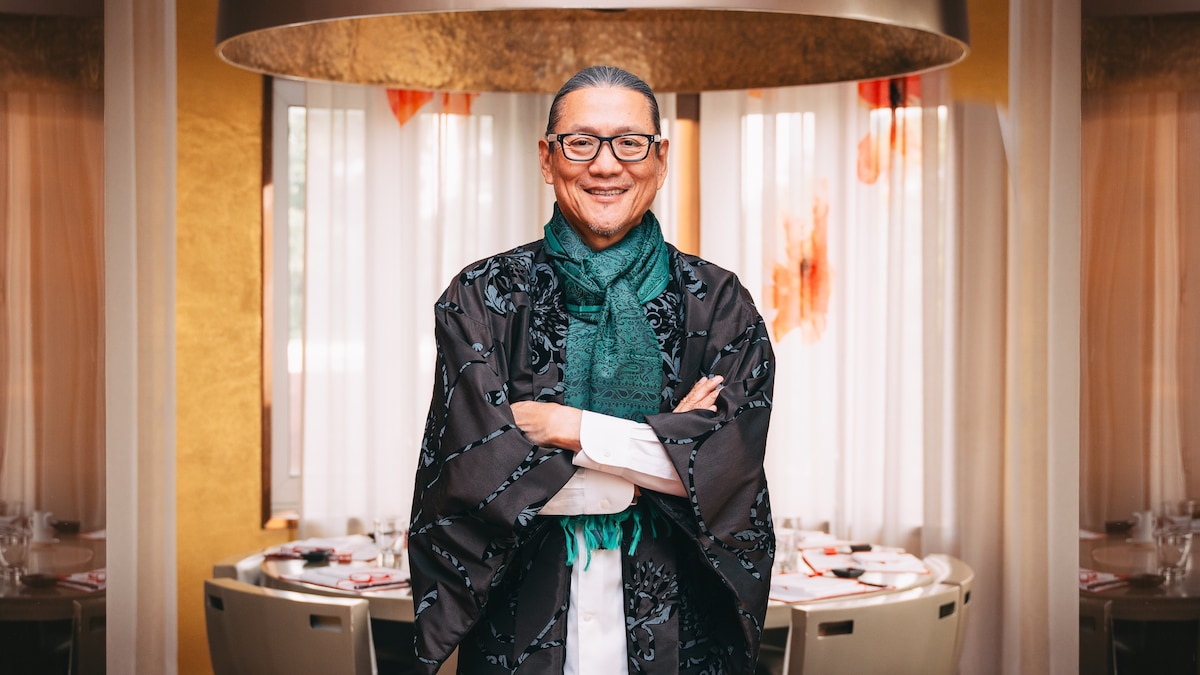
    When you meet one of the world’s leading Japanese chefs, you have to ask him about sushi. So I did – and his approach, in his words and on the plate, was all about simplicity and satisfaction. “Find a chef or a restaurant you absolutely trust – that’s my only advice,” says Chef Masaharu Morimoto, when asked about finding good sushi. Today, certain generations of foodies worldwide are interested in Japanese staples because of social media. But long before these delicacies could be labelled ‘viral ‘trends’, Chef Morimoto championed them across the globe in exciting ways. “People always say that Japanese cuisine has many rules. But I am constantly thinking of how I can break them,” he declares. Today, he is recognised as one of the most legendary figures in the culinary world, helming numerous restaurants that have stood the test of time.

    In India, Chef Morimoto is perhaps best known for his trailblazing restaurant Wasabi by Morimoto, which first opened at the Taj Palace Hotel in Mumbai in 2004. Its establishment was significant on multiple levels. It was Chef’s second-ever venture under his own name after having set up a restaurant in Philadelphia in 2001. Moreover, it holds the title of the restaurant that introduced the city to Japanese cuisine in all its masterful glory. This year, Wasabi by Morimoto is celebrating its 20th anniversary – marking two decades of delighting guests with its exquisite Japanese fare, under the guidance of its maestro.

    Latest and Breaking News on NDTV

    Photo Credit: Wasabi by Morimoto

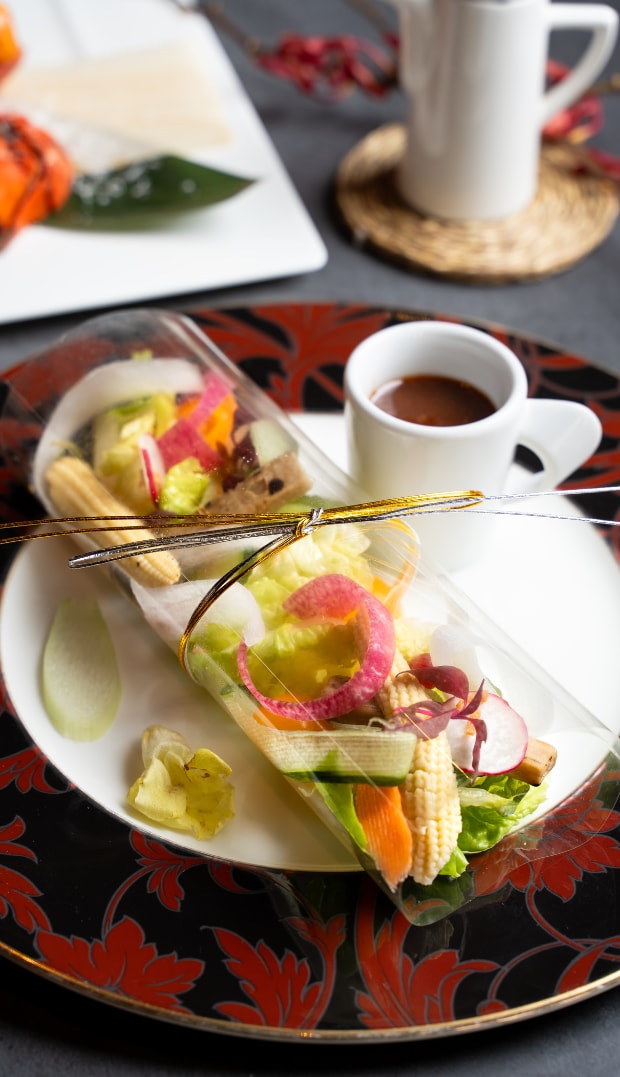
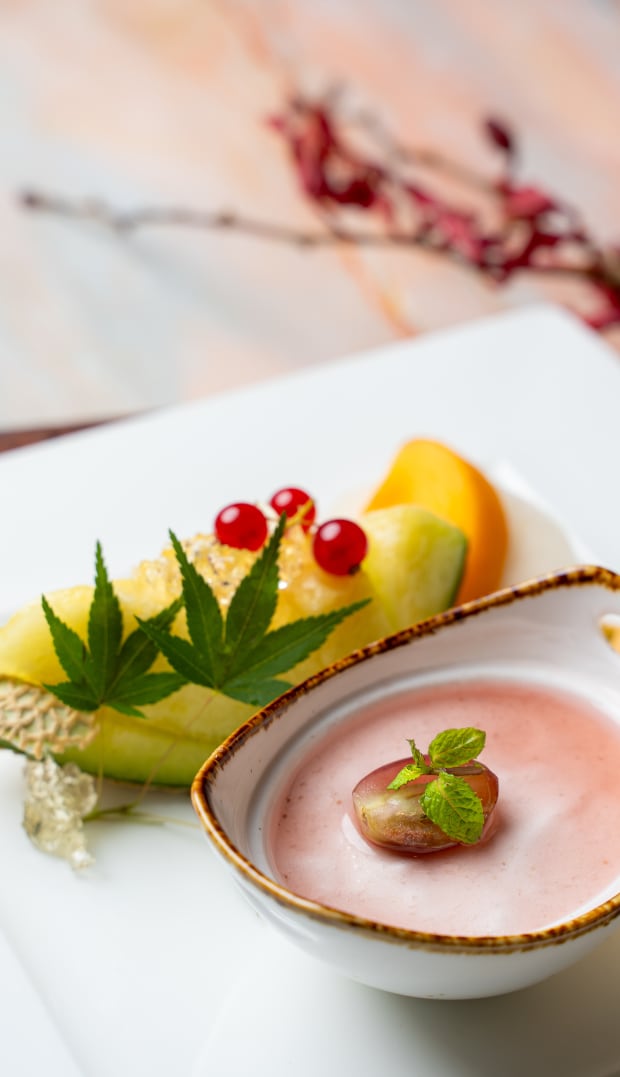
    We were among the fortunate few to experience a special omakase menu curated by Chef for the 20th anniversary. The good news is that several dishes from it are set to be absorbed into the regular menu – allowing future diners to savour their legacy-enriched flavours. We had the chance to unwrap a vibrant signature salad which Chef had once presented at a gala dinner at The White House. This was followed by a heavenly sushi selection: toro aburi, spicy hamachi roll, salmon ikura and more. The mains were also befitting a feast – ours consisted of a lip-smacking lamb chop and a marvellous Grilled Chilean sea bass, cooked on robata with yuzu kosho punzu sauce. The latter, we are told, is among Chef Morimoto’s favourite styles of cooking. It was paired with edamame kinoko garlic fried rice, beautifully enhanced with uni butter. The trio of desserts – musk melon brandy jelly, fig mousse, and a dreamy matcha cheesecake – marked the end of one of the most memorable meals we have relished in recent times. If you’re vegetarian, know that Chef Morimoto is celebrated for his adaptability – so you can also look forward to discovering new favourites here.

    Latest and Breaking News on NDTV

    Photo Credit: Wasabi by Morimoto

    After our meal, we sat down with Chef for a quick chat. Edited excerpts from our conversation are below:

    1. In recent years, due to social media, the ways in which we consume food have undergone massive changes. Do you think people now have a greater appreciation for what’s on their plate?

    When we first opened a restaurant here and in the United States, we cared about what the food critics said. We would keep an eye out for the reviews by critics from the top publications. But now, everyone’s a critic. They can say anything they want. We have always cared about regular customers too, but now we have to pay more attention to every aspect of the experience. At the touch of a button, they have access to so much information – whether it’s about a chef’s background, the best place to eat a particular dish, or anything else. Social media is convenient and it is helping a lot – and I’m talking about both sides of the food industry (customers and chefs).

    People often ask me what’s the best way to make a specific dish or what they can do to become a better chef. One of the simplest things they can do is actually watch YouTube. I think watching how a dish is made is better than reading about it – even if you read a recipe in a cookbook 100 times, you’re not going to understand it as well as if you were watching a video about it.

    2. What excites you about cooking and the culinary world in 2024?

    What excites me is meeting new people, discovering new cultures, and working with new ingredients. People say Japanese cuisine has a lot of rules. But I am always thinking about how I can break them. You can remove a part of the whole, and add something new. That’s what I love to do and that’s also how travelling inspires me. For instance, I derive a lot of power and energy from your country. I am grateful for my journey to India.

    3. At present, which ingredient are you enjoying experimenting with?

    There’s no particular ingredient, but there’s a dish. It’s the dosa and it’s one of my favourite Indian dishes. I enjoy eating it and experimenting with it. I asked the chefs here all about how the batter is made and how long it’s fermented. I decided to make my own dosas with different fillings like tuna, poke, tartar, etc. So, currently, I’m exploring various Indian techniques (rather than ingredients) for inspiration.

    4. How do you stay creative and continue to push boundaries in your cooking?

    Firstly, I have to be healthy. Secondly, I have to trust the people around me. I am now like the conductor of an orchestra. My role in the kitchen is to direct and coordinate the efforts of others. I would like to be one of the players, but I cannot. At present, according to my age and position, I have to remain the conductor.

    5. What advice would you give to budding chefs?

    I would advise them to use social media to get better. I mentioned YouTube earlier. You can watch and learn so many different kinds of skills through it. A cookbook or a written recipe often doesn’t give you the kind of detail a video can provide. The visual element is very important. Also, you need to love what you’re doing. If you’re simply in it for the money, don’t do it. You need to have passion if you want to become a truly good chef.

    Source link