hacklink hack forum hacklink film izle hacklink marsbahisizmir escortsahabetpornJojobet

Tag: Judge

  • Judge delays order in antitrust case requiring Google to open up its app store

    Judge delays order in antitrust case requiring Google to open up its app store

    SAN FRANCISCO — A federal judge on Friday delayed an order requiring Google to open up its Android app store to more competition until an appeals court decides whether to block the shake-up because of legal questions surrounding a jury’s verdict that branded Google as an illegal monopolist.

    The delay granted during a court hearing in San Francisco comes less than two weeks after U.S. District Judge James Donato issued a decision that would have forced Google to make sweeping changes to its Play Store for Android smartphones starting Nov. 1.

    The mandated changes included a provision that would have required Google to make its library of more than 2 million Android apps available to any rivals that wanted access to the inventory and also distribute the alternative options in its own Play Store.

    Google requested Donato’s order be stayed until the Ninth Circuit Court of Appeals could examine the handling of a month-long trial that led to the December 2023 verdict, which framed the Play Store as an illegal monopoly that stifles innovation and drives up consumer prices.

    In Friday’s hearing, Donato scoffed at the notion that Google could succeed in overturning the trial verdict. “The verdict in this case was amply supported by a mountain of evidence about Google’s anti-competitive conduct,” the judge said.

    But he decided the Ninth Circuit should be given a chance to consider a postponement until a panel of judges can decide can consider Google’s appeal of the 2023 trial focused on antitrust claims lodged by video game maker Epic Games.

    Donato said he wouldn’t be surprised if the Ninth Circuit imposes an even longer delay on his ruling, “but that is for someone else to decide.”

    In a statement, Google said it was pleased Donato hit the pause button while it tries to extend the delay even further. “These remedies threaten Google Play’s ability to provide a safe and secure experience and we look forward to continuing to make our case to protect 100 million U.S. Android users, over 500,000 U.S. developers and thousands of partners who have benefited from our platforms,” Google said.

    Epic declined to comment.

    It’s unclear how long the Ninth Circuit will take to decide on Google’s request for a permanent stay of Donato’s ruling while its appeals unfolds — a process that could take more than a year.

    In 2021, the Ninth Circuit delayed a provision of another federal judge’s order mandating that Apple allow links to alternative payment systems with apps made for the iPhone as part of another antitrust case brought by Epic.

    Although Apple avoided being labeled an illegal monopolist in a trial involving the iPhone app store, it unsuccessfully fought the provision requiring the company to allow alternative payment links within apps. But delaying that requirement preserved Apple’s exclusive control of a payment system that has generated commissions ranging from 15% to 30% on some e-commerce occurring within apps. Apple exhausted its avenue of appeals in the U.S. Supreme Court earlier this year.

    Google also pockets billions of dollars annually from a similar commission system within its Play Store for Android phones — a setup that is allowed to continue as long as Google can prevent Donato’s ruling from taking effect.

    In its arguments for delaying Donato’s order, Google said it wasn’t being given enough time to make the drastic changes it framed as “a Herculean task creating an unacceptable risk of safety and security failures within the Android ecosystem.”

    Google also argued the shake-up would saddle it with unreasonable costs, a contention Donato also brushed aside during Friday’s hearing.

    “I don’t want to be glib about it, but the expense that Google might incur appears to be a drop in the bucket compared to the profits it reaps annually from the Play Store,” Donato said.

    Source link

  • Federal judge orders Google to open its Android app store to competition

    Federal judge orders Google to open its Android app store to competition

    SAN FRANCISCO — A federal judge on Monday ordered Google to tear down the digital walls shielding its Android app store from competition as punishment for maintaining an illegal monopoly that helped expand the company’s internet empire.

    The injunction issued by U.S. District Judge James Donato will require Google to make several changes that the Mountain View, California, company had been resisting. Those include a provision that will require its Play Store for Android apps to distribute rival third-party app stores so consumers can download them to their phones, if they so desire.

    The judge’s order will also make the millions of Android apps in the Play Store library accessible to rivals, allowing them to offer up a competitive selection.

    Donato is giving Google until November to make the revisions dictated in his order. The company had insisted it would take 12 to 16 months to design the safeguards needed to reduce the chances of potentially malicious software making its way into rival Android app stores and infecting millions of Samsung phones and other mobile devices running on its free Android software.

    The court-mandated overhaul is meant to prevent Google from walling off competition in the Android app market as part of an effort to protect a commission system that has been a boon for one of the world’s most prosperous companies and helped elevate the market value of its corporate parent Alphabet Inc. to $2 trillion.

    Google said in a blog post that it will ask the court to pause the pending changes, and will appeal the court’s decision.

    Donato also ruled that, for a period of three years ending Nov. 1, 2027, Google won’t be able to share revenue from its Play Store with anyone who distributes Android apps or is considering launching an Android app distribution platform or store. It also won’t be allowed to pay developers, or share revenue, so that they will launch an app in the Google Play Store first or exclusively, and can’t make deals with manufacturers to preinstall the Google Play store on any specific location on an Android device. It also won’t be able to require apps to use its billing system or tell customers that they can download apps elsewhere and potentially for cheaper.

    The Play Store has been earning billions of dollars annually for years, primarily through 15% to 30% commissions that Google has been imposing on digital transactions completed within Android apps. It’s a similar fee structure to the one that Apple deploys in its iPhone app store — a structure that prompted video game maker Epic Games to file antitrust lawsuits four years ago in an effort to foster competition that could help drive down prices for both app makers and consumers.

    A federal judge mostly sided with Apple in a September 2021 decision that was upheld by an appeals court. Still, a jury favored Epic Games after the completion of a four-week trial completed last year and delivered a verdict that tarred the Play Store as an illegal monopoly.

    That prompted another round of hearings this year to help Donato determine what steps should be taken to restore fair competition. Google argued that Epic Games was seeking some extreme changes, saddling the company with costs that could run as high as $600 billion. Epic contended Google could level the playing field for as little as $1 million. It’s unclear how much the changes ordered by Donato will cost Google.

    Although Epic lost its antitrust case against Apple, Donato’s ruling could still have ripple effects on the iPhone app store as another federal judge weighs whether Apple is making it easy enough to promote different ways that consumers can pay for digital transactions. Apple was ordered to allow in-app links to alternative payment systems as part of U.S. District Judge Yvonne Gonzalez Rogers’ decision in that case, but Epic contends the provision is being undermined with the creation of another commission system that stifles consumer choice.

    The forthcoming Play Store shakeup could be just the first unwelcome shock that antitrust law delivers to Google. In the biggest antitrust case brought by the U.S. Justice Department in a quarter century, U.S. District Judge Amit Mehta in August declared Google’s dominant search engine to be an illegal monopoly, too, and is now getting ready to start hearings on how to punish Google for that bad behavior. Google is appealing Mehta’s ruling in the search engine case in hopes of warding off a penalty that could hurt its business even more than the changes being ordered in the Play Store.

    “Provided the ruling survives the appeals process, Google will almost certainly take a revenue hit,” said Emarketer analyst Evelyn Mitchell-Wolf. “No doubt some of the largest app developers like Epic Games will start encroaching on Google Play Store’s market share, meaning Google will lose out on its usual cut of subscription and in-app purchases.”

    The analyst added that, while the Google Play Store will likely continue to benefit from brand recognition since it was the default Android app store for so long, “some consumers may defect if they can get better deals on their favorite apps elsewhere.” And app developers will likely take advantage of the opportunity to let consumers know about direct downloads.

    “So Google may see fewer Play Store revenues even among the Android users that stick to the default,” Mitchell-Wolf said.

    Alphabet’s shares fell $4.08, or 2.4%, to close Monday at $162.98.

    Source link

  • Judge rules the FTC can proceed with antitrust lawsuit against Amazon, tosses out few state claims

    Judge rules the FTC can proceed with antitrust lawsuit against Amazon, tosses out few state claims

    A federal judge said the Federal Trade Commission can proceed with its landmark antitrust lawsuit against Amazon. But, he also gave the company a small victory by tossing out a few claims made by states involved in the legal fight.

    The order, issued last week by Judge John H. Chun and unsealed on Monday, is a major defeat for Amazon, which has tried for months to get the case tossed out in court. A trial in the case is slated to be held in October 2026.

    “We are pleased with the court’s decision and look forward to moving this case forward,” FTC spokesperson Doug Farrar said in a prepared statement. “The ways Amazon illegally maintains its monopolies and the harm they cause—including suppressed competition and higher prices for shoppers and sellers—will be on full display at trial.”

    The FTC and the attorneys general of 18 states, plus Puerto Rico, have alleged in court the e-commerce behemoth is abusing its position in the marketplace to inflate prices on and off its platform, overcharge sellers and stifle competition that pops up on the market.

    The lawsuit, which was filed in September 2023, is the result of a yearslong investigation into the company’s business and is one of the most significant legal challenges brought against Amazon in its nearly 30-year history.

    U.S. regulators and state attorneys general are accusing the online retailer of violating federal and state antitrust and consumer protection laws.

    In the order, Judge Chun, of the U.S. District Court for the Western District of Washington, allowed the federal challenges and many of the state claims to proceed. But he dismissed some claims made by New Jersey, Pennsylvania, Oklahoma and Maryland under state antitrust or consumer protection laws.

    Amazon, for its part, expressed confidence that it could prove its argument in court as the case proceeds

    “The ruling at this early stage requires the court to assume all facts alleged in the complaint are true. They are not,” Tim Doyle said in a statement, adding that the agency’s case “falsely” claims consumers only consider popular sites Walmart.com, Target.com, Amazon, and eBay when shopping for household products.

    “Moving forward the FTC will have to prove its claims in court, and we’re confident those claims will not hold up when the FTC has to prove them with evidence,” Doyle said. He also asserted the FTC’s approach “would make shopping more difficult and costly.”

    The FTC is also suing Meta Platforms over alleged monopolistic practices, while the Department of Justice has brought similar lawsuits against Apple and Google, with some success.

    In August, a federal judge ruled that Google’s ubiquitous search engine is illegally exploiting its dominance to squash competition and stifle innovation.

    Source link

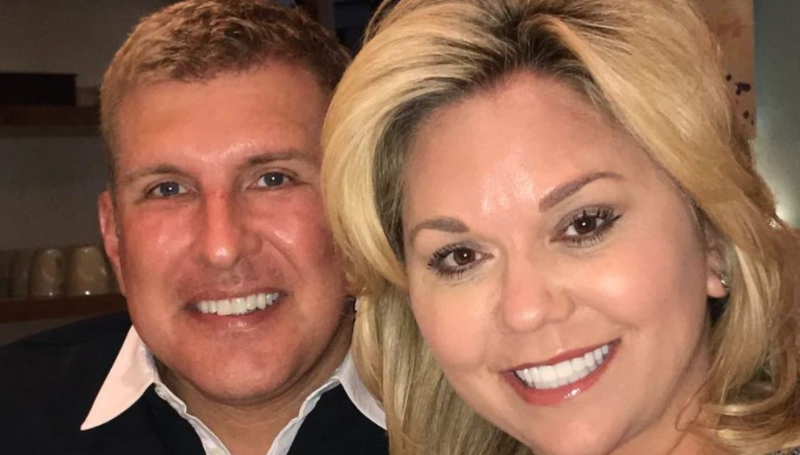
  • What Was In The Letter To The Judge Written By Julie Chrisley?

    What Was In The Letter To The Judge Written By Julie Chrisley?

    Todd Chrisley - Julie Chrisley - Chrisley Confessions - Instagram

    On September 25, Chrisley Knows Best alum, Julie Chrisley appeared in court for resentencing. Unfortunately, the judge didn’t seem taken with her despite her writing a letter, and the original 84-month sentence was upheld. Read on to find out what the wife of Todd Chrisley had penned.  

    Julie Chrisley Is Back Behind Bars

    It was the United States Court of Appeals for the Eleventh Circuit that decided the lower court had not proven that Savannah’s mom had committed millions of dollars worth of fraud before 2007. So, it was expected that she might get some reduced time. Instead, the judge ranted about Savannah Chrisley, which had no bearing on the case, and infuriated her attorney, Alex Little

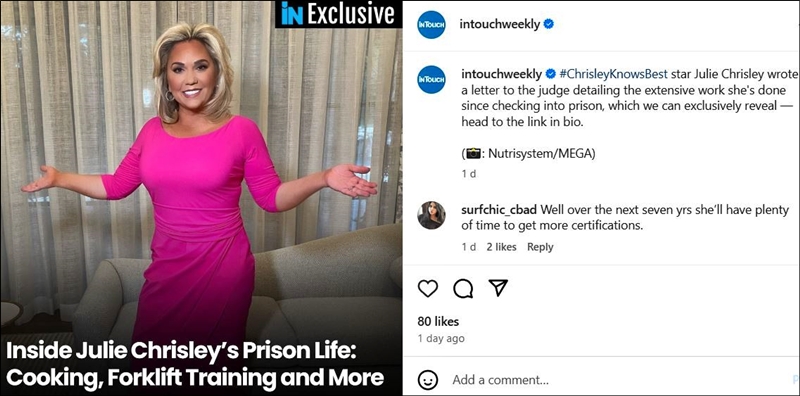
    Julie Chrisley is now on her way back behind bars, and once again, she will go about her very different lifestyle. Now that she’s been resentenced, Chrisley Knows Best fans can get a better idea of what she’s been doing with her time. That’s thanks to the letter that she wrote the judge being obtained by InTouch Weekly. 

    The Chrisley Knows Best Alum’s Letter

    In her letter to the judge, the former reality TV star described what she’s been doing in prison. And, she produced a lot of certificates to prove her studies. Notably apart from studying, she has been working as well. 

    The Letter By Julie Chrisley Was Revealed By InTouch Weekly - Instagram
    The Letter By Julie Chrisley Was Revealed By InTouch Weekly – Instagram

    The outlet cited Julie Chrisley as saying:

    Since self-surrendering on January 17, 2023, I have programmed continuously. I have also worked without interruption. I have held positions in commissary, food service and laundry. I am currently working two positions, [and] I have also taught classes to other inmates. I have received ServeSafe certification as well as a license to operate a forklift. [Additonally,] I have completed the ‘needs’ as stated in my file and I have and continue to take classes with the Psychology department as well as any new classes that are available.

    What Courses Did Todd’s Wife Attend?

    Judging by the courses attended that were mentioned in the letter, Savannah’s mom is getting a good education that will serve her well if she never gets back on television. They include:

    • victim impact,
    • bible study,
    • parenting program,
    • financial courses, and more.

    Other people also wrote letters to the judge who seemed unmoved by Julie Chrisley’s efforts to be a model prisoner. They included her children, Savannah, and Grayson Chrisley as well as other friends of the family. 

    What are your thoughts about all the things that Julie Chrisley has been doing and learning about in prison? Are you thinking that her experience might be painful, but certainly not sounding like a boring one? Shout out in the comments below, and come back here often for all your Chrisley Knows Best news, updates, and spoilers. 

    Source link

  • Brazil judge makes new requests to allow X to be reinstated from suspension

    Brazil judge makes new requests to allow X to be reinstated from suspension

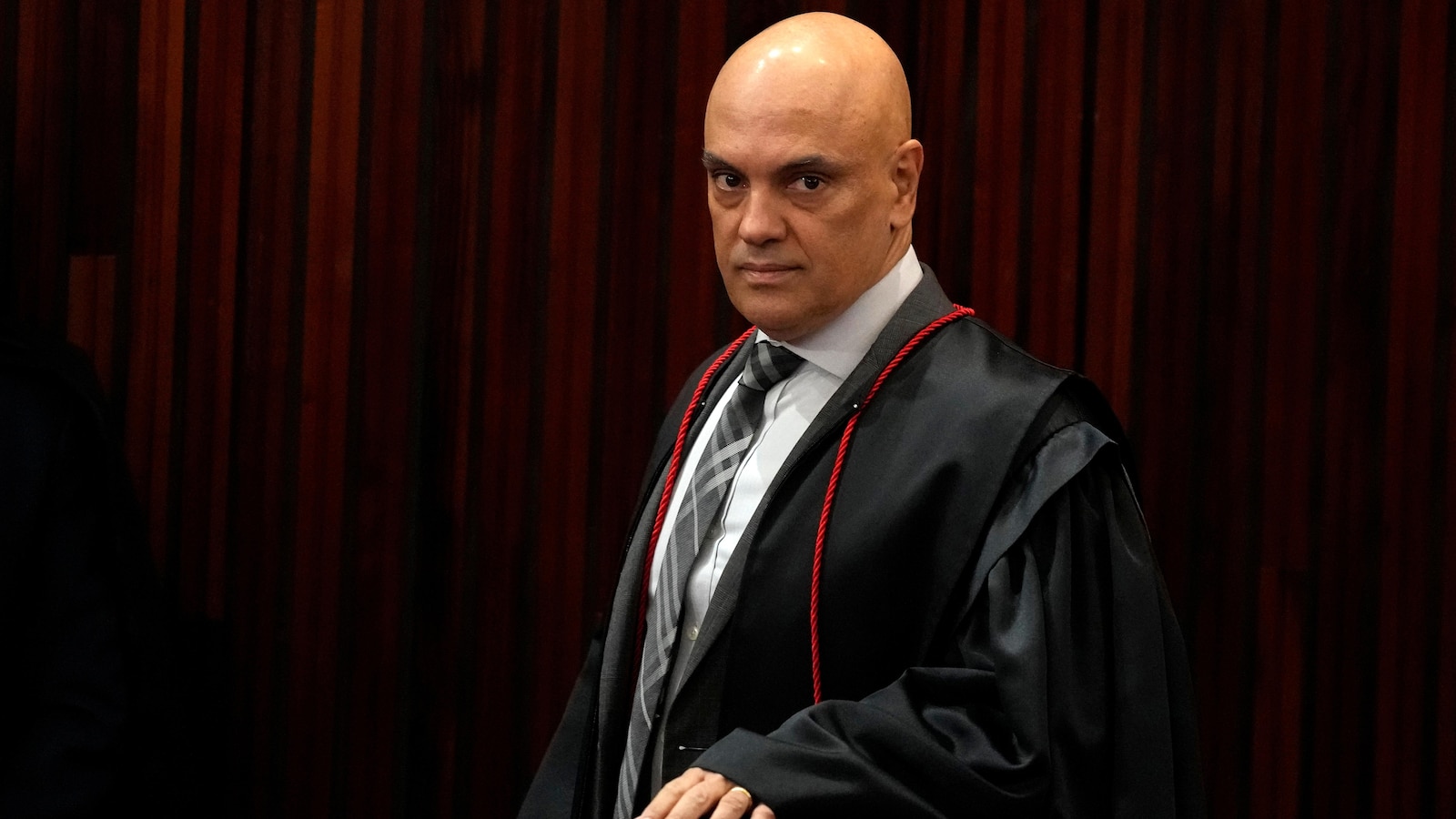
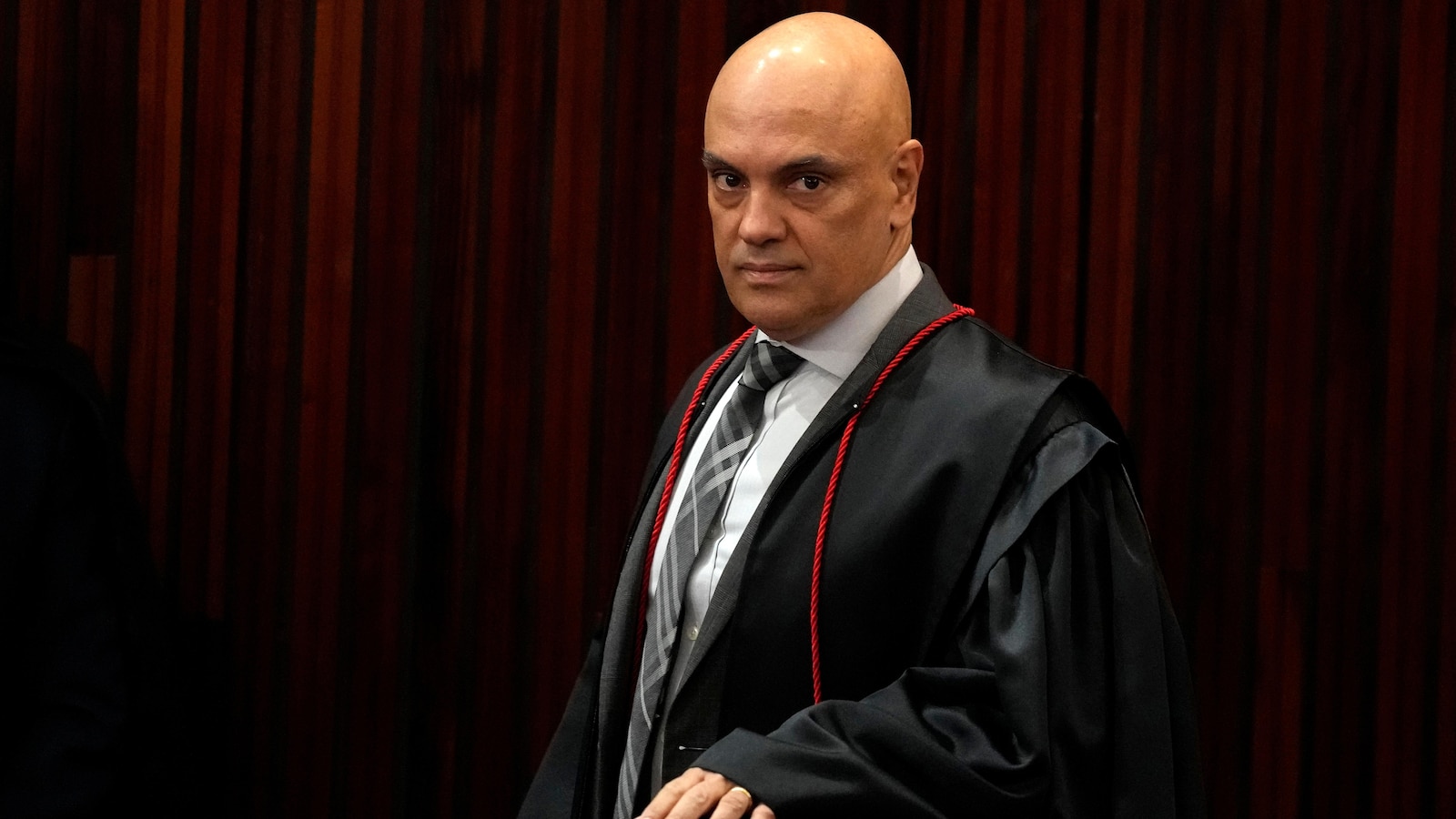
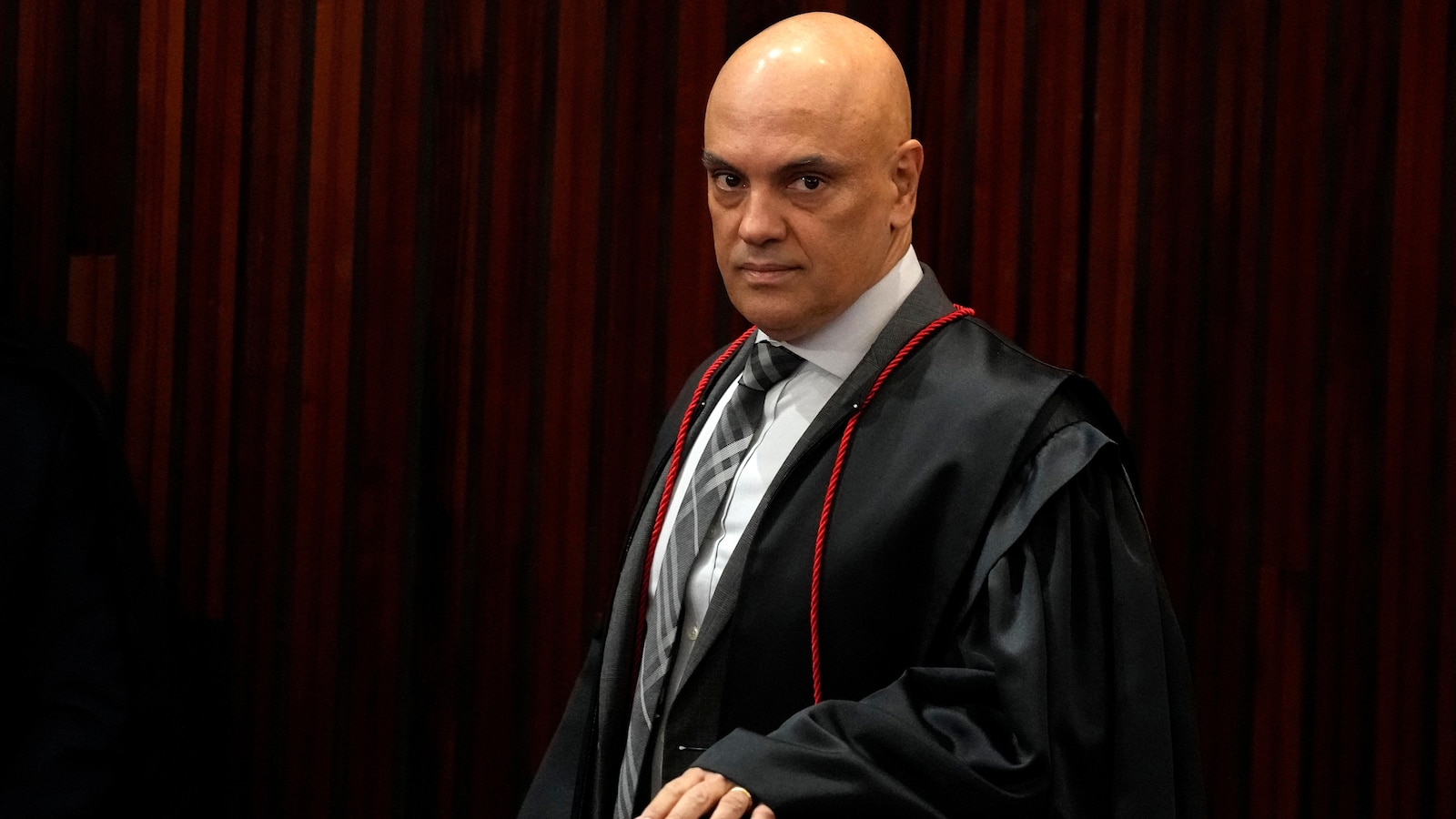
    SAO PAULO — Brazilian Supreme Court Justice Alexandre de Moraes on Friday added conditions for Elon Musk’s X to have its service reestablished in the country, one day after the social media platform said it had complied with all the judge’s demands, including naming a legal representative.

    De Moraes said in a ruling that X may only be reinstated in Brazil after another company linked to the billionaire, satellite-based internet service provider Starlink, withdraws its appeals related to the case. X has been blocked in Brazil for nearly a month. De Moraes ordered the shutdown after sparring with Musk for months over free speech , far-right accounts and misinformation.

    Earlier this month, de Moraes ordered Starlink’s assets be used to cover X’s fines that already exceeded $3 million. The Brazilian justice argued the two companies are part of the same economic group — a justification that has been questioned by some legal experts.

    His new ruling also established a fine of 10 million Brazilian reais ($1.84 million). Experts examining X’s IP addresses — numeric designations that identifies sites’ location on the internet — said the company temporarily routed users through the servers of Cloudflare, a content delivery network.

    X said it changed its servers to service clients in Latin America, which inadvertently brought the social media network back online in Brazil.

    One source familiar with the judge’s decision told The Associated Press that both of de Moraes’ conditions are new. The source spoke on condition of anonymity because he wasn’t authorized to speak publicly.

    De Moraes also accepted X’s newly designated legal representative, but fined her in 300,000 reais ($55,000) for not complying with other decisions he made in August. The company’s lack of a legal representative in the country was the trigger for his decision to suspend the social media channel on Aug. 30.

    The company has clashed with de Moraes since earlier this year over free speech, accounts associated with the far-right and misinformation on the platform, and it claims to be a victim of censorship.

    Musk and his supporters have called de Moraes an authoritarian and a censor for his rulings, but those have been repeatedly upheld by his peers — including X’s nationwide suspension. On Aug. 28, X said it was removing all remaining Brazil staff in the country “effective immediately,” saying de Moraes had threatened its legal representative in the country with arrest.

    The company has reversed course in recent days. On Thursday, X submitted documentation to de Moraes saying it had complied with all his decisions and requesting its reactivation in Brazil, according to sources familiar with the decision, who spoke on condition of anonymity because they weren’t authorized to speak publicly.

    X was blocked in the highly online country of 213 million people, where it was one of X’s biggest markets, with more than 20 million users. Brazil has more restrictive rules on speech than the US.

    X said in a statement on Thursday it is “committed to protecting free speech within the boundaries of the law and we recognize and respect the sovereignty of the countries in which we operate.”

    “We believe that the people of Brazil having access to X is essential for a thriving democracy, and we will continue to defend freedom of expression and due process of law through legal processes,” it said in a post on its Global Government Affairs account.

    __

    AP writer David Biller reported from Rio de Janeiro

    Source link

  • Federal judge temporarily blocks Utah social media laws aimed to protect children

    Federal judge temporarily blocks Utah social media laws aimed to protect children

    A federal judge in Utah has temporarily blocked social media access laws that leaders said were meant to protect the mental health and personal privacy of children, saying they are unconstitutional.

    U.S. District Court Judge Robert Shelby on Tuesday issued the preliminary injunction against laws that would have required social media companies to verify the ages of their users, disable certain features and limit the use of accounts owned by Utah children.

    The laws were set to take effect on Oct. 1, but will be blocked pending the outcome of the case filed by NetChoice, a nonprofit trade association for internet companies such as Google, Meta — the parent company of Facebook and Instagram — Snap and X.

    The Utah legislature passed the Utah Minor Protection in Social Media Act to replace laws that were passed in 2023 and were challenged as unconstitutional. State officials believed the 2024 act would hold up in court.

    But Shelby disagreed.

    “The court recognizes the State’s earnest desire to protect young people from the novel challenges associated with social media use,” Shelby wrote in his order. However, the state has not articulated a compelling state interest in violating the First Amendment rights of the social media companies, he wrote.

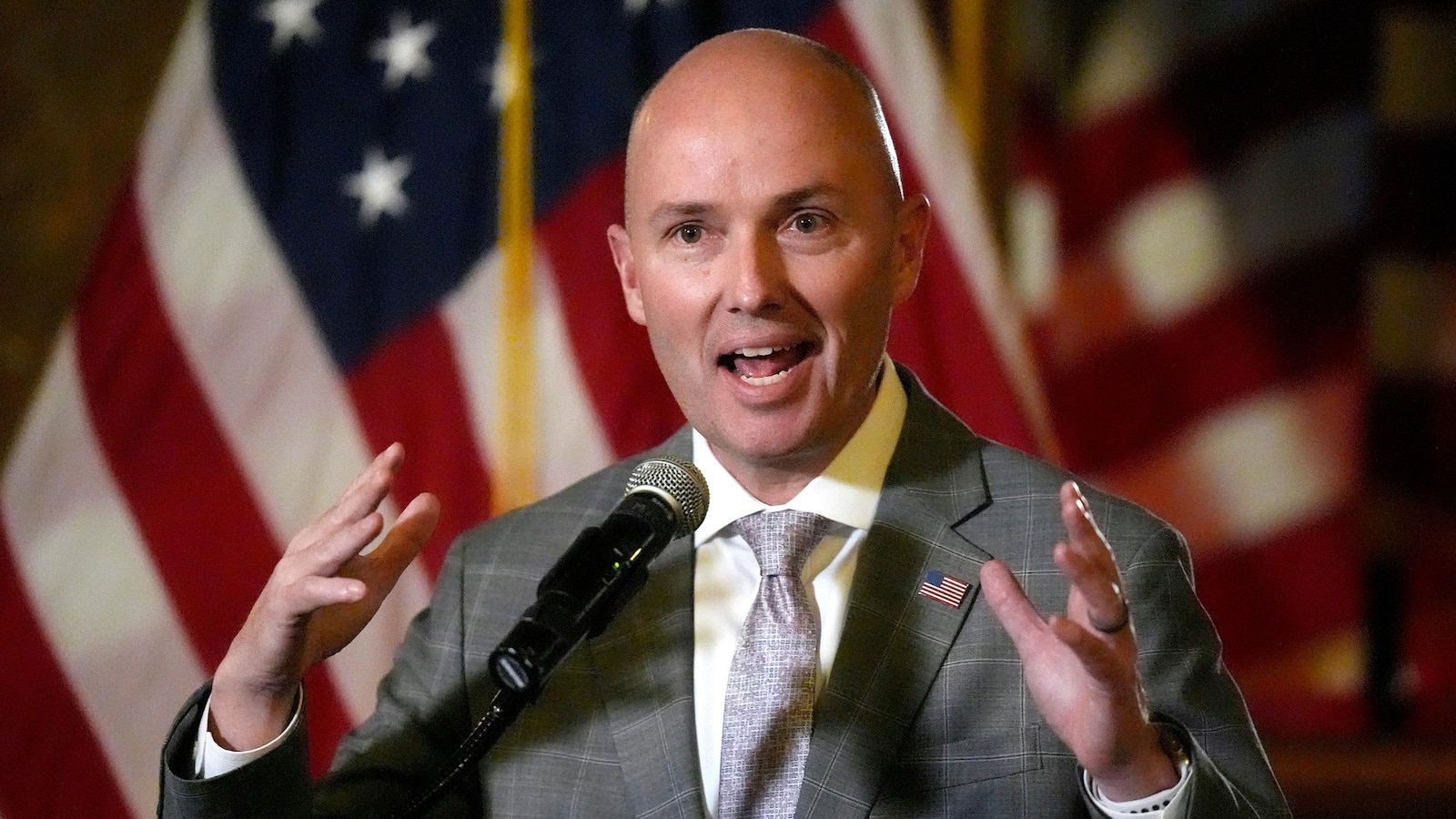
    Republican Gov. Spencer Cox said he was disappointed in the court’s decision and was aware it could be a long battle, but said it “is a battle worth waging,” due to the harm that social media is causing children.

    “Let’s be clear: social media companies could voluntarily, at this very moment, do everything that the law put in place to protect our children. But they refuse to do so. Instead, they continue to prioritize their profits over our children’s wellbeing. This must stop, and Utah will continue to lead the fight.”

    NetChoice argues Utah residents would have to supply additional information to verify their age than social media companies usually collect, putting more information at risk of a data breach.

    Several months after Utah became the first state to pass laws regulating children’s social media use in 2023, it sued TikTok and Meta for allegedly luring in children with addictive features.

    Under the 2024 Utah laws, default privacy settings for minor accounts would have been required to restrict access to direct messages and sharing features and disable elements such as autoplay and push notifications that lawmakers argue could lead to excessive use.

    Parents could obtain access to their children’s accounts and would have grounds to sue a social media company if their child’s mental health worsens from excessive use of an algorithmically curated app. Social media companies must comply with a long list of demands — including a three-hour daily limit and a blackout from 10:30 p.m. to 6:30 a.m. — to help avoid liability.

    The laws sought to shift the burden of proof from the families onto the social media companies, requiring them to demonstrate that their curated content did not fully or partially cause a child’s depression, anxiety or self-harm behaviors. Companies would have to pay at least $10,000 in damages for each case of an adverse mental health outcome.

    NetChoice has obtained injunctions temporarily halting similar social media limitation laws in California, Arkansas, Ohio, Mississippi and Texas, the organization said.

    “With this now sixth injunction against these overreaching laws, we hope policymakers will focus on meaningful and constitutional solutions for the digital age,” said Chris Marchese, director of litigation for NetChoice.

    Source link

  • Judge gives US regulators until December to propose penalties for Google’s illegal search monopoly

    Judge gives US regulators until December to propose penalties for Google’s illegal search monopoly

    A federal judge on Friday gave the U.S. Justice Department until the end of the year to outline how Google should be punished for illegally monopolizing the internet search market and then prepare to present its case for imposing the penalties next spring.

    The loose-ended timeline sketched out by U.S. District Judge Amit Mehta came during the first court hearing since he branded Google as a ruthless monopolist in a landmark ruling issued last month.

    Mehta’s decision triggered the need for another phase of the legal process to determine how Google should be penalized for years of misconduct and forced to make other changes to prevent potential future abuses by the dominant search engine that’s the foundation of its internet empire.

    Attorneys for the Justice Department and Google were unable to reach a consensus on how the time frame for the penalty phase should unfold in the weeks leading up to Friday’s hearing in Washington D.C., prompting Mehta to steer them down the road that he hopes will result in a decision on the punishment before Labor Day next year.

    To make that happen, Mehta indicated he would like the trial in the penalty phase to happen next spring. The judge said March and April look like the best months on his court calendar.

    If Mehta’s timeline pans out, a ruling on Google’s antitrust penalties would come nearly five years after the Justice Department filed the lawsuit that led to a 10-week antitrust trial last autumn. That’s similar to the timeline Microsoft experienced in the late 1990s when regulators targeted them for its misconduct in the personal computer market.

    The Justice Department hasn’t yet given any inkling on how severely Google should be punished. The most likely targets are the long-running deals that Google has lined up with Apple, Samsung, and other tech companies to make its search engine the default option on smartphones and web browsers.

    In return for the guaranteed search traffic, Google has been paying its partners more than $25 billion annually — with most of that money going to Apple for the prized position on the iPhone.

    In a more drastic scenario, the Justice Department could seek to force Google to surrender parts of its business, including the Chrome web browser and Android software that powers most of the world’s smartphones because both of those also lock in search traffic.

    In Friday’s hearing, Justice Department lawyers said they need ample time to come up with a comprehensive proposal that will also consider how Google has started to deploy artificial intelligence in its search results and how that technology could upend the market.

    Google’s lawyers told the judge they hope the Justice Department proposes a realistic list of penalties that address the issues in the judge’s ruling rather than submit extreme measures that amount to “political grandstanding.”

    Mehta gave the two sides until Sept. 13 to file a proposed timeline that includes the Justice Department disclosing its proposed punishment before 2025.

    Source link

  • How one Brazilian judge could suspend Musk’s X in the coming hours

    How one Brazilian judge could suspend Musk’s X in the coming hours

    SAO PAULO — It’s a showdown between the world’s richest man and a Brazilian Supreme Court justice.

    The justice, Alexandre de Moraes, has threatened to suspend social media giant X nationwide if its billionaire owner Elon Musk doesn’t swiftly comply with one of his orders. Musk has responded with insults, including calling de Moraes a “tyrant” and “a dictator.”

    It is the latest chapter in the monthslong feud between the two men over free speech, far-right accounts and misinformation. Many in Brazil are waiting and watching to see if either man will blink.

    Earlier this month, X removed its legal representative from Brazil on the grounds that de Moraes had threatened her with arrest. On Wednesday night at 8:07 p.m. local time (7:07 p.m. Eastern Standard Time), de Moraes gave the platform 24 hours to appoint a new representative, or face a shutdown until his order is met.

    De Moraes’ order is based on Brazilian law requiring foreign companies to have legal representation to operate in the country, according to the Supreme Court’s press office. This ensures someone can be notified of legal decisions and is qualified to take any requisite action.

    X’s refusal to appoint a legal representative would be particularly problematic ahead of Brazil’s October municipal elections, with a churn of fake news expected, said Luca Belli, coordinator of the Technology and Society Center at the Getulio Vargas Foundation, a university in Rio de Janeiro. Takedown orders are common during campaigns, and not having someone to receive legal notices would make timely compliance impossible.

    “Until last week, 10 days ago, there was an office here, so this problem didn’t exist. Now there’s nothing. Look at the example of Telegram: Telegram doesn’t have an office here, it has about 50 employees in the whole world. But it has a legal representative,” Belli, who is also a professor at the university’s law school, told The Associated Press.

    Any Brazilian judge has the authority to enforce compliance with decisions. Such measures can range from lenient actions like fines to more severe penalties, such as suspension, said Carlos Affonso Souza, a lawyer and director of the Institute for Technology and Society, a Rio-based think tank.

    Lone Brazilian judges shut down Meta’s WhatsApp, the nation’s most widely used messaging app, several times in 2015 and 2016 due to the company’s refusal to comply with police requests for user data. In 2022, de Moraes threatened the messaging app Telegram with a nationwide shutdown, arguing it had repeatedly ignored Brazilian authorities’ requests to block profiles and provide information. He ordered Telegram to appoint a local representative; the company ultimately complied and stayed online.

    Affonso Souza added that an individual judge’s ruling to shut down a platform with so many users would likely be assessed at a later date by the Supreme Court’s full bench.

    De Moraes would first notify the nation’s telecommunications regulator, Anatel, who would then instruct operators — including Musk’s own Starlink internet service provider — to suspend users’ access to X. That includes preventing the resolution of X’s website — the term for conversion of a domain name to an IP address — and blocking access to the IP address of X’s servers from inside Brazilian territory, according to Belli.

    Given that operators are aware of the widely publicized standoff and their obligation to comply with an order from de Moraes, plus the fact doing so isn’t complicated, X could be offline in Brazil as early as 12 hours after receiving their instructions, Belli said.

    Since X is widely accessed via mobile phones, de Moraes is also likely to notify major app stores to stop offering X in Brazil, said Affonso Souza. Another possible — but highly controversial — step would be prohibiting access with virtual private networks ( VPNs) and imposing fines on those who use them to access X, he added.

    X and its former incarnation, Twitter, are banned in several countries — mostly authoritarian regimes such as Russia, China, Iran, Myanmar, North Korea, Venezuela and Turkmenistan.

    China banned X when it was still called Twitter back in 2009, along with Facebook. In Russia, authorities expanded their crackdown on dissent and free media after Russian President Vladimir Putin sent troops into Ukraine in February 2022. They have blocked multiple independent Russian-language media outlets critical of the Kremlin, and cut access to Twitter, which later became X, as well as Meta’s Facebook and Instagram.

    In 2009, Twitter became an essential communications tool in Iran after the country’s government cracked down on traditional media after a disputed presidential election. Tech-savvy Iranians took to Twitter to organize protests. The government subsequently banned the platform, along with Facebook.

    Other countries, such as Pakistan, Turkey and Egypt, have also temporarily suspended X before, usually to quell dissent and unrest. Twitter was banned in Egypt after the Arab Spring uprisings, which some dubbed the “Twitter revolution,” but it has since been restored.

    Brazil is a key market for X and other platforms. Some 40 million Brazilians, roughly one-fifth of the population, access X at least once per month, according to the market research group Emarketer. Musk, a self-described “free speech absolutist,” has claimed de Moraes’ actions amount to censorship and rallied support from Brazil’s political right. He has also said that he wants his platform to be a “global town square” where information flows freely. The loss of the Brazilian market — the world’s fourth-biggest democracy — would make achieving this goal more difficult.

    Brazil is also a potentially huge growth market for Musk’s satellite company, Starlink, given its vast territory and spotty internet service in far-flung areas.

    Late Thursday afternoon, Starlink said on X that de Moraes this week froze its finances, preventing it from doing any transactions in the country where it has more than 250,000 customers.

    “This order is based on an unfounded determination that Starlink should be responsible for the fines levied — unconstitutionally — against X. It was issued in secret and without affording Starlink any of the due process of law guaranteed by the Constitution of Brazil. We intend to address the matter legally,” Starlink said in its statement.

    Musk replied to people sharing the earlier reports of the freeze, adding his own insults directed at de Moraes.

    “This guy @Alexandre is an outright criminal of the worst kind, masquerading as a judge,” he wrote.

    De Moraes’ defenders have said his actions have been lawful, supported by most of the court’s full bench and have served to protect democracy at a time in which it is imperiled.

    In April, de Moraes included Musk as a target in an ongoing investigation over the dissemination of fake news and opened a separate investigation into the executive for alleged obstruction.

    X said Thursday in a statement that it expects its service to be shutdown in Brazil.

    “Unlike other social media and technology platforms, we will not comply in secret with illegal orders,” it said. “To our users in Brazil and around the world, X remains committed to protecting your freedom of speech.”

    It also said de Moraes’ colleagues on the Supreme Court “are either unwilling or unable to stand up to him.”

    ___

    Biller reported from Rio and Ortutay from Oakland, California.

    Source link

  • Brazil blocks Musk’s X after company refuses to name local representative amid feud with judge

    Brazil blocks Musk’s X after company refuses to name local representative amid feud with judge

    SAO PAULO — Brazil started blocking Elon Musk’s social media platform X early Saturday, making it largely inaccessible on both the web and through its mobile app after the company refused to comply with a judge’s order.

    X missed a deadline imposed by Supreme Court Justice Alexandre de Moraes to name a legal representative in Brazil, triggering the suspension. It marks an escalation in the monthslong feud between Musk and de Moraes over free speech, far-right accounts and misinformation.

    To block X, Brazil’s telecommunications regulator, Anatel, told internet service providers to suspend users’ access to the social media platform. As of Saturday at midnight local time, major operators began doing so.

    De Moraes had warned Musk on Wednesday night that X could be blocked in Brazil if he failed to comply with his order to name a representative, and established a 24-hour deadline. The company hasn’t had a representative in the country since earlier this month.

    “Elon Musk showed his total disrespect for Brazilian sovereignty and, in particular, for the judiciary, setting himself up as a true supranational entity and immune to the laws of each country,” de Moraes wrote in his decision on Friday.

    The justice said the platform will stay suspended until it complies with his orders, and also set a daily fine of 50,000 reais ($8,900) for people or companies using VPNs to access it.

    In a later ruling, he backtracked on his initial decision to establish a 5-day deadline for internet service providers themselves — and not just the telecommunications regulator — to block access to X, as well as his directive for app stores to remove virtual private networks, or VPNs.

    The dispute also led to the freezing this week of the bank accounts in Brazil of Musk’s satellite internet provider Starlink.

    Brazil is one of the biggest markets for X, which has struggled with the loss of advertisers since Musk purchased the former Twitter in 2022. Market research group Emarketer says some 40 million Brazilians, roughly one-fifth of the population, access X at least once per month.

    “This is a sad day for X users around the world, especially those in Brazil, who are being denied access to our platform. I wish it did not have to come to this – it breaks my heart,” X’s CEO Linda Yaccarino said Friday night, adding that Brazil is failing to uphold its constitution’s pledge to forbid censorship.

    X had posted on its official Global Government Affairs page late Thursday that it expected X to be shut down by de Moraes, “simply because we would not comply with his illegal orders to censor his political opponents.”

    “When we attempted to defend ourselves in court, Judge de Moraes threatened our Brazilian legal representative with imprisonment. Even after she resigned, he froze all of her bank accounts,” the company wrote.

    X has clashed with de Moraes over its reluctance to comply with orders to block users.

    Accounts that the platform previously has shut down on Brazilian orders include lawmakers affiliated with former President Jair Bolsonaro’s right-wing party and activists accused of undermining Brazilian democracy. X’s lawyers in April sent a document to the Supreme Court in April, saying that since 2019 it had suspended or blocked 226 users.

    In his decision Friday, de Moraes’ cited Musk’s statements as evidence that X’s conduct “clearly intends to continue to encourage posts with extremism, hate speech and anti-democratic discourse, and to try to withdraw them from jurisdictional control.”

    In April, de Moraes included Musk as a target in an ongoing investigation over the dissemination of fake news and opened a separate investigation into the executive for alleged obstruction.

    Musk, a self-proclaimed “free speech absolutist,” has repeatedly claimed the justice’s actions amount to censorship, and his argument has been echoed by Brazil’s political right. He has often insulted de Moraes on his platform, characterizing him as a dictator and tyrant.

    De Moraes’ defenders have said his actions aimed at X have been lawful, supported by most of the court’s full bench and have served to protect democracy at a time it is imperiled. He wrote Friday that his ruling is based on Brazilian law requiring internet services companies to have representation in the country so they can be notified when there are relevant court decisions and take requisite action — specifying the takedown of illicit content posted by users, and an anticipated churn of misinformation during October municipal elections.

    The looming shutdown is not unprecedented in Brazil.

    Lone Brazilian judges shut down Meta’s WhatsApp, the nation’s most widely used messaging app, several times in 2015 and 2016 due to the company’s refusal to comply with police requests for user data. In 2022, de Moraes threatened the messaging app Telegram with a nationwide shutdown, arguing it had repeatedly ignored Brazilian authorities’ requests to block profiles and provide information. He ordered Telegram to appoint a local representative; the company ultimately complied and stayed online.

    X and its former incarnation, Twitter, have been banned in several countries — mostly authoritarian regimes such as Russia, China, Iran, Myanmar, North Korea, Venezuela and Turkmenistan. Other countries, such as Pakistan, Turkey and Egypt, have also temporarily suspended X before, usually to quell dissent and unrest. Twitter was banned in Egypt after the Arab Spring uprisings, which some dubbed the “Twitter revolution,” but it has since been restored.

    A search Friday on X showed hundreds of Brazilian users inquiring about VPNs that could potentially enable them to continue using the platform by making it appear they were logging on from outside the country. It was not immediately clear how Brazilian authorities would police this practice and impose fines cited by de Moraes.

    “This is an unusual measure, but its main objective is to ensure that the court order to suspend the platform’s operation is, in fact, effective,” Filipe Medon, a specialist in digital law and professor at the law school of Getulio Vargas Foundation, a university in Rio de Janeiro, told The Associated Press.

    Mariana de Souza Alves Lima, known by her handle MariMoon, showed her 1.4 million followers on X where she intends to go, posting a screenshot of rival social network BlueSky.

    On Thursday evening, Starlink, said on X that de Moraes this week froze its finances, preventing it from doing any transactions in the country where it has more than 250,000 customers.

    “This order is based on an unfounded determination that Starlink should be responsible for the fines levied—unconstitutionally—against X. It was issued in secret and without affording Starlink any of the due process of law guaranteed by the Constitution of Brazil. We intend to address the matter legally,” Starlink said in its statement. The law firm representing Starlink told the AP that the company appealed, but wouldn’t make further comment.

    Musk replied to people sharing the reports of the freeze, adding insults directed at de Moraes. “This guy @Alexandre is an outright criminal of the worst kind, masquerading as a judge,” he wrote.

    Musk later posted on X that SpaceX, which runs Starlink, will provide free internet service in Brazil “until the matter is resolved” since “we cannot receive payment, but don’t want to cut anyone off.”

    In his decision, de Moraes said he ordered the freezing of Starlink’s assets, as X didn’t have enough money in its accounts to cover mounting fines, and reasoning that the two companies are part of the same economic group.

    While ordering X’s suspension followed warnings and fines and so was appropriate, taking action against Starlink seems “highly questionable,” said Luca Belli, coordinator of the Getulio Vargas Foundation’s Technology and Society Center.

    “Yes, of course, they have the same owner, Elon Musk, but it is discretionary to consider Starlink as part of the same economic group as Twitter (X). They have no connection, they have no integration,” Belli said.

    ___

    AP writers Barbara Ortutay reported from San Francisco and David Biller from Rio. Savarese contributed from Sao Paulo.

    Source link

  • Top Brazilian judge orders suspension of X platform in Brazil amid feud with Musk

    Top Brazilian judge orders suspension of X platform in Brazil amid feud with Musk

    SAO PAULO — A Brazilian Supreme Court justice on Friday ordered the suspension of Elon Musk’s social media giant X in Brazil after the tech billionaire refused to name a legal representative in the country, according to a copy of his decision.

    The move further escalates the monthslong feud between the two men over free speech, far-right accounts and misinformation.

    Justice Alexandre de Moraes had warned Musk on Wednesday night that X could be blocked in Brazil if he failed to comply with his order to name a representative, and established a 24-hour deadline. The company hasn’t had a representative in the country since earlier this month.

    “Elon Musk showed his total disrespect for Brazilian sovereignty and, in particular, for the judiciary, setting himself up as a true supranational entity and immune to the laws of each country,” de Moraes wrote in his decision.

    The justice said the platform will stay suspended until it complies with his orders, and also set a daily fine of 50,000 reais ($8,900) for people or companies using VPNs to access it.

    In a later ruling, he backtracked on his initial decision to establish a 5-day deadline for internet service providers themselves — and not just the telecommunications regulator — to block access to X, as well as his directive for app stores to remove virtual private networks, or VPNs.

    Brazil’s telecommunications regulator Anatel has 24 hours to comply. The regulator’s chairman Carlos Baigorri told GloboNews channel that the country’s biggest service providers will respond quickly, but added smaller ones might need more time to suspend X from their services.

    The full bench of Brazil’s Supreme Court is expected to rule on the case, but no date for deliberations was set.

    Brazil is an important market for X, which has struggled with the loss of advertisers since Musk purchased the former Twitter in 2022. Market research group Emarketer says some 40 million Brazilians, roughly one-fifth of the population, access X at least once per month.

    X had posted on its official Global Government Affairs page late Thursday that it expected X to be shut down by de Moraes, “simply because we would not comply with his illegal orders to censor his political opponents.”

    “When we attempted to defend ourselves in court, Judge de Moraes threatened our Brazilian legal representative with imprisonment. Even after she resigned, he froze all of her bank accounts,” the company wrote. “Our challenges against his manifestly illegal actions were either dismissed or ignored. Judge de Moraes’ colleagues on the Supreme Court are either unwilling or unable to stand up to him.”

    X has clashed with de Moraes over its reluctance to comply with orders to block users.

    Accounts that the platform previously has shut down on Brazilian orders include lawmakers affiliated with former President Jair Bolsonaro’s right-wing party and activists accused of undermining Brazilian democracy. X’s lawyers in April sent a document to the Supreme Court in April, saying that since 2019 it had suspended or blocked 226 users.

    In his decision Friday, de Moraes’ cited Musk’s statements as evidence that X’s conduct “clearly intends to continue to encourage posts with extremism, hate speech and anti-democratic discourse, and to try to withdraw them from jurisdictional control.”

    Musk, a self-proclaimed “free speech absolutist,” has repeatedly claimed the justice’s actions amount to censorship, and his argument has been echoed by Brazil’s political right. He has often insulted de Moraes on his platform, characterizing him as a dictator and tyrant.

    De Moraes’ defenders have said his actions aimed at X have been lawful, supported by most of the court’s full bench and have served to protect democracy at a time it is imperiled. He wrote Friday that his ruling is based on Brazilian law requiring internet services companies to have representation in the country so they can be notified when there are relevant court decisions and take requisite action — specifying the takedown of illicit content posted by users, and an anticipated churn of misinformation during October municipal elections.

    The looming shutdown is not unprecedented in Brazil.

    Lone Brazilian judges shut down Meta’s WhatsApp, the nation’s most widely used messaging app, several times in 2015 and 2016 due to the company’s refusal to comply with police requests for user data. In 2022, de Moraes threatened the messaging app Telegram with a nationwide shutdown, arguing it had repeatedly ignored Brazilian authorities’ requests to block profiles and provide information. He ordered Telegram to appoint a local representative; the company ultimately complied and stayed online.

    X and its former incarnation, Twitter, have been banned in several countries — mostly authoritarian regimes such as Russia, China, Iran, Myanmar, North Korea, Venezuela and Turkmenistan. Other countries, such as Pakistan, Turkey and Egypt, have also temporarily suspended X before, usually to quell dissent and unrest. Twitter was banned in Egypt after the Arab Spring uprisings, which some dubbed the “Twitter revolution,” but it has since been restored.

    Earlier on Friday, a search on X showed hundreds of Brazilian users inquiring about VPNs that could potentially enable them to continue using the platform by making it appear they were logging on from outside the country. It was not immediately clear how Brazilian authorities would police this practice and impose fines cited by de Moraes.

    “This is an unusual measure, but its main objective is to ensure that the court order to suspend the platform’s operation is, in fact, effective,” Filipe Medon, a specialist in digital law and professor at the law school of Getulio Vargas Foundation, a university in Rio de Janeiro, told The Associated Press. “As a general rule, there are no provisions in Brazilian law that prevent users from using VPNs, since they are not the subjects of the blocking and suspension orders, but rather the companies.”

    Even so, Mariana de Souza Alves Lima, known by her handle MariMoon, showed her 1.4 million followers on X where she intends to go, posting a screenshot of rival social network BlueSky.

    X said that it plans to publish what it has called de Moraes’ “illegal demands” and related court filings “in the interest of transparency.”

    Also on Thursday evening, Starlink, Musk’s satellite internet service provider, said on X that de Moraes this week froze its finances, preventing it from doing any transactions in the country where it has more than 250,000 customers.

    “This order is based on an unfounded determination that Starlink should be responsible for the fines levied—unconstitutionally—against X. It was issued in secret and without affording Starlink any of the due process of law guaranteed by the Constitution of Brazil. We intend to address the matter legally,” Starlink said in its statement. The law firm representing Starlink told the AP that the company appealed, but wouldn’t make further comment.

    Another Brazilian Supreme Court Justice, Cristiano Zanin, rejected an appeal by Starlink to unfreeze the company’s bank accounts.

    Musk replied to people sharing the reports of the freeze, adding insults directed at de Moraes. “This guy @Alexandre is an outright criminal of the worst kind, masquerading as a judge,” he wrote.

    Musk later posted on X that SpaceX, which runs Starlink, will provide free internet service in Brazil “until the matter is resolved” since “we cannot receive payment, but don’t want to cut anyone off.”

    In his decision, de Moraes said he ordered the freezing of Starlink’s assets, as X didn’t have enough money in its accounts to cover mounting fines, and reasoning that the two companies are part of the same economic group.

    While ordering X’s suspension followed warnings and fines and so was appropriate, taking action against Starlink seems “highly questionable,” said Luca Belli, coordinator of the Getulio Vargas Foundation’s Technology and Society Center.

    “Yes, of course, they have the same owner, Elon Musk, but it is discretionary to consider Starlink as part of the same economic group as Twitter (X). They have no connection, they have no integration,” Belli said.

    ___

    Ortutay reported from San Francisco and Biller from Rio. AP writer Mauricio Savarese contributed from Sao Paulo.
    Source link