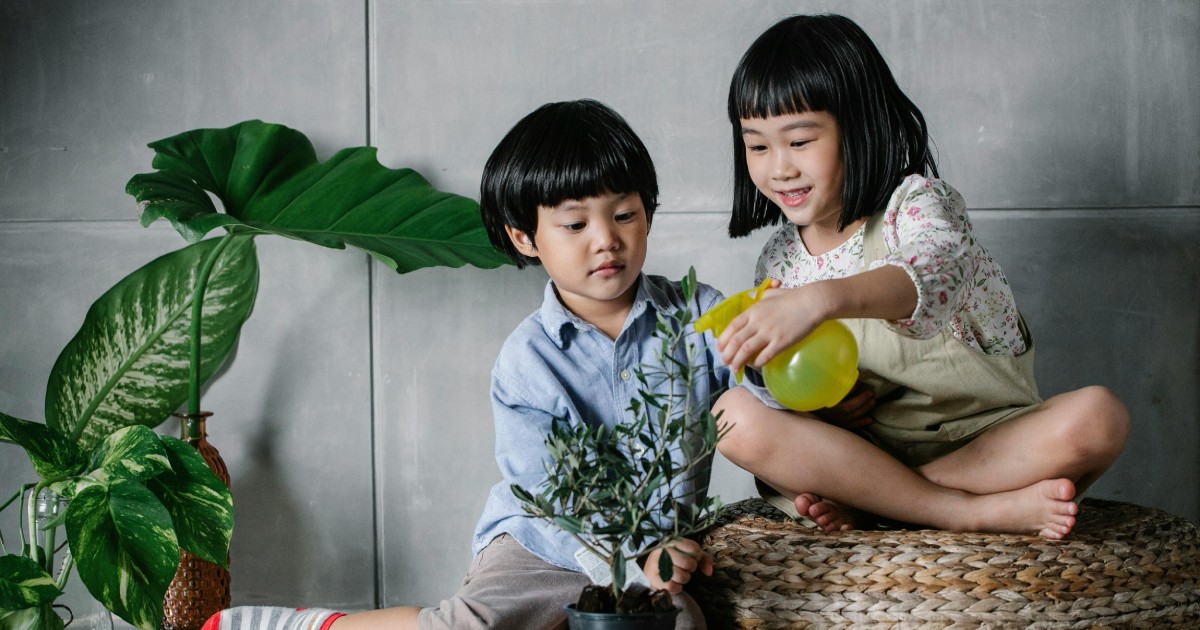
Play is much more than just a way to pass the time, it is a crucial part of your child’s early development.
For kids aged three to six, playtime serves as a powerful tool for learning, helping them build essential skills like problem-solving, social interaction and emotional regulation.
In this article, we’ll explore how play supports your child’s growth, fosters creativity, and lays the groundwork for lifelong learning. We’ll also share tips on making the most of this important developmental stage.
Physical development and motor skills
One of the most obvious benefits of play is how it aids in the development of motor skills. For children aged three to six, activities like running, jumping, climbing or riding a tricycle help strengthen their muscles, improve coordination, and boost overall physical health.
At this age, kids are mastering both fine and gross motor skills — learning to balance, catch a ball, or thread beads onto a string.
How play helps:
Outdoor play like climbing, swinging, or riding bikes enhances gross motor skills by building strength, coordination, and balance.
Activities such as drawing, building with blocks, or playing with clay develop fine motor skills, which are essential for tasks like writing or using scissors.
Tip: Provide a variety of play options, from sports equipment and building sets to art supplies, to help your child develop both types of motor skills.
Social and emotional growth
Playtime is one of the most effective ways for children to develop social skills and learn how to interact with others. Through playing with peers, siblings, or even adults, children practise sharing, taking turns, resolving conflicts, and expressing their emotions.
Role-playing games, in particular, are valuable in helping kids understand and manage their own feelings, and empathise with others.
How play helps:
Playing with others teaches children how to communicate, co-operate, and negotiate, which are essential skills for forming relationships.
Pretend play allows kids to explore different roles, helping them understand different perspectives and express their emotions.
Tip: Arrange regular playdates or encourage group activities, such as building a fort together or playing a game, to give your child opportunities to develop social skills.
Cognitive development and problem-solving
Play is an incredible way to boost a child’s cognitive abilities. Whether it’s figuring out how to complete a puzzle, building a tower with blocks, or pretending to cook a meal, children use play to make sense of the world around them.
They learn to think critically, solve problems and develop creativity — all of which are crucial skills for future learning.
How play helps:
Building with blocks, solving puzzles, or sorting objects into categories encourage logical thinking, pattern recognition, and spatial awareness.
Pretend play stimulates imagination and creativity, allowing children to experiment with different outcomes, solve problems, and practise decision-making.
Tip: Offer a range of toys and activities that challenge your child’s thinking, such as building sets, age-appropriate puzzles, or simple board games. Encourage them to find their own solutions and be creative in their play.
Language and communication skills
Another key benefit of play is the way it enhances language and communication skills. As children engage in play, they are constantly using and hearing language, which helps expand their vocabulary, improve sentence structure and develop listening skills.
Whether they’re talking to a stuffed animal, giving instructions to a friend, or narrating a story, every moment of play is an opportunity to practise language.
How play helps:
Engaging in role-play or storytelling allows children to experiment with different words, phrases, and expressions.
Playing games with rules helps them understand instructions and follow sequences, boosting their comprehension and listening abilities.
Tip: Encourage your child to explain their play, tell stories, or describe what they’re doing. This not only strengthens their language skills but also builds confidence in expressing themselves.
By providing opportunities for play, you’re helping your child develop physically, socially, emotionally, and cognitively.
Remember, the most effective play is unstructured, allowing your child to explore, experiment, and let their imagination run wild. So, give them the time, space, and encouragement to play, and join in whenever you can. You’ll be helping them build a foundation for a lifetime of learning and growth.
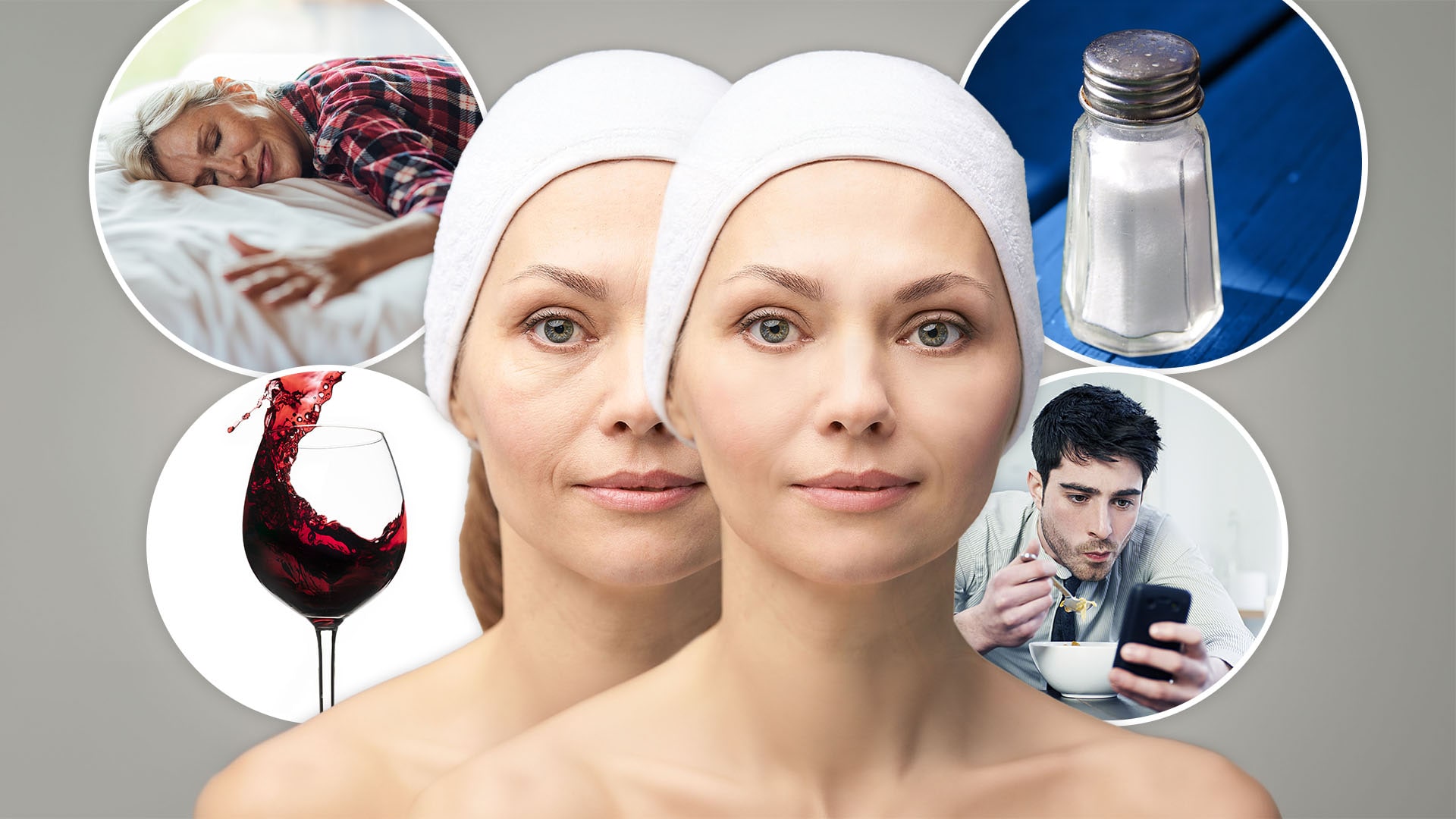
CHISELLED jaws and high cheekbones – we can’t have it all, can we?
But if you’re looking to at least debloat your round or puffy face, there are things you can do now that will work in just seven days.
2
Slim down your face for a more youthful look with some simple hacks
Although weight is often the reason for a large face, various lifestyle habits can also influence face shape.
There are all kinds of tools that trend on TikTok for slimming the face, including ice rollers and Gua Shas.
Facial massages can also help to drain excess fluid in the face – or you could even splash out on cosmetic surgery.
But, whether you’re hoping to look your best for an upcoming event, or slim down your face long term, these are the lifestyle habits may want to quit for the best results long-term…
1. Not drinking enough water
Follow the ‘hydrate before you caffeinate rule’ when you wake up, avoiding your morning coffee until you’ve had a big glass of water.
Sukh Padda, a holistic healer and founder of Bodi Sync, says: “Adequate hydration can reduce water retention and puffiness in your face.
“When you’re dehydrated, your body tries to hang onto any leftover water, which may make your face look bloated.
“Aim for at least eight glasses of water a day. Hydrated skin looks plumper and healthier, which can make your face appear more toned.”
Water can also be used externally to help slim down your face – use an ice water facial.
I managed to snatch my jawline without filler using a three-step routine – even the Kardashian’s swear by it too
Sukh says: “Fill a bowl with water and ice, then submerge your full face in it for 20 to 30 seconds.
“The cold temperature helps constrict blood vessels, which can reduce swelling and puffiness, especially around the eyes.
“The shock of cold water can also stimulate blood flow, giving your skin a natural, healthy glow and cold water can help tighten your skin, making it look firmer and more toned.”
2. Late nights
Easier said than done. But make sleep a priority and watch your health and mood transform – and your face, according to Sukh!
Sukh says: “For many, waking up with a puffy face is a result of normal overnight fluid retention — but this may be more noticeable if a person gets too little or too much sleep.
“Sleep deprivation may also cause inflammation, resulting in swelling. Inflammation is more common in people with chronic sleep deprivation.”
Dr Charlotte Norton of The Slimming Clinic says that good quality sleep is vital for weight management which can slim your face long term.
She says: “Studies have shown that a pattern of sleeping for less than six hours a night has been associated with a higher BMI.
Omega-3 fatty acids found in foods like salmon, mackerel and sardines help to reduce inflammation in the body, including the face.
Abbas Kananisuperintendent pharmacist at Chemist Click
“A lack of sleep negatively impacts the hormones that control appetite regulation, like leptin and ghrelin.”
This can cause us to end up eating more the next day, studies show.
The NHS recommends that on average adults need seven to nine hours a night.
To help improve the quantity and quality of your sleep, restrict your screen time in the leadup to bedtime, ensure your bedroom is dark and also address lifestyle factors which can impact sleep such as reducing caffeine and alcohol.
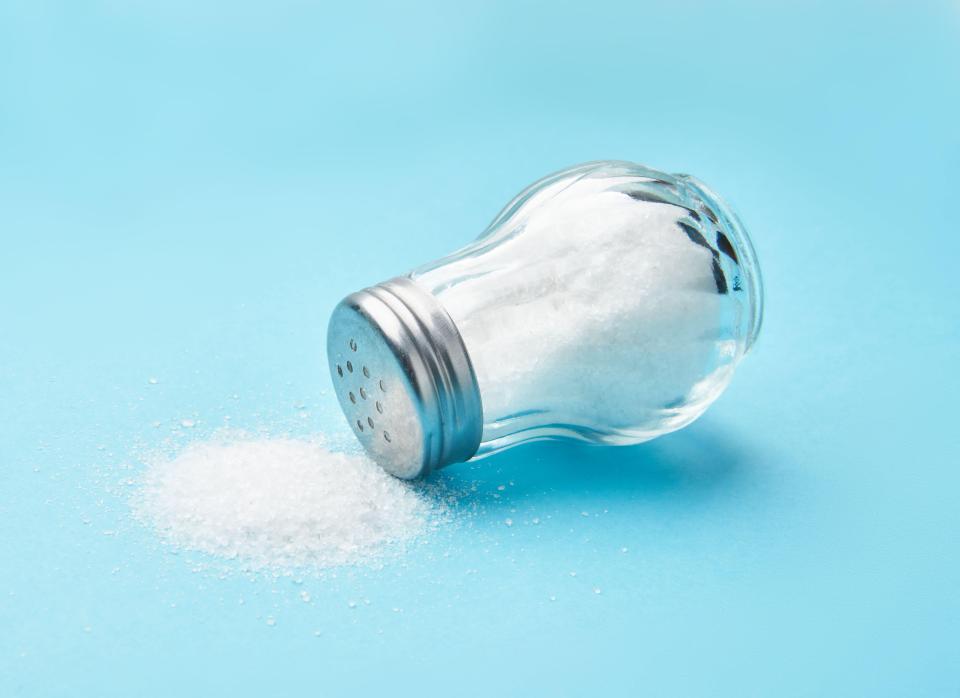
3. Salt off the table
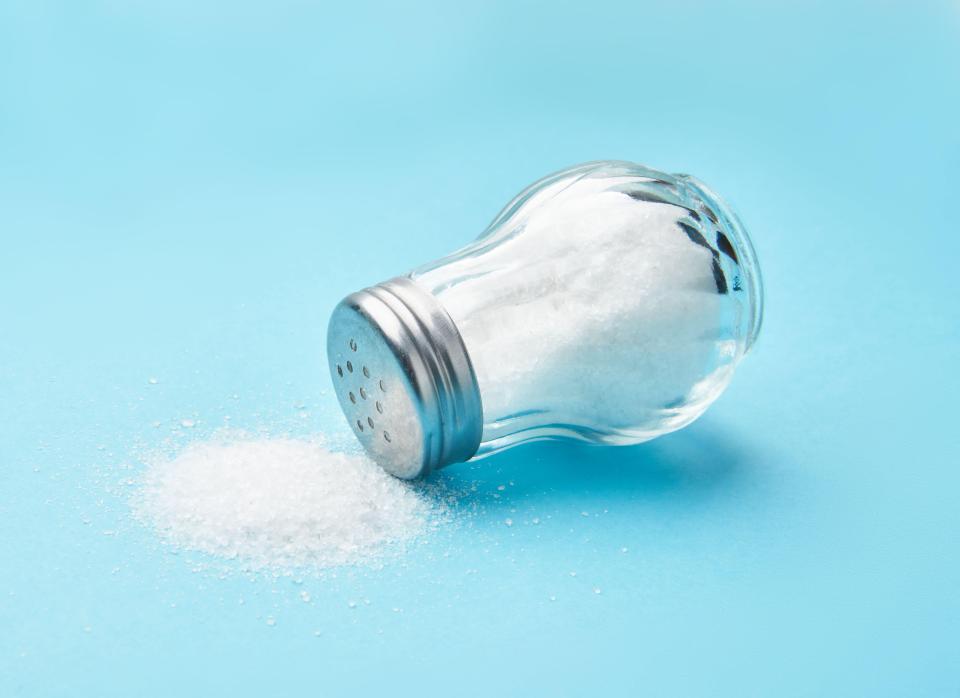
If the salt shaker is your best friend at meal times, you might want to reconsider.
“Too much salt can cause your body to retain water, leading to a puffy face,” says Sukh.
“Try to limit processed foods, which are often high in both refined carbs and sodium.”
Foods that contain high salt include processed meats, packet foods, crisps and ready meals.
Abbas Kanani, superintendent pharmacist at Chemist Click, says: “Adults should have about one teaspoon of salt per day.”
2
Eat less salt, either by taking it off the table or checking food labelsCredit: Alamy
This equates to about 6g of salt. For context, a bag of ready salted crisps contains about 0.3g or salt or more, and six slices of salami contains 0.8g of salt.
Abbas also suggests boosting your diet with omega-3.
He says: “Omega-3 fatty acids found in foods like salmon, mackerel and sardines help to reduce inflammation in the body, including the face.
“You should aim to have 250 to 500 mg per day of combined eicosapentaenoic acid (EPA) and docosahexaenoic acid (DHA) from fish or supplements to gain anti-inflammatory benefits.”
How to lose weight without surgery
There are various other ways to lose weight without going under the knife.
According to the NHS, to get the best possible start on its weight loss plan, there are the seven steps you should follow.
Get active for 150 minutes a week – you can break this up into shorter sessions
Aim to get your 5 A Day – 80g of fresh, canned or frozen fruit or vegetables count as 1 portion
Aim to lose 1 to 2lbs, or 0.5 to 1kg, a week
Read food labels – products with more green colour coding than amber and red are often a healthier option
Swap sugary drinks for water – if you do not like the taste, add slices of lemon or lime for flavour
Cut down on food that’s high in sugar and fat – start by swapping sugary cereal for wholegrain alternatives
Share your weight loss plan with someone you trust – they can help motivate you when you have a bad day
4. Fast eating
If you’re racing through your meals, it’s time to slow things down.
“Eating quickly and rushing meals can make you more prone to overeating,” Dr Norton.
But slowing down can help you appreciate fullness sooner and stop reaching for unhealthy snacks throughout the day.
Dr Norton says: “Instead, try mindful eating – paying attention and being fully aware of what you’re eating and how you’re eating it can be an extremely important step in weight management.
“Instead of focusing solely on what you eat, pay attention to how you eat.
Alcohol leads to dehydration, which causes the body to retain water, leading to puffiness, especially in the face.
Sukh Paddafounder of Bodi Sync
“Slow down, savour each bite, and listen to your body’s hunger and fullness cues. Mindful eating can help prevent overeating and promote healthier food choices.”
Sukh says: “Lying down causes fluid to rest and collect in the face, and a person’s sleeping position may also exaggerate this.
“Sleeping facedown, for example, can lead to increased puffiness.”
Instead, try to sleep on your back. Pop a pillow under your knees for extra support, and if you think you’ll roll to your side, try making a pillow barrier around your body.
6. Skip wine with dinner
A glass of wine probably won’t do you any harm, but the more you drink, the higher your chances of having to deal with a puffy face.
Sukh says: “Moderate-to-high alcohol intake may cause a puffy face because alcohol causes your blood vessels to widen. As a result, the blood vessels beneath the surface of your face may appear larger than normal, causing puffiness.”
He adds: “Alcohol is also a diuretic, which means it increases urine production and can lead to dehydration. Dehydration causes the body to retain water, leading to puffiness, especially in the face.”
As well as this, Sukh says that alcohol can also trigger an inflammatory response in the body, causing localised swelling and redness which is more apparent on the face.
“It’s best to avoid any alcohol before bed as the dual effect of dehydration (at night you won’t be drinking water) and lying down causes fluid to rest and collect in the face, exaggerating a puffy face in the morning.”
7. Stop letting stress take over
A puffy, bloated face is sometimes known as ‘cortisol face’, a trending phenomenon on TikTok.
Cortisol is the stress hormone and is needed in small doses.
However when our body is constantly flooded with this hormone, it can lead to bloating, inflammation and puffiness.
Read more on the Scottish Sun
Sukh suggests finding stress-reducing activities that work for you, whether it’s meditation, yoga, or simply taking a relaxing bath.
Taking time out for you, even if it’s just 15 minutes, can help lower your stress.
Is stress making you fat?
DIET, genetics, being a couch potatoe – there are lots of factors that influence our weight.
But what if it were as easy as de-stressing?
Stress may be the reason you are carrying extra weight. Here, we look at how…
Extra cortisol
Stress causes an alteration in how the body works, primarily by increasing hormones like cortisol.
Nutritionist Kim Pearson explains: “Stress leads to elevated levels of cortisol — known as the stress hormone — which contributes to the storage of fat, particularly abdominal fat that is often the hardest to get rid of.
“Stress can also lead to a decrease in fat oxidation, the process that allows fat to be burnt as energy. This means that you don’t necessarily have to be consuming more food to put weight on.
“On-going stress has been linked to a slowed metabolism, particularly in women.”
One study found that on average, stressed women burned more than 100 fewer calories per day than non-stressed participants. You can see how all these extra calories add up to weight gain over time.
Extra eating
A 2020 survey by loydsPharmacy revealed that 59 per cent of people eat more when they are experiencing feelings of stress.
And who can blame them? Scientists from UNSW found that feeling stressed, tired or overworked makes it almost impossible to ignore cues that signal something rewarding.
Dr Poppy Watson said: “We have a set of control resources that are guiding us and helping us suppress these unwanted signals of reward.
“But when those resources are taxed, these become more and more difficult to ignore.”
Eating can provide temporary relief from stress, even when we don’t realise what we are doing. Instead, find ways to curb your stress.
Kim says: “When you open the snack cupboard or reach for seconds, take a moment to consider whether you are actually hungry . . . or eating as a distraction from the issues or activities causing you stress.”
Extra bad habits
Stress doesn’t just make us eat more, but generally pick up other bad habits.
Dr Sanghvi, who is the clinical technology lead at LloydsPharmacy Online Doctor, said that as well as adding numbers to the scale, there are a number mental symptoms also associated with stress.
These include anxiety, irritability and depression, which can lead to unhealthy lifestyle changes like eating more junk food, drinking more booze, skipping meals and staying up late, the expert said.
“Ultimately, all of these are habits that can hinder weight loss,” he added.
CHISELLED jaws and high cheekbones – we can’t have it all, can we?
But if you’re looking to at least debloat your round or puffy face, there are things you can do now that will work in just seven days.
2
Slim down your face for a more youthful look with some simple hacks
Although weight is often the reason for a large face, various lifestyle habits can also influence face shape.
There are all kinds of tools that trend on TikTok for slimming the face, including ice rollers and Gua Shas.
Facial massages can also help to drain excess fluid in the face – or you could even splash out on cosmetic surgery.
But, whether you’re hoping to look your best for an upcoming event, or slim down your face long term, these are the lifestyle habits may want to quit for the best results long-term…
1. Not drinking enough water
Follow the ‘hydrate before you caffeinate rule’ when you wake up, avoiding your morning coffee until you’ve had a big glass of water.
Sukh Padda, a holistic healer and founder of Bodi Sync, says: “Adequate hydration can reduce water retention and puffiness in your face.
“When you’re dehydrated, your body tries to hang onto any leftover water, which may make your face look bloated.
“Aim for at least eight glasses of water a day. Hydrated skin looks plumper and healthier, which can make your face appear more toned.”
Water can also be used externally to help slim down your face – use an ice water facial.
I managed to snatch my jawline without filler using a three-step routine – even the Kardashian’s swear by it too
Sukh says: “Fill a bowl with water and ice, then submerge your full face in it for 20 to 30 seconds.
“The cold temperature helps constrict blood vessels, which can reduce swelling and puffiness, especially around the eyes.
“The shock of cold water can also stimulate blood flow, giving your skin a natural, healthy glow and cold water can help tighten your skin, making it look firmer and more toned.”
2. Late nights
Easier said than done. But make sleep a priority and watch your health and mood transform – and your face, according to Sukh!
Sukh says: “For many, waking up with a puffy face is a result of normal overnight fluid retention — but this may be more noticeable if a person gets too little or too much sleep.
“Sleep deprivation may also cause inflammation, resulting in swelling. Inflammation is more common in people with chronic sleep deprivation.”
Dr Charlotte Norton of The Slimming Clinic says that good quality sleep is vital for weight management which can slim your face long term.
She says: “Studies have shown that a pattern of sleeping for less than six hours a night has been associated with a higher BMI.
Omega-3 fatty acids found in foods like salmon, mackerel and sardines help to reduce inflammation in the body, including the face.
Abbas Kananisuperintendent pharmacist at Chemist Click
“A lack of sleep negatively impacts the hormones that control appetite regulation, like leptin and ghrelin.”
This can cause us to end up eating more the next day, studies show.
The NHS recommends that on average adults need seven to nine hours a night.
To help improve the quantity and quality of your sleep, restrict your screen time in the leadup to bedtime, ensure your bedroom is dark and also address lifestyle factors which can impact sleep such as reducing caffeine and alcohol.
3. Salt off the table
If the salt shaker is your best friend at meal times, you might want to reconsider.
“Too much salt can cause your body to retain water, leading to a puffy face,” says Sukh.
“Try to limit processed foods, which are often high in both refined carbs and sodium.”
Foods that contain high salt include processed meats, packet foods, crisps and ready meals.
Abbas Kanani, superintendent pharmacist at Chemist Click, says: “Adults should have about one teaspoon of salt per day.”
2
Eat less salt, either by taking it off the table or checking food labelsCredit: Alamy
This equates to about 6g of salt. For context, a bag of ready salted crisps contains about 0.3g or salt or more, and six slices of salami contains 0.8g of salt.
Abbas also suggests boosting your diet with omega-3.
He says: “Omega-3 fatty acids found in foods like salmon, mackerel and sardines help to reduce inflammation in the body, including the face.
“You should aim to have 250 to 500 mg per day of combined eicosapentaenoic acid (EPA) and docosahexaenoic acid (DHA) from fish or supplements to gain anti-inflammatory benefits.”
How to lose weight without surgery
There are various other ways to lose weight without going under the knife.
According to the NHS, to get the best possible start on its weight loss plan, there are the seven steps you should follow.
Get active for 150 minutes a week – you can break this up into shorter sessions
Aim to get your 5 A Day – 80g of fresh, canned or frozen fruit or vegetables count as 1 portion
Aim to lose 1 to 2lbs, or 0.5 to 1kg, a week
Read food labels – products with more green colour coding than amber and red are often a healthier option
Swap sugary drinks for water – if you do not like the taste, add slices of lemon or lime for flavour
Cut down on food that’s high in sugar and fat – start by swapping sugary cereal for wholegrain alternatives
Share your weight loss plan with someone you trust – they can help motivate you when you have a bad day
4. Fast eating
If you’re racing through your meals, it’s time to slow things down.
“Eating quickly and rushing meals can make you more prone to overeating,” Dr Norton.
But slowing down can help you appreciate fullness sooner and stop reaching for unhealthy snacks throughout the day.
Dr Norton says: “Instead, try mindful eating – paying attention and being fully aware of what you’re eating and how you’re eating it can be an extremely important step in weight management.
“Instead of focusing solely on what you eat, pay attention to how you eat.
Alcohol leads to dehydration, which causes the body to retain water, leading to puffiness, especially in the face.
Sukh Paddafounder of Bodi Sync
“Slow down, savour each bite, and listen to your body’s hunger and fullness cues. Mindful eating can help prevent overeating and promote healthier food choices.”
Sukh says: “Lying down causes fluid to rest and collect in the face, and a person’s sleeping position may also exaggerate this.
“Sleeping facedown, for example, can lead to increased puffiness.”
Instead, try to sleep on your back. Pop a pillow under your knees for extra support, and if you think you’ll roll to your side, try making a pillow barrier around your body.
6. Skip wine with dinner
A glass of wine probably won’t do you any harm, but the more you drink, the higher your chances of having to deal with a puffy face.
Sukh says: “Moderate-to-high alcohol intake may cause a puffy face because alcohol causes your blood vessels to widen. As a result, the blood vessels beneath the surface of your face may appear larger than normal, causing puffiness.”
He adds: “Alcohol is also a diuretic, which means it increases urine production and can lead to dehydration. Dehydration causes the body to retain water, leading to puffiness, especially in the face.”
As well as this, Sukh says that alcohol can also trigger an inflammatory response in the body, causing localised swelling and redness which is more apparent on the face.
“It’s best to avoid any alcohol before bed as the dual effect of dehydration (at night you won’t be drinking water) and lying down causes fluid to rest and collect in the face, exaggerating a puffy face in the morning.”
7. Stop letting stress take over
A puffy, bloated face is sometimes known as ‘cortisol face’, a trending phenomenon on TikTok.
Cortisol is the stress hormone and is needed in small doses.
However when our body is constantly flooded with this hormone, it can lead to bloating, inflammation and puffiness.
Read more on the Scottish Sun
Sukh suggests finding stress-reducing activities that work for you, whether it’s meditation, yoga, or simply taking a relaxing bath.
Taking time out for you, even if it’s just 15 minutes, can help lower your stress.
Is stress making you fat?
DIET, genetics, being a couch potatoe – there are lots of factors that influence our weight.
But what if it were as easy as de-stressing?
Stress may be the reason you are carrying extra weight. Here, we look at how…
Extra cortisol
Stress causes an alteration in how the body works, primarily by increasing hormones like cortisol.
Nutritionist Kim Pearson explains: “Stress leads to elevated levels of cortisol — known as the stress hormone — which contributes to the storage of fat, particularly abdominal fat that is often the hardest to get rid of.
“Stress can also lead to a decrease in fat oxidation, the process that allows fat to be burnt as energy. This means that you don’t necessarily have to be consuming more food to put weight on.
“On-going stress has been linked to a slowed metabolism, particularly in women.”
One study found that on average, stressed women burned more than 100 fewer calories per day than non-stressed participants. You can see how all these extra calories add up to weight gain over time.
Extra eating
A 2020 survey by loydsPharmacy revealed that 59 per cent of people eat more when they are experiencing feelings of stress.
And who can blame them? Scientists from UNSW found that feeling stressed, tired or overworked makes it almost impossible to ignore cues that signal something rewarding.
Dr Poppy Watson said: “We have a set of control resources that are guiding us and helping us suppress these unwanted signals of reward.
“But when those resources are taxed, these become more and more difficult to ignore.”
Eating can provide temporary relief from stress, even when we don’t realise what we are doing. Instead, find ways to curb your stress.
Kim says: “When you open the snack cupboard or reach for seconds, take a moment to consider whether you are actually hungry . . . or eating as a distraction from the issues or activities causing you stress.”
Extra bad habits
Stress doesn’t just make us eat more, but generally pick up other bad habits.
Dr Sanghvi, who is the clinical technology lead at LloydsPharmacy Online Doctor, said that as well as adding numbers to the scale, there are a number mental symptoms also associated with stress.
These include anxiety, irritability and depression, which can lead to unhealthy lifestyle changes like eating more junk food, drinking more booze, skipping meals and staying up late, the expert said.
“Ultimately, all of these are habits that can hinder weight loss,” he added.
I’m not a ‘kids person’. Is it odd saying that as a mother of a four-month-old? Babies are messy and loud, while children are volatile, stubborn, and often nonsensical — and yet, my husband and I had a kid of our own. On purpose. And of our own volition.
On some nights, I ask myself, WHY? Why did I choose what feels like an eternity of bouncing our baby to sleep on a yoga ball, when just a year ago, we were perfectly content with our unfettered, unscheduled existence as DINKs (Dual-Income-No-Kids)?
Here are just a few of the reasons I was so ambivalent about having children:
I was not up for the body horror that is pregnancy and giving birth
I’d have to sacrifice most of my ‘me time’, which is scarce enough as it is
I don’t think I have the ‘personality’ or skill set to be a parent — just ask anyone who’s ever asked me to babysit (or to cook)
Kids are expensive, especially when you and your husband both hold ‘non-essential’ jobs in creative fields
Speaking of jobs, what would happen to my career?
Raising a child into a mature adult and a contributing member of society feels like an impossible burden when you yourself are still working on being a mature adult and a contributing member of society
Given the horrors of the 21st century, I wasn’t sure that having a child is even the right thing to do
Someone once said that becoming a mom means living with your heart outside of your body, and I couldn’t bear the thought of having children, only to lose them
And finally, I didn’t think we needed to have a kid in order to live nurturing, unselfish lives. If anything, as a childfree woman, I’d have more time and energy to invest in the people and causes that matter to me
Honestly, if my husband had told me with 100 per cent certainty that he didn’t want kids, I would’ve been onboard with permanent DINK-hood. I also told him that if we couldn’t conceive naturally, that instead of trying fertility treatments, I’d like us to take it as a sign that we’re not meant to be parents.
Perhaps what scared me more than having kids was having to be responsible for our decision either way. If we chose to have kids, and they turned out terribly, I’d feel at fault for defying my ambivalence about raising children.
But if we didn’t choose to have kids, and we regretted it at the end of our lives, then I’d always find myself wondering “what if?”
Up until about a year and a half ago, I was about 80 per cent certain that I didn’t want kids. Likewise, my husband told me he’d be happy with or without them, as long as we stayed happily married. At the risk of sounding flaky, I don’t have a good explanation for why I changed my mind about children.
It’s not as if one day, I decided that I have it in me to be a great parent after all, or that I no longer need money or me time, or that I should have a child because that’s what people do after getting married.
All I know is that about 18 months into our marriage, a switch flipped and my mostly ‘no-kids’ stance became an ‘on the fence’ stance, which in turn became an ‘okay, let’s try and see if it’s meant to be’ stance, which eventually became a ‘man, I really want a baby’ stance.
If you’re reading this, and you’re childfree or part of a DINK couple, I am in no way implying that you will eventually change your mind about kids. I’ll bet you’re sick to death of hearing “it’s just a phase” from your friends and elderly relatives.
But I’m here to assure you that if you do change your mind, and now you’re in the throes of an identity crisis, or you feel like a sell-out, I’m with you. Maybe you’re suddenly overcome with baby fever, maybe your circumstances have changed, or maybe you’ve met someone who made you feel like you could be a great parent.
Or maybe (like me), you’re wondering if you’ll regret not having children, and now you’re waiting for a more profound reason than that before taking the plunge.
For me, a tangibly justifiable reason never came. But that inkling of a desire to have kids never went away either. So I asked myself this: If I were somehow given a 100 per cent guarantee that my husband and I would be great parents, and that we’d be given a happy, healthy kid who did more good for the world than harm, would I say yes to being a mom? And would I regret sacrificing our DINK lifestyle?
On the other hand, if I were given a 100 per cent guarantee that my husband and I would have great careers, travel the world, do meaningful things with our money, and come to the end of our lives childfree but not lonely, would I say yes to us being DINKs forever? And would I regret not experiencing what my peers describe as the profound magic of bringing new life into the world?
After much thought, I found that my reasons for not having kids were rooted more in my fear of being a bad mom than in my desire for us to enjoy successful and meaningful lives as DINKs. By avoiding the prospect of having children, I wasn’t pursuing joy. I was avoiding pain.
This is where I give credit to my husband. Whatever deficiencies I’d have as a parent, I wouldn’t be bearing them alone. We’d be raising a family as a team. So when we found ourselves at the crossroads between DINK-hood and parenthood, instead of choosing the path that seemed least painful, we chose the one that could potentially bring us more joy.
What that path looks like for you might be different than what it looks like for us. But should you choose a different route than the one you originally embarked on, you’ve got company, and you don’t need to justify changing your mind to anyone.
Right after I gave birth, I started bemoaning our long-gone freedom as DINKs by looking at our old photos while saying, “What have we done??”. But as I’ve witnessed our newborn grow from a barely-aware little human into an infant who can babble, roll over, and signal for hugs and milk from Mama and Papa, the ‘look what we made!’ moments have started to outnumber the ‘what have we done??’ ones.
As it turns out, the gains don’t need to surpass the losses in order for me to feel like having a baby was worth it. Sometimes just holding her in my arms is enough.
I’m not a ‘kids person’. Is it odd saying that as a mother of a four-month-old? Babies are messy and loud, while children are volatile, stubborn, and often nonsensical — and yet, my husband and I had a kid of our own. On purpose. And of our own volition.
On some nights, I ask myself, WHY? Why did I choose what feels like an eternity of bouncing our baby to sleep on a yoga ball, when just a year ago, we were perfectly content with our unfettered, unscheduled existence as DINKs (Dual-Income-No-Kids)?
Here are just a few of the reasons I was so ambivalent about having children:
I was not up for the body horror that is pregnancy and giving birth
I’d have to sacrifice most of my ‘me time’, which is scarce enough as it is
I don’t think I have the ‘personality’ or skill set to be a parent — just ask anyone who’s ever asked me to babysit (or to cook)
Kids are expensive, especially when you and your husband both hold ‘non-essential’ jobs in creative fields
Speaking of jobs, what would happen to my career?
Raising a child into a mature adult and a contributing member of society feels like an impossible burden when you yourself are still working on being a mature adult and a contributing member of society
Given the horrors of the 21st century, I wasn’t sure that having a child is even the right thing to do
Someone once said that becoming a mom means living with your heart outside of your body, and I couldn’t bear the thought of having children, only to lose them
And finally, I didn’t think we needed to have a kid in order to live nurturing, unselfish lives. If anything, as a childfree woman, I’d have more time and energy to invest in the people and causes that matter to me
Honestly, if my husband had told me with 100 per cent certainty that he didn’t want kids, I would’ve been onboard with permanent DINK-hood. I also told him that if we couldn’t conceive naturally, that instead of trying fertility treatments, I’d like us to take it as a sign that we’re not meant to be parents.
Perhaps what scared me more than having kids was having to be responsible for our decision either way. If we chose to have kids, and they turned out terribly, I’d feel at fault for defying my ambivalence about raising children.
But if we didn’t choose to have kids, and we regretted it at the end of our lives, then I’d always find myself wondering “what if?”
Up until about a year and a half ago, I was about 80 per cent certain that I didn’t want kids. Likewise, my husband told me he’d be happy with or without them, as long as we stayed happily married. At the risk of sounding flaky, I don’t have a good explanation for why I changed my mind about children.
It’s not as if one day, I decided that I have it in me to be a great parent after all, or that I no longer need money or me time, or that I should have a child because that’s what people do after getting married.
All I know is that about 18 months into our marriage, a switch flipped and my mostly ‘no-kids’ stance became an ‘on the fence’ stance, which in turn became an ‘okay, let’s try and see if it’s meant to be’ stance, which eventually became a ‘man, I really want a baby’ stance.
If you’re reading this, and you’re childfree or part of a DINK couple, I am in no way implying that you will eventually change your mind about kids. I’ll bet you’re sick to death of hearing “it’s just a phase” from your friends and elderly relatives.
But I’m here to assure you that if you do change your mind, and now you’re in the throes of an identity crisis, or you feel like a sell-out, I’m with you. Maybe you’re suddenly overcome with baby fever, maybe your circumstances have changed, or maybe you’ve met someone who made you feel like you could be a great parent.
Or maybe (like me), you’re wondering if you’ll regret not having children, and now you’re waiting for a more profound reason than that before taking the plunge.
For me, a tangibly justifiable reason never came. But that inkling of a desire to have kids never went away either. So I asked myself this: If I were somehow given a 100 per cent guarantee that my husband and I would be great parents, and that we’d be given a happy, healthy kid who did more good for the world than harm, would I say yes to being a mom? And would I regret sacrificing our DINK lifestyle?
On the other hand, if I were given a 100 per cent guarantee that my husband and I would have great careers, travel the world, do meaningful things with our money, and come to the end of our lives childfree but not lonely, would I say yes to us being DINKs forever? And would I regret not experiencing what my peers describe as the profound magic of bringing new life into the world?
After much thought, I found that my reasons for not having kids were rooted more in my fear of being a bad mom than in my desire for us to enjoy successful and meaningful lives as DINKs. By avoiding the prospect of having children, I wasn’t pursuing joy. I was avoiding pain.
This is where I give credit to my husband. Whatever deficiencies I’d have as a parent, I wouldn’t be bearing them alone. We’d be raising a family as a team. So when we found ourselves at the crossroads between DINK-hood and parenthood, instead of choosing the path that seemed least painful, we chose the one that could potentially bring us more joy.
What that path looks like for you might be different than what it looks like for us. But should you choose a different route than the one you originally embarked on, you’ve got company, and you don’t need to justify changing your mind to anyone.
Right after I gave birth, I started bemoaning our long-gone freedom as DINKs by looking at our old photos while saying, “What have we done??”. But as I’ve witnessed our newborn grow from a barely-aware little human into an infant who can babble, roll over, and signal for hugs and milk from Mama and Papa, the ‘look what we made!’ moments have started to outnumber the ‘what have we done??’ ones.
As it turns out, the gains don’t need to surpass the losses in order for me to feel like having a baby was worth it. Sometimes just holding her in my arms is enough.
Bollywood actor Ranbir Kapoor has embarked on a new journey, venturing into the entrepreneurial world with the launch of his lifestyle brand, ARKS. Coinciding with his 42nd birthday, the actor unveiled his brainchild on social media, generating immense excitement among fans.
To unveil its launch, the brand shared a captivating visual narrative, featuring Ranbir Kapoor as the founder. The video showcases the actor lounging on a lawn, gazing at the sky, and envisioning the brand’s logo and philosophy. The post’s caption reads: “Meet the founder. He’s not on social media.”
Ranbir’s family and loved ones were quick to extend warm birthday wishes and support for his new venture. Ranbir’s mother, actor Neetu Kapoor took to the post’s comments section and wished him luck. She wrote, “Good luck 🧿🪬❤️.” She also shared the brand’s video on her social media and wrote, “Son, brother, husband, father and now founder. Happy birthday Ranbir, hope the birth of @ARKS makes this one even more special. Can’t wait to see your journey unfold. My blessings n pyaar ❤️”
One of his fans commented, “What a beautiful surprise, happy birthday my all time favourite rk🤍” Another user commented, “Happy birthday Ranbir❤️ and congratulations on the new journey of entrepreneurship🥳🙌.”
The launch of ARKS marks Ranbir’s foray into the business world, leveraging his popularity and influence to create a lifestyle brand that resonates with his personal style and values. Although details about the brand’s product offerings remain scarce, fans anticipate a unique blend of fashion, wellness, and lifestyle essentials.
Ranbir had recently opened up about his entrepreneurial vision in Nikhil Kamath’s podcast. Talking about the brand, Ranbir had said, “I have been talking about it for many years, around ten years. I have always been a sneakerhead, into basketball, baseball, many other sports, (I) used to travel a lot too… So I am very passionate about it but I am very scared because I don’t know India as well as I should. I don’t know the market. I always questioned how come we don’t have something like ZARA or H&M in India, we have such a huge consumer market. So yes, I am planning to start a brand, I have been working on it from a couple of years. It’s a lifestyle brand — essentials.”
On the work front, Ranbir was last seen in Sandeep Reddy Vanga’s Animal. He is now preparing for Nitesh Tiwari’s Ramayana and Sanjay Leela Bhansali’s Love & War.
Sign-up promotions can be a big draw for many first-time cardholders.
Checks by The Sunday Times showed that most banks tend to offer promotions to those new to their cards, such as additional cashback or bonus miles in bulk, as well as big-ticket gifts.
For instance, HSBC currently has a range of cards either offering up to 35,000 miles, $200 cashback, or a piece of Samsonite luggage worth $680.
Sign-up gifts offered by other cards in the past include an Apple iPad, a Secretlab chair or Sony noise-cancelling headphones, which each retail for above $500.
Of course, such promotions do come with terms and conditions, such as minimum spends within the first month of application.
To maximise such promotions, Mr Wee said: “If you don’t use cards from a bank much, it may be worth it to cancel the cards altogether so you can qualify for new cardholder gifts in future.”
But avoid making this a habit, cautioned MileLion’s Mr Wong.
Known as “churning”, this refers to the practice of leveraging a card’s welcome offers and cancelling it within a year to qualify for the bank’s next newcomer promotion.
“Banks can and do track people who do this. If you do this too often, they might just reject all your applications going forward,” he said.
Not a sure win
But the game of credit cards is not a sure win. If one misses payments or spends beyond their means, there is much to lose.
“Credit cards – and their rewards – are designed to get you to spend more, so be careful of lifestyle creep and overspending,” warned Mr Wee.
Lifestyle creep is when your income goes up and spending creeps up to match it, and you get used to more expensive things.
While signing up for multiple cards is one way to maximise benefits, remember to cancel cards you no longer use, or request annual fee waivers as your wallet fills up.
Checks by ST show that most cards have an annual fee of about $200.
Although only the first annual fee is free, banks are usually willing to waive subsequent payments upon request, said Mr Wong.
A good way to prevent overspending would be to view credit cards as debit cards, said Mr Wong, adding that “a credit card should not be an invitation to spend money that you don’t already have”.
Ms Huang Xuwen, founder and financial consultant at Financial Wellness In Singapore, said prudent financial habits, such as saving first and spending later, should be practised consistently.
“If necessary, use two separate bank accounts – one for accumulating savings every month, and one dedicated to spending,” she said.
Being unable to pay credit card bills and incurring late payment fees will lead to a growing debt, worsening one’s credit score with Credit Bureau Singapore, added Ms Huang.
This might make it hard to secure loans or apply for jobs in industries such as finance in the future.
Sign-up promotions can be a big draw for many first-time cardholders.
Checks by The Sunday Times showed that most banks tend to offer promotions to those new to their cards, such as additional cashback or bonus miles in bulk, as well as big-ticket gifts.
For instance, HSBC currently has a range of cards either offering up to 35,000 miles, $200 cashback, or a piece of Samsonite luggage worth $680.
Sign-up gifts offered by other cards in the past include an Apple iPad, a Secretlab chair or Sony noise-cancelling headphones, which each retail for above $500.
Of course, such promotions do come with terms and conditions, such as minimum spends within the first month of application.
To maximise such promotions, Mr Wee said: “If you don’t use cards from a bank much, it may be worth it to cancel the cards altogether so you can qualify for new cardholder gifts in future.”
But avoid making this a habit, cautioned MileLion’s Mr Wong.
Known as “churning”, this refers to the practice of leveraging a card’s welcome offers and cancelling it within a year to qualify for the bank’s next newcomer promotion.
“Banks can and do track people who do this. If you do this too often, they might just reject all your applications going forward,” he said.
Not a sure win
But the game of credit cards is not a sure win. If one misses payments or spends beyond their means, there is much to lose.
“Credit cards – and their rewards – are designed to get you to spend more, so be careful of lifestyle creep and overspending,” warned Mr Wee.
Lifestyle creep is when your income goes up and spending creeps up to match it, and you get used to more expensive things.
While signing up for multiple cards is one way to maximise benefits, remember to cancel cards you no longer use, or request annual fee waivers as your wallet fills up.
Checks by ST show that most cards have an annual fee of about $200.
Although only the first annual fee is free, banks are usually willing to waive subsequent payments upon request, said Mr Wong.
A good way to prevent overspending would be to view credit cards as debit cards, said Mr Wong, adding that “a credit card should not be an invitation to spend money that you don’t already have”.
Ms Huang Xuwen, founder and financial consultant at Financial Wellness In Singapore, said prudent financial habits, such as saving first and spending later, should be practised consistently.
“If necessary, use two separate bank accounts – one for accumulating savings every month, and one dedicated to spending,” she said.
Being unable to pay credit card bills and incurring late payment fees will lead to a growing debt, worsening one’s credit score with Credit Bureau Singapore, added Ms Huang.
This might make it hard to secure loans or apply for jobs in industries such as finance in the future.
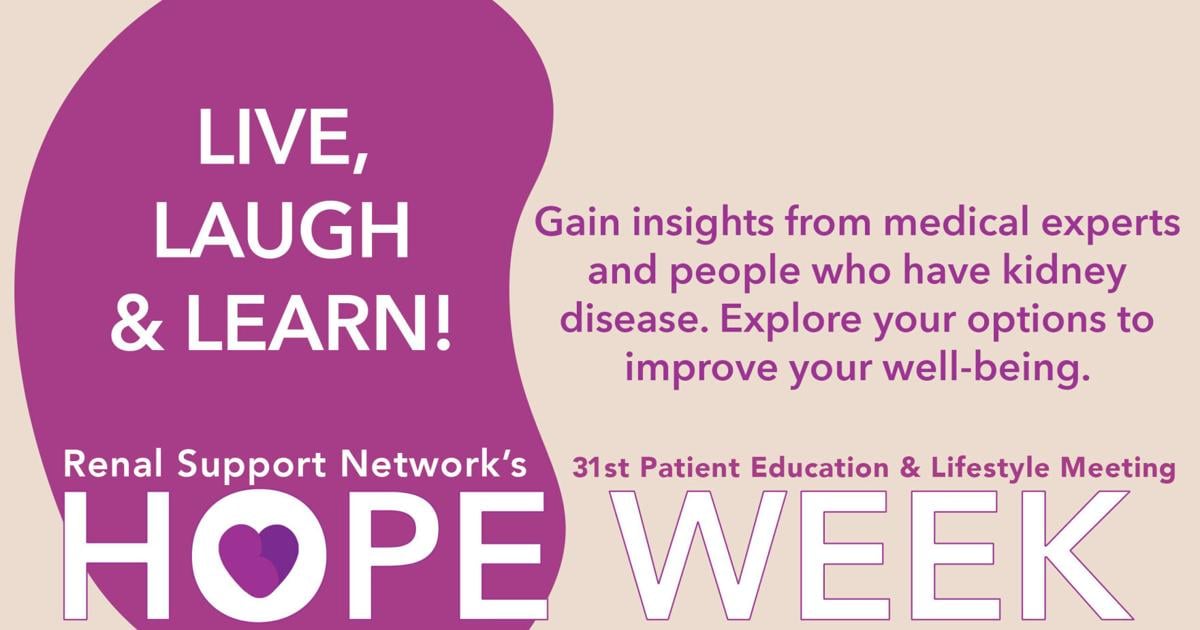
Hope Week 2024 Offers Five Days of Inspiration, Education, and Support for People Living with Kidney Disease, Their Families, and Healthcare Professionals
GLENDALE, Calif., Sept. 27, 2024 /PRNewswire-PRWeb/ — Renal Support Network (RSN) will host its 31st Annual Kidney Disease Education and Lifestyle Meeting from October 9th-13th, 2024. For over three decades, RSN has hosted this highly regarded event, providing education, resources, and support for people living with kidney disease, their families, and healthcare professionals. This event, aptly named Hope Week, will continue this tradition with a focus on fostering hope and empowerment for those affected by kidney disease.
RSN Founder/ President Lori Hartwell reflects, “Fear arises from a lack of understanding, and loneliness can be eased by connecting with a community that truly understands what you’re going through. Hope Week addresses these challenges. Knowledge and confidence in navigating care is within reach.”
Each day of the event will center on a different stage or aspect of chronic kidney disease (CKD), covering topics such as diagnosis, dialysis, kidney transplant, and daily lifestyle challenges. Esteemed healthcare professionals, along with those from within the kidney community who have learned to thrive in spite of having kidney disease, will share their expertise, advice, and personal stories, offering valuable insight into living and thriving with CKD.
RSN remains committed to equitable access to information and resources, ensuring that no individual faces barriers to participation. By utilizing a virtual platform, the meeting allows those who may face physical, geographic, or financial constraints to engage fully in the event.
Hope Week provides not only education but also inspiration and a chance to connect with a supportive community of people who have been there. It’s a unique opportunity to hear firsthand from those who have walked the path and to learn about the latest advancements in kidney care.
RSN Founder and President Lori Hartwell reflects, “Throughout my journey—marked by more than 50 surgeries, 13 years on dialysis, and four kidney transplants—I’ve faced some of life’s toughest lessons. These were not the lessons you learn in school, but ones born from personal experience. I know many of my peers share the same fears and feelings of isolation that I’ve experienced. Fear often arises from a lack of understanding, and loneliness can be eased by connecting with a community that truly understands what you’re going through. That’s exactly what Hope Week provides: five days of inspiration and education designed to address these challenges. One of the cornerstones of RSN is the motto, ‘an illness is too demanding when you don’t have hope’, and Hope Week is here to remind everyone that connection, knowledge and confidence in navigating care is within reach.”
Key Event Highlights:
There are no fees to attend.
Free Gift for Attending: All attendees receive a complimentary gift from RSN.
The event starts later in the afternoon on the weekdays so that people who work can attend.
Daily Focused Sessions: Each day will highlight a different stage or aspect of CKD, including topics such as diagnosis, dialysis, kidney transplants, and the management of daily lifestyle issues.
Expert Speakers and Panelists: Renowned healthcare professionals and experts from the kidney community will offer advice and discuss the latest developments in kidney care.
Patient and Caregiver Stories: Attendees will have the opportunity to hear inspiring personal stories from patients and caregivers who have firsthand experience managing CKD.
Interactive Q&A Sessions: Participants will be able to engage directly with speakers and panelists, asking questions and gaining insight into various aspects of kidney disease management.
Access for All: The virtual platform ensures that individuals from across the globe can participate, regardless of their location or circumstances.
Networking and Support: Hope Week will also feature opportunities to connect with others who are experiencing similar challenges, creating a supportive and uplifting environment.
Youth and Family Day: Parents share their tips for coping with challenges of a busy family life and young adults share their stories about transitioning to adulthood, finding independence, a career, dating and school.
RSN would like to thank our 2024 Hope Week sponsors: Akebia, Amgen, Alexion, Ardelyx, AstraZeneca and U.S. Renal Care.
The Renal Support Network is a Registered 501(c)(3) Non-profit and serve people throughout the United States.
Lori Hartwell founded Renal Support Network in 1993 to empower people who have kidney disease to become knowledgeable about their illness, proactive in their care, hopeful about their future and make friendships that last a lifetime. Lori suffered kidney failure at the age of two, survived 50+ surgeries and 13 years of dialysis, and is now living with her fourth kidney transplant.
RSN’s hopeful and life-enriching, non-medical programs help people who have kidney disease and their families, whether they are in the early stages of the disease, are on dialysis, or have received a transplant. www.RSNhope.org.
Media Contact
Suzette Maffi, Renal Support Network, 1 (818) 543-0896, Info@RSNhope.org, https://www.rsnhope.org/
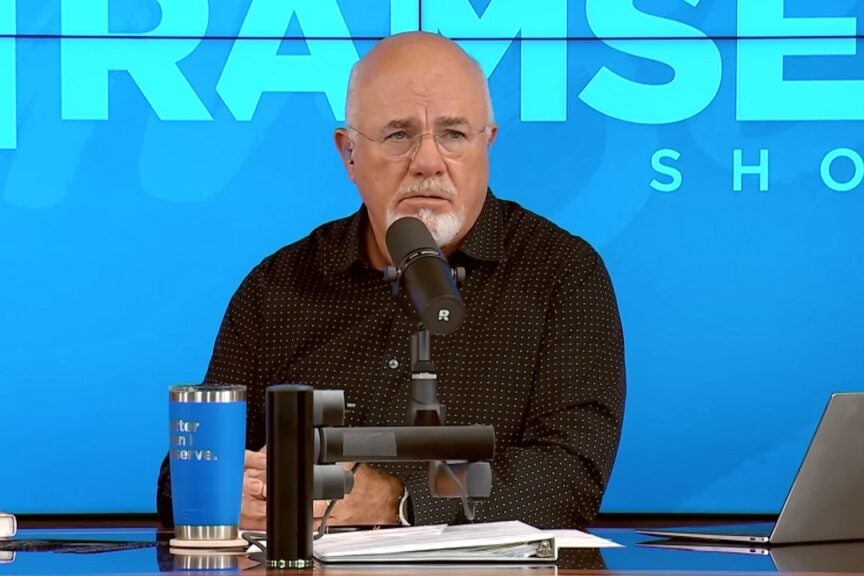
A recent call on The Ramsey Show posted to TikTok highlighted how fast even a solid income can vanish under the pressure of debt and overspending. Alyssa, a mental health therapist, called in to discuss her family’s financial struggles after recently getting remarried. Despite their combined income of $130,000 – well above the national average of $80,610 in 2023 – Alyssa and her husband barely make ends meet. With only $3,000 in savings and no contributions to retirement, they’re stuck in a cycle of paycheck-to-paycheck living.
Don’t Miss:
They owe $60,000 on cars, have a $240,000 mortgage, and are burdened by $140,000 in student loan debt –$90,000 from Alyssa’s schooling, and $40,000 from her husband, who has little to show for it. “Who’s the lawyer?” Dave Ramsey asked, pointing out how massive the debt seemed. Alyssa chuckled, responding, “I’m a mental health therapist.”
Ramsey’s co-host, George Kamel, questioned why they hadn’t aggressively tackled the debt yet. Alyssa explained that fear keeps holding them back while they’ve tried – particularly concerns about having enough for her 9-year-old daughter. Alyssa, who’s self-employed, and her husband, who works in construction, face income instability. She worries about catastrophic expenses wiping them out.
That didn’t sit well with Ramsey, who cut right to the chase. “You’re making $130,000 a year, and you’re freaking broke. That’s what I’m worried about. You’re driving cars you can’t afford, and you have a lifestyle that’s absolutely asinine.”
“And that’s got nothing to do with a 9-year-old,” Ramsey added. “What does she need that’s costing you thousands of dollars a month?” Alyssa admitted that it wasn’t the child’s expenses, more of a “just in case” mentality.
But while Ramsey’s blunt advice may sting, Alyssa’s situation isn’t all that uncommon. According to a 2023 survey by Payroll.org, 78% of Americans live paycheck to paycheck, a 6% increase from the previous year. Earning a good income is no longer a guarantee of financial security, especially when debt and overspending take over.
“You guys have no idea where this money goes,” Ramsey pointed out, urging Alyssa to look at their situation as if she were counseling another family. “If I hired you to look at this family objectively, you’d tell them to sell a car or two. You’re not going on vacation because you’re broke.”
Ramsey then got Alyssa to confront a hard truth. “You’ve got student loan debt hanging on so long you think it’s a pet,” he said. He laid a path for them to be debt-free in two to two and a half years – if they make serious sacrifices. That means no vacations, selling at least one car, cutting unnecessary spending, and finally facing the uncomfortable reality of their financial choices. “It won’t be comfortable,” Ramsey said. He added, “It’ll set you up for an awesome life for the rest of your lives.”
As tough as Ramsey’s advice may be, it offers a real shot at a better future. No matter how uncomfortable, making sacrifices now can set you up for financial freedom.
A financial advisor could be the next step to getting things on track. They can guide you on paying off debt and investing for retirement, helping you make decisions that benefit your present and future self.








 View original content to download multimedia: