hacklink hack forum hacklink film izle hacklink marsbahisizmir escortsahabetpornJojobetcasibompadişahbet

Tag: Modifications

  • Know lifestyle modifications to lower the risk of Pancreatic cancer

    Know lifestyle modifications to lower the risk of Pancreatic cancer

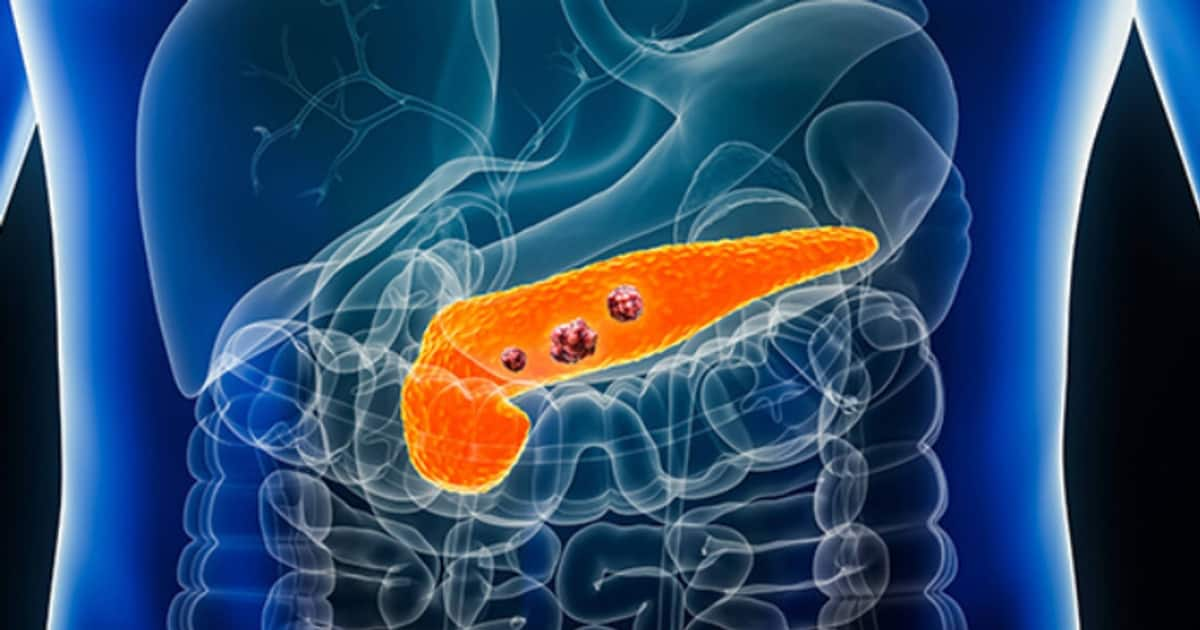
    The two most common presentations of pancreatic cancer are abdominal or stomach pain and jaundice. Pancreas is broadly divided into 3 parts, i.e head, body and tail. Jaundice is most commonly seen in pancreatic head and body cancer, while pancreatic tail cancers present as pain in the left side of the abdomen.

    How pancreatic cancer causes jaundice?
    We must first understand bile flow’s anatomy and physiology to know this. Bile is produced in liver and stored in gall bladder and then through bile duct it comes down to mix with food to help in digestion. This bile duct comes through the pancreatic head before opening into the food pipe inside the duodenum. So when cancer occurs in the pancreatic head and neck, it gradually increases in size and involves and compresses the bile duct that passes through the pancreas. Thus bile cannot come down from liver and it gradually accumulates in the liver and get absorbed into the stream and causes jaundice

    How is pancreatic jaundice different from jaundice seen in hepatitis or liver disease?
    Jaundice in pancreatic cancer is called obstructive jaundice, while in hepatitis or liver failure, jaundice is called medical jaundice. In obstructive jaundice, it will be associated with generalised itching over body; jaundice will increase slowly, i.e fist, there will be yellow/brown coloured urine, then sclera (white part of eye will become yellow, the skin over palm & sole becomes yellow and last skin over whole body becomes yellow, stool colour will change to clay colour. When jaundice gets infected, it will cause fever with chills, severe upper abdominal pain, vomiting, and generalised weakness. Also in pancreatic cancer there will be decreased appetite and gradual weight loss.

    How to treat jaundice in pancreatic cancer?
    First, a CT scan or MRI scan is done to confirm the diagnosis that jaundice is due to pancreatic cancer. Then a gastro surgeon or g.i. oncosurgeon determines whether the tumour is operable or not. Surgical removal of pancreatic cancer is the best and only way to cure it. If cancer is not spread to other sites of the body and if jaundice is not very high, then the patient is directly operated on with whipped pancreatoduodenectomy surgery. If jaundice is very high or it is infected, then a gastroenterologist will do an ERCP and put a stent inside bile duct to decrease the jaundice and prepare the patient for surgery. After recovering from surgery patient is further treated with chemotherapy to maximize the survival years.

    Lifestyle modification to lower risk of pancreatic cancer?
    Risk factors for pancreatic cancer can be divided into two types. Modifiable and non-modifiable.

    Modifiable risks are alcohol, smoking, consuming tobacco products, a diet rich in saturated fat, high red meat consumption like mutton or beef, smoked and salted food items like tandoori and consuming fewer fruits.

    If we avoid these modifiable risk factors and live a healthy life with a diet rich in green/red vegetables and fruits, regular food habits, and exercise or yoga, we can decrease our risk of pancreatic cancer.

    Non-modifiable risk factors include genetic mutation, family history, and belonging to a race prone to developing pancreatic cancer. Persons in these categories should get regular health checkups and avoid modifiable risk factors. A happy pancreas leads to a healthy life.

    –          Dr. Jyotirmay Jena, Consultant – G.I. & H.P.B Surgery, Manipal Hospital, Bhubaneshwar

    Download App:

    • android
    • ios


    Source link

  • Preventive heart clinic at PGI to operate twice a week: ‘Focus on risk assessment & prevention of heart disease with lifestyle modifications’ | Chandigarh News

    Preventive heart clinic at PGI to operate twice a week: ‘Focus on risk assessment & prevention of heart disease with lifestyle modifications’ | Chandigarh News

    At the Advanced Cardiac Centre OPD of the Postgraduate Institute of Medical Education and Research in Chandigarh, Dr Neelam Dahiya urges several attendants accompanying patients to undergo simple tests to see the risk of heart disease, especially if they are overweight and have a family history. Some like it, some don’t.

    “As a cardiologist, it is my responsibility to make people aware, and not everyone likes my advice, but I do it anyway,” said Dr Dahiya, assistant professor at the Department of Cardiology and the in-charge of the Preventive Heart Clinic inaugurated at the Cardiology Outpatient Department Complex, PGI — a first in a tertiary care public hospital in the country — to offer guidance and targeted interventions to health-conscious adults keen to minimise their risk of heart disease.

    “I remember a young woman accompanying her father, with whom I spoke at length about exercise, better diet, and regular check-ups for prevention, for as a cardiologist I felt she could be at risk,” she said.

    The rising number of patients in the cardiology OPD of the institute — till August 70,000 compared to nearly one lakh last year — and the urgent need to prevent coronary artery disease (CAD) was the genesis of the all-new dedicated Preventive Heart Clinic, she said, adding: “Till August this year, over 6,000 coronary angiographies, 3,500 angioplasties and 700 cardiac implantable devices have been performed at the PGI.”

    Inaugurating the clinic, PGI Director Professor Vivek Lal shared his journey toward better health, emphasising the impact of preventive measures. “By focusing on weight management, physical activity like cycling, and practices like yoga, we can prevent many lifestyle diseases. Health is a lifelong journey, and I encourage everyone to prioritize it,” he said.

    Festive offer

    Dr Yash Paul Sharma, professor and head of the Department of Cardiology, PGI, said, “There is a rapid rise in the number of patients presenting with structural heart diseases, and an increase in incidences of CAD among the young population aged above 40 years may be related to poor dietary habits, increased work stress and a sedentary lifestyle. So, the prevention, including improvement in physical and mental well-being and reducing hypertension, diabetes and dyslipidemia, is the way forward.”

    “The clinic will be run from 9 am to 10 am every Wednesday and Saturday. Anyone above 18 can seek consultation. We will assess what is modifiable, and if need be, based on weight and family history do tests to assess risks, and then clinicians from dietetics, psychiatry and community medicine and cardiology will offer interventions. Apart from the social media, we will have an app to make people aware of the clinic, and awareness will also be created at OPDs. We will record all information, and use this to bring awareness about the prevention of heart disease to the community level,” said Dr Dahiya.

    Highlighting the link between mental health and heart disease, Dr Krishan from the Department of Psychiatry said, “Stress and psychological challenges often contribute to heart disease. Our clinic will work to address these issues proactively,” he said.

    Chief Dietician at the PGI Dr Nancy Sahni spoke about the dietary factors contributing to heart disease and the clinic’s role in managing these through personalized nutrition plans. “Heart health is greatly influenced by diet. We will guide patients on making sustainable dietary changes that support a healthy heart,” she said.

    “To enhance awareness, an information booklet on heart disease prevention will be provided to patients and caregivers, covering essential tips on lifestyle changes, diet, and mental wellness,” Dr Neelam said.

    Professor Rajesh Vijayvergiya, Advanced Cardiac Centre, PGI, said, “Cardiovascular diseases is the single largest cause of death and illness worldwide. Unlike many other chronic illnesses, cardiac diseases can be well prevented largely by simply incorporating a couple of healthy lifestyle-related changes like having a balanced diet to restrict calories, regular exercise, avoiding undue psychological and physical stress and routine screening for underlying silent heart disease.

    Certain cardiac risk factors such as smoking, strenuous physical exercise, excess mental stress and a family history of heart disease can lead to acute cardiac events such as death or heart attack in a seemingly healthy individual.”

    “Other risk factors are diabetes, hypertension, and substance abuse. Other than heart attacks, which are due to blockage in coronary arteries supplying blood to the heart, diseases of cardiac muscles such as cardiomyopathy, a viral infection of the heart known as myocarditis, and cardiac arrhythmias – the electrical abnormalities of the heart are the frequent causes of sudden death in young individuals which remained undiagnosed due to lack of medical attention/advice,” Prof Vijayvergiya said.

    “Routine screening for underlying silent heart disease in all healthy individuals of more than 40 years of age is recommended. Those with certain risk factors such as being overweight, smoking, diabetes and hypertension or having symptoms of cardiac illness require screening even earlier, which might be from the age of 30 years. The screening for heart disease should be repeated every 2-5 years, and those with risk factors such as smoking, diabetes, obesity, or having symptoms of heart pain should be screened from the age of 30 years,” Prof Vijayvergiya added.


    Source link

  • Preventive heart clinic at PGI to operate twice a week: ‘Focus on risk assessment & prevention of heart disease with lifestyle modifications’ | Chandigarh News

    Preventive heart clinic at PGI to operate twice a week: ‘Focus on risk assessment & prevention of heart disease with lifestyle modifications’ | Chandigarh News

    At the Advanced Cardiac Centre OPD of the Postgraduate Institute of Medical Education and Research in Chandigarh, Dr Neelam Dahiya urges several attendants accompanying patients to undergo simple tests to see the risk of heart disease, especially if they are overweight and have a family history. Some like it, some don’t.

    “As a cardiologist, it is my responsibility to make people aware, and not everyone likes my advice, but I do it anyway,” said Dr Dahiya, assistant professor at the Department of Cardiology and the in-charge of the Preventive Heart Clinic inaugurated at the Cardiology Outpatient Department Complex, PGI — a first in a tertiary care public hospital in the country — to offer guidance and targeted interventions to health-conscious adults keen to minimise their risk of heart disease.

    “I remember a young woman accompanying her father, with whom I spoke at length about exercise, better diet, and regular check-ups for prevention, for as a cardiologist I felt she could be at risk,” she said.

    The rising number of patients in the cardiology OPD of the institute — till August 70,000 compared to nearly one lakh last year — and the urgent need to prevent coronary artery disease (CAD) was the genesis of the all-new dedicated Preventive Heart Clinic, she said, adding: “Till August this year, over 6,000 coronary angiographies, 3,500 angioplasties and 700 cardiac implantable devices have been performed at the PGI.”

    Inaugurating the clinic, PGI Director Professor Vivek Lal shared his journey toward better health, emphasising the impact of preventive measures. “By focusing on weight management, physical activity like cycling, and practices like yoga, we can prevent many lifestyle diseases. Health is a lifelong journey, and I encourage everyone to prioritize it,” he said.

    Festive offer

    Dr Yash Paul Sharma, professor and head of the Department of Cardiology, PGI, said, “There is a rapid rise in the number of patients presenting with structural heart diseases, and an increase in incidences of CAD among the young population aged above 40 years may be related to poor dietary habits, increased work stress and a sedentary lifestyle. So, the prevention, including improvement in physical and mental well-being and reducing hypertension, diabetes and dyslipidemia, is the way forward.”

    “The clinic will be run from 9 am to 10 am every Wednesday and Saturday. Anyone above 18 can seek consultation. We will assess what is modifiable, and if need be, based on weight and family history do tests to assess risks, and then clinicians from dietetics, psychiatry and community medicine and cardiology will offer interventions. Apart from the social media, we will have an app to make people aware of the clinic, and awareness will also be created at OPDs. We will record all information, and use this to bring awareness about the prevention of heart disease to the community level,” said Dr Dahiya.

    Highlighting the link between mental health and heart disease, Dr Krishan from the Department of Psychiatry said, “Stress and psychological challenges often contribute to heart disease. Our clinic will work to address these issues proactively,” he said.

    Chief Dietician at the PGI Dr Nancy Sahni spoke about the dietary factors contributing to heart disease and the clinic’s role in managing these through personalized nutrition plans. “Heart health is greatly influenced by diet. We will guide patients on making sustainable dietary changes that support a healthy heart,” she said.

    “To enhance awareness, an information booklet on heart disease prevention will be provided to patients and caregivers, covering essential tips on lifestyle changes, diet, and mental wellness,” Dr Neelam said.

    Professor Rajesh Vijayvergiya, Advanced Cardiac Centre, PGI, said, “Cardiovascular diseases is the single largest cause of death and illness worldwide. Unlike many other chronic illnesses, cardiac diseases can be well prevented largely by simply incorporating a couple of healthy lifestyle-related changes like having a balanced diet to restrict calories, regular exercise, avoiding undue psychological and physical stress and routine screening for underlying silent heart disease.

    Certain cardiac risk factors such as smoking, strenuous physical exercise, excess mental stress and a family history of heart disease can lead to acute cardiac events such as death or heart attack in a seemingly healthy individual.”

    “Other risk factors are diabetes, hypertension, and substance abuse. Other than heart attacks, which are due to blockage in coronary arteries supplying blood to the heart, diseases of cardiac muscles such as cardiomyopathy, a viral infection of the heart known as myocarditis, and cardiac arrhythmias – the electrical abnormalities of the heart are the frequent causes of sudden death in young individuals which remained undiagnosed due to lack of medical attention/advice,” Prof Vijayvergiya said.

    “Routine screening for underlying silent heart disease in all healthy individuals of more than 40 years of age is recommended. Those with certain risk factors such as being overweight, smoking, diabetes and hypertension or having symptoms of cardiac illness require screening even earlier, which might be from the age of 30 years. The screening for heart disease should be repeated every 2-5 years, and those with risk factors such as smoking, diabetes, obesity, or having symptoms of heart pain should be screened from the age of 30 years,” Prof Vijayvergiya added.


    Source link

  • World Spine Day: Treatment Options and Lifestyle Modifications With Chronic Back Pain

    World Spine Day: Treatment Options and Lifestyle Modifications With Chronic Back Pain

    World Spine Day: Early diagnosis of back problems can help prevent serious damage to the back

    World Spine Day: Early diagnosis of back problems can help prevent serious damage to the back

    Chronic back pain should not be ignored, and you should go for consultation from your healthcare care provider if symptoms or back pain persist for more than 8 weeks

    Sedentary lifestyle like sitting in bad posture for long hours, uncomfortable sleeping positions, obesity, stress, and poor nutrition can all lead to back pain. If it lasts for more than 3 months, it’s considered to be chronic. Such type of back pain usually occurs due to age factor or any injury in that area. Back pain is a common cause of concern for millions of people around the world. According to WHO, Lower back pain affected 619 million people in the year 2020 and the number of cases is likely to increase to 843 million cases by the year 2050. Back pain can be specific or nonspecific. Dr. Ashish Dagar, Consultant – Spine Surgery, Manipal Hospital, Gurugram shares all you need to know:

    Specific back pain could be related to any serious underlying condition like any injury, tissue damage or any underlying disease. Whereas non-specific back pain could be due to lifestyle and other factors like not engaging in any physical activity, obesity, sitting for longer hours without giving rest to the back or high stress levels at work.

    To address the back pain, it’s important to find the underlying cause along with ways to manage the symptoms. One can opt for medical treatments or lifestyle modifications depending upon the symptoms and risk factors associated with it.

    Various treatment option available to treat chronic back pain includes:

    1. MedicationDoctors provide pain relief medicines to relax the muscles in case of mild to severe or unbearable pain
    2. SurgeryIt is the last option which is considered only when other treatments don’t show any results and the pain persists.
    3. TherapyVarious therapies including cognitive behavioral therapy or Chiropractic care are used to provide relief and treat back pain.

    Lifestyle modification that one can adopt to ease pain can be:

    1. NutritionHealthy eating habits play a positive role in low back pain management. It can help in reducing weight which might be one of the contributing factors for strain on spine. Taking a diet rich in protein, micronutrients (vitamin d, b12, k2,) and minerals (calcium, magnesium) is good for bone and joint health. Recent studies indicate that some diets are highly inflammatory, especially those high in trans fats, refined sugars and processed foods. Avoiding such items might be beneficial in chronic low back pain.
    2. Exercises and physical activitiesExercise is the foundation of chronic back pain treatment. Maintaining your exercise routine regularly at home is even more important – a consistent regimen is the key to maintaining the spine’s strength and stability. Exercises such as low impact aerobic exercises, isometric core strengthening/stabilization, supervised strength training, balance improving exercises and aquatic exercises have a positive impact on low back pain. Increase in physical activity in day-to-day life improves nutrient supply to muscle, joints and disc and hence reduce pathogenesis.
    3. Mind-body exercises and meditationChronic back pain is both physically and emotionally straining. Mind-body exercises and meditation combine specialized movements, controlled breathing, and mental focus to improve balance, flexibility and strength. Examples include yoga and Pilates.
    4. Sleep, stress, and back painAnxiety, stress, insomnia, and chronic low back pain are interconnected.  Anxiety, stress and insomnia increases pain perception. Revere is also true- chronic back pain might be a cause of stress, anxiety and insomnia. It is of help to break this cycle by some lifestyle changes. Maintain sleep hygiene (dark, quiet, cool room with supportive pillows) and complete 8 hours of sleep daily.
    5. Substance use and back painSmoking and alcohol consumption are associated with low back pain. De-addiction has been shown to have positive effect chronic low back pain.
    6. Selfcare and back painSelf-care and self-management strategies, such as ergonomic instructions, proper body mechanics, joint protection and energy conservation guidelines, self-massage, self-acupressure, flare-up management, and pain neuroscience education, may be useful techniques to help patients manage their back pain.
    7. Alternative treatmentsAcupuncture, massage, laser therapy, electrical nerve stimulation and other nonsurgical spine treatments can make a difference for chronic back pain. Overall, the potential benefits of these strategies far outweigh their potential risks, so they are worth exploring.
    8. PharmacotherapyPain killers are usually not recommended in cases of chronic low back pain. Long term use of such drugs has major side-effects. Nerve pain medications and antidepressants might be used under supervision in some case to break pain cycle.

    Chronic back pain should not be ignored, and you should go for consultation from your healthcare care provider if symptoms or back pain persist for more than 8 weeks. In some cases, practicing good posture, changing your eating habits or regular stretching are enough to get relief but in regenerative conditions, one may need medical intervention. Early diagnosis of back problems can help prevent serious damage to the back.

    Source link

  • World Spine Day: Treatment Options and Lifestyle Modifications With Chronic Back Pain

    World Spine Day: Treatment Options and Lifestyle Modifications With Chronic Back Pain

    World Spine Day: Early diagnosis of back problems can help prevent serious damage to the back

    World Spine Day: Early diagnosis of back problems can help prevent serious damage to the back

    Chronic back pain should not be ignored, and you should go for consultation from your healthcare care provider if symptoms or back pain persist for more than 8 weeks

    Sedentary lifestyle like sitting in bad posture for long hours, uncomfortable sleeping positions, obesity, stress, and poor nutrition can all lead to back pain. If it lasts for more than 3 months, it’s considered to be chronic. Such type of back pain usually occurs due to age factor or any injury in that area. Back pain is a common cause of concern for millions of people around the world. According to WHO, Lower back pain affected 619 million people in the year 2020 and the number of cases is likely to increase to 843 million cases by the year 2050. Back pain can be specific or nonspecific. Dr. Ashish Dagar, Consultant – Spine Surgery, Manipal Hospital, Gurugram shares all you need to know:

    Specific back pain could be related to any serious underlying condition like any injury, tissue damage or any underlying disease. Whereas non-specific back pain could be due to lifestyle and other factors like not engaging in any physical activity, obesity, sitting for longer hours without giving rest to the back or high stress levels at work.

    To address the back pain, it’s important to find the underlying cause along with ways to manage the symptoms. One can opt for medical treatments or lifestyle modifications depending upon the symptoms and risk factors associated with it.

    Various treatment option available to treat chronic back pain includes:

    1. MedicationDoctors provide pain relief medicines to relax the muscles in case of mild to severe or unbearable pain
    2. SurgeryIt is the last option which is considered only when other treatments don’t show any results and the pain persists.
    3. TherapyVarious therapies including cognitive behavioral therapy or Chiropractic care are used to provide relief and treat back pain.

    Lifestyle modification that one can adopt to ease pain can be:

    1. NutritionHealthy eating habits play a positive role in low back pain management. It can help in reducing weight which might be one of the contributing factors for strain on spine. Taking a diet rich in protein, micronutrients (vitamin d, b12, k2,) and minerals (calcium, magnesium) is good for bone and joint health. Recent studies indicate that some diets are highly inflammatory, especially those high in trans fats, refined sugars and processed foods. Avoiding such items might be beneficial in chronic low back pain.
    2. Exercises and physical activitiesExercise is the foundation of chronic back pain treatment. Maintaining your exercise routine regularly at home is even more important – a consistent regimen is the key to maintaining the spine’s strength and stability. Exercises such as low impact aerobic exercises, isometric core strengthening/stabilization, supervised strength training, balance improving exercises and aquatic exercises have a positive impact on low back pain. Increase in physical activity in day-to-day life improves nutrient supply to muscle, joints and disc and hence reduce pathogenesis.
    3. Mind-body exercises and meditationChronic back pain is both physically and emotionally straining. Mind-body exercises and meditation combine specialized movements, controlled breathing, and mental focus to improve balance, flexibility and strength. Examples include yoga and Pilates.
    4. Sleep, stress, and back painAnxiety, stress, insomnia, and chronic low back pain are interconnected.  Anxiety, stress and insomnia increases pain perception. Revere is also true- chronic back pain might be a cause of stress, anxiety and insomnia. It is of help to break this cycle by some lifestyle changes. Maintain sleep hygiene (dark, quiet, cool room with supportive pillows) and complete 8 hours of sleep daily.
    5. Substance use and back painSmoking and alcohol consumption are associated with low back pain. De-addiction has been shown to have positive effect chronic low back pain.
    6. Selfcare and back painSelf-care and self-management strategies, such as ergonomic instructions, proper body mechanics, joint protection and energy conservation guidelines, self-massage, self-acupressure, flare-up management, and pain neuroscience education, may be useful techniques to help patients manage their back pain.
    7. Alternative treatmentsAcupuncture, massage, laser therapy, electrical nerve stimulation and other nonsurgical spine treatments can make a difference for chronic back pain. Overall, the potential benefits of these strategies far outweigh their potential risks, so they are worth exploring.
    8. PharmacotherapyPain killers are usually not recommended in cases of chronic low back pain. Long term use of such drugs has major side-effects. Nerve pain medications and antidepressants might be used under supervision in some case to break pain cycle.

    Chronic back pain should not be ignored, and you should go for consultation from your healthcare care provider if symptoms or back pain persist for more than 8 weeks. In some cases, practicing good posture, changing your eating habits or regular stretching are enough to get relief but in regenerative conditions, one may need medical intervention. Early diagnosis of back problems can help prevent serious damage to the back.

    Source link