hacklink hack forum hacklink film izle hacklink marsbahisizmir escortsahabetpornJojobetcasibompadişahbetjojobet

Tag: Parents

  • As schools cut back on bus service, parents are turning to rideshare apps

    As schools cut back on bus service, parents are turning to rideshare apps

    CHICAGO — Ismael El-Amin was driving his daughter to school when a chance encounter gave him an idea for a new way to carpool.

    On the way across Chicago, El-Amin’s daughter spotted a classmate riding with her own dad as they drove to their selective public school on the city’s North Side. For 40 minutes, they rode along the same congested highway.

    “They’re waving to each other in the back. I’m looking at the dad. The dad’s looking at me. And I was like, parents can definitely be a resource to parents,” said El-Amin, who went on to found Piggyback Network, a service parents can use to book rides for their children.

    Reliance on school buses has been waning for years as districts struggle to find drivers and more students attend schools far outside their neighborhoods. As responsibility for transportation shifts to families, the question of how to replace the traditional yellow bus has become an urgent problem for some, and a spark for innovation.

    State and local governments decide how widely to offer school bus service. Lately, more have been cutting back. Only about 28% of U.S. students take a school bus, according to a Federal Highway Administration survey concluded early last year. That’s down from about 36% in 2017.

    Chicago Public Schools, the nation’s fourth-largest district, has significantly curbed bus service in recent years. It still offers rides for disabled and homeless students, in line with a federal mandate, but most families are on their own. Only 17,000 of the district’s 325,000 students are eligible for school bus rides.

    Last week, the school system launched a pilot program allowing some students who attend out-of-neighborhood magnet or selective-enrollment schools to catch a bus at a nearby school’s “hub stop.” It aims to start with rides for about 1,000 students by the end of the school year.

    It’s not enough to make up for the lost service, said Erin Rose Schubert, a volunteer for the CPS Parents for Buses advocacy group.

    “The people who had the money and the privilege were able to figure out other situations like rearranging their work schedules or public transportation,” she said. “People who didn’t, some had to pull their kids out of school.”

    On Piggyback Network, parents can book a ride for their student online with another parent traveling the same direction. Rides cost roughly 80 cents per mile and the drivers are compensated with credits to use for their own kids’ rides.

    “It’s an opportunity for kids to not be late to school,” 15-year-old Takia Phillips said on a recent PiggyBack ride with El-Amin as the driver.

    The company has arranged a few hundred rides in its first year operating in Chicago, and El-Amin has been contacting drivers for possible expansion to Virginia, North Carolina and Texas. It is one of several startups that have been filling the void.

    Unlike Piggyback Network, which connects parents, HopSkipDrive contracts directly with school districts to assist students without reliable transportation. The company launched a decade ago in Los Angeles with three mothers trying to coordinate school carpools and now supports some 600 school districts in 13 states.

    Regulations keep it from operating in some states, including Kentucky, where a group of Louisville students has been lobbying on its behalf to change that.

    After the district halted bus service to most traditional and magnet schools, the student group known as The Real Young Prodigys wrote a hip-hop song titled “Where My Bus At?” The song’s music video went viral on YouTube with lyrics such as, “I’m a good kid. I stay in class, too. Teachers want me to succeed, but I can’t get to school.”

    “Those bus driver shortages are not really going away,” HopSkipDrive CEO Joanna McFarland said. “This is a structural change in the industry we need to get serious about addressing.”

    HopSkipDrive has been a welcome option for Reinya Gibson’s son, Jerren Samuel, who attends a small high school in Oakland, California. She said the school takes care to accommodate his needs as a student with autism, but the district lined up the transportation because there is no bus from their home in San Leandro.

    “Growing up, people used to talk about kids in the short yellow buses. They were associated with a physical disability, and they were teased or made fun of,” Gibson said. “Nobody knows this is support for Jerren because he can’t take public transportation.”

    Encouragement from his mother helped Jerren overcame his fear about riding with a stranger to school.

    “I felt really independent getting in that car,” he said.

    Companies catering to kids claim to screen drivers more extensively, checking their fingerprints and requiring them to have childcare or parenting experience. Drivers and children are often given passwords that must match, and parents can track a child’s whereabouts in real time through the apps.

    Kango, a competitor to HopSkipDrive in California and Arizona, started as a free carpooling app similar to the PiggyBack Network and now contracts with school districts. Drivers are paid more than they would typically get for Uber or Lyft, but there are often more requirements such as walking some students with disabilities into school, Kango CEO Sara Schaer said.

    “This is not just a curbside-to-curbside, three-minute situation,” Schaer said. “You are responsible for getting that kid to and from school. That’s not the same as transporting an adult or DoorDashing somebody’s lunch or dinner.”

    In Chicago, some families that have used Piggyback said they have seen few alternatives.

    Concerned about the city’s rising crime rate, retired police officer Sabrina Beck never considered letting her son take the subway to Whitney Young High School. Since she was driving him anyway, she volunteered through PiggyBack also to drive a freshman who had qualified for the selective magnet school but had no way to get there.

    “To have the opportunity to go and then to miss it because you don’t have the transportation, that is so detrimental,” Beck said. “Options like this are extremely important.”

    After the bus route that took her two kids to elementary school was canceled, Jazmine Dillard and other Chicago parents thought they had convinced the school to move up the opening bell from 8:45 a.m. to 8:15 a.m., a more manageable time for her schedule. After that plan was scrapped because the buses were needed elsewhere at that time, Dillard turned to PiggyBack Network.

    “We had to kind of pivot and find a way to make it to work on time as well as get them to school on time,” she said.

    ___

    The Associated Press’ education coverage receives financial support from multiple private foundations. AP is solely responsible for all content. Find AP’s standards for working with philanthropies, a list of supporters and funded coverage areas at AP.org.


    Source link

  • Minimally invasive cardiac surgery: Heart risks for your parents, benefits, lifestyle changes, recovery secrets | Health

    Minimally invasive cardiac surgery: Heart risks for your parents, benefits, lifestyle changes, recovery secrets | Health

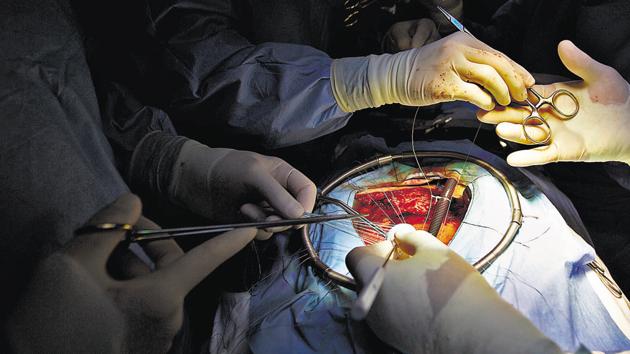
    A more recent technique called minimally invasive cardiac surgery aims to lessen the trauma connected to open heart surgery. It has several benefits such as less pain, smaller incisions and quicker recovery periods but before agreeing to get this procedure, there are some important considerations to consider.

    According to a recent study, many patients who undergo heart surgery won't have to take opioids as a pain medication after they get discharged from the hospital.(Unsplash)
    According to a recent study, many patients who undergo heart surgery won’t have to take opioids as a pain medication after they get discharged from the hospital.(Unsplash)

    In an interview with HT Lifestyle, Dr Shrirang Ranade, Head Of The Department and Consultant – Cardiothoracic and Vascular Surgeon at Manipal Hospital in Pune’s Baner, shared, “Small 2-3-inch incisions help a surgeon access the heart during minimally invasive cardiac surgery. When MIS surgery is used instead of standard open-heart surgery, it can effectively treat a variety of heart diseases with less discomfort and faster recovery times. Whereas traditional heart surgery, which involves cutting through the breastbone (sternotomy), minimally invasive heart surgery is usually carried out through tiny incisions between the ribs. This approach reduces scarring and speeds up healing. This method can be used for coronary artery bypass, valve replacement or repair, and specific repairs for congenital heart conditions.”

    Overall health and specific heart problems are important considerations for choosing candidature for this type of surgery. Dr Shrirang Ranade revealed, “Not every patient is a candidate for minimally invasive procedures. Factors including the complexity of the heart disease, past cardiac surgeries, and underlying health issues such as obesity or lung conditions can affect the decision. A complete review by a cardiac surgeon is required for choosing the best technique. A shorter hospital stay is one of the key benefits of minimally invasive cardiac surgery. After standard surgery, recovery takes a week or longer, but many patients can return home after a few days. Also, the risk of infection, blood loss, and surgical complications is reduced due to the smaller incisions.”

    Overall health and specific heart problems are important considerations for choosing candidature for minimally invasive heart surgery.(Shutterstock)
    Overall health and specific heart problems are important considerations for choosing candidature for minimally invasive heart surgery.(Shutterstock)

    The expert cautioned, “However, as with any surgery, there are potential risks. These include bleeding, anesthesia-related responses, or problems with the heart or lungs during the surgery. It is important to go through potential risks and benefits in complete detail with the doctors. Most patients recover from minimally invasive cardiac surgery more quickly, returning to their regular activities in a matter of weeks. However, keeping to a provided treatment plan and making lifestyle modifications will be important for maintaining long-term heart health.”

    Bringing his expertise to the same, Dr Ved Prakash, Senior Consultant and Head – Cardiothoracic and Vascular Surgery at Sarvodaya Hospital in Faridabad’s Sector-8, explained, “Minimally invasive heart surgery (MIHS) involves smaller incisions than traditional open-heart surgery. Surgeons use advanced techniques, including small tools and cameras, to perform complex heart procedures. Common procedures include heart valve repair/replacement, coronary artery bypass, and atrial septal defect closure.”

    Benefits over traditional surgery:

    • Smaller Incisions: Typically, incisions are 3-4 inches compared to the 6-8 inch cuts in traditional surgery.
    • Shorter Recovery Time: Recovery is faster, with many patients resuming normal activities in a few weeks.
    • Less Pain and Scarring: The reduced size of incisions leads to less pain and scarring post-surgery.
    • Lower Risk of Infection: Smaller incisions reduce the risk of infection compared to the larger, open incisions in traditional surgery.

    Risks and complications:

    Dr Ved Prakash said, “Like any surgery, MIHS carries risks such as infection, bleeding, stroke, or irregular heart rhythms. The risk level depends on your health, age and the specific procedure.”

    Who is a candidate?

    According to Dr Ved Prakash, not everyone is a candidate for minimally invasive surgery. Factors such as the complexity of the condition, previous surgeries, or certain health conditions may require traditional open-heart surgery.

    Not everyone is a candidate for minimally invasive surgery.Certain health conditions may require traditional open-heart surgery.(Getty Images/Istockphoto)
    Not everyone is a candidate for minimally invasive surgery.Certain health conditions may require traditional open-heart surgery.(Getty Images/Istockphoto)

    Pre-operative preparation:

    Dr Ved Prakash informed, “You will undergo a series of tests, including blood work, imaging and heart function tests, to ensure you’re fit for surgery.”

    Post-surgery recovery:

    • After surgery, you’ll spend some time in the ICU for monitoring. The hospital stay is generally shorter than with open-heart surgery, often around 3-5 days.
    • Full recovery usually takes about 4-6 weeks. You may need cardiac rehabilitation to improve heart function.

    Lifestyle changes after surgery:

    Dr Ved Prakash concluded, “Even after a successful surgery, maintaining heart health through diet, exercise, and medications (if prescribed) is crucial. Adopting a heart-healthy lifestyle can prevent future heart problems.”

    Disclaimer: This article is for informational purposes only and not a substitute for professional medical advice. Always seek the advice of your doctor with any questions about a medical condition.

    Source link

  • Minimally invasive cardiac surgery: Heart risks for your parents, benefits, lifestyle changes, recovery secrets | Health

    Minimally invasive cardiac surgery: Heart risks for your parents, benefits, lifestyle changes, recovery secrets | Health

    A more recent technique called minimally invasive cardiac surgery aims to lessen the trauma connected to open heart surgery. It has several benefits such as less pain, smaller incisions and quicker recovery periods but before agreeing to get this procedure, there are some important considerations to consider.

    According to a recent study, many patients who undergo heart surgery won't have to take opioids as a pain medication after they get discharged from the hospital.(Unsplash)
    According to a recent study, many patients who undergo heart surgery won’t have to take opioids as a pain medication after they get discharged from the hospital.(Unsplash)

    In an interview with HT Lifestyle, Dr Shrirang Ranade, Head Of The Department and Consultant – Cardiothoracic and Vascular Surgeon at Manipal Hospital in Pune’s Baner, shared, “Small 2-3-inch incisions help a surgeon access the heart during minimally invasive cardiac surgery. When MIS surgery is used instead of standard open-heart surgery, it can effectively treat a variety of heart diseases with less discomfort and faster recovery times. Whereas traditional heart surgery, which involves cutting through the breastbone (sternotomy), minimally invasive heart surgery is usually carried out through tiny incisions between the ribs. This approach reduces scarring and speeds up healing. This method can be used for coronary artery bypass, valve replacement or repair, and specific repairs for congenital heart conditions.”

    Overall health and specific heart problems are important considerations for choosing candidature for this type of surgery. Dr Shrirang Ranade revealed, “Not every patient is a candidate for minimally invasive procedures. Factors including the complexity of the heart disease, past cardiac surgeries, and underlying health issues such as obesity or lung conditions can affect the decision. A complete review by a cardiac surgeon is required for choosing the best technique. A shorter hospital stay is one of the key benefits of minimally invasive cardiac surgery. After standard surgery, recovery takes a week or longer, but many patients can return home after a few days. Also, the risk of infection, blood loss, and surgical complications is reduced due to the smaller incisions.”

    Overall health and specific heart problems are important considerations for choosing candidature for minimally invasive heart surgery.(Shutterstock)
    Overall health and specific heart problems are important considerations for choosing candidature for minimally invasive heart surgery.(Shutterstock)

    The expert cautioned, “However, as with any surgery, there are potential risks. These include bleeding, anesthesia-related responses, or problems with the heart or lungs during the surgery. It is important to go through potential risks and benefits in complete detail with the doctors. Most patients recover from minimally invasive cardiac surgery more quickly, returning to their regular activities in a matter of weeks. However, keeping to a provided treatment plan and making lifestyle modifications will be important for maintaining long-term heart health.”

    Bringing his expertise to the same, Dr Ved Prakash, Senior Consultant and Head – Cardiothoracic and Vascular Surgery at Sarvodaya Hospital in Faridabad’s Sector-8, explained, “Minimally invasive heart surgery (MIHS) involves smaller incisions than traditional open-heart surgery. Surgeons use advanced techniques, including small tools and cameras, to perform complex heart procedures. Common procedures include heart valve repair/replacement, coronary artery bypass, and atrial septal defect closure.”

    Benefits over traditional surgery:

    • Smaller Incisions: Typically, incisions are 3-4 inches compared to the 6-8 inch cuts in traditional surgery.
    • Shorter Recovery Time: Recovery is faster, with many patients resuming normal activities in a few weeks.
    • Less Pain and Scarring: The reduced size of incisions leads to less pain and scarring post-surgery.
    • Lower Risk of Infection: Smaller incisions reduce the risk of infection compared to the larger, open incisions in traditional surgery.

    Risks and complications:

    Dr Ved Prakash said, “Like any surgery, MIHS carries risks such as infection, bleeding, stroke, or irregular heart rhythms. The risk level depends on your health, age and the specific procedure.”

    Who is a candidate?

    According to Dr Ved Prakash, not everyone is a candidate for minimally invasive surgery. Factors such as the complexity of the condition, previous surgeries, or certain health conditions may require traditional open-heart surgery.

    Not everyone is a candidate for minimally invasive surgery.Certain health conditions may require traditional open-heart surgery.(Getty Images/Istockphoto)
    Not everyone is a candidate for minimally invasive surgery.Certain health conditions may require traditional open-heart surgery.(Getty Images/Istockphoto)

    Pre-operative preparation:

    Dr Ved Prakash informed, “You will undergo a series of tests, including blood work, imaging and heart function tests, to ensure you’re fit for surgery.”

    Post-surgery recovery:

    • After surgery, you’ll spend some time in the ICU for monitoring. The hospital stay is generally shorter than with open-heart surgery, often around 3-5 days.
    • Full recovery usually takes about 4-6 weeks. You may need cardiac rehabilitation to improve heart function.

    Lifestyle changes after surgery:

    Dr Ved Prakash concluded, “Even after a successful surgery, maintaining heart health through diet, exercise, and medications (if prescribed) is crucial. Adopting a heart-healthy lifestyle can prevent future heart problems.”

    Disclaimer: This article is for informational purposes only and not a substitute for professional medical advice. Always seek the advice of your doctor with any questions about a medical condition.

    Source link

  • Minimally invasive cardiac surgery: Heart risks for your parents, benefits, lifestyle changes, recovery secrets | Health

    Minimally invasive cardiac surgery: Heart risks for your parents, benefits, lifestyle changes, recovery secrets | Health

    A more recent technique called minimally invasive cardiac surgery aims to lessen the trauma connected to open heart surgery. It has several benefits such as less pain, smaller incisions and quicker recovery periods but before agreeing to get this procedure, there are some important considerations to consider.

    According to a recent study, many patients who undergo heart surgery won't have to take opioids as a pain medication after they get discharged from the hospital.(Unsplash)
    According to a recent study, many patients who undergo heart surgery won’t have to take opioids as a pain medication after they get discharged from the hospital.(Unsplash)

    In an interview with HT Lifestyle, Dr Shrirang Ranade, Head Of The Department and Consultant – Cardiothoracic and Vascular Surgeon at Manipal Hospital in Pune’s Baner, shared, “Small 2-3-inch incisions help a surgeon access the heart during minimally invasive cardiac surgery. When MIS surgery is used instead of standard open-heart surgery, it can effectively treat a variety of heart diseases with less discomfort and faster recovery times. Whereas traditional heart surgery, which involves cutting through the breastbone (sternotomy), minimally invasive heart surgery is usually carried out through tiny incisions between the ribs. This approach reduces scarring and speeds up healing. This method can be used for coronary artery bypass, valve replacement or repair, and specific repairs for congenital heart conditions.”

    Overall health and specific heart problems are important considerations for choosing candidature for this type of surgery. Dr Shrirang Ranade revealed, “Not every patient is a candidate for minimally invasive procedures. Factors including the complexity of the heart disease, past cardiac surgeries, and underlying health issues such as obesity or lung conditions can affect the decision. A complete review by a cardiac surgeon is required for choosing the best technique. A shorter hospital stay is one of the key benefits of minimally invasive cardiac surgery. After standard surgery, recovery takes a week or longer, but many patients can return home after a few days. Also, the risk of infection, blood loss, and surgical complications is reduced due to the smaller incisions.”

    Overall health and specific heart problems are important considerations for choosing candidature for minimally invasive heart surgery.(Shutterstock)
    Overall health and specific heart problems are important considerations for choosing candidature for minimally invasive heart surgery.(Shutterstock)

    The expert cautioned, “However, as with any surgery, there are potential risks. These include bleeding, anesthesia-related responses, or problems with the heart or lungs during the surgery. It is important to go through potential risks and benefits in complete detail with the doctors. Most patients recover from minimally invasive cardiac surgery more quickly, returning to their regular activities in a matter of weeks. However, keeping to a provided treatment plan and making lifestyle modifications will be important for maintaining long-term heart health.”

    Bringing his expertise to the same, Dr Ved Prakash, Senior Consultant and Head – Cardiothoracic and Vascular Surgery at Sarvodaya Hospital in Faridabad’s Sector-8, explained, “Minimally invasive heart surgery (MIHS) involves smaller incisions than traditional open-heart surgery. Surgeons use advanced techniques, including small tools and cameras, to perform complex heart procedures. Common procedures include heart valve repair/replacement, coronary artery bypass, and atrial septal defect closure.”

    Benefits over traditional surgery:

    • Smaller Incisions: Typically, incisions are 3-4 inches compared to the 6-8 inch cuts in traditional surgery.
    • Shorter Recovery Time: Recovery is faster, with many patients resuming normal activities in a few weeks.
    • Less Pain and Scarring: The reduced size of incisions leads to less pain and scarring post-surgery.
    • Lower Risk of Infection: Smaller incisions reduce the risk of infection compared to the larger, open incisions in traditional surgery.

    Risks and complications:

    Dr Ved Prakash said, “Like any surgery, MIHS carries risks such as infection, bleeding, stroke, or irregular heart rhythms. The risk level depends on your health, age and the specific procedure.”

    Who is a candidate?

    According to Dr Ved Prakash, not everyone is a candidate for minimally invasive surgery. Factors such as the complexity of the condition, previous surgeries, or certain health conditions may require traditional open-heart surgery.

    Not everyone is a candidate for minimally invasive surgery.Certain health conditions may require traditional open-heart surgery.(Getty Images/Istockphoto)
    Not everyone is a candidate for minimally invasive surgery.Certain health conditions may require traditional open-heart surgery.(Getty Images/Istockphoto)

    Pre-operative preparation:

    Dr Ved Prakash informed, “You will undergo a series of tests, including blood work, imaging and heart function tests, to ensure you’re fit for surgery.”

    Post-surgery recovery:

    • After surgery, you’ll spend some time in the ICU for monitoring. The hospital stay is generally shorter than with open-heart surgery, often around 3-5 days.
    • Full recovery usually takes about 4-6 weeks. You may need cardiac rehabilitation to improve heart function.

    Lifestyle changes after surgery:

    Dr Ved Prakash concluded, “Even after a successful surgery, maintaining heart health through diet, exercise, and medications (if prescribed) is crucial. Adopting a heart-healthy lifestyle can prevent future heart problems.”

    Disclaimer: This article is for informational purposes only and not a substitute for professional medical advice. Always seek the advice of your doctor with any questions about a medical condition.

    Source link

  • Preventing stroke: 5 simple lifestyle changes for your parents that make a big difference | Health

    Preventing stroke: 5 simple lifestyle changes for your parents that make a big difference | Health

    Certain risk factors such as high blood pressure, diabetes, smoking and sedentary lifestyle can make one susceptible to stroke. Want to know what you can do to prevent it? Sweat not as we got an expert on board to highlight the vital measures that one should take to reduce the chances of a stroke.

    A stroke usually occurs when the blood flow to the parts of the brain is interrupted or stopped. It can happen to anyone at any time and can further increase the risk of severe brain damage along with major health complications.(Photo by Pixabay)
    A stroke usually occurs when the blood flow to the parts of the brain is interrupted or stopped. It can happen to anyone at any time and can further increase the risk of severe brain damage along with major health complications.(Photo by Pixabay)

    Brain strokes could lead to 10 million fatalities in low-middle-income countries, including India, by the year 2050, a Lancet medical journal study, conducted in collaboration with the Indian Council of Medical Research (ICMR), has warned. The report said stroke-related deaths are projected to escalate from 6.6 million in 2020 to a staggering 9.7 million by 2050.

    It also reveals that India reports the highest incidences and prevalence of stroke cases, with 1.29 million new cases and 9.65 million existing cases, followed by Indonesia and Bangladesh. In an interview with HT Lifestyle, Dr Nirmal Surya, Consulting Neurophysician and President of the ISA (Indian Stroke Association), shared, “A stroke is an emergency that can strike anyone while leaving long-lasting effects on the well-being. A stroke usually occurs when the blood flow to the parts of the brain is interrupted or stopped. It can happen to anyone at any time. This can further increase the risk of severe brain damage along with major health complications.”

    The common symptoms of stroke are trouble in walking, understanding and speaking. (Unsplash)
    The common symptoms of stroke are trouble in walking, understanding and speaking. (Unsplash)

    According to Dr Nirmal Surya, multiple risk factors such as high blood pressure, diabetes, obesity, moderate alcohol consumption, high cholesterol and ones having nicotine in any form such as smoking or chewing tobacco are at a higher risk when compared to those who don’t have these comorbidities. Dr Nirmal Surya asserted, “This is why it becomes crucial to take utmost care and follow necessary precautions to improve your health. Recognising and understanding these risk factors early on can help individuals make informed choices about their health. Incorporating simple lifestyle changes can be effective in reducing the risk of experiencing stroke.”

    Talking about the lifestyle changes to reduce the risk of stroke, Dr Nirmal Surya suggested –

    1. Manage your blood pressure:

    If you have blood pressure issues like hypertension, you should be cautious. High blood pressure is one of the major risk factors for stroke in many people. Keep your blood pressure levels in check by regularly monitoring them. Strictly avoid foods that are high in sodium, like packaged or junk foods.

    2. Quit nicotine in any form that is smoking and chewing tobacco:

    Unhealthy habits like smoking can significantly influence your risk of stroke. It can negatively damage your blood vessels resulting in excessive buildup of plaque in the arteries. Quitting smoking can help lower your risk of stroke in later life. Consult a doctor or specialist to begin your smoking cessation journey for this healthy transformation.

    3. Control your diabetes:

    Health conditions like diabetes can contribute to several health complications including stroke. If you have diabetes then it becomes crucial to keep your sugar levels in a healthy range. Ensure that you are regularly taking medications prescribed by the doctor without fail. Other lifestyle modifications like eating well-balanced meals and staying physically active can help manage your diabetes.

    4. Eat a healthy diet:

    Incorporating healthy and well-balanced meals that contain sufficient nutrients can help prevent stroke. Make sure that your diet contains plenty of fruits, vegetables, whole grains, lentils, legumes, nuts, seeds, and lean proteins for effective results. Avoid eating foods that contain excess amounts of saturated fats, trans fats, and cholesterol. These ingredients all together can elevate your risk of cardiovascular diseases and stroke.

    The risk factors for a stroke include conditions like high blood pressure, cholesterol and diabetes which can be controlled by practicing Yoga.(Pixabay)
    The risk factors for a stroke include conditions like high blood pressure, cholesterol and diabetes which can be controlled by practicing Yoga.(Pixabay)

    5. Exercise regularly:

    Being physically active is essential for maintaining your overall health and optimum weight while reducing the risk of stroke. Individuals should aim for at least 45 minutes of exercise every day. This includes walking, hitting the gym, cardio, Yoga, meditation, cycling, jogging and swimming. Stay vigilant by adhering to these foolproof measures.

    Disclaimer: This article is for informational purposes only and not a substitute for professional medical advice. Always seek the advice of your doctor with any questions about a medical condition.

    Source link

  • Co-parenting tips for newly divorced parents, Lifestyle News

    Co-parenting tips for newly divorced parents, Lifestyle News

    Divorce brings big changes, especially when children are involved, and establishing a healthy co-parenting relationship is key to ensuring stability and support for your kids during this transition.

    For newly divorced parents, navigating co-parenting can feel challenging as you adjust to new routines, communication styles, and boundaries with your ex.

    However, by focusing on the well-being of your children and committing to respectful collaboration, you can build a co-parenting partnership that provides consistency and comfort for them.

    This guide offers practical tips to help newly divorced parents work together, manage emotions, and create a positive environment that prioritises what matters most: your children’s happiness and security.

    Benefits of positive co-parenting

    Creating a positive co-parenting relationship doesn’t just ease communication between parents; it also brings essential benefits to children’s emotional and psychological well-being. When both parents work together harmoniously, children feel secure and supported, even amidst family changes.

    Here are some key benefits of fostering a positive co-parenting environment:

    1. Emotional stability for children

    Positive co-parenting reduces stress and anxiety in children by providing a stable environment where they know both parents are united in supporting them. This stability helps children feel safe, despite the changes brought on by divorce or separation.

    2. Consistency in values and routines

    When co-parents align on basic values, rules, and routines, children experience consistency, which supports their development. This unified approach teaches kids healthy boundaries and allows them to understand expectations across both households, leading to fewer behavioural issues and better emotional regulation.

    3. Improved self-esteem in children

    When children see their parents cooperating and respecting each other, it boosts their self-esteem and self-worth. Positive co-parenting reassures children that they are loved unconditionally by both parents, contributing to a more confident, resilient outlook on life.

    4. Fewer conflicts and healthier role models

    By minimising conflict and managing disagreements privately, co-parents provide a peaceful environment for their children. This approach also sets a strong example of problem-solving and respectful communication, which children will likely carry into their own relationships as they grow.

    5. Easier adjustment to changes

    A cooperative co-parenting relationship helps children adapt more easily to new routines, family dynamics, and any future changes.

    Positive co-parenting creates a solid foundation, making it easier for children to feel comfortable with new family structures, such as blended families or changes in household arrangements.

    Co-parenting tips

    Creating a stable co-parenting relationship after divorce is essential to provide children with a supportive, consistent environment. These are some of the effective strategies to help newly divorced parents navigate co-parenting and focus on the well-being of their children.

    1. Establish a clear co-parenting plan

    A well-structured co-parenting plan is the foundation of a successful partnership. By defining schedules, decision-making responsibilities, and communication methods upfront, you reduce misunderstandings and create a sense of stability.

    Tips:

    • Outline schedules: Determine when each parent will spend time with the children, including weekdays, weekends, holidays, and vacations.
    • Decision-making: Agree on how you’ll handle important decisions regarding education, healthcare, and extracurricular activities.
    • Flexibility: While it’s essential to stick to a plan, remain open to adjustments based on the needs of your children.

    2. Communicate respectfully and effectively

    Clear, respectful communication is crucial for co-parents. Keeping conversations child-focused and managing emotions helps prevent conflicts and ensures smoother interactions.

    Tips:

    • Stay professional: Approach communication as you would with a colleague; keep it calm and respectful.
    • Choose the right method: Use texts, emails, or co-parenting apps for organisation and to reduce face-to-face conflict.
    • Focus on the child’s needs: Make your children the priority in every discussion to keep emotions in check and stay on track.

    3. Maintain consistent routines and rules

    Children feel more secure with consistent routines and expectations. Aligning household rules as much as possible provides stability and helps them transition smoothly between homes.

    Tips:

    • Align discipline approaches: While there may be some differences, agreeing on key rules (like bedtimes and screen limits) helps prevent confusion.
    • Stick to routines: Maintain regular routines for meals, bedtimes, and schoolwork to give children structure.
    • Respect each other’s boundaries: While consistency is essential, remember to respect each parent’s unique household environment.

    4. Focus on your child’s well-being

    Divorce is a significant transition for children. By prioritising their emotional needs and listening to their concerns, you can help them adapt to the changes in a positive way.

    Tips:

    • Encourage open communication: Let your children express their feelings about the divorce, and provide reassurance.
    • Avoid putting them in the middle: Don’t use them as messengers or ask them to take sides, as this can create stress and confusion.
    • Reassure them regularly: Remind your children that they are loved and that both parents are there to support them, no matter the circumstances.

    5. Set healthy boundaries with your co-parent

    To keep the co-parenting relationship productive, it’s essential to set boundaries that allow you to move forward without lingering personal issues.

    Tips:

    • Define communication limits: Stick to conversations about your child’s needs, avoiding unrelated topics or past conflicts.
    • Respect personal space: Avoid overstepping into each other’s personal lives, as it can create unnecessary tension.
    • Be clear about expectations: Communicate what each of you is comfortable with, whether it’s visitation times or involvement in extracurricular activities.

    6. Use technology to streamline co-parenting

    Many co-parenting apps are designed to help with scheduling, sharing updates, and managing expenses, making co-parenting more organised and reducing potential conflicts.

    Tips:

    • Explore co-parenting apps: Tools like OurFamilyWizard and Cozi allow you to share calendars, track expenses, and communicate more easily.
    • Stick to shared platforms: Using one platform for all co-parenting information prevents miscommunication and keeps everyone updated.
    • Set reminders: Automated reminders for events and appointments help ensure both parents are aligned on their child’s activities.

    7. Resolve conflicts peacefully

    Disagreements are natural, but handling them calmly and privately can set a positive example for your children and maintain a healthy co-parenting relationship.

    Tips:

    • Stay focused on solutions: When disagreements arise, aim for a solution that benefits your child instead of dwelling on past issues.
    • Seek mediation if needed: If conflicts become challenging, consider working with a mediator to facilitate productive discussions.
    • Practise patience: Building a stable co-parenting relationship takes time, so approach each conflict with patience and a problem-solving mindset.

    8. Prioritise self-care to support your role as a parent

    Managing stress after a divorce is essential to staying emotionally available for your child. By taking care of yourself, you’ll be better equipped to navigate co-parenting effectively.

    Tips:

    • Establish a support network: Reach out to friends, family, or support groups who understand your experience.
    • Take time for self-care: Regularly engage in activities that relax and recharge you, such as exercise, hobbies, or reading.
    • Consider professional support: Therapy or counselling can be beneficial in helping you process emotions and find positive coping strategies.

    9. Encourage a positive relationship with the other parent

    Supporting your child’s relationship with their other parent is vital to their emotional well-being and overall adjustment to the new family dynamic.

    Tips:

    • Speak positively: Avoid speaking negatively about your co-parent in front of your children to prevent unnecessary stress.
    • Encourage regular contact: Help foster your child’s relationship with the other parent by supporting scheduled visits and phone calls.
    • Celebrate shared moments: Allow your child to talk about their experiences with the other parent, showing that you value their happiness.

    These co-parenting tips offer newly divorced parents a practical approach to fostering a cooperative, respectful partnership that benefits the entire family.

    By focusing on open communication, consistency, and your child’s needs, you can create a stable and supportive environment, helping everyone adjust to the new chapter positively.

    [[nid:708280]]

    This article was first published in theAsianparent.

    Source link

  • Who Are Luke Wattenberg’s Parents? All About Former College Athletes Robert & Margaret

    Who Are Luke Wattenberg’s Parents? All About Former College Athletes Robert & Margaret

    As the NFL season kicks off, all eyes are on fresh talent hitting the field. And one name that’s rising fast is Luke Wattenberg, the Denver Broncos center. But hey! Before we hype his performance, let’s take a peek behind the curtain. A look at the folks who helped shape this guy into the player he is today. His parents!

    Who is Luke Wattenberg’s mom?

    Meet Margaret Lee Wattenberg, the powerhouse mom of Luke. As a retired elementary school teacher, she’s been lighting up more than just classrooms. Once upon a time, she was a volleyball star at St. Joseph High School, graduating back in ’83. Not stopping at volleyball, she was also a notable track and field athlete. Talk about versatility! After hitting up UCSB for undergrad, she snagged her teaching credential from Cal Poly, paving the way for her dedication to educating little future leaders.

    ADVERTISEMENT

    Article continues below this ad

    Margaret’s touch is all over Luke’s life. He often goes on about how her support and lessons about hard work were game-changers. It’s easy to see how her spirit of perseverance has fueled Wattenberg‘s passion, especially after racking up accolades like the All-Pac-12 Honorable Mention and getting drafted by the Broncos. Imagine the pride she must feel watching her son carve out his space in the NFL, knowing she played a part in molding that determination.

    But you gotta know that the athletic prowess runs deep in the Wattenberg family tree. Margaret’s sister-in-law, Shauna, was no joke—she was a star in both softball and volleyball. And then there’s her father-in-law, Bob Wattenberg, a coaching legend for the Orcutt Express fastpitch softball team, leading them to national championships. With that foundation, it’s like Luke hit the genetic jackpot, growing up in a family that eats, sleeps, and breathes sports.

    ADVERTISEMENT

    Article continues below this ad

    Who is Luke‘s dad?

    Now, let’s shift the spotlight to Robert Wattenberg, Luke’s dad. He’s a former basketball player from St. Joseph High School, graduating in ’80, who parlayed that athletic background into a solid career. Robert dug into the engineering world and got his degree in electrical engineering from Cal Poly, blending smarts with sports. Now, he’s a sales manager at a cell phone equipment company, proving you can tackle life from multiple angles.

    What’s cool here? Robert’s mix of sports and sales likely rubbed off on the Broncos center in more ways than one. His old man’s sales skills must’ve sharpened Wattenberg’s own communication game, an essential tool when you’re out there strategizing with teammates. Growing up with a dad who’s both an athlete and a professional must have set some solid expectations for Luke.

    ADVERTISEMENT

    Article continues below this ad

    Robert and Margaret met in Santa Maria, where their roots run deep. Robert’s pop, Bob, wasn’t just a family man; he was a respected coach who helped mold community champions. That kind of legacy isn’t just background noise; it’s the heartbeat of the Wattenberg family.

    With parents who boast solid athletic and impressive academic credentials, it’s no wonder Luke’s making waves. His achievements at the University of Washington and his journey into the NFL show that he’s carrying the family torch forward—promoting hard work, resilience, and that never-give-up spirit. 

    Source link

  • In this Florida school district, some parents are pushing back against a cellphone ban

    In this Florida school district, some parents are pushing back against a cellphone ban

    TALLAHASSEE, Fla. — It’s no surprise that students are pushing back on cellphone bans in classrooms. But school administrators in one South Florida county working to pull students’ eyes away from their screens are facing some resistance from another group as well – parents.

    Since the beginning of the 2024 school year in August, students in Broward County Public Schools, the country’s sixth largest district, have been barred from using cellphones during the school day, including during lunch and breaks, unless given special permission.

    The schools are some of the many across the country wrestling with how to crack down on cellphones, at a time when experts say social media use among young people is nearly universal – and that screen time is linked to higher rates of anxiety and depression among kids.

    But a survey sent out by the South Florida school district earlier this fall found that of the more than 70,000 students, teachers and parents surveyed, nearly one in five parents believe the cellphone ban is having a negative impact on their student’s wellbeing.

    Among the top concerns for the students and parents surveyed is not being able to communicate with their family members, especially in an emergency — an anxiety that cuts deep in the district that’s home to Marjory Stoneman Douglas High School, where a 2018 shooting killed 17 people.

    District officials have said students can use their phones during an emergency and that teachers have the flexibility to grant kids access for other reasons too.

    “I don’t think any of us thinks kids should be on their phones during class,” said Erin Gohl, a parent and advocate in the district.

    “We’re really talking about giving kids tools during those times when they need it,” she added, including letting students use their phones for “positive mental health purposes”.

    Officials in the Fort Lauderdale-area district have acknowledged that implementation of the policy has been inconsistent. Some teachers have struggled to monitor students’ phone use, and are facing the reality that for some kids, phones can be a needed tool to access online lessons and turn in assignments, especially for those who don’t have a school-issued laptop. And parents have argued their students are better off with their phones, helping them coordinate afternoon pickup times or text their parents for advice about a school bully.

    “I don’t expect students to say — or parents of high schoolers to say — right, that, they don’t want their kids to have cellphones,” said Howard Hepburn, Broward superintendent of schools. “The expectation that we’re going to just have a hard stop is not reality. It takes time.”

    Landyn Spellberg, a student advisor to the Broward school board, said there are a lot of benefits to phones — and that the district’s blanket ban isn’t helping students with something many adults still struggle with: learning how to use technology in a healthy way.

    “I think it’s important that we teach students about the negatives,” he said. “We don’t inform students of those things.”

    ___ Kate Payne is a corps member for The Associated Press/Report for America Statehouse News Initiative. Report for America is a nonprofit national service program that places journalists in local newsrooms to report on undercovered issues.

    Source link

  • Parents whose kids attend one of Australia’s most exclusive schools take drastic action after Aussie sporting legend was banned from speaking to students

    Parents whose kids attend one of Australia’s most exclusive schools take drastic action after Aussie sporting legend was banned from speaking to students

    • Prestigious Sydney Grammar School called off speech by star
    • LISTEN NOW: It’s All Kicking Off!, available wherever you get your podcasts. New episodes every Monday and Thursday

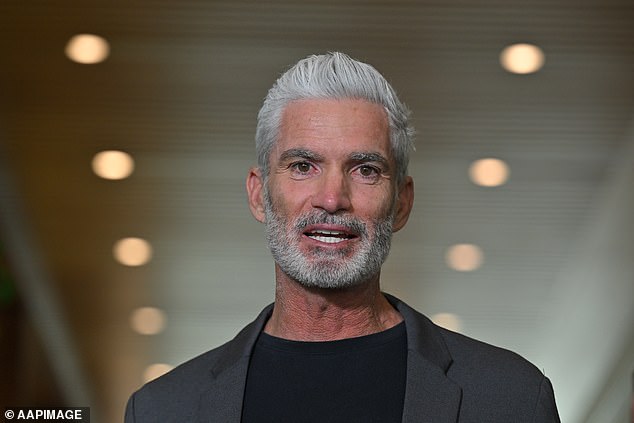
    Parents of children attending Sydney Grammar School have found a way around the institution’s ban on former Socceroos captain Craig Foster giving a lecture to students.

    Foster was scheduled to give a guest lecture to students at Sydney Grammar, but the $45,000-a-year institution decided to can the football great turned human rights activist.

    Exactly why he was cancelled isn’t clear, but there is speculation the move was prompted by Foster’s strident criticism of Israel and his recent snubbing of an invitation to meet King Charles.

    ‘We are very mindful that our Ithaka Lecture series must also acknowledge and be respectful of the impact it may have on the wellbeing of members of our community,’ said headmaster Richard Malpass in an email to parents.

    ‘We believe it is not in the best interests of our community at this time for the lecture scheduled for 23 October to proceed.’

    But it seems Grammar students will get to hear from Foster after parents organised a room at the State Library for the lecture. 

    ‘In light of the cancellation of last week’s Sydney Grammar lecture, which was full, parents of the boys, particularly mothers, asked if I would still take the time to speak to their sons,’ Foster announced on social media.

    The event has proved very popular, with organisers having to double the capacity of the space and now offering a live-stream option to those who can’t attend in person.

    Craig Foster was recently blocked from giving a lecture to Sydney Grammar School students

    Craig Foster was recently blocked from giving a lecture to Sydney Grammar School students

    Parents of students from Sydney Grammar (pictured) organised another venue for Foster to give his talk to their sons

    Parents of students from Sydney Grammar (pictured) organised another venue for Foster to give his talk to their sons

    Foster made headlines in May when he stepped down as co-chair of the ARM along with Aussie Olympics great Nova Peris.

    Ms Peris said her decision to step down was due to her belief Mr Foster’s decision to write to Football Australia, the International Federation of Association Football and the West Asian Football Federation asking them asking them to suspend Israel from an upcoming FIFA conference ‘had created division’.

    The former Socceroos star published his letter online, which explained that the International Court of Justice had deemed Israel’s actions as ‘plausible genocide’.

    ‘Every member of the football community and your governing body, Football Australia has a duty of care to do everything possible to stop genocide wherever, and whenever it occurs,’ he said.

    But Ms Peris said his comments had created division within not only ARM but also across the country.

    Foster has made headlines for his strident criticism of Israel and his recent snubbing of an invitation to meet King Charles III

    Foster has made headlines for his strident criticism of Israel and his recent snubbing of an invitation to meet King Charles III

    Forster also made waves earlier in October for the way he turned down an opportunity to meet King Charles and Queen Camilla on their tour of Australia.

    The former co-chair of the Australian Republican Movement recently received an invite from NSW Premier Chris Minns and his wife Anna to attend a function where he would be ‘in the presence of’ the royal couple, who begin their journey down under on October 18.

    Foster took to X to reply: ‘Thanks Anna and @ChrisMinnsMP. But, no thanks. I look forward to being ‘in the presence of’ our first Aussie Head of State. When we put our big pants on, as a country.’

    Source link

  • Parents of Massachusetts high schooler disciplined for using AI sue school

    Parents of Massachusetts high schooler disciplined for using AI sue school

    BOSTON — The parents of a high school senior in Massachusetts argued in federal court in Boston on Tuesday that their son was unfairly punished for using artificial intelligence while researching a history project, harming his prospects for acceptance to an elite college.

    Lawyers for the couple said the lawsuit points to larger unaddressed questions about the role of AI in schools. A federal judge did not immediately issue a ruling Tuesday. The parents initially filed the case in state court, but it was bumped up to federal court by the defendants, according to a lawyer for the parents.

    In one of his honors courses, Dale and Jennifer Harris said their son was paired with another student and chose to write a paper about basketball player Kareem Abdul-Jabbar as part of an assignment about a famous person also known for their civil rights activities.

    At the time, the student’s teacher, Susan Petrie, did not prohibit the use of AI for preparation and research for the project, according to the lawsuit.

    Despite that, when Petrie discovered the students’ use of AI as part of their research, the Harrises said their son was given a low grade and required to attend a Saturday detention session, which kept him out of the National Honor Society and harmed his college prospects.

    The chair of the Hingham School Committee, Nancy Correnti, which was also named in the lawsuit, said in an email that “out of respect for the student’s privacy and due to the ongoing legal proceedings, we are unable to provide any public comment on this matter at this time.”

    A lawyer representing Petrie did not immediately return an email seeking comment.

    “The case is now with the court,” Peter Farrell, a lawyer representing the parents said after the hearing. “We are going to let the court process play out.”

    In a court filing, school officials defended their actions, saying the lawsuit isn’t about more serious disciplinary actions, like expulsion or even suspension.

    He “received relatively lenient and measured discipline for a serious infraction, unauthorized use of Artificial Intelligence on a project and, equally important, failing to cite to his use of AI. In short, he cheated himself and other students, and he plagiarized,” the defendants said in the filing.

    Petrie discovered the use of AI as she conducted spot checks on the students’ work, relying in part on a website designed to help flag copy generated by AI, which she found in some of the endnotes, according to the lawsuit.

    The paper was never completed after the teacher discovered its use of AI. The high schooler received a zero and was allowed to start again. He was given a D on the second effort.

    The lawsuit, which says the use of AI was not specifically prohibited by the school, is asking that the student’s grade in Social Studies be restored to a B. It also asks the court to expunge any transcript of discipline.

    The suit alleges that the actions of the teacher “violated their minor son’s civil rights, right to equal education opportunity by denying him procedural and substantive due process.” The colleges the student was interested in attending, including Stanford University, don’t consider applicants with histories of disciplinary infractions, according to the lawsuit.

    The lawsuit also argued that the school’s student handbook did not include policies related to AI.

    The suit asks the court to block the defendants from referring to the use of artificial intelligence as cheating. It also asks the court to order school officials from continuing to bar the student from being inducted into the National Honor Society.

    Farrell said content generated by AI isn’t the product of another human and can’t be classified as plagiarism.

    “Instead, it represents an evolving collaboration between human creativity and machine assistance, a relationship that society must grapple with as AI continues to integrate into educational environments,” he said in a statement.

    “There is currently much debate surrounding the proper role of AI in public schools, and unfortunately, this student has been caught in the middle of this transition,” Farrell added.

    Source link