hacklink hack forum hacklink film izle hacklink marsbahisizmir escortsahabetpornJojobetcasibompadişahbetjojobet

Tag: Parkinsons

  • How lifestyle habits could prevent Parkinson’s disease

    As our population has aged over the last several decades, it has been accompanied by a marked increase in Parkinson’s disease (PD). The amount of increase is, however, so astounding that we have to wonder what else may be going on. While an aging population certainly can account for this increase, are there other factors playing into what has really become an epidemic? 

    According to a paper published in 2018 by E. Ray Dorsey and his colleagues, “neurological disorders are now the leading source of disability globally, and the fastest growing neurological disorder in the world is Parkinson’s disease. From 1990 to 2015, the number of people with Parkinson’s disease doubled to over 6 million.” They also state that this number is projected to double again to more than 12 million by 2040.

    Although there is no known way to reverse PD, we now know it is preventable in many cases. Because of the increasing prevalence of the disease, there is now a great deal of focus on why this is happening. That being said, there was a landmark study released this past April that gives us tremendous insight into what may be the underlying cause of the disease and, in turn, gives us a good look into how to prevent it. Another study from Harvard, also released this year, came to a similar conclusion.

    Let’s look at the Harvard study first. Published in the American Journal of Clinical Nutrition it states, “Dietary patterns with a high intake of fruit, vegetables, legumes, whole grains, nuts, fish, and poultry and a low intake of saturated fat and a moderate intake of alcohol may protect against PD. Benefits of a plant-based dietary pattern including fish to PD merit further investigation.” That said, it is the other study which I find even more fascinating and gives us a good reason for optimism, both on the prevention front and also on slowing down the progression of the disease and potentially reducing the severity of symptoms.

    This second study, related to microbiome health and its effect on PD, appeared in the medical journal Nature. First, a word about our microbiome. As Harvard Health describes it, picture a bustling city on a weekday morning, the sidewalks flooded with people rushing to get to work or to appointments. They are all walking in different directions and no one looks exactly like the other person. 

    Fruits and vegetables (credit: INGIMAGE)

    Microbiomes in our bodies

    Now imagine this at a microscopic level and you have an idea of what the microbiome looks like inside our bodies, consisting of trillions of microorganisms of thousands of different species. These are made up of bacteria, fungi, parasites, and viruses. In a healthy person, these “bugs” coexist peacefully, with the largest numbers found in the small and large intestines but also throughout the body. The microbiome is even labeled a supporting organ because it plays so many key roles in promoting the smooth daily operations of the human body. It has an influence on virtually every area of health.

    RESEARCH OVER that last two decades has shown us just how pronounced this influence is. Without spending time on the exact mechanisms on how the microbiome works, it is important to know that the gut microbiome has great influence on all systems in our body and in particular, our brains. (This is a result of what is known as the gut-brain axis.) Barely a week goes by these days without research disclosing just how influential our gut microbiome is on our brain health. For example, after decades of thinking that most of our neural connectors and brain specific hormones were made in the brain, we now know that most of them come from the gut and work their way up to the brain through the vagus nerve and other means. 

    Two things to keep in mind for the purpose of disease prevention and possible reversal: 1) You can change the makeup of your microbiome through your lifestyle habits and 2) the influence of your gut health on the brain is indeed pronounced.

    Looking at the study in Nature, we see that in PD patients, there is a lot of dysbiosis in the gut. In simple terms, there are too many types of inflammatory microbes and not enough anti-inflammatory microbes. This imbalance is often the catalyst for disease. With this connection firmly established, and knowing that we can control our gut health with good lifestyle habits, we can reduce the likelihood of disease in general and certainly PD.

    ALL OF this information is supported by yet another study, published in Movement Disorders. This medical journal concludes that higher adherence to a healthy plant-based diet is linked with significantly lower risks of Parkinson’s disease. The study also investigated the impact of unhealthy plant-based eating patterns, finding that diets with more refined grains and sugar-sweetened beverages increased risk of the disease.


    Stay updated with the latest news!

    Subscribe to The Jerusalem Post Newsletter


    Interviewed by the organization Forks over Knives, study author Aedin Cassidy, PhD, stated that, “We showed, for the first time, that eating a dietary pattern high in healthy plant-based foods reduced the risk of developing Parkinson’s disease by 22 percent.” Simple changes to the diet, including increasing the intake of fruits, vegetables, nuts, and tea, may reduce the risk of developing Parkinson’s. To date, there is no cure for PD, so strategies for prevention and reducing risk are especially important.

    But there is more to it than diet. Exercise seems to be a key component in both prevention and in greatly slowing the progression of the disease. The Parkinson’s Outcomes Project shows that people with PD who start exercising earlier in their disease for a minimum of 2.5 hours per week experience a slower decline in quality of life compared to those who start later – and more might be better. Establishing early exercise habits is essential to overall disease management. Exercise is also microbiome friendly, so it seems that by putting a plant predominant diet and exercise together, the odds of not getting PD should greatly improve.

    We now know with some certainly that Parkinson’s disease is somewhat preventable and that its symptoms can be managed well with a combination of intense exercise along with a diet high in a variety of plants and low in saturated fats. This combination has been working well to prevent and reverse many diseases; let’s hope that these initial findings regarding PD will give us another area in health where you can “add hours to your days, days to your years, and years to your lives.”

    The writer is a member of the International Council of the True Health Initiative and on the board of Kosher Plant Based. He is a certified plant-based nutritionist and personal trainer experienced in wellness coaching: www.alanfitness.com



    Source link

  • How lifestyle habits could prevent Parkinson’s disease

    As our population has aged over the last several decades, it has been accompanied by a marked increase in Parkinson’s disease (PD). The amount of increase is, however, so astounding that we have to wonder what else may be going on. While an aging population certainly can account for this increase, are there other factors playing into what has really become an epidemic? 

    According to a paper published in 2018 by E. Ray Dorsey and his colleagues, “neurological disorders are now the leading source of disability globally, and the fastest growing neurological disorder in the world is Parkinson’s disease. From 1990 to 2015, the number of people with Parkinson’s disease doubled to over 6 million.” They also state that this number is projected to double again to more than 12 million by 2040.

    Although there is no known way to reverse PD, we now know it is preventable in many cases. Because of the increasing prevalence of the disease, there is now a great deal of focus on why this is happening. That being said, there was a landmark study released this past April that gives us tremendous insight into what may be the underlying cause of the disease and, in turn, gives us a good look into how to prevent it. Another study from Harvard, also released this year, came to a similar conclusion.

    Let’s look at the Harvard study first. Published in the American Journal of Clinical Nutrition it states, “Dietary patterns with a high intake of fruit, vegetables, legumes, whole grains, nuts, fish, and poultry and a low intake of saturated fat and a moderate intake of alcohol may protect against PD. Benefits of a plant-based dietary pattern including fish to PD merit further investigation.” That said, it is the other study which I find even more fascinating and gives us a good reason for optimism, both on the prevention front and also on slowing down the progression of the disease and potentially reducing the severity of symptoms.

    This second study, related to microbiome health and its effect on PD, appeared in the medical journal Nature. First, a word about our microbiome. As Harvard Health describes it, picture a bustling city on a weekday morning, the sidewalks flooded with people rushing to get to work or to appointments. They are all walking in different directions and no one looks exactly like the other person. 

    Fruits and vegetables (credit: INGIMAGE)

    Microbiomes in our bodies

    Now imagine this at a microscopic level and you have an idea of what the microbiome looks like inside our bodies, consisting of trillions of microorganisms of thousands of different species. These are made up of bacteria, fungi, parasites, and viruses. In a healthy person, these “bugs” coexist peacefully, with the largest numbers found in the small and large intestines but also throughout the body. The microbiome is even labeled a supporting organ because it plays so many key roles in promoting the smooth daily operations of the human body. It has an influence on virtually every area of health.

    RESEARCH OVER that last two decades has shown us just how pronounced this influence is. Without spending time on the exact mechanisms on how the microbiome works, it is important to know that the gut microbiome has great influence on all systems in our body and in particular, our brains. (This is a result of what is known as the gut-brain axis.) Barely a week goes by these days without research disclosing just how influential our gut microbiome is on our brain health. For example, after decades of thinking that most of our neural connectors and brain specific hormones were made in the brain, we now know that most of them come from the gut and work their way up to the brain through the vagus nerve and other means. 

    Two things to keep in mind for the purpose of disease prevention and possible reversal: 1) You can change the makeup of your microbiome through your lifestyle habits and 2) the influence of your gut health on the brain is indeed pronounced.

    Looking at the study in Nature, we see that in PD patients, there is a lot of dysbiosis in the gut. In simple terms, there are too many types of inflammatory microbes and not enough anti-inflammatory microbes. This imbalance is often the catalyst for disease. With this connection firmly established, and knowing that we can control our gut health with good lifestyle habits, we can reduce the likelihood of disease in general and certainly PD.

    ALL OF this information is supported by yet another study, published in Movement Disorders. This medical journal concludes that higher adherence to a healthy plant-based diet is linked with significantly lower risks of Parkinson’s disease. The study also investigated the impact of unhealthy plant-based eating patterns, finding that diets with more refined grains and sugar-sweetened beverages increased risk of the disease.


    Stay updated with the latest news!

    Subscribe to The Jerusalem Post Newsletter


    Interviewed by the organization Forks over Knives, study author Aedin Cassidy, PhD, stated that, “We showed, for the first time, that eating a dietary pattern high in healthy plant-based foods reduced the risk of developing Parkinson’s disease by 22 percent.” Simple changes to the diet, including increasing the intake of fruits, vegetables, nuts, and tea, may reduce the risk of developing Parkinson’s. To date, there is no cure for PD, so strategies for prevention and reducing risk are especially important.

    But there is more to it than diet. Exercise seems to be a key component in both prevention and in greatly slowing the progression of the disease. The Parkinson’s Outcomes Project shows that people with PD who start exercising earlier in their disease for a minimum of 2.5 hours per week experience a slower decline in quality of life compared to those who start later – and more might be better. Establishing early exercise habits is essential to overall disease management. Exercise is also microbiome friendly, so it seems that by putting a plant predominant diet and exercise together, the odds of not getting PD should greatly improve.

    We now know with some certainly that Parkinson’s disease is somewhat preventable and that its symptoms can be managed well with a combination of intense exercise along with a diet high in a variety of plants and low in saturated fats. This combination has been working well to prevent and reverse many diseases; let’s hope that these initial findings regarding PD will give us another area in health where you can “add hours to your days, days to your years, and years to your lives.”

    The writer is a member of the International Council of the True Health Initiative and on the board of Kosher Plant Based. He is a certified plant-based nutritionist and personal trainer experienced in wellness coaching: www.alanfitness.com


    Source link

  • Brett Favre Parkinson’s diagnosis renews questions about football and brain disease

    Brett Favre Parkinson’s diagnosis renews questions about football and brain disease

    The Summary

    • Brett Favre revealed on Tuesday that he has Parkinson’s disease.
    • Early research has established a likely link between contact sports like football and Parkinson’s, as well as other neurodegenerative diseases.
    • One study found that a history of playing football was associated with 61% higher odds of having Parkinson’s symptoms or the disease.

    Hall of Fame quarterback Brett Favre’s announcement that he has Parkinson’s disease is bringing renewed attention to the potential links between collision sports and a risk of brain disease.

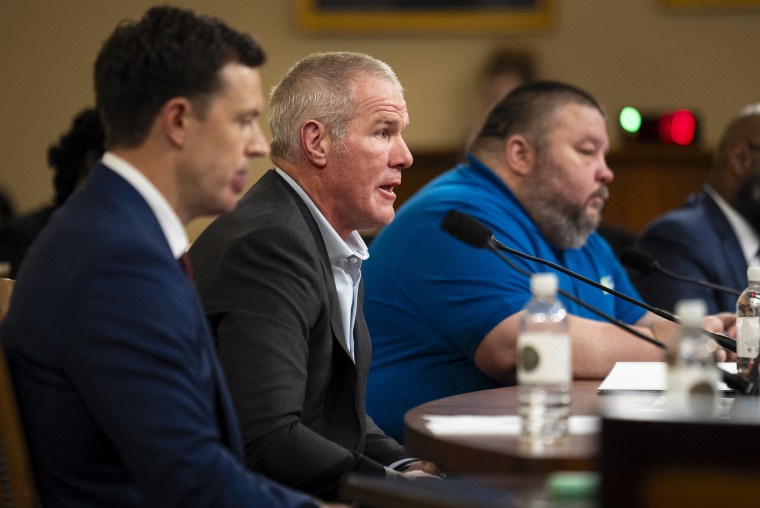
    Favre revealed his diagnosis on Tuesday while testifying before Congress about his alleged misuse of taxpayer money. The hearing focused on a welfare scandal in Mississippi, but the subject of Favre’s health arose because he discussed losing an investment in a company that he believed was making a “breakthrough concussion drug.”

    “I’m sure you’ll understand why it’s too late for me because I’ve recently been diagnosed with Parkinson’s,” Favre said. 

    Former NFL quarterback Brett Favre testifies on Capitol Hill  on Tuesday.
    Former NFL quarterback Brett Favre testifies on Capitol Hill on Tuesday. Angelina Katsanis / POLITICO via AP

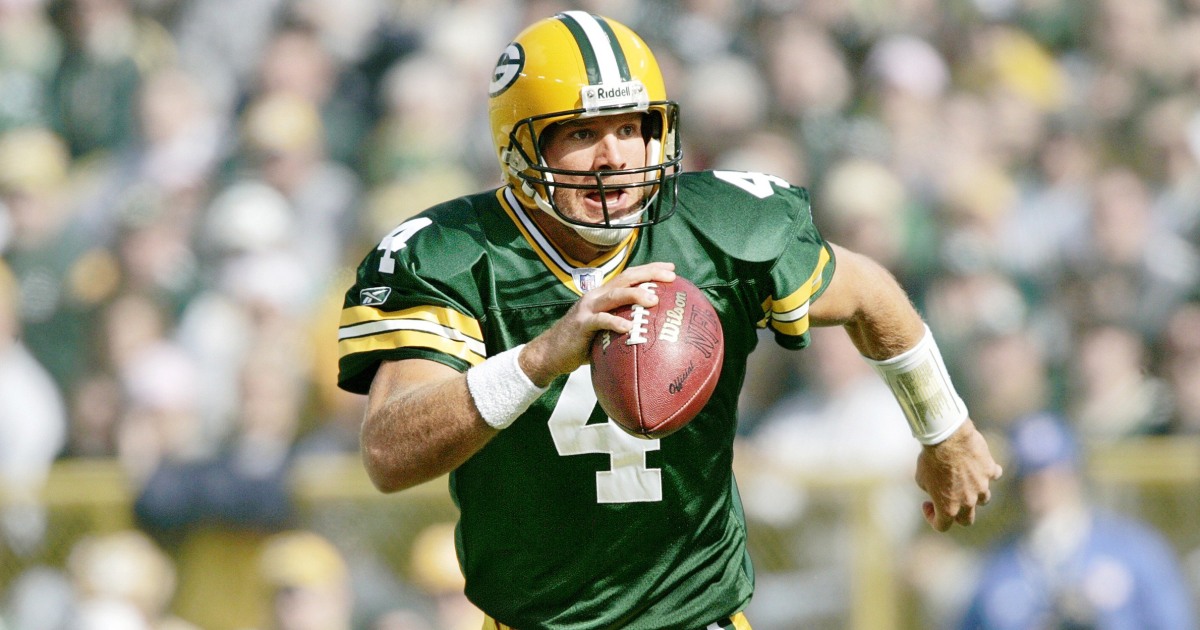
    Favre played 20 seasons in the National Football League, mostly for the Green Bay Packers, and retired 13 years ago. In a 2022 interview with “The Bubba Army” radio show, he estimated that he had suffered thousands of concussions. 

    “Every time my head hit the turf, there was ringing or stars going, flash bulbs, but I was still able to play,” he said in that interview. “That’s what’s kind of frightening about the concussion thing. It’s the ones that seem minor that do the damage.”

    Sports that involve repetitive collisions — such as football, boxing and rugby — carry a risk of concussions and other head injuries. 

    “We know that the brain can only take so much, and when there’s this kind of trauma — not even just sports-related, but any kind of repeated trauma to the brain — we know it’s going to affect it down the line,” said Shannon Shaffer, a nurse practitioner at the Cleveland Clinic and liaison at Rune Labs, a neurology-focused software and data analytics company.

    Early research has established a likely link between these activities and Parkinson’s, as well as other neurodegenerative diseases like Alzheimer’s, amyotrophic lateral sclerosis (ALS) and chronic traumatic encephalopathy (CTE). Multiple studies have found that a single concussion can raise a person’s risk of being diagnosed with Parkinson’s by more than 55%. 

    The NFL did not immediately respond to a request for comment about Favre’s diagnosis and the link between football and neurodegenerative disease. 

    Last year, a study found that a history of playing football was associated with 61% higher odds of having Parkinson’s symptoms or being diagnosed with the disease. A 2018 study similarly found that repetitive head impacts from years of playing contact sports were associated with precursors to Parkinson’s. 

    Hannah Bruce, an author of the 2023 study, said it can be difficult to determine what role, if any, football played in a case like Favre’s.

    “It’s hard to say whether it’s exactly because of the football or if it just increased his risk or odds of developing Parkinson’s disease, or if there’s other factors at play,” said Bruce, who conducted the research at the Boston University Alzheimer’s Disease Research Center. “But we’re seeing more football players come forward. It definitely says something.”

    Neurologists who treated boxing legend Muhammad Ali concluded in 2022 that his medical history supported a diagnosis of young-onset Parkinson’s disease, but they could not link the disease to head trauma. Ali died in 2016.

    Parkinson’s is a neurodegenerative disease that causes nerve cells in the brain to weaken and die. It can lead to tremors, muscle stiffness, impaired balance and trouble walking and talking. To reduce the symptoms, patients often take prescription medications or receive deep brain stimulation, which sends electrical pulses to nerve cells in the brain.

    Repeated trauma to the brain is known to be a potential trigger for the disease, since it can cause inflammation that leads to the death of more nerve cells over time. But it’s one of many risk factors, including older age, an underlying genetic susceptibility and exposure to certain pesticides.

    Dr. Kevin Crutchfield, a neurologist at Hackensack Meridian Health, said doctors typically rule out other factors before linking Parkinson’s to football injuries. 

    “The default isn’t, ‘Oh, you played football, you got Parkinson’s,’” he said.

    Crutchfield added that tens of thousands of men have played in the NFL and, to date, there’s no tidal wave of Parkinson’s diagnoses among them. But the disease isn’t always easy to diagnose, and symptoms do not necessarily develop soon after a head injury.

    Thor Stein, director of molecular research at Boston University’s CTE Center and a co-author of the 2023 study, said that in some cases, CTE can be a trigger for Parkinson’s. Many former football players have been found to show signs of the brain disease, which can only be diagnosed post-mortem.

    “The more you get these repetitive hits to the head, the longer you are exposed to that, the greater your risk is for developing a number of different degenerative diseases, including both CTE and Parkinson’s disease,” Stein said. “And more recently, surprisingly, we found that in those people who do develop these symptoms that it’s often not the typical pathology, but often it’s CTE that’s causing their Parkinson’s disease symptoms.”

    In a July study of brain donors with diagnosed CTE, Stein and his coauthors found that nearly a quarter had exhibited signs of parkinsonism.

    Favre said in an interview with TODAY in 2021 that he wasn’t sure whether he had CTE.

    Crutchfield said it’s important for players to take breaks after a head trauma to avoid more serious brain injuries. 

    “The brain is much more susceptible to recurrent hits if your brain hasn’t had enough time to heal,” he said. “So athletes hiding a concussion because they want to keep playing is not a good thing.”

    Source link

  • Brett Favre’s Health: Updates After His Parkinson’s Diagnosis

    Brett Favre’s Health: Updates After His Parkinson’s Diagnosis

    Former Green Bay Packers quarterback Brett Favre announced in September 2024 that he had “recently” been diagnosed with Parkinson’s disease. While the NFL Hall of Famer did not reveal much about his condition, his announcement led many people to wonder what his diagnosis meant for his overall health outlook.

    Brett Favre Reveals He Was Diagnosed With Parkinson’s Disease

    Though Brett did not make a formal announcement about his Parkinson’s diagnosis, he revealed the health update while testifying before Congress and the House Ways and Means Committee on September 24, 2024. The admission came as the NFL alum addressed welfare accountability in his home state of Mississippi, including his controversial alleged misuse of taxpayer funds. Brett was accused of falsely allocating money to the now defunct drug company Prevacus, in which he was an investor.

    “Sadly, I also lost an investment in a company that I believed was developing a breakthrough concussion drug I thought would help others, and I’m sure you’ll understand why it’s too late for me because I’ve recently been diagnosed with Parkinson’s,” Brett said.

    The former pro footballer was also accused of receiving millions of dollars from an assistance fund for needy families to help build a volleyball stadium at the University of Southern Mississippi. Brett has denied the allegations against him, claiming that he was not aware the funds were meant for welfare recipients.

    What Is Parkinson’s Disease?

    Parkinson’s is “a neurodegenerative disorder that affects predominately the dopamine-producing neurons in a specific area of the brain called substantia nigra,” according to the Parkinson’s Foundation. The cause of Parkinson’s is still unknown, but scientists believe “a combination of genetic and environmental factors” can lead to the development of the disease.

    Symptoms of Parkinson’s include tremors, slowness and paucity of movement, stiff limbs and balance problems. There can also be several non-motor symptoms, such as “depression, anxiety, apathy, hallucinations, constipation, orthostatic hypotension, sleep disorders, loss of sense of smell, and a variety of cognitive impairments,” the foundation noted.

    Brett Favre Diagnosed With Parkinson's: Health Updates
    Joe Robbins/Getty Images

    There is currently no cure for Parkinson’s disease. However, treatment options are available, including medications, lifestyle changes and surgery. Parkinson’s itself is also not fatal, but complications from the disease can be serious and lead to death in some cases.

    “It is possible to have a good to great quality of life with PD,” the foundation stated. “Working with your doctor and following recommended therapies are essential in successfully treating symptoms by using dopaminergic medications. People with PD need this medication because they have low levels or are missing dopamine in the brain, mainly due to impairment of neurons in the substantia nigra.”

    Brett Favre Experienced Multiple Concussions During His NFL Career

    Brett has previously opened up about the injuries he sustained during his 20-season career in the NFL, including “three or four” concussions.

    “(There’s) no telling how many concussions I’ve had, and what are the repercussions of that, there’s no answer,” he told Today.com in 2021. “I wasn’t the best student, but I still can remember certain things that you would go, ‘Why would you even remember that?’ But I can’t remember someone that I played six years with in Green Bay … but the face looks familiar. Those type of issues that make me wonder.”

    Brett’s multiple head injuries made him wonder if he had developed CTE, or chronic traumatic encephalopathy, which is a progressive brain disorder that can only be detected via a postmortem brain tissue analysis.

    “I don’t know what normal feels like. Do I have CTE? I really don’t know,” he added. “Concussions are a very, very serious thing and we’re just scraping the surface of how severe they are.”

    Source link