hacklink hack forum hacklink film izle hacklink marsbahisizmir escortsahabetpornJojobetcasibompadişahbet

Tag: PlantBased

  • Study Finds A Potential Link Between Plant-Based Meat And Depression In Vegetarians

    Study Finds A Potential Link Between Plant-Based Meat And Depression In Vegetarians

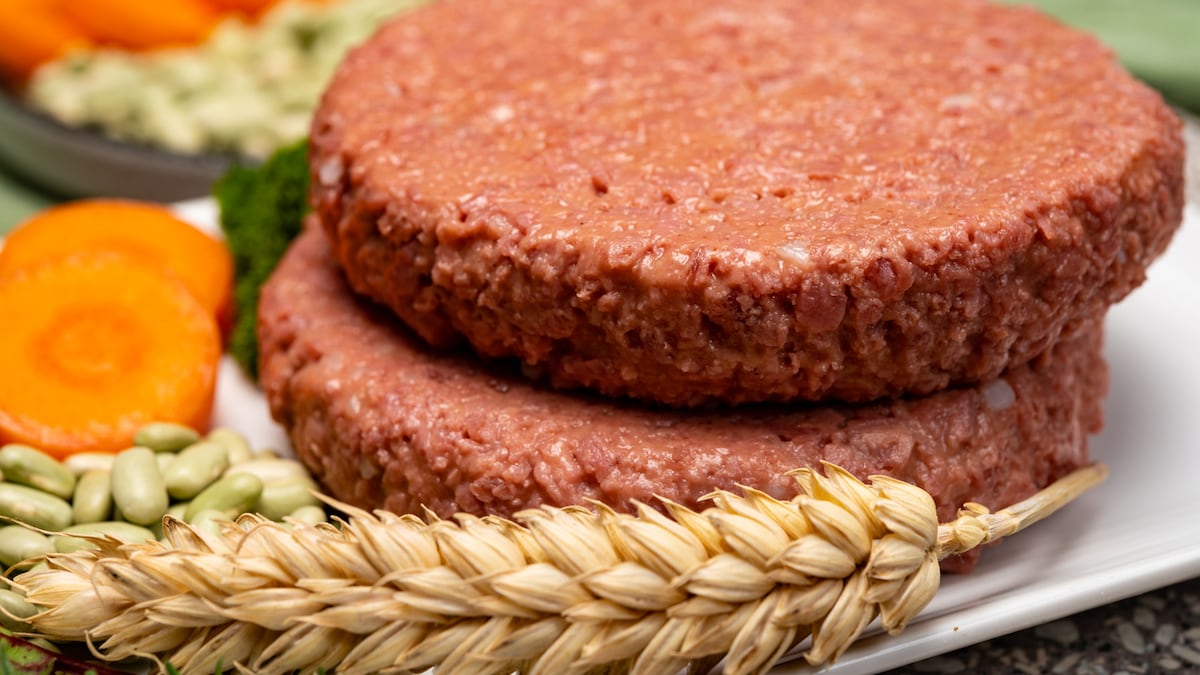
    Vegetarians consuming plant-based alternatives to meat — suggested as one of the means to lower the environmental impact of meat consumption — could have a 42 per cent increased risk of depression compared to vegetarians who refrain from them, according to a study. Published in the journal Food Frontiers, the study also found higher blood pressure and inflammation levels, along with lower levels of ‘good’ cholesterol (HDL), in vegetarians who ate plant-based meat alternatives.
    Researchers at the University of Surrey, UK, analysed data from over 3,300 vegetarians in the UK Biobank-about half were consumers of plant-based meat alternatives, and half were non-consumers. Made using plant-based proteins such as soy, plant-based meat alternatives (PBMA) are considered a potential solution for sustainability, as fewer natural resources such as water, land and energy are required to produce them compared to animal meat.
    However, these meat alternatives are also considered ‘ultra-processed foods,’ as chemicals are often added to make them taste like meat.The researchers noted that while consuming plant-based meat alternatives was not linked with clear health benefits, more studies are needed to investigate concerns related to inflammation, which may arise from eating these products.
    “In conclusion, while no clear health risks or benefits were associated with PBMA consumption in vegetarians, the higher risk of depression, elevated CRP (C-reactive proteins), and lower apolipoprotein A levels (HDL cholesterol) in consumers of PBMA suggest potential inflammatory concerns that warrant further investigation,” the authors wrote.
    Co-author Anthony Whetton, a professor of translational biosystems at the University of Surrey, said, “Ultra-processed plant-based meat alternatives can be a useful way for people to transition to a vegetarian diet effectively, which helps with sustainable agricultural practices.” “Further research, including longitudinal studies and trials with more diverse populations, is necessary to confirm these findings and the relationship between vegetarian foods and mood,” Whetton added.
    In the study group, the researchers found no notable differences in the intake of sodium, free sugars, total sugars, or saturated fatty acids between vegetarians who ate plant-based meat alternatives and those who did not. The team also found that consuming plant-based meat alternatives was linked to a 40% lower risk of irritable bowel syndrome.
    “The overall findings are reassuring, suggesting that plant-based meat alternatives may be a safe option when they are part of an overall balanced diet. However, the potential link between these foods, inflammation, and depression warrants further investigation,” said senior author Nophar Geifman, a professor of health and biomedical informatics at the University of Surrey. 

    (Disclaimer: Except for the headline, this story has not been edited by NDTV staff and is published from a syndicated feed.)
    Source link

  • Live Your Best Life by Following a Plant-Based Lifestyle |

    Live Your Best Life by Following a Plant-Based Lifestyle |

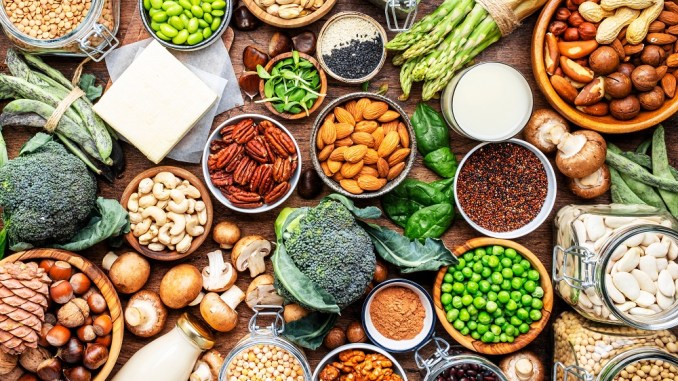
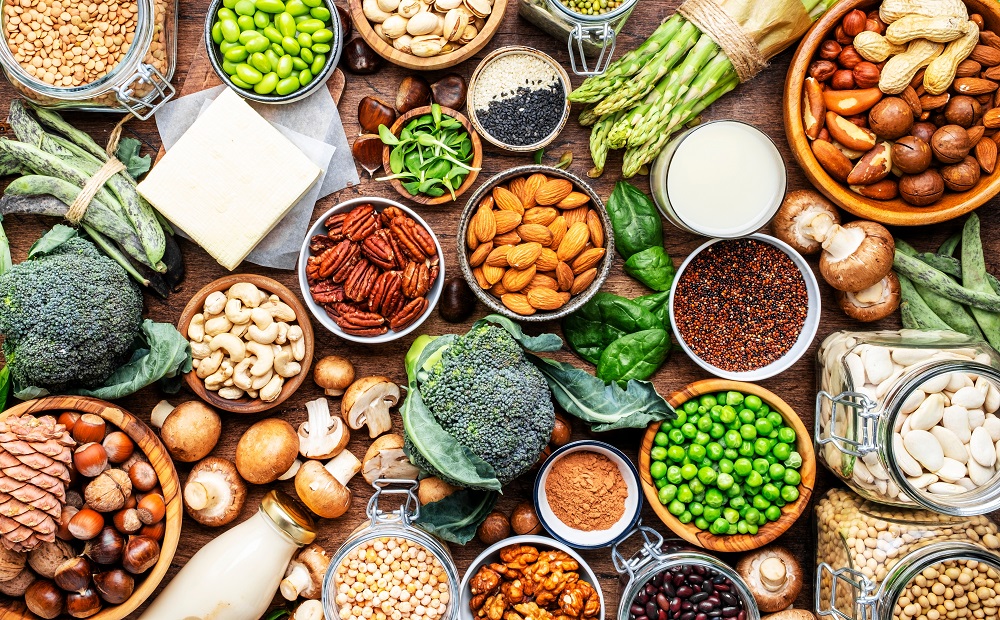
    Vegan,Protein,Food,Background.,Full,Set,Of,Plant,Based,Vegetarian

    For many Americans, the last four years especially have been a catalyst for positive lifestyle changes. Many are striving to lead healthier lives by consuming more wholesome and natural foods to benefit their overall health. They have also developed a new yearning to read labels and understand ingredients. On this path toward more conscious consumption, more individuals are contemplating adopting a plant-based lifestyle – the practice of consuming all or mostly plants. However, before jumping into a new diet, it’s important to understand the benefits of plant-based eating, your personal needs, and the diet options available to make an informed decision.

    Why is Plant-Based Eating Healthy?

    A diet centered around fruits, vegetables, and other plant-based foods can deliver nutrients that the body uses for energy while avoiding many of the drawbacks associated with eating meats. Eating whole fruits, vegetables, nuts, seeds, and grains is beneficial because they contain a plethora of nutrients that support healthy function across all bodily systems.

    The macronutrients (protein, fat, and carbohydrates) and micronutrients (vitamins and minerals) we see on nutrition labels may only scratch the surface of a food’s benefits. In addition to phytonutrients and numerous other compounds, many plant foods qualify
    as “superfoods.”

    Vitamins and minerals found in plants, as well as phytonutrients and antioxidants, can, depending on the nutrient, keep cells healthy, allowing the immune system to function optimally. Additionally, the fiber present in all unprocessed plant foods maintain regularity.

    Do You Have to Eat Only Plants to be Plant-Based?

    Generally speaking, “plant-based” refers to a lifestyle in which someone eats only or mostly plants.

    Another term floating around is “plant-forward”. A plant-forward diet emphasizes whole grains, fruits,
    vegetables, legumes, seeds, and nuts, but is not limited to those foods. Someone who says they’re plant-forward may be a vegetarian, vegan or flexitarian, but what does following these lifestyles entail?

    Vegetarian

    A vegetarian abstains from eating animal products including meat, poultry, or fish. In terms of ethics,
    vegetarians are opposed to killing animals for food, but generally consider it acceptable to consume animal by-products such as milk and eggs if the animals are kept in adequate conditions.

    Vegan

    Vegan and vegetarian diets both exclude meat and seafood. However, vegan diets go a step further by
    eliminating other food of animal origin. In addition to avoiding meat, vegans steer clear of dairy products, eggs, and honey. Furthermore, vegan foods never contain any byproducts of animal agriculture, such as lard, whey, or gelatin.

    According to studies, plant-based lifestyles are on the rise. In fact, approximately 1 percent of Americans consider themselves vegan, similar to 3 percent in 2018, while 4 percent are vegetarian. Additionally, almost half of Americans call themselves flexitarians.

    Flexitarian

    The flexitarian diet is essentially a flexible alternative to being a vegetarian. You’re still focusing on
    fruits, veggies, whole grains, legumes, and nuts, with the occasional inclusion of meat, poultry, fish, or eggs. When you do incorporate meat into your diet, choose organic, free-range, pasture-raised,
    or grass-fed beef, chicken, or turkey. And always choose leaner cuts
    to minimize extra animal fat.

    A flexitarian diet may be a great option for those who are just starting to experiment with a plant-based lifestyle. It’s a great way to maintain a healthy, balanced diet while helping to protect the environment by cutting down on energy and resources used to produce red meat.

    Simple Steps to Get Started with Plant-Based

    A plant-based diet is not a one size fits all way of eating. And while individuals’ motivations for adopting
    a plant-based diet vary, they are all looking to live their best lives. Here are some simple tips to seamlessly integrate more plants into your diet and start reaping the many benefits.

    1. Set yourself up for success. Don’t plunge into eating fully plant-based all at once. Your taste buds are adjusted to your current way of eating, making you crave those foods. Start with one plant-based meal per day, and slowly increase to three a day over one or two months.
    2. Keep it simple. You’d be surprised at the deliciousness of simplicity. There’s something about a bowl of piping hot oatmeal or a cool, fruit-filled smoothie that never gets old. Once you get the hang of it, you can try out challenging recipes, but don’t let it get in the way of your success.
    3. Don’t focus on the label. Focus on the food! This journey isn’t about being able to label yourself “plant-based” or “plant-forward.” It’s about filling your body with living foods that can transform your life. Start by heading straight to the source by hitting the farmers market and the produce aisle!
    4. Consider supplementing. When first navigating a plant-based lifestyle, it may be challenging to meet your daily nutrient requirements, which include macronutrients like protein and micronutrients like vitamins.
      Thus, it’s important to choose the right plant-based foods. For example, soy, quinoa, and nuts are good sources of protein, and tofu, lentils, and spinach are rich in iron, but sometimes it’s
      necessary to supplement. Plant-based certified products like those from the HERBALIFE® V line can help you hit your macro target. The new product line includes plant-based
      protein shakes in classic and chocolate flavors, formulated with 20 grams of protein (pea, pumpkin seed, and chia) and a Plant-based Immune Support* with Vitamins C and D, and Zinc to help balance and support daily immune health*. Other products in the Herbalife V line include Plantbased Digestive Support* and a Greens Booster.
    5. Focus on environmental health, too! Doing your part can create a deeper connection with your food and the natural world. Plus, a healthy environment helps us all stay healthy! Reducing food waste is a simple action that can have a great effect. In a 2021 study commissioned by Herbalife
      concerning plant-based diets, 40% of respondents said that their food choices are a result of wanting to be more environmentally friendly.

    Source link

  • Live Your Best Life by Following a Plant-Based Lifestyle |

    Live Your Best Life by Following a Plant-Based Lifestyle |

    Vegan,Protein,Food,Background.,Full,Set,Of,Plant,Based,Vegetarian

    For many Americans, the last four years especially have been a catalyst for positive lifestyle changes. Many are striving to lead healthier lives by consuming more wholesome and natural foods to benefit their overall health. They have also developed a new yearning to read labels and understand ingredients. On this path toward more conscious consumption, more individuals are contemplating adopting a plant-based lifestyle – the practice of consuming all or mostly plants. However, before jumping into a new diet, it’s important to understand the benefits of plant-based eating, your personal needs, and the diet options available to make an informed decision.

    Why is Plant-Based Eating Healthy?

    A diet centered around fruits, vegetables, and other plant-based foods can deliver nutrients that the body uses for energy while avoiding many of the drawbacks associated with eating meats. Eating whole fruits, vegetables, nuts, seeds, and grains is beneficial because they contain a plethora of nutrients that support healthy function across all bodily systems.

    The macronutrients (protein, fat, and carbohydrates) and micronutrients (vitamins and minerals) we see on nutrition labels may only scratch the surface of a food’s benefits. In addition to phytonutrients and numerous other compounds, many plant foods qualify
    as “superfoods.”

    Vitamins and minerals found in plants, as well as phytonutrients and antioxidants, can, depending on the nutrient, keep cells healthy, allowing the immune system to function optimally. Additionally, the fiber present in all unprocessed plant foods maintain regularity.

    Do You Have to Eat Only Plants to be Plant-Based?

    Generally speaking, “plant-based” refers to a lifestyle in which someone eats only or mostly plants.

    Another term floating around is “plant-forward”. A plant-forward diet emphasizes whole grains, fruits,
    vegetables, legumes, seeds, and nuts, but is not limited to those foods. Someone who says they’re plant-forward may be a vegetarian, vegan or flexitarian, but what does following these lifestyles entail?

    Vegetarian

    A vegetarian abstains from eating animal products including meat, poultry, or fish. In terms of ethics,
    vegetarians are opposed to killing animals for food, but generally consider it acceptable to consume animal by-products such as milk and eggs if the animals are kept in adequate conditions.

    Vegan

    Vegan and vegetarian diets both exclude meat and seafood. However, vegan diets go a step further by
    eliminating other food of animal origin. In addition to avoiding meat, vegans steer clear of dairy products, eggs, and honey. Furthermore, vegan foods never contain any byproducts of animal agriculture, such as lard, whey, or gelatin.

    According to studies, plant-based lifestyles are on the rise. In fact, approximately 1 percent of Americans consider themselves vegan, similar to 3 percent in 2018, while 4 percent are vegetarian. Additionally, almost half of Americans call themselves flexitarians.

    Flexitarian

    The flexitarian diet is essentially a flexible alternative to being a vegetarian. You’re still focusing on
    fruits, veggies, whole grains, legumes, and nuts, with the occasional inclusion of meat, poultry, fish, or eggs. When you do incorporate meat into your diet, choose organic, free-range, pasture-raised,
    or grass-fed beef, chicken, or turkey. And always choose leaner cuts
    to minimize extra animal fat.

    A flexitarian diet may be a great option for those who are just starting to experiment with a plant-based lifestyle. It’s a great way to maintain a healthy, balanced diet while helping to protect the environment by cutting down on energy and resources used to produce red meat.

    Simple Steps to Get Started with Plant-Based

    A plant-based diet is not a one size fits all way of eating. And while individuals’ motivations for adopting
    a plant-based diet vary, they are all looking to live their best lives. Here are some simple tips to seamlessly integrate more plants into your diet and start reaping the many benefits.

    1. Set yourself up for success. Don’t plunge into eating fully plant-based all at once. Your taste buds are adjusted to your current way of eating, making you crave those foods. Start with one plant-based meal per day, and slowly increase to three a day over one or two months.
    2. Keep it simple. You’d be surprised at the deliciousness of simplicity. There’s something about a bowl of piping hot oatmeal or a cool, fruit-filled smoothie that never gets old. Once you get the hang of it, you can try out challenging recipes, but don’t let it get in the way of your success.
    3. Don’t focus on the label. Focus on the food! This journey isn’t about being able to label yourself “plant-based” or “plant-forward.” It’s about filling your body with living foods that can transform your life. Start by heading straight to the source by hitting the farmers market and the produce aisle!
    4. Consider supplementing. When first navigating a plant-based lifestyle, it may be challenging to meet your daily nutrient requirements, which include macronutrients like protein and micronutrients like vitamins.
      Thus, it’s important to choose the right plant-based foods. For example, soy, quinoa, and nuts are good sources of protein, and tofu, lentils, and spinach are rich in iron, but sometimes it’s
      necessary to supplement. Plant-based certified products like those from the HERBALIFE® V line can help you hit your macro target. The new product line includes plant-based
      protein shakes in classic and chocolate flavors, formulated with 20 grams of protein (pea, pumpkin seed, and chia) and a Plant-based Immune Support* with Vitamins C and D, and Zinc to help balance and support daily immune health*. Other products in the Herbalife V line include Plantbased Digestive Support* and a Greens Booster.
    5. Focus on environmental health, too! Doing your part can create a deeper connection with your food and the natural world. Plus, a healthy environment helps us all stay healthy! Reducing food waste is a simple action that can have a great effect. In a 2021 study commissioned by Herbalife
      concerning plant-based diets, 40% of respondents said that their food choices are a result of wanting to be more environmentally friendly.

    Source link

  • World Vegan Day 2024: Delicious Breakfast, Lunch, and Dinner Ideas To Go All-In On Plant-Based

    World Vegan Day 2024: Delicious Breakfast, Lunch, and Dinner Ideas To Go All-In On Plant-Based

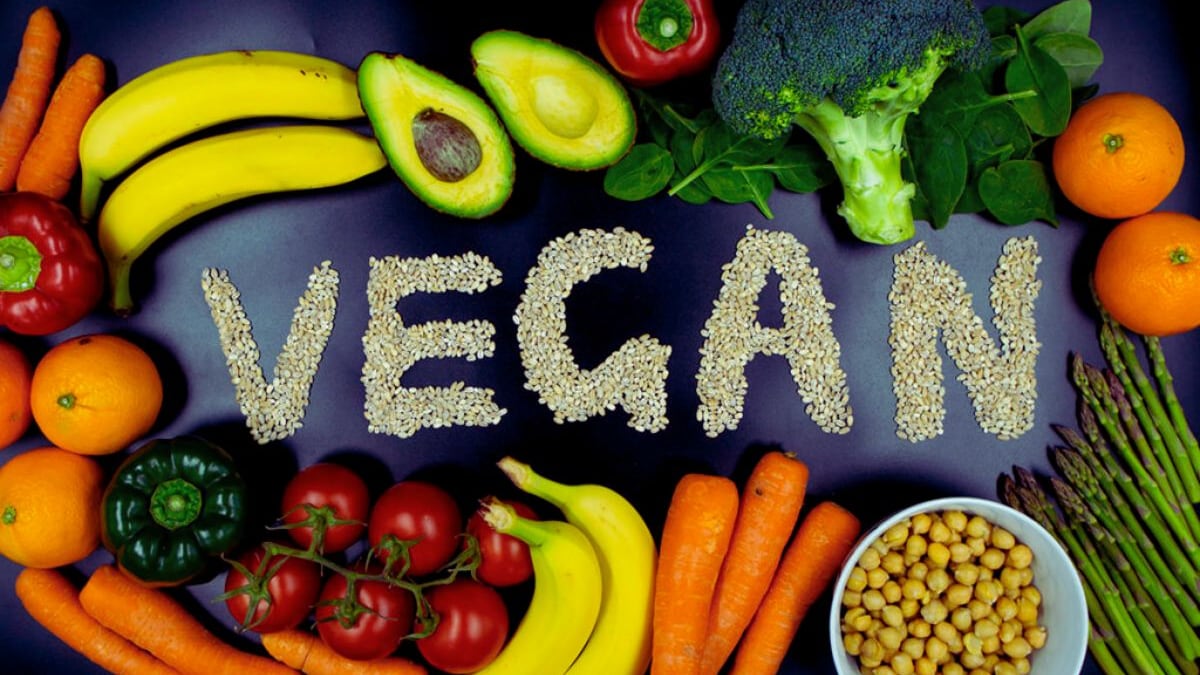
    Every year, November 1 is celebrated as World Vegan Day. By now, the vegan lifestyle and diet have become quite popular around the world. Vegans avoid using leather, wool, and products tested on animals. They also avoid places that use animals for entertainment, such as circuses or zoos. The idea is to simply love and care for animals instead of using them for our benefit or, worse, being cruel to animals. A vegan diet is based on eating plants and foods made from plants including vegetables, grains, nuts and fruits. Vegans do not eat foods that come from animals, including dairy products and eggs. 

    Why Do We Celebrate World Vegan Day?

    World Vegan Day started in England in 1994, thanks to vegan activist Louise Wallis. As the President of the Vegan Society, she wanted to celebrate its 50th anniversary and bring attention to the term “vegan” entering the English language.

    Wallis chose November 1 as the date, right between Halloween on October 31 and the ‘Day of the Dead’ on November 2. Since then, November 1 has been a special day for vegans worldwide to celebrate and spread awareness of veganism and its benefits.

    In honour of World Vegan Day, here are some incredibly delicious vegan recipes you can cook and enjoy for breakfast, lunch and dinner.

    Vegan Recipes For Breakfast

    Latest and Breaking News on NDTV

    Vegan Pumpkin Pancakes

    This is a great pancake option for vegans, made with chickpea flour and packed with pumpkin puree. Start your morning with this delicious and healthy pancake. Click here for the recipe.

    Oats Idli

    Many Indian vegetarian recipes are vegan too. Case in point: healthy and tasty oats idli. A perfect breakfast food, this idli has suji replaced with healthy oats which is best for those who are health conscious. Find the full recipe here.

    Moong Dal Chila

    Indian savoury pancake – chila – is also a nutritious vegan option. This delicious vegan breakfast recipe comes with a delicious topping of tofu, green chilli and onions, making your morning wholesome. Check out the recipe here.

    Almond Milk Thandai

    Ditch cow’s milk and use almond milk to make this chilled and flavourful thandai. The thandai also includes aromatic spices and protein-rich seeds. Find the step-by-step recipe here.

    Vegan Recipes For Lunch

    Latest and Breaking News on NDTV

    BBQ (Barley, Beets, Quinoa)

    Begin your lunch with this yummy vegan recipe with the goodness of quinoa, baby beet, barley and apples. This delicious BBQ dish is all you need to satiate those hunger pangs. Recipe here.

    Vegan Pizza

    Who says you cannot enjoy your favourite foods on a vegan diet? With vegan cheese easily available in stores, you need not compromise on your favourite pizza. Click here to learn how to make a restaurant-style vegan pizza recipe at home with delicious plant-based toppings.

    Vegan Aloo Tikki

    Love street-style Indian chaat? This vegan aloo tikki recipe is for you. This dish uses farm-fresh vegetables and fresh ingredients. Click here for the yummy recipe.

    Vegan Recipes For Dinner

    Latest and Breaking News on NDTV

    Vegan Dal Makhani

    Since butter is used for making a creamy dal makhani, this dish uses vegan butter. Vegan Dal Makhani uses minimal ingredients from your pantry and tastes best with flatbreads and rice. Here is a delicious recipe.

    Vegan Galouti Kebabs

    Vegan galouti kebabs are a melt-in-mouth delicacy that is perfect for family get-togethers. These kebabs are prepared using chickpeas instead of meat. The addition of spices and the cooking technique results in some delicious kebabs. Get the recipe here.

    Vegan Chocolate Ice Cream

    Love ice cream but can’t have anything with milk because you are vegan? Worry not. This delicious vegan ice cream is here to your rescue. This chocolate ice cream is made with almonds and bananas. Learn how to make it at home.

    Do you follow a vegan lifestyle? Share your experiences in the comments section.

    Source link

  • Say Goodbye To Dairy: 7 Must-Try Plant-Based Milks That Are Taking Over!

    Say Goodbye To Dairy: 7 Must-Try Plant-Based Milks That Are Taking Over!

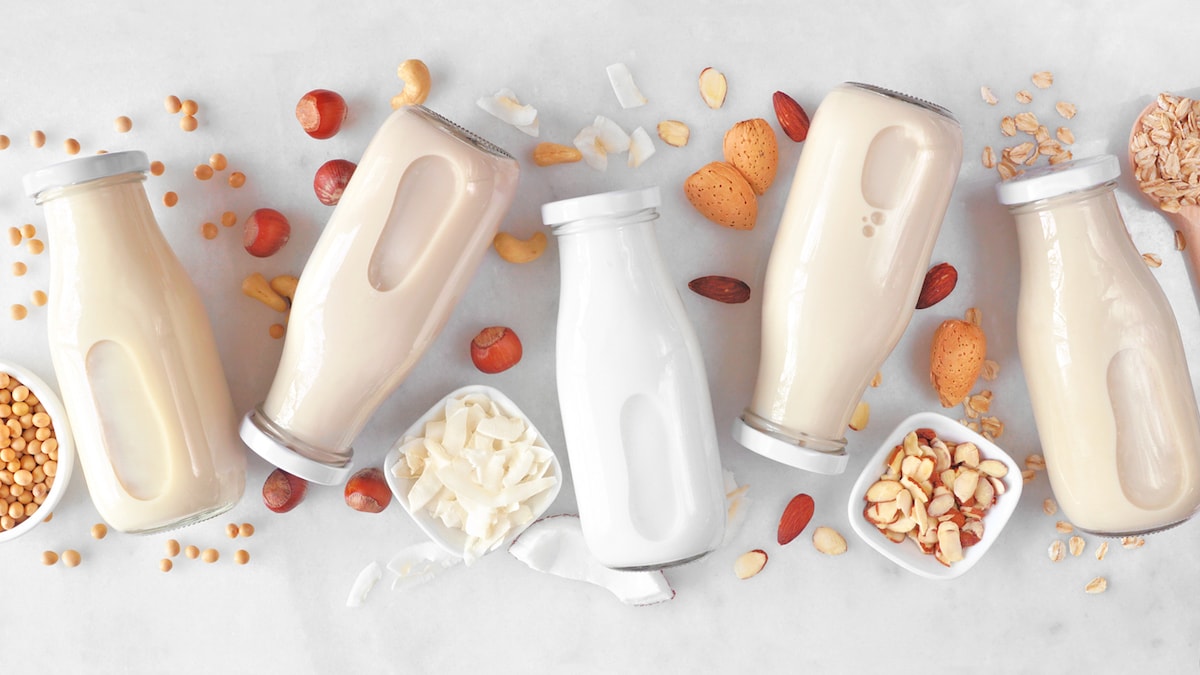
    Plant-based milk is totally having its moment right now! Whether it’s almond, oat, coconut, or pea, these alternatives are taking the spotlight for every kind of diet-be it vegan, lactose intolerant, or just those curious for a fresh option. Plus, they’re kinder to our planet compared to dairy milk. With a variety of flavours and nutrients, plant-based milk brings a serious taste and health boost to the table. Let’s dive into some of the best plant-based milk options you need to try!

    Here Are 7 Must-Try Plant-Based Milks That Are Taking Over:

    1. Pea Milk

    Try Pea Milk

    Try Pea Milk Photo Credit: iStock

    Pea milk is made by blending yellow split peas with water, and it’s one of the closest alternatives to regular cow’s milk. It’s great for people with nut or soy allergies, and it’s loaded with nutrients like potassium, calcium, and vitamins A and D. Often fortified with essential vitamins and minerals, pea milk is a solid choice if you’re looking for a nutrient-dense, dairy-free option.
    Also Read: Pea Milk | Know All About Pea Milk at NDTV Food

    2. Oat Milk

    Try Oat Milk

    Try Oat Milk Photo Credit: iStock

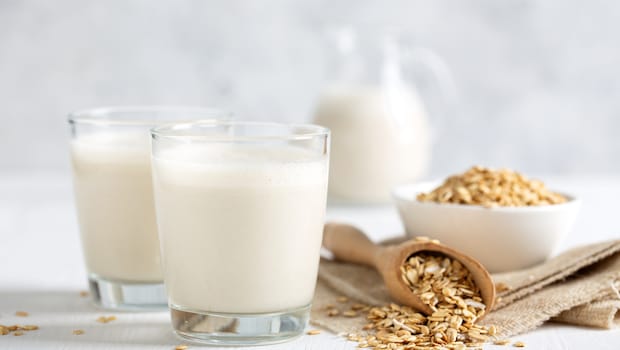
    Oat milk is creamy, slightly sweet, and perfect for anyone who loves a rich texture in their drinks. Made by soaking oats in water and straining the mixture, it’s high in fiber-especially beta-glucan, which can be good for heart health. It’s also a top pick for those with nut allergies and is great for frothy coffee drinks.

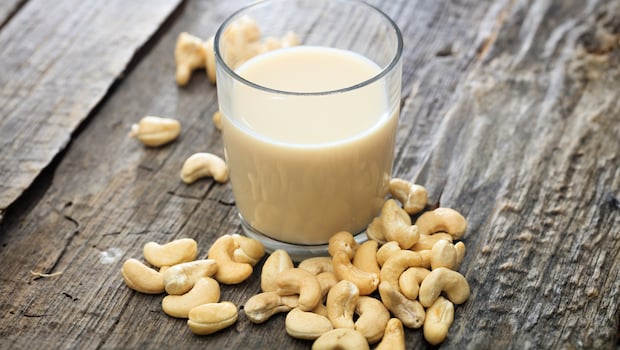
    3. Cashew Milk

    Try Cashew Milk

    Try Cashew Milk Photo Credit: iStock

    Cashew milk is buttery and smooth, made by blending cashews with water. It’s rich in vitamins, minerals, and healthy fats. While it’s lower in fat and protein than other milk options, unsweetened cashew milk is also lower in calories, making it a favorite for health-conscious folks.

    4. Rice Milk

    Rice milk is a light, sweet alternative made from processed brown rice. It’s easy to digest and works well in cereals, smoothies, and baking. While rice milk doesn’t have protein, it’s rich in minerals and low in saturated fat. Plus, it’s hypoallergenic, so it’s ideal for people with lactose, soy, or nut allergies.

    5. Almond Milk

    Almond milk is a popular choice made by soaking, grinding, and straining almonds. It’s naturally low in calories and free from cholesterol and gluten. It’s also packed with minerals and can be a great source of iron, which helps prevent anemia and other health issues.
    Also Read : Is Almond Milk Healthy? How To Make It At Home – NDTV Food

    6. Potato Milk

    Made from boiled potatoes and blended with ingredients like water and almonds, potato milk is thick, creamy, and slightly sweet. It’s versatile enough for coffee, smoothies, and even baking. With low fat and calories, it’s a healthy dairy-free option, and since potato farming is super sustainable, this milk is one of the most eco-friendly choices out there.

    7. Hemp Milk

    Hemp milk is made from hemp seeds and water, giving it a nutty flavor and creamy texture. It’s high in protein and contains omega-3 and omega-6 fats, which are great for your health. Though lower in calories and carbs than cow’s milk, it still offers plenty of nutritional benefits and is free from common allergens like nuts, soy, and gluten.

    Source link

  • World Vegetarian Day 2024: Celebrating The Benefits Of A Plant-based Lifestyle | Culture News

    World Vegetarian Day 2024: Celebrating The Benefits Of A Plant-based Lifestyle | Culture News

    World Vegetarian Day, observed annually on October 1, serves as an opportunity to promote the benefits of a vegetarian lifestyle and raise awareness about the positive impact of plant-based diets on health, the environment, and animal welfare. Founded by the North American Vegetarian Society (NAVS) in 1977 and endorsed by the International Vegetarian Union (IVU), this day is part of Vegetarian Awareness Month, encouraging people to explore the advantages of reducing or eliminating meat from their diets. 

    History and Origins of World Vegetarian Day 

    World Vegetarian Day was established by NAVS to bring attention to the ethical, environmental, and health-related reasons for adopting a vegetarian diet. Since its inception in 1977, the day has gained global recognition, inspiring individuals and communities to learn about vegetarianism and its far-reaching benefits. It also marks the beginning of Vegetarian Awareness Month, which culminates with World Vegan Day on November 1

    Significance of World Vegetarian Day 

    The significance of World Vegetarian Day lies in its advocacy for a healthier, more sustainable way of living. By adopting a plant-based diet, individuals can contribute to reducing the environmental impact caused by livestock farming, including deforestation, water usage, and greenhouse gas emissions. Additionally, vegetarian diets are often associated with numerous health benefits, such as lower risks of heart disease, diabetes, and certain cancers. 

    Beyond health and environmental factors, World Vegetarian Day highlights the ethical aspect of vegetarianism. It encourages compassion towards animals, urging individuals to consider the moral implications of consuming animal products and to explore cruelty-free food choices. 

    Health Benefits of a Vegetarian Diet 

    Research consistently shows that a well-balanced vegetarian diet can offer various health benefits, including: 

    1. Heart Health: Plant-based diets are typically lower in saturated fats and cholesterol, reducing the risk of heart disease. 

    2. Weight Management: Vegetarian diets are often rich in fiber, helping with weight management and reducing the risk of obesity. 

    3. Reduced Risk of Chronic Diseases: Studies have shown that vegetarians have a lower risk of developing type 2 diabetes, hypertension, and certain types of cancer. 

    4. Improved Digestion: A diet rich in fruits, vegetables, and whole grains supports a healthy digestive system and reduces the risk of digestive disorders. 

    Environmental Impact of Vegetarianism 

    Adopting a vegetarian diet is one of the most effective ways to reduce your carbon footprint. Livestock farming is a major contributor to environmental degradation, responsible for large amounts of greenhouse gas emissions, deforestation, and water pollution. By reducing or eliminating meat consumption, individuals can significantly lower their contribution to climate change, water scarcity, and habitat destruction. 

    How to Celebrate World Vegetarian Day 2024 

    There are many ways to get involved in World Vegetarian Day and promote the benefits of a plant-based lifestyle: 

    1. Try a Vegetarian Diet: If you’re not already vegetarian, use this day as an opportunity to explore plant-based meals. Try new vegetarian recipes or visit a local vegetarian restaurant. 

    2. Host a Vegetarian Gathering: Organize a potluck or dinner party with friends and family, featuring a variety of delicious vegetarian dishes to showcase the diversity of plant-based cuisine. 

    3. Educate Others: Share information about the benefits of vegetarianism with your community, whether through social media, workshops, or discussions with friends and colleagues. 

    4. Support Vegetarian Causes: Consider donating to or volunteering with organizations that promote plant-based diets, animal welfare, or environmental sustainability. 

    5. Spread Awareness on Social Media: Use platforms like Instagram, Facebook, or Twitter to share your vegetarian journey, recipes, or facts about the environmental and health benefits of plant-based eating.  

    World Vegetarian Day 2024 is an opportunity to celebrate the many benefits of adopting a plant-based lifestyle, from improved health and environmental sustainability to ethical considerations for animals. Whether you’re a long-time vegetarian or just curious about trying a meat-free diet, October 1 is the perfect day to explore the positive impact of vegetarianism and make a difference in your life and the world around you. 

    Source link

  • Living the plant-based lifestyle at Yale

    Living the plant-based lifestyle at Yale


    YuLin Zhen, Photography Editor

    Yale University dining halls have garnered their fair share of online attention for their varied offerings. However, for vegetarian and vegan students at Yale, the dining hall experience is often a balancing act. 

    Young Americans, especially, have increasingly adopted plant-based diets. A 2023 study conducted by the Food for Climate League found that 83 percent of Generation Z expressed interest in consuming more plant-based foods. With vegetarianism on the rise, providing high-quality non-meat options is becoming more imperative for university dining halls. 

    Yale Dining has consistently taken steps toward enhancing its plant-based options, and these efforts have not gone unnoticed by students. 

    “There’s always something that’s vegan, which I appreciate. I do not take it for granted,” said vegan student Hila Tor ’28. 

    However, when asked whether or not she felt as though the dining halls’ vegan menu was entirely successful, Tor was more reserved. She told the News that the answer is not a “clear yes or no.”

    A lack of protein-rich dishes is a universal concern brought up by the vegetarian and vegan students the News spoke with. Maintaining a healthy protein intake already requires additional attention for those on plant-based diets. Many voiced that unsatisfactory provisions in the dining halls were an obstacle to meeting their protein goals. 

    “I literally think there are no protein options. Other than the occasional tofu, which is like once every three days,” vegetarian student Divya Subramanian ’28 said. 

    Madeleine Loewen ’24.5, who keeps kosher, expressed similar grievances.

    The numerous restrictions surrounding what can and cannot be served with meat in the kosher diet often force Loewen to opt for vegetarian dishes. 

    “They really only have pasta. There’s not many vegetarian options,” she said. “I do worry about getting enough protein.”

    One major factor is the frequency with which non-meat hot entrees feature a fake meat substitute as their main ingredient. 

    Plant-based meat alternatives that mimic animal products are a rapidly growing industry, but many remain skeptical as to their nutritional value. Studies found that plant-based meat substitutes often do not contain the vitamins and minerals found in animal proteins. Furthermore, fake meats fall into the category of artificial foods that have been linked to various increased health risks. 

    Additionally, many choose a vegetarian lifestyle due to an aversion to the texture or taste of meat, which these products attempt to recreate. Dishes that incorporate meat substitutes thereby alienate this group and limit their options.

    “No, I can’t do it. I don’t know why; it freaks me out. I can’t do it,” Loewen said when asked about artificial meats. 

    Tor echoed this sentiment, referring to Yale dining’s frequent “strange and artsy” vegan meals. 

    Subramanian voiced nutritional concerns about meat substitutes, worrying that they do not have “much protein.” She also stressed her ardent love for tofu tenders — Yale’s non-meat offering on the coveted “Chicken Tender Thursday.”

    The focus on vegan options often comes at the expense of vegetarians, who can fall through the cracks. In Yale Hospitality’s push to provide more vegan-friendly dishes, the dining halls may have cut back on vegetarian meals that include dairy or eggs — key sources of protein for many vegetarians. 

    The News sampled a week’s worth of Stiles’ Residential Dining menus and found that only four of the 14 lunch and dinner menus included a vegetarian entree. 

    Outside of residential dining halls, Rooted, one of the venues in Schwartzman Center’s Commons Dining Hall serves entirely vegetarian meals and offers vegan and gluten-free options four lunches a week. 

    Yale Hospitality has also expanded its “Smart Meal” program which allows students to use the Yale Hospitality mobile app to order meals from any dining hall for both lunch and dinner. Two of the options on this menu are plant-based: a Caesar salad and a falafel wrap. 

    Yale Hospitality Senior Manager of Marketing & Communications Alexa Gotthardt told the News that changes to Yale’s residential dining hall menus for the 2024-25 academic year included an increased frequency of the most popular vegetables. Gotthardt stressed that student feedback played a crucial role in determining which vegetables would be available as side dishes. 

    Gotthardt emphasized that student well-being remains central to Yale Hospitality’s menu design philosophy. She told the News that specific attention to the soup offerings mandated one vegan, one vegetarian, and two animal-based options over the course of the four-week cycle. 

    Another new development in Yale’s dining halls is an increased offering of overnight oats at breakfast and brunch. Both Subramanian and Lowen expressed contentment with the breakfast offerings at Yale, which provide the greatest variety of non-meat foods. 

    “We strive to offer balanced, inclusive, and approachable menus so we can satisfy the diverse community on campus,” said Yale Hospitality’s culinary team, according to Gotthardt. 

    Yale Hospitality caters 14 residential dining halls and 16 additional dining locations.


    Source link

  • How Plant-Based Protein Powder Supports a Balanced Lifestyle

    How Plant-Based Protein Powder Supports a Balanced Lifestyle

    Balancing work, family, and personal health is always a hustle in today’s hectic lifestyles. Finding ways to maintain the precious balance is always on everybody’s mind. This is where plant based protein powder comes into the picture.

    Hence, plant-based protein powder from sources like peas, hemp, and rice forms a handy nutritional means with which people can support a more or less well-rounded lifestyle. This acts as a stimulant for healing muscles, provides energy, and increases appetite in general.

    Along with its usability and ecologically friendly features, plant-based protein powder has an important role in keeping busy people nourished while keeping pace with life. It is an easy solution to keep up health and well-being amidst a busy schedule.

    Role of Protein in a Balanced Diet

    Proteins are crucial nutrients that help to replace and repair damaged muscle. They supply the body with energy and generally facilitate bodily functions. Incorporating proteins from a balanced diet into your meals will aid in satiety, improve muscle tissue development and repair, increase metabolism, and support weight loss. So plant-based protein powders, which are high in protein and easily absorbed, would be excellent additions to help you add more wholesome, easy-to-consume foods to your diet.

    Plant-based products, as opposed to their animal-based counterparts, possess several benefits: they contain a lesser amount of cholesterol and are easier to digest. Moreover, many plant-based proteins consist of a complete amino acid profile that is required for a large number of body-functioning activities. They are also rich in fiber, vitamins, and minerals, making them more nutritious powders. 

    Convenience for a Busy Lifestyle

    You can easily incorporate it into a variety of meals, such as smoothies, oatmeal, and baked goods, to provide a convenient and quick source of nutrition. From morning breakfasts to recovery after an exercise session or as a meal replacement, supplementing with plant-based protein is a time-saving solution that gets you the nutrients you require without the hassle of preparing elaborate meals.

    For individuals with hectic schedules, such as parents or working professionals, the protein powder from plants is at least some on-the-go nutrition. Its portability makes it simple to take anywhere, and you can enjoy it as a quick, nutrient-dense meal or snack without compromising your health. It makes it ideal for ensuring balanced nutrition even at its busiest point in time.

    Supporting Energy and Fitness Goals

    Plant-based protein powder is very effective in improving workout recovery because it helps to fix and build muscles. In order to rebuild and firm up the muscle tissue after working out, the body requires protein. Amino acids, provided by plant-based proteins such as pea, hemp, and rice proteins, assist in this process. Whether you are a casual exerciser looking to alleviate soreness after a workout or a fitness enthusiast seeking to support greater muscle recovery and performance, then plant-based protein can help achieve those goals and get you bouncing back faster.

    Plant-based protein will also help sustain energy levels throughout your day. Unlike refined carbs, which can lead to energy crashes, plant proteins offer a more consistent energy delivery. Plant proteins provide a more uniform energy delivery. Such consistent supply will maintain physical stamina and mental focus, making it easier to stay active and productive. The addition of plant-based protein in a diet allows for balanced energy levels, helping to complete everyday tasks as well as fitness goals and feeling energized and capable all day long.

    Mental Wellbeing

    Plant-based protein powder is beneficial not only for physical health, but it also plays a significant role in mental well-being. These powders contain other crucial nutrients, such as magnesium and B vitamins, that carry the property of helping deal with stress and balancing the mood. Magnesium helps in regulating and responding to stress; therefore, one will be better relaxed. B vitamins are important for brain functioning and mood regulation. If you normally have balanced meals with these nutrients, you can stabilize your mood and better counteract the negative effects of stress, thus providing emotional balance.

    In addition to its role in combating stress, it is also known for promoting cognitive function as well as concentration. Intaking well-balanced meals and snacks that include plant protein improves your ability to concentrate and perform better cognitively. This leads to better productivity and emotional health because a well-nourished mind can overcome daily challenges with a better outlook at work. Thus, plant-based protein is not just physical health but even cultivates a clearer, more focused, and resilient mental state.

    Sustainable Living

    It has several environmental benefits and a far smaller carbon footprint than animal-based proteins. So, every time you adopt plant-based protein intake, you are eating towards a leveled-up, balanced lifestyle to live, be sustainable, and be in sync with nature.

    Apart from that, plant-based protein intake contributes to a healthier planet by supporting more sustainable food systems. It reduces negative environmental impacts and promotes better practices for the planet, making this choice smart for people committed to reducing their ecological footprint.

    Conclusion

    Plant-based protein powder seamlessly integrates into a busy lifestyle as a convenient, nutritious, and environmentally friendly meal option. This protein powder not only adds protein content to various dishes but also provides energy for fitness and mental well-being, making it an ideal choice for those who need to maintain balance amidst hectic lifestyles.
    Try plant-based protein powder and experience the benefits firsthand. Introduce it into your diet to benefit your health and the planet. Start this simple yet impactful change toward a healthier, more sustainable lifestyle.

    Source link