We are often exposed to pollutants and toxins through air and water. Currently, poor air quality in several regions of India, especially Delhi, has raised health concerns. According to the World Health Organization, breathing in pollutants can lead to inflammation, oxidative stress, and immunosuppression throughout the body, impacting the lungs, heart, brain, and other organs. While preventive health measures, such as wearing protective masks and using air purifiers, can help, eating certain foods may also nourish and detoxify your body from within.
Here Are 5 Foods Known For Detoxifying Properties:
1. Eggplants
Photo: iStock
Eggplants are usually purple but can also be found in white. They may vary in size, from large ones to smaller ‘baby eggplants.’ According to Healing Foods by DK Publishing, eggplants contain beneficial amounts of antioxidants, potassium, folate, magnesium, beta-carotene and fibre. Consuming eggplants may help detox your body. Some studies suggest that eggplant can aid in removing harmful chemical substances from the body. It also promotes regular bowel movements and maintains water balance.
2. Garlic
Garlic is known for adding a flavorful kick to savoury dishes. Along with enhancing taste, garlic offers several health benefits. It contains sulfhydryl compounds, which help remove toxic substances, such as heavy metals, from the body and protect against organ damage. A 2012 study involving employees at a car battery plant found that garlic reduced lead levels in their blood by 19%. It also reduced other signs of toxicity, such as headaches and high blood pressure.
3. Mustard Greens
According to the Electronic Journal of Plant Breeding, peppery, crispy mustard greens are among the most nutritious leafy vegetables available during the winter season. Fresh mustard greens are an excellent source of antioxidants like flavonoids and also have anti-inflammatory properties. The antioxidant beta-carotene and vitamins C and K help neutralize toxins and remove them from the body.
4. Tomatoes
Tomatoes are widely used in Indian cooking and are a great ingredient for detoxing your body. They are a good source of glutathione, which helps the body remove fat-soluble toxins, as explained in Healing Foods by DK Publishing. Lycopene, found in tomatoes, boosts immunity and lowers cholesterol. Homemade tomato juice and tomato salsa are healthy and delicious ways to include nutritional tomatoes in your diet.
5. Alfalfa Seeds
Alfalfa seeds are rich in nutrients and antioxidants, particularly chlorophyll, which helps remove toxins from the blood. Alfalfa seeds also have natural diuretic properties, which maintain water balance and help lower blood pressure. According to a 2020 study published in BioResearch Open Access, alfalfa seeds also support skin health. You can add these seeds to your diet by incorporating alfalfa sprouts into any meal.
Include these healthy food items in your daily diet. Along with a balanced diet, adequate sleep, and water intake, they can help detox your body and improve your health.
Disclaimer: This content including advice provides generic information only. It is in no way a substitute for qualified medical opinion. Always consult a specialist or your doctor for more information. NDTV does not claim responsibility for this information.
Lifestyle News Live: Stay informed with Hindustan Times’ live updates! Track the latest lifestyle news including fashion trends, style guide & Tips, India & World Events. Don’t miss today’s key news for November 16, 2024.
Latest news on November 16, 2024: Delhi’s AQI was recorded at 406.
Lifestyle News Live: Get the latest news updates and breaking news stories from the world of lifestyle. Track all the latest fashion trends, delicious recipes, travel tips and more. Disclaimer: This is an AI-generated live blog and has not been edited by Hindustan Times staff.…Read More
Follow all the updates here:
Nov 16, 2024 2:30 PM IST
Health News LIVE: Delhi AQI alert: Smog worsens; pollution continues to raise health concerns
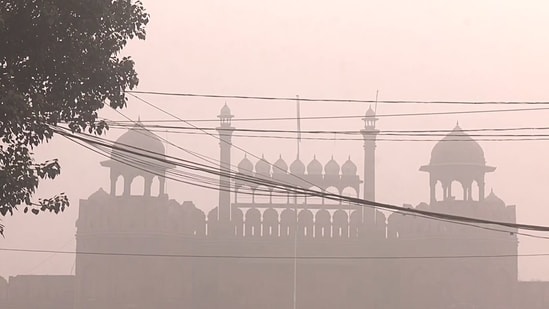
A dense layer of smog enveloped Delhi for the fourth consecutive day and the AQI was recorded at 406 as of 8 am on Saturday morning, according to the CPCB.
Fashion News LIVE: Stay active in style with the best activewear for women – Premium options from Puma and Reebok
Elevate your wardrobe with the impressive collections from Puma and Reebok. Explore the best activewear for women for comfort and style while working out.
Travel News LIVE: Inside Palak Tiwari’s rumoured Maldives holiday with Ibrahim Ali Khan: Know how much the private ocean villas cost
Palak Tiwari and Ibrahim Ali Khan are rumored to be vacationing together in the Maldives. Check out where Palak stayed and the cost of the oceanside villas.
Pet News LIVE: Bathing to paw care: Ultimate guide to dog’s grooming for keeping your furry friend clean and hygienic
Discover a detailed guide to dog care with expert advice from a veterinarian, covering all the essential tips for maintaining your dog’s health and hygiene.
Fashion News LIVE: Best clothing brands for men’s ethnic wear: Sangria, INVICTUS, and Rare Rabbit on Myntra
Sangria, INVICTUS, and Rare Rabbit are top brands for the best men’s ethnic wear. Shop from the best Myntra Fashion Carnival deals on the latest ethnic wear.
Recipes News LIVE: Gajar ka halwa to Pitha: 5 mouth-watering traditional dishes to indulge in this winter
Nov 16, 2024 10:12 AM IST
Health News LIVE: Woman loses 15 kg; goes from 78 to 63 kg with a 4-week workout plan that works for gym and home
A fitness coach shared her 4-week workout plan on Instagram, which helped her lose 15 kg. The plan focuses on strength training and cardio. Check it out.
As the air quality is likely to worsen in coming days, several city doctors are advising local residents to either leave Delhi for a few days or be ready to embrace lifestyle changes to combat soaring pollution levels.
The air quality deteriorates every winter in the national capital largely due to meteorological factors accompanied by slow wind speed, stubble burning in neighbouring States and vehicular pollution.
Dr. Rajat Sharma from Guru Teg Bahadur Hospital said vulnerable groups such as the elderly and children are more prone to respiratory issues due to rising air pollution.
“This vulnerability is of two types. There are those who are clinically vulnerable such as children, elderly, and pregnant women, and then there are those who are socially vulnerable, including the ones who cannot afford air purifiers and stay outdoors for their work such as construction workers,” he added.
Dr. Vikas Maurya, the head of the Pulmonology Department at Fortis Hospital in Shalimar Bagh, said several of his patients facing chronic issues decide to leave the city in winter months.
‘Seek work from home’
For others, he said working from home, if their jobs allow, is an option.
“If they lack these options, we advise them to wear high-grade N95 masks when venturing out of their homes, maintain a healthy diet, and get vaccinated for flu and pneumonia as pollutants in the air are known to carry several viruses,” he added.
Dr. G.C. Khilnani, Chairman, PSRI Institute of Pulmonary Critical Care and Sleep Medicine, too urged elderly people and those with existing medical conditions like bronchitis, history of heart failure, or cancer survivors to be on guard.
He said there has been an increase in such patients in recent days. “Earlier nebulisers were a rarity but now almost every household has one as every third child is asthmatic these days,” he said.
“Those who face chronic issues and have the option of leaving the city, it is advisable to go away for two-three weeks,” he added, stressing that many young couples prefer cities like Hyderabad and Bengaluru over Delhi as they don’t want their children to suffer.
Jai Dhar Gupta, 52, a clean air activist, echoed similar sentiments.
Every year, as the pollution gets worse in Delhi, despite having air purifiers at home, he packs his bags and leaves for Uttarakhand.
Mr. Gupta said he is building a home for himself near Uttarakhand’s Rajaji Tiger Reserve, away from the Capital’s hustle and bustle.
“My lungs suffered badly in 2013, and since then, every year is the same. I am allergic to pollution due to which every year, I suffer from swollen eyes and start gasping for breath,” he said.
‘Leaving not an option’
Neha Gupta Jain, a mother of an eight-year-old daughter and one-year-old son, said leaving the city is not an option for her.
“Our doctor has advised us to leave the Capital for the next few months. But that is not feasible because my husband and I have jobs here. But that day is not too far as I can’t let my children suffer,” said the Hauz Khas resident, adding that on bad days, she puts her children on nebulisers three times a day.
“Nebulisers can offer temporary relief but its overuse may also prove harmful as one may become used to higher dosage,” he added.
A doctor at the mother and child care ward of All India Institute of Medical Sciences (AIIMS) said many patients there start complaining of long bouts of cough when pollution increases. “It is particularly bad for women who are pregnant and already facing respiratory issues,” she said.
As the air quality is likely to worsen in coming days, several city doctors are advising local residents to either leave Delhi for a few days or be ready to embrace lifestyle changes to combat soaring pollution levels.
The air quality deteriorates every winter in the national capital largely due to meteorological factors accompanied by slow wind speed, stubble burning in neighbouring States and vehicular pollution.
Dr. Rajat Sharma from Guru Teg Bahadur Hospital said vulnerable groups such as the elderly and children are more prone to respiratory issues due to rising air pollution.
“This vulnerability is of two types. There are those who are clinically vulnerable such as children, elderly, and pregnant women, and then there are those who are socially vulnerable, including the ones who cannot afford air purifiers and stay outdoors for their work such as construction workers,” he added.
Dr. Vikas Maurya, the head of the Pulmonology Department at Fortis Hospital in Shalimar Bagh, said several of his patients facing chronic issues decide to leave the city in winter months.
‘Seek work from home’
For others, he said working from home, if their jobs allow, is an option.
“If they lack these options, we advise them to wear high-grade N95 masks when venturing out of their homes, maintain a healthy diet, and get vaccinated for flu and pneumonia as pollutants in the air are known to carry several viruses,” he added.
Dr. G.C. Khilnani, Chairman, PSRI Institute of Pulmonary Critical Care and Sleep Medicine, too urged elderly people and those with existing medical conditions like bronchitis, history of heart failure, or cancer survivors to be on guard.
He said there has been an increase in such patients in recent days. “Earlier nebulisers were a rarity but now almost every household has one as every third child is asthmatic these days,” he said.
“Those who face chronic issues and have the option of leaving the city, it is advisable to go away for two-three weeks,” he added, stressing that many young couples prefer cities like Hyderabad and Bengaluru over Delhi as they don’t want their children to suffer.
Jai Dhar Gupta, 52, a clean air activist, echoed similar sentiments.
Every year, as the pollution gets worse in Delhi, despite having air purifiers at home, he packs his bags and leaves for Uttarakhand.
Mr. Gupta said he is building a home for himself near Uttarakhand’s Rajaji Tiger Reserve, away from the Capital’s hustle and bustle.
“My lungs suffered badly in 2013, and since then, every year is the same. I am allergic to pollution due to which every year, I suffer from swollen eyes and start gasping for breath,” he said.
‘Leaving not an option’
Neha Gupta Jain, a mother of an eight-year-old daughter and one-year-old son, said leaving the city is not an option for her.
“Our doctor has advised us to leave the Capital for the next few months. But that is not feasible because my husband and I have jobs here. But that day is not too far as I can’t let my children suffer,” said the Hauz Khas resident, adding that on bad days, she puts her children on nebulisers three times a day.
“Nebulisers can offer temporary relief but its overuse may also prove harmful as one may become used to higher dosage,” he added.
A doctor at the mother and child care ward of All India Institute of Medical Sciences (AIIMS) said many patients there start complaining of long bouts of cough when pollution increases. “It is particularly bad for women who are pregnant and already facing respiratory issues,” she said.
Cardiovascular diseases (CVDs) remain the primary cause of mortality worldwide, resulting in a substantial number of fatalities and disabilities. The alarming statistics from 2021 reveal that CVDs claimed 20.5 million lives, accounting for approximately one-third of all global deaths.
Young Indians are increasingly vulnerable to heart disease due to alarming environmental and lifestyle factors. Rising air pollution, coupled with a surge in diabetes cases, poses significant concerns. Mental health also plays a critical role, as chronic anxiety and depression can indirectly contribute to cardiovascular issues.
As a result of these risk factors, individuals may exhibit intermediate risk factors, including raised blood pressure, raised blood glucose, raised blood lipids, and overweight and obesity. These intermediate risk factors can be identified through measurements taken at primary care facilities and serve as critical indicators of an increased risk of heart attack, stroke, heart failure and other complications.
Early detection and management of these risk factors are vital in preventing cardiovascular diseases and mitigating their devastating consequences.
We spoke with Dr. Purshotam Lal who is a renowned interventional cardiologist and recipient of Padma Vibhushan, Padma Bhushan and the Dr. B. C. Roy Award by the President of India for his significant contributions to the development of interventional cardiology in India. He currently serves as the Chairman of Metro Group of Hospitals.
Prevalence and risk factors of heart disease
Dr. Purshotam Lal: Major risk factors include unhealthy diets rich in trans fats and sugars, physical inactivity, smoking, excessive alcohol consumption, and conditions like hypertension and diabetes. Stress, often overlooked, is a significant contributor especially in high-pressure environments like urban centers. In India, factors such as rising pollution levels, genetic predisposition, and lack of early detection mechanisms make heart diseases more prevalent. One of the most important factors that people often ignore is a strong family history of premature coronary disease.
Common cardiovascular conditions and symptoms
Dr. Purshotam Lal: The three most common cardiovascular diseases are coronary artery disease (CAD), heart failure, and arrhythmias.
Coronary Artery Disease (CAD):
CAD is the leading cause of death globally, accounting for approximately 9 million deaths per year, which represents 32% of all global deaths according to the World Health Organization (WHO).
In India, CAD contributes to over 1.7 million deaths annually, making it the most prevalent cardiovascular disease in the country.
Common CAD symptoms include chest pain (angina), shortness of breath, and fatigue. It is often diagnosed via stress tests, angiograms, or blood tests.
Its treatment includes lifestyle changes, medications, or surgical interventions like stents or bypass surgery.
Heart Failure:
Heart failure affects around 64 million people For India, the numbers are estimated at 8-10 million cases, with heart failure contributing to 35% of cardiovascular-related hospitalizations.
Its symptoms include persistent coughing, swelling in the legs, and breathlessness. Diagnosis typically involves echocardiograms or MRI.
Treatment for heart failure focuses on lifestyle changes, medications to manage blood pressure, and sometimes the implantation of devices like pacemakers.
Arrhythmias:
Arrhythmias cause palpitations, dizziness, or fainting spells. Generally, it is diagnosed through ECG or Holter monitoring and can be treated with medications, electrical cardioversion, or ablation.
Heart Disease in younger populations
Dr. Purshotam Lal: In recent years, heart disease has surged among younger adults due to a mix of lifestyle and environmental factors. Unhealthy diets, sedentary lifestyles, and high levels of stress, often driven by work pressure, have become common. Smoking, including the use of e-cigarettes, and excessive alcohol consumption have added to this trend.
For younger populations in India, increasing air pollution, a higher prevalence of diabetes, and a lack of awareness about preventive healthcare are major concerns. Mental health issues, such as chronic anxiety and depression, are also indirectly linked to the rising incidence of heart disease.
Genetics and heart disease: Preventive measures for those at risk
Dr. Purshotam Lal: Genetics significantly influence an individual’s risk of heart disease. People with a family history of cardiovascular conditions, particularly those related to high cholesterol, hypertension, or early-onset heart disease, are at a higher risk. However, genetics don’t seal your fate; lifestyle choices play a crucial role in determining outcomes.
For those with a family history, it’s essential to start preventive measures early. Regular health check-ups, monitoring blood pressure and cholesterol, maintaining a healthy diet, exercising regularly, and avoiding smoking can mitigate genetic risks. Genetic screening may also be beneficial in identifying specific markers that indicate higher susceptibility.
Impact of technology on heart health management
Dr. Purshotam Lal: Modern technology has revolutionised heart disease management and prevention in the past few years. Wearable devices, like smartwatches, can monitor heart rate, detect irregularities like atrial fibrillation, and track physical activity. This constant monitoring helps in early detection, even in asymptomatic individuals.
Telemedicine has also emerged as a game-changer, providing real-time consultations without geographical barriers. This has been particularly impactful in rural areas in India, where access to specialized cardiologists is limited. Remote monitoring and virtual check-ups ensure that patients with chronic heart conditions remain connected to their healthcare providers, improving compliance with treatments and lifestyle recommendations.
Heart disease in women: Unique risks and underdiagnosis
Dr. Purshotam Lal: Women often experience more subtle symptoms of heart disease, such as fatigue, nausea, shortness of breath, and pain in the neck, jaw, or back, rather than the more obvious chest pain typical in men. Hormonal differences, especially after menopause, further increase the risk of heart disease.
Heart disease is underdiagnosed in women for a few reasons. Historically, medical research has been more focused on men, and women’s symptoms are often attributed to less critical conditions like anxiety or indigestion. Hence, increasing awareness among both healthcare providers and women themselves about these differences is crucial for early diagnosis and better outcomes.
Congenital heart conditions in children
Dr. Purshotam Lal: Congenital heart defects (CHD) are the most common birth defects worldwide. Common types include atrial septal defects (ASD), ventricular septal defects (VSD), and tetralogy of Fallot. Early detection can be achieved through prenatal screening using fetal echocardiography, which can identify most heart defects during pregnancy. Post-birth, symptoms such as rapid breathing, poor feeding, or bluish skin color can be warning signs.
Early detection is crucial as many congenital heart defects, when caught early, can be corrected or managed with medical or surgical interventions, improving the child’s quality of life.
Dr. Purshotam Lal.
The COVID-19 pandemic’s impact on heart health
Dr. Purshotam Lal: COVID-19 has had a profound impact on heart health, particularly among those with pre-existing conditions. The virus has been linked to complications such as myocarditis (inflammation of the heart muscle), blood clots, and arrhythmias. Even in individuals without prior heart conditions, post-COVID syndrome, or “long COVID,” can lead to persistent cardiovascular issues such as chest pain, fatigue, and palpitations.
Those who were impacted by COVID-19, especially those with heart conditions, should continue monitoring their heart health closely. Regular check-ups, echocardiograms, and maintaining a healthy lifestyle can help mitigate long-term effects.
Artificial intelligence in cardiovascular care
Dr. Purshotam Lal: Artificial intelligence (AI) and machine learning are transforming cardiovascular care by enhancing diagnostics, predicting patient outcomes, and personalizing treatment plans. AI algorithms can rapidly analyze large datasets from imaging techniques like echocardiograms or MRIs, helping detect heart issues earlier and with greater accuracy.
In India, AI-powered tools are increasingly being used for early screening of conditions like heart failure in underserved populations. Machine learning models can also predict the likelihood of heart attacks based on patterns in patient history, allowing for proactive, rather than reactive, healthcare. For example, Tricog Health, an Indian startup, uses AI-based solutions for diagnosing heart attacks remotely. By combining AI with human expertise, it delivers ECG interpretations in real-time. This has proven to be crucial for early diagnosis in rural India, where access to specialists is limited. Tricog has been credited with reducing the diagnosis time for heart attacks to under 10 minutes in many cases.
Cardiovascular diseases (CVDs) remain the primary cause of mortality worldwide, resulting in a substantial number of fatalities and disabilities. The alarming statistics from 2021 reveal that CVDs claimed 20.5 million lives, accounting for approximately one-third of all global deaths.
Young Indians are increasingly vulnerable to heart disease due to alarming environmental and lifestyle factors. Rising air pollution, coupled with a surge in diabetes cases, poses significant concerns. Mental health also plays a critical role, as chronic anxiety and depression can indirectly contribute to cardiovascular issues.
As a result of these risk factors, individuals may exhibit intermediate risk factors, including raised blood pressure, raised blood glucose, raised blood lipids, and overweight and obesity. These intermediate risk factors can be identified through measurements taken at primary care facilities and serve as critical indicators of an increased risk of heart attack, stroke, heart failure and other complications.
Early detection and management of these risk factors are vital in preventing cardiovascular diseases and mitigating their devastating consequences.
We spoke with Dr. Purshotam Lal who is a renowned interventional cardiologist and recipient of Padma Vibhushan, Padma Bhushan and the Dr. B. C. Roy Award by the President of India for his significant contributions to the development of interventional cardiology in India. He currently serves as the Chairman of Metro Group of Hospitals.
Prevalence and risk factors of heart disease
Dr. Purshotam Lal: Major risk factors include unhealthy diets rich in trans fats and sugars, physical inactivity, smoking, excessive alcohol consumption, and conditions like hypertension and diabetes. Stress, often overlooked, is a significant contributor especially in high-pressure environments like urban centers. In India, factors such as rising pollution levels, genetic predisposition, and lack of early detection mechanisms make heart diseases more prevalent. One of the most important factors that people often ignore is a strong family history of premature coronary disease.
Common cardiovascular conditions and symptoms
Dr. Purshotam Lal: The three most common cardiovascular diseases are coronary artery disease (CAD), heart failure, and arrhythmias.
Coronary Artery Disease (CAD):
CAD is the leading cause of death globally, accounting for approximately 9 million deaths per year, which represents 32% of all global deaths according to the World Health Organization (WHO).
In India, CAD contributes to over 1.7 million deaths annually, making it the most prevalent cardiovascular disease in the country.
Common CAD symptoms include chest pain (angina), shortness of breath, and fatigue. It is often diagnosed via stress tests, angiograms, or blood tests.
Its treatment includes lifestyle changes, medications, or surgical interventions like stents or bypass surgery.
Heart Failure:
Heart failure affects around 64 million people For India, the numbers are estimated at 8-10 million cases, with heart failure contributing to 35% of cardiovascular-related hospitalizations.
Its symptoms include persistent coughing, swelling in the legs, and breathlessness. Diagnosis typically involves echocardiograms or MRI.
Treatment for heart failure focuses on lifestyle changes, medications to manage blood pressure, and sometimes the implantation of devices like pacemakers.
Arrhythmias:
Arrhythmias cause palpitations, dizziness, or fainting spells. Generally, it is diagnosed through ECG or Holter monitoring and can be treated with medications, electrical cardioversion, or ablation.
Heart Disease in younger populations
Dr. Purshotam Lal: In recent years, heart disease has surged among younger adults due to a mix of lifestyle and environmental factors. Unhealthy diets, sedentary lifestyles, and high levels of stress, often driven by work pressure, have become common. Smoking, including the use of e-cigarettes, and excessive alcohol consumption have added to this trend.
For younger populations in India, increasing air pollution, a higher prevalence of diabetes, and a lack of awareness about preventive healthcare are major concerns. Mental health issues, such as chronic anxiety and depression, are also indirectly linked to the rising incidence of heart disease.
Genetics and heart disease: Preventive measures for those at risk
Dr. Purshotam Lal: Genetics significantly influence an individual’s risk of heart disease. People with a family history of cardiovascular conditions, particularly those related to high cholesterol, hypertension, or early-onset heart disease, are at a higher risk. However, genetics don’t seal your fate; lifestyle choices play a crucial role in determining outcomes.
For those with a family history, it’s essential to start preventive measures early. Regular health check-ups, monitoring blood pressure and cholesterol, maintaining a healthy diet, exercising regularly, and avoiding smoking can mitigate genetic risks. Genetic screening may also be beneficial in identifying specific markers that indicate higher susceptibility.
Impact of technology on heart health management
Dr. Purshotam Lal: Modern technology has revolutionised heart disease management and prevention in the past few years. Wearable devices, like smartwatches, can monitor heart rate, detect irregularities like atrial fibrillation, and track physical activity. This constant monitoring helps in early detection, even in asymptomatic individuals.
Telemedicine has also emerged as a game-changer, providing real-time consultations without geographical barriers. This has been particularly impactful in rural areas in India, where access to specialized cardiologists is limited. Remote monitoring and virtual check-ups ensure that patients with chronic heart conditions remain connected to their healthcare providers, improving compliance with treatments and lifestyle recommendations.
Heart disease in women: Unique risks and underdiagnosis
Dr. Purshotam Lal: Women often experience more subtle symptoms of heart disease, such as fatigue, nausea, shortness of breath, and pain in the neck, jaw, or back, rather than the more obvious chest pain typical in men. Hormonal differences, especially after menopause, further increase the risk of heart disease.
Heart disease is underdiagnosed in women for a few reasons. Historically, medical research has been more focused on men, and women’s symptoms are often attributed to less critical conditions like anxiety or indigestion. Hence, increasing awareness among both healthcare providers and women themselves about these differences is crucial for early diagnosis and better outcomes.
Congenital heart conditions in children
Dr. Purshotam Lal: Congenital heart defects (CHD) are the most common birth defects worldwide. Common types include atrial septal defects (ASD), ventricular septal defects (VSD), and tetralogy of Fallot. Early detection can be achieved through prenatal screening using fetal echocardiography, which can identify most heart defects during pregnancy. Post-birth, symptoms such as rapid breathing, poor feeding, or bluish skin color can be warning signs.
Early detection is crucial as many congenital heart defects, when caught early, can be corrected or managed with medical or surgical interventions, improving the child’s quality of life.
Dr. Purshotam Lal.
The COVID-19 pandemic’s impact on heart health
Dr. Purshotam Lal: COVID-19 has had a profound impact on heart health, particularly among those with pre-existing conditions. The virus has been linked to complications such as myocarditis (inflammation of the heart muscle), blood clots, and arrhythmias. Even in individuals without prior heart conditions, post-COVID syndrome, or “long COVID,” can lead to persistent cardiovascular issues such as chest pain, fatigue, and palpitations.
Those who were impacted by COVID-19, especially those with heart conditions, should continue monitoring their heart health closely. Regular check-ups, echocardiograms, and maintaining a healthy lifestyle can help mitigate long-term effects.
Artificial intelligence in cardiovascular care
Dr. Purshotam Lal: Artificial intelligence (AI) and machine learning are transforming cardiovascular care by enhancing diagnostics, predicting patient outcomes, and personalizing treatment plans. AI algorithms can rapidly analyze large datasets from imaging techniques like echocardiograms or MRIs, helping detect heart issues earlier and with greater accuracy.
In India, AI-powered tools are increasingly being used for early screening of conditions like heart failure in underserved populations. Machine learning models can also predict the likelihood of heart attacks based on patterns in patient history, allowing for proactive, rather than reactive, healthcare. For example, Tricog Health, an Indian startup, uses AI-based solutions for diagnosing heart attacks remotely. By combining AI with human expertise, it delivers ECG interpretations in real-time. This has proven to be crucial for early diagnosis in rural India, where access to specialists is limited. Tricog has been credited with reducing the diagnosis time for heart attacks to under 10 minutes in many cases.
LEADVILLE, Colo. — Rust-colored piles of mine waste and sun-bleached wooden derricks loom above the historic Colorado mountain town of Leadville — a legacy of gold and silver mines polluting the Arkansas River basin more than a century after the city’s boom days.
Enter a fledgling company called CJK Milling that wants to “remine” some of the waste piles to squeeze more gold from ore discarded decades ago when it was less valuable. The waste would be trucked to a nearby mill, crushed to powder and bathed in cyanide to extract trace amounts of precious metals.
The proposal comes amid surging global interest in re-processing waste containing discarded minerals that have grown more valuable over time and can now be more readily removed. These include precious metals and minerals used for renewable energy that many countries including the U.S. are scrambling to secure.
Backers say the Leadville proposal would speed cleanup work that’s languished for decades under federal oversight with no foreseeable end. They speak in aspirational tones of a “circular economy” for mining where leftovers get repurposed.
Yet for some residents and officials, reviving the city’s depressed mining industry and stirring up waste piles harkens to a polluted past, when the Arkansas was harmful to fish and at times ran red with waste from Leadville’s mines.
“We’re sitting in a river that 20 years ago fish couldn’t survive,” Brice Karsh, who owns a fishing ranch downstream of the proposed mill, said as he threw fish pellets into a pool teeming with rainbow trout. “Why go backward? Why risk it?”
Leadville – home to about 2,600 people and the National Mining Museum — bills itself as America’s highest city at 10,119 feet (3,0084 meters) above sea level. That distinction helped the city forge a new identity as a mecca for extreme athletes. Endurance race courses loop through nearby hillsides where millions of tons of discarded mine waste leached lead, arsenic, zinc and other toxic metals into waterways.
The driving force behind CJK Milling is Nick Michael, a 38-year mining veteran who characterizes the project as a way to give back to society. Standing atop a heap of mining waste with Colorado’s highest summit, Mount Elbert, in the distance, Michael says the rubble has a higher concentration of gold than many large mines now operating across the U.S.
“In the old days, that wasn’t the case,” he said, “but the tables have turned and that’s what makes this economic … We’re just cleaning up these small piles and moving on to the next one.”
City Council member Christian Luna-Leal grew up in Leadville — in a trailer park with poor water quality — after his parents immigrated from Mexico.
Disadvantaged communities have always borne the brunt of the industry’s problems, he said, dating to Leadville’s early days when mine owners poorly treated Irish immigrants who did much of the work. Almost 1,300 immigrants, most Irish, are buried in paupers graves in a local cemetery.
Stirring up old mine waste could reverse decades of cleanup, Luna-Leal said, again fouling water and threatening the welfare of residents including Latinos, many living in mobile homes on the town’s outskirts.
“There is a genuine fear … by a lot of our community that this is not properly being addressed and our concerns are not being taken as seriously as they should be,” Luna-Leal said.
The company’s process doesn’t get rid of the mine waste. For every ton of ore milled, a ton of waste would remain – minus a few ounces of gold. At 400 tons a day, waste will stack up quickly.
CJK originally planned to use a giant open pit to store the material in a wet slurry. After that was rejected, the company will instead dry waste to putty-like consistency and pile it on a hill behind the mill, Michael said. The open pit downslope would act as an emergency catchment if the pile collapsed.
The magnitude of mining waste globally is staggering, with tens of thousands of tailings piles containing 245 billon tons (223 billion metric tons), researchers say. And waste generation is increasing as companies build larger mines with lower grades of ore, resulting in a greater ratio of waste to product, according to the nonprofit World Mine Tailings Failures.
This month, gold prices reached record highs, and demand has grown sharply for critical minerals such as lithium used in batteries.
Economically favorable conditions mean remining “has caught on like wildfire,” said geochemist Ann Maest, who consults for environmental organizations including EarthWorks. The advocacy group is a mining industry critic but has cautiously embraced remining as a potential means of hastening cleanups through private investment.
CJK Milling could help do that in Leadville, Maest said, but only if done right. “The rub is they want to use cyanide, and whenever a community hears there’s cyanide or mercury they understandably get very concerned,” she said.
Overseeing Leadville’s water supply is Parkville Water District Manager Greg Teter, who views CJK Milling as potential solution to water quality problems.
Many waste piles sit over the district’s water supply, and Teter recalls a blowout of the Resurrection Mine compelled residents to boil their water because the district’s treatment plant couldn’t handle the dirt and debris.
More constant is the polluted runoff during spring and summer, when snowmelt from the Mosquito mountains washes through mine dumps and drains from abandoned mines.
Every minute, 694 gallons (2,627 liters) on average of contaminated mine water flows from Leadville’s Superfund site, according to federal records. Most is stored or funneled to treatment facilities, including one run by the U.S. Bureau of Reclamation.
Up to 10% of the water is not treated — tens of millions of gallons annually carrying an estimated six tons of toxic metals, U.S. Environmental Protection Agency records show. By comparison, during Colorado’s 2015 Gold King Mine disaster that fouled rivers in three states, an EPA cleanup crew inadvertently triggered release of 3 million gallons (11.4 million liters) of mustard-colored mine waste.
As long as Leadville’s piles remain, their potential to pollute continues.
“There are literally thousands of mine claims that overlay each other,” Teter said. “We don’t want that going into our water supply. As it stands now, all the mine dumps are … in my watershed, upstream of my watershed, and if they remove them, and take them to the mill, that’s going to be below my watershed.”
EPA lacks authority over CJKs proposed work, but a spokesperson said it had “potential to improve site conditions” by supplementing cleanup work already being done. Moving the mine waste would eliminate sources of runoff and could reduce the amount of polluted water to treat, said EPA spokesperson Richard Mylott.
Other examples of remining in the Rockies are in East Helena and Anaconda, Montana and in Midvale, Utah, Mylott said. Projects are proposed in Gilt Edge, South Dakota and Creede, Colorado, he said.
Despite the mess from Leadville’s historic mining, Teter spoke proudly of his industry ties, including working in two now-closed mines. His son in law works in a nearby mine.
“If it were not for mining, Leadville would not be here. I would not be here,” the water manager said.
“There are no active mines in our watershed, but I’m confident in what CJK has planned,” he said. “And I’ll be able to keep an eye on whatever they do.”
The amount and proportion of the powerful heat-trapping gas methane that humans spew into the atmosphere is rising, helping to turbocharge climate change, a new study finds.
Tuesday’s study finds that in 2020, the last year complete data is available, the world put 670 million tons (608 million metric tons) of methane in the air, up nearly 12% from 2000. An even more significant finding in the study in Environmental Research Letters was the source of those emissions: those from humans jumped almost 18% in two decades, while natural emissions, mostly from wetlands, inched up just 2% in the same time.
Methane levels in the air are now 2.6 times higher than in pre-industrial times, the study said. Methane levels in the air had plateaued for a while in the early 2000s, but now are soaring. Humans cause methane emissions by burning fossil fuels, engaging in large-scale agriculture and filling up landfills.
“Methane is a climate menace that the world is ignoring,” study lead author Rob Jackson, head of the Global Carbon Project, which is a group of scientists who monitor greenhouse gas emissions yearly. “Methane has risen far more and much faster than carbon dioxide.”
Carbon dioxide is still the biggest threat, said Jackson, a Stanford University climate scientist. Humans, mostly through the burning of coal, oil and natural gas, put 60 times more carbon dioxide in the air than methane and it lasts thousands of years.
Because methane leave the atmosphere in about a decade, it’s a powerful “lever” that humans can use to fight climate change, Jackson said. That’s because cutting it could yield relatively quick benefits.
In 2000, 60% of the methane spewed into the air came from direct human activity. Now it’s 65%, the study found.
“It’s a very worrying paper, but actually not a big surprise unfortunately,” said climate scientist Bill Hare, CEO of Climate Analytics, who wasn’t part of the research. He said for the world to keep warming to an agreed-upon limit of 1.5 degrees Celsius (2.7 Fahrenheit) since pre-industrial times, the world needs to cut carbon dioxide emissions nearly in half and methane by more than one-third.
But Jackson said the current trend with methane emissions has the world on target for warming of 3 degrees Celsius (5.4 degrees Fahrenheit), twice the goal of the 2015 Paris climate agreement.
Jackson’s study mostly focused on where the methane is coming from, both by location and source.
Geographically, everywhere but Europe is increasing in human-caused methane emissions, with large jumps in Asia, especially China and India, Jackson said.
In the last 20 years, methane emissions from coal mining, oil and gas have jumped 33%, while landfill and waste increased 20% and agriculture emissions rose 14%, according to the study. The biggest single human-connected source of emissions are cows, Jackson said.
Cornell University climate scientist Robert Howarth faulted the study for not sufficiently emphasizing methane emissions from the boom in shale gas drilling, known as fracking. He said that boom began in 2005 and coincided with a sharp rise in methane emissions, including a spike of about 13 million tons (11.7 million metric tons) in the United States alone since then.
Jackson said the rise in natural methane from tropical wetlands was triggered by warmer temperatures that caused microbes to spew more gas. He called it disturbing because “we don’t have any way of reducing” those emissions.
Though Jackson’s data runs only through 2020, he said global monitoring of methane levels in the air show that “we know that concentrations in the last four or five years rose faster than at any time in the instrument record. So that alone tells us that the global methane pledge is not having a substantive effect on methane emissions and concentrations,” he said.
University of Victoria climate scientist Andrew Weaver, who wasn’t part of the research, said, “we have a lot more work to do if we want to avoid the most dire consequences of global warming.”
The Associated Press’ climate and environmental coverage receives financial support from multiple private foundations. AP is solely responsible for all content. Find AP’s standards for working with philanthropies, a list of supporters and funded coverage areas at AP.org.
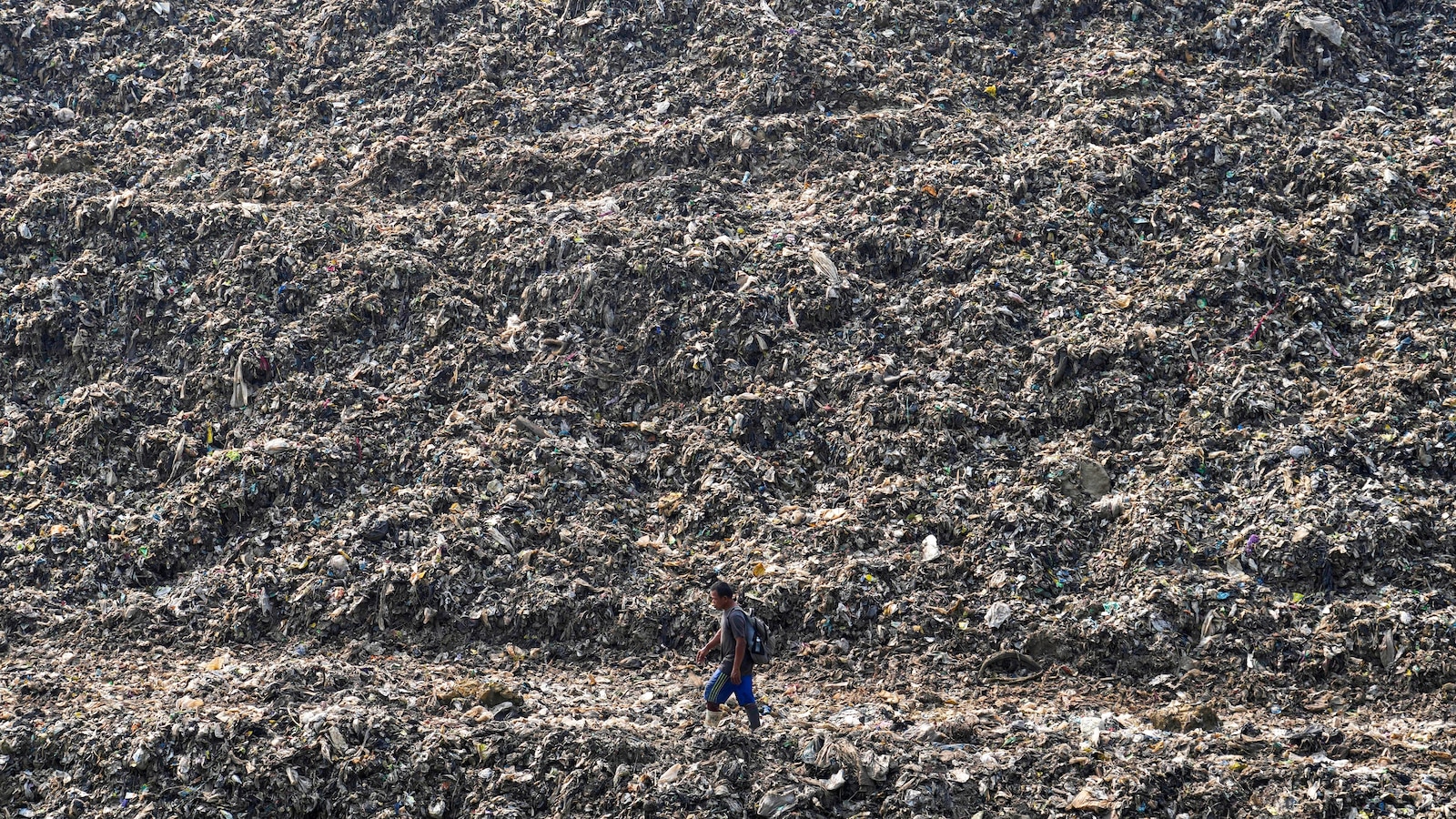
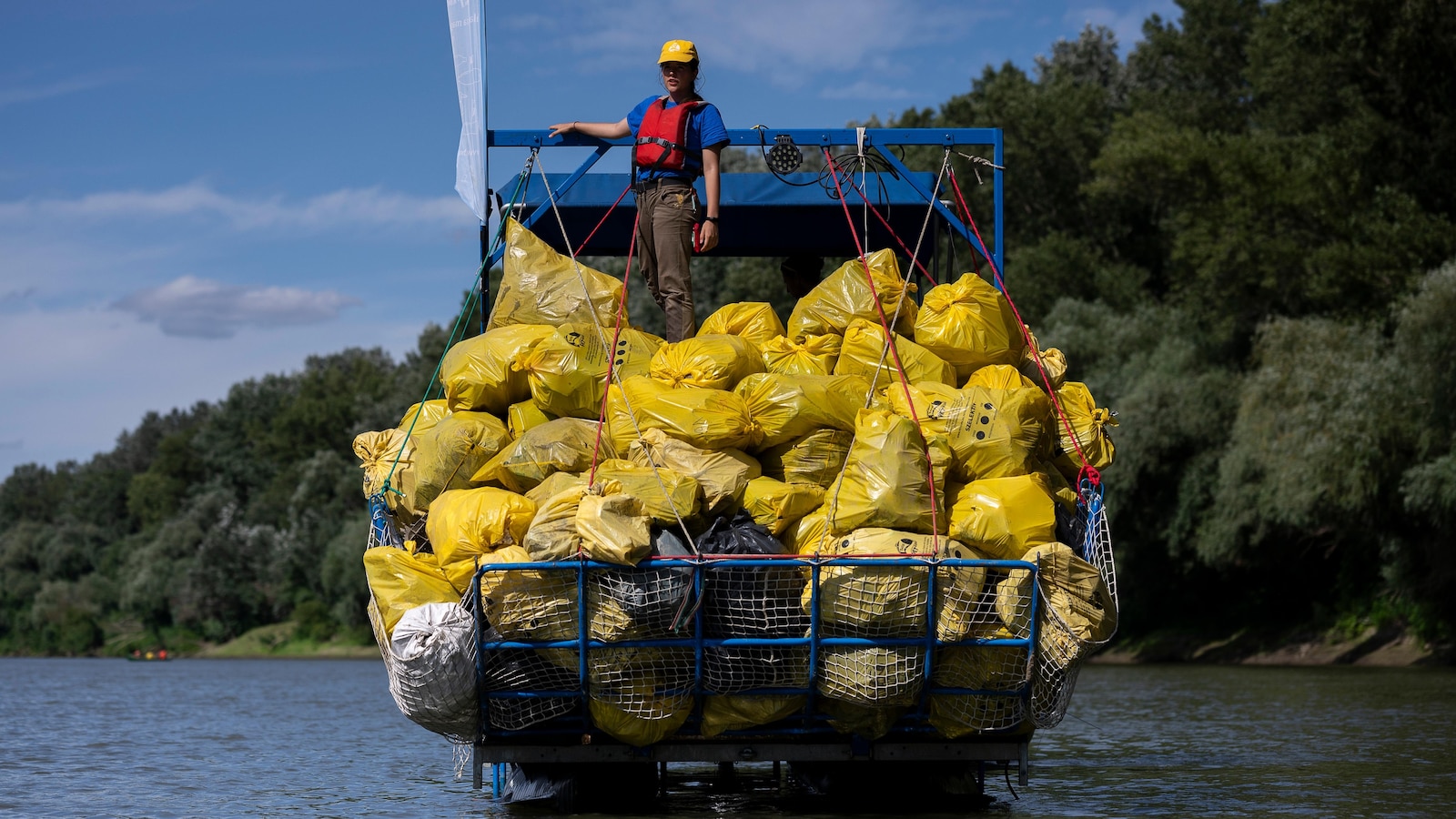
The world creates 57 million tons of plastic pollution every year and spreads it from the deepest oceans to the highest mountaintop to the inside of people’s bodies, according to a new study that also said more than two-thirds of it comes from the Global South.
It’s enough pollution each year — about 52 million metric tons — to fill New York City’s Central Park with plastic waste as high as the Empire State Building, according to researchers at the University of Leeds in the United Kingdom. They examined waste produced on the local level at more than 50,000 cities and towns across the world for a study in Wednesday’s journal Nature.
The study examined plastic that goes into the open environment, not plastic that goes into landfills or is properly burned. For 15% of the world’s population, government fails to collect and dispose of waste, the study’s authors said — a big reason Southeast Asia and Sub-Saharan Africa produce the most plastic waste. That includes 255 million people in India, the study said.
Lagos, Nigeria, emitted the most plastic pollution of any city, according to study author Costas Velis, a Leeds environmental engineering professor. The other biggest plastic polluting cities are New Delhi; Luanda, Angola; Karachi, Pakistan and Al Qahirah, Egypt.
India leads the world in generating plastic pollution, producing 10.2 million tons a year (9.3 million metric tons), far more than double the next big-polluting nations, Nigeria and Indonesia. China, often villainized for pollution, ranks fourth but is making tremendous strides in reducing waste, Velis said. Other top plastic polluters are Pakistan, Bangladesh, Russia and Brazil. Those eight nations are responsible for more than half of the globe’s plastic pollution, according to the study’s data.
The United States ranks 90th in plastic pollution with more than 52,500 tons (47,600 metric tons) and the United Kingdom ranks 135th with nearly 5,100 tons (4,600 metric tons), according to the study.
In 2022, most of the world’s nations agreed to make the first legally binding treaty on plastics pollution, including in the oceans. Final treaty negotiations take place in South Korea in November.
The study used artificial intelligence to concentrate on plastics that were improperly burned — about 57% of the pollution — or just dumped. In both cases incredibly tiny microplastics, or nanoplastics, are what turn the problem from a visual annoyance at beaches and a marine life problem to a human health threat, Velis said.
“The big time bomb of microplastics are these microplastics released in the Global South mainly,” Velis said. “We already have a huge dispersal problem. They are in the most remote places … the peaks of Everest, in the Mariana Trench in the ocean, in what we breathe and what we eat and what we drink.”
He called it “everybody’s problem” and one that will haunt future generations.
“We shouldn’t put the blame, any blame, on the Global South,” Velis said. “And we shouldn’t praise ourselves about what we do in the Global North in any way.”
It’s just a lack of resources and ability of government to provide the necessary services to citizens, Velis said.
Outside experts worried that the study’s focus on pollution, rather than overall production, lets the plastics industry off the hook. Making plastics emits large amounts of greenhouse gas that contribute to climate change.
“These guys have defined plastic pollution in a much narrower way, as really just macroplastics that are emitted into the environment after the consumer, and it risks us losing our focus on the upstream and saying, hey now all we need to do is manage the waste better,” said Neil Tangri, senior director of science and policy at GAIA, a global network of advocacy organizations working on zero waste and environmental justice initiatives. “It’s necessary but it’s not the whole story.”
Theresa Karlsson, science and technical advisor to International Pollutants Elimination Network, another coalition of advocacy groups on environment, health and waste issues, called the volume of pollution identified by the study “alarming” and said it shows the amount of plastics being produced today is “unmanageable.”
But she said the study misses the significance of the global trade in plastic waste that has rich countries sending it to poor ones. The study said plastic waste trade is decreasing, with China banning waste imports. But Karlsson said overall waste trade is actually increasing and likely plastics with it. She cited EU waste exports going from 110,000 tons (100,000 metric tons) in 2004 to 1.4 million tons (1.3 million metric tons) in 2021.
Velis said the amount of plastic waste traded is small. Kara Lavender Law, an oceanography professor at the Sea Education Association who wasn’t involved in the study, agreed, based on U.S. plastic waste trends. She said this was otherwise one of the more comprehensive studies on plastic waste.
Officials in the plastics industry praised the study.
“This study underscores that uncollected and unmanaged plastic waste is the largest contributor to plastic pollution and that prioritizing adequate waste management is critical to ending plastic pollution,” Chris Jahn, council secretary of the International Council on Chemical Associations, said in a statement. In treaty negotiations, the industry opposes a cap on plastic production.
The United Nations projects that plastics production is likely to rise from about 440 million tons (400 million metric tons) a year to more than 1,200 million tons (1,100 million metric tons, saying “our planet is choking in plastic.”
___
Jennifer McDermott contributed from Providence, Rhode Island.
The Associated Press’ climate and environmental coverage receives financial support from multiple private foundations. AP is solely responsible for all content. Find AP’s standards for working with philanthropies, a list of supporters and funded coverage areas at AP.org.