Fermenting food is where the magic happens: natural bacteria break down sugars and starches to create lactic acid. This process does more than preserve food-it adds beneficial enzymes, B12, Omega-3 fats, and, of course, a whole bunch of good bacteria. These probiotics-live microorganisms that help gut health – are often linked with yoghurt and kombucha. But there’s a lot more to probiotics than those two! Let’s talk about some surprisingly probiotic-rich foods that can do wonders for your gut microbiome. Not only do they mix up your diet, but they also introduce you to some awesome cultural dishes from all over the world.
Here Are 11 Surprising Probiotic Foods You Need To Add To Your Diet:
Familiar Probiotic Foods
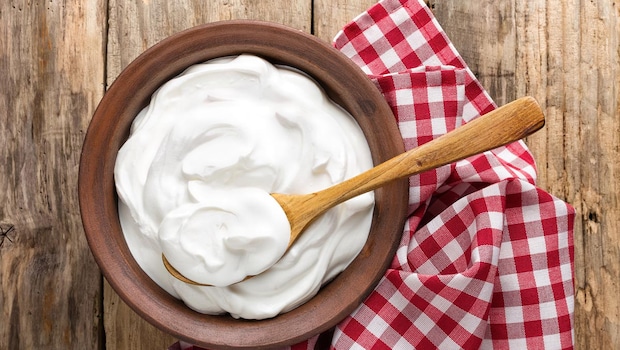
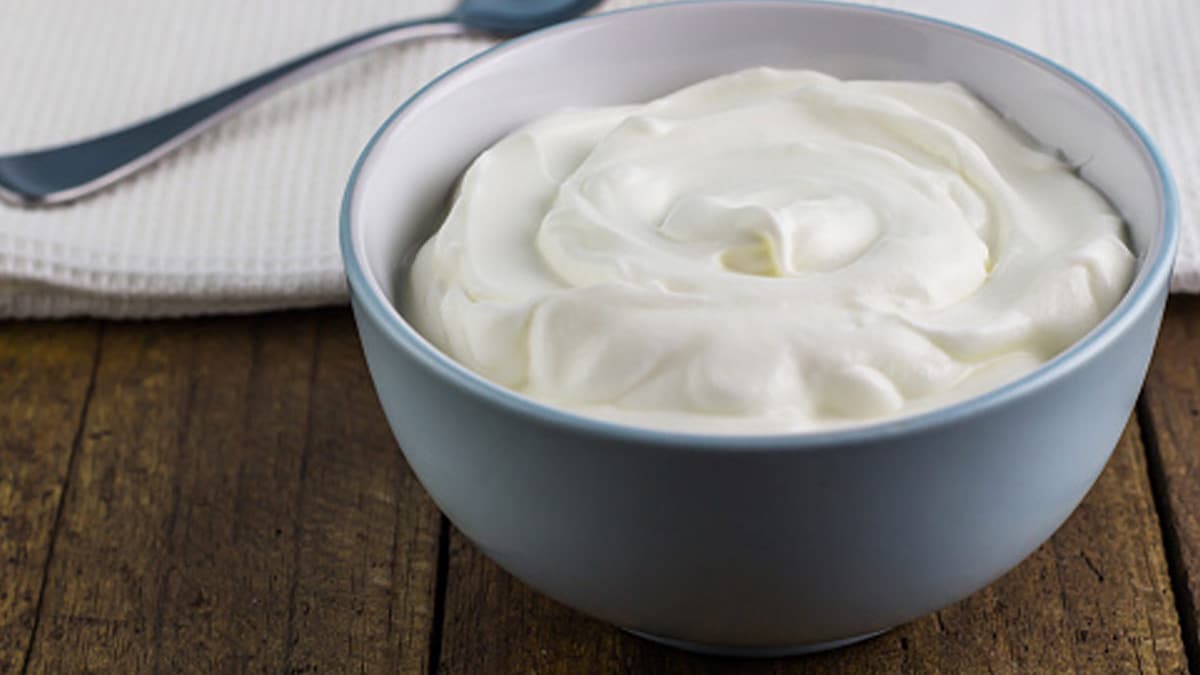
1. Yoghurt
Photo: iStock
The OG probiotic food, yoghurt is made by fermenting milk with bacteria like Lactobacillus and Bifidobacterium. It’s everywhere, super versatile, and packed with calcium and protein.
2. Kombucha
This bubbly, tangy tea has been all the rage for a while now. It’s made by fermenting sweet tea with a culture of bacteria and yeast (aka SCOBY). The result? A drink packed with probiotics and organic acids.
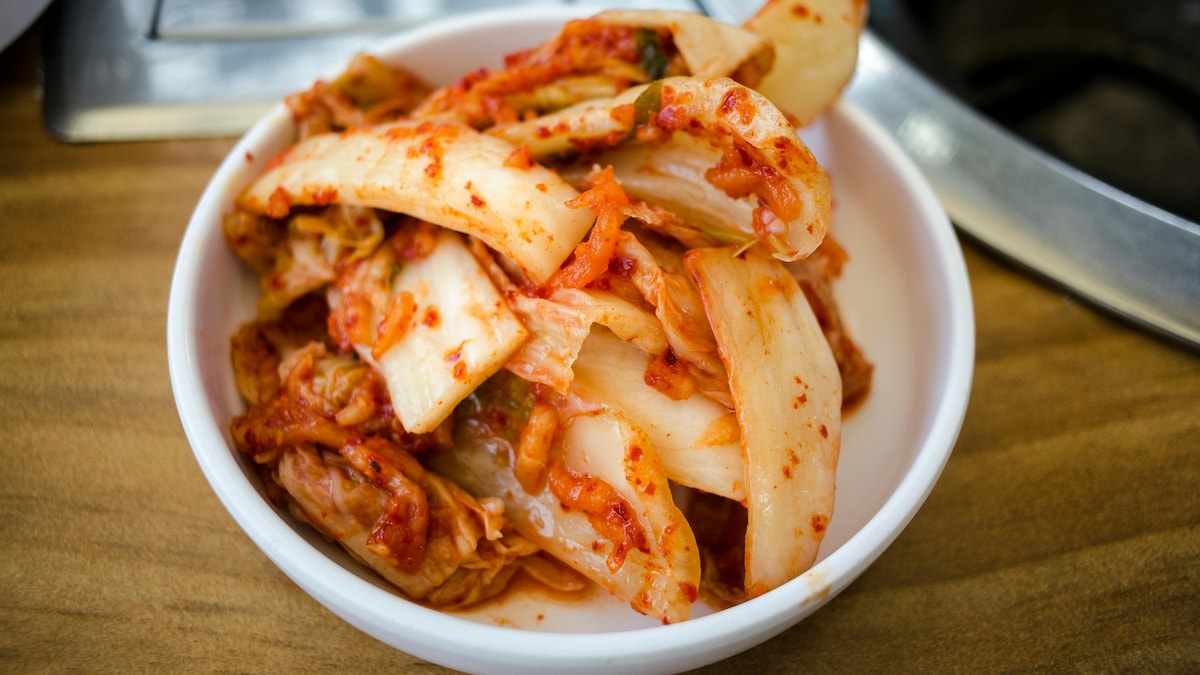
3. Kimchi (Korea)
Kimchi is a spicy, fermented veggie dish-mostly napa cabbage and radishes-that’s packed with lactic acid bacteria. It’s a staple in Korean meals, and its popularity is spreading worldwide.
Also Read:Are Probiotics The Answer For Optimal Gut Health? Expert Reveals The Truth
4. Pickles
When cucumbers are fermented in a saltwater brine (no vinegar, please!), they become a great probiotic source. These tangy, crunchy delights add a probiotic punch to any meal.
Lesser-Known Probiotic Foods
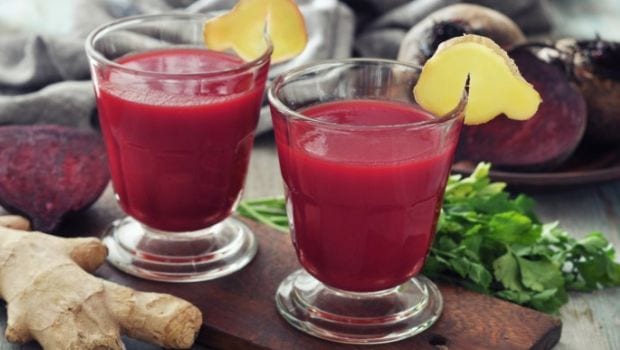
5. Kanji (India)
Kanji is a traditional North Indian drink made from fermenting black carrots, mustard seeds, and water. It’s tangy, spiced, and perfect for giving your gut a refreshing probiotic boost.
6. Tempeh (Indonesia)
This fermented soybean dish is a protein-packed, nutty alternative to meat. The fermentation process adds probiotics and boosts nutrient absorption, making it a go-to for vegetarians and vegans.
7. Idli Batter (India)
Idli batter is a fermented mix of rice and urad dal (black gram). The fermentation gives idlis and dosas their light, fluffy texture – and makes them loaded with gut-friendly microbes.
8. Natto (Japan)
Natto, made from fermented soybeans, is sticky and pungent, but it’s packed with probiotics and vitamin K2, which is great for bones and heart health.
Also Read:Are Diet Supplements Worth The Hype? Here’s The Truth You Need To Know
9. Togwa (Tanzania)
This East African fermented drink, made from millet or maize, has a mild sourness and a high probiotic count. It’s a nourishing, traditional beverage that’s as healthy as unique.
10. Fermented Green Mango Pickle (India)
Indian pickles, like the fermented green mango version, are loaded with probiotics. Spiced with mustard, turmeric, and chilli, this tangy pickle is an awesome way to boost digestion.
11. Kefir
Kefir is like yoghurt’s thinner, more probiotic-packed cousin. Made by fermenting milk with kefir grains, it has a wider variety of probiotics, making it a powerful option for your gut health.
Why Diversify Your Probiotic Sources?
Each probiotic food brings its own unique strain of bacteria to the table, helping keep your gut microbiome balanced and diverse. Mixing up your sources means:
Better digestion and nutrient absorption
Stronger immune system
Less inflammation and better overall health
Whether it’s classic yoghurt and kombucha or more unique options like kanji, natto, and fermented pickles, probiotics come in all shapes, flavours and textures. Try adding a variety to your diet to boost your gut health.
Images courtesy of FitBiomics: their two products, Nella and V•Nella
FitBiomics
Want to know a wild secret? Those superhuman athletes who run hundreds of miles or train like machines might have something special in their gut. Actual bacteria that help them power through when the rest of us would be face-down on the couch. Here’s the cool part: a bunch of smart folks figured out how to bottle that special sauce. They discovered these tiny powerhouse organisms living in ultra-marathoners’ digestive systems and turned them into a simple probiotic pill. One of these bacteria is particularly neat – it literally eats up the stuff that makes your muscles burn during exercise.
The best part? You don’t have to run 100 miles or train like an Olympian to benefit from it. People taking these probiotics are reporting they don’t need their extra afternoon naps anymore, and some are even ditching their mid-day coffee runs. Plus, they’ve got another version that helps with sleep, because apparently these elite athletes are good at that too.
Enter FitBiomics, led by former college basketball player turned Harvard scientist Dr. Jonathan Scheiman, which is flipping the traditional medical research model on its head by focusing on health rather than disease. The company has raised $6 million to date in order to bring their clinically validated probiotic innovations to the world.
“Traditional biotech really takes 10 years and billions of dollars to develop drugs with less than a 10% success rate,” explains Scheiman, who completed his postdoctoral research in George Church’s lab at Harvard. “Think about where we are in terms of society – we’ve probably been sicker than ever. 60% of all US adults have at least one chronic disease, costing the government up to $4 trillion a year in preventable healthcare costs.”
From Basketball Court to Biotech Lab
Scheiman’s journey to biotech entrepreneurship wasn’t conventional. “In another life, I played basketball in college, wanted to be a pro ball player, didn’t make the NBA, so as a backup, I got a PhD in biomedicine,” he shares with a hint of humor. This unique background – combining athletic experience with scientific expertise – would prove invaluable in shaping FitBiomics’ innovative approach.
FitBiomics team: DR. JONATHAN SCHEIMAN, PHD and DR. GEORGE CHURCH, PHD
Images courtesy of FitBiomics
Rather than studying disease, FitBiomics examines what makes the world’s top athletes exceptional. Their groundbreaking research, published in Nature Medicine, led to the discovery of Veillonella, beneficial bacteria that metabolizes lactic acid to power our muscles’ mitochondria. “We looked at ultra-marathon runners that run 100 miles at a time, and we found this microorganism called Veillonella that naturally eats lactic acid to fight fatigue and promote endurance,” Scheiman explains.
The Wellness Revolution: Consumers Don’t Want to Become Patients – They Want to Stay Consumers
The wellness economy is projected to reach $7 trillion by the end of the decade, reflecting consumers’ growing interest in preventative health solutions. Within this space, the global probiotics market alone is expected to hit $100 billion. FitBiomics is positioning itself at the intersection of these trends, with some impressive early results – they’re reporting over 80% month-over-month customer retention rates.
“Consumers don’t want to become patients. They want to stay consumers,” Scheiman emphasizes, highlighting a key shift in how people approach their health. “Everyone now is really more interested in health span. How can they optimize their biology without relying on pharmaceutical interventions?”
This shift in consumer behavior is particularly notable in the context of recent health trends. “I think GLP-1 has kind of changed everything,” Scheiman notes, referring to the popular class of weight loss drugs. “People are using it not just to treat obesity, but almost now as like this biohacking aesthetic kind of thing. And the crazy thing about it is people are spending thousands of dollars a month for it.”
From Lab to Market: A New, Agile and Cost Effective Approach to Product Development
The company has already commercialized two products. Their flagship offering, V•Nella, helps metabolize lactic acid and reduce fatigue, while Nella targets sleep health – a crucial market considering that 100 million Americans suffer from insomnia.
“Within 10 to 14 days of daily consumption, consumers feel the difference,” Scheiman notes. “They have less daily fatigue interfering with their daily life, more energy, and some people are tracking cardiovascular benefits on their wearables. We hear really cool anecdotal feedback like, ‘Hey, I no longer have to take a nap in the middle of the day, or I no longer need coffee in the middle of the day.’”
The Science Behind the Success
FitBiomics’ approach represents a significant departure from traditional pharmaceutical development. “We’ve decoded the 0.01% of the population, in terms of human performance. This is a very unique biological phenotype where we can now identify the drivers of optimal physiology,” Scheiman explains.
The company’s focus on elite athletes’ microbiomes has yielded surprising insights. “Think about organ transplants, blood transplants, stem cell transplants from healthy donors to help recipients,” Scheiman says. “It’s maybe a similar concept with microbiomes. We’re sort of isolating these super rare and healthy microbes as probiotics and making them available.”
Competitive Landscape and What Makes FitBiomics Stand Out
In the crowded landscape of microbiome and probiotic companies, FitBiomics stands out through its unique approach and intellectual property. Notable companies that inhabit the microbiome, probiotic, and gut health space include: Seres Therapeutics, Kallyope, Pendulum, Seed, Solera Bio, Viome, and Zoe. AG1, the foundational nutrition supplement is also a part of this list as the company is pushing the gut health benefits of their product. Additionally, Thorne Healthtech was a personalized health and wellness company that was acquired by LCAT for $680 million.
Investing in the Microbiome, FTW Ventures on Medium, source available at: … [+] https://medium.com/@ftwvc/no-guts-no-glory-investing-in-the-microbiome-part-iii-7e686579ae1d
FTW Ventures
In terms of health tech companies that create, translate, and sell their own IP, the list is much shorter; Debut Bio and Arcaea are considered synbio companies that use biotech for consumer health. For the microbiome space in particular, $3B has been invested by VC into the microbiome space in the past decade. To give a modern example: Nestle Health Science acquired Seres Therapeutics’ Vowst™, a microbiome therapy for C. diff, which is a bacteria that causes diarrhea and colitis. The therapy costs patients thousands of dollars per dose, and the condition affects half a million people. “Comparatively, FitBiomics has been able to create our products, Nella and V•Nella, for mere millions, rather than billions, and we make them available to consumers for a fraction of the cost of these other, extremely expensive therapies. Since our products help with an array of issues stemming from the gut, such as insomnia, digestion, menopause, etc., we have the potential to positively affect millions of people, not just half a million.” the founder concluded.
Gut Microbiome Data – the NVIDIA of Wellness?
Looking ahead, Scheiman sees tremendous potential for growth. “Our goal is kind of to be like the NVIDIA of wellness, creating this biological software that we can now integrate into every corner of global health and wellness,” he shares.
The company is particularly focused on addressing modern health challenges. “Life, in and of itself, is kind of like an ultra marathon,” Scheiman reflects. “Think about fatigue as an epidemic in society coming out of the pandemic. Society is also addicted to energy like coffee, caffeine, energy drinks. So clearly, consumers and people are looking for these sorts of solutions.”
Perhaps most revolutionary is FitBiomics’ approach to product development. “As an entrepreneur, I’ve been heavily influenced by the Lean Startup model,” Scheiman explains. “I think a lot of times in science and technology, we have a habit to over-engineer and try to optimize something that doesn’t yet exist. I’m a big believer in minimum viable products, getting product to market, learning what the market wants, iterating and then optimizing.” Given that over $3 billion have already been invested in this space in the last decade alone – this approach is radically challenging the space.
Amount invested in the microbiome tech, taken from Pitchbook, image courtesy of FitBiomics.
Image courtesy of FitBiomics
This approach has helped the company achieve results with far less capital than traditional biotech requires. “We’ve literally translated biological data into these probiotics that are proprietary. No one else in the world has them,” Scheiman states. “It’s like pharma grade IP that we found a way to bring to market with orders of magnitude less capital and a fraction of the time.”
As chronic disease rates continue to climb and healthcare costs soar, FitBiomics’ approach offers a promising alternative to traditional pharmaceutical solutions. “The microbiome is the ultimate biohack,” Scheiman concludes. “We’re literally translating microbiomes of elite athletes into consumer health products. And as wild as that sounds, the crazier thing is that it’s working.”
In a world increasingly focused on preventative health and wellness, FitBiomics’ innovative approach to developing probiotics could represent the future of consumer health products. By bridging the gap between elite athletic performance and everyday wellness, they’re creating accessible solutions for common health challenges – and potentially revolutionizing the way we think about probiotics in the process.
Whenever we have an upset stomach, we are often advised to have more probiotics. Whether it’s a bowl of yoghurt, a glass of kefir, chaas, kanji, or some paneer. These probiotic foods consist of a lot of ‘good’ or ‘gut-friendly’ bacteria, which is why they are considered great for our gut health. Consuming them can help replenish and maintain the balance of good bacteria in our gut. However, have you ever paused and wondered if probiotics are the answer for optimal gut health? Are they suitable for everyone, and can they prevent all types of digestive issues? Recently, Gut Health and Ayurveda Coach Dimple Jangda took to Instagram to clear this confusion once and for all. Before we find the answer to this mystery, let’s understand why it’s essential to look after our gut health: Also Read: Why Is It Important To Nourish You From Within? Expert Shares Insight On Gut Health
Photo Credit: iStock
Why Is It Important To Keep Your Gut Healthy?
Our gut plays a vital role in the absorption of nutrients from food and aiding in digestion. When our gut is healthy, we can benefit from the nutrients that food has to offer. This helps us stay energised, fit, and healthy, allowing us to take on challenges throughout the day. On the other hand, if we neglect our gut health, it can result in health ailments such as food intolerances, irritable bowel syndrome (IBS), and increased inflammation, impacting our overall health.
Are Probiotics Important For Gut Health? Here’s What The Expert Revealed:
Now, coming to the mystery question: Are probiotics the ultimate solution for gut health? According to Dimple, probiotics may not be suitable for everyone. She says, “Probiotics are great for those whose gut bacteria or gut flora is weak. But for someone who’s a Pitta Dosha or a mesomorph with active gut bacteria, it could actually cause more harm.” Dimple further explains that fermented foods can also cause a burning sensation in the stomach. If you’re a Pitta Prakriti, it can cause acid reflux, whereas if you’re a Kapha Prakriti, it can make you feel sluggish. So while probiotics are good, she emphasises figuring out what dosha you are before incorporating them into your diet.
Watch the complete video below:
What Are Some Diet Tips For Improving Your Gut Bacteria?
While probiotics certainly help, other dietary changes can support gut health as well. According to nutritionist Lovneet Batra, one should focus on increasing their fibre intake. This is because fibre helps promote the growth of good bacteria, so make sure you’re having enough fruits and vegetables. Along with this, you must also focus on following a diverse diet rich in whole foods, as this can lead to a diverse microbiome – which is essential for gut health. Do not forget to exercise regularly and get adequate sleep, as these too can have an impact on your gut health. Also Read: Apple For Digestion: Nutritionist Shares 3 Ways to Eat Apples For Gut Health
Now that you know the truth about probiotics, include them in your diet accordingly. Remember to always consult a professional before making any major changes to your diet.