hacklink hack forum hacklink film izle hacklink marsbahisizmir escortsahabet

Tag: Protein

  • New Diet App Focuses On Protein And Fibre For Smarter Weight Loss

    New Diet App Focuses On Protein And Fibre For Smarter Weight Loss

    Maintaining a healthy weight got a high-tech upgrade. Researchers at the University of Illinois Urbana-Champaign have developed EMPOWER, an innovative online programme that makes weight loss smarter and more accessible, reported IANS. Unlike traditional diet apps that focus on calorie counting, this programme emphasizes meal planning around protein and fibre to boost satiety and muscle retention while shedding weight. The weight management programme helps individuals plan meals with the assistance of a web application and support from a registered dietitian.

    Many people struggle to maintain a healthy weight, and choosing the optimal meals for weight loss can be challenging. Most dieting apps available are usually macronutrient calculators, according to the study published in the journal JMIR Formative Research.

    “But we want people to focus on finding foods that have a high protein and fibre density to get them to their meal goals. It’s less about counting calories and more about finding the foods that will satisfy us and provide the protein we need to maintain muscle mass as we lose weight,” said Ashleigh Oliveira, a doctoral student at University of Illinois Urbana-Champaign in the US.

    “Foods that are high in fibre also have all the micronutrients we need, so we’re not missing out on vitamins and minerals as we’re eating less food,” Oliveira added.

    The programme’s first iteration, the Individualized Dietary Improvement Programme (iDip), was an in-person programme where participants received education and feedback from registered dieticians. Subsequently, iDip was converted to a fully online programme, EMPOWER, to increase accessibility. The researchers tested the program’s efficacy with individuals in rural Illinois.

    EMPOWER has three components: Educational materials about nutrition; an online app where participants can design meals for weight loss and monitor their progress; and personalized support from registered dieticians, who are available for online chats.

    The research team developed MealPlot, an interactive feature that charts protein and fibre content in food. People enter the food they want to eat into a chart that plots fibre and protein content. The goal is to ensure each day’s overall food intake falls within a specific protein/fibre target range.

    The MealPlot app is freely available and anyone can register for an account, but to get the full benefit you should work with a dietitian, the researchers said. The researchers are now fine-tuning the application and plan to launch the full programme by spring 2026.

    This tool could redefine how we approach weight loss and healthy eating. Whether you’re aiming to slim down or simply eat smarter, this app, combined with expert dietitian support, might just be the game-changer you’ve been waiting for.

    Source link

  • Can Quinoa Alone Meet Your Daily Protein Needs? Experts Weigh In

    Can Quinoa Alone Meet Your Daily Protein Needs? Experts Weigh In

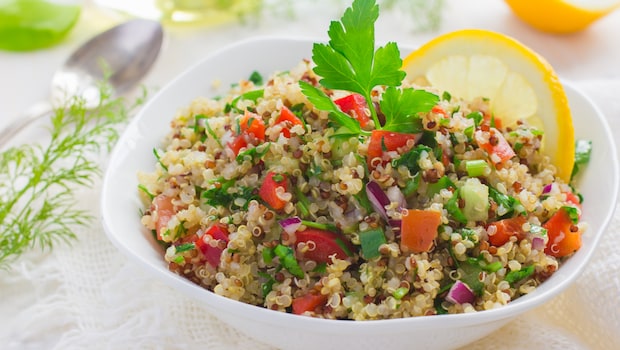
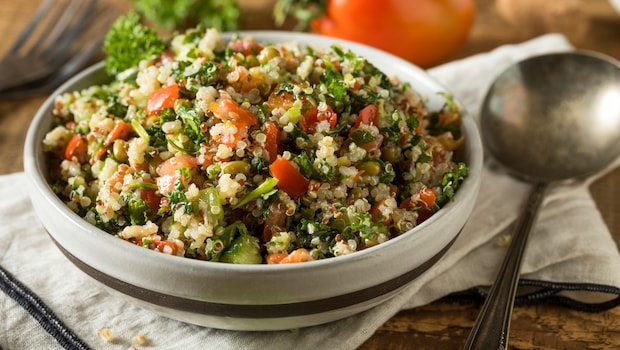
    For many, quinoa is a popular choice for weight loss or clean eating. It’s loaded with nutrients and fibre – two essentials for effective weight management and overall health. Another key selling point is its protein content and versatility, making it a go-to for many. But can this so-called superfood alone meet your daily protein requirements? What sets it apart from other grains? If quinoa is a regular part of your diet, here’s what you need to know about its nutritional value and how to consume it in a nutritionist-approved way.

    Also Read: Watch: Love Italian Food? Try This Quinoa Risotto For A Healthy, Quick-Fix Lunch

    Latest and Breaking News on NDTV

    Photo: iStock

    What Sets Quinoa Apart from Other Grains?

    It has a high protein content. Nutritionist Amita Gadre explains that 100 grams of quinoa provides 13 grams of protein. In comparison, grains like wheat, jowar, and bajra offer approximately 10 grams per 100 grams. This difference makes quinoa a preferred choice for vegetarians aiming to meet their protein needs with ease.

    Can Quinoa Alone Meet Your Protein Needs?

    No, it can’t. While quinoa contains all essential amino acids, making it a complete protein, relying solely on it won’t suffice. Gadre highlights that one serving of quinoa (about 13 grams) delivers only 4 grams of protein. This isn’t enough for a high-protein diet aimed at maintaining or building muscle.

    How To Turn Quinoa Into A High-Protein Meal

    To make quinoa a more balanced protein source, pair it with complementary foods. Gadre suggests combining it with protein-rich options such as paneer, lentils, or chicken. These combinations not only boost its nutritional profile but also make meals more satisfying.

    Latest and Breaking News on NDTV

    Photo: iStock

    Common Quinoa Mistakes and How to Avoid Them

    1. Skipping the Rinse

    Failing to rinse quinoa leaves its protective saponin coating intact, leading to a bitter taste. Rinse thoroughly before cooking to avoid this.

    2. Not Seasoning Enough

    Quinoa’s mild flavour needs a boost. Enhance its taste with fresh herbs, nuts, sauces, or coconut milk.

    3. Overcooking

    Overcooked quinoa becomes mushy. Remove it from heat slightly early and let residual heat finish the cooking.

    4. Ignoring Excess Liquid

    Excess moisture affects quinoa’s texture. Use a sieve to drain and press out any remaining liquid gently.

    5. Skipping the Rest Period

    Allowing quinoa to rest post-cooking lets it absorb flavours and ensures a fluffy texture.

    Disclaimer: This content including advice provides generic information only. It is in no way a substitute for qualified medical opinion. Always consult a specialist or your doctor for more information. NDTV does not claim responsibility for this information.

    Also Read: High-Protein Diet: This One-Pot Quinoa Meal Strikes The Right Balance Between Taste And Health; Expert Recipe Inside

    For easy and delicious quinoa-based recipes, click here.

    Source link

  • 7 Foods You Think Are High In Protein, But Reality Might Surprise You

    7 Foods You Think Are High In Protein, But Reality Might Surprise You

    We all know how essential protein is for overall health. It is what helps repair and build our body’s tissues, builds energy, and keeps our immune system healthy. A low-protein diet can result in muscle loss, skin issues, and even brittle hair and nails. To prevent this, many of us make sure to add some sort of protein to our everyday meals. It could be a serving of grilled chicken, chickpea salad, mushrooms, eggs, or perhaps dal. While some of these tick the criteria of being a protein powerhouse, others do not. There are several such foods that we may think are high in protein but may not be enough for our requirement. Surprised? Read on to discover what these foods are, as claimed by nutritionist Mohita Mascarenhas on Instagram.

    Here Are 7 Foods You Think Are High In Protein, But Aren’t – As Per The Expert:

    1. Dal

    Dal is a staple in Indian households, and most vegetarians have at least 1 katori of dal every day. While it is a good source of protein, this amount is not sufficient to meet your daily requirements. According to Mohita, 1 katori of dal doesn’t have more than 4 to 5 gms of protein.
    Also Read: Do You Need Extra Water On A High-Protein Diet? A Nutritionist Explains

    Add image caption here

    Photo Credit: iStock

    2. Sattu

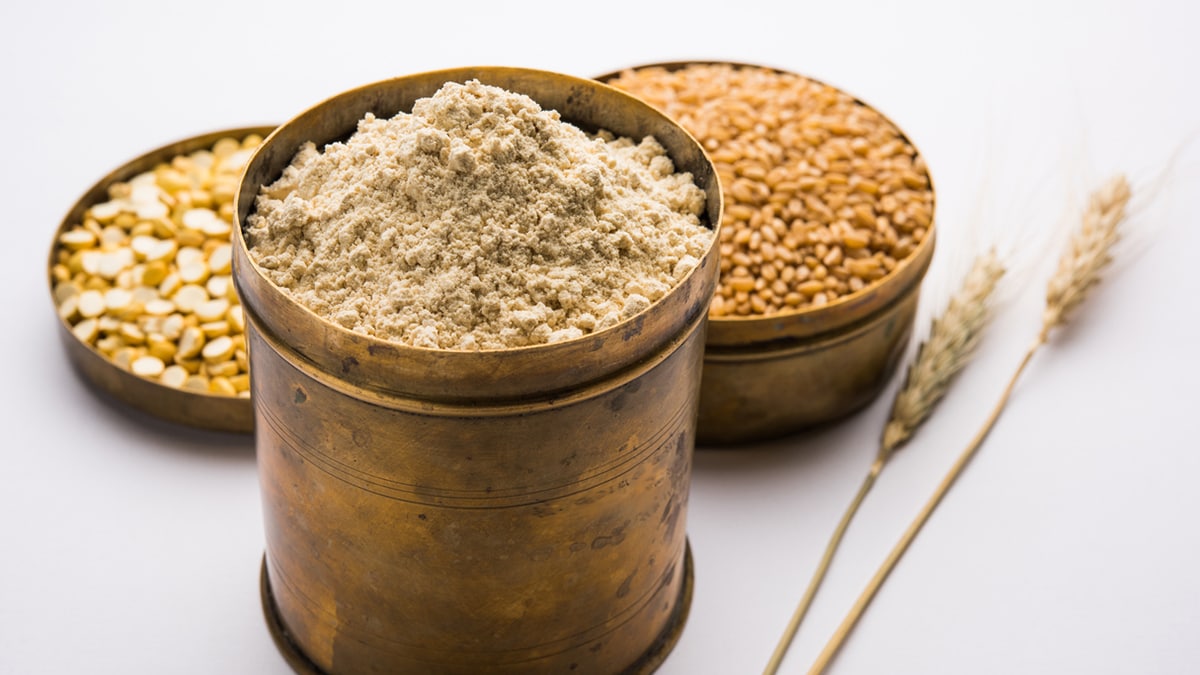
    Sattu has emerged as a superfood due to its protein content. Made from powdered chana dal, many think it can help boost their protein intake. The nutritionist explains that this is true only to a certain extent. When 1 tsp of sattu is mixed with water, it offers only about 5 to 7 gms of protein.

    3. Mushrooms

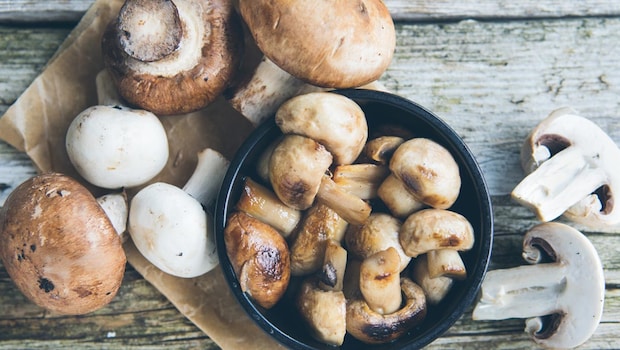
    Do you eat mushrooms thinking you’re getting enough protein? Mohita explains that vegetables are not a good source of protein. She states that a 100-gm serving of mushrooms has only about 3 gms of protein.

    Add image caption here

    Photo Credit: iStock

    4. Peanuts/Peanut Butter

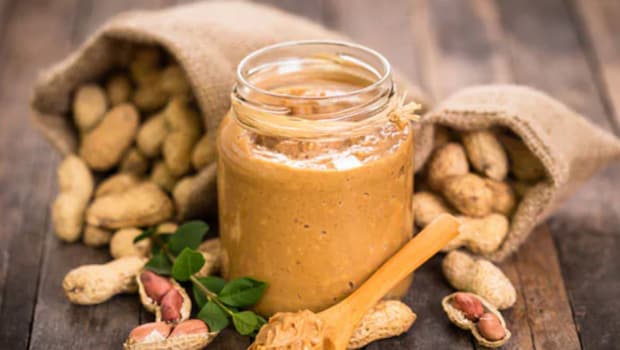
    Peanuts and peanut butter are popular options among those trying to increase their protein intake. While they do contain protein, they are a better source of fat. She shares that 2 tbsp of peanut butter will give you about 200 calories, and 10 gms of protein. So, be mindful of how much you consume, as you’ll also be consuming extra calories.

    Add image caption here

    Photo Credit: iStock

    5. Almonds

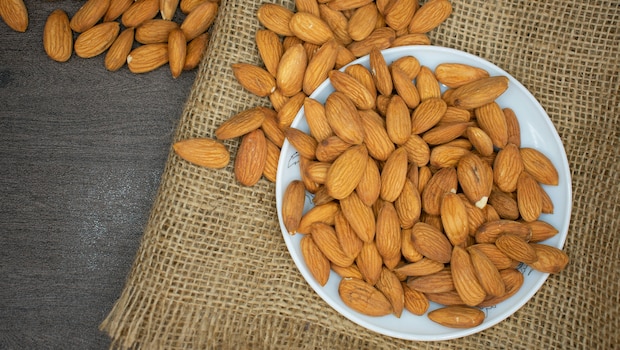
    According to Mohita, almonds are also a better source of fat compared to protein. Most of us usually have about 5-6 almonds daily. However, this is not sufficient to meet your protein requirements. As per the U.S. Department Of Agriculture, 100-gm of almonds contain about 21 gm of protein.

    Add image caption here

    Photo Credit: iStock

    6. Quinoa/Millets

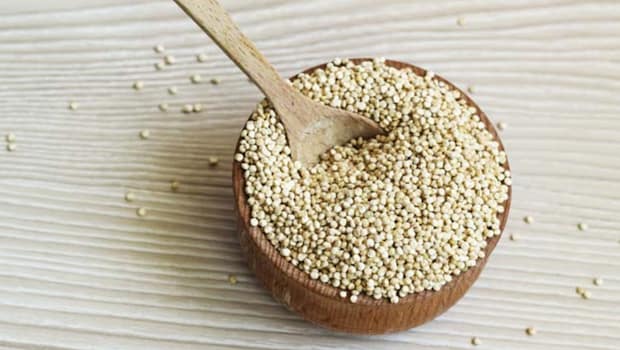
    Think quinoa and millets make for a great protein source? Mohita says both of these offer the same amount of protein as regular grains such as wheat. A 100-gm serving of quinoa and millets will give approximately 13 gms of protein.

    7. Protein Bars

    Enjoy snacking on protein bars before or after your gym session? The expert claims that contrary to what they promise to offer, they are merely packed with sugar. Instead of protein, you’ll be consuming extra calories, which can lead to weight gain. She suggests consuming protein powder instead.
    Also Read: Kala Chana Soup: The High-Protein Winter Comfort You Didn’t Know You Needed

    Check out the full video below:

    So, while these foods do provide some amount of protein, you shouldn’t rely solely on them. Stay fit and healthy!

    Disclaimer: The opinions expressed within this article are the personal opinions of the expert. NDTV is not responsible for the accuracy, completeness, suitability, or validity of any information on this article. All information is provided on an as-is basis. The information, facts or opinions appearing in the article do not reflect the views of NDTV and NDTV does not assume any responsibility or liability for the same.

    Source link

  • Quinoa Dosa Recipe: Make This Quick And Easy Dosa To Meet Your Protein Needs

    Quinoa Dosa Recipe: Make This Quick And Easy Dosa To Meet Your Protein Needs

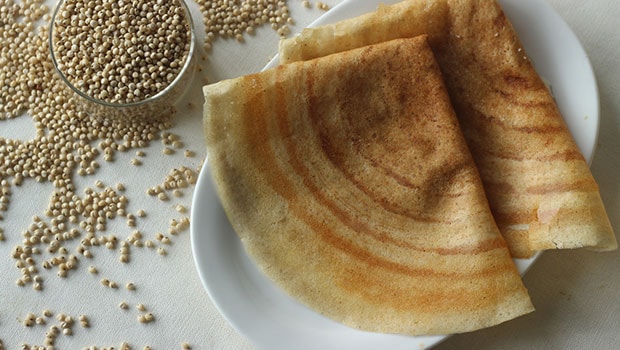
    Anyone who’s health-conscious knows how crucial protein is in a balanced diet. It’s essential for muscle repair, energy, and overall well-being. While we all try to include protein in our meals, let’s be honest-sometimes it feels like we’re eating the same thing every day. But don’t worry, we’ve got a game-changer for you! Imagine a vegetarian dish that’s not only packed with protein but is also perfect for lunch. Well, meet quinoa dosa! It’s a nutritious twist on a classic Indian dish that will keep your taste buds happy while making sure you’re getting a wholesome meal. Ready to make it? Then let’s roll up our sleeves and dive into this easy, high-protein recipe!

    Also Read: 5 Reasons Why Broccoli Should Be Your Ultimate Superfood In 2025

    Latest and Breaking News on NDTV

    What Makes Quinoa A Must-Have In Your Diet?

    Quinoa is pretty much a superhero ingredient. Here’s why:

    1. Protein-Packed

    As we mentioned, quinoa is loaded with protein, and it’s a complete source, meaning it contains all nine essential amino acids. This makes it a top choice for vegetarians trying to hit their daily protein goals.

    2. Fibre Rich

    Thanks to its high fibre content, quinoa helps with digestion and keeps you full for longer. If you’re working on weight loss, it can be a great ally in controlling your calorie intake.

    3. Packed With Nutrients

    On top of being rich in protein and fibre, quinoa also contains magnesium, iron, antioxidants, and more. Basically, it’s a nutritional powerhouse for your diet.

    Why Is It Important To Soak Quinoa Before Cooking?

    Soaking quinoa is key in this recipe to soften it up before turning it into a batter. While you don’t always have to soak quinoa before cooking, it’s a good idea for digestion. Soaking helps remove phytic acid, which can make it easier on your stomach. Plus, rinsing quinoa under cold water for a minute removes any bitterness, so it’s worth the extra step.

    Latest and Breaking News on NDTV

    How To Make Quinoa Dosa At Home | Protein-Rich Quinoa Dosa Recipe

    Making quinoa dosa is super simple. This nutritious recipe was shared by content creator @chaispicekitchen. Here’s how to do it:

    1. Soak Grains

    In a bowl, add quinoa, brown rice, urad dal, and fenugreek seeds (methi daana). Wash them thoroughly, then soak them for 6-7 hours to soften the grains.

    2. Prepare Batter

    Once soaked, transfer everything into a blender and blend until smooth. Cover it and let it ferment overnight.

    3. Make Dosas

    When you’re ready to cook, add salt and water as needed and mix well. Pour the batter into a hot pan, spread it evenly, and drizzle some oil. Cook it until golden brown, then serve with piping hot sambhar and chutney. Enjoy!

    Watch the full video below:

    Also Read:This Desi Mooli Chutney Will Make You Want to Eat Everything With It

    Will you try this quinoa dosa recipe at home? Let us know in the comments!


    Source link

  • Is India Ready To Lead The Protein Revolution? Heres What It Needs To Make It Happen

    Is India Ready To Lead The Protein Revolution? Heres What It Needs To Make It Happen

    When Huber’s Butchery in Singapore made headlines as the world’s first butcher shop to sell cultivated chicken from GOOD Meat in 2023, it wasn’t just a game-changer in food tech-it was a glimpse into the future of sustainable eating. Shoppers browsing the familiar butcher displays found meat that had never seen a farm, grown directly from animal cells in bioreactors. It was a clear sign of a shift away from traditional protein sources, which are linked to animal slaughter, carbon emissions, and the overuse of resources like land, water, and feed. While countries like Singapore are taking bold steps in the smart protein space, the big question is: can India – home to diverse agriculture, a talented workforce, and rising protein demands – lead the charge to become the protein powerhouse of the future?

    Also Read: What India Needs To Become The Protein Powerhouse Of Future

    Latest and Breaking News on NDTV

    India is a nation obsessed with carbs-rice, roti, and dal dominate most meals-so protein often takes a backseat. Despite significant advancements in food production, with food grain output reaching 269 million metric tonnes, the focus has mainly been on meeting calorie needs, not nutritional balance. More and more, studies are showing the drawbacks of relying on animal-derived proteins-think saturated fats, cholesterol, and the lack of dietary fibre. Enter smart proteins-plant-based, fermented, or cultivated options – that offer a nutrient-packed solution to meet our protein needs.

    India is seeing a surge in smart protein startups, with over 100 companies working to develop alternative proteins. The market is already buzzing with 545 different products, ranging from plant-based meat to dairy alternatives, available both in stores and online. This growing presence is a sign that consumers are beginning to embrace alternatives, driven by health concerns, sustainability, and ethical choices. On a global scale, the alternative protein market is expected to hit $15.7 billion in 2024, with a growth rate of 9.9%, reaching $25.2 billion by 2029. With India’s growing middle class, urbanization, and rising health consciousness, it’s clear that the country has a real shot at becoming a leader in the future protein market.

    Also Read: New Research Finds Plant Protein To Be A Heart Health Booster

    India’s agricultural strength-especially its vast range of native crops like millets and legumes-could play a big role in developing affordable, locally sourced alternatives that cater to the Indian palate. Cutting-edge tech, like precision fermentation (which uses microbes to produce proteins like non-animal whey), is making it possible to create animal-like proteins without the environmental toll. Similarly, biomass fermentation (using fungi to produce nutrient-rich protein) is gaining traction as a scalable solution. By doubling down on research and innovation in plant-based proteins and fermentation technologies, India could create high-quality, affordable protein products that are accessible to everyone.

    The Indian government is on board too, with policies like BioE3, the Karnataka Biotechnology Policy, and funding for smart protein research showing a clear commitment to solving food security, sustainability, and climate challenges. With smart investments in R&D, production subsidies, and initiatives to boost local crops for plant-based proteins, the government can play a crucial role in turning this emerging sector into a mainstream success.

    That said, there are still hurdles. Consumer awareness is low – only 27% of early adopters know about plant-based meats, and just 11% have tried them. To push this sector forward, there’s a big need for education on the health and environmental benefits of smart proteins, as well as overcoming barriers like taste and affordability. Luckily, advances in texturization and extrusion are already making plant-based meats taste and feel more like the real thing. Plus, innovations in nutrition are ensuring that these alternatives can match, or even beat, traditional meat in protein content. But the sector still needs more investment and exploration into cutting-edge technologies like 3D printing, electrostatic spinning, and shear cell tech to really perfect the texture and flavour of plant-based meats.

    With the right mix of innovation, investment, and consumer education, India has the chance to lead the global transition to smarter, more sustainable protein solutions that are better for our health and the planet.

    Disclaimer: The opinions expressed within this article are the personal opinions of the author. NDTV is not responsible for the accuracy, completeness, suitability, or validity of any information in this article. All information is provided on an as-is basis. The information, facts or opinions appearing in the article do not reflect the views of NDTV and NDTV does not assume any responsibility or liability for the same.
    Source link

  • What India Needs To Become The Protein Powerhouse Of Future

    What India Needs To Become The Protein Powerhouse Of Future

    When Huber’s Butchery in Singapore became the world’s first butchershop to sell cultivated chicken sourced from GOOD Meat in 2023, it was not just a groundbreaking moment for food innovation, it was a showcase of the future of sustainable eating. Customers browsing the familiar glass displays encountered meat that had never seen a farm, grown directly from animal cells in bioreactors. It marked a transition from traditional sources of protein which are also the sources of cruel animal slaughter, carbon emissions, and the unsustainable use of land, water, and feed resources. While countries such as Singapore are taking bold steps to pioneer smart proteins, the question remains: can India, with its vast agricultural diversity, talented workforce, and rising protein need, lead this change to become the protein powerhouse of tomorrow?

    Also Read: 11 Ways To Get Enough Protein In Your Diet

    Indian consumers are caught in a “Protein Paradox”. We produce some of the world’s highest amounts of pulses, dairy, and other protein-rich foods, yet millions of us still fall short of getting enough protein every day. According to the Indian Dietetic Association, 73% of Indians don’t meet their daily protein needs. It is not just about availability, it is about priorities. We are a carb-loving nation where rice, roti, and dal often take centre stage on the plate, but the protein part is either missing, misunderstood, or overlooked. For many, affordability is a barrier. For others, it is a lack of awareness about why protein matters or a cultural mindset where “protein deficiency” sounds like something that happens elsewhere, not in a country with overflowing farms and dairy.

    Despite these challenges, India is witnessing an accelerated growth of smart protein startups, with more than 100 companies dedicated to developing alternative proteins. This sector is seeing rapid innovation across plant-based, fermentation-based, and cultivated proteins, each offering a sustainable alternative to animal-based products. The market is already showing impressive diversity, with 500+ products available in retail and online channels. This increasing market presence indicates that consumers are beginning to embrace alternatives, driven by concerns about health, sustainability, and ethics.

    The growth potential for India’s smart protein sector is immense. It is projected to reach $4.2 billion by 2030, a reflection of the rising consumer demand for sustainable protein sources. Globally, the market for alternative proteins is estimated at $15.7 billion in 2024, with a projected compound annual growth rate (CAGR) of 9.9% reaching $25.2 billion by 2029. With India’s growing middle class, urbanisation, and awareness around health, there is a strong case for the country to position itself as a leader in the future protein market.

    Also Read: How Much Protein Is Enough? Celeb Nutritionist Reveals 

    Add image caption here

    Protein is an essential part of a healthy diet.
    Photo Credit: iStock

    Furthermore, India’s agricultural strength, particularly its diversity of indigenous crops like millets and legumes, can be leveraged to develop cost-effective and locally relevant alternatives. Cutting-edge technologies like precision fermentation, which uses microbial systems to produce specific proteins such as non-animal whey, are creating opportunities to mimic traditional animal-based protein functionality without environmental drawbacks. Similarly, biomass fermentation, using microorganisms like fungi to produce dense, nutrient-rich protein, is gaining momentum as a scalable solution.
    The government’s support, including policies and funding for research into smart proteins, underscores its commitment to tackling food security, sustainability, and climate change while opening up new economic opportunities.

    However, there are challenges to overcome. Consumer awareness remains limited, only 27% of early adopters are aware of plant-based meats, and just 11% have tried them. A cultural mindset, where processed food is viewed with scepticism and “protein deficiency” is not widely recognised, further complicates the adoption process. The sector will need to focus on educating consumers about the health and environmental benefits of smart proteins and overcoming barriers to taste and affordability. Advancements like texturisation and extrusion technologies are already helping bridge this gap, improving the sensory mimicry of meat to satisfy the Indian palate. Innovations in formulation are also addressing nutrition, ensuring plant-based alternatives can match or exceed the protein profiles of traditional sources.

    Furthermore, while alternative proteins generally offer nutritional advantages, such as higher fibre content and lower saturated fats compared to animal-based products, the nutrient profiles of these products still show variability. Continuous innovation and biofortification will be crucial to ensuring that plant-based and cultivated proteins meet the nutritional standards of traditional proteins. With cultivated meat technologies advancing globally-like the use of bioreactors to grow animal cells without farming-India has the potential to build greenfield infrastructure to scale this innovation domestically, provided the necessary R&D and pilot facilities are established.

    About The Author: Sneha Singh is the Managing Director of GFI India

    Disclaimer:

    The opinions expressed within this article are the personal opinions of the author. NDTV is not responsible for the accuracy, completeness, suitability, or validity of any information on this article. All information is provided on an as-is basis. The information, facts or opinions appearing in the article do not reflect the views of NDTV and NDTV does not assume any responsibility or liability for the same.
    Source link

  • Is Cheese Enough To Meet Your Daily Protein Needs? Experts Are Saying This…

    Is Cheese Enough To Meet Your Daily Protein Needs? Experts Are Saying This…

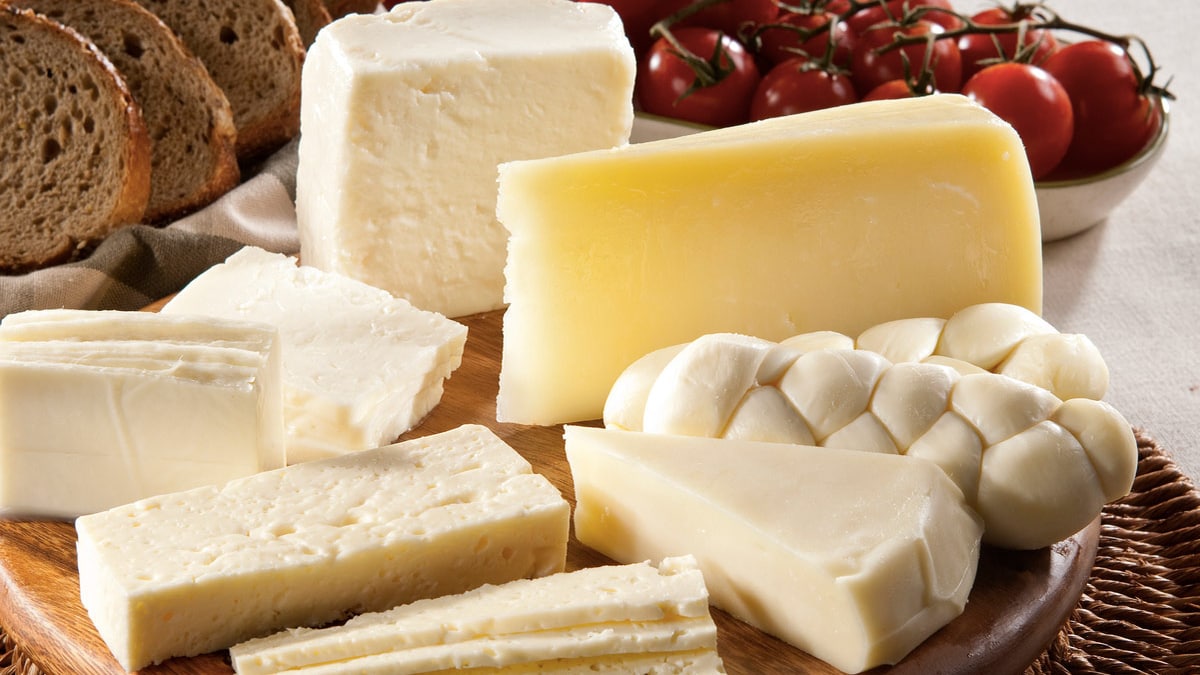
    Cheese. It’s creamy, gooey, and oh-so-versatile, making it a favourite for so many. Whether it’s on top of a pizza or in a sandwich, its rich taste and texture have earned it a spot in kitchens around the world. In India, the cheese aisle is loaded with options – from soft paneer to sharp cheddar – catering to every taste. But beyond its melt-in-your-mouth goodness, cheese is packed with protein, making it a go-to for anyone after a wholesome ingredient. But can cheese alone fulfil your daily protein needs? Can you rely on it to support a balanced diet? Let’s dig into it.

    Also Read:What is Feta Cheese? 6 Reasons Why You Should Include It In Your Diet

    Add image caption here

    Photo: iStock

    Is Cheese Enough For Your Everyday Protein Needs?

    Short answer: No. While cheese does pack some protein, there’s a catch. Nutritionist Amita Gadre explains that despite its protein content, cheese isn’t your ultimate protein source, mainly because of its high fat and sodium levels. Take parmesan, for example. It might have 38 grams of protein per 100 grams, but it also comes with 29 grams of fat. And even low-fat paneer has 20 grams of protein, but also 22 grams of fat.

    So, Is Cheese A No-Go?

    Definitely not! According to nutritionist Amita Gadre, cheese can still be part of your diet, but moderation is key. The trick is to pick the right kind. And stay away from processed cheese. Ayurvedic health coach Dimple Jangda breaks down why:

    1. Long Shelf Life

    Processed cheese is loaded with preservatives, emulsifiers, and artificial colours. In fact, leave a slice in your fridge for six months, and it’ll still look the same. That’s a clear sign of how chemical-heavy it is.

    2. Packed With Sodium

    One slice of processed cheese can have around 400 milligrams of sodium. This can contribute to high blood pressure and raise the risk of heart disease.

    3. Stripped Of Nutrients

    Processed cheese loses a lot of its nutrients, especially calcium. Instead, you’re left with preservatives, additives and unhealthy fats.

    If you still want to enjoy cheese, opt for homemade varieties or fresh ones that don’t last forever.

    Latest and Breaking News on NDTV

    What’s The Best Way To Eat Cheese?

    It might seem fine to eat cheese on its own, but that’s not the healthiest choice. Gadre recommends pairing cheese with fibre-rich foods like vegetables and whole grains to make it a more balanced meal. And to make sure your body gets enough protein, don’t just rely on cheese. Add chicken, fish, dals, eggs, or tofu to your regular meals.

    Also Read:Homemade Cheese Powder Recipe: This Yummy Powder Will Amp Up Your Meals
     

    Source link

  • Can Dal Alone Meet Your Protein Needs? The Truth Might Surprise You

    Can Dal Alone Meet Your Protein Needs? The Truth Might Surprise You

    In every Indian home, dal (lentils) is not just a comfort food – it’s a dietary staple. The humble bowl of dal, often enjoyed with a serving of rice, chapati, or roti, is a go-to meal for many of us. Packed with nutrients, lentils are celebrated as a rich source of protein, especially in vegetarian diets. In fact, many of us might think that a hearty bowl of dal or a lentil salad is all we need to meet our daily protein requirements. But here’s the catch: dals alone are not complete protein. You need to pair them with other foods to create a balanced protein profile.

    Also Read: High-Protein Diet: How To Make Vegetarian Indian Thali Rich In Protein

    Why Dal Alone Isn’t Enough For Protein Requirement:

    This revelation was brought to light by holistic health coach Luke Coutinho in an Instagram post, where he shared the truth that lentils, pulses, and legumes, though rich in protein, are not “complete” proteins. What does that mean? To understand this, we need to take a closer look at amino acids-the building blocks of protein. There are 20 amino acids in total, and 9 of these are considered essential, meaning our body cannot produce them and we must obtain them through food.

    Lentils and legumes are rich in lysine, an essential amino acid, but they lack sufficient amounts of another amino acid-methionine-which is abundant in cereals like rice and wheat. On the other hand, rice and wheat are low in lysine but packed with methionine and cysteine, sulfur-containing amino acids that lentils and pulses lack.

    When you combine dals with cereals like rice, wheat, or even millets, you create a complete protein, containing all nine essential amino acids needed for optimal health. This is particularly important for vegetarians, who rely on plant-based foods to meet their nutritional needs. In countries like India, where rice and wheat are dietary staples, the traditional pairing of dals with cereals ensures that we get a balanced and complete protein intake.

    Also Read: 6 Things To Add to Your Own Vegetarian Protein Bowl

    The Benefits of Traditional Dal Combinations

    The traditional Indian thali, with its carefully designed combinations of dals, cereals, and vegetables, exemplifies the wisdom of combining foods to create a balanced, nutrient-rich meal. This age-old practice ensures that we get not just protein, but also a good mix of vitamins, minerals, and fiber.

    Let’s take a look at some classic examples of how different cuisines pair cereals and pulses to create complete proteins:

    • Dal-Chawal or Rajma-Rice (India): This iconic Indian meal pairs lentils (dal) or kidney beans (rajma) with rice. This combination is not only delicious but also provides a complete amino acid profile, making it a perfect plant-based protein source. 
    • Dal-Roti (India): Pairing dal with roti (Indian flatbread) is another great example of this principle in action. The combination of legumes and wheat ensures your body gets all the essential amino acids it needs for protein synthesis. 
    • Hummus-Pita (Middle Eastern): This combination of hummus (made from chickpeas, a legume) with pita bread (a cereal-based food) mirrors the Indian approach of pairing pulses with cereals to form a complete protein. Click here for hummus recipe. 
    • Poha with Peanuts or Sprouts (India): Poha (flattened rice) served with peanuts or sprouts makes for a quick, protein-packed meal. The peanuts or sprouts provide the missing amino acids, balancing the poha’s protein profile. 
    • Dal-Dhokli (India): A traditional Gujarati dish, Dal-Dhokli combines wheat flour dumplings (dhokli) with dal. The pairing of wheat and pulses ensures a satisfying and complete protein-rich meal. Click here for dal dhokli recipe.
    • Dal Khichdi (India): This easy-to-digest dish is a mix of rice and lentils, spiced with turmeric and cumin. Not only is it comforting, but it also packs a protein punch with the rice-lentil combination. 
    • Lentil and Corn Tortilla (Latin America): A combination of corn (a cereal) and lentils provides a complete protein, often seen in traditional Latin American cuisines. 

    The Importance of Pairing Dal for Vegetarians

    For vegetarians, achieving a balanced intake of protein is vital. Unlike animal-based proteins, which typically contain all the essential amino acids, plant-based proteins often lack one or more of these amino acids. By understanding the science of protein pairing-combining legumes with cereals or grains-vegetarians can ensure they are consuming a complete set of amino acids. This is particularly significant in countries like India, where vegetarianism is common and the foundation of many meals rests on dal and rice.

    The next time you enjoy a bowl of dal, remember that while lentils are an excellent source of protein, it’s the combination of dal with rice, wheat, or other cereals that truly creates a complete, balanced protein profile. This simple yet powerful nutritional wisdom has been a part of traditional Indian meals for centuries and continues to offer a practical solution for meeting our protein needs. So, whether it’s dal-chawal, hummus-pita, or dal-dhokli, the art of combining cereals and pulses is a timeless recipe for health and nourishment.


    Source link

  • Latest lifestyle News, Live Updates Today October 26, 2024: Amazon Diwali Sale Dhamaka Offers: Limited period deals on protein powders, creatine supplements and more at 50% off

    Latest lifestyle News, Live Updates Today October 26, 2024: Amazon Diwali Sale Dhamaka Offers: Limited period deals on protein powders, creatine supplements and more at 50% off

    Live

    Stay informed with Hindustan Times’ live updates! Track the latest lifestyle news including fashion trends, style guide & Tips, India & World Events. Don’t miss today’s key news for October 26, 2024.

    Latest news on October 26, 2024: Grab the best deals on sports nutrition with up to 50% off during the Amazon Sale 2024.

    Latest news on October 26, 2024: Grab the best deals on sports nutrition with up to 50% off during the Amazon Sale 2024.

    Get the latest news updates and breaking news stories from the world of lifestyle. Track all the latest fashion trends, delicious recipes, travel tips and more. Disclaimer: This is an AI-generated live blog and has not been edited by Hindustan Times staff.…Read More

    Follow all the updates here:

    Oct 26, 2024 11:22 AM IST

    Health News LIVE: Amazon Diwali Sale Dhamaka Offers: Limited period deals on protein powders, creatine supplements and more at 50% off

    • Take the charge of your health in your hands. Get exclusive discounts on sports nutrition products during the Amazon Sale 2024 and save big!


    Read the full story here

    Oct 26, 2024 11:03 AM IST

    Health News LIVE: Eat pistachios for better eyes: How a handful of nuts can improve vision

    • While green leafy vegetables are good for eyes, the natural fat content in pistachios help the body to absorb lutein more effectively.


    Read the full story here

    Oct 26, 2024 10:56 AM IST

    Health News LIVE: Woman who shed ‘8 kg in 34 days’ reveals 3 things she did every day for quick weight loss after ‘struggling for a year’

    • Wondering how to lose weight fast? A woman talks about how she went from ‘55 kg to 47 kg in less than five weeks’ by drinking enough water, eating more protein.


    Read the full story here

    Oct 26, 2024 10:30 AM IST

    Art and Culture News LIVE: Amazon Diwali Sale to end soon: Up to 70% off on bookshelves, wardrobes, shoe racks, and more

    • Amazon Diwali Sale is going to end soon, so, get up to 70% off on a wide range of shoe racks, bookshelves, wardrobes, and more


    Read the full story here

    Oct 26, 2024 10:12 AM IST

    Festivals News LIVE: Rama Ekadashi 2024: Is Rama Ekadashi on October 27 or 28? Check correct date, auspicious time, vrat and other rituals

    • Rama Ekadashi 2024: Rama Ekadashi or Kartik Krishna Ekadashi, dedicated to Vishnu, is a major day for fasting for Hindus. Check out this year’s date.


    Read the full story here

    Oct 26, 2024 9:19 AM IST

    Fashion News LIVE: Alia Bhatt wore a stylish ₹37K outfit to party with Ranbir Kapoor and family on Soni Razdan’s birthday: Check details

    • Alia Bhatt and Ranbir Kapoor stepped out to celebrate Soni Razdan’s birthday in Mumbai on Friday night. If you loved Alia’s look, here’s everything to know.


    Read the full story here

    Oct 26, 2024 9:00 AM IST

    Fashion News LIVE: Myntra Sale 2024 best unmissable grooming device offers from Philips and Flying Monk; Shop now!

    • Looking for an easy grooming experience at your place? Discover the Best Myntra Sale 2024 deals on your hair removal devices.


    Read the full story here

    Oct 26, 2024 8:42 AM IST

    Festivals News LIVE: Diwali 2024 songs: 8 Happy Diwali songs you should not miss if you are hosting a party, Bole Chudiyan to Ghoomar

    • Diwali parties and Bollywood songs are a match made in heaven. If you’re planning a festive get-together, here’s a list of top songs to add to your playlist.


    Read the full story here

    Oct 26, 2024 8:34 AM IST

    Health News LIVE: Biggest Bollywood body transformations: Sara Ali Khan, Bhumi Pednekar, Ashish Chanchalani’s weight loss journeys

    • Bollywood stars have been constant sources of inspiration when it comes to weight loss. Here’s the most drastic fitness transformations.


    Read the full story here

    Oct 26, 2024 8:00 AM IST

    Lifestyle News LIVE: Americans are chuffed as chips at British English

    Oct 26, 2024 7:42 AM IST

    Art and Culture News LIVE: From Gaza to Beirut: El Gouna Film Festival in Egypt defies war, celebrates Palestinian and Lebanese cinema

    • Famous international film festival returns to El Gouna in Egypt, shines light on Palestine and Lebanon cinema and explores injustices in the Middle East


    Read the full story here

    Oct 26, 2024 7:30 AM IST

    Recipes News LIVE: Diwali 2024: Impress your friends and guests with these delicious dishes

    Oct 26, 2024 7:30 AM IST

    Festivals News LIVE: Diwali 2024: Dos and don’ts to make the festival of light safe and enjoyable

    • Diwali 2024: Embrace the divine spirit of Diwali by making it safe and respectful for everyone.


    Read the full story here

    Oct 26, 2024 7:00 AM IST

    Health News LIVE: Anti-ageing skincare for air pollution: 8 essential tips to fight ‘very poor’ AQI’s assault on your skin

    • Polluted air ages your skin faster: Here are some anti-ageing skincare tips to combat pollution damage from dirty air ruining your skin


    Read the full story here

    News lifestyle Latest lifestyle News, Live Updates Today October 26, 2024: Amazon Diwali Sale Dhamaka Offers: Limited period deals on protein powders, creatine supplements and more at 50% off

    Source link

  • 1 Tbsp Peanut Butter Or 1 Cheese Slice: Which Is Higher In Protein?

    1 Tbsp Peanut Butter Or 1 Cheese Slice: Which Is Higher In Protein?

    Protein is essential for our body to function and thrive. It helps in building and repairing tissues and boosts our metabolism and immunity. A lack of protein in your diet can result in several health issues such as malnutrition, muscle loss, and skin and hair problems. Luckily, there are a plethora of protein-rich foods we can rely on to increase this nutrient in our body. Among the many, peanut butter and cheese are the go-to options for many. But have you ever found yourself wondering which one offers more protein? Recently, fitness coach Ralston D’Souza took to his official Instagram page to clear the confusion, using the example of 1 tbsp peanut and 1 cheese slice.
    Also Read: Think Dal Is Packed With Protein? Here’s Why You’re Only Half Right!

    Here’s What The Fitness Coach Revealed:

    According to fitness coach Ralston D’Souza, “Cheese offers more protein per calorie with fewer carbohydrates and fat. Plus, cheese is also a complete protein.” This gives it an edge over peanut butter. Moreover, cheese also has fewer calories compared to peanut butter. Ralston reveals that 1 slice of cheese has around 60 calories, while 1 tbsp of peanut butter has approximately 95 calories. He further shares that it’s easier to practice portion control while eating a cheese slice than when consuming peanut butter. Measuring a spoon of peanut butter can be tricky, and you may end up over-consuming. This can lead to the consumption of extra calories and defeat the purpose of increasing protein intake.

    Watch the complete video below:

    So, Does This Mean You Should Avoid Peanut Butter?

    Absolutely not! The coach shares that peanut butter is fairly nutritious and a good source of protein. However, the only problem is that it is not a complete protein, unlike cheese slices. Plus, it’s also a calorie-dense food. So, it’s completely alright to consume peanut butter occasionally but ensure that you don’t go overboard.

    How To Ensure Your Body Is Actually Digesting Protein?

    If you have a protein deficiency, there are a few things you can do to ensure your body is actually digesting protein. Digestion doesn’t only happen in your stomach – it begins in your mouth. Make sure to chew your food thoroughly, as this makes it easier for your stomach to process. You should also consume enough water. Staying well-hydrated helps maintain the balance of digestive fluids and aids in breaking down food, including protein. Lastly, enrich your diet with foods like yoghurt and kefir, as they will help keep your gut healthy, ensuring the protein you eat is properly digested.
    Also Read: Can Protein Help Regulate Your Blood Sugar Levels? Expert Reveals The Truth

    So, the next time you’re confused about whether to rely on peanut butter or cheese, you’ll know exactly what to reach for.


    Source link