hacklink hack forum hacklink film izle hacklink marsbahisizmir escortsahabetpornJojobetcasibom girişgalabetBakırköy Escortcasibom9018betgit casinomarsbahismatbet girişcasibomlink 5k depositjojobetonwinmatbetalobet

Tag: Raw

  • Study Says Flu Virus Remains In Refrigerated Raw Milk For Up To 5 Days

    Study Says Flu Virus Remains In Refrigerated Raw Milk For Up To 5 Days

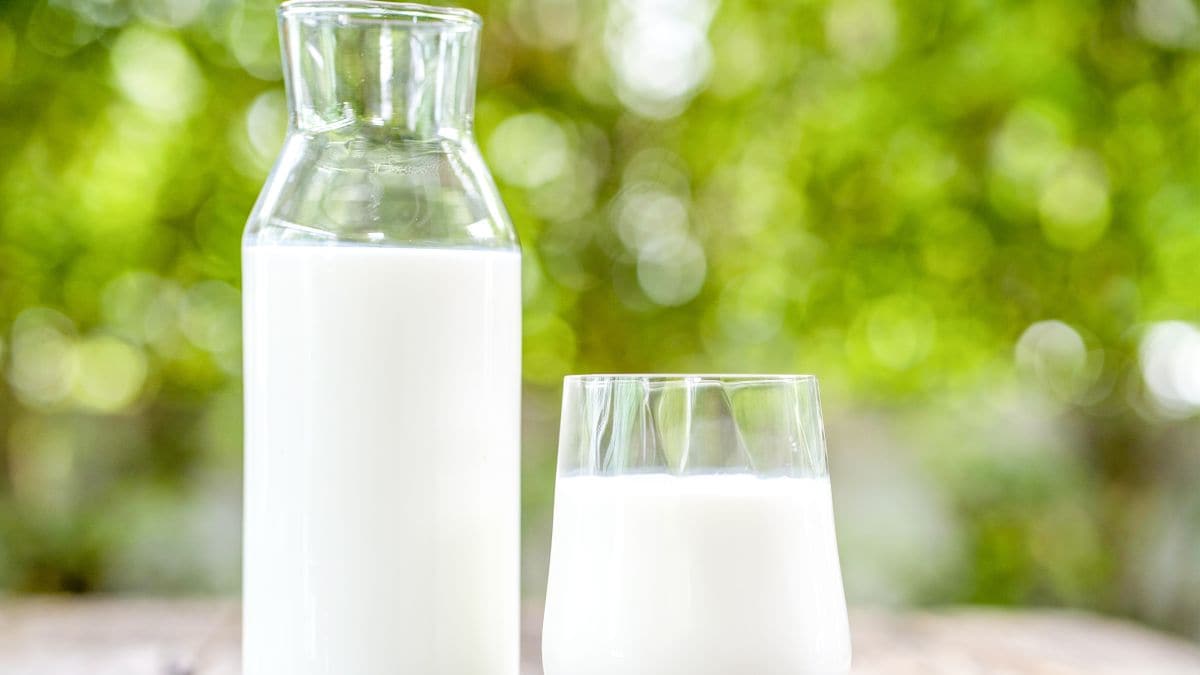
    According to a new study, raw milk, which is marketed as a natural and healthful alternative to pasteurised dairy, may contain hidden hazards. The research found that the influenza or flu virus can remain infectious in refrigerated raw milk for up to five days. The findings come at a time when outbreaks of bird flu in dairy cattle have raised concerns about the potential for a new pandemic. The study was conducted by Stanford University.

    “This work highlights the potential risk of avian influenza transmission through consumption of raw milk and the importance of milk pasteurization,” said study senior author Alexandria Boehm, the Richard and Rhoda Goldman Professor of Environmental Studies in the Stanford Doerr School of Sustainability and the Stanford School of Engineering.

    More than 14 million Americans consume raw milk annually. Unlike pasteurized milk, raw milk is not heated to kill potentially harmful pathogens. Proponents of raw milk claim that it leaves more beneficial nutrients, enzymes, and probiotics than in pasteurized milk, and can boost immune and gastrointestinal health.

    The Food and Drug Administration has tied raw milk to over 200 outbreaks of illnesses, and – together with the Centers for Disease Control and Prevention – warns that germs, such E. coli and Salmonella, in raw milk present “serious” health risks, especially for children, the elderly, pregnant women, and people with weakened immune systems.

    The researchers explored the persistence of a strain of human influenza virus in raw cow’s milk at typical refrigeration temperatures. The flu virus, called H1N1 PR8, survived and remained infectious in the milk for up to five days.

    “The persistence of infectious influenza virus in raw milk for days raises concerns about potential transmission pathways,” said study co-lead author Mengyang Zhang, a postdoctoral scholar in civil and environmental engineering. “The virus could contaminate surfaces and other environmental materials within dairy facilities, posing risks to animals and humans.”

    Additionally, the researchers found that flu virus RNA – molecules that carry genetic information but are not considered a health risk – remained detectable in the raw milk for at least 57 days. By comparison, pasteurization completely destroyed infectious influenza in the milk and reduced the amount of viral RNA by almost 90%, but didn’t eliminate the RNA entirely. Although exposure to influenza virus RNA does not pose a health risk, RNA-based testing methods are often used to conduct environmental surveillance of pathogens like influenza.

    “The prolonged persistence of viral RNA in both raw and pasteurized milk has implications for food safety assessments and environmental surveillance, particularly because many of the techniques used in environmental surveillance detect RNA,” said study co-lead author Alessandro Zulli, a postdoctoral scholar in civil and environmental engineering.

    The research grew out of an earlier project – funded by the Stanford Woods Institute for the Environment’s Environmental Venture Projects program – focused on human norovirus and the subfamily of viruses responsible for the Covid-19 pandemic.

    In the U.S. alone, flu viruses infect more than 40 million people and kill more than 50,000 every year. These types of viruses can spread from animals to humans, as in the case of swine flu, which led to as many as 1.4 billion human infections globally in 2009-2010.

    Although bird flu has not proven as dangerous to people yet, it could mutate to become so. Recent detection of bird flu in cattle has raised questions about its potential transmission through milk and other dairy products.

    The study’s findings underscore the importance of improving monitoring systems, particularly as bird flu continues to spread among livestock, according to the study’s authors.

    The study complements earlier research involving several of the same researchers that pioneered the use of wastewater for detection of avian influenza. That analysis revealed commercial and industrial dairy waste as primary sources. By analyzing wastewater, public health officials could detect virus activity in nearby cattle populations.

    “We never thought that wastewater could be used to detect and respond to zoonotic pathogens circulating in the community,” Boehm said. “It has been amazing to watch our work on detection in wastewater scaled across the United States and the world.”

    (Disclaimer: Except for the headline, this story has not been edited by NDTV staff and is published from a syndicated feed.)

    Source link

  • Is It Bad To Eat Raw Vegetable Salads At Night? Experts Break It Down

    Is It Bad To Eat Raw Vegetable Salads At Night? Experts Break It Down

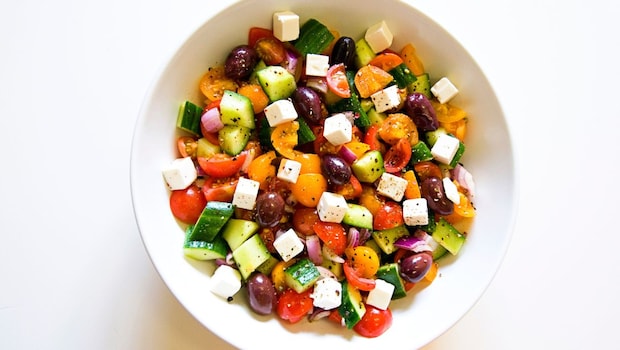
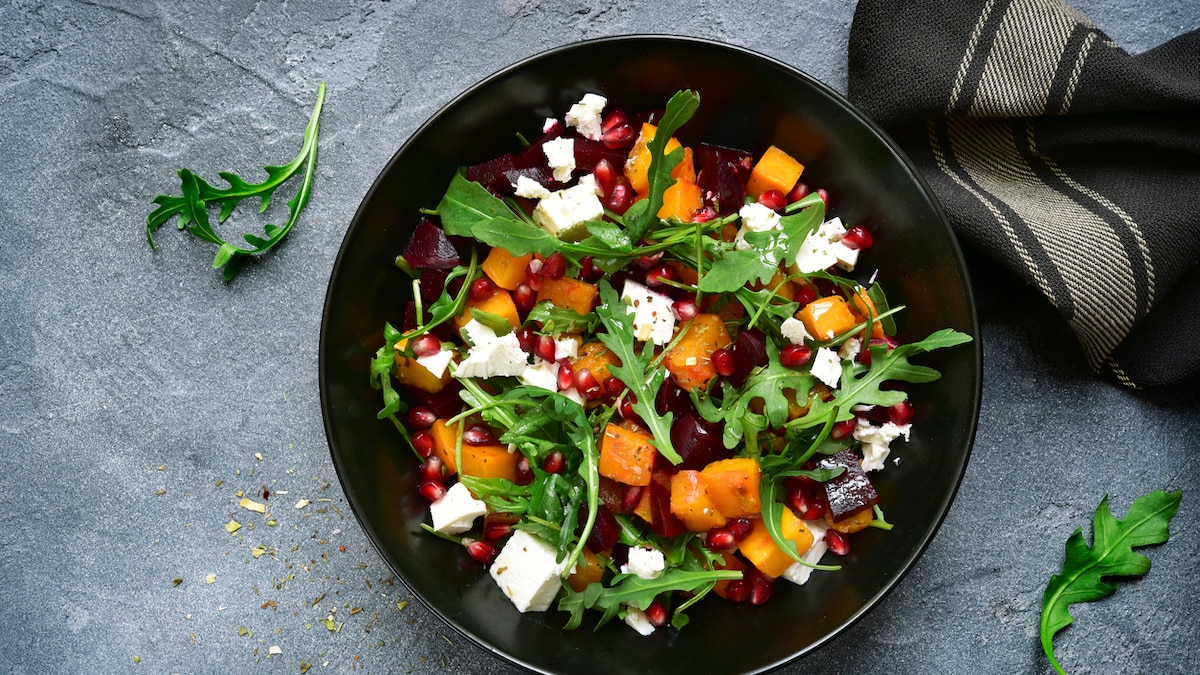
    Salads are a classic, no-fuss meal that fits every season. From refreshing summer fruit mixes to hearty winter bowls, they bring crunch and freshness to the table. Over the years, salads have become a go-to for people trying to lose weight, thanks to their low-calorie, high-nutrient profile. But here’s the thing: Many people think eating raw veggie salads at night is an easy way to feel light before heading to bed. The truth? Experts recommend you rethink this habit. Wondering why? Let’s dive into what happens when you munch on raw vegetable salads right before bed.

    Also Read:Salad Lovers, Take Note: Try These 7 Healthy Salad Recipes For Every Season

    Add image caption here

    Photo: iStock

    Cooked Vs. Raw Veggies: What’s The Big Difference?

    Raw veggies and cooked ones have only a few key differences – but you should consider your body type when choosing. According to Amita Gadre, it all comes down to nutrients and how your body handles digestion.

    1. Nutrients

    Raw vegetables pack a punch when it comes to nutrients. However, when you cook them, a little bit of vitamin C and B complex gets lost. But keep in mind that you can lose some of these vitamins when grating and chopping raw veggies too.

    2. Bloating

    Bloating, heaviness, and gas after eating raw veggies are common issues. According to Gadre, it’s because of the fibre content, which can make it harder to consume large portions.

    Add image caption here

    Photo: Getty

    Why Experts Say You Should Skip Raw Salads At Night

    Now that you know the difference between raw and cooked veggies, let’s talk about why eating raw vegetable salads at night might not be the best idea. According to Ayurvedic health coach Dimple Jangda, there are a few reasons why you should skip raw salads when the sun goes down:

    1. Low Digestive Fire

    Eating raw veggies requires your body to work 300% harder to break them down. That’s why Jangda recommends blanching, steaming, or sauteeing them for better digestion. Cooking also helps your body absorb nutrients more effectively. Plus, eating raw salads at night can weaken your digestive system, which means your body struggles to process it properly.

    2. Toxins (AMA) In Your Body

    At night, your body’s digestive “fire” is naturally weaker, about 50% less efficient than during the day. Eating raw vegetables when your digestive power is low can cause fibre to build up in your system, leading to frequent bathroom trips – and disrupted sleep. Plus, undigested food can create AMA (toxins) in your body, blocking nutrient absorption.

    3. Gas and Bloating

    Here’s something you probably didn’t know: Plants actually release gases as a defence mechanism to protect themselves from being eaten. When you eat raw plants, those gases get released inside your stomach, leading to bloating, gas, and flatulence.

    Also Read: You’ve Been Making Salads Wrong! These 3 Mistakes Are Ruining Your Healthy Lunch

    So, if you often struggle with digestion, the experts suggest lightly cooking or steaming your veggies to make them easier to digest and avoid these issues.

    Source link

  • Are Raw Vegetables More Nutritious Than Cooked Vegetables? Nutritionist Weighs In

    Are Raw Vegetables More Nutritious Than Cooked Vegetables? Nutritionist Weighs In

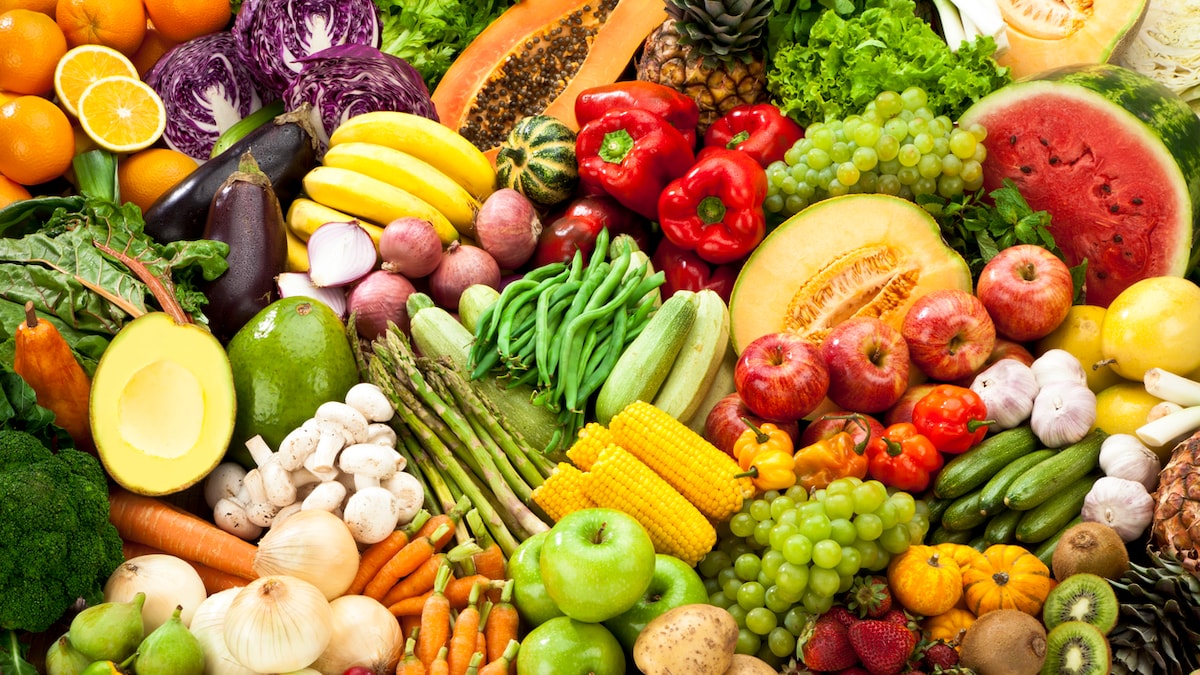
    The way you consume food plays an important role in how many nutrients your body is absorbing. Adding vegetables into our daily diet is important for good health, as they offer a good mix of vitamins, minerals and antioxidants. Moreover, veggies also contain phytochemicals – which are known for their antioxidant properties. However, the consumption methods of vegetables have long been a debated topic. Cooked vs. raw – which is the best form to get the most nutrients from nature’s produce? If this question has been lingering on your mind for a long time, then you have landed on the right page. Let’s settle for once and for all what’s the best way to consume vegetables to get maximum nutrients.

    Also Read:Low Calorie Foods: Try These Delicious Low Calorie Salads And Dressings For Weight Loss 

    Latest and Breaking News on NDTV

    What’s The Difference Between Raw And Cooked Vegetables?

    As per nutritionist Amita Gadre, there are only two differences between raw vegetables and cooked vegetables.

    1. Nutrients

    Raw vegetables are packed with several nutrients that are beneficial for your body. When you cook these vegetables, a small amount of Vitamin C and vitamin B complex gets reduced from the by-product. However, these two water-soluble vitamins can also be lost during chopping and grating of vegetables due to exposure to air.

    2. Bloating

    For many people, consuming raw vegetables alone can cause bloating, heaviness, and gas. This is why it is difficult to consume raw vegetables in a large quantity, as per Gadre. The fibre content of raw vegetables can make it difficult for some people to digest raw vegetables easily.

    What’s The Verdict?

    Both methods are perfect for getting more nutrients from food. However, if you are someone who faces stomach issues, then nutritionist Gadre has a solution for you. To retain the nutrients and avoid bloating, you can steam or stir-fry the vegetables. Just make sure not to cook or steam the vegetables for a long time.

    Watch the full video below:

    Which Foods Are Better Eaten Raw?

    As mentioned above, certain foods lose their vitamin C and B complex nutrients when cooked. While steaming is always an option, you can consume vegetables like cabbage, broccoli, and cucumber raw. 

    What About Cooked Veggies?

    To increase the nutritional value of certain vegetables, you can cook them. These veggies include:

    1. Tomatoes

    Tomatoes are packed with lycopene, which when cooked, gets absorbed properly into your body. For the unversed, lycopene is a non-provitamin A carotenoid that helps regulate blood pressure and improve bone health.

    2. Orange, Green And Red Vegetables

    Vegetables like carrots, tomatoes, and bell peppers are packed with carotenes which helps release more antioxidants in your body. So, these vegetables are better when consumed cooked.

    3. Spinach

    Spinach has oxalic acid which hinders the absorption of nutrients. Cooking methods like steaming and sauteeing help neutralise the acid and let the body absorb calcium, iron and antioxidants better.

    Also Read:Vegetable Or Vegetable Juice: Which Is Healthier?

    What is your favourite method to include vegetables in your diet? Let us know in the comments below! 

    Disclaimer: This content including advice provides generic information only. It is in no way a substitute for qualified medical opinion. Always consult a specialist or your doctor for more information. NDTV does not claim responsibility for this information.


    Source link

  • 6 Pro Tips To Store Raw Meat In The Freezer Correctly

    6 Pro Tips To Store Raw Meat In The Freezer Correctly

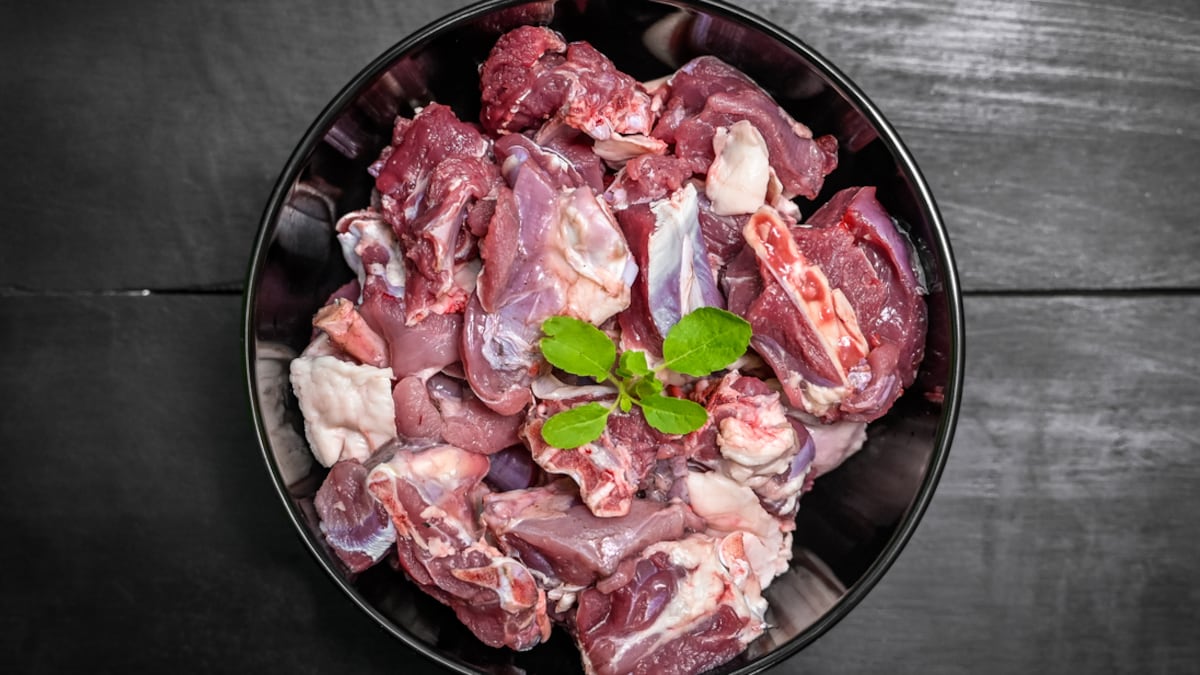
    Do you have a freezer stocked with a variety of meats but are not sure how to store them in the right way? Food storage mistakes can have some major consequences on your life. At worst, you could get a loved one sick due to a bacterial infection or even food poisoning. At best, you are just wasting your money at some grocery store. The good news is that with some mindful tips, you can store perishable items especially raw meat for a prolonged period of time, and avoid all sorts of embarrassments. Whether you are freezing chicken for your weeknight dinner or saving mutton for that Sunday biryani, storing raw meat correctly can help preserve the meat’s taste and quality. So, let’s see which tips you should keep in mind before freezing your pricey kilo of meat.

    Also Read: How To Clean Raw Meat At Home- 5 Tips To Follow

    Latest and Breaking News on NDTV

    Photo Credit: iStock

    Here Are 6 Ways To Store Raw Meat Correctly

    1. Use Airtight Packaging

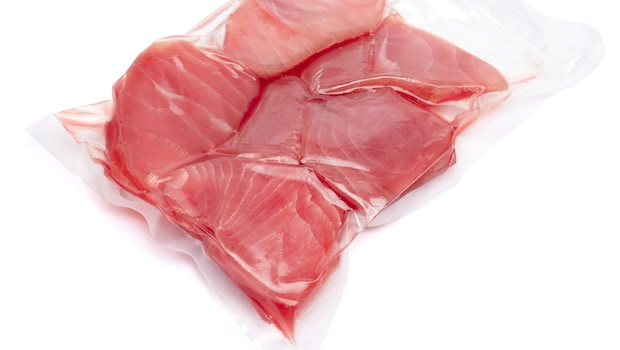
    Before freezing, make sure you have wrapped the meat tightly. If there is air in the bag, it can lead to a freezer burn. While storing the raw meat, make sure to use freezer-safe bags or containers, and squeeze out as much air as possible before sealing. If you are using plastic wrap or foil, double-wrap it for added protection. Bonus tip: buy a vacuum sealer to keep air out completely and keep your meat fresh for a long.

    2. Add Dates To Packages

    It is easy to forget when you store raw chicken or meat in the freezer. Labelling your meat with the date it was stored helps you track how long it has been frozen for. This way, you will always know which batch to use first. Meat generally stays fresh for up to six months in the freezer, but always check for its quality before cooking. A simple freezer trick is to organize your freezer by date so that the oldest batch of meat gets used first.

    3. Cut Up Meat Before Freezing

    Don’t freeze the entire meat if your recipe does not require that. Chopping up meat into smaller, usable quantities before freezing will make your life much easier when it’s time to defrost. This would ensure you only thaw the required amount of meat, avoid wastage and keep the rest of it frozen properly. Plus, it is also beneficial if you are meal-prepping or planning dishes like kebabs or stir-fries.

    Latest and Breaking News on NDTV

    Photo Credit: iStock

    4. Freeze Meat At Right Temperature

    To make sure your meat doesn’t go bad, your freezer’s temperature should be consistently set at -18°C or lower to preserve its quality. The lower the temperature, the better preservation it would have. A higher temperature can allow bacteria and germs to grow and reduce its freshness. It is always a good idea to check your freezer’s temperature setting before freezing up the meat. This would ensure your meat remains fresh until you are ready to prepare a dish with it.

    5. Don’t Refreeze Meat

    Once raw meat has been thawed, avoid refreezing it at all costs. Thawing can cause moisture loss in your raw meat and then refreezing it can lead to a loss of texture, flavour, and most importantly, hygiene. Instead, as mentioned above, thaw meat in small portions that you plan to use and make sure never to leave it at room temperature. If you do have to refreeze it, cook the meat first and then freeze it.

    6. Use Freezer-Safe Containers

    If you don’t have airtight containers or bags, use freezer-safe containers to store your meat. Cheap plastic bags may let in the air easily which could lead to freezer burn and spoilage. Choose containers that are specially designed for freezing – as they are thicker and better at preventing air from entering in.

    Also Read: Eat Meat The Right Way! 5 Golden Rules To Remember While Handling Meat

    Source link