hacklink hack forum hacklink film izle hacklink marsbahisizmir escortsahabetpornJojobetcasibompadişahbetjojobet

Tag: Rejected

  • Senate report alleges Amazon rejected warehouse safety recommendations due to productivity concerns

    Senate report alleges Amazon rejected warehouse safety recommendations due to productivity concerns

    At least two internal Amazon studies found a link between how quickly the online retailer’s warehouse workers perform tasks and workplace injuries, but the company rejected many safety recommendations out of concern the proposed changes might reduce productivity, according to a U.S. Senate committee report.

    The 160-page review issued Sunday night was compiled by the Democratic majority staff of the Senate Committee on Health, Education, Labor, and Pensions. The report is the final product of a probe into Amazon’s warehouse safety practices that U.S. Sen. Bernie Sanders initiated last year.

    The Vermont independent, a frequent critic of Amazon who chairs the panel, released an interim report in July that featured some findings from the investigation. The final report, which was mostly based on interviews with nearly 500 former and current Amazon workers, included more details, such as the two internal studies and the reactions they received inside the company.

    Amazon pushed back on the findings Monday, saying in a blog post that Sanders “continues to mislead the American public” about the company’s safety practices and that the report was “wrong on the facts and features selective, outdated information that lacks context and isn’t grounded in reality.”

    The Senate report said Amazon launched an internal study in 2021 to determine the maximum number of times a warehouse worker could perform the same physical tasks without increased risk of harm and potentially developing musculoskeletal disorders.

    The team conducting the Amazon study, known as Project Elderwand, focused on workers who picked items from robotic shelf units. The study concluded that the “likelihood of back injury increases” along with the number of items picked and identified an upper limit on repetitive movements – 1,940 – per 10-hour shift, the report said.

    The study recommended using software to implement breaks “according to each worker’s rate.” It suggested expanding an existing Amazon program that recommended “microbreaks” and making them mandatory for employees who worked above the maximum pace.

    The team stated that the success of a mini pilot program to test out its idea would be conditional on “any negative impact to the (workers) or customer experience,” according to documents cited in the committee report.

    Ultimately, Amazon did not make changes to reduce repetitive worker movements, the report said. The company told the Senate committee it chose not to do so due to “technical reasons” involving the proposed software program, the report said.

    Amazon also said in its blog post that the Project Elderwand pilot program showed the study team’s suggested intervention was “ineffective.”

    Amazon previously had undertaken another study, known as Project Soteria, in 2020 to identify risk factors for injuries and recommend policy changes that would improve worker safety. The multi-team initiative studied two policies Amazon implemented temporarily during the COVID-19 pandemic – giving workers more time off and pausing disciplinary measures “for workers who failed to meet speed requirements,” the report said.

    The study found that both policies lowered injury risks and asked for their permanent adoption.

    But company leaders denied the request, saying it might “negatively impact” productivity, according to Amazon documents cited in the Senate committee report. Amazon leaders also changed the focus of the Project Soteria study by telling the people conducting the review to provide recommendations on how to improve productivity without worsening worker injuries, the report said.

    Amazon disputed the report’s characterization of the events.

    “Project Soteria is an example of this type of team evaluation, where one team explored whether there’s a causal link between pace of work and injuries and another team evaluated the methodology and findings and determined they weren’t valid,” Amazon spokesperson Kelly Nantel said in a written statement.

    Nantel also said that information about Project Soteria was raised in a Washington state worker safety case in which Amazon was accused of four safety violations. A judge assigned to the case ruled in Amazon’s favor in July. Regulators are appealing the ruling.

    “It’s unfortunate that the senator chose to ignore the facts and all of this context,” Nantel said.

    The Senate committee report also alleged that Amazon manipulates its workplace injury data to portray its warehouses as safer than they are, an allegation the company disputed.

    Amazon said it produced “thousands of pages of information and data” for the committee. The majority staff, however, said the company failed to produce documents on the connection between the pace of work and injuries.

    The author’s of the committee report said they learned about the two internal studies from the Washington worker safety case, not Amazon. Once the committee staff members identified the studies by name, they reached out to the company, which ultimately provided the individual documents.
    Source link

  • Sotagliflozin rejected by FDA; new lifestyle intervention guidelines

    Sotagliflozin rejected by FDA; new lifestyle intervention guidelines

    November 06, 2024

    2 min read


    We were unable to process your request. Please try again later. If you continue to have this issue please contact customerservice@slackinc.com.

    Sotagliflozin was not recommended for approval by the FDA’s Endocrinologic and Metabolic Drugs Advisory Committee for glucose control as an adjunct to insulin in adults with type 1 diabetes and chronic kidney disease.

    The committee voted 11-3 that the risks of sotagliflozin (Zynquista, Lexicon), especially for diabetic ketoacidosis, did not outweigh the benefits of glucose control it offered.


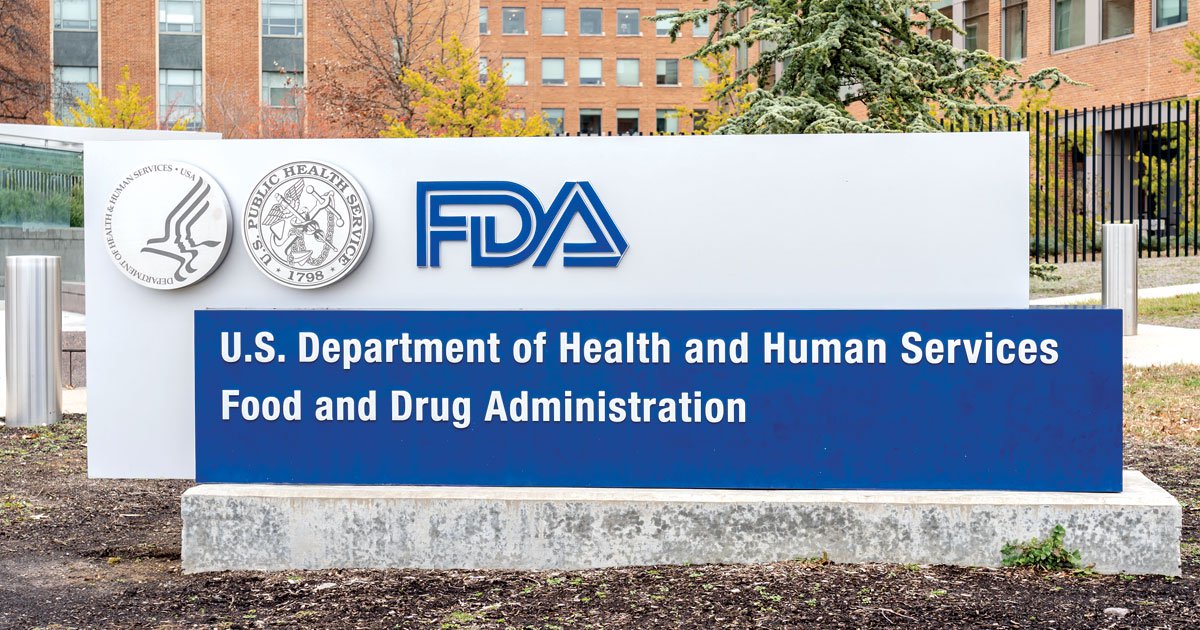
    FDA sign

    Sotagliflozin was not recommended for approval by an FDA committee. Image: Adobe Stock

    “I really feel like we need a prospective trial,” Cecilia C. Low Wang, MD, professor of medicine at University of Colorado Anschutz Medical Campus and member of the Glucose Management Team at University of Colorado Hospital, and chairperson of the committee, who voted no, said during the hearing.

    “I have a really hard time voting to approve a drug when there are so little relevant data,” she added. “I feel like it does my patients a disservice.”

    It was the top story in endocrinology last week.

    In another top story, a novel clinical practice outline from the American College of Lifestyle Medicine outlines and recommends lifestyle interventions as the first line of defense for treating patients with prediabetes and type 2 diabetes.

    Read these and more top stories in endocrinology below:

    FDA panel votes against sotagliflozin for glucose control in type 1 diabetes, CKD

    The FDA’s Endocrinologic and Metabolic Drugs Advisory Committee recommended not approving sotagliflozin for glucose control as an adjunct to insulin in adults with type 1 diabetes and chronic kidney disease. Read more.

    ‘This is the foundation’: New guideline emphasizes lifestyle-first approach to diabetes

    A first-ever clinical practice guideline from the American College of Lifestyle Medicine outlines practical recommendations for lifestyle interventions as first-line therapy for people with prediabetes or type 2 diabetes. Read more.

    Continuous glucose monitor sensors now approved to be worn during imaging procedures

    Abbott announced that the FDA has removed the contraindication for its continuous glucose monitoring sensors to be used during imaging procedures. Read more.

    Approaches to holistic obesity treatment and identifying healthful behaviors

    Behavioral modification with diet and exercise demonstrated similar weight-loss benefits vs. other pharmaceutical and surgical approaches to obesity management, but patients must remain adherent, a speaker at the Cardiometabolic Health Congress reported. Read more.

    GLP-1 use before weight-loss surgery rising, not linked to harmful outcomes

    Among patients with obesity undergoing bariatric surgery, the proportion taking a GLP-1 receptor agonist in the year before their procedure rose sharply between 2018 and 2023, researchers reported. Read more.

    Source link

  • ‘I Won the Ballon d’Or, Rejected Real Madrid & Almost Bankrupted Charlton Athletic’

    ‘I Won the Ballon d’Or, Rejected Real Madrid & Almost Bankrupted Charlton Athletic’

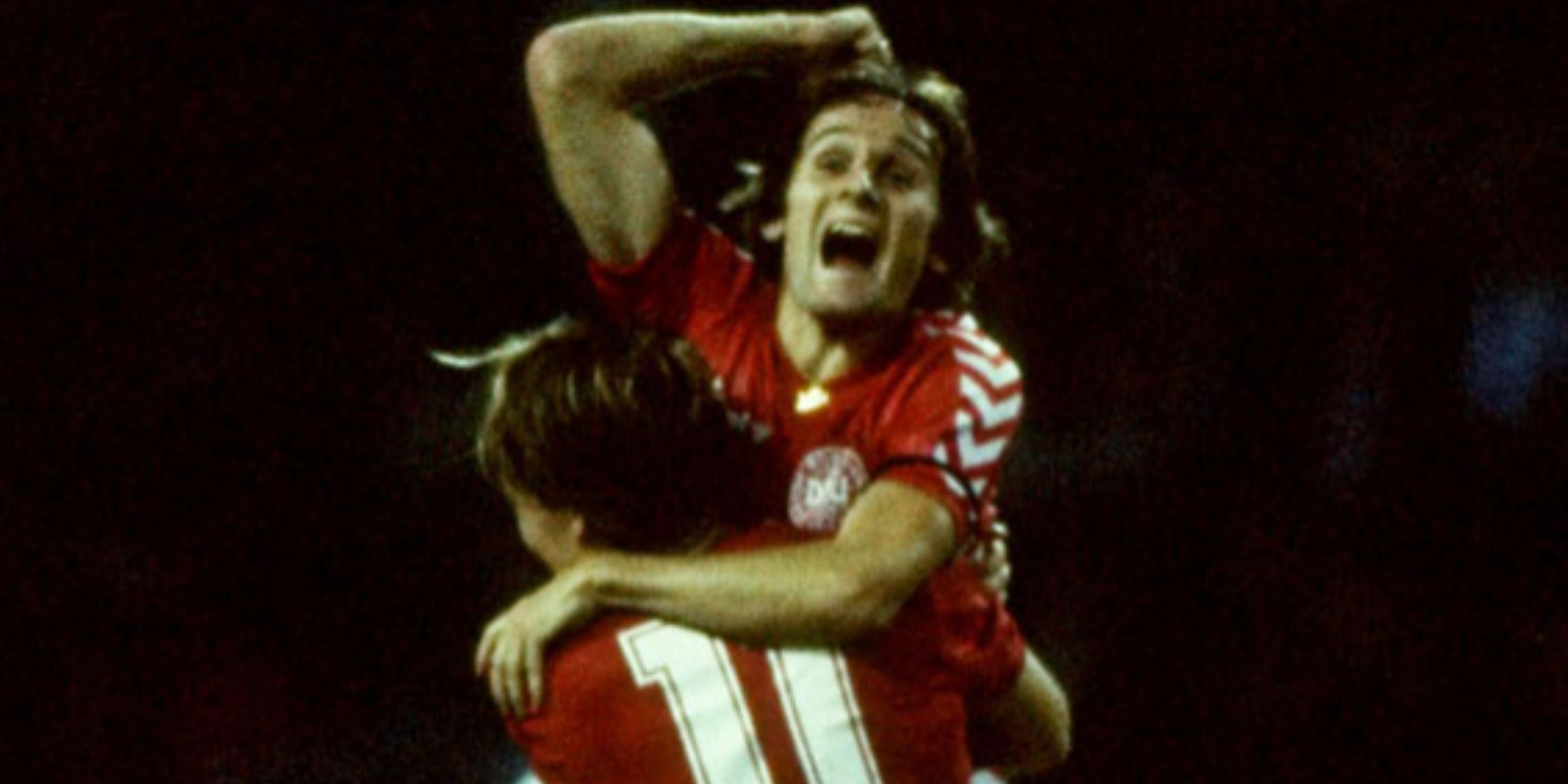
    Allan Simonsen’s career path is about as far from conventional as it gets. The Danish legend is a Ballon d’Or winner who lit up the footballing world with his goalscoring prowess in the late 70s and early 80s with Borussia Monchengladbach and Barcelona.


    However, his next move was to Charlton Athletic, then in England’s second tier – a transfer that is no doubt one of the most bizarre in football history. Here is a look at the Dane’s remarkable move and how it came about.

    Related

    Why the Ballon d’Or is the Most Prestigious Award in Football

    The Ballon d’Or has been around for over 50 years. We look at where its lucrative status came from.

    Ballon d’Or and Barcelona

    Simonsen enjoyed great success in Germany and Spain

    MixCollage-12-Jun-2024-02-52-PM-8523

    In 1972, Simonsen – still yet to turn 20 – swapped his boyhood club Vejle BK for a move to Borussia Monchengladbach, who were then the defending Bundesliga champions.

    The Dane got off to a slow start in Germany but finally broke into the side in his third campaign and his star rocketed from there. Three successive German top-flight titles followed, as well as a DFB-Pokal, a DFL-Supercup and two UEFA Cups.


    However, the 1976/77 season was surely the pinnacle of his career. After helping Gladbach win their third Bundesliga crown in a row and reach the final of the European Cup – Simonsen scored a spectacular equaliser, but the team eventually lost 3-1 to Liverpool – Simonsen won the Ballon d’Or and was crowned the best player in Europe, edging out both Kevin Keegan and Michel Platini for the award. Keegan would go on to win in each of the next two years but was denied three successive gongs by Simonsen.

    That individual acclaim did not go unnoticed elsewhere on the continent and, in 1979, the striker joined Barcelona after running down his contract and went on to lift the Copa del Rey and the UEFA Cup Winners’ Cup in his three seasons with the Catalan giants.

    Related

    20 Greatest Barcelona Players of All Time [Ranked]

    Lionel Messi, Ronaldinho, Diego Maradona and Ronaldo Nazario all feature among Barcelona’s greatest ever players.

    Swapping the Nou Camp for The Valley

    the-valley-charlton-athletic


    Simonsen’s time at Barcelona was not all rosy, however. The arrival of all-time great Diego Maradona in 1982 saw Simonsen shunted down the pecking order. Though he and the Argentina star did not occupy the same position, Spanish football rules allowed clubs to name a maximum of two foreign players in their starting line-ups, meaning Simonsen was forced to compete with Maradona and German superstar Bernd Schuster, resulting in a dramatic downturn in playing time.

    Understandably unhappy at his situation, Simonsen sought a move away from the Nou Camp. There was interest from Barcelona’s eternal La Liga rivals Real Madrid, as well as English top-flight outfit Tottenham Hotspur – yet the striker opted to move to Charlton, who were in the English Second Division, instead. It was a move that shocked the footballing world and seemed like the unlikeliest of coups for the Addicks.


    In an interview in 2013, Simonsen explained his decision to choose Charlton over the more illustrious clubs that expressed interest, saying:

    “I was very stressed in my time at Barcelona, so I needed to calm down with my family and have more time with them.

    “I had heard a lot of good things about Charlton at that time and Mr Hulyer, who was the chairman, wanted to build a new team around me as well. I thought it was a very good chance to try something completely new, that’s why I chose Charlton.”

    3:20

    Related

    10 Biggest Football Clubs in London (Ranked)

    London is famous for its range of football teams across the capital city.

    Charlton Nightmare and Financial Ruin

    The Addicks could not afford Simonsen

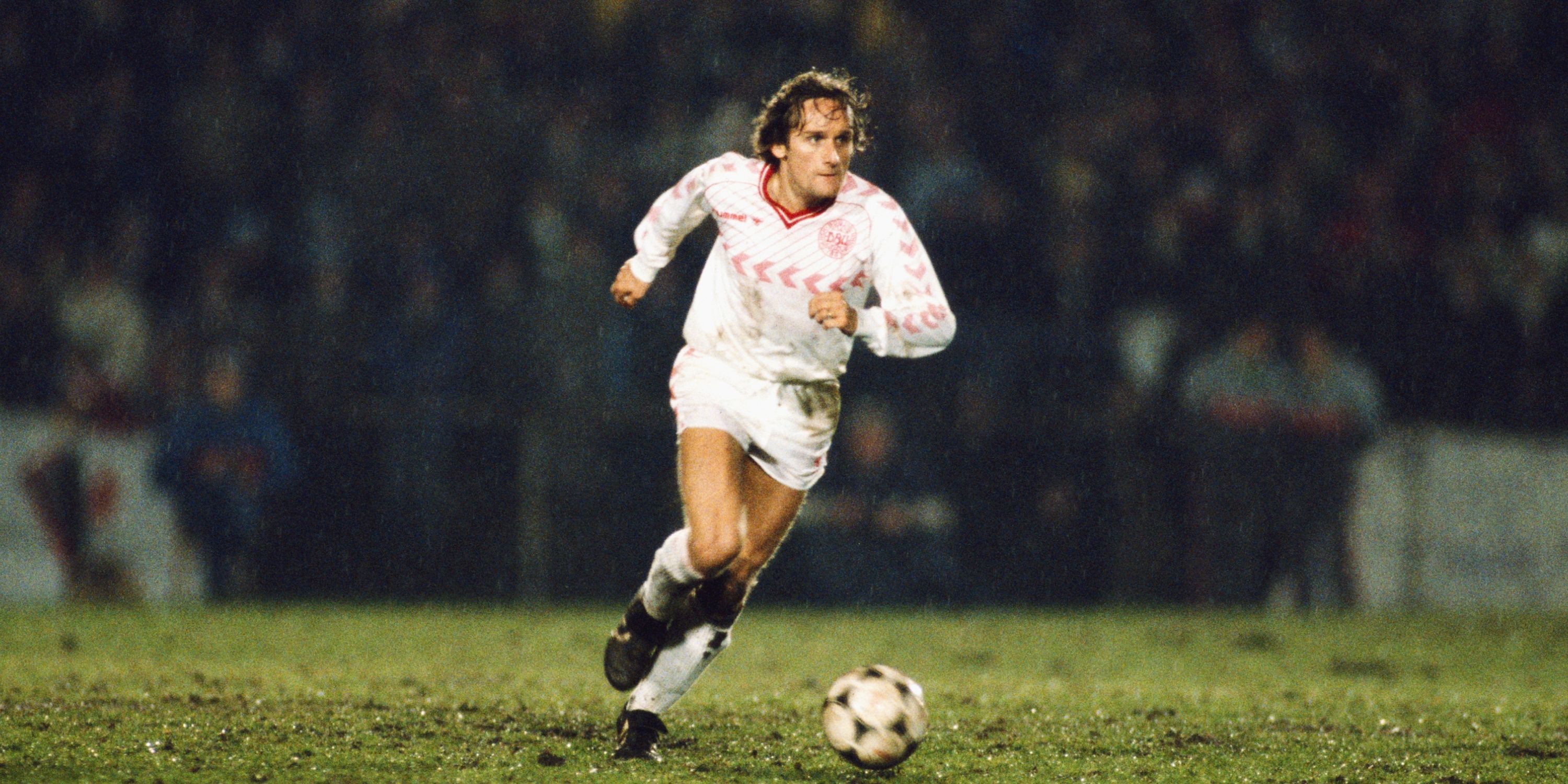
    Denmark striker Allan Simonsen

    Charlton, motivated by the understandable logic that signing a former Ballon d’Or winner – or any player of requisite quality to start for a club like Barcelona – jumped at the chance to acquire Simonsen.


    However, the club overreached financially with his transfer. On top of the £300k fee paid to Barcelona came the wages associated with a superstar – and the Addicks could not cope. There had been hope that the acquisition of such a famous player would generate additional income through increased ticket sales, but Simonsen played just 16 times, scoring nine goals, before returning to boyhood club Vejle BK after Charlton failed to pay his wages of £1,300 per week.

    Charlton’s financial irresponsibility had further repercussions as the club’s debts continued to mount, preventing them from paying for the refurbishment works necessary on their stadium after it had to be closed due to safety concerns. They were not allowed to re-open without renovating and were subsequently forced to ground-share with West Ham United and Crystal Palace for the best part of a decade before eventually returning home to The Valley in 1992.

    Source link

  • ‘I Won the Ballon d’Or, Rejected Real Madrid & Almost Bankrupted Charlton Athletic’

    ‘I Won the Ballon d’Or, Rejected Real Madrid & Almost Bankrupted Charlton Athletic’

    Allan Simonsen’s career path is about as far from conventional as it gets. The Danish legend is a Ballon d’Or winner who lit up the footballing world with his goalscoring prowess in the late 70s and early 80s with Borussia Monchengladbach and Barcelona.


    However, his next move was to Charlton Athletic, then in England’s second tier – a transfer that is no doubt one of the most bizarre in football history. Here is a look at the Dane’s remarkable move and how it came about.

    Related

    Why the Ballon d’Or is the Most Prestigious Award in Football

    The Ballon d’Or has been around for over 50 years. We look at where its lucrative status came from.

    Ballon d’Or and Barcelona

    Simonsen enjoyed great success in Germany and Spain

    MixCollage-12-Jun-2024-02-52-PM-8523

    In 1972, Simonsen – still yet to turn 20 – swapped his boyhood club Vejle BK for a move to Borussia Monchengladbach, who were then the defending Bundesliga champions.

    The Dane got off to a slow start in Germany but finally broke into the side in his third campaign and his star rocketed from there. Three successive German top-flight titles followed, as well as a DFB-Pokal, a DFL-Supercup and two UEFA Cups.


    However, the 1976/77 season was surely the pinnacle of his career. After helping Gladbach win their third Bundesliga crown in a row and reach the final of the European Cup – Simonsen scored a spectacular equaliser, but the team eventually lost 3-1 to Liverpool – Simonsen won the Ballon d’Or and was crowned the best player in Europe, edging out both Kevin Keegan and Michel Platini for the award. Keegan would go on to win in each of the next two years but was denied three successive gongs by Simonsen.

    That individual acclaim did not go unnoticed elsewhere on the continent and, in 1979, the striker joined Barcelona after running down his contract and went on to lift the Copa del Rey and the UEFA Cup Winners’ Cup in his three seasons with the Catalan giants.

    Related

    20 Greatest Barcelona Players of All Time [Ranked]

    Lionel Messi, Ronaldinho, Diego Maradona and Ronaldo Nazario all feature among Barcelona’s greatest ever players.

    Swapping the Nou Camp for The Valley

    the-valley-charlton-athletic


    Simonsen’s time at Barcelona was not all rosy, however. The arrival of all-time great Diego Maradona in 1982 saw Simonsen shunted down the pecking order. Though he and the Argentina star did not occupy the same position, Spanish football rules allowed clubs to name a maximum of two foreign players in their starting line-ups, meaning Simonsen was forced to compete with Maradona and German superstar Bernd Schuster, resulting in a dramatic downturn in playing time.

    Understandably unhappy at his situation, Simonsen sought a move away from the Nou Camp. There was interest from Barcelona’s eternal La Liga rivals Real Madrid, as well as English top-flight outfit Tottenham Hotspur – yet the striker opted to move to Charlton, who were in the English Second Division, instead. It was a move that shocked the footballing world and seemed like the unlikeliest of coups for the Addicks.


    In an interview in 2013, Simonsen explained his decision to choose Charlton over the more illustrious clubs that expressed interest, saying:

    “I was very stressed in my time at Barcelona, so I needed to calm down with my family and have more time with them.

    “I had heard a lot of good things about Charlton at that time and Mr Hulyer, who was the chairman, wanted to build a new team around me as well. I thought it was a very good chance to try something completely new, that’s why I chose Charlton.”

    3:20

    Related

    10 Biggest Football Clubs in London (Ranked)

    London is famous for its range of football teams across the capital city.

    Charlton Nightmare and Financial Ruin

    The Addicks could not afford Simonsen

    Denmark striker Allan Simonsen

    Charlton, motivated by the understandable logic that signing a former Ballon d’Or winner – or any player of requisite quality to start for a club like Barcelona – jumped at the chance to acquire Simonsen.


    However, the club overreached financially with his transfer. On top of the £300k fee paid to Barcelona came the wages associated with a superstar – and the Addicks could not cope. There had been hope that the acquisition of such a famous player would generate additional income through increased ticket sales, but Simonsen played just 16 times, scoring nine goals, before returning to boyhood club Vejle BK after Charlton failed to pay his wages of £1,300 per week.

    Charlton’s financial irresponsibility had further repercussions as the club’s debts continued to mount, preventing them from paying for the refurbishment works necessary on their stadium after it had to be closed due to safety concerns. They were not allowed to re-open without renovating and were subsequently forced to ground-share with West Ham United and Crystal Palace for the best part of a decade before eventually returning home to The Valley in 1992.

    Source link