hacklink hack forum hacklink film izle hacklink marsbahisizmir escortsahabetpornJojobetcasibom girişgalabetBakırköy Escortcasibom9018betgit casinomarsbahismatbet girişcasibomlink 5k depositjojobetonwinmatbetalobet

Tag: removal

  • Carbon removal industry calls on U.S. government for regulation in new industry report

    Carbon removal industry calls on U.S. government for regulation in new industry report

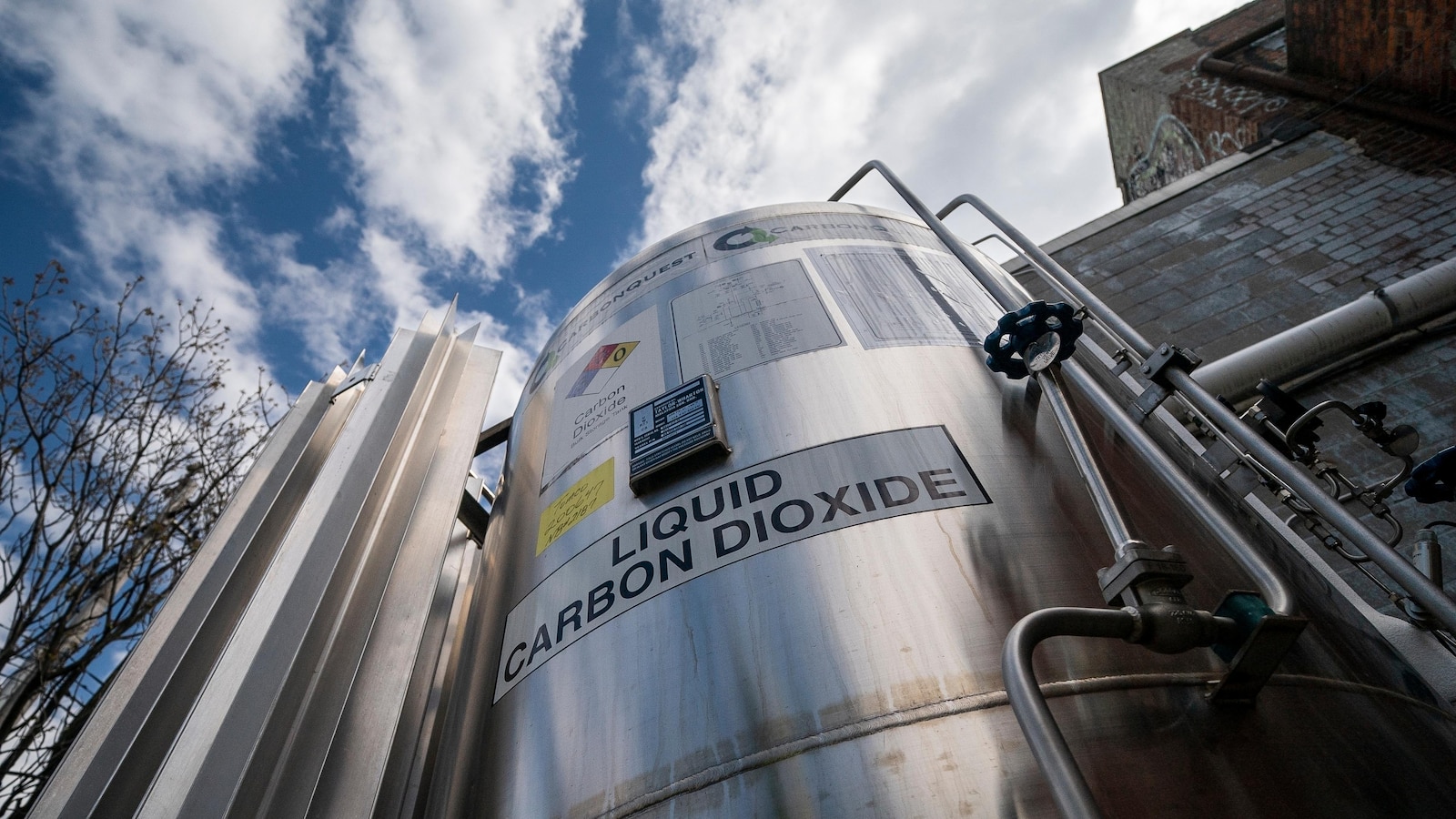
    The unregulated carbon dioxide removal industry is calling on the U.S. government to implement standards and regulations to boost transparency and confidence in the sector that’s been flooded with billions of dollars in federal funding and private investment.

    A report Wednesday by the Carbon Removal Alliance, a nonprofit representing the industry, outlined recommendations to improve monitoring, reporting, and verification. Currently the only regulations in the U.S. are related to safety of these projects. Some of the biggest industry players, including Heirloom and Climeworks, are alliance members.

    “I think it’s rare for an industry to call for regulation of itself and I think that is a signal of why this is so important,” said Giana Amador, executive director of the alliance. Amador said monitoring, reporting and verification are like “climate receipts” that confirm the amount of carbon removed as well as how long it can actually be stored underground.

    Without federal regulation, she said “it really hurts competition and it forces these companies into sort of a marketing arms race instead of being able to focus their efforts on making sure that there really is a demonstrable climate impact.”

    The nonprofit defines carbon removal as any solution that captures carbon dioxide from the atmosphere and stores it permanently. One of the most popular technologies is direct air capture, which filters air, extracts carbon dioxide and puts it underground.

    The Inflation Reduction Act and the Bipartisan Infrastructure Law have provided around $12 billion for carbon management projects in the U.S. Some of this funding supports the development of four Regional Direct Air Capture Hubs at commercial scale that will capture at least 1 million tons of carbon dioxide annually. Two hubs are slated to be built in Texas and Louisiana.

    Some climate scientists say direct air capture is too expensive, far from being scaled and can be used as an excuse by the oil and gas industry to keep polluting.

    Gernot Wagner, a climate economist at Columbia Business School at Columbia University, said this is the “moral hazard” of direct air capture — removing carbon from the atmosphere could be utilized by the oil and gas industry to continue polluting.

    “It does not mean that the underlying technology is not a good thing,” said Wagner. Direct air capture “decreases emissions, but in the long run also extends the life of any one particular coal plant or gas plant.”

    In 2023, Occidental Petroleum Corporation purchased the direct air capture company, Carbon Engineering Ltd, for $1.1 billion. In a news release, Occidental CEO Vicki Hollub said, “Together, Occidental and Carbon Engineering can accelerate plans to globally deploy (the) technology at a climate-relevant scale and make (it) the preferred solution for businesses seeking to remove their hard-to-abate emissions.”

    Jonathan Foley, executive director of Project Drawdown, doesn’t consider carbon dioxide removal technologies to be a true climate solution.

    “I do welcome at least some interventions from the federal government to monitor and verify and evaluate the performance of these proposed carbon removal schemes, because it’s kind of the Wild West out there,” said Foley.

    “But considering it can cost ten to 100 times more to try to remove a ton of carbon rather than prevent it, how is that even remotely conscionable to spend public dollars on this kind of stuff?” he said.

    Katharine Hayhoe, chief scientist of The Nature Conservancy and a distinguished professor at Texas Tech University, said standards for the direct carbon capture industry “are very badly needed” because of the level of government subsidies and private investment. She said there’s no single fix for the climate crisis, and many strategies are needed.

    Hayhoe said these include improving the efficiency of energy systems, transitioning to clean energy, weaning the world off fossil fuels and maintaining healthy ecosystems to trap carbon dioxide. On the other hand, she said, carbon removal technologies are “very high hanging fruit.”

    “It takes a lot of money and a lot of energy to get to the top of the tree. That’s the carbon capture solution,” said Hayhoe. “Of course we need every fruit on the tree. But doesn’t it make sense to pick up the fruit on the ground to prioritize that?”

    Other climate scientists are entirely opposed to this technology.

    “It should be banned,” said Mark Z. Jacobson, professor of civil and environmental engineering at Stanford University.

    Carbon removal technologies indirectly increase the amount of carbon dioxide in the atmosphere, Jacobson said. The reason, he said, is that even in cases where direct air capture facilities are powered by renewable energy, the clean energy is being used for carbon removal instead of replacing a fossil fuel source.

    “When you just look at the capture equipment, you get a (carbon) reduction,” Jacobson said. “But when you look at the bigger system, you’re increasing.”

    ___

    The Associated Press’ climate and environmental coverage receives financial support from multiple private foundations. AP is solely responsible for all content. Find AP’s standards for working with philanthropies, a list of supporters and funded coverage areas at AP.org.
    Source link

  • ‘My 600-Lb Life’ Wess Schulze’s Skin Removal Surgery Update

    ‘My 600-Lb Life’ Wess Schulze’s Skin Removal Surgery Update

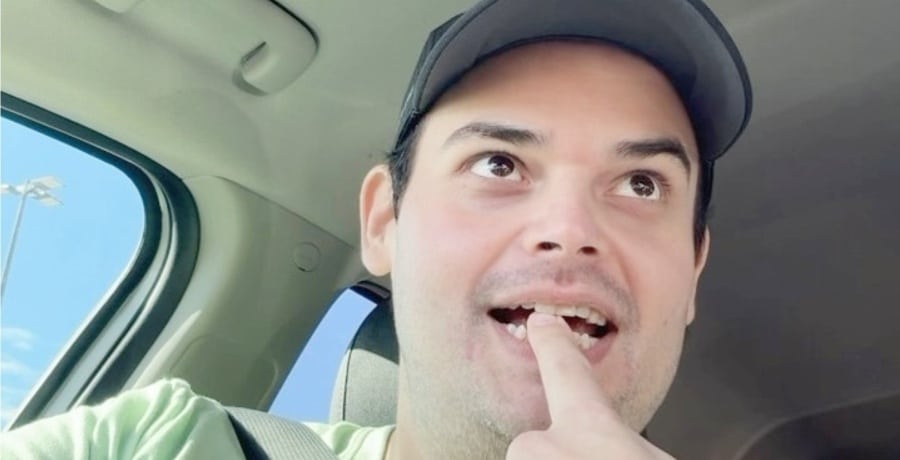
    My 600-Lb Life participant Wess Schulze is making remarkable progress. After losing more than 400 pounds and making long-lasting lifestyle changes, he wants to pursue skin removal surgery.

    However, that tends to be a pretty costly procedure. Wess is raising money for the surgery and is closer than ever before to achieving his goal.

    Check out his latest update.

    Wess Schulze Updates Fans On His Skin Removal Fundraising Efforts

    My 600-Lb Life fans met Wess Schulze in Season 11 and immediately fell in love with him. Right from the start, he proved that he was willing to work hard and meet his goals.

    Now, he’s closer to another goal and just needs a little bit more help crossing the finish line.

    “🚨SKIN REMOVAL UPDATE! 🚨” the TLC personality excitedly shared online. “Y’all… we’ve hit OVER $2,000 on the GoFundMe, which means we’re HALFWAY to the goal! 🎉 I can’t even begin to tell you how grateful I am for all the love and support—y’all are truly amazing. 🙏❤️ Now, let’s keep that momentum going! If you can, please keep donating (link in my bio & pinned in the comments) and definitely keep sharing the link with everyone you know. The more eyes, the better! 👀💪”

    Wess Schulze from My 600-Lb Life, TLC, sourced from YouTubeWess Schulze from My 600-Lb Life, TLC, sourced from YouTube
    My 600-Lb Life/TLC

    “Also, shoutout to the lovely people who send me hate emails. Apparently, losing 419 pounds and trying to finish my body transformation has really bothered a few trolls. 😂 Spoiler alert: your hate doesn’t even phase me, but thanks for the free motivation! 🏃‍♂️💨 It’s fuel for my glow-up!”

    Wess concluded his post by thanking his community for their constant love and encouragement.

    Fans who wish to donate to Wess’ surgery fund can do so through his GoFundMe.

    The My 600-Lb Life Star’s Fans Always Have His Back

    As much as Wess’ fans loved hearing about the update, many expressed sympathy over the bullying. They all know how hard Wess worked to get this far and didn’t appreciate anyone bullying him.

    Instagram users left encouraging comments, including:

    • The fact someone spent time out of their day to create a whole email account to try to hate on someone is about as lame as it gets”
    • Don’t let the haters get you down, they have nothing better to do with their time. You keep going your amazing you have a lot of fans who love you ❤️🥰”
    • How can people be upset at someone for working hard and changing their life? They’re clearly not happy with themself. Don’t let the losers drag you down!!”
    • OMG Wess, you make me cry! You are such an awesome human and an inspiration. Much love to you!❤️”

    Are you excited to learn about Wess Schulze’s exciting weight loss update? Have you donated to his GoFundMe? Share your own thoughts and ideas in the comments below.

    Follow TV Shows Ace online for the latest My 600-Lb Life news and updates. Check back soon to see what Wess and other participants are up to next.

    Nikole BehrensNikole Behrens
    Latest posts by Nikole Behrens (see all)


    Source link

  • ‘My 600-Lb Life’ Wess Schulze’s Skin Removal Surgery Update

    ‘My 600-Lb Life’ Wess Schulze’s Skin Removal Surgery Update

    My 600-Lb Life participant Wess Schulze is making remarkable progress. After losing more than 400 pounds and making long-lasting lifestyle changes, he wants to pursue skin removal surgery.

    However, that tends to be a pretty costly procedure. Wess is raising money for the surgery and is closer than ever before to achieving his goal.

    Check out his latest update.

    Wess Schulze Updates Fans On His Skin Removal Fundraising Efforts

    My 600-Lb Life fans met Wess Schulze in Season 11 and immediately fell in love with him. Right from the start, he proved that he was willing to work hard and meet his goals.

    Now, he’s closer to another goal and just needs a little bit more help crossing the finish line.

    “🚨SKIN REMOVAL UPDATE! 🚨” the TLC personality excitedly shared online. “Y’all… we’ve hit OVER $2,000 on the GoFundMe, which means we’re HALFWAY to the goal! 🎉 I can’t even begin to tell you how grateful I am for all the love and support—y’all are truly amazing. 🙏❤️ Now, let’s keep that momentum going! If you can, please keep donating (link in my bio & pinned in the comments) and definitely keep sharing the link with everyone you know. The more eyes, the better! 👀💪”

    Wess Schulze from My 600-Lb Life, TLC, sourced from YouTubeWess Schulze from My 600-Lb Life, TLC, sourced from YouTube
    My 600-Lb Life/TLC

    “Also, shoutout to the lovely people who send me hate emails. Apparently, losing 419 pounds and trying to finish my body transformation has really bothered a few trolls. 😂 Spoiler alert: your hate doesn’t even phase me, but thanks for the free motivation! 🏃‍♂️💨 It’s fuel for my glow-up!”

    Wess concluded his post by thanking his community for their constant love and encouragement.

    Fans who wish to donate to Wess’ surgery fund can do so through his GoFundMe.

    The My 600-Lb Life Star’s Fans Always Have His Back

    As much as Wess’ fans loved hearing about the update, many expressed sympathy over the bullying. They all know how hard Wess worked to get this far and didn’t appreciate anyone bullying him.

    Instagram users left encouraging comments, including:

    • The fact someone spent time out of their day to create a whole email account to try to hate on someone is about as lame as it gets”
    • Don’t let the haters get you down, they have nothing better to do with their time. You keep going your amazing you have a lot of fans who love you ❤️🥰”
    • How can people be upset at someone for working hard and changing their life? They’re clearly not happy with themself. Don’t let the losers drag you down!!”
    • OMG Wess, you make me cry! You are such an awesome human and an inspiration. Much love to you!❤️”

    Are you excited to learn about Wess Schulze’s exciting weight loss update? Have you donated to his GoFundMe? Share your own thoughts and ideas in the comments below.

    Follow TV Shows Ace online for the latest My 600-Lb Life news and updates. Check back soon to see what Wess and other participants are up to next.

    Nikole BehrensNikole Behrens
    Latest posts by Nikole Behrens (see all)


    Source link

  • A robot begins removal of melted fuel from the Fukushima nuclear plant. It could take a century

    A robot begins removal of melted fuel from the Fukushima nuclear plant. It could take a century

    TOKYO — A long robot entered a damaged reactor at Japan’s Fukushima nuclear power plant on Tuesday, beginning a two-week, high-stakes mission to retrieve for the first time a tiny amount of melted fuel debris from the bottom.

    The robot’s trip into the Unit 2 reactor is a crucial initial step for what comes next — a daunting, decades-long process to decommission the plant and deal with large amounts of highly radioactive melted fuel inside three reactors that were damaged by a massive earthquake and tsunami in 2011. Specialists hope the robot will help them learn more about the status of the cores and the fuel debris.

    Here is an explanation of how the robot works, its mission, significance and what lies ahead as the most challenging phase of the reactor cleanup begins.

    Nuclear fuel in the reactor cores melted after the magnitude 9.0 earthquake and tsunami in March 2011 caused the Fukushima Daiichi nuclear plant’s cooling systems to fail. The melted fuel dripped down from the cores and mixed with internal reactor materials such as zirconium, stainless steel, electrical cables, broken grates and concrete around the supporting structure and at the bottom of the primary containment vessels.

    The reactor meltdowns caused the highly radioactive, lava-like material to spatter in all directions, greatly complicating the cleanup. The condition of the debris also differs in each reactor.

    Tokyo Electric Power Company Holdings, or TEPCO, which manages the plant, says an estimated 880 tons of molten fuel debris remains in the three reactors, but some experts say the amount could be larger.

    Workers will use five 1.5-meter-long (5-foot-long) pipes connected in sequence to maneuver the robot through an entry point in the Unit 2 reactor’s primary containment vessel. The robot itself can extend about 6 meters (20 feet) inside the vessel. Once inside, it will be maneuvered remotely by operators at another building at the plant because of the fatally high radiation emitted by the melted debris.

    The front of the robot, equipped with tongs, a light and a camera, will be lowered by a cable to a mound of melted fuel debris. It will then snip off and collect a bit of the debris — less than 3 grams (0.1 ounce). The small amount is meant to minimize radiation dangers.

    The robot will then back out to the place it entered the reactor, a roundtrip journey that will take about two weeks.

    The mission takes that long because the robot must make extremely precise maneuvers to avoid hitting obstacles or getting stuck in passageways. That has happened to earlier robots.

    TEPCO is also limiting daily operations to two hours to minimize the radiation risk for workers in the reactor building. Eight six-member teams will take turns, with each group allowed to stay maximum of about 15 minutes.

    Sampling the melted fuel debris is “an important first step,” said Lake Barrett, who led the cleanup after the 1979 disaster at the U.S. Three Mile Island nuclear plant for the Nuclear Regulatory Commission and is now a paid adviser for TEPCO’s Fukushima decommissioning.

    While the melted fuel debris has been kept cool and has stabilized, the aging of the reactors poses potential safety risks, and the melted fuel needs to be removed and relocated to a safer place for long-term storage as soon as possible, experts say.

    An understanding of the melted fuel debris is essential to determine how best to remove it, store it and dispose of it, according to the Japan Atomic Energy Agency.

    Experts expect the sample will also provide more clues about how exactly the meltdown 13 years ago played out, some of which is still a mystery.

    The melted fuel sample will be kept in secure canisters and sent to multiple laboratories for more detailed analysis. If the radiation level exceeds a set limit, the robot will take the sample back into the reactor.

    “It’s the start of a process. It’s a long, long road ahead,” Barrett said in an online interview. “The goal is to remove the highly radioactive material, put it into engineered canisters … and put those in storage.”

    For this mission, the robot’s small tong can only reach the upper surface of the debris. The pace of the work is expected to pick up in the future as more experience is gained and robots with additional capabilities are developed.

    TEPCO will have to “probe down into the debris pile, which is over a meter (3.3 feet) thick, so you have to go down and see what’s inside,” Barrett said, noting that at Three Mile Island, the debris on the surface was very different from the material deeper inside. He said multiple samples from different locations must be collected and analyzed to better understand the melted debris and develop necessary equipment, such as stronger robots for future larger-scale removal.

    Compared to collecting a tiny sample for analysis, it will be a more difficult challenge to develop and operate robots that can cut larger chunks of melted debris into pieces and put that material into canisters for safe storage.

    There are also two other damaged reactors, Unit 1 and Unit 3, which are in worse condition and will take even longer to deal with. TEPCO plans to deploy a set of small drones in Unit 1 for a probe later this year and is developing even smaller “micro” drones for Unit 3, which is filled with a larger amount of water.

    Separately, hundreds of spent fuel rods remain in unenclosed cooling pools on the top floor of both Unit 1 and 2. This is a potential safety risk if there’s another major quake. Removal of spent fuel rods has been completed at Unit 3.

    Removal of the melted fuel was initially planned to start in late 2021 but has been delayed by technical issues, underscoring the difficulty of the process. The government says decommissioning is expected to take 30-40 years, while some experts say it could take as long as 100 years.

    Others are pushing for an entombment of the plant, as at Chernobyl after its 1986 explosion, to reduce radiation levels and risks for plant workers.

    That won’t work at the seaside Fukushima plant, Barrett says.

    “You’re in a high seismic area, you’re in a high-water area, and there are a lot of unknowns in those (reactor) buildings,” he said. “I don’t think you can just entomb it and wait.”

    Source link