hacklink hack forum hacklink film izle hacklink marsbahisizmir escortsahabetpornJojobetcasibompadişahbetjojobet

Tag: Review

  • Samsung Galaxy Watch Ultra review: A strong contender for the ‘Ultra’ lifestyle

    Samsung Galaxy Watch Ultra review: A strong contender for the ‘Ultra’ lifestyle

    When Samsung unveiled its first premium outdoor fitness watch, the Galaxy Watch Ultra, it was clear the tech giant was taking a shot at the likes of Garmin and Apple’s outdoor adventure offerings. Naturally, I was intrigued. Having worn my Apple Watch Ultra 2 for quite some time, I was curious about how Samsung’s take on the premium fitness smartwatch would hold up—especially when worn side by side with Apple’s flagship.

    After a month of near-daily wear and comparison with my Apple Watch Ultra 2, I found myself impressed by the Galaxy Watch Ultra’s ambition but slightly underwhelmed by some aspects. Here’s why.

    The Looks: Sleek and Strong

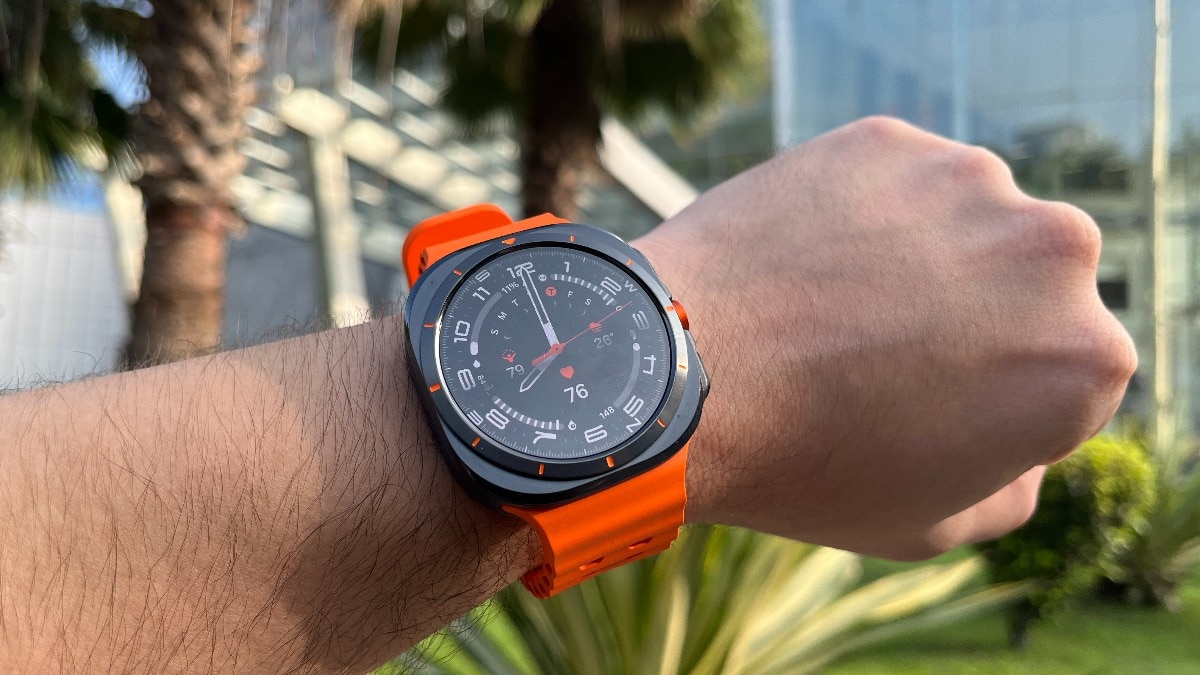
    Let’s start with the obvious: the Galaxy Watch Ultra is a beauty. Samsung has gone all-in on the rugged aesthetic with a 47mm titanium case and a sapphire crystal face. It’s built to endure the great outdoors, whether you’re diving, hiking, or biking. Water resistance up to 10 ATM? Check. IP68 rating for dust and water resistance? Double-check. It even boasts the ability to withstand temperatures as high as 55 degrees Celsius and elevations up to 9,000 metres (no, I didn’t hike Everest to confirm).

    That said, the Galaxy Watch Ultra’s design, while striking, is also oddly reminiscent of its main competitor, Apple. The orange band feels distinctly familiar, and the side button bears an uncanny resemblance to Apple’s Action button. Even the Double Pinch gesture feels like a riff on Apple’s Double Tap feature. But hey, imitation is the sincerest form of flattery, right?

    In terms of looks, Samsung has nailed it. However, if you’re looking for something more visually distinctive than the Apple Watch Ultra, you might find it a tad derivative.

    Performance and Features

    Functionally, the Galaxy Watch Ultra performs well. It tracks a plethora of activities and provides detailed metrics, much like its competitors. However, having switched between my Apple Watch Ultra 2 and this, I immediately noticed a few limitations.

    Navigation on the Galaxy Watch Ultra can be a bit tricky. I often found myself swiping through several menus before finding the feature I needed, whether it was Track Back or checking my heart rate. The Apple Watch’s interface feels far more intuitive in this regard. There’s room for improvement, and it feels like something that future updates could streamline, but for now, it’s a slight hindrance.

    Battery Life: Good, but Could Be Better

    Now, battery life is always a critical aspect of any outdoor fitness watch, and here’s where I wish Samsung would’ve pushed the boundaries a bit more. The Galaxy Watch Ultra’s battery life is decent at about two days, which is great for a smartwatch but not quite up to scratch for a serious weekend camping trip. With Power Saving mode on, you can squeeze out about 3-5 days, but even then, it’s far below what you’d get from a Garmin, for example. For someone like me, who tends to forget to charge things until they’re on their last 10%, this was a slight letdown.

    Health Insights: The AGEs Dilemma

    One of Samsung’s standout features is its Advanced Glycation End-products (AGEs) index. While the science behind it is intriguing—measuring these products can help assess risks for conditions like diabetes or stroke—it’s still very experimental. For now, it feels like more of a novelty than a game-changing health feature. 

    Body composition measurements, on the other hand, were fairly consistent and helpful. My readings aligned with what I typically expect as a health-conscious individual, and they stayed steady over the testing period. But again, there’s nothing here that dramatically surpasses what’s already on the market.

    Sleep Tracking: Penguins and Puppies

    Samsung’s sleep-tracking features are impressive, especially the “sleep animal” profiles that give you fun insights into your sleep habits. As someone who often wakes up during the night (thanks to my puppy, who seems to think my pillow is her personal playground), I was identified as a “penguin,” which was surprisingly accurate. It’s a nice touch, though not a revolutionary one—Fitbit has been doing this for a while.

    Sports and Adventure: Missing a Few Key Plays

    The Galaxy Watch Ultra is clearly designed with the adventurer in mind, with dual-band GPS, a compass, and Track Back features. As an outdoor enthusiast, I appreciated these, but they aren’t quite as intuitive or well-integrated as on the Apple Watch Ultra. Finding them during an activity was often more cumbersome than it should be.

    While it has plenty of useful metrics like cadence and vertical oscillation, it’s missing a few of the sports features that make the Apple Watch Ultra stand out, such as diving. If you’re big into water sports, you’ll probably find this lacking compared to Apple’s ecosystem.

    Connectivity and Compatibility: Android Bias

    Here’s where things get a bit tricky. As an Android user, you’ll likely have a great experience with the Galaxy Watch Ultra, especially if you’re on a Samsung phone. However, if you’re using a non-Samsung Android, or worse, switching from an iPhone like I did, the experience becomes a little fragmented.

    Certain features, like the ECG, are only available with a Samsung phone. And while the watch syncs up with apps like Google Fit, Samsung Health is really the optimal partner here, which limits its appeal to non-Samsung users. It doesn’t help that Samsung still lacks the seamless satellite messaging or connectivity features that the Apple ecosystem offers.  

    The Verdict: A Solid First Attempt

    There’s no denying that the Samsung Galaxy Watch Ultra is a well-built, highly capable outdoor fitness watch. But after testing it extensively, sometimes alongside my Apple Watch Ultra 2, it feels more like a promising work in progress than a market leader.

    Samsung has plenty of potential to catch up in future iterations, and for Android users, this is one of the best options available right now. However, if you’re coming from the Apple Watch ecosystem, especially if you’re deep into outdoor adventures, you might find it hard to switch fully. 

    The Galaxy Watch Ultra is a solid debut, but it’s not quite the category disruptor it could be – at least, not yet.
    Source link

  • Gallops Restaurant Review: A Look At This Iconic Mumbai Establishment After Its Recent Revamp

    Gallops Restaurant Review: A Look At This Iconic Mumbai Establishment After Its Recent Revamp

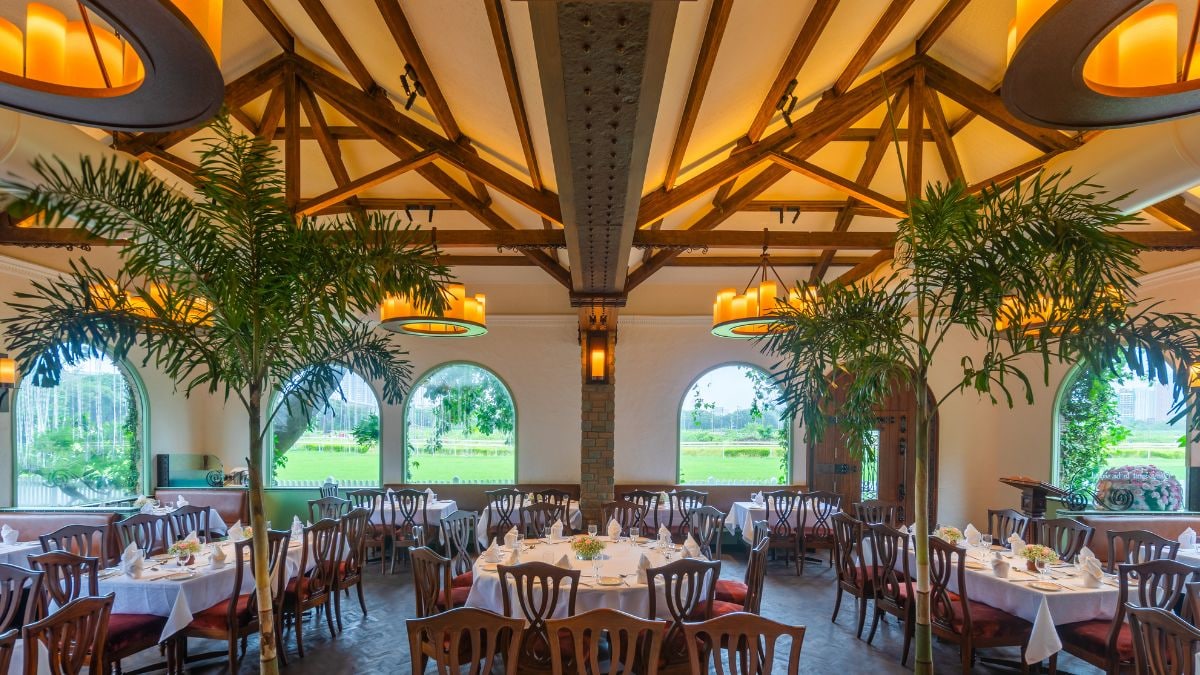
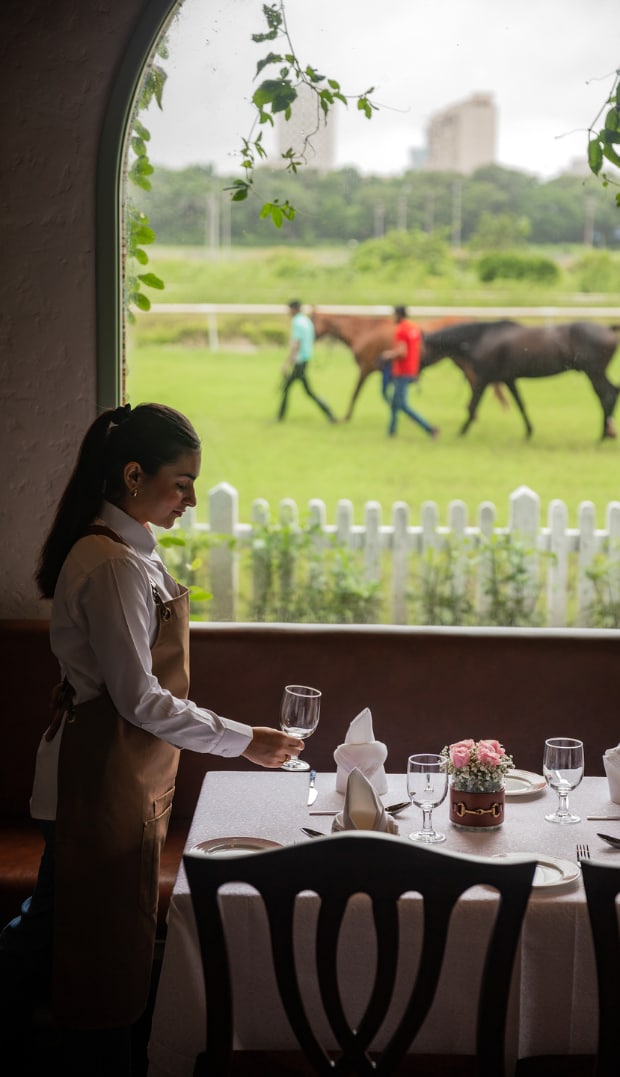
    For the longest time, Gallops restaurant has retained an enviable spot in the minds and hearts of generations of Mumbaikars. Ask city foodies for a list of the most iconic establishments and Gallops would probably feature among the top 10. Ask those who dine there frequently, and they will tell you of many cherished memories associated with the restaurant over its 38 years of existence. Besides the merits of its food, service, and anecdotes, there’s also the location. The sprawling green cover of the Mahalaxmi Racecourse forms a beautiful backdrop for meals at this restaurant. It is undeniable then that Gallops is a cultural landmark. So what happens when it decides to do a revamp after 26 years?

    Latest and Breaking News on NDTV

    Photo Credit: Pankaj Anand

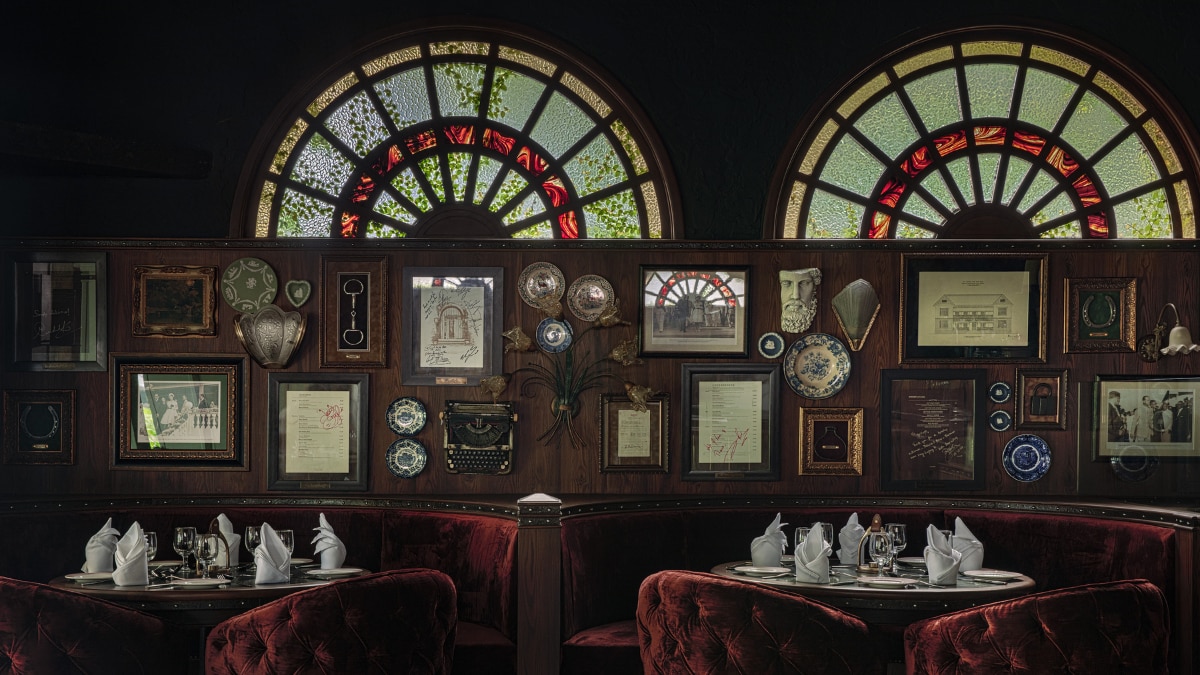
    The current custodians of its legacy – Chef Yajush Malik, Jasmine Singh and Mikhail Singh – explain what they set out to do: “Our goal was to introduce new features that we were unable to initially adopt and create a beautiful blend honouring the rich history that has made Gallops an iconic culinary destination.” The decor and menu have been enhanced with new features. The old parquet floors have been replaced by rich walnut flooring. The wooden trusses have been stripped of old polish to highlight the beauty of the wood beneath. Custom-made candlelight chandeliers and wall sconces bring a literal glow-up to the space.

    Latest and Breaking News on NDTV

    Photo Credit: Pankaj Anand

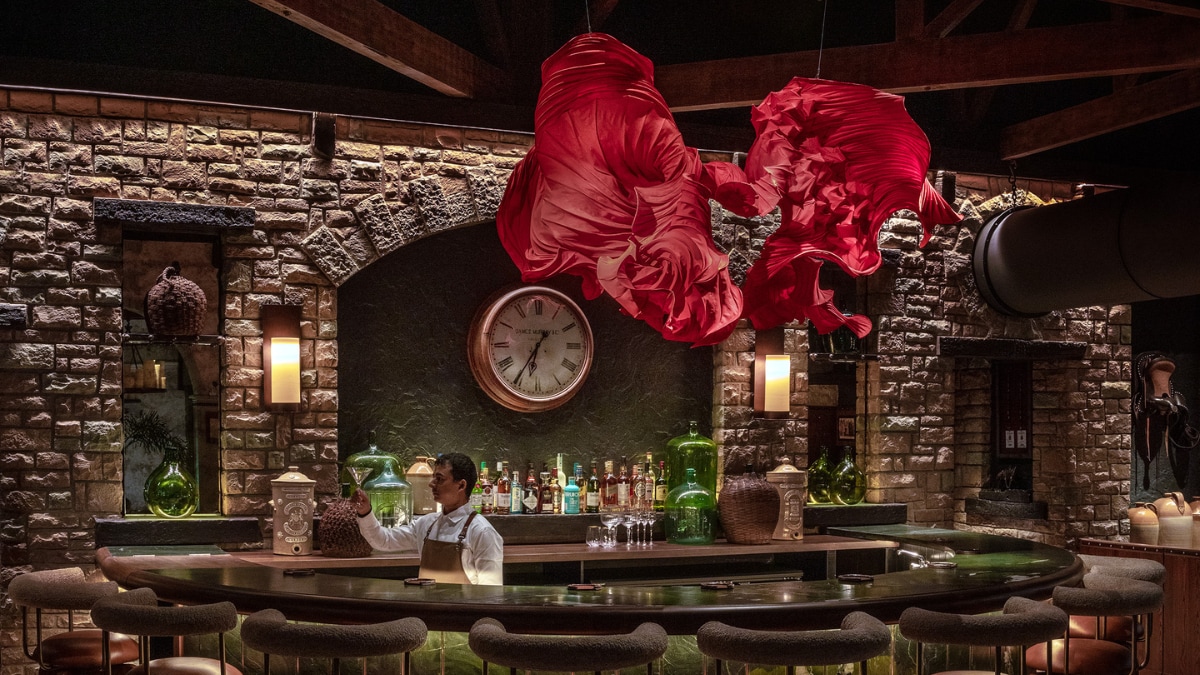
    The restaurant also boasts an equestrian-themed memorabilia wall and a luxurious new bar area. The latter has an awe-inspiring centrepiece in the form of “The Red Dancers”, an artwork by renowned Dutch artist Peter Gentenaar. “Revamping Gallops was definitely a challenge as it was not only a prerequisite but a tough decision to go ahead with initially. We had to walk a fine line between preserving its authentic roots while subtly introducing newer, modern features to uplift its ambience and dining experience,” the partners say.

    Latest and Breaking News on NDTV

    Photo Credit: Gallops Restaurant

    Our meal consisted of newly introduced delicacies as well as signature Gallops dishes that have been retained on the menu. “We introduced 42 delectable dishes that showcase a modern twist on our traditional favourites, ensuring they resonate with contemporary dining trends. The main idea while curating the new offerings was to appeal to new and younger visitors as well as stand true to our long-time patrons.” Chef Yajush says. We started our meal with a luscious Paya Shorba, followed by a hearty Smoked Salmon and Nicoise Salad. We already began to note the generous portions, the thoughtful service and the warmth of the ambience. Each appetiser we tasted was an immediate hit: the decadently delicious Goan Grilled Prawns, the melt-in-the-mouth Dori Kebab (a Gallops must-try), the indulgent Chicken Zafrani Tikka and the impressively crispy Khatte Meethe Bhein. The stand out was the Chicken Liver Pate (served with Melba toast, gherkin, rum raisins and hazelnuts), which has been upgraded to include more toppings. The understated refinement of its taste and presentation seemed to capture the essence of Gallops on a platter.

    Latest and Breaking News on NDTV

    Photo Credit: Vinayak Grover

    The bar menu has new additions too. We started with fruity sips of the Strawberry Aperol Harony (strawberry syrup, Aperol, Campari, Vodka) and an exquisite French 75. But the cocktail that wowed us the most was the Orchard Thief, a concoction of Bourbon whiskey, apple juice, cinnamon and bitters. The potency of the whiskey, balanced with the crisp sweetness of the apple, and rounded off with the spice at the end, made for a real treat.

    Latest and Breaking News on NDTV

    Photo Credit: Gallops Restaurant

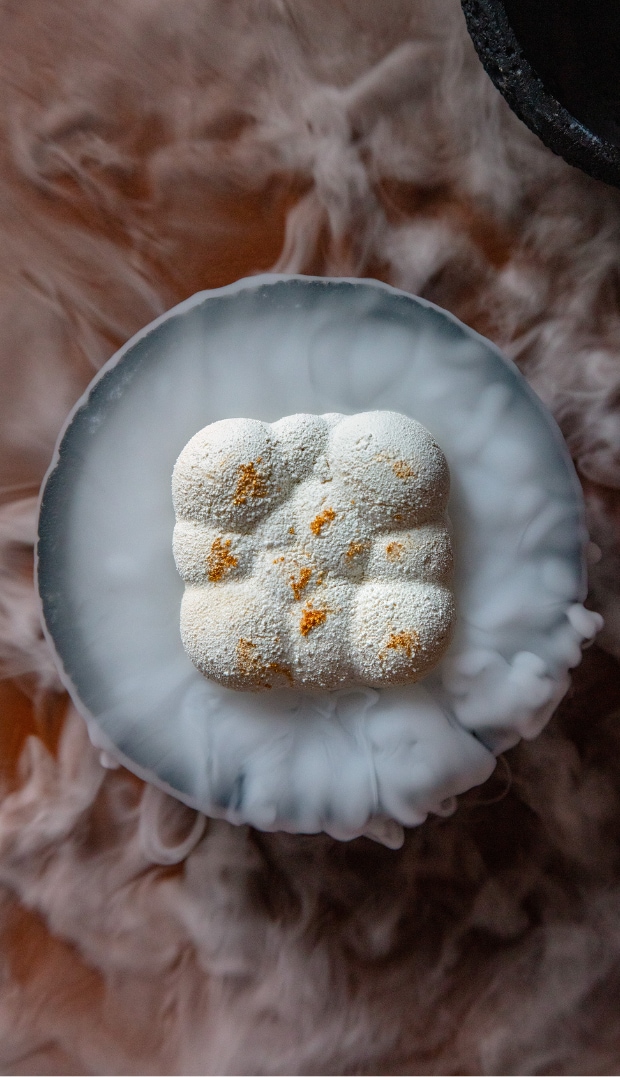
    The mains continued to delight with their robust flavours. We loved the juicy succulence of the slow-cooked Braised Lamb Shanks, the convincing novelty of the Saag Burrata and the comfortingly silky Daab Chingri (served in an actual coconut). Forget plain tandoori roti and butter naan – we relished the Indian mains with delicious laal naan, missi roti and Malabari paratha, which elevated our experience. As many Gallops regulars will tell you, skipping dessert here is almost unheard of. If you want to try one of the new additions, opt for the Baileys Caramel Cloud – a medley of the all-time beloved notes of cocoa, whiskey, salted caramel and almond. If you want one of the classics, you cannot go wrong with the Baked Alaska. We demolished it in minutes despite the number of dishes that preceded it!

    Latest and Breaking News on NDTV

    Photo Credit: Pankaj Anand

    Those at the helm at Gallops are quick to assure loyal patrons that they have maintained most of the facets of the original charm. Although my dining companion and I did not belong to this category of patrons, the promise fascinated us. At the preview meal for Gallops 2.0, we were the minority that indulged in its famed experience with completely fresh eyes (and palettes). So what did the first-timers find out? The answer: some of the reasons the other patrons choose to return. And thanks to the revamp, there can be more reasons to add to that list.

    Where: Gate no. 1, Inside Mahalaxmi Racecourse, Via, Keshavrao Khadye Marg, Royal Western India Turf Club, Mahalakshmi, Mumbai.

    Latest and Breaking News on NDTV

    Photo Credit: Sanjog Mhatre

    Latest and Breaking News on NDTV

    Photo Credit: Sanjog Mhatre

    Source link

  • Volkswagen T-Cross review: Tiny crossover with old-school charm, Lifestyle News

    Volkswagen T-Cross review: Tiny crossover with old-school charm, Lifestyle News

    In a world of electric this and digital that, it can be refreshing to come across something that reminds you of the analogue era, where you might have to actually do things yourself rather than get a computer to do it for you.

    The Volkswagen T-Cross does give off a bit of that old-school vibe while still having enough modern niceties to make it relevant in today’s age.

    What’s new on the T-Cross?

    As you can tell from the opening paragraph, the T-Cross is not exactly a new model, having been on sale here since 2019. The car has been given a very mild facelift to keep it updated, but in many ways it certainly feels its age.

    The changes are very minor, to say the least. There are new bumpers front and rear, which add a bit of length to the car. The lights are new as well, and look pretty fancy when they are illuminated at night. But other than that, the T-Cross looks pretty much the same as before.

    Inside, the T-Cross has a redesigned dashboard, with new touch-sensitive controls for the climate control system, as well as a new eight-inch infotainment screen.

    They’re subtle revisions, but Volkswagen has also opted to use higher-quality materials for the interior, which does elevate the cabin’s ambience somewhat.

    Is that it?

    Pretty much, but you’ll soon realise that much of the appeal of the T-Cross is that it doesn’t feel too caught up in the modern-day tech race, where everything is electric and controlled via a large screen.

    Purists might be delighted to find a traditional gear selector stick, along with a *gasp* manual handbrake lever, things that were common in cars 20 years ago but are increasingly rare now.

    Even the attempt at digitalisation, in the form of the infotainment screen, feels like a throwback. The eight-inch touchscreen is small by today’s standards, with many newer cars boasting huge screens that can rival those on laptops.

    But size doesn’t really matter in this case, because ultimately the T-Cross offers an intuitive and user-friendly experience with an infotainment system that’s easy to use and navigate.

    It also comes with wireless Apple CarPlay/Android Auto, as well as a pretty cool Beats audio system, which is all you need really for in-car entertainment.

    The rest of the car is as simple as it gets. There’s a decent amount of space at the back for two adults, perhaps three at a squeeze, and not much else.

    The boot offers a handy 385 litres’ worth of carrying capacity, which is not the largest, but there’s a neat trick where you can push the rear seats forward and enlarge the boot space to 455 litres.

    How does it drive then?

    Again, the T-Cross doesn’t boast anything fancy under the bonnet. The car is powered by a 1.0-litre turbocharged three-cylinder petrol engine that produces 114hp and 200Nm of torque. Fast, the T-Cross certainly is not, with 0-100km/h coming in a leisurely 10.3 seconds.

    Because there isn’t much power, you do have to push it quite a bit to make meaningful progress. But that also means that it is eager to rev to the redline, giving it an excitable and peppy demeanour that is reminiscent of some low-powered small cars from the 1990s.

    Ultimately though, the T-Cross is still an SUV, and while it handles with a good amount of liveliness and agility thanks to its compact size, the overall sensation is one of stability and surefootedness, without coming across as too enthusiastic.

    Similarly, the ride quality can mostly be described as competent. It is a bit firm, and the car can get unsettled if you go over a large bump quickly, but in most circumstances the T-Cross copes well enough to offer a comfortable driving experience.

    Should I buy one?

    That really depends. For those who feel that today’s modern cars, with their barrage of digital information and tech features, are overwhelming, the T-Cross offers a throwback of sorts with its simplistic setup and lack of frills.

    At the same time, it doesn’t feel too antiquated, with just enough modern features to make life that little bit more pleasant.

    It’s not perfect of course, but in many ways the T-Cross feels like a nice bridge between new age and old school, and sometimes just keeping things simple is good enough for some people.

    ALSO READ: Volkswagen ID.4 GTX review: More power but at a price

    benjamin.chia@asiaone.com

    No part of this article can be reproduced without permission from AsiaOne.

    Source link

  • Eden; Ron Howard’s survivalist true story thriller is a provocative piece of work: TIFF 2024 Review

    Eden; Ron Howard’s survivalist true story thriller is a provocative piece of work: TIFF 2024 Review

    So often across cinematic history has it been proven that fact is stranger than fiction, and in the case of Ron Howard‘s Eden, the crazier humanity proves themselves to be, the more seeped in reality their stories are.

    And it’s what makes Eden – arguably Howard’s most exciting project in over a decade – all the more disturbing and fascinating, that what unfolds on screen depicts the actions of what humans are capable of.  Offsetting the film’s island paradise locale and aesthetically pleasing ensemble with a grotesque nature to both, Howard is clearly conscious of the fact that no matter how perfect something – or someone – looks, a darkness so often can linger underneath, and Eden, in spite of its namesake, drives this home with a psychologically torturous mentality.

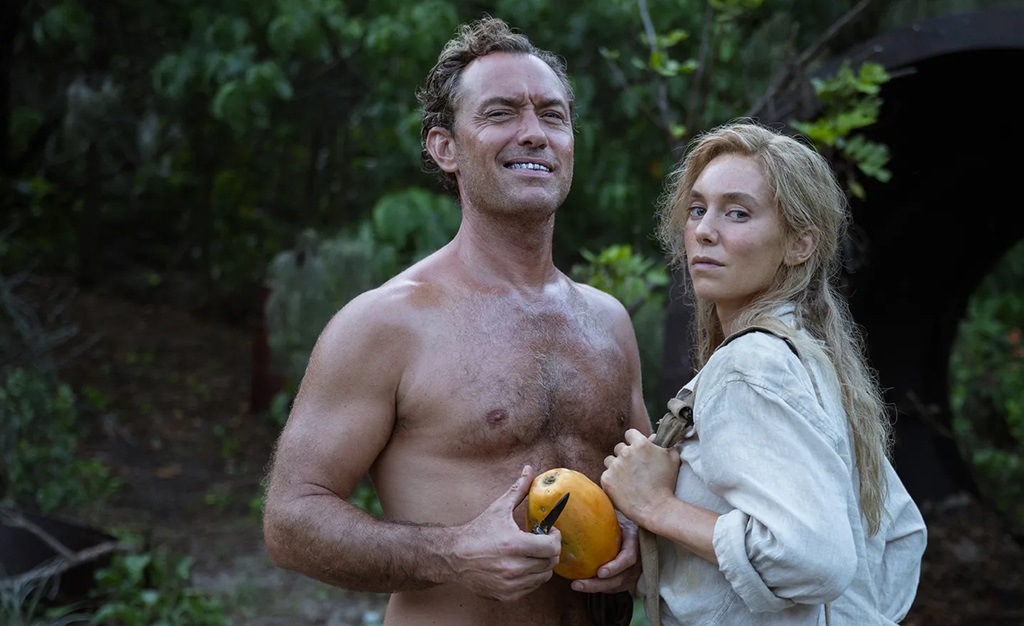
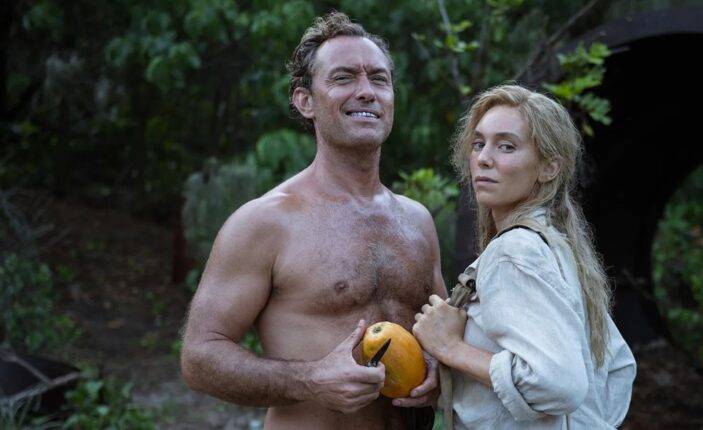
    Set in 1929 in the devastating aftermath of World War I, Dr. Friedrich Ritter (Jude Law) and his wife, Dora Strauch (Vanessa Kirby), flee their native Germany in a bid to reject the materialistic nature they believe is corroding the potential of mankind.  Setting up their minimalistic lifestyle in the Galápagos archipelago, Friedrich plans to utilise his isolation by writing his manifesto – one that he sees as being a starting point for mankind’s survival – whilst Dora resolves to cure her multiple sclerosis through meditation.

    Though their intent is to live out the rest of their days free from the prying eyes and opinions of the now-outside world, Friedrich has penned a series of letters about his newfound existence that have made their way to a variety of national newspapers thanks to passing ships.  Friedrich and Dora’s lifestyle, as well as the island’s very existence, starts to gain a fanbase, and it isn’t long before their solitude is disrupted.

    First arrives Heinz and Margaret Wittmer (Daniel Brühl and Sydney Sweeney).  The growing financial strain of surviving in Germany, the political turmoil of their city, and their son’s tuberculosis all play a part in their intended plan to start anew on the island.  Whilst they arrive with the purest of intentions, Friedrich and Dora don’t take kindly to their presence, believing this family is something of a threat; no longer will their island paradise be solitary and, amongst other things, their resources will have to be divided.  Taking a more subtle, psychological approach to the situation, Friedrich – after expressing his dominance by greeting the Wittmers totally nude (so, yes, there is a gander at Jude’s law, so to speak) – suggests the family set up camp near a selection of caves, knowing all too well that the water shortage there will hinder their ability to grow crops.  The Wittmers prove more resourceful than expected and, to much surprise, they carve out something of a life there, taming nature in the process in manners Friedrich had never envisioned.

    The island’s final arrival is where the established power dynamic is truly shifted however.  Swanning about with the type of materialistic mentality that both the Ritters and the Wittmers have rejected, Eloise Bosquet de Wagner Wehrhorn (Ana de Armas, undoubtedly the film’s greatest asset), a self-described Baroness and “the embodiment of perfection”, announces she in fact owns considerable acreage there and with her “Hotel Paradiso” intends to build an expansive resort, turning the idyllic peninsula into a tourist hotspot.  Already expressing her cunning nature by shifting her attention between the two gentleman that assist her (Toby Wallace and Felix Kammerer), Eloise quickly starts to play Friedrich and Heinz against each other, leading the island into chaos and forcing a sense of jealousy and greed to emerge.

    Whilst Eden does submit to its narrative darkness across its 129 minutes, Noah Pink‘s script continually maintains an entertaining sense of self, with much of the film owing its engrossment to that of de Armas.  A role that showcases the greatest range for the actress yet, de Armas easily balances her character’s camp-like nature with a sinister underbelly, and she proves the perfect equilibrium against Sweeney’s more grounded turn and Kirby’s steely resolve. Brühl and Law are equally as good, both embodying their characters with a sense of theatrical authenticity, but Eden belongs to its female players, and if the collective voters had the right sense they’d be unanimous in voting de Armas as a supporting actress frontrunner come award season.

    Much like how he created an engaging slice of cinema from the true story of the Tham Luang cave rescue with 2022’s Thirteen Lives, Howard similarly takes hold of this story’s rooted-in-certitude base and arranges it to both see fit as a provocative piece of work and a true story worth uncovering.

    FOUR STARS (OUT OF FIVE)

    Eden screened as part of this year’s Toronto International Film Festival, which ran between September 5th and 15th, 2024.  For more information about the festival, head to the official site here.


    Source link

  • Eden; Ron Howard’s survivalist true story thriller is a provocative piece of work: TIFF 2024 Review

    Eden; Ron Howard’s survivalist true story thriller is a provocative piece of work: TIFF 2024 Review

    So often across cinematic history has it been proven that fact is stranger than fiction, and in the case of Ron Howard‘s Eden, the crazier humanity proves themselves to be, the more seeped in reality their stories are.

    And it’s what makes Eden – arguably Howard’s most exciting project in over a decade – all the more disturbing and fascinating, that what unfolds on screen depicts the actions of what humans are capable of.  Offsetting the film’s island paradise locale and aesthetically pleasing ensemble with a grotesque nature to both, Howard is clearly conscious of the fact that no matter how perfect something – or someone – looks, a darkness so often can linger underneath, and Eden, in spite of its namesake, drives this home with a psychologically torturous mentality.

    Set in 1929 in the devastating aftermath of World War I, Dr. Friedrich Ritter (Jude Law) and his wife, Dora Strauch (Vanessa Kirby), flee their native Germany in a bid to reject the materialistic nature they believe is corroding the potential of mankind.  Setting up their minimalistic lifestyle in the Galápagos archipelago, Friedrich plans to utilise his isolation by writing his manifesto – one that he sees as being a starting point for mankind’s survival – whilst Dora resolves to cure her multiple sclerosis through meditation.

    Though their intent is to live out the rest of their days free from the prying eyes and opinions of the now-outside world, Friedrich has penned a series of letters about his newfound existence that have made their way to a variety of national newspapers thanks to passing ships.  Friedrich and Dora’s lifestyle, as well as the island’s very existence, starts to gain a fanbase, and it isn’t long before their solitude is disrupted.

    First arrives Heinz and Margaret Wittmer (Daniel Brühl and Sydney Sweeney).  The growing financial strain of surviving in Germany, the political turmoil of their city, and their son’s tuberculosis all play a part in their intended plan to start anew on the island.  Whilst they arrive with the purest of intentions, Friedrich and Dora don’t take kindly to their presence, believing this family is something of a threat; no longer will their island paradise be solitary and, amongst other things, their resources will have to be divided.  Taking a more subtle, psychological approach to the situation, Friedrich – after expressing his dominance by greeting the Wittmers totally nude (so, yes, there is a gander at Jude’s law, so to speak) – suggests the family set up camp near a selection of caves, knowing all too well that the water shortage there will hinder their ability to grow crops.  The Wittmers prove more resourceful than expected and, to much surprise, they carve out something of a life there, taming nature in the process in manners Friedrich had never envisioned.

    The island’s final arrival is where the established power dynamic is truly shifted however.  Swanning about with the type of materialistic mentality that both the Ritters and the Wittmers have rejected, Eloise Bosquet de Wagner Wehrhorn (Ana de Armas, undoubtedly the film’s greatest asset), a self-described Baroness and “the embodiment of perfection”, announces she in fact owns considerable acreage there and with her “Hotel Paradiso” intends to build an expansive resort, turning the idyllic peninsula into a tourist hotspot.  Already expressing her cunning nature by shifting her attention between the two gentleman that assist her (Toby Wallace and Felix Kammerer), Eloise quickly starts to play Friedrich and Heinz against each other, leading the island into chaos and forcing a sense of jealousy and greed to emerge.

    Whilst Eden does submit to its narrative darkness across its 129 minutes, Noah Pink‘s script continually maintains an entertaining sense of self, with much of the film owing its engrossment to that of de Armas.  A role that showcases the greatest range for the actress yet, de Armas easily balances her character’s camp-like nature with a sinister underbelly, and she proves the perfect equilibrium against Sweeney’s more grounded turn and Kirby’s steely resolve. Brühl and Law are equally as good, both embodying their characters with a sense of theatrical authenticity, but Eden belongs to its female players, and if the collective voters had the right sense they’d be unanimous in voting de Armas as a supporting actress frontrunner come award season.

    Much like how he created an engaging slice of cinema from the true story of the Tham Luang cave rescue with 2022’s Thirteen Lives, Howard similarly takes hold of this story’s rooted-in-certitude base and arranges it to both see fit as a provocative piece of work and a true story worth uncovering.

    FOUR STARS (OUT OF FIVE)

    Eden screened as part of this year’s Toronto International Film Festival, which ran between September 5th and 15th, 2024.  For more information about the festival, head to the official site here.


    Source link

  • Review: People Of Tomorrow In Vasant Vihar Delivers A Unique Vegan Dining Experience

    Review: People Of Tomorrow In Vasant Vihar Delivers A Unique Vegan Dining Experience

    Veganism is really taking off these days, with more and more people embracing the lifestyle. And as it grows, New Delhi has welcomed a bunch of vegan restaurants, including People of Tomorrow. Tucked away in the chic Basant Lok market in Vasant Vihar, this spot is perfect for vegan lovers. It’s not just the food that’s vegan-friendly though-the whole place is designed with sustainability in mind. From eco-friendly interiors to the cutlery and lanterns, the vibe here is truly one-of-a-kind. We had the chance to check it out recently and dive into their delicious offerings, and here’s a little taste of what we experienced.
    We started off our evening with some of their signature cocktails. First up, we had the Bramble, a delightful mix of gin, java plum, and lemon, perfectly balancing sweet and sour notes-it was fantastic! Then, we sipped on the Paloma Of Tomorrow, a refreshing blend of grapefruit roselle, oregano, and lemon, which was equally delightful. Lastly, we tried the Miraflores, featuring pisco, sweet sherry, martini rosso, and maraschino cherry. It had a bit of a bitter edge at first, but it grew on us.

    Latest and Breaking News on NDTV

    Photo Credit: People Of Tomorrow

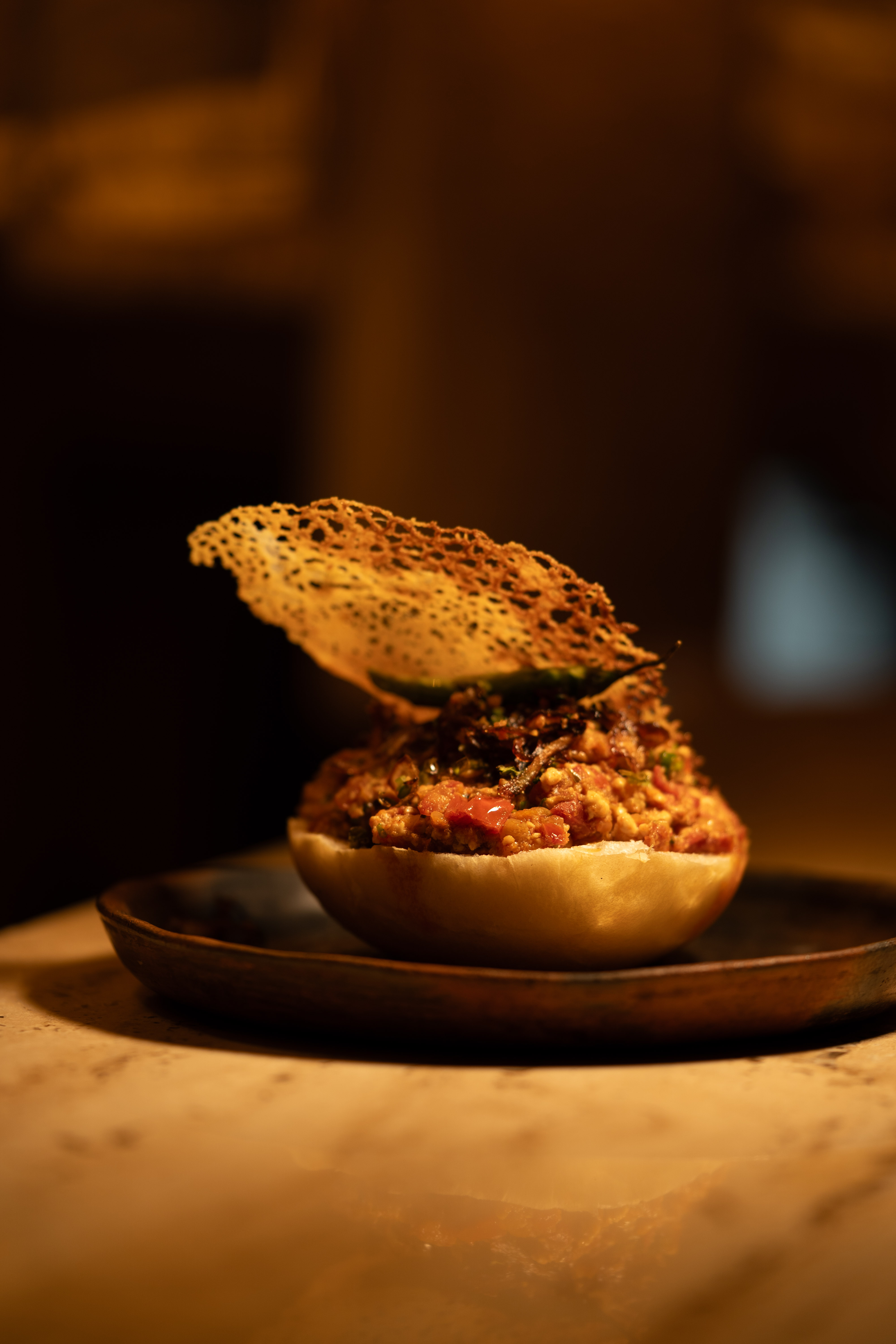
    When it came to appetisers, we kicked things off with the Akuri, a modern twist on the traditional Parsi dish. Made with scrambled watermelon seed paneer and served with a soft bun, it was pure comfort in a bite-so good that we finished it in no time! Then, we had the Won-A-Ton, their house-made dumplings in a tasty chilli, ginger, and umami sauce. They were soft, juicy, and steamed to perfection-dim sum fans, you’ll love these! We also gave the Tartare De Nasu a try, which was an eggplant tartare served with lotus stem chips and a scallion dip. Even if you’re not a big eggplant fan, this dish might just win you over!

    Latest and Breaking News on NDTV

    Photo Credit: People Of Tomorrow

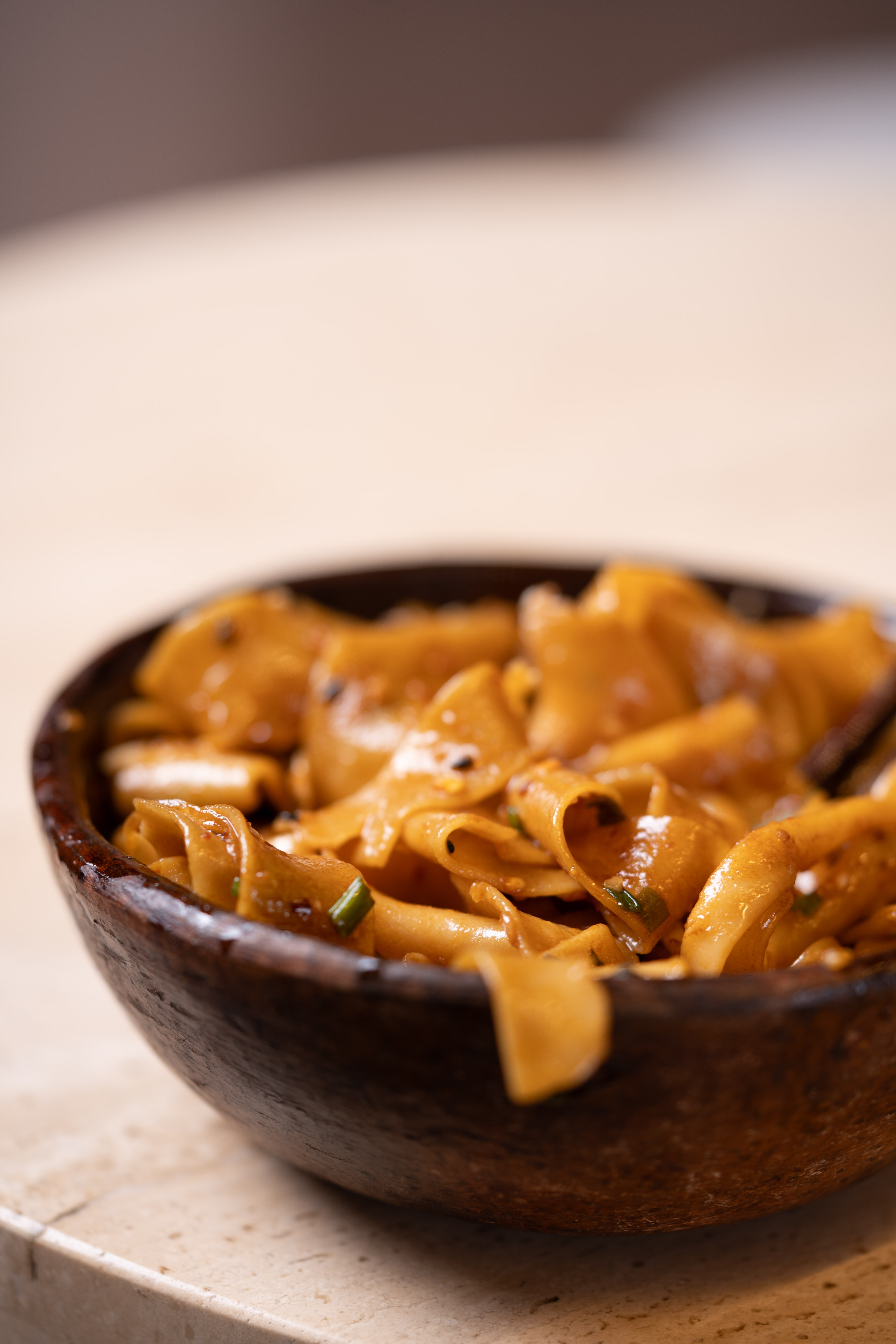
    For the main course, we wanted to try the Mazeman, but it wasn’t available, so we went with It’s Bianging instead. This dish featured hand-pulled noodles tossed in chilli, garlic, and peanut sauce. It was hearty and full of flavour, making for a satisfying main. Although we only tried this, there are plenty of other exciting options on their menu like Tomatoes of Tomorrow, Ananas Carpaccio, Fatayer, and Alla Norma. If you’ve got room, definitely check them out!

    Latest and Breaking News on NDTV

    Photo Credit: People Of Tomorrow

    No meal is complete without dessert, and we ended ours on a sweet note with Eton’s Mess. This refreshing dessert had layers of vanilla bean custard, soft vanilla sponge, red fruit compote, fresh mango, and coconut oat streusel, topped with mini pavlova. It wasn’t too heavy and hit the spot just right.
    Overall, we had a fantastic time at People of Tomorrow. If you’re on the hunt for a top-notch vegan spot in the city, this place should definitely be on your list!

    • What: People Of Tomorrow
    • Where: 5, Ground Floor, Basant Lok, Vasant Vihar, New Delhi
    • When: 12 pm – 12 am
    • Cost For Two: INR 950 (approx)

    Source link

  • American Sports Story: Aaron Hernandez review – bleakly compelling tragedy | US television

    Aaron Hernandez was football’s shooting star – the big, fast and tough receiver you couldn’t take your eyes off. Deployed as a tight end, the name for the double duty players on offense who block as well as catch passes, Hernandez quickly emerged as the nation’s best while winning a college championship at the University of Florida in 2009. After joining the NFL the following year at the tender age of 20, Hernandez helped evolve the tight end position from complementary to headlining role on the way to reaching the Super Bowl and signing a $40m contract extension. Ultimately, though, his penchant for self-destruction proved greater than his knack for wrecking game plans. In 2017 Hernandez was found dead at age 27 while serving life in prison for fatally shooting a close friend who played semi-pro ball. His spectacular fall from grace became the biggest media scandal since the OJ Simpson saga – so it’s no wonder that Hernandez has also received the Ryan Murphy treatment.

    This week marks the debut of American Sports Story: Aaron Hernandez – a 10-part Murphy-branded limited series chronicling Hernandez’s star-crossed sports celebrity. Created and executive produced by Stuart Zicherman, best known for his work on The Americans, American Sports Story is the first fictional treatment to follow the raft of journalistic projects that sprang up after Hernandez was found dead by suicide, days after he was acquitted of charges in an unrelated double homicide. The show is based on a six-part newspaper series produced by the Boston Globe’s award-winning Spotlight investigative arm, which delves more deeply into Hernandez’s tortured upbringing and troubled teenage years.

    Two reporters from the Spotlight team join this sharply drawn project, made more authentic by writers like the NFL veteran turned TV analyst Domonique Foxworth – who not only played against Hernandez, but advocated on his behalf while an executive on the players’ union. Highlights from Hernandez’s playing career, one of the advantages of making a drama for a football TV rights holder, lend further credibility – but not enough to stop fans from picking apart actors for not looking exactly like their sports heroes. If Clipped, FX’s most recent foray into ripped-from-the-sports-pages storytelling, is a guide, then Patrick Schwarzenegger isn’t going to escape the jokes about his Mr Universe father failing to adequately prepare him to fill out the role of the football hunk Tim Tebow – even though the actor gets Tebow’s muscular Christianity tics right.

    Likewise, the Hunger Games breakout Josh Andrés Rivera makes himself believable enough as Hernandez, especially when the focus tightens on this dark and brooding production – which is often. The close-ups are part of a larger push to place viewers inside Hernandez’s head – the black box that kept him edging from rage to paranoia, prompting his escape into marijuana. Reflecting on his college years, Hernandez reportedly said: “Every time I was on the field I was high on weed.”

    It wasn’t until after Hernandez died and his brain was donated to science that he was diagnosed with chronic traumatic encephalopathy, or CTE; the disease, which can only be identified posthumously, is the result of repeated hits to the head and has been attributed to the deaths of football players as young as high-school age. When Hernandez’s brain was examined at Boston University, home of the world’s largest CTE brain bank, researchers there diagnosed him with the most severe case ever discovered in a person his age – damage that would have significantly contributed to his difficulties making decisions, controlling his impulses and regulating his emotions.

    CTE might well have summed up Hernandez’s downfall – just as it does Chicago’s Dave Duerson, San Diego’s Junior Seau and more NFL legends – if Hernandez hadn’t left behind a suicide note addressed to his jailhouse lover. That opened the door to a frenzy of speculation about Hernandez’s potential inner torment as a closeted bisexual man. After an investigative journalist outed Hernandez on a Boston sports talk radio program immediately following his death, his brother told Dr Oz that the family feared he had become a murderer to hide his secret sex life; Hernandez’s fiancee – also the mother of his only child, a daughter – maintains that he never expressed gay or bisexual desires to her. This project will almost certainly visit more distress upon his survivors.

    Zicherman et al don’t just fill in the blanks in Hernandez’s sexual identity; they make it central to his character, using his family’s suspicions as cover for a broader critique of the inherent homoeroticism of male sport. Those who don’t outright dismiss this latest FX series as yet another product of the Hollywood agenda will be riveted by how clever the series is about finding and impregnating the emotional beats along this sporty narrative arc. His complicated relationship with his physically abusive father (who died while Aaron was a teenager), the sense of abandonment he felt after being pushed out of college once he had served his purpose, the dissociative episodes he suffers while interviewing with NFL teams – all of it enhances the picture of a truly lost soul, upgrading Hernandez from sports cautionary tale to tragic American myth.

    Like football itself, American Sports Story makes itself tough to watch. It makes you wish things had turned out differently for Hernandez. It makes clear: he was as good as doomed.

    Source link

  • Oura Gen 3 review: can smart ring worn by celebs and athletes work for you? | Wearable technology

    Smart rings are having a bit of a moment with the Oura seen adorning the fingers of celebrities and elite sportspeople alike. It promises the health-tracking features of a smartwatch squeezed into a much smaller, less techie device focused on sleep, recovery and resilience. But can it deliver for regular people, too?

    Now several years into its third iteration, the Oura Gen 3 is the most popular smart ring on the market, available in a range of attractive colours, metals and sizes. It looks and feels like an attractive piece of jewellery, and is priced accordingly, costing from £299 (€329/$299) and requiring a £6-a-month subscription on top. Keeping up with celebrity crazes has never been cheap.

    The smooth and light titanium ring comes in various colours and finishes and in two different shapes: one with a plateau on top and a more expensive fully round version as tested. A clear plastic inner layer allows you to see the impressive array of components, sensors and contacts, including three bumps that make contact with the underside of your finger to read heart rate and other metrics.

    What’s it like to wear?

    The smooth titanium finish shimmers in different lights, with many other colours and finishes available, including classic silver or gold. Photograph: Samuel Gibbs/The Guardian

    The Oura is quite unlike most other fitness trackers. There’s no screen, it doesn’t make a noise, vibrate or do anything visible beyond the occasional red or green glow of the sensors. You can’t pay for anything with it or get notifications. Any interactions are made through the app on your phone.

    Oura wants you to wear the ring on your index finger for the best data, but there it strikes everything you hold and was particularly annoying when using a smartphone. Switching to a smaller size on the fourth finger of my non-dominant hand was much easier to live with.

    The Oura is a uniform thickness all the way round, which makes it clash more against adjacent fingers than other large rings. Photograph: Samuel Gibbs/The Guardian

    Even so, the Oura about twice the thickness of a traditional wedding band, which meant it digs into the adjacent fingers more than other rings I’ve worn and takes some getting used to. The company offers a kit with dummy rings of the eight different sizes available, which you should wear for at least a week to really test the fit, as the rings cannot be resized.

    Getting the size right is very important as it has to be snug to collect your biometric data, but you have to take it off frequently too. It may be water resistant to 100-metre depths, but the sensors need cleaning and drying, and I had to remove it any time I tried gripping or lifting anything. The battery lasts about five days before it needs taking off for an hour for charging on a little USB-C puck. On an average day I must have taken it off at least three times.

    Sleep, sleep and more sleep

    The Oura app syncs data and settings via Bluetooth, presenting the information in easy to digest ways. Photograph: Samuel Gibbs/The Guardian

    Oura’s primary pitch is effortless and thorough analysis of your sleep and daily recovery to provide suggestions for meaningful improvement of your health over the long term.

    During the day the ring tracks your activities like any other Fitbit analogue, including your steps and calories, heart rate once every five minutes, stress levels and other factors, rolling it into an activity score. The ring automatically recognises activities such as walks or rides, but will only record workout heart rate if you manually trigger it in the app before going for a run and the distance tracked was way off. I got better results by syncing runs tracked through Strava.

    At night the ring tracks your sleep efficiency, cycles, heart rate, heart rate variability and blood oxygen saturation, calculating an overall sleep score out of 100. It is on par with the best smartwatches, if slightly more accurate than most.

    Oura’s strength is in its analysis of trends and crunching of the data for interesting insights. For instance, Oura’s “readiness” score combines various biometrics including body temperature and sleep data, to work out how well you’ve recovered from any activity or illness and how ready you are for another workout or stressful day.

    The “resilience” score goes one further as a measure of how well your body withstands and recovers from physiological stress, calculated from your recovery and stress over the last 14 days. If you’re sick or burning the midnight oil for long periods your resilience decreases.

    I found my readiness and resilience scores mapped very well to how I was feeling at the time, particularly when I was battling illness.

    The Oura app is packed with interesting titbits and explanations of what the data and trends mean. Photograph: Samuel Gibbs/The Guardian

    The longer you wear the ring the more insights it produces. After three months it worked out my chronotype to be an early evening type – a person who is flexible on bedtime but does not like early mornings, describing me perfectly.

    Other interesting long-term metrics Oura has recently added include VO2 max, a common metric of cardiovascular fitness and cardiovascular age that is worked out from the stiffness of your arteries inferred from the speed that pulses travel down your blood vessels.

    No other tracker presents your health data in such an easy to understand and interesting way, either daily or over the longer term with graphs with trends. Weekly and monthly reports give you insights into how you’re doing with suggestions for improvements. The “explore” section talks you through the various factors that impact your health, offering advice on how to improve as well as various guided meditation and breath work.

    An indentation on the fully round rings shows where the sensors are that should be kept on the inside of the finger. Photograph: Samuel Gibbs/The Guardian

    The app also offers “experiments” that challenge you to reduce something deleterious to your health such as alcohol or caffeine within six hours of your bedtime. At the end of the two week test it produces a report comparing your sleep efficiency and restfulness to see if it made an improvement.

    The ring also has extensive women’s health tracking, including menstrual cycles and pregnancy insights, using a combination of biometrics such as temperature and sleep patterns. Oura also partners with various third-party apps, including for app-based birth control.

    Sustainability

    The battery in the ring will wear out at which point it cannot be replaced making the Oura eventually disposable. Photograph: Samuel Gibbs/The Guardian

    The Oura Gen 3 is not repairable and the battery is not replaceable. The company does not provide an expected lifespan for the battery, but it should maintain at least 80% of its original capacity after 500 full charge cycles. It does not include any recycled materials and Oura does not publish environmental impact reports or offer trade-in or recycling schemes.

    Price

    The Oura Gen 3 starts at (€329/$299) with a choice of two designs and a range of finishes. The ring comes with one month free membership subscription, which costs £5.99 (€5.99/$5.99) a month (£69.99/€69.99/$69.99 annually) and is essential.

    For comparison, the Samsung Galaxy Ring costs , the Ultrahuman Ring Air costs and an Apple Watch costs from .

    Verdict

    The Oura ring 3 is an impressive alternative to a smartwatch for those that want to track their sleep and general health, but don’t want to wear a screen on their wrist.

    It is an attractive piece of jewellery that looks like anything but a piece of technology. It has some of the most comprehensive sleep, recovery and health data available, with long-term analysis that goes further than other devices and is better explained, guiding you to make meaningful improvements.

    But it comes with quite a few compromises. Not only is the ring quite expensive, it requires a £6-a-month subscription on top. It will technically work without paying monthly but only with limited daily data, defeating the point of it.

    The bulk of the ring, particularly on the sides between your fingers, may also be an issue for daily comfort. And the ring simply does less than smartwatches that cost about the same and track as much or more – particularly during exercise, which i sone of Oura’s main weaknesses.

    But the ring’s biggest problem is that it cannot be repaired and the battery cannot be replaced, ultimately making it disposable and losing it a star.

    Pros: jewellery-like designs, comprehensive sleep and health tracking, great analysis of trends and helpful advice, easy to understand, five day battery life, 100-metre water resistance, effective alternative for health to a smartwatch.

    Cons: expensive, monthly subscription, thick for a ring and can get in the way, physical activity tracking such as running is weak, doesn’t do or track as much as a similarly priced smartwatch

    A lot of sensors and technology are packed into the Oura ring. Photograph: Samuel Gibbs/The Guardian

    Source link

  • Review: Elements By Rosetta Varca Goa Is A Cosy, Versatile New Hotel In The Bylanes Of South Goa

    Review: Elements By Rosetta Varca Goa Is A Cosy, Versatile New Hotel In The Bylanes Of South Goa

    We recently had the blessed chance to escape the worst of the Mumbai monsoon with a short getaway to Goa. Rosetta Hospitality has established a new luxury property in South Goa called Elements by Rosetta Varca Goa and we spent a leisurely weekend checking out its offerings. The hotel is around two kilometres away from Varca Beach and is nestled in a quaint bylane surrounded by lush vegetation. Our drive down to the hotel (and subsequent trips to and from sightseeing spots) were through serenely beautiful routes crossing quiet settlements, chapels, plantations and natural water bodies. It is the kind of picturesque paradise South Goa is often associated with.

    Latest and Breaking News on NDTV

    Photo Credit: Toshita Sahni

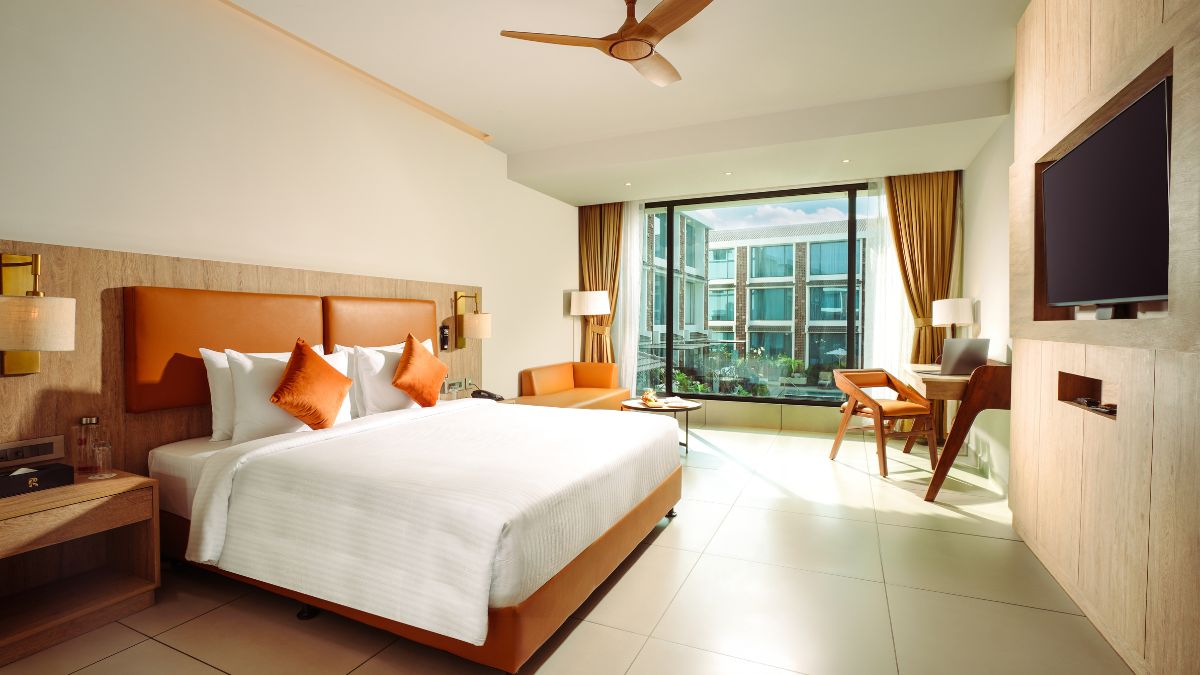
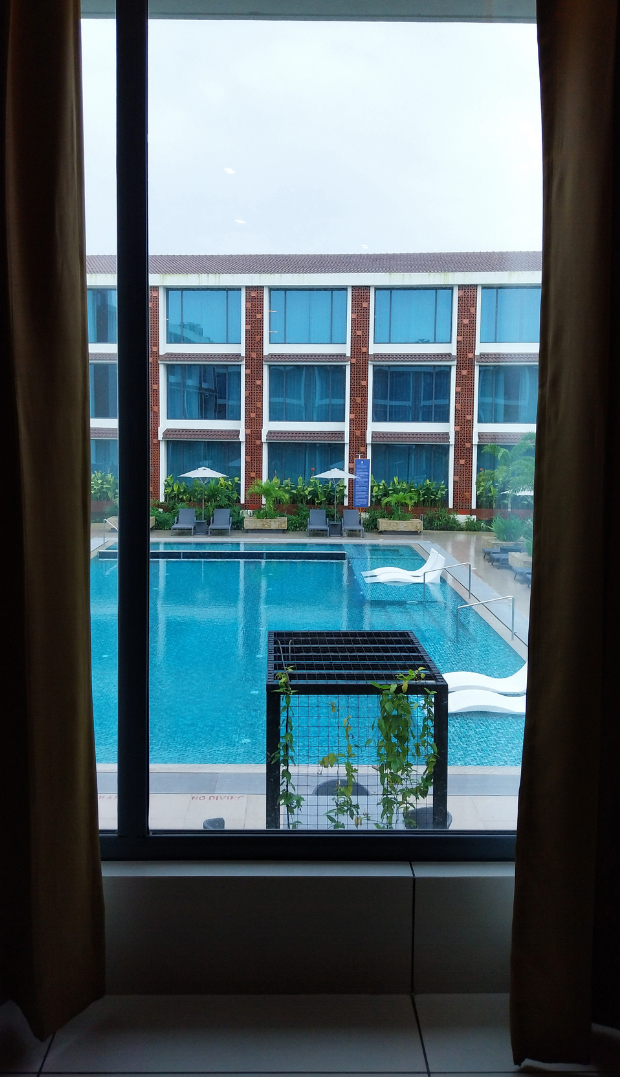
    We checked into our room on the first floor and the first thing we noticed was how spacious it was! Some non-resort properties can have rather cramped rooms that dampen a vacation mood, but you will not face such a problem here. The decor had a minimalistic style, with brown and white accents. The room was well-equipped with standard fittings and amenities. There was a writing desk where we managed to complete some work despite the tempting view of the pool below.

    Latest and Breaking News on NDTV

    Photo Credit: Elements by Rosetta

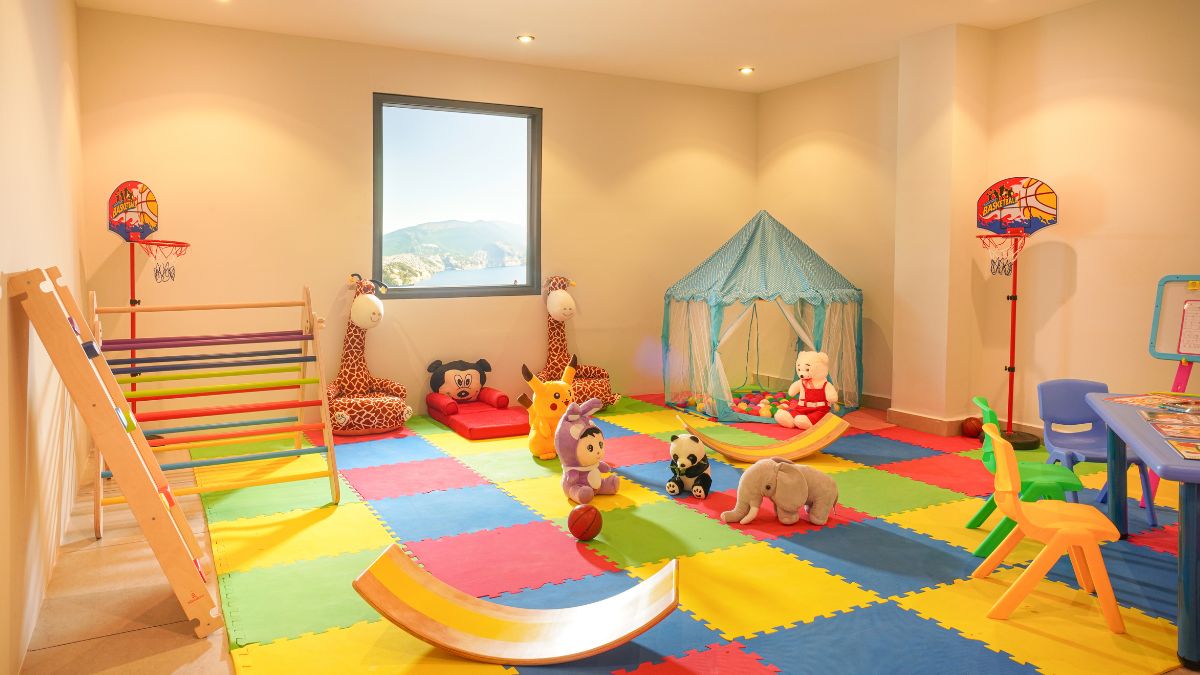
    Other rooms also boast bathtubs and outdoor jacuzzis, we were told. Those who don’t want to go for a swim can also unwind at the poolside Collins Bar, the spa or the gym. Those travelling with young ones should know there’s a dedicated kids’ play area on the property as well as a family activity centre called Rosetta Engage. Jai Sreedhar, Joint Managing Director of Rosetta Hospitality, says, “We believe that our new property will resonate with travellers who value quality and sophistication without compromising on affordability.” He also clarified that the new hotel aims to “bring Rosetta Hospitality to Goa and not vice versa.”

    Latest and Breaking News on NDTV

    Photo Credit: Elements by Rosetta

    Latest and Breaking News on NDTV

    Photo Credit: Elements by Rosetta

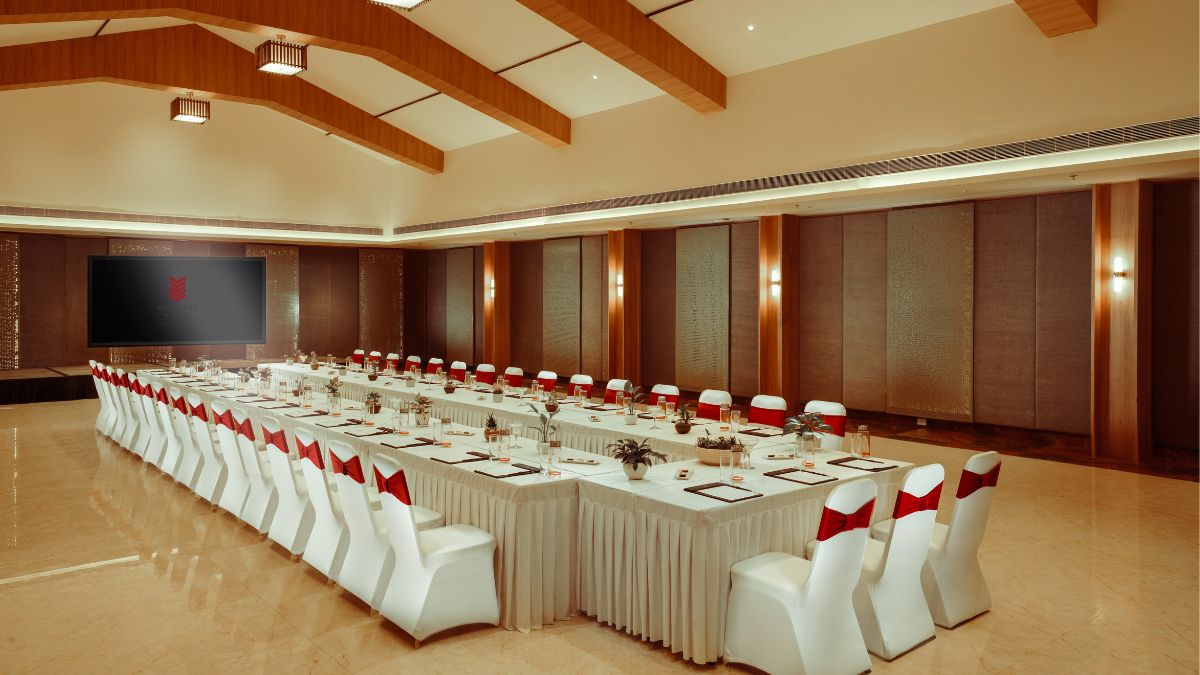
    The property also boasts versatile venues for different occasions: a grand ballroom of 4000 sq. ft., a 5000 sq. ft. outdoor lawn, and spacious board rooms for conferences and meetings. Errol Fernandes, the Chairman and Managing Director of Rosetta Hospitality highlights that the hotel aims to attract a diverse clientele, including corporate groups, wedding parties, and leisure travellers.

    Latest and Breaking News on NDTV

    Photo Credit: Toshita Sahni

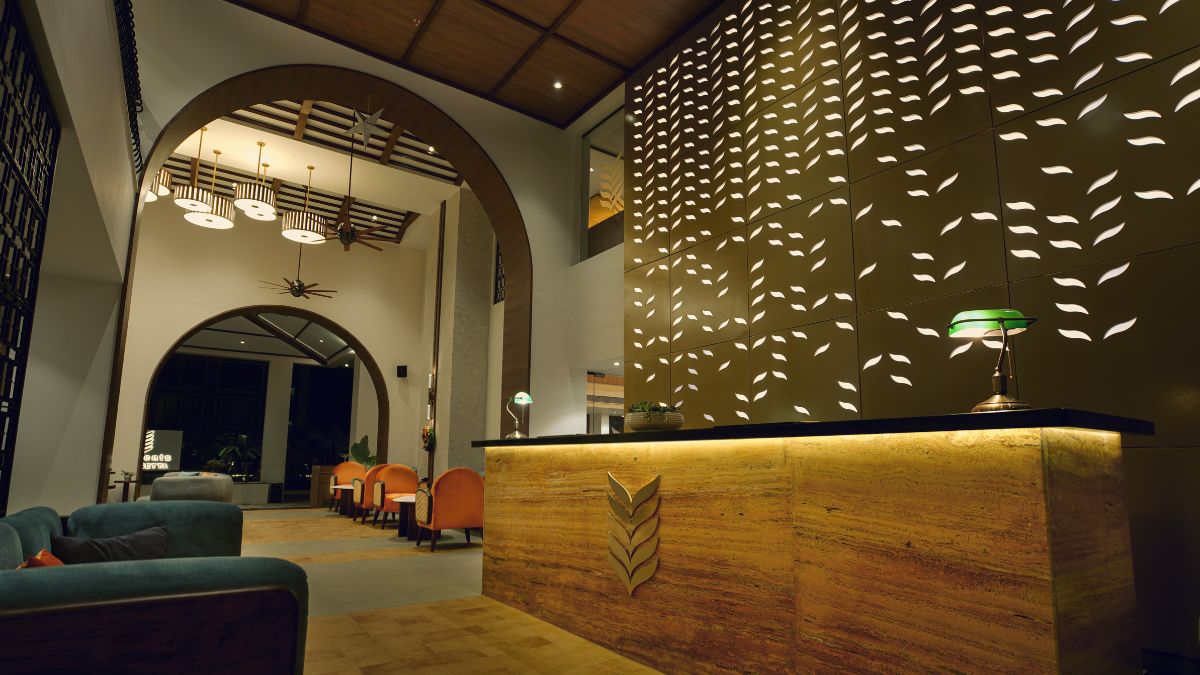
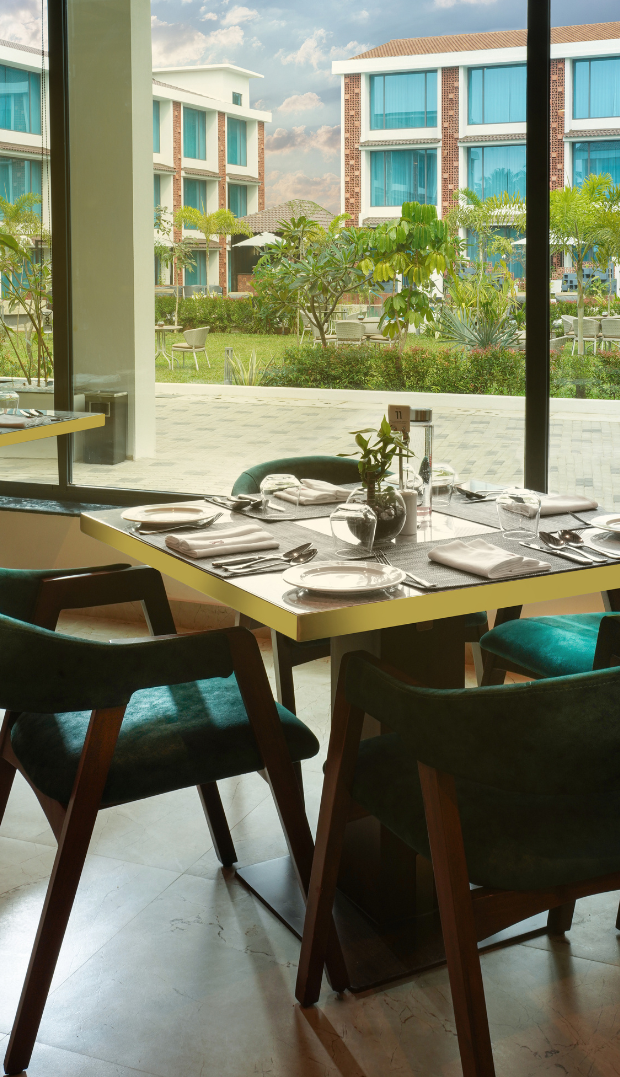
    The pool and an adjoining lawn form the centre of the property – the accommodation wings (currently having a total of 74 rooms) and reception building are located on its four sides. The main building, which also houses the restaurant – Cucina Rosetta – is thus only a short walk away from most rooms. We enjoyed a lavish buffet breakfast every day of our trip in the main restaurant. The spread was colourful and well-curated. Along with South Indian and English breakfast staples, the restaurant also included delicious North Indian fare. However, we’d have liked to have more local Goan delicacies as part of the buffet. There were live counters for dosas, eggs, waffles, pancakes and more – most of which were easily customisable on request. Apart from these, we relished fresh baked items, salads, juices and more to round off our meal before we headed out to explore the area.

    Latest and Breaking News on NDTV

    Photo Credit: Elements by Rosetta

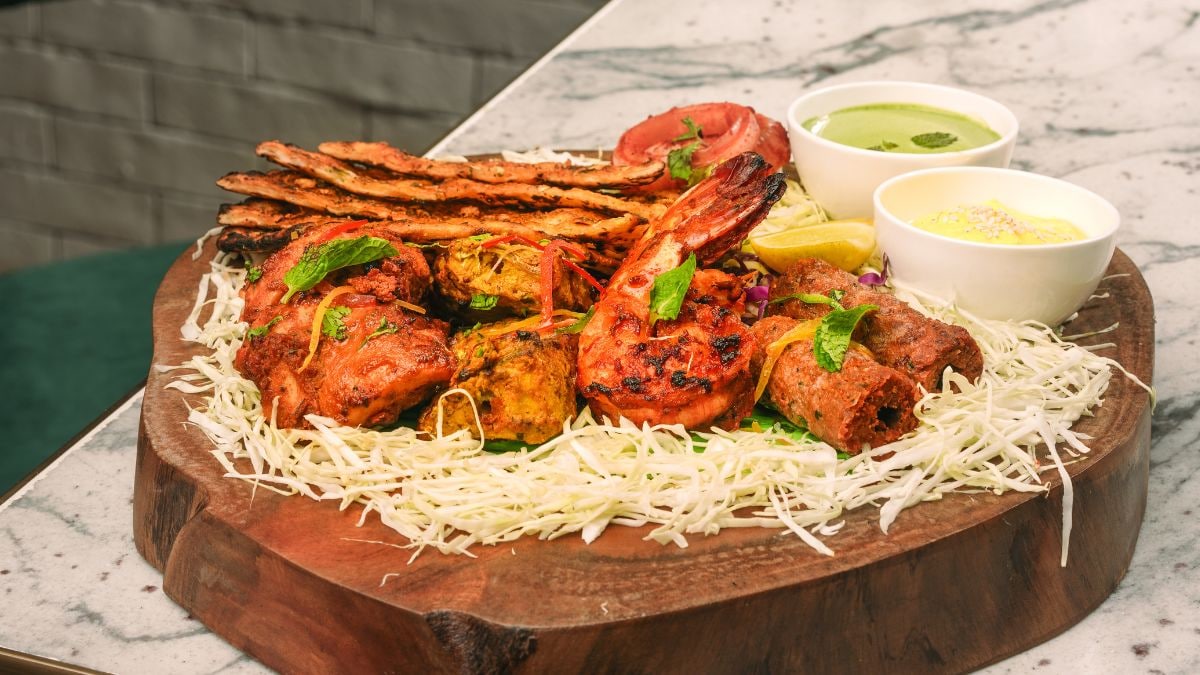
    We also enjoyed a selection of Cucina Rosetta’s lunch and dinner delicacies through buffet meals. The North Indian cuisine, including Rajasthani delights, especially stood out to us. The kebabs and tikkas, as well as classic gravies, were yummy and satisfying. While one can also take comfort in their Pan-Asian and Italian offerings, don’t miss the chance to taste some Goan food while you’re here. Apart from favourites like Vindaloo, Xacuti and Cladine, the a la carte menu also features a set “Goan meal experience” (with veg and non-veg options). We paired our food with great classic cocktails made with premium spirits, including local libations like feni. Our multiple meals made us realise that Elements by Rosetta manages to cater to a wide variety of tastes and preferences, and attempts to provide choices that will please different categories of travellers.

    Latest and Breaking News on NDTV

    Photo Credit: Elements by Rosetta

    Elements by Rosetta Varca Goa kept us relaxed and comfortable during our short trip to South Goa. If you’re looking for a reliable option for your next vacation or destination event, consider this cosy new hotel.

    Where: Survey No. 94, 3-H, Langottem Road, Varca, Salcete, Goa.

    Latest and Breaking News on NDTV

    Photo Credit: Elements by Rosetta

    Latest and Breaking News on NDTV

    Photo Credit: Elements by Rosetta

    Latest and Breaking News on NDTV

    Photo Credit: Toshita Sahni

    Source link