Over the past few days, Maharashtra has witnessed an increase in the number of Guillain-Barre Syndrome (GBS) cases. GBS is a rare neurological disorder in which a person’s immune system mistakenly attacks part of their peripheral nervous system – the network of nerves that carries signals from the brain and spinal cord to the rest of the body, explains the US National Institutes of Health. The Maharashtra government has appealed to the public not to panic and to visit a government hospital if any symptoms appear, reported IANS. It has also been advised that people implement preventive measures, the government said in its appeal.
Update On GBS Cases In Maharashtra
According to the state public health department release issued late on Monday night, there are 110 suspected patients of GBS and one death has been reported until now. Of these, eight have been diagnosed as confirmed GBS cases. Of the 110 suspected patients, about 88 are from the Pune Municipal Corporation (PMC), 15 from the Pimpri Chinchwad Municipal Corporation (PCMC) and seven are from other districts.
In a recent viral video on Instagram, Dr Priyanka Sehrawat, Neurologist, MD Medicine and DM Neurology (AIIMS Delhi), shares an important tip to prevent the disease.
“One major cause is gastroenteritis due to a bacteria C jejuni. Although there are many other causes, this is the one that you all should be aware of because this is one cause that we can avoid,” says Dr Sehrawat. Watch the full video here:
Also Read:Is Your Paneer Authentic? Here Are 5 Easy Ways To Spot Fake Paneer
Dr Sehrawat explains this illness is best treated within 2 weeks. “We have always seen these cases but an outbreak is concerning. Not to panic. Take care of yourself. Now you know how to take care of at least one cause,” she adds. Take preventative measures and consult your doctor if you experience any concerning signs or symptoms.
What Is Guillain-Barre Syndrome (GBS)?
Guillain-Barre Syndrome (GBS) is a neurological disorder where the immune system wrongly targets the peripheral nervous system. The body’s nerves are responsible for transmitting signals from the brain and spinal cord to the rest of the body. This attack can lead to various symptoms, including muscle weakness, numbness, and, in extreme cases, paralysis. The exact cause of GBS remains unclear, but infections, especially viral ones, are often linked to its onset.
Symptoms of Guillain-Barre Syndrome
Warning signs to watch out for include:
Weakness
Sensation changes
Difficulty with eye muscles and vision
Difficulty swallowing, speaking, or chewing
Pricking or pins and needles in the hands and feet
Pain that can be severe, particularly at night
Coordination problems and unsteadiness
Abnormal heart rate or blood pressure
Problems with digestion and/or bladder control
Here Are Some Must-Follow Diet Tips To Prevent GBS, As Per Dr Priyanka Sehrawat:
Avoid eating out.
Avoid contaminated food and water.
Take care of your immunity too.
Wash fruits and vegetables properly before consumption.
Increase your intake of vitamin C-rich foods.
If you do eat outside food, avoid foods like paneer which can be stored for a longer duration, which increases the chances of bacterial growth. Other foods to avoid include cheese and rice.
(Disclaimer: This content including advice provides generic information only. It is in no way a substitute for qualified medical opinion. Always consult a specialist or your own doctor for more information. NDTV does not claim responsibility for this information.)
Over the past few days, Maharashtra has witnessed an increase in the number of Guillain-Barre Syndrome (GBS) cases. GBS is a rare neurological disorder in which a person’s immune system mistakenly attacks part of their peripheral nervous system – the network of nerves that carries signals from the brain and spinal cord to the rest of the body, explains the US National Institutes of Health. The Maharashtra government has appealed to the public not to panic and to visit a government hospital if any symptoms appear, reported IANS. It has also been advised that people implement preventive measures, the government said in its appeal.
Update On GBS Cases In Maharashtra
According to the state public health department release issued late on Monday night, there are 110 suspected patients of GBS and one death has been reported until now. Of these, eight have been diagnosed as confirmed GBS cases. Of the 110 suspected patients, about 88 are from the Pune Municipal Corporation (PMC), 15 from the Pimpri Chinchwad Municipal Corporation (PCMC) and seven are from other districts.
In a recent viral video on Instagram, Dr Priyanka Sehrawat, Neurologist, MD Medicine and DM Neurology (AIIMS Delhi), shares an important tip to prevent the disease.
“One major cause is gastroenteritis due to a bacteria C jejuni. Although there are many other causes, this is the one that you all should be aware of because this is one cause that we can avoid,” says Dr Sehrawat. Watch the full video here:
Also Read:Is Your Paneer Authentic? Here Are 5 Easy Ways To Spot Fake Paneer
Dr Sehrawat explains this illness is best treated within 2 weeks. “We have always seen these cases but an outbreak is concerning. Not to panic. Take care of yourself. Now you know how to take care of at least one cause,” she adds. Take preventative measures and consult your doctor if you experience any concerning signs or symptoms.
What Is Guillain-Barre Syndrome (GBS)?
Guillain-Barre Syndrome (GBS) is a neurological disorder where the immune system wrongly targets the peripheral nervous system. The body’s nerves are responsible for transmitting signals from the brain and spinal cord to the rest of the body. This attack can lead to various symptoms, including muscle weakness, numbness, and, in extreme cases, paralysis. The exact cause of GBS remains unclear, but infections, especially viral ones, are often linked to its onset.
Symptoms of Guillain-Barre Syndrome
Warning signs to watch out for include:
Weakness
Sensation changes
Difficulty with eye muscles and vision
Difficulty swallowing, speaking, or chewing
Pricking or pins and needles in the hands and feet
Pain that can be severe, particularly at night
Coordination problems and unsteadiness
Abnormal heart rate or blood pressure
Problems with digestion and/or bladder control
Here Are Some Must-Follow Diet Tips To Prevent GBS, As Per Dr Priyanka Sehrawat:
Avoid eating out.
Avoid contaminated food and water.
Take care of your immunity too.
Wash fruits and vegetables properly before consumption.
Increase your intake of vitamin C-rich foods.
If you do eat outside food, avoid foods like paneer which can be stored for a longer duration, which increases the chances of bacterial growth. Other foods to avoid include cheese and rice.
(Disclaimer: This content including advice provides generic information only. It is in no way a substitute for qualified medical opinion. Always consult a specialist or your own doctor for more information. NDTV does not claim responsibility for this information.)
Traditional produce from Kinnaur such as dry fruits and organic products, which were once a major attraction at the Lavi Fair held here, are gradually losing ground to apples, the farmers from the region have claimed. The production of traditional Kinnauri products has been declining as more people are shifting to cultivate new varieties of apples, said dry fruit sellers who continue to sell their goods in Rampur even after the fair has ended. Atul Negi from Leo village in Kinnaur, who has been bringing his produce to the fair for many years, noted that in the past, he would bring 12-15 quintals of apricots and three to four quintals of almonds. However, this year, he brought only one quintal of apricots and 30 kg of almonds. “Due to the drop in production, prices are rising, and producers are facing losses,” he said. Kinnauri dry fruits like almonds, apricots, chilgoza, raj mash, peas, kala jeera, and shilajit were available at the fair, but in much smaller quantities compared to previous years. The high prices made them unaffordable for many, and most people were unable to purchase these items. Yashwant Singh, a farmer from Rispa village, shared that he had been bringing dry fruits and organic products to the fair for the past four to five years. However, this year, he noticed a lack of market enthusiasm, with fewer customers showing interest in his goods. More and more people are now planting apples on their vacant land, he added. Horticulture experts suggest that dry fruit production requires more labour and has a higher cost of production, while new apple varieties are fast-growing, yielding good results. As a result, the area dedicated to dry fruits is shrinking. Dr. Ashwani Kumar, an expert from the horticulture department, explained on Tuesday that newly imported apple varieties have a better yield and start bearing fruit within four to five years, offering growers quicker returns. “Farmers are increasingly moving away from traditional produce, with many switching to apple cultivation each year,” he said. Dr. Rajesh Jaiswal, a subject specialist from the Agriculture Department, said efforts are underway to encourage the cultivation of traditional produce by offering subsidies to farmers. He emphasised that these products have high nutritional and medicinal value, which is highly beneficial for health.
(Disclaimer: Except for the headline, this story has not been edited by NDTV staff and is published from a syndicated feed.)
Srinagar- Late marriages, lack of awareness about contraception, rising obesity and changes in lifestyle are some of the leading factors behind the increasing rates of infertility in Jammu and Kashmir, especially among women, according to doctors.
Dr Barjasta Bahar, a prominent gynecologist at the District Hospital Srinagar (DHSK) said that there are several key reasons behind the growing infertility crisis in the region.
She said one of the most significant contributors is late marriage. As women marry at older ages, the natural fertility window begins to decline, making it more difficult for them to conceive, she said.
“The peak fertility age for women is between 18 and 25 years, but many women today are getting married in their late 20s or even in their 30s, by which time there is a notable decline in fertility,” said Dr Bahar. She further explained that social factors such as poverty, unemployment, dowry pressures, extravagant wedding traditions, delayed access to higher education, and a long wait for government jobs contribute to this delay in marriage.
In addition to delayed marriages, Dr Bahar said that Polycystic Ovary Syndrome (PCOS), a common hormonal disorder among women of reproductive age, is also contributing to the rise in infertility cases.
“Obesity, lifestyle changes, poor eating habits and rising rates of diabetes are other key factors playing a role in the decline of fertility,” she said. “We need to create a societal awareness system that encourages timely marriages, healthy eating habits, and weight management. These changes can significantly reduce the risk of infertility.”
Dr Rukhsana, another gynaecologist, said that Pelvic Inflammatory Disease (PID), an infection of the reproductive organs, is another serious issue contributing to infertility. PID, often caused by sexually transmitted infections (STIs) like chlamydia and gonorrhoea, can lead to long-term complications, including infertility. She also cited an increase in unsafe abortions, particularly those conducted by untrained individuals, which can result in infections and long-lasting reproductive damage.
“Septic abortions are a major cause of infertility, especially when performed by unqualified practitioners. These infections can permanently damage the reproductive organs,” Dr Rukhsana explained.
Moreover, a lack of awareness about contraception and reproductive health remains a major challenge in the region, contributing to unintended pregnancies, unsafe abortions, and, ultimately, infertility.
Doctors said that obesity, sedentary lifestyles, excessive consumption of junk food, and the tendency to delay childbearing in favour of career or economic stability are all interconnected factors fueling the infertility trend.
“An appropriate age for marriage, better education on reproductive health, a balanced lifestyle, and regular exercise are essential to reverse the infertility trend in the region,” the doctors stressed.
According to the National Family Health Survey (NFHS) 2019-21, Jammu and Kashmir has the lowest fertility rate in India, with a decline of 0.6 percent since the last survey conducted in 2015-16. This reflects a wider trend of delayed childbearing and increasing infertility in the state.
Experts are urging a multi-pronged approach that includes education, early marriages, healthier lifestyles, and greater access to reproductive health services to curb the rising infertility rates in the region.
Quality journalism takes a lot of time, money and hard work to produce and despite all the hardships we still do it. Our reporters and editors are working overtime in Kashmir and beyond to cover what you care about, break big stories, and expose injustices that can change lives. Today more people are reading Kashmir Observer than ever, but only a handful are paying while advertising revenues are falling fast.
Srinagar- Late marriages, lack of awareness about contraception, rising obesity and changes in lifestyle are some of the leading factors behind the increasing rates of infertility in Jammu and Kashmir, especially among women, according to doctors.
Dr Barjasta Bahar, a prominent gynecologist at the District Hospital Srinagar (DHSK) said that there are several key reasons behind the growing infertility crisis in the region.
She said one of the most significant contributors is late marriage. As women marry at older ages, the natural fertility window begins to decline, making it more difficult for them to conceive, she said.
“The peak fertility age for women is between 18 and 25 years, but many women today are getting married in their late 20s or even in their 30s, by which time there is a notable decline in fertility,” said Dr Bahar. She further explained that social factors such as poverty, unemployment, dowry pressures, extravagant wedding traditions, delayed access to higher education, and a long wait for government jobs contribute to this delay in marriage.
In addition to delayed marriages, Dr Bahar said that Polycystic Ovary Syndrome (PCOS), a common hormonal disorder among women of reproductive age, is also contributing to the rise in infertility cases.
“Obesity, lifestyle changes, poor eating habits and rising rates of diabetes are other key factors playing a role in the decline of fertility,” she said. “We need to create a societal awareness system that encourages timely marriages, healthy eating habits, and weight management. These changes can significantly reduce the risk of infertility.”
Dr Rukhsana, another gynaecologist, said that Pelvic Inflammatory Disease (PID), an infection of the reproductive organs, is another serious issue contributing to infertility. PID, often caused by sexually transmitted infections (STIs) like chlamydia and gonorrhoea, can lead to long-term complications, including infertility. She also cited an increase in unsafe abortions, particularly those conducted by untrained individuals, which can result in infections and long-lasting reproductive damage.
“Septic abortions are a major cause of infertility, especially when performed by unqualified practitioners. These infections can permanently damage the reproductive organs,” Dr Rukhsana explained.
Moreover, a lack of awareness about contraception and reproductive health remains a major challenge in the region, contributing to unintended pregnancies, unsafe abortions, and, ultimately, infertility.
Doctors said that obesity, sedentary lifestyles, excessive consumption of junk food, and the tendency to delay childbearing in favour of career or economic stability are all interconnected factors fueling the infertility trend.
“An appropriate age for marriage, better education on reproductive health, a balanced lifestyle, and regular exercise are essential to reverse the infertility trend in the region,” the doctors stressed.
According to the National Family Health Survey (NFHS) 2019-21, Jammu and Kashmir has the lowest fertility rate in India, with a decline of 0.6 percent since the last survey conducted in 2015-16. This reflects a wider trend of delayed childbearing and increasing infertility in the state.
Experts are urging a multi-pronged approach that includes education, early marriages, healthier lifestyles, and greater access to reproductive health services to curb the rising infertility rates in the region.
Quality journalism takes a lot of time, money and hard work to produce and despite all the hardships we still do it. Our reporters and editors are working overtime in Kashmir and beyond to cover what you care about, break big stories, and expose injustices that can change lives. Today more people are reading Kashmir Observer than ever, but only a handful are paying while advertising revenues are falling fast.
In a world invested in experiences, the face of catering has evolved, moving beyond just whipping up dishes. Consumers now seek to create unique and special moments across various facets of life, and food falls squarely within that realm. Traditional buffets, corporate events, weddings, and large-scale gatherings are making way for a more immersive and personalized dining experience, unlocking a new age of catering that combines artistry, customization, and entertainment, allowing guests to interact with their food in multiple ways. The increasing demand for customized experiences is a strong catalyst for the rise of interactive catering. From DIY taco bars, pasta stations, or sushi counters to choosing ingredients, portion sizes, and how meals should be prepared, today’s discerning consumers have the power to decide. Guided by the philosophy of guest curation, this interactive dining experience teaches guests to eat more consciously. Extending beyond taste to accommodate dietary restrictions and preferences, interactive catering is designed to be inclusive and appealing to a larger audience. Vegetarian, vegan, gluten-free, or allergy-sensitive options can be seamlessly incorporated, ensuring everyone feels considered and valued. Also Read: 7 Foods You Should Start Having Before Your Wedding For A Dazzling Bridal Glow
Photo Credit: iStock
Elevating the concept of experience-based catering, some caterers and event planners are curating themed experiences that engage all five senses: taste, touch, sight, sound, and smell. For example, a Mediterranean-themed event might incorporate architectural elements and music to complement its carefully curated menu, drawing inspiration from Greek and Italian cultural and culinary heritage, transporting guests to the Mediterranean coasts. These multi-sensory experiences enhance the enjoyment of meals and create lasting memories for guests. The grazing table is another significant trend, offering a feast for both the eyes and palate. According to industry trends, grazing tables have steadily gained popularity as an eco-friendly alternative to traditional catering. Adorned with artisanal cheeses, gourmet dips, cured meats, fresh fruits, and handpicked dishes to suit all tastes, these installations promise effortless elegance. Perfect for house parties, family gatherings, and even corporate events, grazing tables elevate casual dining to a new level. They offer variety for guests without the formality of a seated meal or the repetitive nature of a standard buffet. Carefully arranged spreads encourage conversation and interaction and are ideal for small gatherings where the food is as much a part of the experience as the company.
Photo Credit: iStock
The Flying Buffet is well-suited for informal, long-duration events like game nights, movie marathons, or live match screenings, all of which are trending. With the rise of lowbrow entertainment-from streaming movie nights to football watch parties-the Flying Buffet model could dominate contemporary catering. Offering a diverse range of individually portioned gourmet dishes, such as Burmese Khow Suey, Biryani, Edamame Risotto, and Black Bean Tofu, Flying Buffets deliver food hot and fresh. The variety of dishes excites and intrigues guests, adding to the overall experience. Blending food with performance, live cooking stations have also gained significant popularity at both casual and upscale events. Besides providing chefs an opportunity to showcase their culinary skills, preparing food in front of guests adds a theatrical element that captures attention and stimulates the senses. Watching a mixologist create a signature cocktail, for instance, becomes part of the event’s entertainment. It also helps guests develop a deeper appreciation for the craft through interactive Q&A sessions about ingredients and techniques. Also Read: The Buffet Guide: 7 Smart Ways To Make The Most Of Your Buffet Meal
Photo Credit: iStock
How could ready-made food compare to irresistibly attractive, mouth-watering, Insta-worthy cocktails or lavish dessert bars? The answer lies in the presentation. Colorful smoothie bowls, extravagant flaming desserts, or beautifully decorated, bite-sized authentic dishes provide that extra punch to the catering experience, enhancing its appeal on social media. With increasing health awareness and the growing trend towards sustainability, the demand for farm-to-table catering-a practice focused on using fresh, organic, and seasonal ingredients – has also risen. Today’s changing preferences for safer and greener options align with emerging wellness trends that emphasize ethics and morality in food consumption. Ultimately, the future of catering is about blending tradition with innovation, and the possibilities are endless. The horizon is filled with exciting opportunities, from virtual reality dining experiences to AI-assisted customizations. In a world where inclusivity is increasingly emphasized, interactive catering offers a platform for personalization that was once missing from the conventional buffet. In this new era of catering, food is no longer just fuel for the event – it is the event itself.
About The Author: Anjali Midha is a chef and owner of Kitchen Roast, a boutique catering company.
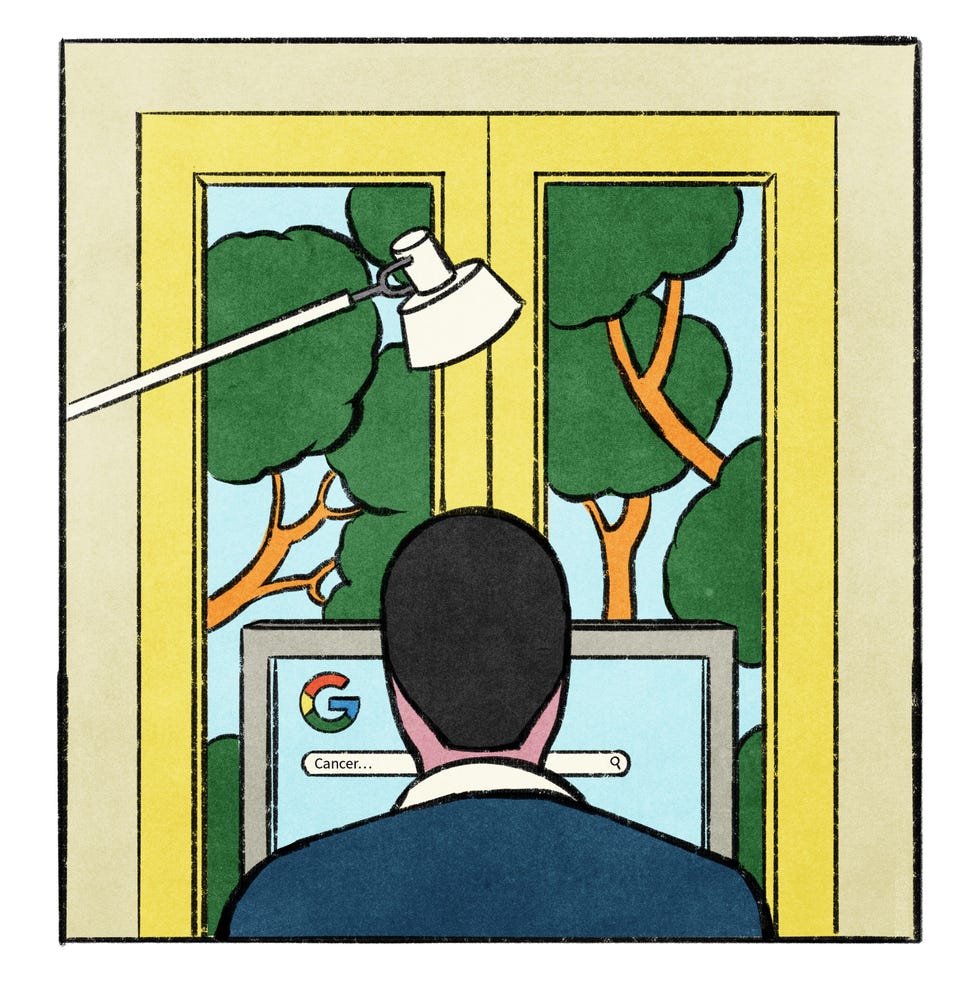
LOOKING BACK, ALL the signs were there: fatigue, lower back pain, blood in his stool. But back then, in late 2022, Dan Ridge could explain them all. He was tired because he stayed up late. His back hurt because he had a tricky bowel and was often constipated. Even on the persistent blood in his stool, Google was reassuring, suggesting it could be stress.
At the time, Dan was in full-time work and the father of two young boys; he’d also just finished planning his wedding and recently buried his father-in-law. ‘Dr Google said it was stress, so I thought that must be it,’ he says.
After all, Dan was still young. “If I’d been over 60 and noticing blood in my stool, maybe I would have thought a bit differently,’ he says. ‘But I was only 38.”
A few months later, early in 2023, Dan’s nine-year-old son brought home a new hoverboard. Dan stepped up to give it a go – and fell off, hard, injuring his back and neck. He joked with his family that it was an ‘epic dad fail’ – but it ended up saving his life.
When Dan went to make a physio appointment, the online self-referral survey flagged the abnormalities in his bowel habit and forwarded them to his GP. By then, he was using the toilet more than 10 times a day, sometimes for 30 minutes at a time.
‘There is an increase in the 14- to 49-year-old age group – and it’s a real increase’
When his GP got in touch to organise a prostate exam and stool checks, cancer was floated among a wide range of possible causes, including Crohn’s disease and IBS (irritable bowel syndrome). Dan wasn’t too worried; again, he had youth on his side.
But the diagnosis was swift and unambiguous: Dan had bowel cancer. ‘They couldn’t even complete the colonoscopy because the growth was so big,’ he says, still sounding disbelieving. ‘I didn’t think my symptoms were serious enough for it to be cancer – and I still thought I was too young to be getting it.’
The grim statistic that one in every two people will develop some form of cancer during their lifetime is now widely known – but if you’re not yet 60, you could be forgiven for thinking that it doesn’t apply to you yet. The disease overwhelmingly affects older people, with incidence rates peaking among 85- to 89-year-olds. Nonetheless, there are troubling signs suggesting that is starting to change, with consequences for how we think of cancer and how we treat it.
‘Early-onset’ cancer, in people aged under 50, is rising rapidly. According to research recently published in BMJ Oncology, global cases increased by nearly 80% between 1990 and 2019, with nasopharyngeal and prostate cancers seeing the fastest rise. Those with the heaviest death tolls, however, which resulted in the most serious repercussions among younger people, were the ones linked to the breast, windpipe, lung, bowel and stomach.
‘There is an increase in what we consider to be the kind of 14- to 49-year-old age group – and it’s a real increase,’ says Richard Sullivan, director of the Institute of Cancer Policy and a professor at King’s College London. Perhaps more worryingly, the disease tends to be more aggressive in younger people, as a result of later diagnosis and the number of naturally occurring protective processes and structures that have had to fail for it to progress. Professor Sullivan sums it up: “The younger you get it, the more things have gone wrong.”
klaus kremmerz
Never too young
The changing face of cancer represents a challenge for experts, charities and policymakers seeking to cure the disease once and for all. In March, Cancer Research UK and the National Cancer Institute in the US dedicated £20m ($38m) to investigating the increase in early-onset bowel cancer as part of their annual Cancer Grand Challenges.
“I think the central question is: why are we seeing this?” says Andrew Chan, a professor of medicine at Massachusetts General Hospital and joint head of the Cancer Grand Challenges’ Prospect team. “There’s a very clear trend in which cancer rates have been declining in older adults, yet increasing in younger adults.” Not only does this have a number of implications for the burden of disease at a population level, but it also indicates that there are certain environmental drivers of cancer ‘that we don’t have a clear handle on’, says Professor Chan.
Some established risk factors – excess weight and obesity, diet, physical inactivity – have been increasing steadily for decades and apply to patients who are both young and old. “But it’s not the complete story,” says Professor Chan. “Only by knowing what’s driving the increase will we know how to reverse the trend.” In the meantime, awareness has been slow to reach the general public, with the result that more people are dying from the disease well before their time.
Bowel cancer – also known as colorectal cancer, and the focus of Professor Chan’s work with the Prospect team – is of particular concern, due to its prevalence in early-onset stats and its high death rate. Though it’s the fourth most common cancer in the UK, it has the second highest mortality rates. That, too, is on an upwards trend.
In January, research published in Annals Of Oncology forecast that deaths among Brits aged 25 to 49 would increase by roughly a third this year, reflecting a 39% increase among women and 26% among men. Key factors such as being overweight, obesity and related health conditions (such as high blood sugar levels and diabetes) were pointed out by the study’s lead author as contributing to the rise, as well as increasing alcohol consumption and less active lifestyles.
Indeed, according to Cancer Research UK, more than half (54%) of bowel cancer cases can be prevented with simple lifestyle changes, which highlights the urgent need to reach and engage new at-risk groups. For a decade, Bowel Cancer UK has campaigned under the slogan that you’re ‘never too young’, but most prevention, screening and awareness programmes largely target older people – meaning those not yet in their sixties may not act until it’s too late.
klaus kremmerz
Know the warning signs
In six months from late 2020, Olly Whitman lost two people close to him from bowel cancer. Both were in their early forties, with young families. One was his best friend’s older brother, who he considered as a brother, too. He was diagnosed in November and did not see in the New Year.
“I was freaking out,” says Olly, a father of two. ‘How do you go from not knowing there’s anything wrong to not being here in the space of three months?’ So he decided to pay for a full health screening with Bupa. “I said, ‘Whatever you need to do – just test me’.” He was told that he was too young to be checked for bowel cancer, but he was conscious that that was what had caught out his friends. ‘I was rattled: suddenly, you’re very aware that people your age are dying.’
Olly’s ‘MOT’ returned a clean bill of health, but two years later, in December 2022, he was brushing his teeth when he noticed a swelling inside his throat. It wasn’t sore, but it was sizeable. ‘Imagine an AirPods case but flesh-coloured,’ he says.
‘I couldn’t believe this was happening to me. I didn’t feel like anything was wrong’
Being a ‘typical bloke about it’, Olly brushed it off as a flare-up of his historic tonsillitis. But when the swelling was still visible in mid-January, he realised that he needed to be ‘a responsible grown-up’. After a video consultation, he was referred to a specialist, then for surgery to have the lump removed and sent for a biopsy. Then, in late February, his doctor called him: Olly had non-Hodgkin lymphoma. ‘The short answer,’ he says, ‘is blood cancer.’
Olly was floored. At the time, he was just shy of his 41st birthday. ‘I couldn’t believe this was happening to me,’ he says. ‘Not like, “Oh, god, how unfair” – more, “But I seem fine… I don’t feel like there’s anything wrong with me.”’
When he met his consultant for the first time, Olly was still shell-shocked. He was presented with a chart that indicated an average life expectancy, post-diagnosis, of 20 years. He remembers his blood running cold: “You’re telling me that I’m just about going to see my kids off to uni?”
Then the consultant clarified: the graph represented cases among people mostly aged 65-plus. “He was not as clear as he could be,” Olly says, with black humour. “I’m 40, not 65 – and I’ve still got this thing.” Then ‘words like “early”, “fit” and “young” started being bandied around, and I started feeling a bit more confident.’ After 22 weeks of chemotherapy, Olly was given the all-clear in January and now seeks to spread awareness. “If there’s anything you’re in doubt about, get it checked.”
klaus kremmerz
Suffering in silence
Even with aggressive cancers, the prognosis in younger people tends to be good – if it’s caught early. But the well-established reluctance of men to be proactive about their health puts them at greater risk. According to the Men’s Health Forum, they are 32% less likely than women to visit the doctor, particularly when of working age.
It’s not just avoidance, as Professor Sullivan points out. Men who are reliant on their daily wages or are in insecure employment are further hamstrung by their inability to take time off to go to their GP. ‘They’re much more likely to ignore their symptoms and ergo they’re far less likely to present early.’
A notable number of young men are diagnosed only after presenting to A&E with a bowel obstruction, invariably indicating the cancer has spread to another organ, says Professor Sullivan. With bowel cancer and some others, such as oesophageal cancer, ‘you go from curable to incurable really fast’, says Professor Sullivan.
But symptoms can often be missed or dismissed. Among the more obvious causes for concern on Cancer Research UK’s list (unusual lumps or swelling, changing moles, coughing up blood) are those that might easily not register or are readily excused in our busy modern lives – such as tiredness, shortness of breath or persistent bloating.
‘There’s a “man up and get on with it” kind of attitude buried somewhere in there’
With hindsight, Dan can see that the fatigue he felt in 2022 was worse than that which could be explained by being a working dad and some late nights. But, he says, he had always been inclined to take a ‘wait and see’ approach to his health. He rarely went to his GP or even took painkillers. “It’s a little bit of laziness, and a little bit of naivete – like, “I’ll be alright; it’ll sort itself out’,” he says. “There’s a ‘man up and get on with it’ kind of attitude buried somewhere in there.” And the taboo over talking about prostate and bowels doesn’t help either, Dan adds.
According to Bowel Cancer UK’s chief executive, Genevieve Edwards, people with symptoms can wait up to six months before contacting their doctor.
The charity already tours the country with a ‘giant inflatable bowel’, says Edwards, raising awareness of the disease within communities that have an elevated risk and encouraging people to come forwards with any questions and concerns. At one stop on the roadshow, Edwards recalls seeing a young man being ‘literally dragged over’ by his partner. “She said, ‘He’s been bleeding from his bottom for over a year, he’s got a family history of bowel cancer and he won’t do anything about it’.”
Shock to the System
When Matt Eamer went to hospital with severe abdominal pain while holidaying with his family in late 2020, he was sent away with Buscopan. When he followed up at his local A&E, it was found to be stage three cancer, leading to a swift operation to remove two-thirds of his large intestine.
But Matt’s cancer was of the fast-growing BRAF mutation – the same as the late Bowel Cancer UK patron Dame Deborah James, who died in 2022, aged 40 – and had already spread to his liver. For six months, he underwent a ‘pretty aggressive’ course of chemotherapy. ‘I was constantly encouraging doctors to chuck all the drugs at me, like, “I’ve got two kids, I’m not in my seventies – throw everything you can at me,”’ he says. ‘Then, on my 40th birthday, they phoned me and told me that I had six months to live.’
‘For young people, there are so many things to consider: mental health, work, kids, finances’
That was years ago now: the drugs that Matt was then prescribed defied doctors’ expectations to prove miraculously effective and eliminated all traces of the cancer – at least for now, he adds cautiously. ‘I’m a very optimistic individual,’ he says, ‘but I also have accepted that my life might not be long-term, and this drug could stop working.’
He continues to take the medication daily, on top of a fortnightly infusion and a scan every three months. As glad as Matt is to be alive, he says, life after cancer has come with challenges. For instance, he struggled to feel motivated to return to work, mortgage payments and the rest of the daily grind, having been so violently thrown off ‘the normal train track of life’. Last year, he began counselling, which he sought for himself through The Fountain Centre charity.
‘When people are saying, “Congratulations, the cancer’s gone!”, to me, it hasn’t’
It reflects the narrow focus of cancer treatment, typically split into ‘curative’ (to eliminate the cancer) and ‘palliative’ (to relieve the symptoms, and improve quality of life). Often, as a younger patient, Matt felt like he was in no man’s land. ‘An oncologist treats the cancer and gives a little bit of thought to the patient,’ he says. But for young people, with a good prognosis, their needs and concerns might be different.
Matt only applied for his disability benefit recently, years after his diagnosis. At the time, he says drily, ‘there was a lot going on’ and he was given no specific advice or support. ‘There’s the treating-the-cancer piece, but I think there almost needs to be another role, highlighting the support that’s available,’ he says. ‘Certainly for young people, there are so many other things: mental health, job, coping with your kids, finances.’
Dan says the same, emphasising the mental health piece. The full weight of his diagnosis only hit him after he’d been given the all-clear, compounded by adjusting to life with a stoma bag. ‘I’m having a real tough time with that,’ he says. ‘When people are saying, “Congratulations, the cancer’s gone!”, to me, it hasn’t – the bag is the cancer.’
Dan has also had counselling, and he recently joined a support group, which has helped ‘massively,’ he says – though he’s still the youngest member.
It speaks to the specific needs and concerns of early-onset cancer patients, which treatment providers may not be familiar with or able to accommodate. People are often at the peak of their professional lives; they might be caring for their older relatives as well as young families. Women may even be advised to consider fertility treatment before starting chemotherapy.
‘Younger patients may receive less support, socially as well as through the medical system’
‘Cancer is an awful diagnosis, no matter how old you are – but when it strikes at an age when there are so many other people who are reliant on you, and when you also have to be thinking about the future yourself, it can have terrible consequences,’ says Professor Chan.
On top of that, younger cancer patients may receive less support, socially as well as through the medical system. Mental health should also be a consideration with every diagnosis, Professor Chan continues, but ‘the sheer shock to the system of developing cancer at a young age, and the fact that society in general does not treat cancer as a disease of the young, makes it harder’.
Early-onset cases may still be in the minority now, but their growing numbers will test almost every aspect of our standard, structural approaches to cancer and care. People still speak, wistfully, of a ‘cure for cancer’ as though that is the sole issue, notes Professor Sullivan. ‘But people are not dying in the NHS because of a lack of drugs or technology.’
Last November, Professor Sullivan and other clinical leaders in the UK publicly called for a dedicated national strategy to tackle this and other looming challenges, but he is not optimistic that it will be implemented. ‘You can’t break cancer out from the rest of the NHS,’ he says. ‘Someone has to sit down and say, “This is what we’re going to put money into.”’
For now, younger cancer patients are having to find their own way through a system that’s designed for their elders, one that is certainly more comfortable with accommodating them. As Dan continues to navigate his new reality as a cancer survivor, he remembers being impressed by the speed of his treatment, and his doctors’ commitment to – and even enthusiasm for – ensuring his full recovery. ‘They kept referring to me as a “baby”,’ he says, ‘like they were quite excited to have me there.’
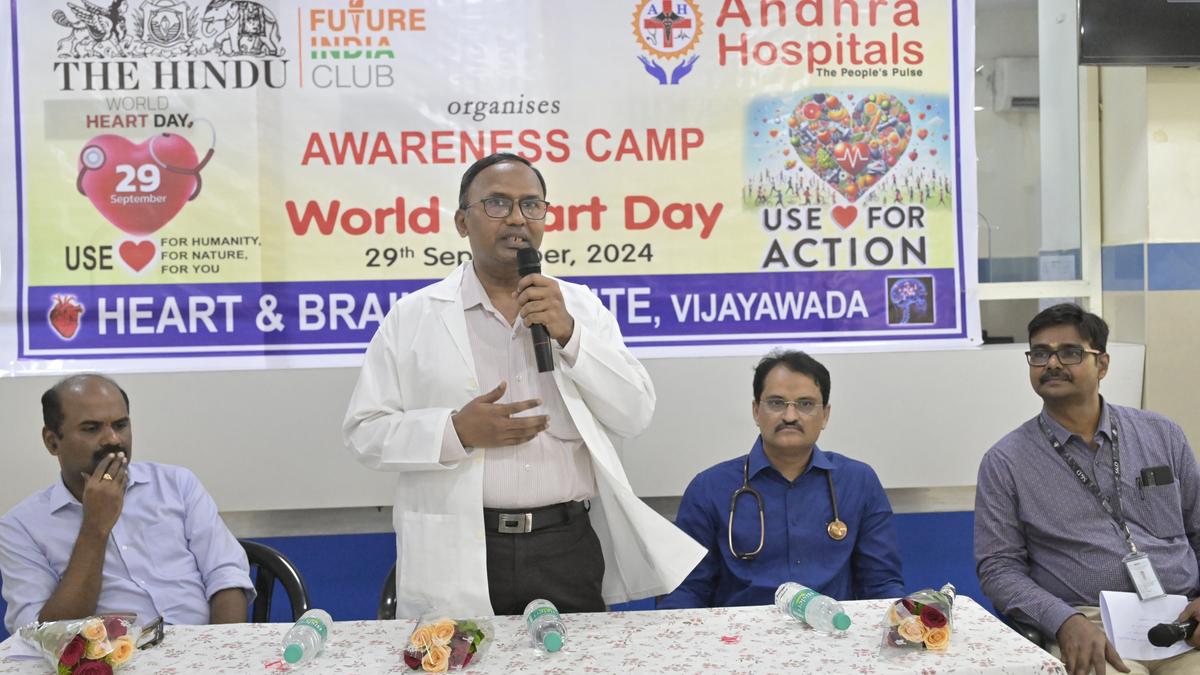
Doctors taking part in an awareness camp on World Heart Day, at the Heart and Brain Institute of Andhra Hospitals in Vijayawada on Sunday.
| Photo Credit: G.N. Rao
Incorporating more fruits and vegetables in one’s diet, good stress management, exercising, keeping sugar, blood pressure and cholesterol levels down are important to keep a heart healthy, said medical experts.
Speaking at an awareness camp organised by The Hindu FIC in association with Andhra Hospitals (AH), Vijayawada, on the occasion of World Heart Day on September 29, Sunday, at the Brain and Heart Institute, Chief Cardiologist at AH J. Srimannarayana said the primary reason why we are seeing increasing cases of heart attacks among youngsters was because of not following one or more of the above-mentioned points.
“One in every three persons in the world dies of heart attack. In India, the situation is worse, because Indians are genetically more prone to developing heart diseases. The recent lifestyle changes also play a big role,” Dr. Srimannarayana said, adding that if anyone develops chest pain, they should visit a doctor and get an ECG test done. However, ECG tests do not reveal the full picture, he said.
“Heart attack symptoms present differently in people. Chest pain is often confused with pain due to gas. People often delay visiting a doctor by taking medicines to relieve gas pains, and they get worried only when pain does not subside. By the time they reach the hospital, damage to heart muscles would have happened already,” he said, highlighting the importance of time in treating patients with heart attacks.
Dispelling misconceptions that children with heart diseases cannot have a normal life, Paediatric Cardiologist K. Vikram said 98% of heart problems are treatable. “Those with congenital or acquired heart disease can go to school, get married and have children like anyone else. But it is important to identify symptoms of heart disease in children immediately,” Dr. Vikram said. The symptoms can be panting while playing, struggling to gain weight or falling unconscious while running, frequent infections such as cold and fever, etc.
“There will be no scars after treatments,” added J. Nageswara Rao, Cardio-Thoracic Surgeon. He said with advancements in the medical field, we have minimally invasive surgeries.
Andhra Hospitals Group Director P. Ramarao and MD P.V. Ramana Murthy said that they have established 750 beds in six centres with 25 specialities and super specialities offering services like trauma, critical care, super speciality services, mother and child care. He added that the hospital has successfully completed 4,000 heart surgeries in children in the past nine years.
Later, the experts interacted with people and answered their queries. They said with regular walking (30 minutes daily), eating fruits every day, cutting down on alcohol, managing stress well and keeping a tab on calory intake, one can have a healthy life.
Cardiovascular diseases (CVDs) remain the primary cause of mortality worldwide, resulting in a substantial number of fatalities and disabilities. The alarming statistics from 2021 reveal that CVDs claimed 20.5 million lives, accounting for approximately one-third of all global deaths.
Young Indians are increasingly vulnerable to heart disease due to alarming environmental and lifestyle factors. Rising air pollution, coupled with a surge in diabetes cases, poses significant concerns. Mental health also plays a critical role, as chronic anxiety and depression can indirectly contribute to cardiovascular issues.
As a result of these risk factors, individuals may exhibit intermediate risk factors, including raised blood pressure, raised blood glucose, raised blood lipids, and overweight and obesity. These intermediate risk factors can be identified through measurements taken at primary care facilities and serve as critical indicators of an increased risk of heart attack, stroke, heart failure and other complications.
Early detection and management of these risk factors are vital in preventing cardiovascular diseases and mitigating their devastating consequences.
We spoke with Dr. Purshotam Lal who is a renowned interventional cardiologist and recipient of Padma Vibhushan, Padma Bhushan and the Dr. B. C. Roy Award by the President of India for his significant contributions to the development of interventional cardiology in India. He currently serves as the Chairman of Metro Group of Hospitals.
Prevalence and risk factors of heart disease
Dr. Purshotam Lal: Major risk factors include unhealthy diets rich in trans fats and sugars, physical inactivity, smoking, excessive alcohol consumption, and conditions like hypertension and diabetes. Stress, often overlooked, is a significant contributor especially in high-pressure environments like urban centers. In India, factors such as rising pollution levels, genetic predisposition, and lack of early detection mechanisms make heart diseases more prevalent. One of the most important factors that people often ignore is a strong family history of premature coronary disease.
Common cardiovascular conditions and symptoms
Dr. Purshotam Lal: The three most common cardiovascular diseases are coronary artery disease (CAD), heart failure, and arrhythmias.
Coronary Artery Disease (CAD):
CAD is the leading cause of death globally, accounting for approximately 9 million deaths per year, which represents 32% of all global deaths according to the World Health Organization (WHO).
In India, CAD contributes to over 1.7 million deaths annually, making it the most prevalent cardiovascular disease in the country.
Common CAD symptoms include chest pain (angina), shortness of breath, and fatigue. It is often diagnosed via stress tests, angiograms, or blood tests.
Its treatment includes lifestyle changes, medications, or surgical interventions like stents or bypass surgery.
Heart Failure:
Heart failure affects around 64 million people For India, the numbers are estimated at 8-10 million cases, with heart failure contributing to 35% of cardiovascular-related hospitalizations.
Its symptoms include persistent coughing, swelling in the legs, and breathlessness. Diagnosis typically involves echocardiograms or MRI.
Treatment for heart failure focuses on lifestyle changes, medications to manage blood pressure, and sometimes the implantation of devices like pacemakers.
Arrhythmias:
Arrhythmias cause palpitations, dizziness, or fainting spells. Generally, it is diagnosed through ECG or Holter monitoring and can be treated with medications, electrical cardioversion, or ablation.
Heart Disease in younger populations
Dr. Purshotam Lal: In recent years, heart disease has surged among younger adults due to a mix of lifestyle and environmental factors. Unhealthy diets, sedentary lifestyles, and high levels of stress, often driven by work pressure, have become common. Smoking, including the use of e-cigarettes, and excessive alcohol consumption have added to this trend.
For younger populations in India, increasing air pollution, a higher prevalence of diabetes, and a lack of awareness about preventive healthcare are major concerns. Mental health issues, such as chronic anxiety and depression, are also indirectly linked to the rising incidence of heart disease.
Genetics and heart disease: Preventive measures for those at risk
Dr. Purshotam Lal: Genetics significantly influence an individual’s risk of heart disease. People with a family history of cardiovascular conditions, particularly those related to high cholesterol, hypertension, or early-onset heart disease, are at a higher risk. However, genetics don’t seal your fate; lifestyle choices play a crucial role in determining outcomes.
For those with a family history, it’s essential to start preventive measures early. Regular health check-ups, monitoring blood pressure and cholesterol, maintaining a healthy diet, exercising regularly, and avoiding smoking can mitigate genetic risks. Genetic screening may also be beneficial in identifying specific markers that indicate higher susceptibility.
Impact of technology on heart health management
Dr. Purshotam Lal: Modern technology has revolutionised heart disease management and prevention in the past few years. Wearable devices, like smartwatches, can monitor heart rate, detect irregularities like atrial fibrillation, and track physical activity. This constant monitoring helps in early detection, even in asymptomatic individuals.
Telemedicine has also emerged as a game-changer, providing real-time consultations without geographical barriers. This has been particularly impactful in rural areas in India, where access to specialized cardiologists is limited. Remote monitoring and virtual check-ups ensure that patients with chronic heart conditions remain connected to their healthcare providers, improving compliance with treatments and lifestyle recommendations.
Heart disease in women: Unique risks and underdiagnosis
Dr. Purshotam Lal: Women often experience more subtle symptoms of heart disease, such as fatigue, nausea, shortness of breath, and pain in the neck, jaw, or back, rather than the more obvious chest pain typical in men. Hormonal differences, especially after menopause, further increase the risk of heart disease.
Heart disease is underdiagnosed in women for a few reasons. Historically, medical research has been more focused on men, and women’s symptoms are often attributed to less critical conditions like anxiety or indigestion. Hence, increasing awareness among both healthcare providers and women themselves about these differences is crucial for early diagnosis and better outcomes.
Congenital heart conditions in children
Dr. Purshotam Lal: Congenital heart defects (CHD) are the most common birth defects worldwide. Common types include atrial septal defects (ASD), ventricular septal defects (VSD), and tetralogy of Fallot. Early detection can be achieved through prenatal screening using fetal echocardiography, which can identify most heart defects during pregnancy. Post-birth, symptoms such as rapid breathing, poor feeding, or bluish skin color can be warning signs.
Early detection is crucial as many congenital heart defects, when caught early, can be corrected or managed with medical or surgical interventions, improving the child’s quality of life.
Dr. Purshotam Lal.
The COVID-19 pandemic’s impact on heart health
Dr. Purshotam Lal: COVID-19 has had a profound impact on heart health, particularly among those with pre-existing conditions. The virus has been linked to complications such as myocarditis (inflammation of the heart muscle), blood clots, and arrhythmias. Even in individuals without prior heart conditions, post-COVID syndrome, or “long COVID,” can lead to persistent cardiovascular issues such as chest pain, fatigue, and palpitations.
Those who were impacted by COVID-19, especially those with heart conditions, should continue monitoring their heart health closely. Regular check-ups, echocardiograms, and maintaining a healthy lifestyle can help mitigate long-term effects.
Artificial intelligence in cardiovascular care
Dr. Purshotam Lal: Artificial intelligence (AI) and machine learning are transforming cardiovascular care by enhancing diagnostics, predicting patient outcomes, and personalizing treatment plans. AI algorithms can rapidly analyze large datasets from imaging techniques like echocardiograms or MRIs, helping detect heart issues earlier and with greater accuracy.
In India, AI-powered tools are increasingly being used for early screening of conditions like heart failure in underserved populations. Machine learning models can also predict the likelihood of heart attacks based on patterns in patient history, allowing for proactive, rather than reactive, healthcare. For example, Tricog Health, an Indian startup, uses AI-based solutions for diagnosing heart attacks remotely. By combining AI with human expertise, it delivers ECG interpretations in real-time. This has proven to be crucial for early diagnosis in rural India, where access to specialists is limited. Tricog has been credited with reducing the diagnosis time for heart attacks to under 10 minutes in many cases.
Cardiovascular diseases (CVDs) remain the primary cause of mortality worldwide, resulting in a substantial number of fatalities and disabilities. The alarming statistics from 2021 reveal that CVDs claimed 20.5 million lives, accounting for approximately one-third of all global deaths.
Young Indians are increasingly vulnerable to heart disease due to alarming environmental and lifestyle factors. Rising air pollution, coupled with a surge in diabetes cases, poses significant concerns. Mental health also plays a critical role, as chronic anxiety and depression can indirectly contribute to cardiovascular issues.
As a result of these risk factors, individuals may exhibit intermediate risk factors, including raised blood pressure, raised blood glucose, raised blood lipids, and overweight and obesity. These intermediate risk factors can be identified through measurements taken at primary care facilities and serve as critical indicators of an increased risk of heart attack, stroke, heart failure and other complications.
Early detection and management of these risk factors are vital in preventing cardiovascular diseases and mitigating their devastating consequences.
We spoke with Dr. Purshotam Lal who is a renowned interventional cardiologist and recipient of Padma Vibhushan, Padma Bhushan and the Dr. B. C. Roy Award by the President of India for his significant contributions to the development of interventional cardiology in India. He currently serves as the Chairman of Metro Group of Hospitals.
Prevalence and risk factors of heart disease
Dr. Purshotam Lal: Major risk factors include unhealthy diets rich in trans fats and sugars, physical inactivity, smoking, excessive alcohol consumption, and conditions like hypertension and diabetes. Stress, often overlooked, is a significant contributor especially in high-pressure environments like urban centers. In India, factors such as rising pollution levels, genetic predisposition, and lack of early detection mechanisms make heart diseases more prevalent. One of the most important factors that people often ignore is a strong family history of premature coronary disease.
Common cardiovascular conditions and symptoms
Dr. Purshotam Lal: The three most common cardiovascular diseases are coronary artery disease (CAD), heart failure, and arrhythmias.
Coronary Artery Disease (CAD):
CAD is the leading cause of death globally, accounting for approximately 9 million deaths per year, which represents 32% of all global deaths according to the World Health Organization (WHO).
In India, CAD contributes to over 1.7 million deaths annually, making it the most prevalent cardiovascular disease in the country.
Common CAD symptoms include chest pain (angina), shortness of breath, and fatigue. It is often diagnosed via stress tests, angiograms, or blood tests.
Its treatment includes lifestyle changes, medications, or surgical interventions like stents or bypass surgery.
Heart Failure:
Heart failure affects around 64 million people For India, the numbers are estimated at 8-10 million cases, with heart failure contributing to 35% of cardiovascular-related hospitalizations.
Its symptoms include persistent coughing, swelling in the legs, and breathlessness. Diagnosis typically involves echocardiograms or MRI.
Treatment for heart failure focuses on lifestyle changes, medications to manage blood pressure, and sometimes the implantation of devices like pacemakers.
Arrhythmias:
Arrhythmias cause palpitations, dizziness, or fainting spells. Generally, it is diagnosed through ECG or Holter monitoring and can be treated with medications, electrical cardioversion, or ablation.
Heart Disease in younger populations
Dr. Purshotam Lal: In recent years, heart disease has surged among younger adults due to a mix of lifestyle and environmental factors. Unhealthy diets, sedentary lifestyles, and high levels of stress, often driven by work pressure, have become common. Smoking, including the use of e-cigarettes, and excessive alcohol consumption have added to this trend.
For younger populations in India, increasing air pollution, a higher prevalence of diabetes, and a lack of awareness about preventive healthcare are major concerns. Mental health issues, such as chronic anxiety and depression, are also indirectly linked to the rising incidence of heart disease.
Genetics and heart disease: Preventive measures for those at risk
Dr. Purshotam Lal: Genetics significantly influence an individual’s risk of heart disease. People with a family history of cardiovascular conditions, particularly those related to high cholesterol, hypertension, or early-onset heart disease, are at a higher risk. However, genetics don’t seal your fate; lifestyle choices play a crucial role in determining outcomes.
For those with a family history, it’s essential to start preventive measures early. Regular health check-ups, monitoring blood pressure and cholesterol, maintaining a healthy diet, exercising regularly, and avoiding smoking can mitigate genetic risks. Genetic screening may also be beneficial in identifying specific markers that indicate higher susceptibility.
Impact of technology on heart health management
Dr. Purshotam Lal: Modern technology has revolutionised heart disease management and prevention in the past few years. Wearable devices, like smartwatches, can monitor heart rate, detect irregularities like atrial fibrillation, and track physical activity. This constant monitoring helps in early detection, even in asymptomatic individuals.
Telemedicine has also emerged as a game-changer, providing real-time consultations without geographical barriers. This has been particularly impactful in rural areas in India, where access to specialized cardiologists is limited. Remote monitoring and virtual check-ups ensure that patients with chronic heart conditions remain connected to their healthcare providers, improving compliance with treatments and lifestyle recommendations.
Heart disease in women: Unique risks and underdiagnosis
Dr. Purshotam Lal: Women often experience more subtle symptoms of heart disease, such as fatigue, nausea, shortness of breath, and pain in the neck, jaw, or back, rather than the more obvious chest pain typical in men. Hormonal differences, especially after menopause, further increase the risk of heart disease.
Heart disease is underdiagnosed in women for a few reasons. Historically, medical research has been more focused on men, and women’s symptoms are often attributed to less critical conditions like anxiety or indigestion. Hence, increasing awareness among both healthcare providers and women themselves about these differences is crucial for early diagnosis and better outcomes.
Congenital heart conditions in children
Dr. Purshotam Lal: Congenital heart defects (CHD) are the most common birth defects worldwide. Common types include atrial septal defects (ASD), ventricular septal defects (VSD), and tetralogy of Fallot. Early detection can be achieved through prenatal screening using fetal echocardiography, which can identify most heart defects during pregnancy. Post-birth, symptoms such as rapid breathing, poor feeding, or bluish skin color can be warning signs.
Early detection is crucial as many congenital heart defects, when caught early, can be corrected or managed with medical or surgical interventions, improving the child’s quality of life.
Dr. Purshotam Lal.
The COVID-19 pandemic’s impact on heart health
Dr. Purshotam Lal: COVID-19 has had a profound impact on heart health, particularly among those with pre-existing conditions. The virus has been linked to complications such as myocarditis (inflammation of the heart muscle), blood clots, and arrhythmias. Even in individuals without prior heart conditions, post-COVID syndrome, or “long COVID,” can lead to persistent cardiovascular issues such as chest pain, fatigue, and palpitations.
Those who were impacted by COVID-19, especially those with heart conditions, should continue monitoring their heart health closely. Regular check-ups, echocardiograms, and maintaining a healthy lifestyle can help mitigate long-term effects.
Artificial intelligence in cardiovascular care
Dr. Purshotam Lal: Artificial intelligence (AI) and machine learning are transforming cardiovascular care by enhancing diagnostics, predicting patient outcomes, and personalizing treatment plans. AI algorithms can rapidly analyze large datasets from imaging techniques like echocardiograms or MRIs, helping detect heart issues earlier and with greater accuracy.
In India, AI-powered tools are increasingly being used for early screening of conditions like heart failure in underserved populations. Machine learning models can also predict the likelihood of heart attacks based on patterns in patient history, allowing for proactive, rather than reactive, healthcare. For example, Tricog Health, an Indian startup, uses AI-based solutions for diagnosing heart attacks remotely. By combining AI with human expertise, it delivers ECG interpretations in real-time. This has proven to be crucial for early diagnosis in rural India, where access to specialists is limited. Tricog has been credited with reducing the diagnosis time for heart attacks to under 10 minutes in many cases.