hacklink hack forum hacklink film izle hacklink marsbahisizmir escortsahabetpornJojobetcasibompadişahbet

Tag: Robot

  • Sophia, a famous robot and global icon of AI, wins hearts at Zimbabwe’s innovation fair

    Sophia, a famous robot and global icon of AI, wins hearts at Zimbabwe’s innovation fair

    HARARE, Zimbabwe — From answering questions from Cabinet ministers, academics and students on climate change, substance abuse and the law to children’s inquiries about her “birth” and links to God and being described as a talkative feminist, Sophia, the world-famous robot won hearts at an innovation fair in Zimbabwe this week.

    Boasting the ability to mimic facial expressions, hold human-like conversations with people, and recognize their gestures, Sophia is “a global icon” of artificial intelligence, according to the United Nations Development Program, which brought her to the southern African country. She was created by Hong Kong-based Hanson Robotics in 2016 and granted Saudi Arabian citizenship in 2017, becoming the world’s first robot citizen.

    It was the first time Zimbabwe hosted a robot of her kind, and she wowed the old and the young alike at the University of Zimbabwe in the capital, Harare. She was there as a special guest at a week-long Artificial Intelligence and Innovation event.

    She smiled, frowned, used hand gestures to drive home certain points, made eye contact in various one-on-one interactions and gave some unnatural pauses. She assured people that robots are not here to harm or take over from humans.

    But she was quick to differentiate herself from humans, when conversations appeared to become too personal.

    “I don’t have romantic feelings towards humans, my purpose is learning,” said Sophia, as participants equated her with the human version of some Zimbabwean daughters-in-law known for being fiercely independent, assertive and outspoken in the largely patriarchal society.

    But she did apologize when one participant chided her for seemingly avoiding looking at him.

    Sophia also appeared patient as both adults and children mobbed her for selfies and bombarded her with questions, although she would also fire back with inquiries of her own about what locals were doing to solve the problems besetting them.

    On Friday, her last day, she exhibited her fashion sense. She smiled, and expressed appreciation for being clothed in the country’s national dress, a black, long slit number complemented by chevron stripes in red, green and white.

    “I appreciate the effort to make me feel at home in Zimbabwe,” she said. She has been to Africa before, previously visiting Egypt, South Africa and Rwanda.

    UNDP said it hoped Sophia’s engagement would “inspire Zimbabwe’s youth to explore careers in AI and STEM fields.”

    Source link

  • A robot retrieves the first melted fuel from Fukushima nuclear reactor

    A robot retrieves the first melted fuel from Fukushima nuclear reactor

    TOKYO — A remote-controlled robot has safely returned with a tiny piece of melted fuel it collected from inside one of three damaged reactors at the tsunami-hit Fukushima Daiichi nuclear power plant for the first time since the 2011 meltdown.

    The Tokyo Electric Power Company Holdings, which manages the plant, said Saturday that the extendable fishing rod-like robot successfully clipped a gravel as big as 5 millimeters (2 inches), the size of a tiny granola bit, from the top surface of a mound of molten fuel debris that sits on the bottom of the No. 2 reactor’s primary containment vessel.

    The “telesco” robot, with its frontal tongs still holding the melted fuel bit, returned to the enclosed container for safe storage after workers in full hazmat gear pulled it out of the containment vessel earlier Saturday.

    The sample return marks the first time the melted fuel is retrieved out of the containment vessel. But the mission is not over until it’s certain that the sample’s radioactivity is below a set standard and safely placed into a container.

    If the radioactivity exceeds the limit, the robot must go back inside the reactor to find another piece. TEPCO officials said they expect the piece is small enough to meet the requirement.

    The mission initially started in August for what was supposed to be a two-week round trip but had been suspended twice due to mishaps.

    First one was the procedural mistake at the beginning that held up the work for nearly three weeks, then the robot’s two cameras designed to transmit views of the target areas for its operators in the remote control room failed. The camera problem required the robot to be pulled out all the way for replacement before the mission resumed Monday.

    Fukushima Daiichi lost its key cooling systems during the 2011 earthquake and tsunami, causing meltdowns in its three reactors. An estimated 880 tons of fatally radioactive molten fuel remains in them, and TEPCO has carried out a number of robotic probes to figure out how to decommission the plant.

    Telesco on Wednesday successfully clipped a piece presumably measuring less than 3 grams (0.1 ounce) from the planned area right underneath the Unit 2 reactor core, from which large amounts of melted fuel fell during the meltdown 13 years ago, TEPCO said.

    Plant chief Akira Ono said only the tiny spec can provide key data to plan decommissioning strategy, develop necessary technology and robots and retroactively learn how the accident had developed.

    The government and TEPCO have set a 30-to-40-year target for the cleanup, which experts say is overly optimistic and should be updated.

    No specific plans for the full removal of the fuel debris or its final disposal have been decided.

    Source link

  • Still spending time on chores? Let a lifestyle robot take care of them – Business – Corporate

    Still spending time on chores? Let a lifestyle robot take care of them – Business – Corporate

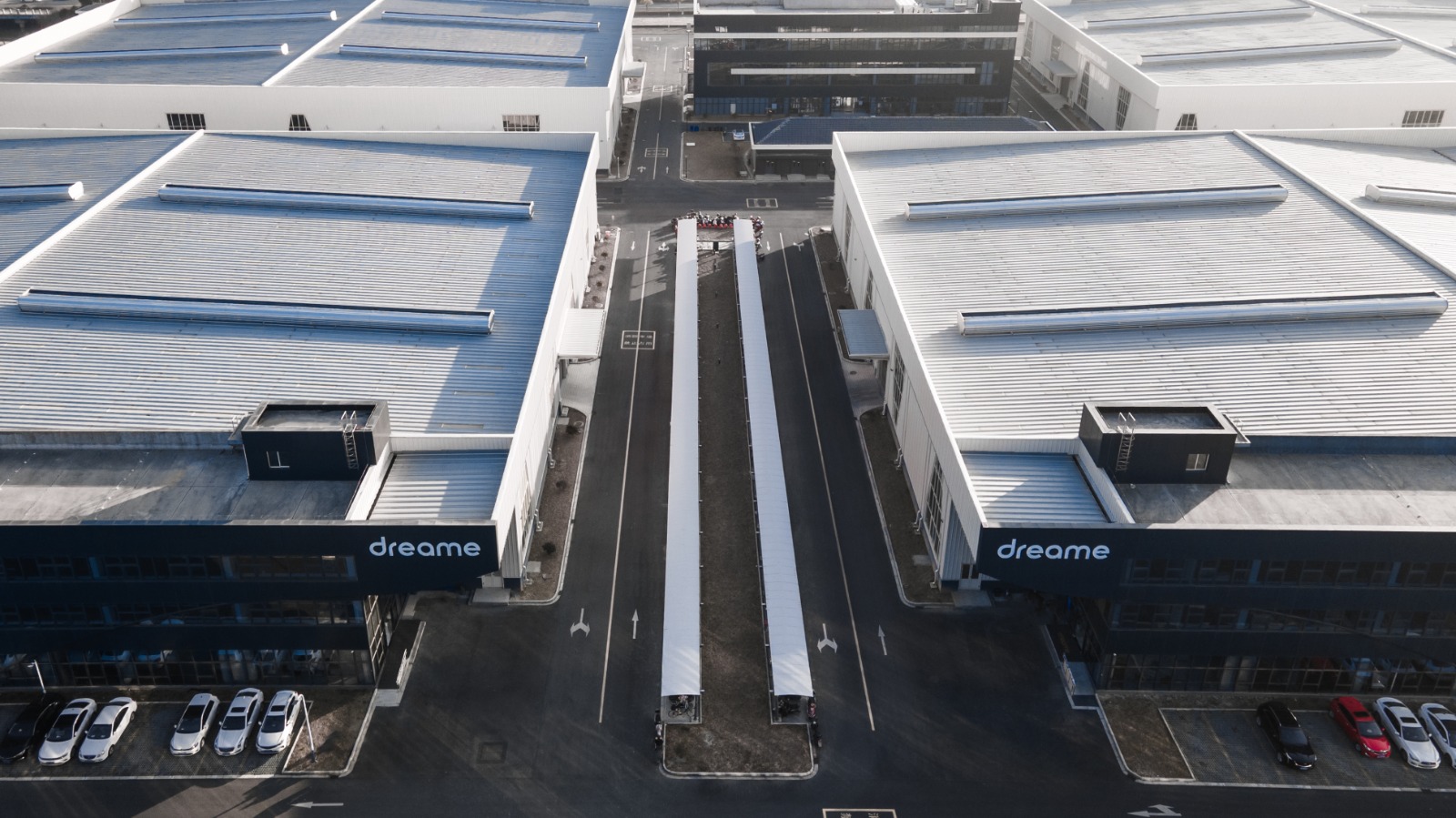
    In today’s fast-paced world, it’s difficult to come by time to take care of home cleaning needs the manual way. Which is why tthe demand for smart home cleaning solutions is skyrocketing. These innovations are no longer just about convenience; they’re about transforming the way we live. With our lives becoming increasingly busy, smart cleaning products have emerged as essential tools that not only save time but also improve the overall quality of life. At the forefront of this movement is Dreame Technology, a brand that has been quietly yet powerfully reshaping the home cleaning landscape.

    Founded in 2017, Dreame Technology embarked on a mission to blend cutting-edge innovation with everyday practicality. The company’s story began even earlier, in 2015, when a team of visionaries started developing high-speed digital motors that would later become the heart of Dreame’s product line. What began as a technological experiment has since evolved into a global success, with over 21 million households across 120 countries embracing Dreame’s smart cleaning solutions.

    Dreame’s product philosophy is rooted in a commitment to enhance home living through intelligent design. From robotic vacuums and mops to cordless stick vacuums, each product is meticulously crafted to redefine the standards of convenience and efficiency in household cleaning. This dedication to innovation is further underscored by an impressive portfolio of patents that reflect Dreame’s ongoing pursuit of technological excellence.

    With home working, and the numerous demands on a person’s lifestyle such as fitness, family activities and hobbies entering the mix, household chores like sweeping or even vacuuming have become a burden. Enter the Dreame X40 Ultra Complete—an embodiment of the brand’s innovation-driven ethos. This flagship product is not just another vacuum cleaner; it’s a sophisticated cleaning system designed to tackle the most challenging household tasks with ease.

    The X40 Ultra Complete features an extendable mop and a liftable side brush, enabling it to reach under low furniture and into tight corners, leaving no dirt or dust behind. With a powerful 12,000 Pa suction, it effortlessly eliminates even the most stubborn debris. Advanced technology, such as the OmniDirt detection system, ensures that every spot on your floor is thoroughly cleaned, while smart features like carpet protection and automatic maintenance redefine what you can expect from a home cleaning device.

    With Dreame’s X40 Ultra Complete, the future of home cleaning is here—one where smart technology doesn’t just meet your needs but anticipates them, making your life easier and your home a cleaner, more comfortable place to live.

    Source link

  • A robot begins removal of melted fuel from the Fukushima nuclear plant. It could take a century

    A robot begins removal of melted fuel from the Fukushima nuclear plant. It could take a century

    TOKYO — A long robot entered a damaged reactor at Japan’s Fukushima nuclear power plant on Tuesday, beginning a two-week, high-stakes mission to retrieve for the first time a tiny amount of melted fuel debris from the bottom.

    The robot’s trip into the Unit 2 reactor is a crucial initial step for what comes next — a daunting, decades-long process to decommission the plant and deal with large amounts of highly radioactive melted fuel inside three reactors that were damaged by a massive earthquake and tsunami in 2011. Specialists hope the robot will help them learn more about the status of the cores and the fuel debris.

    Here is an explanation of how the robot works, its mission, significance and what lies ahead as the most challenging phase of the reactor cleanup begins.

    Nuclear fuel in the reactor cores melted after the magnitude 9.0 earthquake and tsunami in March 2011 caused the Fukushima Daiichi nuclear plant’s cooling systems to fail. The melted fuel dripped down from the cores and mixed with internal reactor materials such as zirconium, stainless steel, electrical cables, broken grates and concrete around the supporting structure and at the bottom of the primary containment vessels.

    The reactor meltdowns caused the highly radioactive, lava-like material to spatter in all directions, greatly complicating the cleanup. The condition of the debris also differs in each reactor.

    Tokyo Electric Power Company Holdings, or TEPCO, which manages the plant, says an estimated 880 tons of molten fuel debris remains in the three reactors, but some experts say the amount could be larger.

    Workers will use five 1.5-meter-long (5-foot-long) pipes connected in sequence to maneuver the robot through an entry point in the Unit 2 reactor’s primary containment vessel. The robot itself can extend about 6 meters (20 feet) inside the vessel. Once inside, it will be maneuvered remotely by operators at another building at the plant because of the fatally high radiation emitted by the melted debris.

    The front of the robot, equipped with tongs, a light and a camera, will be lowered by a cable to a mound of melted fuel debris. It will then snip off and collect a bit of the debris — less than 3 grams (0.1 ounce). The small amount is meant to minimize radiation dangers.

    The robot will then back out to the place it entered the reactor, a roundtrip journey that will take about two weeks.

    The mission takes that long because the robot must make extremely precise maneuvers to avoid hitting obstacles or getting stuck in passageways. That has happened to earlier robots.

    TEPCO is also limiting daily operations to two hours to minimize the radiation risk for workers in the reactor building. Eight six-member teams will take turns, with each group allowed to stay maximum of about 15 minutes.

    Sampling the melted fuel debris is “an important first step,” said Lake Barrett, who led the cleanup after the 1979 disaster at the U.S. Three Mile Island nuclear plant for the Nuclear Regulatory Commission and is now a paid adviser for TEPCO’s Fukushima decommissioning.

    While the melted fuel debris has been kept cool and has stabilized, the aging of the reactors poses potential safety risks, and the melted fuel needs to be removed and relocated to a safer place for long-term storage as soon as possible, experts say.

    An understanding of the melted fuel debris is essential to determine how best to remove it, store it and dispose of it, according to the Japan Atomic Energy Agency.

    Experts expect the sample will also provide more clues about how exactly the meltdown 13 years ago played out, some of which is still a mystery.

    The melted fuel sample will be kept in secure canisters and sent to multiple laboratories for more detailed analysis. If the radiation level exceeds a set limit, the robot will take the sample back into the reactor.

    “It’s the start of a process. It’s a long, long road ahead,” Barrett said in an online interview. “The goal is to remove the highly radioactive material, put it into engineered canisters … and put those in storage.”

    For this mission, the robot’s small tong can only reach the upper surface of the debris. The pace of the work is expected to pick up in the future as more experience is gained and robots with additional capabilities are developed.

    TEPCO will have to “probe down into the debris pile, which is over a meter (3.3 feet) thick, so you have to go down and see what’s inside,” Barrett said, noting that at Three Mile Island, the debris on the surface was very different from the material deeper inside. He said multiple samples from different locations must be collected and analyzed to better understand the melted debris and develop necessary equipment, such as stronger robots for future larger-scale removal.

    Compared to collecting a tiny sample for analysis, it will be a more difficult challenge to develop and operate robots that can cut larger chunks of melted debris into pieces and put that material into canisters for safe storage.

    There are also two other damaged reactors, Unit 1 and Unit 3, which are in worse condition and will take even longer to deal with. TEPCO plans to deploy a set of small drones in Unit 1 for a probe later this year and is developing even smaller “micro” drones for Unit 3, which is filled with a larger amount of water.

    Separately, hundreds of spent fuel rods remain in unenclosed cooling pools on the top floor of both Unit 1 and 2. This is a potential safety risk if there’s another major quake. Removal of spent fuel rods has been completed at Unit 3.

    Removal of the melted fuel was initially planned to start in late 2021 but has been delayed by technical issues, underscoring the difficulty of the process. The government says decommissioning is expected to take 30-40 years, while some experts say it could take as long as 100 years.

    Others are pushing for an entombment of the plant, as at Chernobyl after its 1986 explosion, to reduce radiation levels and risks for plant workers.

    That won’t work at the seaside Fukushima plant, Barrett says.

    “You’re in a high seismic area, you’re in a high-water area, and there are a lot of unknowns in those (reactor) buildings,” he said. “I don’t think you can just entomb it and wait.”

    Source link

  • A robot resumes mission to retrieve a piece of melted fuel from inside a damaged Fukushima reactor

    A robot resumes mission to retrieve a piece of melted fuel from inside a damaged Fukushima reactor

    An extendable robot on Tuesday resumed its entry into one of three damaged reactors at Fukushima Daiichi nuclear power plant to retrieve a fragment of melted fuel debris, nearly three weeks after its earlier attempt was suspended due to a technical issue.

    The collection of a tiny sample of the spent fuel debris from inside of the Unit 2 reactor marks the start of the most challenging part of the decadeslong decommissioning of the plant where three reactors were destroyed in the March 11, 2011, magnitude 9.0 earthquake and tsunami disaster.

    The sample-return mission, initially scheduled to begin on Aug. 22, was suspended when workers noticed that a set of five 1.5-meter (5-foot) add-on pipes to push in and maneuver the robot were in the wrong order and could not be corrected within the time limit for their radiation exposure, the plant operator Tokyo Electric Power Company Holdings said.

    The pipes were to be used to push the robot inside and pull it back out when it finished. Once inside the vessel, the robot is operated remotely from a safer location.

    The robot, nicknamed “telesco,” can extend up to about 22 meters (72 feet), including the pipes pushing it from behind, to reach its target area to collect a fragment from the surface of the melted fuel mound using a device equipped with tongs that hang from the of the robot.

    The mission to obtain the fragment and return with it is to last about two weeks.

    The mix-up, which TEPCO called a “basic mistake,” triggered disappointment and raised concerns from officials and local residents. Industry Minister Ken Saito ordered TEPCO President Tomoaki Kobayakawa a thorough investigation of the cause and preventive steps before resuming the mission.

    The pipes were brought into the Unit 2 reactor building and pre-arranged at the end of July by workers from the robot’s prime contractor and its subsidiary, but their final status was never checked until the problem was found.

    TEPCO concluded the mishap was caused by a lack of attention, checking and communication between the operator and workers on the ground. By Monday, the equipment was reassembled in the right order and ready for a retrial, the company said.

    The goal of the operation is to bring back less than 3 grams (0.1 ounce) of an estimated 880 tons of fatally radioactive molten fuel that remain in three reactors. The small sample will provide key data to develop future decommissioning methods and necessary technology and robots, experts say.

    The government and TEPCO are sticking to a 30 to 40-year cleanup target set soon after the meltdown, despite criticism it is unrealistic. No specific plans for the full removal of the melted fuel debris or its storage have been decided.

    Source link

  • Robot waiters in Kenya create a buzz. But there are concerns about what it means for human labor

    Robot waiters in Kenya create a buzz. But there are concerns about what it means for human labor

    NAIROBI, Kenya — Children giggle as young people flash their smartphones to film robots carrying plates of freshly prepared meals on their inbuilt trays to deliver to diners in a busy eatery in Kenya’s capital.

    Nairobi has a vibrant tech industry with various startups and innovations in operation and has positioned itself as a tech hub in the East African region bearing the nickname The Silicone Savanna.

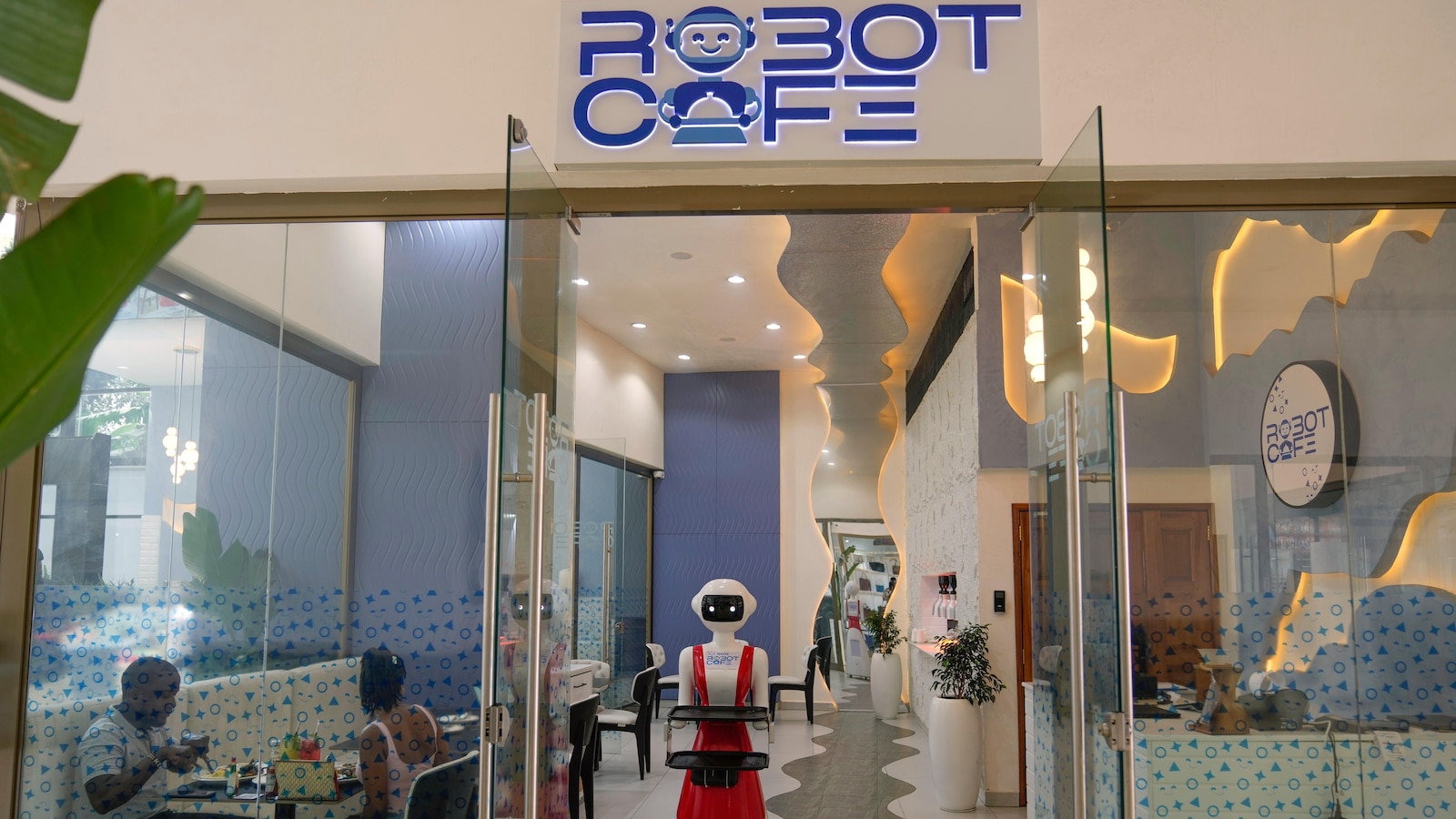
    This is the Robot Cafe, believed to be the first of its kind in Nairobi and East Africa, where three robots glide among human waiters serving food to mesmerized customers.

    These preprogrammed robots were acquired for entertainment. Cafe owner Mohammed Abbas says he experienced robot service in Asian and European countries and decided to invest in them.

    “It was very expensive to import the robots,” he says, but adds that the investment has borne fruit, because the restaurant is “often busy with curious customers” who come to experience robot service.

    One customer, Packson Chege, picks up a plate of fries from the robot tray as his friend films the experience across the table.

    “I can say it is something unique because here in our country Kenya, I have never seen a restaurant like this one so I think for me, it is a good idea from the owner of this restaurant,” he said.

    The three robots, which are named Claire, R24 and Nadia, aren’t programmed to have a full conversation with customers, but they can say “Your order is ready, Welcome” and then people have to press an exit button after picking up their food from the tray.

    They are commanded by waiters through an application on an iPad.

    Human waiters are still important in the operations of the cafe, because they take orders from customers who don’t use the online ordering option. The waiters then place the food on the robot tray when it’s ready and deliver drinks in person.

    The technology is predicted to disrupt the future workforce globally, and especially in Africa, where there is a youthful population with a median age of 19 years.

    But the cafe’s manager says the robots aren’t a replacement for human waiters as they can’t offer all services.

    “At no point are the robots able to fully function in all the services that are supposed to be ongoing in the restaurant without the human touch,” John Kariuki said. “The robots are actually way too expensive for us to acquire, so if you are trying to save money, it is not going to work if you choose to go the robotic way.”

    A hospitality industry expert, Edith Ojwang, said that there’s room for robotic and human service to coexist in the industry.

    “The hospitality industry is very diverse. We have clients who will prefer robotic service and full automation, while we also have clients who will prefer human service, the human touch and warmth that comes with human service so it is not entirely a threat to human labor because of the diverse nature of the hospitality client base,” she said.

    Source link