hacklink hack forum hacklink film izle hacklink marsbahisizmir escortsahabetpornJojobetcasibomgalabetBakırköy Escortcasibom9018betgit casinomarsbahispiabellacasino girişcasibomlunabetlink 5k depositjojobetonwinmatbet

Tag: screening

  • Screening and lifestyle changes could prevent first stroke

    Screening and lifestyle changes could prevent first stroke

    Healthy eating, stopping smoking and staying active, alongside routine screening and education, could stop people from having a first stroke.

    Guidance by the American Stroke Association on preventing stroke has recently been updated to reflect new discoveries that have been made over the last decade.

    Experts say that healthy lifestyle behaviours, coupled with screening, education and medication to lower the risk factors for cardiovascular disease and stroke, could stop a first stroke.

    The ‘2024 Guideline for the Primary Prevention of Stroke’ covers a range of prevention strategies for people with no history of stroke. It includes recommendations to support brain health and stroke prevention throughout a person’s life.

    Chair of the guideline writing group, Professor Cheryl D. Bushnell, vice chair of research in the department of neurology at Wake Forest University School of Medicine in Winston-Salem, North Carolina, said: “The most effective way to reduce the occurrence of a stroke and stroke-related death is to prevent the first stroke – referred to as primary prevention.

    “Some populations have an elevated risk of stroke, whether it be due to genetics, lifestyle, biological factors and/or social determinants of health, and in some cases, people do not receive appropriate screening to identify their risk.”

    Despite the fact that 80% of strokes are preventable, more than half a million people in the US have a stroke for the first time every year, with the condition being the fifth leading cause of death.

    A stroke happens when a blood vessel becomes blocked by a blood clot or it ruptures, causing the blood flow to the brain to be interrupted.

    Without the oxygen it needs to function, the brain can become damaged, which can cause disability and problems with talking and walking.

    The updated guidance aims to reduce the number of people having a stroke for the first time, with Professor Bushnell saying: “This guideline is important because new discoveries have been made since the last update 10 years ago. Understanding which people are at increased risk of a first stroke and providing support to preserve heart and brain health can help prevent a first stroke.

    “Implementing the recommendations in this guideline would make it possible to significantly reduce the risk of people having a first stroke. Most strategies that we recommend for preventing stroke will also help reduce the risk of dementia, another serious health condition related to vascular issues in the brain.”

    Risk factors

    Cardiovascular disease risk factors that are unidentified or not managed can lead to damage to the brain, arteries and heart well before cardiovascular disease and stroke happen.

    Conditions including high blood pressure, obesity, raised cholesterol and blood sugar need to be identified and addressed through lifestyle changes and medication.

    One of the new recommendations in the guidance is the potential use of glucagon-like protein-1 (GLP-1) receptor agonist medications, which help reduce the risk of cardiovascular disease in people with obesity or overweight and/or type 2 diabetes.

    Healthy lifestyles

    The Association outlines the most common lifestyle factors that can reduce the risk of stroke, including healthy eating, regular exercise, smoking cessation, good sleep, a healthy weight and healthy cholesterol, blood pressure and blood sugar.

    It also recommends a Mediterranean diet for those at risk, or with no history of, cardiovascular disease.

    Patients should be screened for sedentary behaviour, a risk factor for stroke, and should be encouraged to undertake at least 150 minutes a week of moderate-intensity aerobic activity or 75 minutes a week of vigorous aerobic activity, spread throughout the week.

    One update to the guidance is the social determinants of health and how they affect stroke risk.

    These can include education, economic stability, access to care, discrimination, structural racism and neighbourhood factors (including the lack of walkability, poor access to healthy food and fewer health resources) – all factors which add to inequities in care.

    New gender and sex-specific guidance

    There are new recommendations around assessing women’s increased risk of stroke, including use of oral contraceptives, high blood pressure during pregnancy, other pregnancy complications, endometriosis, premature ovarian failure and early onset menopause.

    In addition, the experts highlight that transgender women and gender-diverse people taking oestrogen may also be at an increased risk of stroke.

    Source link

  • Lifestyle changes are as important as screening in preventing breast cancer

    Lifestyle changes are as important as screening in preventing breast cancer

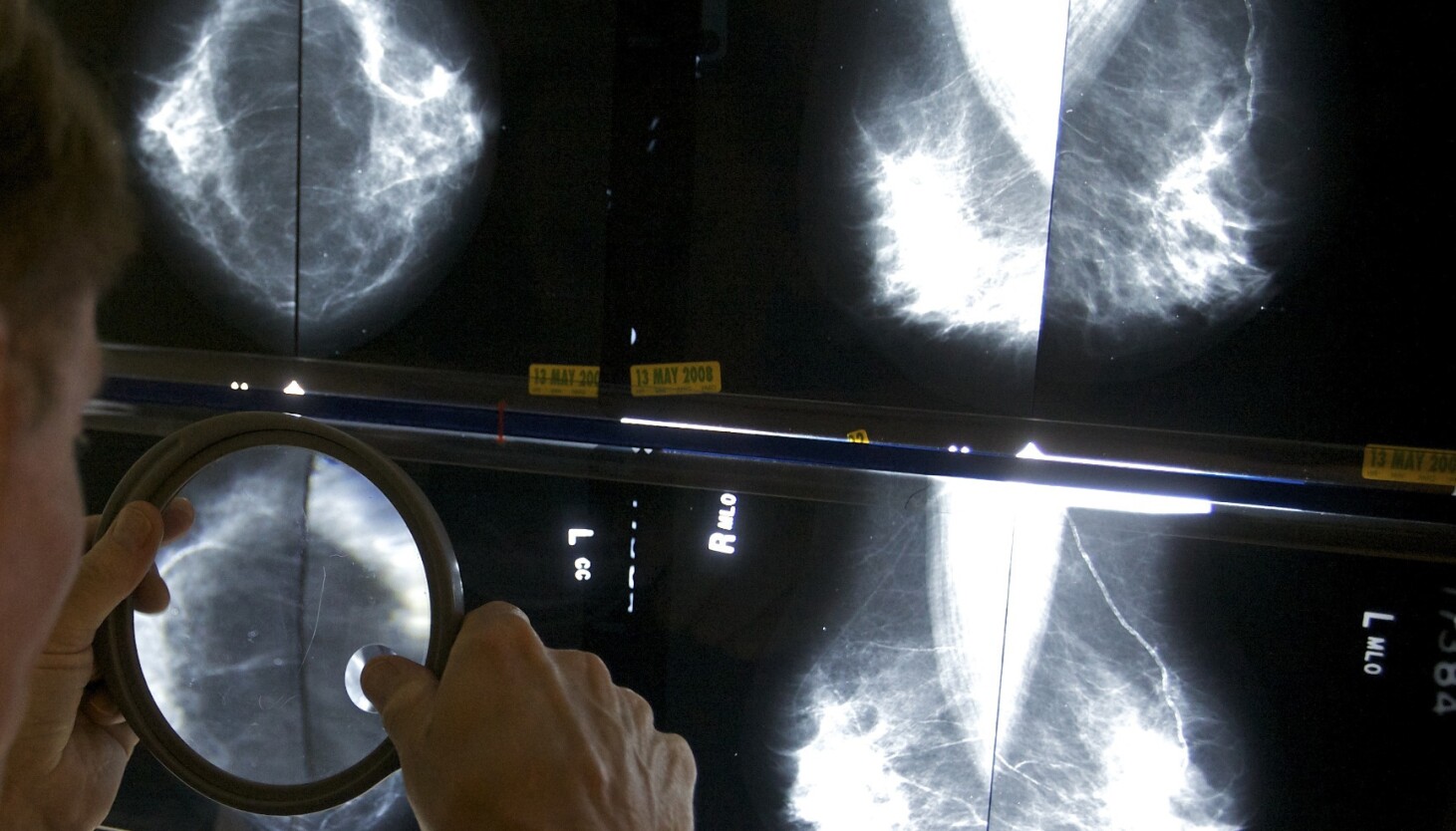
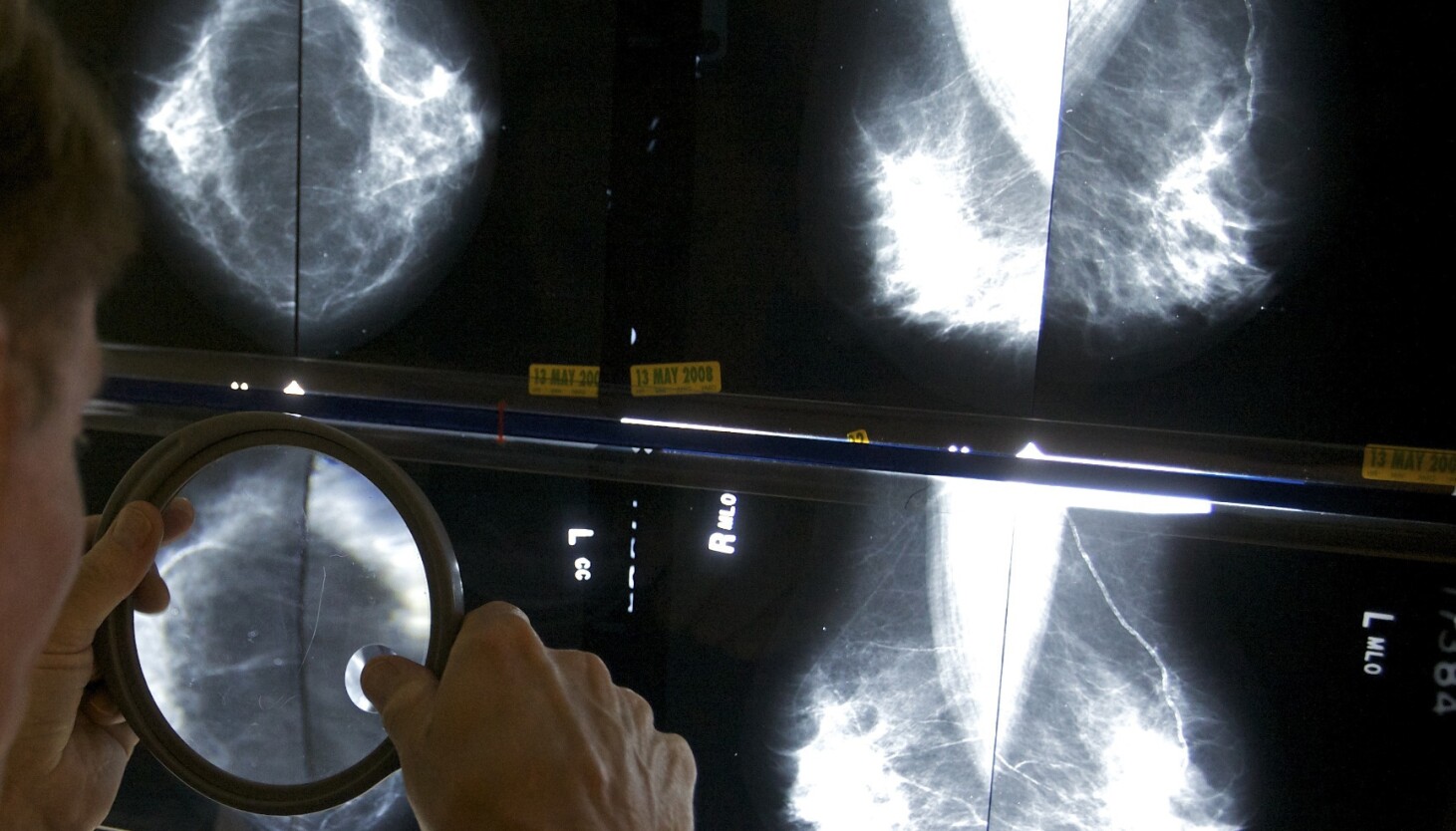
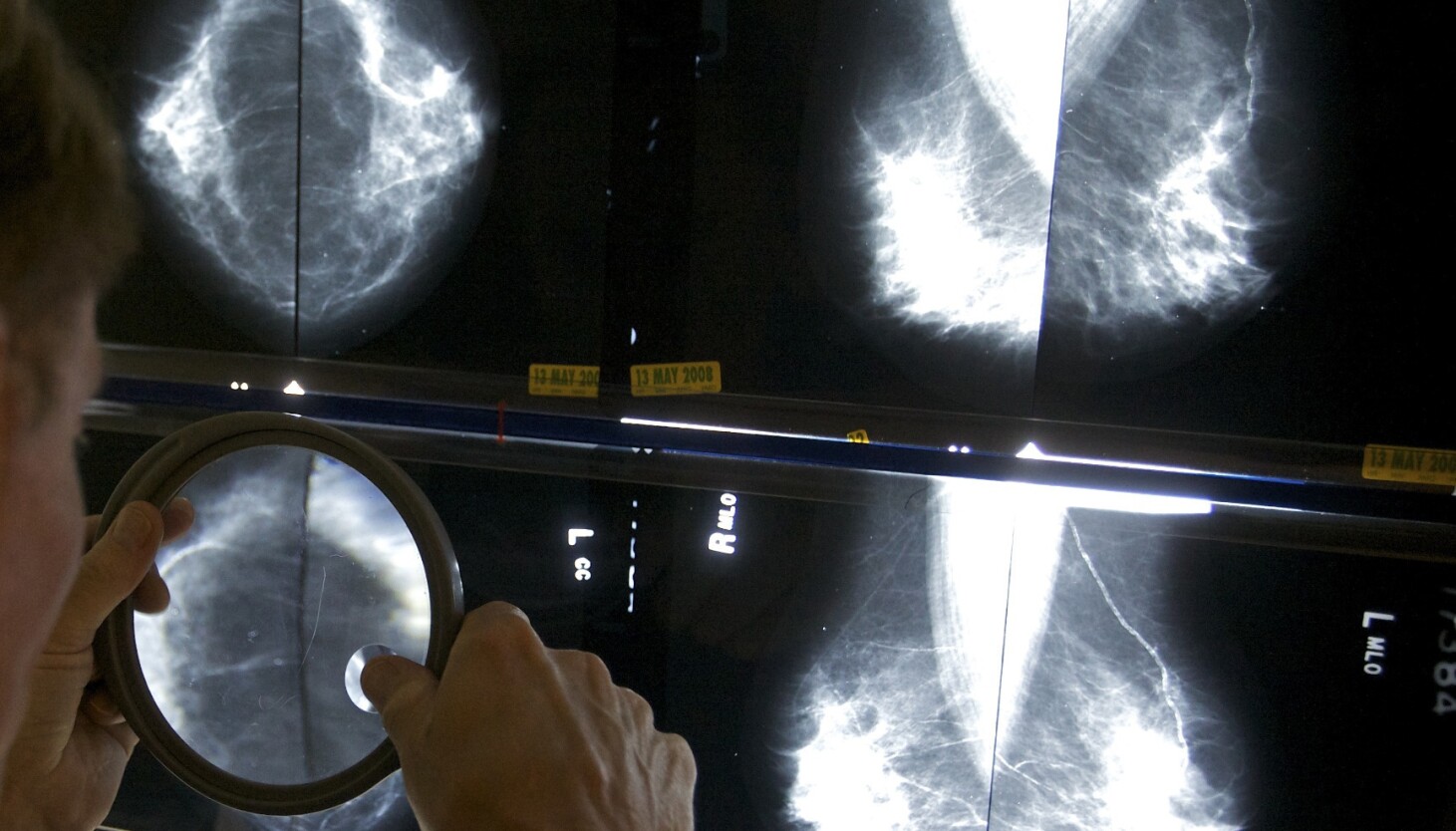
    Early detection of breast cancer is indeed crucial, as Sun-Times reporter Kaitlin Washburn’s story on young women being diagnosed with the disease recently pointed out. However, beyond screening, it’s also critical to address the role lifestyle factors play in reducing cancer risk.

    Genetic predisposition is a key factor in breast cancer, and while we can’t change our genes, we can control our lifestyle. Maintaining a healthy weight, exercising and eating a balanced diet all influence metabolic health, which can affect cancer development. This is particularly important for women with BRCA mutations and those in communities where access to health care is limited, leading to delayed diagnoses and worse outcomes.

    Metabolic health is a vital aspect of cancer prevention. Studies show that metabolic imbalances such as obesity, high glucose levels and insulin resistance can create conditions that enable cancer to thrive. This is especially true for breast cancer, where these factors are associated with poorer outcomes.

    In addition to diet, maintaining a healthy gut is essential in cancer prevention. A diverse, well-functioning gut microbiome supports immune health and can enhance the body’s ability to fight off disease. Research has even shown that certain gut bacteria can improve the effectiveness of cancer therapies, such as immunotherapy.

    So, assessing your diet and daily movement are good places to start when it comes to lifestyle prevention methods. Monitoring sugar intake, focusing on whole, fiber-rich foods, including fruits and vegetables and incorporating daily movement may help improve metabolic and gut health as well as overall cancer resilience.

    SEND LETTERS TO: letters@suntimes.com. To be considered for publication, letters must include your full name, your neighborhood or hometown and a phone number for verification purposes. Letters should be a maximum of approximately 375 words.

    That said, lifestyle changes alone are not a complete solution. We need to look at the whole picture for tools to reduce cancer risk, including testing for genetic predispositions, regular screenings and addressing barriers to timely diagnosis and treatment.

    But it’s equally important to promote comprehensive prevention strategies that include lifestyle modifications. It’s time to broaden the conversation to include lifestyle factors, empowering women to take control of their health.

    Julia Holden, Lincoln Park

    Gun industry shouldn’t get off scot-free

    In his most recent column, Jacob Sullum argues that the father of the boy who killed two students and two teachers at a Georgia school in September should not face criminal charges for his son’s actions.

    Mr. Sullum has a point — it’s always difficult to judge parents for their children’s behavior. We’ll see what is revealed during the trial and whether in this case, the father did act recklessly.

    But Mr. Sullum might consider another common-sense solution that may have prevented this shooting and many others: Repeal the law that provides gun manufacturers and dealers immunity from civil liability. Instead of seeking justice from parents for school shootings, let’s hold the gun industry accountable for the devastating impact of its product.

    Gun crime and murders are exponentially higher in America than in most high-income nations. This is for one simple reason: Gun manufacturers and dealers have bought the support of the GOP to protect themselves from accountability for the horrific impact of their product on our society. This makes guns more easily available to Americans, even children, than in most similar countries.

    If Congress made the gun industry liable for the harm their product causes (just like every other product) the gun industry might shrink dramatically, saving thousands of lives from gun violence annually.

    Barry Owen, Lake View


    Source link

  • Lifestyle changes are as important as screening in preventing breast cancer

    Lifestyle changes are as important as screening in preventing breast cancer

    Early detection of breast cancer is indeed crucial, as Sun-Times reporter Kaitlin Washburn’s story on young women being diagnosed with the disease recently pointed out. However, beyond screening, it’s also critical to address the role lifestyle factors play in reducing cancer risk.

    Genetic predisposition is a key factor in breast cancer, and while we can’t change our genes, we can control our lifestyle. Maintaining a healthy weight, exercising and eating a balanced diet all influence metabolic health, which can affect cancer development. This is particularly important for women with BRCA mutations and those in communities where access to health care is limited, leading to delayed diagnoses and worse outcomes.

    Metabolic health is a vital aspect of cancer prevention. Studies show that metabolic imbalances such as obesity, high glucose levels and insulin resistance can create conditions that enable cancer to thrive. This is especially true for breast cancer, where these factors are associated with poorer outcomes.

    In addition to diet, maintaining a healthy gut is essential in cancer prevention. A diverse, well-functioning gut microbiome supports immune health and can enhance the body’s ability to fight off disease. Research has even shown that certain gut bacteria can improve the effectiveness of cancer therapies, such as immunotherapy.

    So, assessing your diet and daily movement are good places to start when it comes to lifestyle prevention methods. Monitoring sugar intake, focusing on whole, fiber-rich foods, including fruits and vegetables and incorporating daily movement may help improve metabolic and gut health as well as overall cancer resilience.

    SEND LETTERS TO: letters@suntimes.com. To be considered for publication, letters must include your full name, your neighborhood or hometown and a phone number for verification purposes. Letters should be a maximum of approximately 375 words.

    That said, lifestyle changes alone are not a complete solution. We need to look at the whole picture for tools to reduce cancer risk, including testing for genetic predispositions, regular screenings and addressing barriers to timely diagnosis and treatment.

    But it’s equally important to promote comprehensive prevention strategies that include lifestyle modifications. It’s time to broaden the conversation to include lifestyle factors, empowering women to take control of their health.

    Julia Holden, Lincoln Park

    Gun industry shouldn’t get off scot-free

    In his most recent column, Jacob Sullum argues that the father of the boy who killed two students and two teachers at a Georgia school in September should not face criminal charges for his son’s actions.

    Mr. Sullum has a point — it’s always difficult to judge parents for their children’s behavior. We’ll see what is revealed during the trial and whether in this case, the father did act recklessly.

    But Mr. Sullum might consider another common-sense solution that may have prevented this shooting and many others: Repeal the law that provides gun manufacturers and dealers immunity from civil liability. Instead of seeking justice from parents for school shootings, let’s hold the gun industry accountable for the devastating impact of its product.

    Gun crime and murders are exponentially higher in America than in most high-income nations. This is for one simple reason: gun manufacturers and dealers have bought the support of the GOP to protect themselves from accountability for the horrific impact of their product on our society. This makes guns more easily available to Americans, even children, than in most similar countries.

    If Congress made the gun industry liable for the harm their product causes (just like every other product) the gun industry might shrink dramatically, saving thousands of lives from gun violence annually.

    Barry Owen, Lake View


    Source link

  • Lifestyle changes are as important as screening in preventing breast cancer

    Lifestyle changes are as important as screening in preventing breast cancer

    Early detection of breast cancer is indeed crucial, as Sun-Times reporter Kaitlin Washburn’s story on young women being diagnosed with the disease recently pointed out. However, beyond screening, it’s also critical to address the role lifestyle factors play in reducing cancer risk.

    Genetic predisposition is a key factor in breast cancer, and while we can’t change our genes, we can control our lifestyle. Maintaining a healthy weight, exercising and eating a balanced diet all influence metabolic health, which can affect cancer development. This is particularly important for women with BRCA mutations and those in communities where access to health care is limited, leading to delayed diagnoses and worse outcomes.

    Metabolic health is a vital aspect of cancer prevention. Studies show that metabolic imbalances such as obesity, high glucose levels and insulin resistance can create conditions that enable cancer to thrive. This is especially true for breast cancer, where these factors are associated with poorer outcomes.

    In addition to diet, maintaining a healthy gut is essential in cancer prevention. A diverse, well-functioning gut microbiome supports immune health and can enhance the body’s ability to fight off disease. Research has even shown that certain gut bacteria can improve the effectiveness of cancer therapies, such as immunotherapy.

    So, assessing your diet and daily movement are good places to start when it comes to lifestyle prevention methods. Monitoring sugar intake, focusing on whole, fiber-rich foods, including fruits and vegetables and incorporating daily movement may help improve metabolic and gut health as well as overall cancer resilience.

    SEND LETTERS TO: letters@suntimes.com. To be considered for publication, letters must include your full name, your neighborhood or hometown and a phone number for verification purposes. Letters should be a maximum of approximately 375 words.

    That said, lifestyle changes alone are not a complete solution. We need to look at the whole picture for tools to reduce cancer risk, including testing for genetic predispositions, regular screenings and addressing barriers to timely diagnosis and treatment.

    But it’s equally important to promote comprehensive prevention strategies that include lifestyle modifications. It’s time to broaden the conversation to include lifestyle factors, empowering women to take control of their health.

    Julia Holden, Lincoln Park

    Gun industry shouldn’t get off scot-free

    In his most recent column, Jacob Sullum argues that the father of the boy who killed two students and two teachers at a Georgia school in September should not face criminal charges for his son’s actions.

    Mr. Sullum has a point — it’s always difficult to judge parents for their children’s behavior. We’ll see what is revealed during the trial and whether in this case, the father did act recklessly.

    But Mr. Sullum might consider another common-sense solution that may have prevented this shooting and many others: Repeal the law that provides gun manufacturers and dealers immunity from civil liability. Instead of seeking justice from parents for school shootings, let’s hold the gun industry accountable for the devastating impact of its product.

    Gun crime and murders are exponentially higher in America than in most high-income nations. This is for one simple reason: gun manufacturers and dealers have bought the support of the GOP to protect themselves from accountability for the horrific impact of their product on our society. This makes guns more easily available to Americans, even children, than in most similar countries.

    If Congress made the gun industry liable for the harm their product causes (just like every other product) the gun industry might shrink dramatically, saving thousands of lives from gun violence annually.

    Barry Owen, Lake View


    Source link

  • New guideline: Preventing a first stroke may be possible with screening, lifestyle changes

    New guideline: Preventing a first stroke may be possible with screening, lifestyle changes

    Healthy lifestyle behaviors, such as good nutrition, smoking cessation and being physically active, along with routine health screenings and managing risk factors for cardiovascular disease and stroke with medication, can help prevent individuals from having a first stroke. Screening for stroke risk and educating people on how to lower their chances of having a stroke ideally begin with their primary care professional and include evidence-based recommendations, according to a new clinical guideline from the American Stroke Association, a division of the American Heart Association, and published today in the Association’s journal Stroke.

    A stroke occurs when blood flow to the brain is interrupted after a blood vessel becomes blocked by a blood clot or ruptures. The result is the brain does not receive the oxygen it needs to properly function. Stroke causes brain damage that can lead to significant disability, including difficulty thinking, talking, walking and interacting with one’s environment. In the U.S., stroke is currently the fifth leading cause of death, resulting in nearly 160,000 deaths annually. Every year, more than 600,000 people in the U.S. have a first stroke, even though up to 80% of strokes are preventable.

    “The most effective way to reduce the occurrence of a stroke and stroke-related death is to prevent the first stroke — referred to as primary prevention,” said Chair of the guideline writing group, Cheryl D. Bushnell, M.D., M.H.S., FAHA, professor and vice chair of research in the department of neurology at Wake Forest University School of Medicine in Winston-Salem, North Carolina. “Some populations have an elevated risk of stroke, whether it be due to genetics, lifestyle, biological factors and/or social determinants of health, and in some cases, people do not receive appropriate screening to identify their risk.”

    The “2024 Guideline for the Primary Prevention of Stroke” replaces the 2014 version and is a resource for clinicians in implementing a variety of prevention strategies for individuals with no prior history of stroke. The new guideline provides evidence-based recommendations for strategies to support brain health and prevent stroke throughout a person’s lifespan by improving healthy lifestyle behaviors and getting preventive care.

    “This guideline is important because new discoveries have been made since the last update 10 years ago. Understanding which people are at increased risk of a first stroke and providing support to preserve heart and brain health can help prevent a first stroke,” said Bushnell.

    Key stroke prevention recommendations include regular health screenings, identifying risk factors, lifestyle interventions and medications, when indicated.

    Identifying and Managing Risk Factors

    Unidentified and unmanaged cardiovascular disease risk factors can cause damage to arteries, the brain and the heart years before cardiovascular disease and stroke occur. Primary care health professionals should promote brain health for patients through stroke prevention education, screenings and addressing risk factors from birth to old age.

    Modifiable risk factors for stroke, such as high blood pressure, overweight and obesity, elevated cholesterol and elevated blood sugar, can be identified with physical exams and blood tests. These conditions should be addressed with healthy lifestyle and behavioral changes and may include medications for select patients. Antihypertensive medications to reduce blood pressure and statin medications to lower cholesterol can help to reduce the risk of first stroke in adults with increased cardiovascular disease risk and those receiving CVD care. A new recommendation is consideration of glucagon-like protein-1 (GLP-1) receptor agonist medications, which are FDA-approved to reduce the risk of cardiovascular disease in people with overweight or obesity and/or Type 2 diabetes.

    Healthy Lifestyle Behaviors

    The most common, treatable lifestyle behaviors that can help reduce stroke risk are detailed in the Association’s Life’s Essential 8 cardiovascular health metrics. They include healthy nutrition, regular physical activity, avoiding tobacco, healthy sleep and weight, controlling cholesterol, and managing blood pressure and blood sugar. The guideline recommends that adults with no prior cardiovascular disease, as well as those with increased risk, follow a Mediterranean dietary pattern. Mediterranean dietary programs have been shown to reduce the risk of stroke, especially when supplemented with nuts and olive oil.

    Physical activity is also essential for stroke risk reduction and overall heart health. Physical activity can help to improve important health measures such as blood pressure, cholesterol, inflammatory markers, insulin resistance, endothelial function and weight. The guideline urges health care professionals to routinely screen patients for sedentary behavior, a confirmed risk factor for stroke, and counsel them to engage in regular physical activity. The Association reinforces the U.S. Department of Health and Human Services Office of Disease Prevention and Health Promotion’s recommendation that adults get at least 150 minutes per week of moderate-intensity aerobic activity or 75 minutes per week of vigorous aerobic activity, or a combination of both, preferably spread throughout the week.

    Health Equity and Stroke Risk

    New to the guideline is an emphasis on social determinants of health and the impact they have on stroke risk. Social determinants of health are non-medical factors, including education, economic stability, access to care, discrimination, structural racism and neighborhood factors (such as the lack of walkability, lower availability of healthy food and fewer health resources), that contribute to inequities in care and influence overall health. Health care professionals should ensure patient education is available for various educational and language levels, and advocate for their patients by choosing treatments and medications that are effective and affordable.

    Health care professionals are also encouraged to connect patients to resources that help address health-related social needs such as food and housing insecurity, refer them to programs that support healthy lifestyle changes and direct them to support programs that may help defray health care costs including medication expenses.

    New Sex- and Gender-Specific Recommendations

    The guideline also includes some new gender- and sex-specific recommendations for women. Health professionals should screen for conditions that can increase a woman’s risk of stroke, including use of oral contraceptives, high blood pressure during pregnancy, other pregnancy complications such as premature birth, endometriosis, premature ovarian failure and early onset menopause. Treatment of elevated blood pressure during pregnancy and within six weeks of delivery is recommended to reduce the risk of maternal intracerebral hemorrhage.

    Transgender women and gender-diverse individuals taking estrogens for gender affirmation may also be at an increased risk of stroke. Evaluation and modification of any existing risk factors are needed to reduce the risk of stroke for these individuals.

    “Implementing the recommendations in this guideline would make it possible to significantly reduce the risk of people having a first stroke. Most strategies that we recommend for preventing stroke will also help reduce the risk of dementia, another serious health condition related to vascular issues in the brain,” said Bushnell.

    The writing group notes that writing recommendations focused on preventing a first stroke was challenging. There are limitations to some of the evidence that informed the guideline, including that many clinical trials enrolled adults who have already had a cardiovascular event that may include a stroke. The writing group also identified knowledge gaps to help inform topics for future research.

    The guideline highlights the need for risk assessment in primary stroke prevention and includes the use of risk prediction tools to estimate risk for atherosclerotic cardiovascular disease so that patients receive timely prevention and treatment strategies. The Association has recently developed a new Predicting Risk of Cardiovascular Disease Events (PREVENT) risk calculator as a screening tool that can help inform preventive treatment decisions. The PREVENT calculator can estimate 10-year and 30-year stroke and heart disease risk in individuals starting at age 30 — a decade earlier than the Pooled Cohort Equations, another CVD risk calculator.

    According to the American Stroke Association, learning the warning signs of stroke and preventative measures are the best way to avoid strokes and keep them from happening again. The abbreviation F.A.S.T. — for face drooping, arm weakness, speech difficulty, time to call 911 — is a useful tool to recognize the warning signs of stroke and when to call for help.

    Source link

  • New guideline: Preventing a first stroke may be possible with screening, lifestyle changes

    New guideline: Preventing a first stroke may be possible with screening, lifestyle changes

    Healthy lifestyle behaviors, such as good nutrition, smoking cessation and being physically active, along with routine health screenings and managing risk factors for cardiovascular disease and stroke with medication, can help prevent individuals from having a first stroke. Screening for stroke risk and educating people on how to lower their chances of having a stroke ideally begin with their primary care professional and include evidence-based recommendations, according to a new clinical guideline from the American Stroke Association, a division of the American Heart Association, and published today in the Association’s journal Stroke.

    A stroke occurs when blood flow to the brain is interrupted after a blood vessel becomes blocked by a blood clot or ruptures. The result is the brain does not receive the oxygen it needs to properly function. Stroke causes brain damage that can lead to significant disability, including difficulty thinking, talking, walking and interacting with one’s environment. In the U.S., stroke is currently the fifth leading cause of death, resulting in nearly 160,000 deaths annually. Every year, more than 600,000 people in the U.S. have a first stroke, even though up to 80% of strokes are preventable.

    “The most effective way to reduce the occurrence of a stroke and stroke-related death is to prevent the first stroke — referred to as primary prevention,” said Chair of the guideline writing group, Cheryl D. Bushnell, M.D., M.H.S., FAHA, professor and vice chair of research in the department of neurology at Wake Forest University School of Medicine in Winston-Salem, North Carolina. “Some populations have an elevated risk of stroke, whether it be due to genetics, lifestyle, biological factors and/or social determinants of health, and in some cases, people do not receive appropriate screening to identify their risk.”

    The “2024 Guideline for the Primary Prevention of Stroke” replaces the 2014 version and is a resource for clinicians in implementing a variety of prevention strategies for individuals with no prior history of stroke. The new guideline provides evidence-based recommendations for strategies to support brain health and prevent stroke throughout a person’s lifespan by improving healthy lifestyle behaviors and getting preventive care.

    “This guideline is important because new discoveries have been made since the last update 10 years ago. Understanding which people are at increased risk of a first stroke and providing support to preserve heart and brain health can help prevent a first stroke,” said Bushnell.

    Key stroke prevention recommendations include regular health screenings, identifying risk factors, lifestyle interventions and medications, when indicated.

    Identifying and Managing Risk Factors

    Unidentified and unmanaged cardiovascular disease risk factors can cause damage to arteries, the brain and the heart years before cardiovascular disease and stroke occur. Primary care health professionals should promote brain health for patients through stroke prevention education, screenings and addressing risk factors from birth to old age.

    Modifiable risk factors for stroke, such as high blood pressure, overweight and obesity, elevated cholesterol and elevated blood sugar, can be identified with physical exams and blood tests. These conditions should be addressed with healthy lifestyle and behavioral changes and may include medications for select patients. Antihypertensive medications to reduce blood pressure and statin medications to lower cholesterol can help to reduce the risk of first stroke in adults with increased cardiovascular disease risk and those receiving CVD care. A new recommendation is consideration of glucagon-like protein-1 (GLP-1) receptor agonist medications, which are FDA-approved to reduce the risk of cardiovascular disease in people with overweight or obesity and/or Type 2 diabetes.

    Healthy Lifestyle Behaviors

    The most common, treatable lifestyle behaviors that can help reduce stroke risk are detailed in the Association’s Life’s Essential 8 cardiovascular health metrics. They include healthy nutrition, regular physical activity, avoiding tobacco, healthy sleep and weight, controlling cholesterol, and managing blood pressure and blood sugar. The guideline recommends that adults with no prior cardiovascular disease, as well as those with increased risk, follow a Mediterranean dietary pattern. Mediterranean dietary programs have been shown to reduce the risk of stroke, especially when supplemented with nuts and olive oil.

    Physical activity is also essential for stroke risk reduction and overall heart health. Physical activity can help to improve important health measures such as blood pressure, cholesterol, inflammatory markers, insulin resistance, endothelial function and weight. The guideline urges health care professionals to routinely screen patients for sedentary behavior, a confirmed risk factor for stroke, and counsel them to engage in regular physical activity. The Association reinforces the U.S. Department of Health and Human Services Office of Disease Prevention and Health Promotion’s recommendation that adults get at least 150 minutes per week of moderate-intensity aerobic activity or 75 minutes per week of vigorous aerobic activity, or a combination of both, preferably spread throughout the week.

    Health Equity and Stroke Risk

    New to the guideline is an emphasis on social determinants of health and the impact they have on stroke risk. Social determinants of health are non-medical factors, including education, economic stability, access to care, discrimination, structural racism and neighborhood factors (such as the lack of walkability, lower availability of healthy food and fewer health resources), that contribute to inequities in care and influence overall health. Health care professionals should ensure patient education is available for various educational and language levels, and advocate for their patients by choosing treatments and medications that are effective and affordable.

    Health care professionals are also encouraged to connect patients to resources that help address health-related social needs such as food and housing insecurity, refer them to programs that support healthy lifestyle changes and direct them to support programs that may help defray health care costs including medication expenses.

    New Sex- and Gender-Specific Recommendations

    The guideline also includes some new gender- and sex-specific recommendations for women. Health professionals should screen for conditions that can increase a woman’s risk of stroke, including use of oral contraceptives, high blood pressure during pregnancy, other pregnancy complications such as premature birth, endometriosis, premature ovarian failure and early onset menopause. Treatment of elevated blood pressure during pregnancy and within six weeks of delivery is recommended to reduce the risk of maternal intracerebral hemorrhage.

    Transgender women and gender-diverse individuals taking estrogens for gender affirmation may also be at an increased risk of stroke. Evaluation and modification of any existing risk factors are needed to reduce the risk of stroke for these individuals.

    “Implementing the recommendations in this guideline would make it possible to significantly reduce the risk of people having a first stroke. Most strategies that we recommend for preventing stroke will also help reduce the risk of dementia, another serious health condition related to vascular issues in the brain,” said Bushnell.

    The writing group notes that writing recommendations focused on preventing a first stroke was challenging. There are limitations to some of the evidence that informed the guideline, including that many clinical trials enrolled adults who have already had a cardiovascular event that may include a stroke. The writing group also identified knowledge gaps to help inform topics for future research.

    The guideline highlights the need for risk assessment in primary stroke prevention and includes the use of risk prediction tools to estimate risk for atherosclerotic cardiovascular disease so that patients receive timely prevention and treatment strategies. The Association has recently developed a new Predicting Risk of Cardiovascular Disease Events (PREVENT) risk calculator as a screening tool that can help inform preventive treatment decisions. The PREVENT calculator can estimate 10-year and 30-year stroke and heart disease risk in individuals starting at age 30 — a decade earlier than the Pooled Cohort Equations, another CVD risk calculator.

    According to the American Stroke Association, learning the warning signs of stroke and preventative measures are the best way to avoid strokes and keep them from happening again. The abbreviation F.A.S.T. — for face drooping, arm weakness, speech difficulty, time to call 911 — is a useful tool to recognize the warning signs of stroke and when to call for help.

    Source link

  • New guideline: Preventing a first stroke may be possible with screening, lifestyle changes

    New guideline: Preventing a first stroke may be possible with screening, lifestyle changes

    Healthy lifestyle behaviors, such as good nutrition, smoking cessation and being physically active, along with routine health screenings and managing risk factors for cardiovascular disease and stroke with medication, can help prevent individuals from having a first stroke. Screening for stroke risk and educating people on how to lower their chances of having a stroke ideally begin with their primary care professional and include evidence-based recommendations, according to a new clinical guideline from the American Stroke Association, a division of the American Heart Association, and published today in the Association’s journal Stroke.

    A stroke occurs when blood flow to the brain is interrupted after a blood vessel becomes blocked by a blood clot or ruptures. The result is the brain does not receive the oxygen it needs to properly function. Stroke causes brain damage that can lead to significant disability, including difficulty thinking, talking, walking and interacting with one’s environment. In the U.S., stroke is currently the fifth leading cause of death, resulting in nearly 160,000 deaths annually. Every year, more than 600,000 people in the U.S. have a first stroke, even though up to 80% of strokes are preventable.

    “The most effective way to reduce the occurrence of a stroke and stroke-related death is to prevent the first stroke — referred to as primary prevention,” said Chair of the guideline writing group, Cheryl D. Bushnell, M.D., M.H.S., FAHA, professor and vice chair of research in the department of neurology at Wake Forest University School of Medicine in Winston-Salem, North Carolina. “Some populations have an elevated risk of stroke, whether it be due to genetics, lifestyle, biological factors and/or social determinants of health, and in some cases, people do not receive appropriate screening to identify their risk.”

    The “2024 Guideline for the Primary Prevention of Stroke” replaces the 2014 version and is a resource for clinicians in implementing a variety of prevention strategies for individuals with no prior history of stroke. The new guideline provides evidence-based recommendations for strategies to support brain health and prevent stroke throughout a person’s lifespan by improving healthy lifestyle behaviors and getting preventive care.

    “This guideline is important because new discoveries have been made since the last update 10 years ago. Understanding which people are at increased risk of a first stroke and providing support to preserve heart and brain health can help prevent a first stroke,” said Bushnell.

    Key stroke prevention recommendations include regular health screenings, identifying risk factors, lifestyle interventions and medications, when indicated.

    Identifying and Managing Risk Factors

    Unidentified and unmanaged cardiovascular disease risk factors can cause damage to arteries, the brain and the heart years before cardiovascular disease and stroke occur. Primary care health professionals should promote brain health for patients through stroke prevention education, screenings and addressing risk factors from birth to old age.

    Modifiable risk factors for stroke, such as high blood pressure, overweight and obesity, elevated cholesterol and elevated blood sugar, can be identified with physical exams and blood tests. These conditions should be addressed with healthy lifestyle and behavioral changes and may include medications for select patients. Antihypertensive medications to reduce blood pressure and statin medications to lower cholesterol can help to reduce the risk of first stroke in adults with increased cardiovascular disease risk and those receiving CVD care. A new recommendation is consideration of glucagon-like protein-1 (GLP-1) receptor agonist medications, which are FDA-approved to reduce the risk of cardiovascular disease in people with overweight or obesity and/or Type 2 diabetes.

    Healthy Lifestyle Behaviors

    The most common, treatable lifestyle behaviors that can help reduce stroke risk are detailed in the Association’s Life’s Essential 8 cardiovascular health metrics. They include healthy nutrition, regular physical activity, avoiding tobacco, healthy sleep and weight, controlling cholesterol, and managing blood pressure and blood sugar. The guideline recommends that adults with no prior cardiovascular disease, as well as those with increased risk, follow a Mediterranean dietary pattern. Mediterranean dietary programs have been shown to reduce the risk of stroke, especially when supplemented with nuts and olive oil.

    Physical activity is also essential for stroke risk reduction and overall heart health. Physical activity can help to improve important health measures such as blood pressure, cholesterol, inflammatory markers, insulin resistance, endothelial function and weight. The guideline urges health care professionals to routinely screen patients for sedentary behavior, a confirmed risk factor for stroke, and counsel them to engage in regular physical activity. The Association reinforces the U.S. Department of Health and Human Services Office of Disease Prevention and Health Promotion’s recommendation that adults get at least 150 minutes per week of moderate-intensity aerobic activity or 75 minutes per week of vigorous aerobic activity, or a combination of both, preferably spread throughout the week.

    Health Equity and Stroke Risk

    New to the guideline is an emphasis on social determinants of health and the impact they have on stroke risk. Social determinants of health are non-medical factors, including education, economic stability, access to care, discrimination, structural racism and neighborhood factors (such as the lack of walkability, lower availability of healthy food and fewer health resources), that contribute to inequities in care and influence overall health. Health care professionals should ensure patient education is available for various educational and language levels, and advocate for their patients by choosing treatments and medications that are effective and affordable.

    Health care professionals are also encouraged to connect patients to resources that help address health-related social needs such as food and housing insecurity, refer them to programs that support healthy lifestyle changes and direct them to support programs that may help defray health care costs including medication expenses.

    New Sex- and Gender-Specific Recommendations

    The guideline also includes some new gender- and sex-specific recommendations for women. Health professionals should screen for conditions that can increase a woman’s risk of stroke, including use of oral contraceptives, high blood pressure during pregnancy, other pregnancy complications such as premature birth, endometriosis, premature ovarian failure and early onset menopause. Treatment of elevated blood pressure during pregnancy and within six weeks of delivery is recommended to reduce the risk of maternal intracerebral hemorrhage.

    Transgender women and gender-diverse individuals taking estrogens for gender affirmation may also be at an increased risk of stroke. Evaluation and modification of any existing risk factors are needed to reduce the risk of stroke for these individuals.

    “Implementing the recommendations in this guideline would make it possible to significantly reduce the risk of people having a first stroke. Most strategies that we recommend for preventing stroke will also help reduce the risk of dementia, another serious health condition related to vascular issues in the brain,” said Bushnell.

    The writing group notes that writing recommendations focused on preventing a first stroke was challenging. There are limitations to some of the evidence that informed the guideline, including that many clinical trials enrolled adults who have already had a cardiovascular event that may include a stroke. The writing group also identified knowledge gaps to help inform topics for future research.

    The guideline highlights the need for risk assessment in primary stroke prevention and includes the use of risk prediction tools to estimate risk for atherosclerotic cardiovascular disease so that patients receive timely prevention and treatment strategies. The Association has recently developed a new Predicting Risk of Cardiovascular Disease Events (PREVENT) risk calculator as a screening tool that can help inform preventive treatment decisions. The PREVENT calculator can estimate 10-year and 30-year stroke and heart disease risk in individuals starting at age 30 — a decade earlier than the Pooled Cohort Equations, another CVD risk calculator.

    According to the American Stroke Association, learning the warning signs of stroke and preventative measures are the best way to avoid strokes and keep them from happening again. The abbreviation F.A.S.T. — for face drooping, arm weakness, speech difficulty, time to call 911 — is a useful tool to recognize the warning signs of stroke and when to call for help.

    Source link