Oil is one of the most essential ingredients in cooking, especially in Indian cuisine. From curries and gravies to snacks and sweets, it helps add flavour to all of these. Without oil, it may feel like something is missing from the recipe, right? However, as much as we love adding oil to our food, let’s not forget that consuming too much can lead to weight gain and other health issues. If you’re trying to follow a healthy diet, you might want to reduce the oil in your cooking. Now, most of us think that not adding oil means losing out on rich flavours. This can make it challenging to give up oil. But what if we told you that you can achieve this without sacrificing taste? Yes, it is possible! Below, we’ll share five secrets to flavourful, healthier cooking you’ll wish you knew sooner. Also Read: 5 Genius Ways Vinegar Comes In Handy Beyond Cooking
Photo Credit: iStock
Here Are 5 Ways To Reduce Oil In Your Cooking Without Losing Flavour:
1. Invest In Non-Stick Cookware
The type of cookware you use to make food makes a huge difference. When using stainless steel or cast iron, you’ll notice that you require more oil. On the other hand, utensils with a non-stick coating make cooking easier, allowing you to use less oil naturally. Don’t worry – your food will taste just as good! So, make sure to invest in essential non-stick cookware, such as pans and pots.
2. Use Water
Did you know you can use water in place of oil? Yes, that’s right! This method works perfectly while cooking on a gas stove. Simply add some water to the pan and let it simmer. Once it starts to bubble, add the rest of your ingredients. This technique prevents food from sticking to the pan while ensuring you get the most out of your meal.
3. Bake, Pan-Fry, Or Air-Fry
If your recipe calls for frying the ingredients, consider baking, pan-frying, or air-frying them instead. This helps reduce the oil content significantly. For example, if you want to make bread rolls, which are traditionally deep-fried, try baking them next time. They’ll turn out just as crispy, flavourful, and delicious.
Photo Credit: iStock
4. Use An Oil Spray
Can’t eliminate oil entirely from your recipe? No worries! Make a DIY oil spray. All you have to do is pour the oil into a spray bottle and spray it over the pan before use. This way, you’ll still enjoy the rich flavour of oil but with significantly fewer calories. This trick works like magic every time – do give it a try!
5. Be Generous With Spices/Fats
Another trick to reduce oil without compromising flavour is to be generous with spices and healthy fats. For example, if you want to reduce the oil content in your chicken curry, make sure to compensate with spices. On the other hand, if you’re making korma, add a generous amount of nuts. Also Read: Ghee Or Coconut Oil: Which Is The Healthier Choice For Cooking?
So, the next time you’re cooking, keep these easy tips in mind! Happy Cooking!
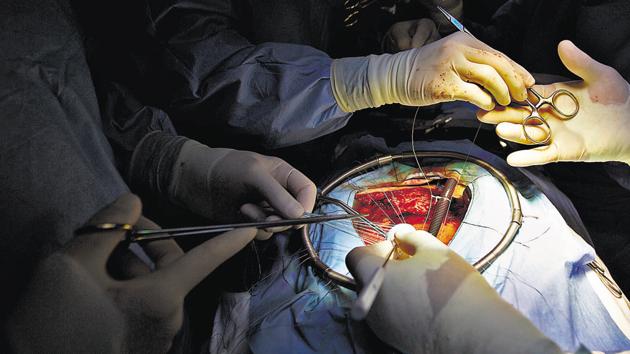
A more recent technique called minimally invasive cardiac surgery aims to lessen the trauma connected to open heart surgery. It has several benefits such as less pain, smaller incisions and quicker recovery periods but before agreeing to get this procedure, there are some important considerations to consider.
According to a recent study, many patients who undergo heart surgery won’t have to take opioids as a pain medication after they get discharged from the hospital.(Unsplash)
In an interview with HT Lifestyle, Dr Shrirang Ranade, Head Of The Department and Consultant – Cardiothoracic and Vascular Surgeon at Manipal Hospital in Pune’s Baner, shared, “Small 2-3-inch incisions help a surgeon access the heart during minimally invasive cardiac surgery. When MIS surgery is used instead of standard open-heart surgery, it can effectively treat a variety of heart diseases with less discomfort and faster recovery times. Whereas traditional heart surgery, which involves cutting through the breastbone (sternotomy), minimally invasive heart surgery is usually carried out through tiny incisions between the ribs. This approach reduces scarring and speeds up healing. This method can be used for coronary artery bypass, valve replacement or repair, and specific repairs for congenital heart conditions.”
Overall health and specific heart problems are important considerations for choosing candidature for this type of surgery. Dr Shrirang Ranade revealed, “Not every patient is a candidate for minimally invasive procedures. Factors including the complexity of the heart disease, past cardiac surgeries, and underlying health issues such as obesity or lung conditions can affect the decision. A complete review by a cardiac surgeon is required for choosing the best technique. A shorter hospital stay is one of the key benefits of minimally invasive cardiac surgery. After standard surgery, recovery takes a week or longer, but many patients can return home after a few days. Also, the risk of infection, blood loss, and surgical complications is reduced due to the smaller incisions.”
Overall health and specific heart problems are important considerations for choosing candidature for minimally invasive heart surgery.(Shutterstock)
The expert cautioned, “However, as with any surgery, there are potential risks. These include bleeding, anesthesia-related responses, or problems with the heart or lungs during the surgery. It is important to go through potential risks and benefits in complete detail with the doctors. Most patients recover from minimally invasive cardiac surgery more quickly, returning to their regular activities in a matter of weeks. However, keeping to a provided treatment plan and making lifestyle modifications will be important for maintaining long-term heart health.”
Bringing his expertise to the same, Dr Ved Prakash, Senior Consultant and Head – Cardiothoracic and Vascular Surgery at Sarvodaya Hospital in Faridabad’s Sector-8, explained, “Minimally invasive heart surgery (MIHS) involves smaller incisions than traditional open-heart surgery. Surgeons use advanced techniques, including small tools and cameras, to perform complex heart procedures. Common procedures include heart valve repair/replacement, coronary artery bypass, and atrial septal defect closure.”
Benefits over traditional surgery:
Smaller Incisions: Typically, incisions are 3-4 inches compared to the 6-8 inch cuts in traditional surgery.
Shorter Recovery Time: Recovery is faster, with many patients resuming normal activities in a few weeks.
Less Pain and Scarring: The reduced size of incisions leads to less pain and scarring post-surgery.
Lower Risk of Infection: Smaller incisions reduce the risk of infection compared to the larger, open incisions in traditional surgery.
Risks and complications:
Dr Ved Prakash said, “Like any surgery, MIHS carries risks such as infection, bleeding, stroke, or irregular heart rhythms. The risk level depends on your health, age and the specific procedure.”
Who is a candidate?
According to Dr Ved Prakash, not everyone is a candidate for minimally invasive surgery. Factors such as the complexity of the condition, previous surgeries, or certain health conditions may require traditional open-heart surgery.
Not everyone is a candidate for minimally invasive surgery.Certain health conditions may require traditional open-heart surgery.(Getty Images/Istockphoto)
Pre-operative preparation:
Dr Ved Prakash informed, “You will undergo a series of tests, including blood work, imaging and heart function tests, to ensure you’re fit for surgery.”
Post-surgery recovery:
After surgery, you’ll spend some time in the ICU for monitoring. The hospital stay is generally shorter than with open-heart surgery, often around 3-5 days.
Full recovery usually takes about 4-6 weeks. You may need cardiac rehabilitation to improve heart function.
Lifestyle changes after surgery:
Dr Ved Prakash concluded, “Even after a successful surgery, maintaining heart health through diet, exercise, and medications (if prescribed) is crucial. Adopting a heart-healthy lifestyle can prevent future heart problems.”
Disclaimer: This article is for informational purposes only and not a substitute for professional medical advice. Always seek the advice of your doctor with any questions about a medical condition.
A more recent technique called minimally invasive cardiac surgery aims to lessen the trauma connected to open heart surgery. It has several benefits such as less pain, smaller incisions and quicker recovery periods but before agreeing to get this procedure, there are some important considerations to consider.
According to a recent study, many patients who undergo heart surgery won’t have to take opioids as a pain medication after they get discharged from the hospital.(Unsplash)
In an interview with HT Lifestyle, Dr Shrirang Ranade, Head Of The Department and Consultant – Cardiothoracic and Vascular Surgeon at Manipal Hospital in Pune’s Baner, shared, “Small 2-3-inch incisions help a surgeon access the heart during minimally invasive cardiac surgery. When MIS surgery is used instead of standard open-heart surgery, it can effectively treat a variety of heart diseases with less discomfort and faster recovery times. Whereas traditional heart surgery, which involves cutting through the breastbone (sternotomy), minimally invasive heart surgery is usually carried out through tiny incisions between the ribs. This approach reduces scarring and speeds up healing. This method can be used for coronary artery bypass, valve replacement or repair, and specific repairs for congenital heart conditions.”
Overall health and specific heart problems are important considerations for choosing candidature for this type of surgery. Dr Shrirang Ranade revealed, “Not every patient is a candidate for minimally invasive procedures. Factors including the complexity of the heart disease, past cardiac surgeries, and underlying health issues such as obesity or lung conditions can affect the decision. A complete review by a cardiac surgeon is required for choosing the best technique. A shorter hospital stay is one of the key benefits of minimally invasive cardiac surgery. After standard surgery, recovery takes a week or longer, but many patients can return home after a few days. Also, the risk of infection, blood loss, and surgical complications is reduced due to the smaller incisions.”
Overall health and specific heart problems are important considerations for choosing candidature for minimally invasive heart surgery.(Shutterstock)
The expert cautioned, “However, as with any surgery, there are potential risks. These include bleeding, anesthesia-related responses, or problems with the heart or lungs during the surgery. It is important to go through potential risks and benefits in complete detail with the doctors. Most patients recover from minimally invasive cardiac surgery more quickly, returning to their regular activities in a matter of weeks. However, keeping to a provided treatment plan and making lifestyle modifications will be important for maintaining long-term heart health.”
Bringing his expertise to the same, Dr Ved Prakash, Senior Consultant and Head – Cardiothoracic and Vascular Surgery at Sarvodaya Hospital in Faridabad’s Sector-8, explained, “Minimally invasive heart surgery (MIHS) involves smaller incisions than traditional open-heart surgery. Surgeons use advanced techniques, including small tools and cameras, to perform complex heart procedures. Common procedures include heart valve repair/replacement, coronary artery bypass, and atrial septal defect closure.”
Benefits over traditional surgery:
Smaller Incisions: Typically, incisions are 3-4 inches compared to the 6-8 inch cuts in traditional surgery.
Shorter Recovery Time: Recovery is faster, with many patients resuming normal activities in a few weeks.
Less Pain and Scarring: The reduced size of incisions leads to less pain and scarring post-surgery.
Lower Risk of Infection: Smaller incisions reduce the risk of infection compared to the larger, open incisions in traditional surgery.
Risks and complications:
Dr Ved Prakash said, “Like any surgery, MIHS carries risks such as infection, bleeding, stroke, or irregular heart rhythms. The risk level depends on your health, age and the specific procedure.”
Who is a candidate?
According to Dr Ved Prakash, not everyone is a candidate for minimally invasive surgery. Factors such as the complexity of the condition, previous surgeries, or certain health conditions may require traditional open-heart surgery.
Not everyone is a candidate for minimally invasive surgery.Certain health conditions may require traditional open-heart surgery.(Getty Images/Istockphoto)
Pre-operative preparation:
Dr Ved Prakash informed, “You will undergo a series of tests, including blood work, imaging and heart function tests, to ensure you’re fit for surgery.”
Post-surgery recovery:
After surgery, you’ll spend some time in the ICU for monitoring. The hospital stay is generally shorter than with open-heart surgery, often around 3-5 days.
Full recovery usually takes about 4-6 weeks. You may need cardiac rehabilitation to improve heart function.
Lifestyle changes after surgery:
Dr Ved Prakash concluded, “Even after a successful surgery, maintaining heart health through diet, exercise, and medications (if prescribed) is crucial. Adopting a heart-healthy lifestyle can prevent future heart problems.”
Disclaimer: This article is for informational purposes only and not a substitute for professional medical advice. Always seek the advice of your doctor with any questions about a medical condition.
A more recent technique called minimally invasive cardiac surgery aims to lessen the trauma connected to open heart surgery. It has several benefits such as less pain, smaller incisions and quicker recovery periods but before agreeing to get this procedure, there are some important considerations to consider.
According to a recent study, many patients who undergo heart surgery won’t have to take opioids as a pain medication after they get discharged from the hospital.(Unsplash)
In an interview with HT Lifestyle, Dr Shrirang Ranade, Head Of The Department and Consultant – Cardiothoracic and Vascular Surgeon at Manipal Hospital in Pune’s Baner, shared, “Small 2-3-inch incisions help a surgeon access the heart during minimally invasive cardiac surgery. When MIS surgery is used instead of standard open-heart surgery, it can effectively treat a variety of heart diseases with less discomfort and faster recovery times. Whereas traditional heart surgery, which involves cutting through the breastbone (sternotomy), minimally invasive heart surgery is usually carried out through tiny incisions between the ribs. This approach reduces scarring and speeds up healing. This method can be used for coronary artery bypass, valve replacement or repair, and specific repairs for congenital heart conditions.”
Overall health and specific heart problems are important considerations for choosing candidature for this type of surgery. Dr Shrirang Ranade revealed, “Not every patient is a candidate for minimally invasive procedures. Factors including the complexity of the heart disease, past cardiac surgeries, and underlying health issues such as obesity or lung conditions can affect the decision. A complete review by a cardiac surgeon is required for choosing the best technique. A shorter hospital stay is one of the key benefits of minimally invasive cardiac surgery. After standard surgery, recovery takes a week or longer, but many patients can return home after a few days. Also, the risk of infection, blood loss, and surgical complications is reduced due to the smaller incisions.”
Overall health and specific heart problems are important considerations for choosing candidature for minimally invasive heart surgery.(Shutterstock)
The expert cautioned, “However, as with any surgery, there are potential risks. These include bleeding, anesthesia-related responses, or problems with the heart or lungs during the surgery. It is important to go through potential risks and benefits in complete detail with the doctors. Most patients recover from minimally invasive cardiac surgery more quickly, returning to their regular activities in a matter of weeks. However, keeping to a provided treatment plan and making lifestyle modifications will be important for maintaining long-term heart health.”
Bringing his expertise to the same, Dr Ved Prakash, Senior Consultant and Head – Cardiothoracic and Vascular Surgery at Sarvodaya Hospital in Faridabad’s Sector-8, explained, “Minimally invasive heart surgery (MIHS) involves smaller incisions than traditional open-heart surgery. Surgeons use advanced techniques, including small tools and cameras, to perform complex heart procedures. Common procedures include heart valve repair/replacement, coronary artery bypass, and atrial septal defect closure.”
Benefits over traditional surgery:
Smaller Incisions: Typically, incisions are 3-4 inches compared to the 6-8 inch cuts in traditional surgery.
Shorter Recovery Time: Recovery is faster, with many patients resuming normal activities in a few weeks.
Less Pain and Scarring: The reduced size of incisions leads to less pain and scarring post-surgery.
Lower Risk of Infection: Smaller incisions reduce the risk of infection compared to the larger, open incisions in traditional surgery.
Risks and complications:
Dr Ved Prakash said, “Like any surgery, MIHS carries risks such as infection, bleeding, stroke, or irregular heart rhythms. The risk level depends on your health, age and the specific procedure.”
Who is a candidate?
According to Dr Ved Prakash, not everyone is a candidate for minimally invasive surgery. Factors such as the complexity of the condition, previous surgeries, or certain health conditions may require traditional open-heart surgery.
Not everyone is a candidate for minimally invasive surgery.Certain health conditions may require traditional open-heart surgery.(Getty Images/Istockphoto)
Pre-operative preparation:
Dr Ved Prakash informed, “You will undergo a series of tests, including blood work, imaging and heart function tests, to ensure you’re fit for surgery.”
Post-surgery recovery:
After surgery, you’ll spend some time in the ICU for monitoring. The hospital stay is generally shorter than with open-heart surgery, often around 3-5 days.
Full recovery usually takes about 4-6 weeks. You may need cardiac rehabilitation to improve heart function.
Lifestyle changes after surgery:
Dr Ved Prakash concluded, “Even after a successful surgery, maintaining heart health through diet, exercise, and medications (if prescribed) is crucial. Adopting a heart-healthy lifestyle can prevent future heart problems.”
Disclaimer: This article is for informational purposes only and not a substitute for professional medical advice. Always seek the advice of your doctor with any questions about a medical condition.
Lifestyle News Live: Stay informed with Hindustan Times’ live updates! Track the latest lifestyle news including fashion trends, style guide & Tips, India & World Events. Don’t miss today’s key news for November 8, 2024.
Latest news on November 8, 2024: Kareena Kapoor is known for her glowing skin. (File Photo)
Lifestyle News Live: Get the latest news updates and breaking news stories from the world of lifestyle. Track all the latest fashion trends, delicious recipes, travel tips and more. Disclaimer: This is an AI-generated live blog and has not been edited by Hindustan Times staff.…Read More
Follow all the updates here:
Nov 8, 2024 9:36 AM IST
Fashion News LIVE: Kareena Kapoor’s diet secrets for glowing skin: Drink at least 3 litre water every day, eat wholesome healthy food
Kareena Kapoor said hydration is her mainstay, when it comes to her diet and beauty routine for glowing skin. The actor also revealed the face oil she uses.
Festivals News LIVE: Jalaram Jayanti 2024: Know date, history, rituals, significance and more
Jalaram Jayanti 2024: Jalaram Bapu is celebrated for his life dedicated to devotion and service. Here’s all that you need to know about Jalaram Jayanti.
Travel News LIVE: Tired of Goa’s skyrocketing prices? Here are 5 alternative destinations on same budget for your New Year vacay
Rising costs and transport issues in Goa? Explore these 5 affordable coastal getaways offering beach vibes and fun, all without breaking the bank this New Year.
Newslifestyle lifestyle News, Live Updates Today November 8, 2024: Kareena Kapoor’s diet secrets for glowing skin: Drink at least 3 litre water every day, eat wholesome healthy food
Stay informed with Hindustan Times’ live updates! Track the latest lifestyle news including fashion trends, style guide & Tips, India & World Events. Don’t miss today’s key news for October 25, 2024.
Latest news on October 25, 2024: Bryan Johnson is on mission to extend his life as much as possible.
Get the latest news updates and breaking news stories from the world of lifestyle. Track all the latest fashion trends, delicious recipes, travel tips and more. Disclaimer: This is an AI-generated live blog and has not been edited by Hindustan Times staff.…Read More
Follow all the updates here:
Oct 25, 2024 9:39 AM IST
Health News LIVE: Last meal at 11 AM! Millionaire techie Bryan Johnson, obsessed with ‘not dying’, reveals secrets to slowing down ageing
Besides sleeping, Bryan Johnson shared how exercising and having a conscious diet can help us stretch longevity and challenge our potential.
Fashion News LIVE: Hina Khan in a simple look; Kriti Sanon and Kajol choose stylish attires for Do Patti special screening
Kriti Sanon and Kajol attended the special screening of their upcoming film Do Patti last night. Hina Khan was also at the event. See what the three stars wore.
Health News LIVE: How to lose weight with vegetarian South Indian diet, according to fitness coach: ‘Avoid idli-dosa and switch to…’
Weight loss while ‘eating a simple, vegetarian south Indian diet’ is possible if you make these four changes to your diet, according to a nutritionist.
Newslifestyle Latest lifestyle News, Live Updates Today October 25, 2024: Last meal at 11 AM! Millionaire techie Bryan Johnson, obsessed with ‘not dying’, reveals secrets to slowing down ageing
In 2024, CBS launched a new show called Tracker, which became a hit among viewers. It stars Justin Hartley, who many know from shows like This Is Us and Smallville. He plays Colter Shaw, a man who helps people find things or loved ones who have gone missing, but he charges for his services.
Hartley not only plays the lead role but also works as an executive producer on the show. Tracker isn’t your typical crime show, and it doesn’t follow the usual storyline of a lone hero solving crimes in one city. Instead, each episode takes Colter to different places, where he faces new problems and helps solve them.
As the first season unfolds, we begin to learn more about Colter Shaw’s past, especially the dark secrets surrounding his family. The first season may not have rushed into big revelations, but it carefully laid the groundwork for future episodes. This slow but steady storytelling approach is one of the reasons why Tracker stands out.
The series uses a mixture of standalone plots and ongoing mystery. While each episode has its own case to solve, there are hints throughout that point to a larger story, especially about Colter’s family. As fans eagerly await the arrival of Season 2, it’s a good time to reflect on the key moments of Season 1 and recall where Colter’s story left off.
Colter Shaw’s Search for Truth in Tracker Season 1
From the very beginning of the show, we learn that Colter Shaw is a man with a mission. Actually, he has many missions, because he’s always helping people find things or loved ones that have gone missing. He often says, “We’re all looking for something,” which shows just how dedicated he is to getting the job done.
Colter makes it clear that he won’t stop until his clients get the answers they need. While most of Colter’s cases are standalone, meaning each episode has its own story, there is a larger mystery running in the background of the show, which involves his own family.
Colter’s reasons for helping others aren’t just about money—there’s something deeper going on. Over time, we discover that Colter is driven by events from his past.
When Colter was a teenager, his father, Ashton Shaw, moved their family off the grid. Ashton believed that the government was conspiring against them and took extreme measures to protect his family. They lived in isolation, away from the rest of society.
One day, during a thunderstorm, Ashton died unexpectedly, leaving his family in shock. Looking back on it, Colter thought his father might have lost his grip on reality.
He also believed that his older brother, Russell, might have been responsible for their father’s death. This tragedy left a deep impact on Colter and his siblings, and it’s a key part of why Colter is so focused on solving other people’s problems.
Early in the series, we see that Russell, who hasn’t spoken to Colter in years, tries to reach out. He calls Colter several times, but Colter doesn’t answer. Colter’s mother, Mary Dove Shaw, tells him to ignore his brother and stay away from him.
She had told him to leave Russell behind about 20 years ago, and Colter seemed fine with following that advice—at least for a while. But things begin to change when Colter’s sister, Dory, encourages him to let Russell back into his life. Dory believes that it’s time for the family to reconnect and that Russell has something important to share.
When Colter finally decides to meet with Russell, he learns that Russell didn’t kill their father after all. Russell reveals that many things were going on during their childhood that neither of them fully understood at the time. Dory also seems to have her own theories about what happened.
In one episode, “Beyond the Campus Walls,” Dory suggests that their father’s obsession with the government may not have been as far-fetched as it seemed. She hints that there was more to the story and that their father’s death might not have been as simple as they thought. These conversations leave Colter wondering who is telling the truth and who might be hiding something.
In the season finale, “The Storm,” Colter learns a shocking truth from a family friend, Lizzie Hawking. She tells him that his mother had been having an affair with her father. This revelation changes everything for Colter and offers a possible explanation for Ashton Shaw’s sudden death.
Still from Tracker (Credit: Paramount+)
However, the story doesn’t end there. Russell’s involvement with some questionable military figures raises even more questions. Could Ashton’s death have been linked to something much bigger than just a family affair?
As the season wraps up, we are left with more questions than answers. But one thing is clear: Colter’s family history is far more complicated than he ever realized. With Russell and Dory set to return in Season 2, it seems likely that we will see more family reunions and perhaps more secrets coming to light.
Colter’s Struggles With Keeping His Life Separate
One of the things that makes Colter Shaw such an interesting character is how he manages to keep his personal and professional lives separate. Even though he works closely with a group of co-workers, including Teddi Bruin, Velma Bruin, Bobby Exley, and Reenie Greene, Colter doesn’t share much about his family or his past with them.
He has built walls around himself and prefers to keep others at a distance. This can make him seem mysterious, but it also shows how deeply affected he is by his past.
Reenie Greene, Colter’s lawyer, is one of the few people who seems to be able to get close to him. Throughout the first season, Reenie starts to find small cracks in Colter’s emotional armor. She tries to learn more about him, and as she does, she becomes more involved in his life.
Reenie’s growing involvement with Colter may play a significant role in the next season, especially as Colter continues to deal with his complicated family dynamics.
Colter Shaw and Reenie Greene’s Relationship: Will It Turn Romantic?
From the early episodes of Tracker, there is a noticeable connection between Colter Shaw and Reenie Greene. While the show hasn’t officially made them a romantic couple yet, there are plenty of moments that suggest they have feelings for each other.
They share longing looks, exchange witty remarks, and Colter often puts himself in danger to protect Reenie. He’s willing to go the extra mile for her, and not just because it’s part of his job.
Reenie’s role in the show has grown significantly throughout the first season. As the series’ main female lead, Reenie is involved in many of the key episodes.
Fiona Rene, who plays Reenie, has great on-screen chemistry with Justin Hartley, and the show’s creators seem to be holding off on fully developing their relationship until the right moment. Fans are hopeful that we’ll see more of their dynamic in Season 2, perhaps with their relationship taking a more serious turn.
But there is an in-universe reason why Colter and Reenie haven’t started a romance yet: Colter has a hard time with commitment. He doesn’t like being tied down and prefers to live a life of independence. His job requires him to constantly be on the move, and his lifestyle reflects his need for freedom.
He lives in a camper, and this mobile lifestyle symbolizes his internal need for isolation. He doesn’t let people in easily, not even his own family.
One scene in particular highlights Colter’s reluctance to stay in one place. After helping Bobby Exley’s friend in the episode “Chicago,” Bobby offers to buy Colter and Reenie lunch. Rather than sticking around for a simple meal, Colter quickly leaves for Sioux Falls.
This pattern of leaving without saying goodbye happens several times throughout the season. Colter has a habit of making sudden exits, which shows how uncomfortable he is with forming deep connections. Even with his handlers, Teddi and Velma Bruin, Colter keeps some emotional distance.
Reenie has her work cut out for her if she wants to break down Colter’s walls. But she’s not the only potential love interest in Colter’s life.
Billie Matalon: Another Love Interest for Colter Shaw?
While Tracker has a relatively small main cast, one guest character made a big impression on fans: Billie Matalon, played by Sofia Pernas. Billie is another reward-seeker, much like Colter. She first appears in the episode “Lexington,” but it’s clear that she and Colter have a history.
They worked together on a job in Miami, but things didn’t end well. Billie betrays Colter during that job, which has created some tension between them.
Despite the betrayal, Billie and Colter have undeniable chemistry. Their interactions are filled with sparks, and Billie could serve as a romantic foil to Reenie. This is made even more interesting by the fact that Sofia Pernas, who plays Billie, is Justin Hartley’s real-life wife.
The two actors met while working together on The Young and the Restless and eventually got married. Their real-life connection adds an extra layer of intrigue to their on-screen relationship.
It will be interesting to see how the show balances Colter’s potential relationships with Reenie and Billie in Season 2. Will Colter finally open up to Reenie, or will Billie’s reappearance cause more complications in his personal life? Either way, fans are eager to see how these dynamics play out in future episodes.
What to Expect in Tracker Season 2
As Season 2 of Tracker approaches, fans are excited to see what’s next for Colter Shaw. The first season ended with many unanswered questions, especially about Colter’s family. But Tracker is known for its episodic nature, where each installment features a standalone plot.
Still from Tracker (Credit: Paramount+)
This structure allows the show to focus on different cases each week, which keeps the storytelling fresh and exciting. However, it can also push the larger story arcs, like Colter’s family mystery, to the background.
Some standout episodes from Season 1 include “Missoula,” which centers on a dangerous cult, “Aurora,” a horror-themed missing person case, and “Into the Wild,” which features the talented Peter Stormare. These episodes are examples of Tracker’s ability to balance intriguing standalone cases with the overarching mystery surrounding Colter’s past.
As for Season 2, we know that there will be some changes to the team. Robin Weigert, who played Teddi Bruin, won’t be returning for the new season. Her character’s departure means that Reenie Greene will likely take on a more prominent role within Colter’s team.
Reenie, who was previously Colter’s go-to lawyer, will now be working closely with Velma Bruin on a new business venture. This new job will not only help Colter financially but will also allow him to continue helping people who need skills that go beyond the law.
In the upcoming season, Colter’s first case will involve searching for a missing mother who has ties to organized crime in Arkansas. This storyline is expected to feature both Russell Shaw and Billie Matalon, who will return in the first few episodes.
As Colter continues to tackle new challenges, fans are eager to see how the remaining family secrets will be revealed and what new twists await him in Season 2.
In 2024, CBS launched a new show called Tracker, which became a hit among viewers. It stars Justin Hartley, who many know from shows like This Is Us and Smallville. He plays Colter Shaw, a man who helps people find things or loved ones who have gone missing, but he charges for his services.
Hartley not only plays the lead role but also works as an executive producer on the show. Tracker isn’t your typical crime show, and it doesn’t follow the usual storyline of a lone hero solving crimes in one city. Instead, each episode takes Colter to different places, where he faces new problems and helps solve them.
As the first season unfolds, we begin to learn more about Colter Shaw’s past, especially the dark secrets surrounding his family. The first season may not have rushed into big revelations, but it carefully laid the groundwork for future episodes. This slow but steady storytelling approach is one of the reasons why Tracker stands out.
The series uses a mixture of standalone plots and ongoing mystery. While each episode has its own case to solve, there are hints throughout that point to a larger story, especially about Colter’s family. As fans eagerly await the arrival of Season 2, it’s a good time to reflect on the key moments of Season 1 and recall where Colter’s story left off.
Colter Shaw’s Search for Truth in Tracker Season 1
From the very beginning of the show, we learn that Colter Shaw is a man with a mission. Actually, he has many missions, because he’s always helping people find things or loved ones that have gone missing. He often says, “We’re all looking for something,” which shows just how dedicated he is to getting the job done.
Colter makes it clear that he won’t stop until his clients get the answers they need. While most of Colter’s cases are standalone, meaning each episode has its own story, there is a larger mystery running in the background of the show, which involves his own family.
Colter’s reasons for helping others aren’t just about money—there’s something deeper going on. Over time, we discover that Colter is driven by events from his past.
When Colter was a teenager, his father, Ashton Shaw, moved their family off the grid. Ashton believed that the government was conspiring against them and took extreme measures to protect his family. They lived in isolation, away from the rest of society.
One day, during a thunderstorm, Ashton died unexpectedly, leaving his family in shock. Looking back on it, Colter thought his father might have lost his grip on reality.
He also believed that his older brother, Russell, might have been responsible for their father’s death. This tragedy left a deep impact on Colter and his siblings, and it’s a key part of why Colter is so focused on solving other people’s problems.
Early in the series, we see that Russell, who hasn’t spoken to Colter in years, tries to reach out. He calls Colter several times, but Colter doesn’t answer. Colter’s mother, Mary Dove Shaw, tells him to ignore his brother and stay away from him.
She had told him to leave Russell behind about 20 years ago, and Colter seemed fine with following that advice—at least for a while. But things begin to change when Colter’s sister, Dory, encourages him to let Russell back into his life. Dory believes that it’s time for the family to reconnect and that Russell has something important to share.
When Colter finally decides to meet with Russell, he learns that Russell didn’t kill their father after all. Russell reveals that many things were going on during their childhood that neither of them fully understood at the time. Dory also seems to have her own theories about what happened.
In one episode, “Beyond the Campus Walls,” Dory suggests that their father’s obsession with the government may not have been as far-fetched as it seemed. She hints that there was more to the story and that their father’s death might not have been as simple as they thought. These conversations leave Colter wondering who is telling the truth and who might be hiding something.
In the season finale, “The Storm,” Colter learns a shocking truth from a family friend, Lizzie Hawking. She tells him that his mother had been having an affair with her father. This revelation changes everything for Colter and offers a possible explanation for Ashton Shaw’s sudden death.
Still from Tracker (Credit: Paramount+)
However, the story doesn’t end there. Russell’s involvement with some questionable military figures raises even more questions. Could Ashton’s death have been linked to something much bigger than just a family affair?
As the season wraps up, we are left with more questions than answers. But one thing is clear: Colter’s family history is far more complicated than he ever realized. With Russell and Dory set to return in Season 2, it seems likely that we will see more family reunions and perhaps more secrets coming to light.
Colter’s Struggles With Keeping His Life Separate
One of the things that makes Colter Shaw such an interesting character is how he manages to keep his personal and professional lives separate. Even though he works closely with a group of co-workers, including Teddi Bruin, Velma Bruin, Bobby Exley, and Reenie Greene, Colter doesn’t share much about his family or his past with them.
He has built walls around himself and prefers to keep others at a distance. This can make him seem mysterious, but it also shows how deeply affected he is by his past.
Reenie Greene, Colter’s lawyer, is one of the few people who seems to be able to get close to him. Throughout the first season, Reenie starts to find small cracks in Colter’s emotional armor. She tries to learn more about him, and as she does, she becomes more involved in his life.
Reenie’s growing involvement with Colter may play a significant role in the next season, especially as Colter continues to deal with his complicated family dynamics.
Colter Shaw and Reenie Greene’s Relationship: Will It Turn Romantic?
From the early episodes of Tracker, there is a noticeable connection between Colter Shaw and Reenie Greene. While the show hasn’t officially made them a romantic couple yet, there are plenty of moments that suggest they have feelings for each other.
They share longing looks, exchange witty remarks, and Colter often puts himself in danger to protect Reenie. He’s willing to go the extra mile for her, and not just because it’s part of his job.
Reenie’s role in the show has grown significantly throughout the first season. As the series’ main female lead, Reenie is involved in many of the key episodes.
Fiona Rene, who plays Reenie, has great on-screen chemistry with Justin Hartley, and the show’s creators seem to be holding off on fully developing their relationship until the right moment. Fans are hopeful that we’ll see more of their dynamic in Season 2, perhaps with their relationship taking a more serious turn.
But there is an in-universe reason why Colter and Reenie haven’t started a romance yet: Colter has a hard time with commitment. He doesn’t like being tied down and prefers to live a life of independence. His job requires him to constantly be on the move, and his lifestyle reflects his need for freedom.
He lives in a camper, and this mobile lifestyle symbolizes his internal need for isolation. He doesn’t let people in easily, not even his own family.
One scene in particular highlights Colter’s reluctance to stay in one place. After helping Bobby Exley’s friend in the episode “Chicago,” Bobby offers to buy Colter and Reenie lunch. Rather than sticking around for a simple meal, Colter quickly leaves for Sioux Falls.
This pattern of leaving without saying goodbye happens several times throughout the season. Colter has a habit of making sudden exits, which shows how uncomfortable he is with forming deep connections. Even with his handlers, Teddi and Velma Bruin, Colter keeps some emotional distance.
Reenie has her work cut out for her if she wants to break down Colter’s walls. But she’s not the only potential love interest in Colter’s life.
Billie Matalon: Another Love Interest for Colter Shaw?
While Tracker has a relatively small main cast, one guest character made a big impression on fans: Billie Matalon, played by Sofia Pernas. Billie is another reward-seeker, much like Colter. She first appears in the episode “Lexington,” but it’s clear that she and Colter have a history.
They worked together on a job in Miami, but things didn’t end well. Billie betrays Colter during that job, which has created some tension between them.
Despite the betrayal, Billie and Colter have undeniable chemistry. Their interactions are filled with sparks, and Billie could serve as a romantic foil to Reenie. This is made even more interesting by the fact that Sofia Pernas, who plays Billie, is Justin Hartley’s real-life wife.
The two actors met while working together on The Young and the Restless and eventually got married. Their real-life connection adds an extra layer of intrigue to their on-screen relationship.
It will be interesting to see how the show balances Colter’s potential relationships with Reenie and Billie in Season 2. Will Colter finally open up to Reenie, or will Billie’s reappearance cause more complications in his personal life? Either way, fans are eager to see how these dynamics play out in future episodes.
What to Expect in Tracker Season 2
As Season 2 of Tracker approaches, fans are excited to see what’s next for Colter Shaw. The first season ended with many unanswered questions, especially about Colter’s family. But Tracker is known for its episodic nature, where each installment features a standalone plot.
Still from Tracker (Credit: Paramount+)
This structure allows the show to focus on different cases each week, which keeps the storytelling fresh and exciting. However, it can also push the larger story arcs, like Colter’s family mystery, to the background.
Some standout episodes from Season 1 include “Missoula,” which centers on a dangerous cult, “Aurora,” a horror-themed missing person case, and “Into the Wild,” which features the talented Peter Stormare. These episodes are examples of Tracker’s ability to balance intriguing standalone cases with the overarching mystery surrounding Colter’s past.
As for Season 2, we know that there will be some changes to the team. Robin Weigert, who played Teddi Bruin, won’t be returning for the new season. Her character’s departure means that Reenie Greene will likely take on a more prominent role within Colter’s team.
Reenie, who was previously Colter’s go-to lawyer, will now be working closely with Velma Bruin on a new business venture. This new job will not only help Colter financially but will also allow him to continue helping people who need skills that go beyond the law.
In the upcoming season, Colter’s first case will involve searching for a missing mother who has ties to organized crime in Arkansas. This storyline is expected to feature both Russell Shaw and Billie Matalon, who will return in the first few episodes.
As Colter continues to tackle new challenges, fans are eager to see how the remaining family secrets will be revealed and what new twists await him in Season 2.
A green-crowned brilliant hummingbird feeds on a cactus flower in Costa Rica. Jon G Fuller / Eye Ubiquitous / Universal Images Group via Getty Images
Everyone loves to watch hummingbirds—tiny, brightly colored blurs that dart about, hovering at flowers and pugnaciously defending their ownership of a feeder.
But to the scientists who study them, hummingbirds offer much more than an entertaining spectacle. Their small size and blazing metabolism mean they live life on a knife-edge, sometimes needing to shut down their bodies almost completely just to conserve enough energy to survive the night—or to migrate thousands of miles, at times across open ocean.
Their nectar-rich diet leads to blood-sugar levels that would put a person in a coma. And their zipping, zooming flight sometimes generates G-forces high enough to make a fighter pilot black out. The more researchers look, the more surprises lurk within those tiny bodies, the smallest in the avian world.
“They’re the only bird in the world that can fly upside-down and backwards,” says Holly Ernest, a conservation ecologist with the University of Wyoming. “They drink pure sugar and don’t die of diabetes.”
Ernest is one of a small number of researchers studying how hummingbirds cope with the extreme demands of their lifestyles. Here’s some of what scientists have learned about the unique adaptations of hummingbirds.
Put in the work
For years, most researchers had assumed that hummingbirds spent only about 30 percent of their day engaged in the energy-intensive business of flitting from flower to flower and guzzling nectar, while resting most of the other time. But when physiological ecologist Anusha Shankar looked closely, she found they’re often working a lot harder than that.
Shankar, now of the Tata Institute of Fundamental Research in Hyderabad, India, tried to figure out how broad-billed hummingbirds in southern Arizona spend their days. Using a mix of experimental methods, she measured the birds’ metabolic rate during various activities and estimated their total daily energy expenditure. Adding in previous published data, Shankar was able to calculate the per-minute energy cost of perching, flying and hovering—basically a bird’s three options for spending time.
She then inferred how much time the birds must have spent feeding versus perching over the course of a day.
“We ended up finding that it’s super variable,” Shankar says. During the early part of the summer when flowers are abundant, birds could meet their daily energy needs with as little as a few hours of feeding, spending as much as 70 percent of the day just perching, she found. But when flowers became scarcer after the arrival of the summer monsoon rains, birds at one site perched just 20 percent of their waking hours and used the rest of their day for feeding.
“That’s 13 hours a day!” Shankar says. “There’s no way I can spend 13 hours a day running. I don’t know how they do it.”
Seriously chill
Hummingbirds have a trick to help them eke out their energy reserves: When a bird is in danger of running out of energy, it may go torpid at night, dropping its body temperature nearly to that of the surrounding air—sometimes just a few degrees above freezing. While in torpor, the bird appears almost comatose, unable to respond quickly to stimuli, and breathing only intermittently. The strategy can save up to 95 percent of hourly metabolic costs during cold nights, Shankar has calculated. That can be essential after days when a bird has fed less than usual, such as after a thunderstorm. It also helps birds save energy to pack on fat before migration.
Shankar is now studying which parts of their physiology hummingbirds prioritize during torpor, by looking to see which gene products they can’t do without. “If you’re a hummingbird functioning at 10 percent of your normal metabolism, what is that 10 percent that’s keeping you alive?” she asks.
A ruby-topaz hummingbird rests on a plant.
Juan Jose Arango / VW PICS / Universal Images Group via Getty Images
One set of genes that the birds seem to leave untouched are those responsible for their internal clock. “It’s important for them to do things at the right time when they’re in torpor,” Shankar says. To be ready to meet the day, for example, the birds begin to rouse from their torpor about an hour before sunrise, well before visible light cues.
Deal with the sugar
To fuel their sky-high metabolic rate, hummingbirds suck down about 80 percent of their body weight in nectar each day. That’s the equivalent of a 150-pound person drinking nearly a hundred 20-ounce Cokes daily—and nectar is often much sweeter than a soda.
The human gut is incapable of absorbing sugar that fast, which is one reason why consuming too much soda or Halloween candy upsets the stomach, says Ken Welch, a comparative physiologist at the University of Toronto Scarborough. Hummingbirds cope with the onslaught by having leaky guts so that sugars can enter the bloodstream between gut cells instead of only through them. This gets sugar out of the gut quickly, before it can cause upset. That rapid transport, and probably other adaptations as well, allows hummingbirds to reach blood sugar levels as much as six times higher than those seen in people, Welch says.
That much sugar in the blood leads to serious physiological problems in people. It causes more sugar molecules to glom onto body proteins, a process known as glycation; in the long run, excess glycation causes many of the complications of diabetes, such as nerve damage. It’s still unclear how hummingbirds avoid the problems of glycation, Welch says, but clues are beginning to emerge. One study, for example, found that bird proteins contain fewer of the amino acids most prone to glycation than mammal proteins, and those that remain are often tucked deep within the protein where they’re less exposed to circulating sugars.
Other, as yet unknown strategies to cope with high blood sugar may one day yield practical benefits for managing diabetes in people. “There could be a gold mine in the genome of the hummingbird,” says Welch.
Do a metabolic flip
By the end of its nightly fast, a hummingbird has nearly depleted its sugar stores—which poses an opposite metabolic challenge. “How does it wake up and fly?” Welch asks. “There’s nothing but fat available to burn.”
Hummingbirds have evolved to be remarkably nimble at switching their metabolism from sugar-burning to fat-burning, he has found. “This requires an enormous shift in the biochemical pathways that are involved,” Welch says—and it happens in mere minutes, far more quickly than other organisms can manage. “If we could have that kind of control over our fuel use, we’d love that.”
Save water—or not
Sugar isn’t the only challenge posed by a nectar-rich diet. After all, nectar is mostly water—and birds that drink in so much liquid must get rid of most of it, without losing electrolytes. As a result, hummingbird kidneys are highly adapted to recapture electrolytes before they are excreted. “They pee almost distilled water,” says Carlos Martinez del Rio, an ecophysiologist now retired from the University of Wyoming.
But that brings a further problem: If a hummingbird kept producing dilute urine overnight, it would die of dehydration before morning. To avoid that, hummingbirds shut down their kidneys every night. “They go into what, in a human, would be considered acute renal failure,” says Martinez del Rio. “Hummingbirds have to do this, or they would piss themselves to death.”
Fly high—gradually
The metabolic demands on a hummingbird are tough enough at sea level. But many species live at high elevations, where thin air contains less oxygen and offers less resistance to push against when hovering. Consider the giant hummingbird, the world’s largest, which can live in the Andes Mountains at elevations over 14,000 feet—higher than many helicopters can fly. To cope with these conditions, the birds have evolved more hemoglobin-rich blood, says Jessie Williamson, an ornithologist at Cornell University.
But some of the birds face an even steeper challenge, as Williamson found. Giant hummingbirds are large enough that researchers can attach satellite tracking tags, as well as smaller geolocators. So Williamson and her colleagues decided to fit the birds with trackers. After thousands of hours spent trying to capture birds with netting, the researchers managed to attach trackers to 57 birds using custom-made harnesses of elastic jewelry cord.
A giant hummingbird (such as the one pictured in inset) wore a GPS tracker during its migration from the Chilean coast to the heights of the Andes. Like human climbers gradually adapting to altitude, the bird ascended in a series of shorter climbs followed by pauses to adjust to the conditions at higher elevation. The whole journey took nearly three weeks.
J.L. Williamson et al. / PNAS 2024
Though they recovered tracking data from only eight birds, even that tiny sample had a big surprise: Some of the birds lived in the high Andes year-round, while others—which turned out to be a separate, hitherto unrecognized species—migrate to the Andes annually from breeding grounds along the coast of Chile. That means they face not only the obvious challenges of a long migration—a round trip of roughly 5,000 miles—but also the need to adapt to thinner air as they travel.
Their secret? Do it gradually. “It looks a lot like how human mountaineers summit something like Mount Everest, with bursts of climbing and pauses to acclimatize,” Williamson says. “The journey takes months.”
As tracking technology becomes lighter and cheaper, researchers like Williamson hope to follow smaller hummingbird species as well. That, together with other progress in research technology, may offer plenty of new surprises about the biology of these tiny, amazing birds.
Knowable Magazine is an independent journalistic endeavor from Annual Reviews.
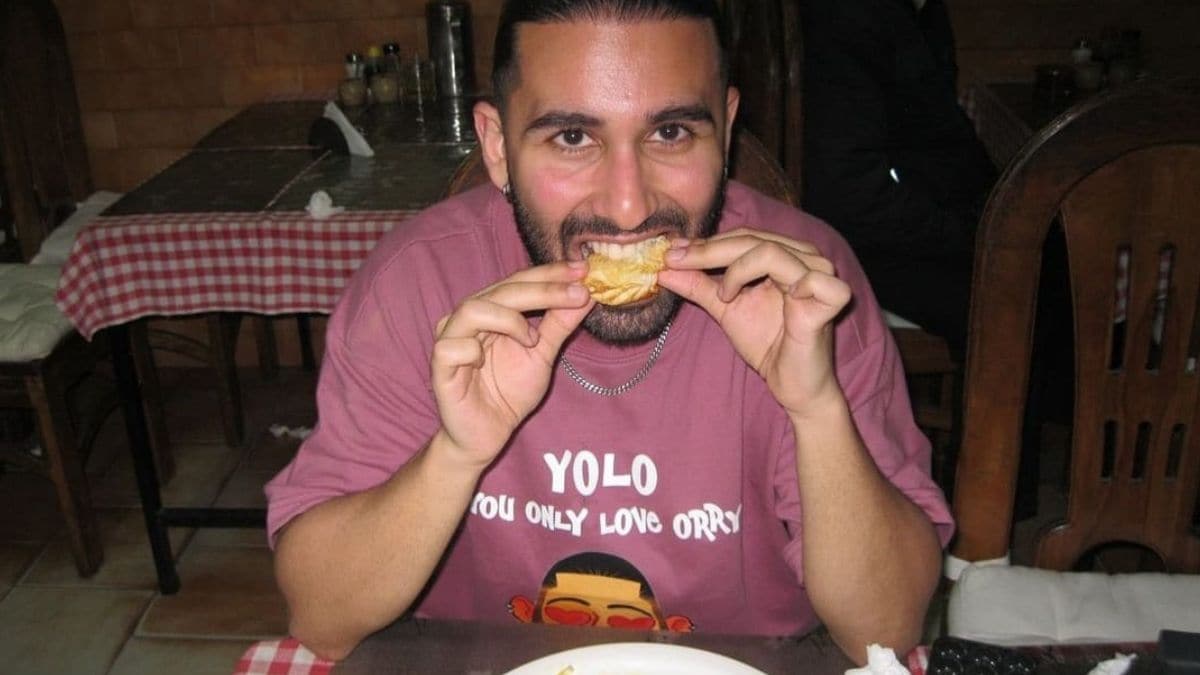
Orry is the ultimate internet cool kid – fashion, travel, and food, he’s got it all covered. If you’ve ever scrolled through his Instagram, you know it’s a wild ride of style, jet-setting, and seriously drool-worthy food pics. Over the years, he’s built a massive following, and it’s easy to see why – he’s totally unapologetic and a little quirky, especially when it comes to food. We got to chat with Orry about all things delicious, from his go-to comfort snacks to some pretty wild food adventures. Get ready to meet Orry, the foodie who’s not afraid to mix it up!
Q: Your Instagram is a mix of fashion, travel and amazing food. What’s the one dish that you always crave no matter where you are in the world?
A: One dish I always crave no matter…I actually crave many dishes. See, the thing is I don’t actually crave food ever. But if I do crave food, I crave blue Lay’s with dahi (yoghurt). But I could also crave a rajma chawal. But I don’t mean that to be relatable. Sometimes I just like a good rajma chawal but also I like pink pasta with mushrooms and baby corn and a Shin Ramyun noodle.
Q: We’ve seen you at some of the hottest restaurants around. What’s your go-to order when you’re dining out in Mumbai?
A: When I’m dining out in Mumbai, my first favourite go-to restaurant is Bastian. At Bastian, I love Mongolian noodles, and the Crab Thermidoe. They also have this funny bread that’s like a swirl and it tastes like a marshmallow but it’s a bread. Then I have the Kung Pao tofu and then truffle fries. All that with a diet Coke and you have to tell them to put no chilli in it because I have a really sensitive stomach. So if they put even one drop of chili I’ll explode. I grew up with a sensitive stomach. In boarding school, I used to have to eat dahi rice every day.
Q: If you could only eat one cuisine for the rest of your life, what would it be and why?
A: Eggs. I would eat eggs. If I was stranded on an island and I could choose only one cuisine, I know eggs is not a cuisine, but it would be eggs. Because I can make the egg, you can make the egg. There are so many different kinds of eggs you can make. I can have an omelette, you can have it scrambled, you can poach it even. Did you know I can poach an egg? In college, I was known for my viral poached eggs and no one believed me, but I used to make them. And I’m also known for my viral fluffy omelette.
Q: What’s the wildest food experience you’ve ever had while travelling? And did it live up to the hype?
A: I ate a chicken leg. The leg of a chicken. Oh, and it was delicious. It looked repulsive, everyone saw me eating the chicken leg, but it was divine.
Photo:Instagram/orry
Q: Is there a particular dish or ingredient that instantly reminds you of home?
A: Chaat masala. And if you have too much chaat masala, it’s going to smell like home in 30 minutes.
Q: So we’re obsessed with breakfast. Are you a coffee and toast kind of person? Or do you prefer something more elaborate to start your day with?
A: I like my coffee black. And I like it every morning and I like it before the gym. No milk, no sugar, the blacker the coffee, the best. In the morning I wake up, I go into the shower, and by the time I have the shower, my breakfast is ready. Every day it’s a half fry and a piece of toast and if I’m feeling experimental, a sausage. Also Read: “Pani PoORRY”: Foodies React To Orry Eating Pani Puri For The First Time
Q: We know you travel a lot. But is there a food spot or a street food vendor in India that you think everyone absolutely has to try?
A: I used to go to this cart outside my school in Kodaikanal and I used to go there like a naughty little boy and eat the chilli chicken off the cart and then get a bad stomach because it was spicy, but I loved it. Earlier this year, I fulfilled my childhood dream of going to Kodaikanal by train. So I took a train to Kodaikanal, and everyone was like Orry can’t take a train, he just took pictures but I took the train.
But the point is I went back to Kodaikanal and the cart was gone. It was gone. Can you imagine? I wanted to cry. I stood there looking at this dark spot in the corner where my cart was. And we didn’t even know the name. We used to call it the cart.
But I’m dying to eat at the Vada Pav Girl’s Vada Pav station. And Dolly Chaiwala and I have recently become friends.
Photo:Instagram/orry
Q: What’s your favourite indulgent snack when no one is watching?
A: When no one is watching I will go on Swiggy and I’ll go on Instamart and I will order every flavour of Kurkure and Lay’s and then I start chewing it and then I’ll eat it and I dip it in dahi (yoghurt) and I eat it again, like that is like my dip. And in the morning my staff will find all the wrappers and papers and stuff. Also Read:“Matka Shots”: Orry And Siddhant Chaturvedi Drink Shots From Kulhad
Q: Food and friends go hand in hand. So if you were throwing the ultimate dinner party, who are the three people you would want at your table and what would you serve?
No, no, no, no, my dinner parties have lots of people I can’t bring it down to three. It’s about 30 or then 300 people at my party, there is no in-between. As for what would I serve, you know what, I love hosting so I change it every time but I do very weird things. Once I hosted at my house – ‘dinner for the dead’. And in the ‘dinner for the dead’, all the food was themed as dead things. So we had little brains on the table like little plates and like chocolate skulls and everything was in the theme of death. Everything was dead or it was dying. But it was delicious. The food was yummy, it was just shaped in weird ways.
Q: So if you were a dish, what would it be and why?
Oh my gosh, if I were a dish, I’d be a lasagna because I have so many layers. And maybe there will be an entire spoonful of chaat masala on the bottom.