Heart disease remains a leading cause of death worldwide, claiming millions of lives each year. While many associate heart attacks with dramatic chest pains, it’s crucial to recognize the often subtle and overlooked signs that could signal a serious heart problem. These silent heart attacks can occur with minimal or no noticeable symptoms, leading individuals to underestimate the damage they’ve sustained to their hearts. The heart is the tireless engine that drives our bodies, pumping blood throughout our system, and delivering oxygen, nutrients, and vital substances to every cell. However, when its arteries become blocked or narrowed, it can lead to a heart attack.
Also Read:World Heart Day: Here’s A Food Guide To A Healthy Heart
Silent Heart Attacks:
Unlike traditional heart attacks, which are often accompanied by severe chest pain, silent heart attacks can occur with minimal or no noticeable symptoms. These silent episodes can go undetected, leaving individuals unaware of the damage they’ve sustained to their hearts. Dr Pankaj Doshi reveals the silent signs that we should look out for and also shares ways to maintain heart health.
4 Subtle Signs to Watch For Heart Problems:
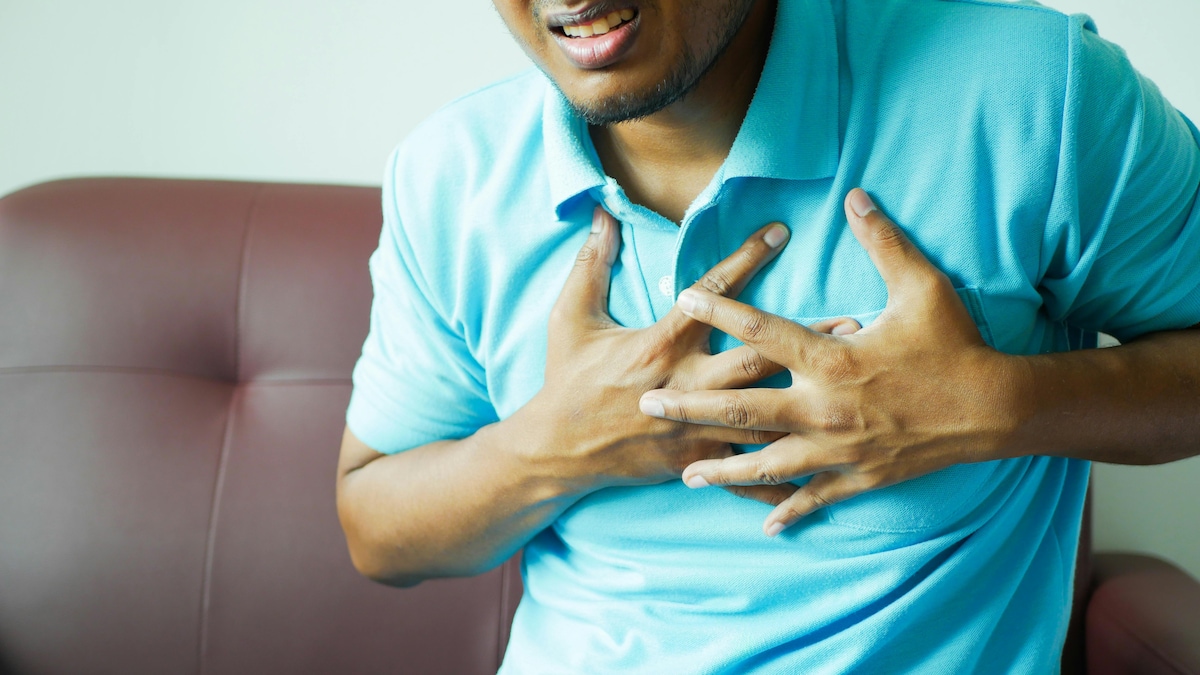
Chest Discomfort: While not always as intense as a classic heart attack, you might experience mild tightness, pressure, or discomfort in your chest.
Shortness of Breath: Difficulty breathing, even during mild exertion, can be a sign of a heart problem. This might be accompanied by feeling lightheaded or dizzy.
Nausea and Indigestion: Unexplained nausea or heartburn can sometimes be a symptom of a heart attack, especially if it occurs without a clear digestive cause.
Cold Sweats: Unexpected cold sweats, even without physical exertion, can be a warning sign. This is particularly important for individuals with diabetes.
Also Read: World Heart Day: Expert Tips To Live A Heart-Healthy Lifestyle
Risk Factors Of Heart Issues and Prevention Measures:
Heart attacks are often preventable through lifestyle changes and proactive healthcare. Common risk factors include:
Uncontrollable factors: Age, family history, race, and gender can increase the risk. Controllable factors: Poor diet, lack of exercise, smoking, excessive stress, diabetes, and high blood pressure.
To reduce your risk:
Healthy Diet: Focus on fruits, vegetables, whole grains, lean proteins, and healthy fats.
Regular Exercise: Aim for at least 30 minutes of moderate-intensity exercise most days of the week.
Quit Smoking: Smoking significantly increases your risk of heart disease.
Manage Stress: Practice stress-reduction techniques like meditation, yoga, or deep breathing.
Control Blood Pressure and Cholesterol: Regular checkups and medication can help manage these conditions.
If you experience any of these symptoms, especially if they persist or occur frequently, it’s essential to consult a healthcare professional. Early diagnosis and treatment can significantly improve outcomes and prevent further complications.
About Neha GroverLove for reading roused her writing instincts. Neha is guilty of having a deep-set fixation with anything caffeinated. When she is not pouring out her nest of thoughts onto the screen, you can see her reading while sipping on coffee.
Mike Locksley knows the look by heart. It’s the one on an athlete’s face that tells you something is wrong.
It’s the one, he says, where you can see a person’s soul.
The three-decade college football coach has seen it on his players, and he saw it on his child.
“I didn’t understand it until it affected me,” says Locksley, Maryland’s head football coach. “I had no idea what they were going through.”
On Sept. 3, 2017, while Locksley was working as an Alabama assistant coach in a season-opening game in Atlanta, his son, Meiko was shot and killed outside a townhouse in Columbia, Maryland. The case remains mostly unsolved.
In the years leading up to his death, Meiko, a 25-year-old former Division I football player, had been diagnosed with schizoaffective disorder. He struggled, his parents say, with distinguishing myth from reality. Locksley and his wife, Kia, believe Meiko’s decline in mental health may have been a factor in his murder.
“The tragedy of losing my son, it opened my eyes,” Locksley says. “My son is struggling with these same looks I’ve seen before, and I didn’t recognize them. It hurts me a little bit because now, thinking back to the first 20 years of my profession, I had no idea what mental health meant, what it was about. We joke openly about, ‘Oh somebody’s crazy.’ I think you don’t get the same empathy.”
Locksley spoke with USA TODAY Sports at the Project Play Summit last spring in Baltimore, where he participated on a panel about health equity in youth sports. He talked openly about his transformation from a self-labeled “old school” football coach to one who understands players’ psychological struggles.
“You don’t have to be a tough guy if you went through some depression or you’re going through anxiety,” he says.
One in every four to five adolescents and adults can meet the criteria for a mental health concern every year in the United States, Timothy Neal, director of the athletic training program at Concordia University Ann Arbor in Michigan, said in a presentation this past summer. He was speaking at a National Athletic Trainers’ Association (NATA) media briefing that addressed mental health challenges Olympic athletes face.
“Many athletic trainers at the Olympic level, the collegiate level, the secondary school level will tell you many of those worst moments for athletes are psychological in nature,” he said.
As we enter the grind of the fall sports season, you might see that look, too. Here is how parents and coaches can notice and understand signs of emotional distress in young athletes and, as Locksley says, “create a safe environment where mental health is real.”
Mental health issues are normal at all ages and levels. The stigma associated with them prevents us from treating them.
Neal has chaired writing groups of two of the NATA’s consensus statements on secondary school and collegiate athletes and psychological concerns.
As a licensed social worker who has had psychotherapy sessions with athletes, he has found the higher your athletic identity, the less likely you are to seek psychological help. Think of Locksley’s old tough-guy approach.
“As a football coach, to be talking about mental health and not being in a good space, that wasn’t a typical conversation in a football locker room,” he says.
When the 54-year-old coach was growing up in Southeast Washington, D.C., he said nobody talked about mental health.
“It was your aunt had a mental breakdown or your aunt is not feeling well,” he said as part of the panel at Project Play. “Well, what does that mean? So we embrace it. We make it easy to come in and talk about it. We teach blocking, tackling, running, catching, throwing. Well, how can we teach the mental development of these young players?”
The topic has always seemed to have a stigma attached to it in all sports. Simone Biles’ case of “the twisties” that forced her to re-examine her mental health brought it attention. The NATA briefing revealed there are other Olympians dealing with similar issues.
“Inside I’m jumping for joy, because this is such an important topic for us,” said Clayton Young, an American Olympic marathoner who competed in Paris this summer. “There’s so much focus on our performance, but our mental health is just as important.”
Emma Coburn, a three-time American Olympian in steeplechase and a bronze medal winner in 2016 in Rio, talked about breaking her ankle this past spring and the strain of being unable to compete in this year’s trials.
“Coming off of an injury last year where I had finally kind of built my body back up, and not having a chance to show that was really kind of the emotionally more challenging part than missing Paris, in a way,” she said.
Olympians have performance anxiety just like young athletes. Locksley spoke of it with his players, as did Juliet Barnes, head athletic trainer for the U.S. women’s soccer team that won gold in Paris. Barnes supports them by referring them to a mental health provider or to apps such as Calm or Headspace that can take them through meditation or breathing exercises.
Sometimes, the strategy is simply an athlete visualizing herself performing well or making a certain movement that was previously inhibited by an injury.
“My wife’s a yogi,” Locksley says. “Meditation, sound baths, she’s into all of that. I used to be like, ‘That’s not for football.’ But no, it’s even more because it’s more mental than physical.”
Know the triggers for mental health issues and your association with them
As parents and coaches, we need to try and understand what our athletes are going through, but also the place from where they arrive.
Locksley, who played basketball and football at Towson State (now Towson University), was the first member of his family to graduate from college.
“These kids that come from the neighborhoods that I come from, the pressure they have on them to be successful in the sport that I’m coaching creates a tremendous amount of mental anxiety, pressure,” Locksley says. “A lot of them already have enough on their plate where they’re (from) single-parent homes, they’re breadwinners in their family. They have this enormous luggage that they’ve never unpacked of trauma, tragedy, things that have taken place that, when they come to college, for some of them like me, it was the first time in a setting with people of a different race.
“I grew up in a predominantly Black educational system and the first time I went and sat in a classroom with a white person was in college and so that in itself created anxiety.”
Locksley took the reins as Maryland’s full-time head coach in 2019. He inherited a group of players who had lost teammate Jordan McNair, who died of heatstroke in 2018, a harrowing episode in which McNair collapsed on the field during a workout. It was about a year after Locksley’s son died.
“It was almost like two worlds colliding to heal together,” he said.
At the time, Maryland had one mental health professional who worked with 120 players on the team. Locksley approached team physician Yvette Rooks about adding more. There are now five full-time mental health professionals players can consult, and the officials attend practice.
On Thursdays, Locksley says he brings everyone from campus life who associates with his team — coaches, teachers, mental health professionals, nutritionists, athletic trainers — for what he calls a State of the Union of each player in the program.
“That way,” he says, “if a kid’s struggling academically, our player development people may say, ‘Hey, you know, his cousin got shot two days ago, and he’s been struggling with it.’ We have everybody communicating about each individual player to make sure that as the village that’s raising him, we’re all on the same page.”
After Meiko Locksley’s death, The New York Times reported that he had CTE, or chronic traumatic encephalopathy, brought on by head trauma.
But while Mike Locksley has said the diagnosis has made him think twice about the amount of contact his team has in practice, he has been careful to differentiate between CTE and mental health. Concussions are a trigger that could raise psychological concerns for young athletes, but there are many others.
If you’re a parent of a young athlete, you know that silent intensity that can surround a youth sports event. Kids are compressed to smaller courts or fields, magnifying the pressure. Often, it’s the quiet of the parent waiting to explode with joy or anger that creates the pressure.
Imagine how a kid feels who’s going through all of this, especially if other things are bothering him or her.
They may not be playing well (and you have told them about it), or are having a conflict with a coach or teammate. Your son or daughter could be getting bullied or hazed. Some other triggering events, according to the NATA, are getting cut from a team, grades and overall concern about school, parent expectations and burnout on a sport.
It may be bottled up inside.
COACH STEVE: 70% of kids drop out of youth sports by 13. Why?
Watch your kids’ behavior closely for signs of a mental health disturbance.
“All of a sudden the kid’s standoffish that’s usually happy-go-lucky,” Locksley says. “We do room checks where I send my player development staff to check the dorms to go see them in their place. And all of a sudden, a kid’s room is a mess. A good player, now all of a sudden, he’s struggling.
“We’re teachers. And I think as teachers, kids are gonna to fail, they’re gonna make mistakes, and we’ve got to teach the lesson of the mistake or the lesson of the failure to be able to help them the next time around.”
Coming Sunday, Part II: How his son’s death taught Maryland’s football coach to change his approach
Steve Borelli, aka Coach Steve, has been an editor and writer with USA TODAY since 1999. He spent 10 years coaching his two sons’ baseball and basketball teams. He and his wife, Colleen, are now sports parents for two high schoolers. His column is posted weekly. For his past columns, click here.
There’s a reason why experts all around the world emphasize having a well-balanced diet. It is not just for feeling good at the moment but for making sure that your body gets all the essential nutrients it needs to function properly. One such nutrient, which is often ignored, is biotin. This is one of the vitamin B’s which is essential for day-to-day bodily processes. As per the National Institutes of Health, the Daily Value (DV) of biotin is typically 30 micrograms per day. But how do you know if your body is getting sufficient amounts of biotin every day? If you have this, and other questions in mind, then you have landed on the right page! Read on to know if you have any kinds of biotin-deficiency symptoms and foods that can help you manage them.
Also Read:Hair Growth Drink: Drink Almond Banana Smoothie For Longer And Stronger Hair (Recipe Inside)
What Is Biotin?
For the unversed, biotin is one of the B vitamins involved in several day-to-day activities. Also known as vitamin H or B-7, it is a water-soluble vitamin that plays an important role in maintaining healthy hair, skin, and nails, which makes it quite popular among beauty-conscious people. Biotin deficiency can cause several day-to-day problems, not just external problems.
Photo Credit: iStock
Here Are 5 Signs Your Body Needs More Biotin
Nutritionist Simrun Chopra (@simrun.chopra) shared a video on Instagram pointing out five common symptoms highlighting biotin deficiency in your body.
1. Thinning Hair
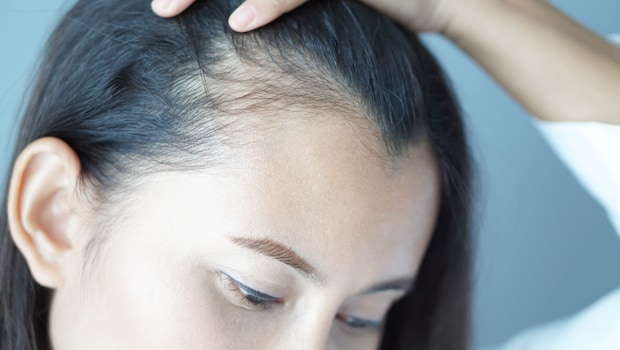
One of the most common signs of biotin deficiency in your body could be hair loss or thinning across the body. Since biotin plays an important role in maintaining the health of your hair follicles, you may lose hair strands and their natural shine.
2. Scaly Rashes On Body Parts
If you notice red, scaly patches of skin – especially around your eyes, nose, or mouth – it could be another sign of biotin deficiency. Biotin is essential for maintaining skin health and can lead to dryness and irritation in sensitive areas of your body.
3. Brittle Nails
Biotin deficiency can directly impact your nail health. This can make your nails weak and brittle, causing them to chip, crack and even peel easily. If you think your nails break off easily, then it could be a major sign that you are dealing with biotin deficiency.
4. Lethargy
Feeling constantly tired, even after a full night’s sleep? Then it could be due to biotin deficiency. Biotin helps convert your food into energy. Without it, your energy levels might remain low and you might feel lethargic all the time.
5. Numbness In Hands or Feet
As per the expert, biotin deficiency can cause numbness and tingling sensations in your body parts – especially hands or feet. This is because biotin also helps support several nervous system functions in your body. A deficiency of it can lead to numbness in your body parts.
Photo Credit: iStock
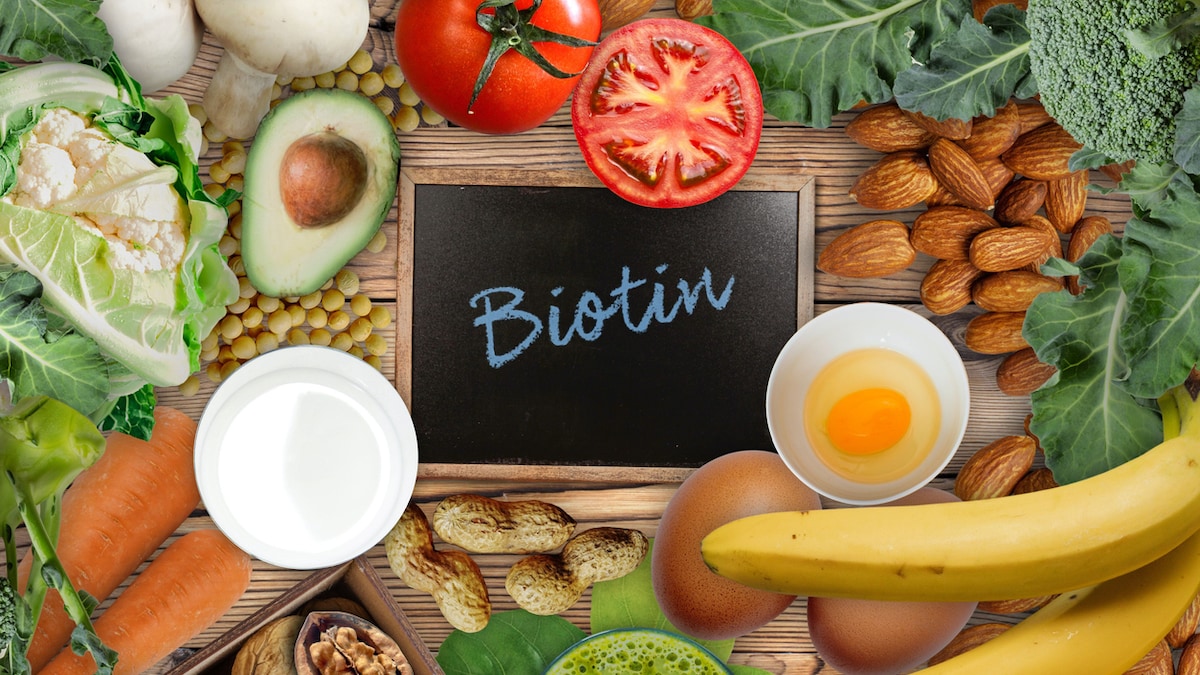
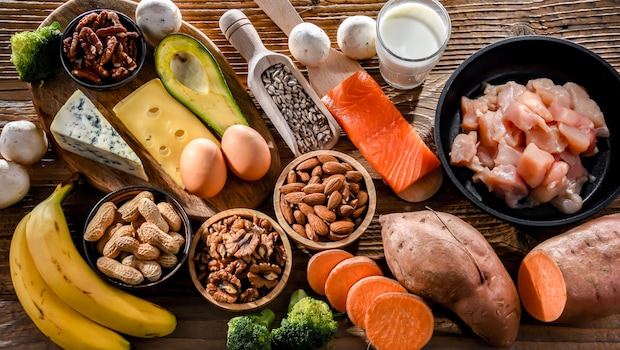
Foods To Boost Your Biotin Intake
Now that you know what are the signs of biotin deficiency in your body, let’s find out what’s the solution for it. As per the nutritionist, you should consume biotin-rich foods in your daily diet to boost your overall health.
1. Organ Meats
Organ meats like chicken liver can boost your biotin intake. If you eat 75 grams of it, you will get 138 micrograms of biotin.
2. Cooked Eggs
Cooked eggs with yolk are another great option if you want to boost your biotin intake. This could provide you with 10 micrograms of biotin every day.
3. Sweet Potatoes
Cooked sweet potatoes are delicious and also biotin-rich. If you eat one cup of cooked sweet potato, it will nourish you with 5 micrograms of biotin.
4. Soybeans
If you include ¾ cup of cooked soybeans in your daily diet, then it will provide you with nearly 5 micrograms of biotin.
5. Peanuts
Crunchy and tasty peanuts are more than just a snack. Just 30 grams of peanuts can provide you with 5 micrograms of biotin.
6. Button Mushrooms
Include at least 1 cup of chopped button mushroom in your daily diet. These tasty fungi can provide you with 5.6 micrograms of biotin and nourish your body.
Watch the full video below:
Also Read:Foods For Healthy Skin: Discover The 5 Best And Worst Foods For Your Skin
Last year, five people hoping to view the Titanic wreckage died when their submersible imploded in the Atlantic Ocean. This week, a Coast Guard panel that’s investigating the Titan disaster listened to four days of testimony that has raised serious questions about whether warning signs were ignored. The panel plans to listen to another five days of testimony next week.
Here’s what witnesses have been saying so far:
When testifying about a dive that took place several years before the fatal accident, lead engineer Tony Nissen said he felt pressured to get the Titan ready and he refused to pilot it.
“I’m not getting in it,” Nissen said he told Stockton Rush, the co-founder of OceanGate, the company that owned the Titan. Nissen said Rush was difficult to work for, made demands that often changed day-to-day, and was focused on costs and schedules. Nissen said he tried to keep his clashes with Rush hidden so others in the company wouldn’t be aware of the friction.
Scientific director Steven Ross said that on a dive just a few days before the Titan imploded, the vessel had a problem with its ballast, which keeps vessels stable. The issue caused passengers to “tumble about” and crash into the bulkhead, he said.
“One passenger was hanging upside down. The other two managed to wedge themselves into the bow,” Ross testified.
He said nobody was injured but it took an hour to get the vessel out of the water. He said he didn’t know if a safety assessment or hull inspection was carried out after the incident.
A paid passenger on a 2021 mission to the Titanic said the journey was aborted when the vessel started experiencing mechanical problems.
“We realized that all it could do was spin around in circles, making right turns,” said Fred Hagen. “At this juncture, we obviously weren’t going to be able to navigate to the Titanic.”
He said the Titan resurfaced and the mission was scrapped. Hagen said he was aware of the risks involved in the dive.
“Anyone that wanted to go was either delusional if they didn’t think that it was dangerous, or they were embracing the risk,” he said.
Operations director David Lochridge said the tragedy could possibly have been prevented if a federal agency had investigated the concerns he raised with them on multiple occasions.
Lochridge said that eight months after he filed a complaint with the Occupational Safety and Health Administration, a caseworker told him the agency had not begun investigating and there were still 11 cases ahead of his. By that time, OceanGate was suing Lochridge and he had filed a countersuit. A couple of months later, Lochridge said, he decided to walk away from the company. He said the case was closed and both lawsuits were dropped.
“The whole idea behind the company was to make money,” Lochridge testified. “There was very little in the way of science.”
Renata Rojas, a member of the Explorers Club which lost two paid passengers in the fatal dive, struck a different tone with her testimony. She said she felt OceanGate was transparent in the run-up to the dive and she never felt the operation was unsafe.
“Some of those people are very hardworking individuals that were just trying to make dreams come true,” she said.
SACRAMENTO, Calif. — California Gov. Gavin Newsom signed three bills Tuesday to crack down on the use of artificial intelligence to create false images or videos in political ads ahead of the 2024 election.
A new law, set to take effect immediately, makes it illegal to create and publish deepfakes related to elections 120 days before Election Day and 60 days thereafter. It also allows courts to stop distribution of the materials and impose civil penalties.
“Safeguarding the integrity of elections is essential to democracy, and it’s critical that we ensure AI is not deployed to undermine the public’s trust through disinformation -– especially in today’s fraught political climate,” Newsom said in a statement. “These measures will help to combat the harmful use of deepfakes in political ads and other content, one of several areas in which the state is being proactive to foster transparent and trustworthy AI.”
Large social media platforms are also required to remove the deceptive material under a first-in-the-nation law set to be enacted next year. Newsom also signed a bill requiring political campaigns to publicly disclose if they are running ads with materials altered by AI.
The governor signed the bills at an event hosted by Salesforce, a major software company, in San Francisco.
The new laws reaffirms California’s position as a leader in regulating AI in the U.S., especially in combating election deepfakes. The state was the first in the U.S. to ban manipulated videos and pictures related to elections in 2019. Measures in technology and AI proposed by California lawmakers have been used as blueprints for legislators across the country, industry experts said.
With AI supercharging the threat of election disinformation worldwide, lawmakers across the country have raced to address the issue over concerns the manipulated materials could erode the public’s trust in what they see and hear.
“With fewer than 50 days until the general election, there is an urgent need to protect against misleading, digitally-altered content that can interfere with the election,” Assemblymember Gail Pellerin, author of the law banning election deepfakes, said in a statement. “California is taking a stand against the manipulative use of deepfake technology to deceive voters.”
Newsom’s decision followed his vow in July to crack down on election deepfakes in response to a video posted by X-owner Elon Musk featuring altered images of Vice President and Democratic presidential nominee Kamala Harris.
Newsom has touted California as an early adopter as well as regulator, saying the state could soon deploy generative AI tools to address highway congestion and provide tax guidance, even as his administration considers new rules against AI discrimination in hiring practices.
He also signed two other bills Tuesday to protect Hollywood performers from unauthorized AI use against their consent.
SACRAMENTO, Calif. — California Gov. Gavin Newsom signed off Tuesday on legislation aiming at protecting Hollywood actors and performers against unauthorized artificial intelligence that could be used to create digital clones of themselves without their consent.
The new laws come as California legislators ramped up efforts this year to regulate the marquee industry that is increasingly affecting the daily lives of Americans but has had little to no oversight in the United States.
The laws also reflect the priorities of the Democratic governor who’s walking a tightrope between protecting the public and workers against potential AI risks and nurturing the rapidly evolving homegrown industry.
“We continue to wade through uncharted territory when it comes to how AI and digital media is transforming the entertainment industry, but our North Star has always been to protect workers,” Newsom said in a statement. “This legislation ensures the industry can continue thriving while strengthening protections for workers and how their likeness can or cannot be used.”
Inspired by the Hollywood actors’ strike last year over low wages and concerns that studios would use AI technology to replace workers, a new California law will allow performers to back out of existing contracts if vague language might allow studios to freely use AI to digitally clone their voices and likeness. The law is set to take effect in 2025 and has the support of the California Labor Federation and the Screen Actors Guild-American Federation of Television and Radio Artists, or SAG-AFTRA.
Another law signed by Newsom, also supported by SAG-AFTRA, prevents dead performers from being digitally cloned for commercial purposes without the permission of their estates. Supporters said the law is crucial to curb the practice, citing the case of a media company that produced a fake, AI-generated hourlong comedy special to recreate the late comedian George Carlin’s style and material without his estate’s consent.
“It is a momentous day for SAG-AFTRA members and everyone else because the AI protections we fought so hard for last year are now expanded upon by California law thanks to the legislature and Governor Gavin Newsom,” SAG-AFTRA President Fran Drescher said in a statement. “They say as California goes, so goes the nation!”
California is among the first states in the nation to establish performer protection against AI. Tennessee, long known as the birthplace of country music and the launchpad for musical legends, led the country by enacting a similar law to protect musicians and artists in March.
Supporters of the new laws said they will help encourage responsible AI use without stifling innovation. Opponents, including the California Chamber of Commerce, said the new laws are likely unenforceable and could lead to lengthy legal battles in the future.
The two new laws are among a slew of measures passed by lawmakers this year in an attempt to reign in the AI industry. Newsom signaled in July that he will sign a proposal to crack down on election deepfakes but has not weighed in other legislation, including one that would establish first-in-the-nation safety measures for large AI models.
The governor has until Sept. 30 to sign the proposals, veto them or let them become law without his signature.
If you are looking forward to a new week filled with luck, good health, and joyful moments, continue reading to explore the horoscope for each zodiac sign from September 16 to September 22 to discover what the universe has up its sleeves for us this week.
Weekly Aries Horoscope: September 16 to September 22, 2024
iDiva
Your present situation represents the test of your power and endurance. Finances will improve. New ventures and projects are quite likely. There is the possibility that you would receive a suitable job opportunity too. Your creativity will win you appreciation and rewards. Your energy and wisdom will bring good luck or good news. This is a very favorable week for people looking for a career change. A better understanding with your spouse brings happiness, peace, and prosperity at home. Proper exercise and diet will be important to maintain regular good health.
Weekly Taurus Horoscope: September 16 to September 22, 2024
idiva
This week you will find pleasure in unusual yet simple ways. Work and business prospects are likely to improve this week. Your sense of responsibility and ability to accept challenges will put you in a leading position. Look into a project that will help you earn some extra money. Your colleagues and co-workers are not likely to extend much support. Clear thinking with a bit of diplomacy will ensure that you emerge a clear winner. New friendships are likely to convert into meaningful and long-lasting relationships. Utmost care is advised on your health.
Weekly Gemini Horoscope: September 16 to September 22, 2024
iDiva
This week starts with a thrust forward for those of you in the creative profession. An increase in responsibility will improve your monetary benefits. Re-evaluate your job situation or business activities and find means to strengthen your position. Secrets and important information should not be disclosed. Journeys will bring in happiness but prove very expensive for your pocket. The married will find their mate in a happy and cheerful mood during this week. It will be necessary that you take special care of your health and take extra rest this week.
Weekly Cancer Horoscope: September 16 to September 22, 2024
iDiva
This week you’ll find it easy to achieve your goals and live up to others’ expectations. Your pioneering efforts are bound to yield favorable results. You will also receive valuable advice about a career from a mature person. Income from new sources is likely to come in the middle of the week. New alliances and contacts will develop through social activities. Overseas travel or benefits from foreign land for some. You nurture romantic friendships by amicably resolving all conflicts. Your health could be better if you take your medicine on time.
Weekly Leo Horoscope: September 16 to September 22, 2024
iDiva
This week you should get ready for a big surprise. A fresh approach would certainly improve your efficiency as well as profits. You will spend money on buying some unique gifts. New partnerships and contacts will prove to be beneficial. An old friend will pay a surprise visit. You hold the center stage at home and you motivate youngsters and impress seniors. Love life will be full of favorable opportunities for a relationship or friendship with someone you are attracted to. Health issues will come under control with a new diet and exercise.
Weekly Virgo Horoscope: September 16 to September 22, 2024
iDiva
This week your analytical skills will help you get everything done on time and eventually success will be yours. You will receive immense recognition and appreciation for your efforts. On the financial front, you have to take maximum care. Control your wasteful expenditure. Arguments and confrontations should be strictly avoided. Don’t disclose your important secret to your friends. Your social honor will be on the high side. Your wife will give her maximum cooperation to you in your efforts. Take care of your health and do not neglect even a minor ailment.
Weekly Libra Horoscope: September 16 to September 22, 2024
iDiva
You have to make strenuous efforts to bring personal and professional matters to a satisfactory point. Inflow of income from various sources during this week is indicated. This week is a good time for job hunters. Utilize every opportunity that comes your way. Foreign-related matters would take shape. You will also read new books, browse the Internet, and discuss with people on these new topics. You will enjoy various kinds of happiness. It might be possible to date with your new partner at the end of this week. Health might disturb you this week so take care of your health.
Weekly Scorpio Horoscope: September 16 to September 22, 2024
iDiva
This week thinking positively would lead you to success. Your luck is better and your financial status will give your gain this week. Your decisions would be widely accepted by people around you. Your dreams might come true this week. Interacting with eminent people would bring you good ideas and plans. Businessmen will explore new and more profitable avenues. There may be some difference of opinion with your Love/spouse. Handle situations with care and caution. Your health will give you a positive indication this week.
Weekly Sagittarius Horoscope: September 16 to September 22, 2024
iDiva
Several good professional opportunities are likely to come your way. You may derive the maximum benefit from the available opportunities. Financial gains are likely, especially for those in the creative line. Start planning for a rare opportunity that will soon be in their hands. Good prospects for new entrepreneurs. Home improvement projects that you undertake would run smoothly. Letting the softer side of your personality show lets someone come closer to your heart. Health needs proper care and you should avoid sweets and junk food.
Weekly Capricorn Horoscope: September 16 to September 22, 2024
iDiva
The sudden influence of someone very powerful and influential would bring a new direction to your career. Recognition of your hard work in the recent past and an elevation in your social status would add to your sense of achievement. Excitement over new projects and financial gains will energy you. Students will do well in their educational accomplishments. Go out with close friends who understand your situation and your needs. Romantic matters and affairs of the heart will be exciting. Minor health ailments due to untimely food habits can cause some worry.
Weekly Aquarius Horoscope: September 16 to September 22, 2024
iDiva
Your home and personal life could be a source of encouragement and strength, provided you are willing to listen to the wise counsel. The employed will get the opportunity to elevate their professional career further. Great opportunities could knock at your door and this could be an important turning point. Your personal friends and family members will extend excellent cooperation to you. You are a true romantic with an equal share of passion thrown into an intimate relationship. Proper exercise and diet will be important to maintain regular good health.
Weekly Pisces Horoscope: September 16 to September 22, 2024
iDiva
New projects will be alluring and hard hour will ensure outstanding gains in the long run. You’ll attract more respect and honor from people young as well as old. Bold steps and decisions would put you in a better position in your organization. It is difficult for you to keep up your promise or your word. Friends are most helpful this week when they provide inside career tracks. Your Love/Relationship could be better if you devote your much time to your partners. Your health will be fine and you will feel energetic throughout this week.
Askganesha.com provides detailed horoscopes and insightful predictions for all zodiac signs, helping you understand the current energies and influences at play. With this knowledge, you can make more informed decisions and navigate any challenges with ease. For personalised consultations and astrological guidance, reach out to the experienced astrologers at Askganesha.
Lead image credit: iDiva
Read iDiva for the latest in Bollywood, fashion looks, beauty and lifestyle news.
Vitamin B12, also known as cobalamin, is a water-soluble vitamin that is essential for the proper functioning of our bodies. Deficiency of it can cause physical, psychological and mental symptoms that can affect your day-to-day life. Despite its importance, many people are unaware of just how easy it is to become deficient in this vitamin, especially if your diet lacks animal products. With time, this deficiency can sneak up on you, bringing with it a range of symptoms that can be confusing to identify. So, how do you know if you are running low on this nutrient? If you have this question on your mind, then read on to know 5 signs your body is low on vitamin B12. Also Read: Deficiency In B Vitamins Linked To Mental Illnesses In Adolescents: Preliminary Study
Photo Credit: Pexels
Why Is Vitamin B12 Important?
Vitamin B12 is an important nutrient that helps your body in several ways. It helps make your DNA and red blood cells. Moreover, it is also needed to develop your central nervous system – which comprises of your brain and spinal cord. Plus, it is important to keep your hair, nails and skin healthy. The trick part about this nutrient is that our body does not produce this naturally, so we need to have the right foods to meet our nutritional requirements.
Here Are 5 Signs You Vitamin B12 Deficiency In Your Body
1. Feeling Tired All The Time
One of the most common signs of vitamin B12 deficiency is that you will constantly feel tired. This happens because your body does not produce enough red blood cells to carry oxygen to your organs, which leads to constant tiredness. You may feel like you are fatigued throughout the day even though you have had a full night’s sleep. If you are experiencing this, then it might be a sign that you are low on vitamin B12.
2. Tingling Sensation In Hands And Feet
When your body is short of vitamin B12, you might feel a burning or a pin-and-needles sensation in your hands and feet. This is because this nutrient deficiency can damage the protective sheath that covers your nerves. As per a 2019 paper published in the Journal of Diabetes, diabetics who take metformin are at a higher risk of experiencing this tingling sensation.
3. Pale Skin
Another sign of B12 deficiency is pale and slightly yellow skin, which might appear as if you have jaundice. When you are low on B12, your body struggles to produce healthy red blood cells which leads to anaemia and makes your skin look pale, as per an article published in the National Library of Medicine. The result? Your skin loses its pinkish-red colour.
4. Depression and Mood Swings
If you have been feeling down or unusually irritated, it could mean more than just a bad day. When you are low on vitamin B12, it can increase the sulfur-containing amino acids in your body, which in turn contributes to the development of depression. So, if your mood has been all over the place, it might be due to vitamin B12 deficiency in your body.
5. Brain Fogging
Struggling to remember minute details from everyday life? Then it might be due to vitamin B12 deficiency. Since vitamin B12 directly impacts your brain and central nervous system, its deficiency may make you feel light-headed and foggy in the brain. If you have been consistently having memory issues, it could be a sign that your body is not getting enough B12 to function normally.
How To Tackle Vitamin B12 Deficiency Naturally?
As mentioned previously, our bodies don’t produce vitamin B12 nutrients, so it is important to have foods and drinks to meet our daily requirements. Here are some easy tips to handle this deficiency naturally:
1. Eat More Vitamin B12 Rich Foods
The easiest way to incorporate vitamin B12 nutrients into your diet is by eating foods rich in this. Add animal-based foods like eggs, fish, and dairy products to your everyday meals. If you are a vegetarian, include options like paneer, yoghurt, fortified foods, mushrooms, etc. to meet your B12 needs.
2. Add Nutritional Yeast To Your Diet
Nutritional yeast is a popular vitamin B12 source if you are a vegan. Its versatility and cheesy flavour make it a versatile addition to soups, salads and even pasta.
3. Take A B12 Supplement
If you are struggling to get enough B12 through food, supplements could be practical. However, consult your doctor first before you take them.
4. Focus On Gut Health
Good gut health is important for absorbing vitamin B12 efficiently. Add probiotic foods like curd in your diet to have a healthy and happy digestive system.
Also Read: 5 Home Remedies To Prevent Vitamin C Deficiency (Recipes Inside)
5. Choose Fortified Foods
Many food products like plant-based milks, cereals, etc. are fortified with vitamin B12. These foods are especially beneficial for vegetarians and vegans and could help meet your dietary requirements.
Disclaimer: This content including advice provides generic information only. It is in no way a substitute for qualified medical opinion. Always consult a specialist or your doctor for more information. NDTV does not claim responsibility for this information.
Most of us get extra cautious when it comes to skincare and haircare. Whether it’s buying the latest hair or skin products or trying remedies by watching videos on social media, we are always looking for better solutions. After all, who doesn’t want their skin to have a natural glow and their hair to look like it just got a blowout? While serums and oils can surely help, you won’t see the desired results if you lack collagen in your body. Collagen is a protein that provides structure and strength to the skin, hair, connective tissues, and organs. If your diet lacks collagen, you may not be able to achieve the skin and hair of your dreams. But how should one figure out if they need a collagen boost? Recently, nutritionist Simrun Chopra took to her Instagram handle to share three such telltale signs. Take a look. Also Read: Boost Your Skin Collagen Naturally! Try This 2-Ingredient Drink
Photo Credit: iStock
Here Are 5 Signs You Need More Collagen For Hair And Skin, According To The Nutritionist:
1. Wrinkles And Saggy Skin
Getting wrinkles and saggy skin are natural parts of ageing. However, if you start noticing them while you’re still in your 30s or 40s, this could be a sign of collagen deficiency. Wrinkles and saggy skin occur when our skin loses elasticity, which happens when there is a lack of collagen in our body.
2. Hollows Around The Eyes
A diet lacking in collagen-rich foods can also result in the appearance of hollows around your eyes. As we all know, collagen gives strength and flexibility to our skin. Therefore, if you don’t have enough collagen, the skin around your eyes becomes thinner and more translucent.
3. Muscle And Joint Pain
Have you been experiencing unexplained muscle and joint pain lately? Well, this could be an indicator of collagen deficiency. Low collagen levels can lead to bone or cartilage loss and even conditions like osteoarthritis.
4. Delayed Wound Healing
Delayed wound healing is another sign of a lack of collagen in your body. Collagen plays a vital role in healing as it encourages new collagen formation in the wound bed. So, if you’re wondering why your wound is not healing, this could be the reason.
5. Digestive Issues
A diet lacking in collagen could also impact your digestive health. This is because collagen helps with several aspects of digestion such as regulating stomach acid, repairing intestinal walls, and reducing gut inflammation. Also Read:If You Are In Your Mid 20s, Start Drinking This Anti-Ageing Collagen Booster
Watch the complete video below:
What Foods Promote Collagen Production?
Now that you know the warning signs of collagen deficiency, you must be wondering how you can boost collagen production. Luckily, there are several foods that can help you achieve this. Amla (Indian gooseberry), fish, chicken, and milk are great options to incorporate into your diet. Additionally, you should also consume lots of vegetables such as broccoli, spinach, bell peppers, potatoes, and carrots. All of these are powerhouses of essential nutrients and aid in some way or another in the production of collagen. Click here for the list of collagen-rich foods.
Collagen is essential for the nourishment of our skin and hair. Make sure to incorporate it into your diet to keep both looking healthy.
It is difficult, sometimes impossible, to resist desserts. In a world where sugary treats and beverages are readily available, many people may not realize the toll excessive sugar consumption takes on their health. And most of them don’t even know if they are eating way too much sugar. Do you think you could be one of them? Nutritionist Neha Sahaya has recently highlighted crucial warning signs that indicate you might be consuming too much sugar. Understanding these signs is key to taking proactive steps towards a healthier lifestyle. Find out the eight red flags that suggest your sugar intake may be too high, and healthier alternatives to consider.
Also Read: Sugar Not Sweet For Skin: 5 Side-Effects Of Sugar You Should Know
Here Are 8 Signs You Are Eating Too Much Sugar:
1. Fluctuating Energy Levels
One of the most immediate and noticeable signs of excessive sugar consumption is erratic energy levels. You might experience a rapid energy boost after indulging in sugary foods, followed by a sudden crash. This cycle of highs and lows is a result of sugar’s impact on blood glucose levels. The quick rise in blood sugar leads to a burst of energy, but as insulin works to lower the glucose, you might feel drained and fatigued soon after. To stabilize your energy levels, opt for complex carbohydrates and fibre-rich foods that provide a steady release of energy.
2. Swollen Face
If you’ve noticed that your face appears puffier than usual, it could be a sign of too much sugar in your diet. Excessive sugar intake can cause water retention, leading to facial swelling. This puffiness is often a result of the body’s attempt to manage the excess sodium and sugar. Reducing your sugar intake and staying hydrated can help alleviate this issue. Incorporate diuretic foods like cucumber and celery into your diet to help reduce water retention.
3. Mood Swings
Sugar doesn’t just affect your physical health-it can impact your emotional well-being too. Rapid fluctuations in blood sugar levels can lead to mood swings, irritability, and anxiety. When blood sugar spikes, it can make you feel energetic or euphoric, but as it crashes, it can lead to feelings of depression or irritability. Managing your sugar intake can help maintain stable blood sugar levels and improve mood stability. Including protein and healthy fats in your meals can also help buffer the effects of sugar on mood.
4. Constant Bloating
If you find yourself dealing with persistent bloating, especially in the morning, it might be related to your sugar consumption. Excessive sugar can disrupt your digestive system and lead to bloating and discomfort. Sugars, particularly those found in processed foods, can ferment in the gut, causing gas and bloating. To combat this, focus on eating whole foods and reducing your intake of processed sugar. Incorporate probiotic-rich foods like yoghurt and fermented vegetables to support digestive health.
Also Read: Is Sugar Really Bad For Your Health? Here’re 5 Facts You Need To Keep In Mind
5. Trouble Sleeping
Struggling with sleep can be another sign of high sugar consumption. Consuming sugary foods, especially close to bedtime, can interfere with your sleep quality. Sugar can lead to restless nights and difficulty falling asleep by causing fluctuations in blood sugar levels. To promote better sleep, limit sugar intake in the evening and choose foods that are known to support restful sleep, such as cherries, which contain melatonin, and herbal teas like chamomile.
6. Persistent Sugar Cravings
An insatiable craving for sugary foods, particularly after meals, is a clear indicator of sugar dependency. When you consume high amounts of sugar, your body can develop a cycle of cravings and dependence. These cravings can be difficult to break, as sugar stimulates the brain’s reward system, making you want more. To curb these cravings, gradually reduce your sugar intake and replace sugary snacks with healthier alternatives like fruits and nuts. Mindful eating practices can also help you gain better control over your cravings.
7. Skin Problems
Excessive sugar consumption can manifest in your skin as well. Common issues include acne, premature wrinkles, and constant rashes. Sugar promotes inflammation and can exacerbate skin conditions by increasing oil production and reducing skin elasticity. To improve skin health, cut back on sugary foods and focus on a diet rich in antioxidants and healthy fats. Incorporate foods like berries, avocados, and leafy greens that support skin health and reduce inflammation.
8. Weight Gain
One of the most concerning effects of high sugar intake is weight gain. Excess sugar is converted into fat by the body, contributing to increased body weight and obesity. Consuming sugary beverages and snacks adds empty calories that don’t provide nutritional value. To manage weight, reduce your intake of sugary foods and replace them with healthier options. Incorporate whole foods like fruits, vegetables, and whole grains, and opt for natural sweeteners.
Healthier Sugar Substitutes
If you’re looking to reduce your sugar intake, the nutritionist suggested incorporating healthier substitutes into your diet. Dates, fruits, and raisins offer natural sweetness with added nutritional benefits. Monk fruit sweetener is another excellent alternative, providing sweetness without the calories and blood sugar spikes associated with refined sugar.
So, do you think you are eating excessive sugar? It’s time to stop!