Looking for a restaurant that has great food and even a better bar? Try the newly-opened CAYA. Since its launch in November 2023, CAYA has swiftly positioned itself as one of South Delhi’s premier hotspots for both great dining and lively entertainment. Situated in the bustling lanes of South Extension 2, this unique venue offers much more than just a meal – it is a full-sensory experience that effortlessly blends global cuisine with an exciting array of events.
Upon entering CAYA, I was immediately struck by the spacious, thoughtfully designed interiors. The venue spans two levels: the upper level features a sleek bar area for those seeking a more relaxed vibe, while the lower level is closer to the stage and offers a front-row view for performances, The seating options are varied, from conventional table and chair setups to intimate lounge areas, ensuring there is something for everyone. The decor is a tasteful fusion of contemporary and traditional elements, creating a stylish and welcoming atmosphere.
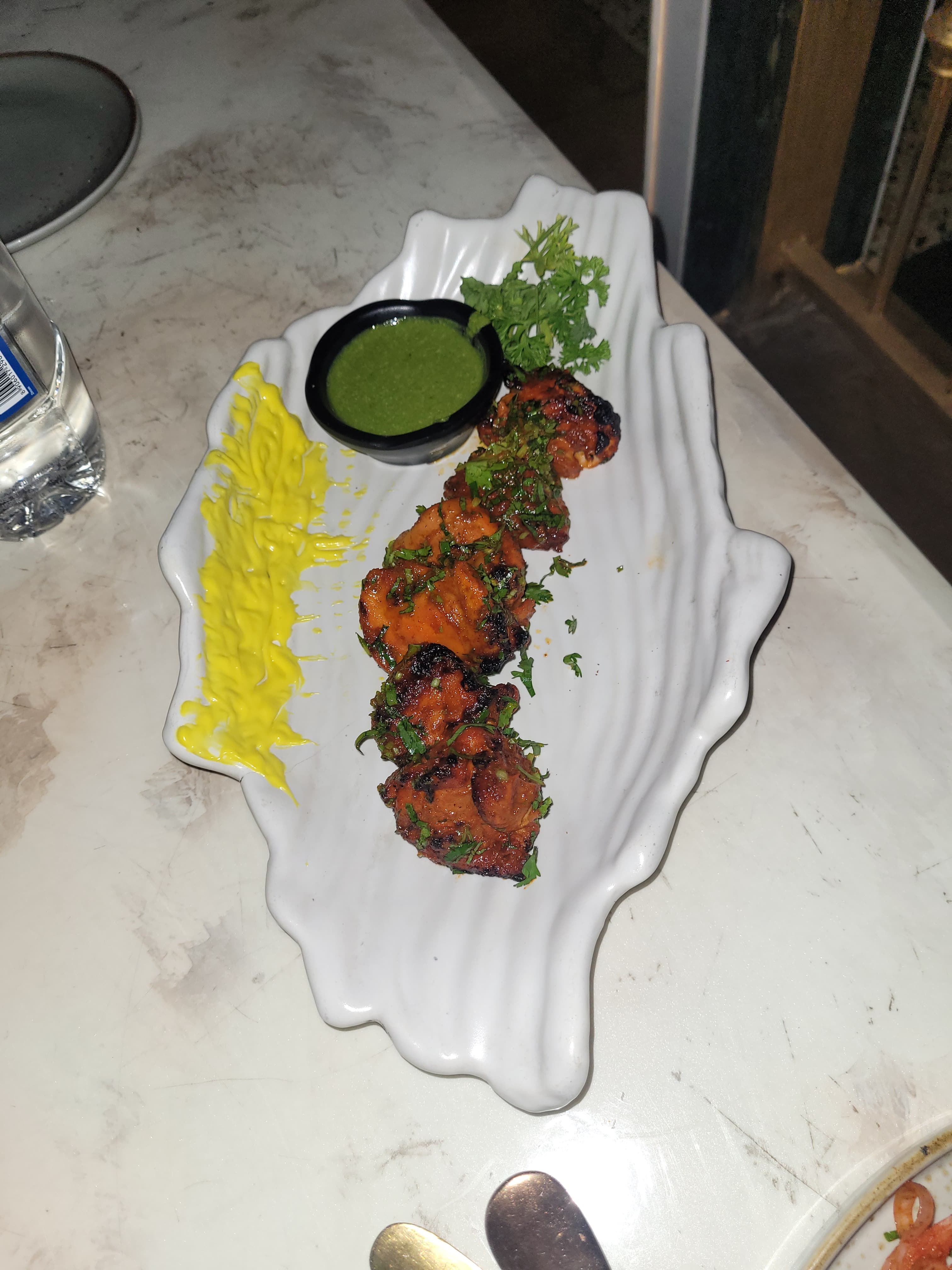
Coming to the food, their menu is a mix of Continental, European, Asian, Modern Indian, and Mediterranean flavours. I loved almost everything on the menu. My favourite was Red Rooster – peri peri chicken pizza – and it was perfect. I am done with almost the same pizzas everywhere – this was something unique, with a soft base and full of flavourful toppings and lots of cherry tomatoes. Both Tangra Chilli Chicken and Amritsari Paneer Tikka whet the tikka craving of vegetarians and non-vegetarians. The tikkas were succulent, smoky and oh-so tasty.
No dining experience at CAYA would be complete without exploring their cocktail menu. They have a large bar with a variety of spirits and some really tempting cocktails. If you like gin, don’t miss their ‘Kaya Hill’ cocktail concocted with Bombay Sapphire. And if you are a vodka person, my recommendation is ‘Coco Berry’ – a delightful drink flavoured with passion fruit, vanilla and fresh berries.
What truly sets CAYA apart is its seamless integration of food and entertainment. The venue regularly hosts stand-up comedy nights, soothing Sufi performances, and high-energy DJ sessions, ensuring there is never a dull moment.
You can safely call CAYA a cultural hub that has redefined the modern dining and entertainment scene in Delhi. With its diverse menu, impeccable service, and dynamic events, it’s the perfect place to indulge in a gourmet meal, unwind with friends, or revel in the city’s electrifying nightlife.
What: CAYA Where: South Extension 2, New Delhi Cost: INR 2,500 for two people (approx.)
(Disclaimer: Except for the headline, this story has not been edited by NDTV staff and is published from a syndicated feed.)
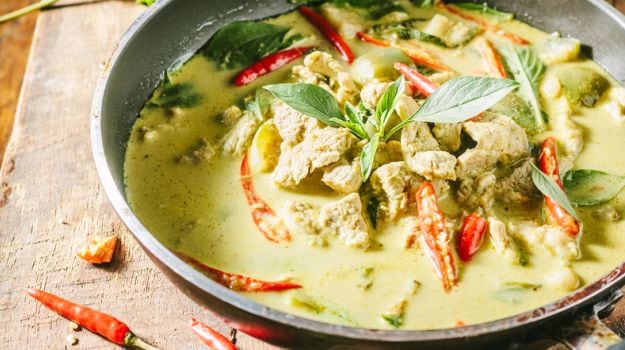
South Indian food never lets us down, right? From the light and fluffy upma for breakfast to the delicious, comforting curries for lunch and dinner, South Indian cuisine has something for everyone. The region offers a range of veg and non-veg dishes, each with its own unique twist. When it comes to non-vegetarian curries, every part of South India has its own version of chicken curry-like Andhra-style, Chettinad, and so many more. The list of options is endless! Today, we’re adding one more to your list: a mouthwatering, healthy South Indian Coconut Chicken Curry recipe. So, if you want to bring those authentic South Indian flavours into your kitchen, this one’s for you! But before you get cooking, here are some essential tips you need to know to make it just right. Let’s dive in!
1. Marinate Chicken Properly
For any chicken curry to shine, marinating the chicken is key. Without it, the curry just won’t hit the same. For the South Indian Coconut Chicken Curry, start by placing the chicken in a bowl and washing it thoroughly. Then, marinate it with curd, ginger-garlic paste, turmeric, and salt for at least 30 minutes. You can adjust the time based on your schedule, but make sure you don’t skip this step! A solid 30-minute marinate is what makes the chicken tender and juicy.
2. Use Curry Leaves and Mustard Seeds
This South Indian curry gets its iconic flavour from mustard seeds and curry leaves. To get the best flavour, cook them in coconut oil. The temperature of the oil matters, so be sure to heat it right. Add the mustard seeds and wait for them to crackle. Once they do, throw in the curry leaves and roast them for a few seconds to let that awesome aroma fill the oil.
3. Add Tamarind In The Right Quantity
The flavour of the curry really depends on how you balance the ingredients. And tamarind pulp? It’s a tricky one. Too much, and your curry will be too sour, so you have to get the balance just right. For 1 kg of chicken, use 2 teaspoons of tamarind pulp. If you’re cooking with half a kg of chicken, one tablespoon is perfect.
4. Cook It On Low Flame
Low and slow is the way to go when cooking this curry. Simmering on a low flame allows the spices to blend together beautifully, which enhances the flavour of the gravy. Plus, it keeps the spices from burning. Cooking on a low flame also makes the chicken super tender. If you cook it on high heat, the meat might turn tough and dry. Let the chicken cook in its own juices for the best taste!
5. Right Time To Add Coconut Milk
Coconut milk is what makes this curry creamy and dreamy. Homemade coconut milk is your best bet for the richest flavour, but if you’re using packaged coconut milk, make sure it’s free of artificial flavours or preservatives. Always add coconut milk to the curry on low heat, and cook it gently. This keeps the milk from curdling and ensures your curry stays smooth and velvety.
Click here for the full recipe of South Indian Coconut Curry. Keep these tips in mind next time you make this chicken curry, and you’ll be all set to impress!
A man from Peddar Road in Mumbai has been quietly keeping many runners hydrated with homemade nimbu paani for over a decade now. His efforts were recently lauded on social media when Tata Mumbai Marathon shared a video about him. The reel has since gone viral and received a lot of attention online. At the beginning of the video is a clip by another vlogger, Piyush Gadda, who introduces us to a “mystery man” helping other runners in South Mumbai. He explains that this person keeps free nimbu paani for all runners at a spot on Peddar Road. Piyush doesn’t know who this man is and asks people to share his name in the comments in case they do. He mentions that the drink is very refreshing and that it seems to eliminate one’s fatigue.
The organizers of the Tata Mumbai Marathon managed to track down this person, who is now being hailed “Peddar Road Ka Nimbu Pani Hero.” His name is Rajesh Shah. In the video, he himself shares the story of how he began this simple yet much-appreciated initiative for fellow runners. Rajesh begins by clarifying that it’s not just his efforts that are behind this venture but those of other people too. He explains that he stays at Peddar Road and realised that it’s a good midway point on the marathon route (which starts from Nariman Point) to keep water for himself. He later began keeping a few nimbu paani bottles for his runner friends as well.
He credits other people in the video for helping him since the project’s inception many years ago. One of them, Sanjay, makes the lemon water from scratch at home. The drink is transferred to bottles, which are refrigerated before being taken outside for the runners. He and Rajesh coordinate regarding the number of bottles to be kept, to ensure that people don’t miss out. Rajesh also reveals that in recent times he goes to keep bottles specially for early runners around 5.15 am, despite not being ready for his run. He feels responsible for providing this refreshment as he feels runners have come to expect its availability.
In the comments, many people praised Rajesh and his thoughtful initiative. Several users also thanked him for the same. Check out some of the reactions below:
“Thanks Rajesh for the years of hydration and silent blessings to you, then anonymous, now known. The correct amount of lemon Enerzal and chilled.”
“A wonderful gesture, God bless him and his team.”
“Wow!!! This is inspiring… very selfless and kind gesture. Kudos.”
“Such a thoughtful gesture Rajesh ji. Thanks on behalf of the running community. Thanks Piyush for sharing this story with us.”
“Thank you from the bottom of my heart for your hydration support over the years.”
“Just the post has refreshed my mind and faith in humanity!! When life gives you lemons, they should be used for limbu paani for all.”
“Wow!! Seeing something like this for the first time! This is great great work!”
South Korea’s culinary charm has captivated taste buds worldwide, and it’s not just about kimchi and ramyeon anymore. The country’s bakery-related exports reached a record $440 million this year, showcasing the world’s growing appetite for Korean snacks, pies, and unique treats like steamed buns and fish-shaped pastries. With K-pop and K-dramas paving the way for cultural influence, Korean food products are finding enthusiastic fans across borders, particularly in the United States, China, and Japan.
South Korea’s exports of bakery-related products, such as snacks, reached a record high this year, bolstered by the growing global popularity of Korean culture and cuisine, the customs agency said on Tuesday.
Outbound shipments of bakery products came to an all-time high of $440 million in the January-November period, up 8.3 per cent from the same period last year, according to data from the Korea Customs Service.
Snacks accounted for the largest share of the exports, representing 72.5 per cent of the total, reports Yonhap news agency. Notably, exports of baked goods such as pies surged 18.9 per cent on-year, driven by the appeal of unique items such as steamed buns and fish-shaped pastries.
The agency attributed the growth to the rising influence of K-pop culture, which has sparked heightened global interest in the local cuisine.
By destination, the United States ranked as the top importer, accounting for 33.5 per cent of South Korea’s bakery product exports, followed by China and Japan.
Meanwhile, South Korea’s exports of agricultural products reached a record high during the first nine months of 2024, led by strong demand for instant noodles, snacks and beverage products.
Outbound shipments of agricultural goods rose 8.3 percent on-year to come to $7.38 billion in the January-September period, according to the Ministry of Agriculture, Food and Rural Affairs. It marked a record for any nine-month figure, it added.
The growth was mainly led by strong demand for instant noodles, or “ramyeon” in Korean, as their exports jumped 29.6 percent on-year to $938 million, a record high. Last year’s total ramyeon exports were $952 million. Exports of snacks gained 15.5 per cent on-year to $560 million during the January-September period, and those of beverage products climbed 13.6 per cent to $557 million.
Processed rice products, such as gimbap, cooked rice and tteokbokki, soared 41.6 per cent to $217.9 million, which already surpassed last year’s total sales of $217.2 million.
South Korea’s bakery boom is a testament to the global resonance of its culture and cuisine. As K-food continues to thrive on the international stage, it’s clear that Korean snacks and baked goods are more than just exports-they’re ambassadors of a rich, vibrant culture that delights the world, one bite at a time.
Oranges are among the most beloved fruits, especially during winter. Loved for their sweet and citrusy flavour, we often buy them in abundance to make delicious juices or simply relish them as is. And before we know it, we’re left with loads of leftover peels. For most of us, our first reaction would be to discard them. After all, what can you really do with orange peels? But hey, what if we tell you that you can use those peels to make a mouth-watering curry? Yes, you heard that right. Introducing: Orange Peel Curry, a unique culinary delight from South India that’s sure to impress your taste buds. Also Read: 5 Genius Ways To Use Orange Peels In Day-To-Day Life
Photo Credit: iStock
What Is Orange Peel Curry?
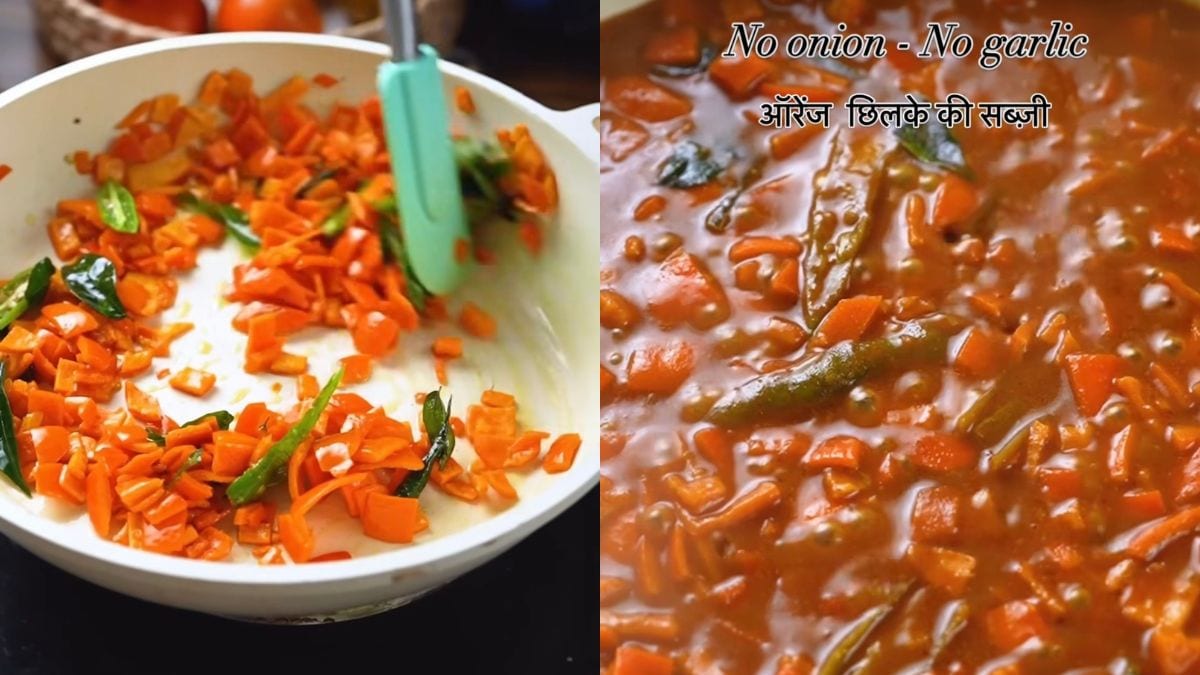
Orange peel curry is a classic South Indian recipe that turns leftover orange peels into a flavourful dish. To make it, orange peels are cooked with spices, chillies, and tamarind water. The result? A lip-smacking curry that offers an interesting blend of sweet, tangy, and spicy flavours. It also doesn’t contain any onion or garlic.
What To Serve With Orange Peel Curry?
Deciding what to pair with an orange-flavoured curry can be confusing. But fret not, pair it with a bowl of regular steamed rice and you’re good to go. Additionally, you can also savour this curry with curd rice, idlis, or dosas.
How To Make Orange Peel Curry At Home | Orange Peel Curry Recipe
The recipe for this orange peel curry was shared by MasterChef Aruna Vijay on her Instagram. Start by cleaning and chopping the orange peels. Heat oil in a pan and add slit green chillies, curry leaves, and chopped orange peels. Let them cook for a few minutes. Then, add sambar masala along with salt and give it a good mix. Add tamarind water and cook until you see bubbles on top. Finally, add in jaggery powder and mix well. Serve hot and enjoy! Also Read: Is It Okay To Drink Orange Juice Every Day? The Answer Might Surprise You…
Watch the complete video below:
Tips To Make Perfect Orange Peel Curry:
1. Use Gingelly Oil
Aruna suggests using gingelly (sesame) oil to cook all the ingredients, as it gives the curry a distinct flavour that regular vegetable oil can’t.
2. Don’t Overcook Orange Peels
She advises cooking the orange peels for no more than 5-7 minutes. Overcooking can make the curry taste bitter.
3. Choose Good Quality Sambar Masala
Using good-quality sambar masala is essential. If possible, make it fresh at home for the best flavour.
So, what are you waiting for? Try making this orange peel curry for lunch or dinner and impress your family with your cooking skills.
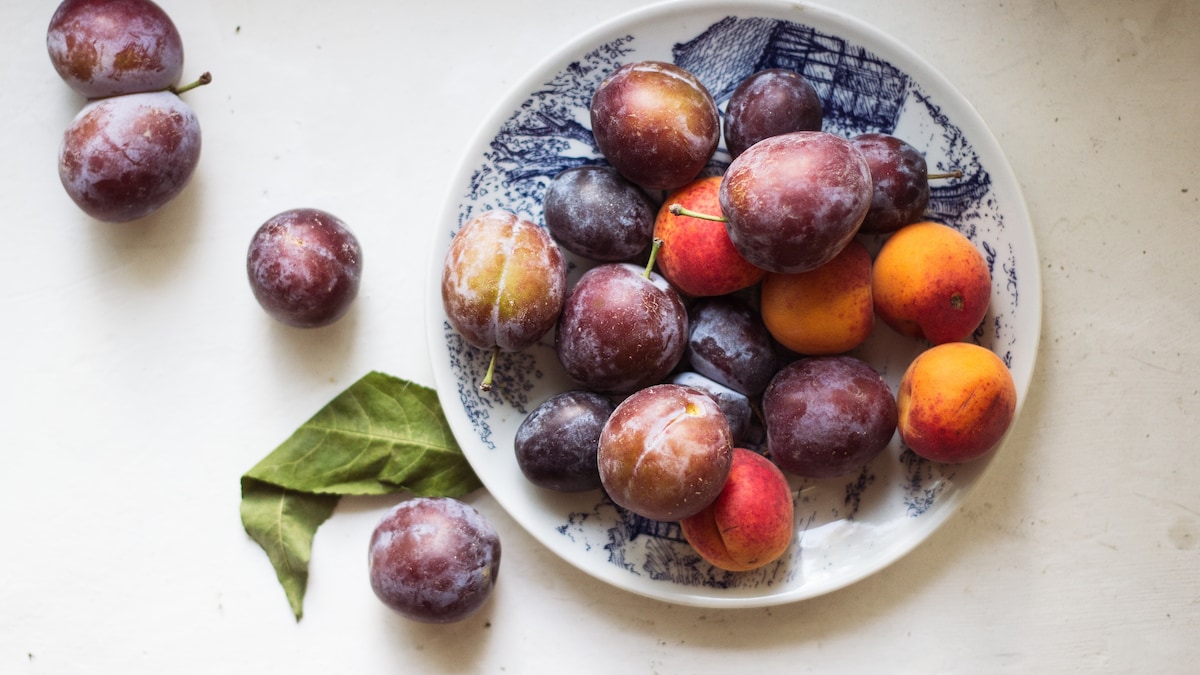
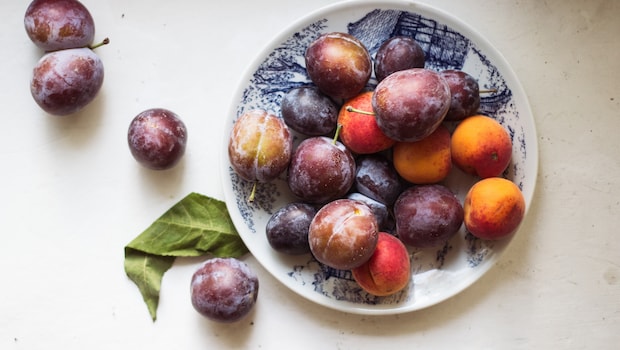
The much-anticipated South African stone fruit season is here, bringing a bounty of juicy peaches, nectarines, and plums to the Indian market. Known for their exceptional taste, vibrant color, and premium quality, these stone fruits promise to delight Indian consumers with their freshness and versatility. South Africa, celebrated globally for its fertile lands and state-of-the-art farming practices, has been a trusted source of high-quality stone fruits for decades. The region’s unique climate is ideal for producing fruits that are naturally sweet and full of flavor. This season’s arrival marks a continued effort to strengthen the bond between South African growers and Indian consumers. With growing awareness about healthy eating, South African stone fruits are an excellent choice for those seeking nutrient-rich snacks, fresh desserts, or ingredients for creative recipes. Sachin Khurana, India Representative, South African Stone Fruits, said, “We are thrilled to bring South African stone fruits to India once again this season. Indian consumers have embraced the exceptional quality of our fruits, and we are committed to providing them with the freshest and finest produce. This year, we are excited to introduce various consumer engagement activities, including in-store promotions and recipe-sharing campaigns, to enhance their experience.” To celebrate the launch of the season, consumers in India can look forward to exciting retail promotions at leading stores, where they can sample and purchase these premium stone fruits. Additionally, chefs and food enthusiasts will share innovative recipes using South African stone fruits, highlighting their versatility in both traditional and modern cuisines. South African stone fruits are now available across major cities in India, ensuring easy access for all fruit lovers. Make sure to grab some and savor the taste of South Africa this season! South Africa is one of the leading exporters of high-quality stone fruits, renowned for its state-of-the-art farming practices and commitment to freshness. With a rich heritage in agriculture, the region continues to deliver fruits that are enjoyed worldwide.
(Advertorial Disclaimer: The above press release has been provided by NewsVoir. ANI will not be responsible in any way for the content of the same)
(Disclaimer: Except for the headline, this story has not been edited by NDTV staff and is published from a syndicated feed.)
So, which venue is the home – and which one is the summer holiday bach – or crib, for the southern folk?
Kane Williamson departs on day three at Hagley Oval. Photo / Photosport
Hagley Oval is one of Christchurch’s great post-earthquake stories.
In 2011, Lancaster Park was condemned by the February 22 earthquake. 130 years after it was opened, the ground that hosted New Zealand’s test cricket debut in 1930 (40 test matches in total) and scores of other sporting events was no longer the centre of Canterbury’s sporting universe. Better was to come. Much better. And it had been planned well before the ground shook.
“We started looking back in the late 1990s to go back to a cricket-specific venue and Hagley ticked all the boxes really. This started in 1996-97 when Super Rugby came on board and Chris Doig [NZ Cricket CEO at the time] and I [formed] a bit of a team,” says Lee Robinson, chairman of the Canterbury Cricket Trust.
Make yourself at home. A full house at Hagley Oval in Christchurch for the first test of the 2024/25 season. Photo / George Heard
“Looking at all the options, we kept coming back to Hagley because it had that tradition. The trees had been planted for a cricket oval back in 1851.”
Hagley Oval may be a new test venue but, as Robinson alludes to, its history goes back to an anniversary match in the middle of the 1800s to mark a year since the founding of the settlement of Christchurch.
“The England settlers came here on those four ships and one of the first things they did was create a cricket ground just a wee bit further south from where Hagley Oval is at the moment,” says Robinson.
Just over a decade after the ground held its first match, it was hosting first-class cricket between Canterbury and Otago, in early 1865. The following year, a pavilion was installed. The Canterbury Cricket Umpires Association Pavilion is still at the ground today and is thought to be New Zealand’s oldest sports building.
Hagley Oval during the lunch break of day one in the first test between the Black Caps and England. Photo / George Heard
Hagley hosted its first test in 2014, the Boxing Day test against Sri Lanka. Current England coach and former New Zealand captain Brendon McCullum scored 195 (and had figures of 1-0-3-0) in a big win for the hosts. Ten years later, the venue is iconic. A purpose-built test venue with a nod to the game’s roots. And the Roots approved.
“I’ll never forget, you know, Matt Root, who is Joe Root’s father, just saying to me ‘Look, this is fantastic for our family. We come out to New Zealand in our winter, we can get up in the morning, go and have a coffee, walk to the cricket’ through our Botanic Gardens,” says Robinson.
The travelling Barmy Army are also big fans of the Christchurch ground.
Zak Crawley signing the bat of a young Black Caps supporter at Hagley Oval during the first test. Photo / George Heard
“Hagley Oval is just ridiculous. It’s like walking through your sort of local park, and suddenly there’s an international test ground in the middle of it,” says Barmy Army General, Chuck Adolphy.
A video posted on X, formerly Twitter, appears to show the England team travelling to the ground on Lime scooters on the morning of the first test.
Bus ❌ Taxis ❌ Electric scooters ✅
The @englandcricket team arriving at the Hagley Oval in style 🛴🤣
“It’s just an easy thing to do. The bars and the hospitality industry love it because people just walk through town and just enjoy it,” says Robinson.
“What we have got is something that has that Village Green approach to cricket. Take the kids along, sit on the bank, take the deck chairs and picnic baskets along, that’s what Hagley provides.”
Hagley Oval on a 30C day while the Black Caps play England in the first test of the summer. Photo / George Heard
Hagley can also provide a challenge leaving after a full day of sun and fun.
One Barmy Army supporter broke his arm falling down the bank at Hagley. It was unclear how much “fun” he’d had beforehand.
Robinson, who was recently made a New Zealand Cricket life member for his work, including the upgrade of Hagley Oval, says the governing body was founded in Christchurch and until recently was based in the Garden City. The high-performance centre is still located at Lincoln University.
“If people would like to refer to it [Hagley Oval] as the home of cricket, we won’t say no,” says Robinson.
The Basin is a lot more forthright about claiming the title. The ground’s own handle on X (formerly Twitter) declares itself “the home of cricket in New Zealand”.
The Basin Reserve, looking back at the Museum Stand (left) and the R.A. Vance Stand (right) during a break in play. Photo / Photosport
The case for the Wellington venue is based more on the historical acts that it has hosted, and there’s no denying it has seen some of New Zealand Cricket’s finest hours.
McCullum’s 302 against India (beoming first New Zealander to make a test triple century), Martin Crowe’s 299 – and his world-record partnership of 467 with Andrew Jones (v Sri Lanka 1991) – the first test win against England in 1978 and many more.
Brendon McCullum celebrates bringing up a triple century against India at the Basin Reserve in 2014. Photo / NZME
It hosted New Zealand’s second test – and therefore, when Lancaster Park was decommissioned as an international venue, the Basin became New Zealand’s oldest test venue. It also houses the New Zealand Cricket Museum in a magnificently restored stand.
There is undoubtedly a soft spot for the ground among most New Zealand cricket lovers. Some softer than others.
“I do believe that every time you come to the Basin Reserve, you feel like summer’s officially started, with the greatest respect to Hagley Oval and … the lovely people in Christchurch, but there’s something about this place,” said Scotty Stevenson during TVNZ’s coverage – instantly disrespecting Hagley Oval and the lovely people in Christchurch.
He was at the time lobbing up the gentlest of full tosses to New Zealand Cricket CEO and overt Wellingtonian, Scott Weenink.
“I always have to be careful that I’m not too biased towards the Basin Reserve. But it really is a very, very special ground,” said Weenink.
Tom Blundell is bowled out on the second day of the second test. Photo / Photosport
The purist’s love affair with the Basin Reserve was probably enhanced by the fact that for many years it was New Zealand’s only true cricket ground. Lancaster Park, Eden Park, Carisbrook and McLean Park are/were all dual-purpose and slightly (or woefully) misshapen grounds – sharing their seasons with rugby. The Basin also hosts some winter codes – but it is, in the main, a cricket ground.
Since the early 1990s they’ve had company in that space. Seddon Park, University Oval in Dunedin, Bay Oval in Mount Maunganui and, of course, historic Hagley Oval. Each are true cricket grounds – admittedly of varying sizes, so one of the Basin’s previously unique features is no longer unique. A long-lived history isn’t unique to the Basin either – Eden Park can rival that.
First test win? Eden Park. Lowest test total? Eden Park.
Success? The Basin has seen the home side prevail on 23 occasions with a success rate of 33%. The Black Caps’ success rate at Hagley is double that – admittedly over a much shorter period and in a very different era. But they win more matches in the 03.
The debate will continue for many summers to come – and rightly so – but with every test, Hagley Oval is becoming more and more … homely.
Touch champs
St Bede’s College of Christchurch are national touch champions after a 5-4 win against Westlake Boys High School at the National Secondary Schools tournament in Rotorua at the weekend.
St Bede’s had earlier defeated Hamilton Boys’ High School in a high-scoring semifinal (11-7) and Otago Boys’ High School in the quarters (7-6).
St Bede’s College, 2024 National Secondary Schools Touch Championship winners. Photo / Facebook
Nelson College were beaten by Westlake in the other semifinal, finishing 4th overall.
Columba College of Dunedin were pipped 4-2 by Hamilton Girls’ High in the girls’ competition, bringing their unbeaten run to an end. Both Columba and their local rivals St Hilda’s (Dunedin) had come through pool play unbeaten before they met in their semifinal.
Columba defeated St. Hilda’s 4-2 to progress to the final.
In the mixed competition, St Andrew’s College also fell one short – going down 11-7 to Mahurangi College in their final.
South Otago High School made an impressive run to the semifinals before finishing fourth, while Rangiora High School, Rolleston College and Lincoln High School all finished in the top 10.
Party poopers
Despite some raucous hometown support, Canterbury’s top golfers couldn’t get it done at the recent Interprovincial championships at Russley and Harewood Golf Clubs in Christchurch.
The 2024 event saw the introduction of a “stadium” that overlooked the ninth and 18th greens at Russley. The platform encouraged a party atmosphere with food, music and refreshments.
Spectators overlook the 18th green at the 2024 Interprovincial Golf Championships at Russley Golf Club in Christchurch.
Russley general manager Tony Marriott told the Herald that around 2000 spectators attended the event, above what would usually be expected.
Marriott says the players and the spectators gave overwhelmingly positive feedback to the innovation and says the bar has been set for future events.
The Canterbury women had the local crowd making plenty of noise but ultimately lost narrowly to Auckland in their semifinal (3-2).
Auckland were then outclassed by a young North Harbour side (3.5-1.5) in the final.
The “party hole” overlooking the ninth and 18th green at Russley Golf Club during the 2024 Interprovincial golf championships.
Canterbury also lost the semifinal of the men’s competition to Bay of Plenty (4-1). Only Cooper Moore – the national amateur champion – was able to get a win for the red and blacks.
Bay of Plenty then lost the final to defending champions Auckland – 3-2.
Canterbury had beaten Auckland in pool play on Friday and were looking likely to make the final, before Bay of Plenty spoiled the party.
Rivalry week lived up to the billing as several of the top teams in the country were dragged down by their respective arch-nemesis. No. 2 Ohio State and No. 6 Miami lost stunners, while No. 7 Georgia and No. 8 Tennessee needed late comebacks to pull away from far lesser opponents.
The chaos had a major impact on the conference title races. Penn State will now play in the Big Ten Championship Game instead of Ohio State, while Clemson made it to the ACC title game after Miami’s loss.
The night slate brings more potential for upheaval. No. 3 Texas travels to Kyle Field to play No. 20 Texas A&M in a historic matchup. With wins, No. 18 Iowa State and No. 19 BYU have openings to the Big 12 Championship Game. Here are the biggest winners and losers of college football’s Week 14.
Loser: Ohio State coach Ryan Day
Ohio State was a four-score favorite against its hated rival. Michigan was down their two best players. The Buckeyes had the more talented roster by a massive margin. Ohio State athletic director Ross Bjork confirmed that the program spent more than $20 million in the NIL market to assemble this team. It didn’t matter. Michigan shocked Ohio State 13-10 after a late field goal from Dominic Zvada to pick up one of the most devastating losses in modern Ohio State history.
Day may return next season as Ohio State’s coach and the Buckeyes still technically have a chance to win the national championship as they should still make the playoff. Still, there are three expectations in Columbus: Beat Michigan, win the Big Ten and win the national championship. Day has now whiffed on the first two in four straight seasons. If he doesn’t win the national championship this year, he could very soon be out of a job.
South Carolina quarterback LaNorris Sellers has been one of the rising stars in the sport, but his performance in a 17-14 win over No. 12 Clemson will put him firmly on the national map. Sellers threw for 164 yards and rushed for 166 and two touchdowns to pull the upset victory at Death Valley. Sellers had a game-winning 20-yard run with 1:08 remaining that will go down as one of the biggest runs in South Carolina history. There’s no guarantee that the Gamecocks find their way into the College Football playoff, but Norris’s Herculean effort at least gives them a chance.
Loser: Miami
All Miami had to do was survive Syracuse. More, all the ‘Canes really had to do was maintain 21-0 lead they took early in the second quarter and they would be essentially a lock to play for the national championship. Instead, another poor game management decision from Mario Cristobal proved costly in a 42-38 loss against the Orange.
Cristobal opted to kick a field goal from the 10-yard line with 3:42 remaining in the game despite trailing by seven points. The Hurricanes did not get the ball back again as the defense failed to get Syracuse off the field. Now, Miami has no control of its CFP fate and will be in a battle with teams like Alabama and South Carolina to make the field. It’s a total failure and could prove to be the end of the season for the best Miami passing offense in school history.
Loser: SEC title contenders
The good news for the top of the SEC is most of its top contenders ultimately pulled off victories in tight rivalry week games. However, none of them looked anywhere near national championship caliber during a miserable 24-hour stretch on Friday and Saturday.
No. 7 Georgia looked miserable in a 44-42 win over Georgia Tech that went to eight overtimes, the second-most in college football history. The Bulldogs needed 21 points in the fourth quarter just to give themselves a chance. No. 8 Tennessee similarly got off to a slow start against Vanderbilt, going down 17-7 in the first quarter before finally turning things on. No. 14 Ole Miss needed a late fourth quarter touchdown to pull away for a 26-14 win over a horrendous Mississippi State team.
Ultimately, the performances probably won’t hurt the SEC’s place in the College Football Playoff, but it certainly didn’t help.
Sitting at 2-4, Baylor coach Dave Aranda seemed dead to rights. The Bears faced a tall task just to make a bowl game. Instead, the Bears are suddenly the hottest team in the Big 12. Baylor shocked Kansas 45-17 to cap off a six-game winning streak and clinch an eight-win season for the first time since 2021. The Bears won’t get the tiebreaker luck they need to reach the Big 12 title game, but Baylor is playing as well as anyone in the conference.
Quarterback Sawyer Robertson (23 for 31 for 310 yards and four touchdowns) and running back Bryson Washington (28 carries for 192 yards and two touchdowns) have been the breakout stars of the run and present Aranda some serious building blocks. The Bears will have a serious case to be a preseason Big 12 favorite in 2024.
Loser: The AAC
No. 17 Tulane was perhaps the biggest winner of the last CFP Rankings after sitting at No. 17, ahead of multiple two-loss Big 12 teams. If Arizona State lost, there was a serious chance that Tulane could get into the CFP over the Big 12 champion as the fifth conference champion.
Instead, the Green Wave were unprepared for the moment and lost against Memphis 34-24 to pick up a third loss and likely risk their spot in the top 25. Tulane rushed for only 57 yards and gave up 242 yards on the ground, including 177 to running back Mario Anderson. Instead of being the hunter, Tulane is in rough shape as both Boise State and UNLV are likely to finish ahead of the AAC champ in the rankings.
Rivalry week lived up to the billing as several of the top teams in the country were dragged down by their respective arch-nemesis. No. 2 Ohio State and No. 6 Miami lost stunners, while No. 7 Georgia and No. 8 Tennessee needed late comebacks to pull away from far lesser opponents.
The chaos had a major impact on the conference title races. Penn State will now play in the Big Ten Championship Game instead of Ohio State, while Clemson made it to the ACC title game after Miami’s loss.
The night slate brings more potential for upheaval. No. 3 Texas travels to Kyle Field to play No. 20 Texas A&M in a historic matchup. With wins, No. 18 Iowa State and No. 19 BYU have openings to the Big 12 Championship Game. Here are the biggest winners and losers of college football’s Week 14.
Loser: Ohio State coach Ryan Day
Ohio State was a four-score favorite against its hated rival. Michigan was down their two best players. The Buckeyes had the more talented roster by a massive margin. Ohio State athletic director Ross Bjork confirmed that the program spent more than $20 million in the NIL market to assemble this team. It didn’t matter. Michigan shocked Ohio State 13-10 after a late field goal from Dominic Zvada to pick up one of the most devastating losses in modern Ohio State history.
Day may return next season as Ohio State’s coach and the Buckeyes still technically have a chance to win the national championship as they should still make the playoff. Still, there are three expectations in Columbus: Beat Michigan, win the Big Ten and win the national championship. Day has now whiffed on the first two in four straight seasons. If he doesn’t win the national championship this year, he could very soon be out of a job.
South Carolina quarterback LaNorris Sellers has been one of the rising stars in the sport, but his performance in a 17-14 win over No. 12 Clemson will put him firmly on the national map. Sellers threw for 164 yards and rushed for 166 and two touchdowns to pull the upset victory at Death Valley. Sellers had a game-winning 20-yard run with 1:08 remaining that will go down as one of the biggest runs in South Carolina history. There’s no guarantee that the Gamecocks find their way into the College Football playoff, but Norris’s Herculean effort at least gives them a chance.
Loser: Miami
All Miami had to do was survive Syracuse. More, all the ‘Canes really had to do was maintain 21-0 lead they took early in the second quarter and they would be essentially a lock to play for the national championship. Instead, another poor game management decision from Mario Cristobal proved costly in a 42-38 loss against the Orange.
Cristobal opted to kick a field goal from the 10-yard line with 3:42 remaining in the game despite trailing by seven points. The Hurricanes did not get the ball back again as the defense failed to get Syracuse off the field. Now, Miami has no control of its CFP fate and will be in a battle with teams like Alabama and South Carolina to make the field. It’s a total failure and could prove to be the end of the season for the best Miami passing offense in school history.
Loser: SEC title contenders
The good news for the top of the SEC is most of its top contenders ultimately pulled off victories in tight rivalry week games. However, none of them looked anywhere near national championship caliber during a miserable 24-hour stretch on Friday and Saturday.
No. 7 Georgia looked miserable in a 44-42 win over Georgia Tech that went to eight overtimes, the second-most in college football history. The Bulldogs needed 21 points in the fourth quarter just to give themselves a chance. No. 8 Tennessee similarly got off to a slow start against Vanderbilt, going down 17-7 in the first quarter before finally turning things on. No. 14 Ole Miss needed a late fourth quarter touchdown to pull away for a 26-14 win over a horrendous Mississippi State team.
Ultimately, the performances probably won’t hurt the SEC’s place in the College Football Playoff, but it certainly didn’t help.
Sitting at 2-4, Baylor coach Dave Aranda seemed dead to rights. The Bears faced a tall task just to make a bowl game. Instead, the Bears are suddenly the hottest team in the Big 12. Baylor shocked Kansas 45-17 to cap off a six-game winning streak and clinch an eight-win season for the first time since 2021. The Bears won’t get the tiebreaker luck they need to reach the Big 12 title game, but Baylor is playing as well as anyone in the conference.
Quarterback Sawyer Robertson (23 for 31 for 310 yards and four touchdowns) and running back Bryson Washington (28 carries for 192 yards and two touchdowns) have been the breakout stars of the run and present Aranda some serious building blocks. The Bears will have a serious case to be a preseason Big 12 favorite in 2024.
Loser: The AAC
No. 17 Tulane was perhaps the biggest winner of the last CFP Rankings after sitting at No. 17, ahead of multiple two-loss Big 12 teams. If Arizona State lost, there was a serious chance that Tulane could get into the CFP over the Big 12 champion as the fifth conference champion.
Instead, the Green Wave were unprepared for the moment and lost against Memphis 34-24 to pick up a third loss and likely risk their spot in the top 25. Tulane rushed for only 57 yards and gave up 242 yards on the ground, including 177 to running back Mario Anderson. Instead of being the hunter, Tulane is in rough shape as both Boise State and UNLV are likely to finish ahead of the AAC champ in the rankings.
CLEMSON — No. 14 South Carolina football coach Shane Beamer made a few things very clear after the Gamecocks’ thrilling 17-14 win Saturday over rival No. 12 Clemson in the Palmetto Bowl.
South Carolina (9-3) defeated the Tigers (9-3) after quarterback LaNorris Sellers ran 20 yards for a touchdown with 1:08 to play. He also rushed for a 25-yard score, giving him both of the Gamecocks’ touchdowns.
“LaNorris Sellers is the best player in the country,” Beamer said. “All you media people that vote on the Heisman (Trophy award), if you’re not voting for that guy in the mix for the Heisman Trophy you are out of your minds. Name a player in the country who has done more than that kid has, particularly today. In the environments he’s done it in, in the moment he’s done it in, he put our team on his back today … players needed to step up and make plays (for South Carolina), and that kid sure as hell did. What a performance.”
Sellers, a redshirt freshman, rushed 16 times for 166 yards − an average of 10.4 yards per carry − and was 13-for-21 passing for 164 yards with an interception.
South Carolina picked up its sixth consecutive win for its best finish in four seasons under Beamer and with at least a bowl game ahead. Beamer (29-21) broke former coach Steve Spurrier’s record of 28 wins in the first four seasons at South Carolina.
The Gamecocks are potentially in College Football Playoff territory with the win, but no decisions are made until Dec. 8. They couldn’t think about the CFP unless they defeated Clemson, which was No. 12 in the CFP rankings released Tuesday, with South Carolina No. 15.
MORE:Where South Carolina ranks in fourth College Football Playoff poll: See full list
“I do believe we deserve a spot in the 12-team playoff,” Beamer said. “I get it − the committee has a really tough job. … I get it − we got three losses. I understand that, but it’s hard for me to sit here and say that we aren’t one of the 12 best teams in the country. When you look at our strength of schedule, our wins on the road. … We go in hostile environments every single week.”
The Gamecocks picked up their fourth win over a Top 25 team after defeating Texas A&M, Missouri, and Vanderbilt earlier this season. Clemson marked the seventh ranked opponent they faced. They fell by a combined total of five points to two Top 20 teams, Alabama and LSU, but South Carolina lost 27-3 to Ole Miss on Oct. 5, another three-loss SEC team hoping for a CFP spot.
“I get it − there’s some very deserving teams out there − but if the committee’s job is to pick the 12 best teams, you tell me, you tell me on Selection Sunday everybody across the country if South Carolina pops up in that bracket, I don’t know any team that would be excited to play this team the way we are playing right now,” Beamer said.
Lulu Kesin covers South Carolina athletics for The Greenville News and the USA TODAY Network. Email her at lkesin@gannett.com and follow her on X, formerly known as Twitter, @Lulukesin