hacklink hack forum hacklink film izle hacklink marsbahisizmir escortsahabetpornJojobet

Tag: Sri

  • Strategies to combat Money Laundering in Sri Lankan sports

    Strategies to combat Money Laundering in Sri Lankan sports

    Sri Lanka’s sports sector, with its growing global appeal and lucrative investments, is increasingly vulnerable to the threat of money laundering (ML). From cricket’s international spotlight to emerging interest in football and basketball, Sri Lanka’s sports landscape offers vast opportunities for illicit financial activities.

    As international regulatory bodies tighten their scrutiny on ML risks in sports, Sri Lanka must take proactive steps to fortify its defences and safeguard the integrity of its sports industry.

    ML in sports is not a new phenomenon. The complex financial transactions that occur from sponsorship deals and player transfers to illegal betting operations can easily be manipulated by criminal syndicates to disguise the origins of illicit funds. As Sri Lanka continues to build its reputation as a regional sporting hub, the country must enhance its control mechanisms and ensure that financial criminals do not exploit its sporting events and institutions.

    1. Strengthening Legal Frameworks and Regulations

    One of the first steps Sri Lanka can take is further to strengthen its anti-money laundering (AML) laws as they relate to sports. While Sri Lanka has made progress with measures such as the Financial Intelligence Unit (FIU) and the Sports Ministry’s oversight committee, there is still room for improvement in addressing sports-specific risks. The country could introduce specialized regulations tailored to the unique financial flows in sports, such as regulating sponsorship contracts, player transfers and even charitable donations linked to sports events.

    Additionally, Sri Lanka should consider enacting stricter penalties for individuals and organizations found to be complicit in facilitating money laundering through sports. This could serve as a deterrent for those looking to exploit the system and would send a clear message that financial crimes in the sports sector will not be tolerated.

    2. Enhanced Financial Transparency in Sports

    A key challenge in controlling ML in sports is the lack of transparency in financial transactions. To combat this, Sri Lanka could impose more stringent transparency requirements on its sports organizations.

    By mandating public disclosure of all major sponsorship deals, player transfers, and financial arrangements over a certain threshold, the government can ensure that money trails are easier to trace.

    For example, Sri Lanka could introduce a system similar to that of European football clubs, where every major financial deal, such as player sales, sponsorships, or media rights agreements, is subject to thorough vetting by financial regulatory bodies. This would reduce the opportunity for criminals to funnel illicit money through inflated contracts and transactions.

    3. Improved Monitoring of Betting and Gambling Activities

    Illegal betting is one of the primary ways in which money laundering occurs in sports, especially in cricket and football. As part of its effort to control money laundering, Sri Lanka should strengthen its regulation of both legal and illegal gambling activities associated with sports. The government can work to close loopholes in the betting industry by enforcing stricter controls on online and offshore betting sites, which often facilitate ML.

    Establishing partnerships with global organizations such as the International Cricket Council (ICC) and the International Football Federation (FIFA) would help Sri Lanka better monitor betting patterns and identify suspicious activity in real-time. By expanding the scope of its regulatory framework, Sri Lanka can ensure that betting and gambling activities remain free from criminal exploitation.

    4. Collaboration with International Financial Institutions and Law Enforcement

    ML in sports often involves international networks, with illicit money moving across borders. To effectively tackle this problem, Sri Lanka must strengthen its cooperation with global financial institutions and law enforcement agencies. By sharing information and collaborating with international bodies like the Financial Action Task Force (FATF) and Interpol, Sri Lanka can improve its ability to track cross-border financial crimes linked to sports.

    Sri Lanka should also consider implementing joint task forces with neighbouring countries to monitor ML activities within regional sports. This cross-border cooperation would help detect illegal money flows that could otherwise go unnoticed.

    5. Investing in Education and Training for Stakeholders

    Education is another critical area in the fight against money laundering in sports. Athletes, coaches, sports agents, club owners and officials must be aware of the risks posed by illicit financial activities and understand the legal and financial frameworks that govern sports transactions.

    Sri Lanka should invest in widespread educational programs that train key stakeholders to spot red flags and understand the consequences of money laundering.

    6. Use of Technology and Data Analytics

    The use of technology and data analytics has become essential in detecting and preventing financial crime.

    Sri Lanka should leverage advanced technologies to monitor financial transactions in real-time, flagging any unusual activity for further investigation. By adopting sophisticated systems that can trace money trails and track suspicious financial movements, the country can improve its ability to prevent money laundering in sports before it occurs.

    7. Encouraging Whistleblower Protection and Reporting

    Finally, creating an environment where whistleblowers feel safe to report suspicious activities is vital in the fight against ML. Sri Lanka should establish a clear, confidential reporting mechanism for anyone within the sports sector who suspects illicit financial activity. This could include a dedicated hotline or online platform where individuals can anonymously report concerns.

    Furthermore, providing legal protections for whistleblowers would ensure that individuals who expose illegal activities are shielded from retaliation, encouraging more people to come forward and report financial misconduct.

    Conclusion

    As Sri Lanka’s sports industry continues to grow, the country must be proactive in addressing the risks posed by ML. Through stronger legal frameworks, enhanced transparency, international cooperation and the use of advanced technologies, Sri Lanka can mitigate the risks of financial crime in sports and safeguard the integrity of its sports sector. With these measures in place, Sri Lanka can ensure that its sporting achievements are built on a foundation of trust, fairness and accountability.

    NB: The writer is Master of Anti-Money Laundering and Counter-Terrorism Financing – Charles Sturt University Australia. Master of Fraud & Financial Crimes – Charles Sturt University Australia and Telecommunication fraud investigator



    Source link

  • Sri Lanka sports officials too big for their boots

    Sri Lanka sports officials too big for their boots

    Sri Lanka’s so-called National Olympic Committee (NOC) with just one medal in 75 years has been allowed to outgrow nearly everyone in the country and turn into a movement that even the country’s sitting Parliament could do nothing other than debate allegations of corruption, human smuggling and other malpractices.

    It reached a point where the NOC were also wary of arresting the situation that it had to fall on the shoulders of the International Olympic Committee (IOC) to step in and call for the suspension of its secretary Maxwell de Silva after a previous order by the Ethics Committee.

    Last December Parliamentarian Chaminda Mayadunne branded the NOC the most corrupt in the country based on an Audit Report of 2022 and there was complete media silence from its head Suresh Subramanium as the bandwagon kept rolling and De Silva continued amid numerous media reports calling for investigations before the IOC that provides the funding stepped in.

    In his speech in Parliament, Mayadunne accused the NOC of taking custody of international funding meant for former Olympic silver medallist Susanthika Jayasinghe and depriving another Olympian sprinter Yupun Abeykoon of opportunities to move forward.

    For Sri Lankan Olympic officials it was more of a case of serving themselves than serving the needs of the sportsman and women. They perform like total dictators and are excellent at attending ceremonial functions.

    Former Sports Minister Roshan Ranasinghe, the bravest and boldest of them all, could be kicking his heels that he was sacked when he was just one shot away from a clean-up of corruption in sport.

    More than two years after Ranasinghe was sacked by a pompous Head of State in Ranil Wickremasinghe who in turn was shown the door and ousted in a popular people’s vote, sport has ended up in a worse situation with cricket administrators continuing to feather their nests, rugby played in a courthouse and so-called Olympic officials some of whom are not worth a grain of salt continue to hold sway and the country pre-occupied.

    But the biggest fear among sports followers in the country is who will be the new Sports Minister and will he or she be able to rid the country of a rotten sports set up where corrupt and shady administrators cling on to technical clauses in their Constitutions that were created when sport was amateurish and followed by handful of people unlike today when seven out of 10 or more are passionate followers.

    Unlike in other areas, what many don’t see is that some of the biggest rip-offs are taking place behind closed doors by the keepers of sports in the country. Today sport is either a stepping stone to climb the social ladder and get things done that would not be possible in other fields, a goldmine for plundering.

    The so-called National Olympic Committee needs to be completely purged and purified of some of its officials who are allowed to bask in prominence with the country having won just one medal in 75 years.

    While the few independent cricket scribes in the country have nothing more to add to the present scenario other than spare a thought for the passionate lay followers of sports in the country, comes another alarming episode where schoolboy boxers were made to kill sleep, fight in the ring like professionals at the 105-year old Stubbs Shield meet last week and go back with sunrise just a few hours away.

    The Stubbs Shield meet of all was never created to enter into a pickle with other sports in what has now become School Games, Provincial Games, National Games and Sports Festivals that have become platforms catering merely to quantity and not quality

    Why won’t the fabric of sports breakdown when it is left to fester in the hands of custodians who look for escape routes and there are plenty of ways to hoodwink.

    The sport of rugby that was in the hands of gentlemen who had no vested interests when it was played for the enjoyment of both player and spectator has now become a platform for egoistic keepers who have been caught on the blind side while attempting to shift the goal posts for self gain and left behind while the international fraternity has moved forward.

    To cling on to position and defy an order to step down is the biggest conflict at a time a new People’s Government has launched out on a clean-up drive.


    Source link

  • Sri Lanka Is Truly A Paradise Where Sustainability Meets Flavour

    Sri Lanka Is Truly A Paradise Where Sustainability Meets Flavour

    Sri Lanka, the resplendent island nation, has captivated travellers for centuries with its stunning beaches, ancient temples, and lush hill country. But beyond the beauty lies a newfound focus on sustainable practices, making it a haven for eco-conscious tourists and a leader in responsible tourism. My recent trip to Sri Lanka unveiled a country where delicious food goes hand-in-hand with environmental responsibility. From SriLankan Airlines to restaurants, it seemed like each institution is committed to environment-friendly practices. 

    From Food Safety to Food Sovereignty
    The island’s journey towards sustainable gastronomy began with a commitment to food safety. Collaborations with organizations like UNIDO and NORAD play a crucial role in establishing international food safety standards. This not only bolstered public health but also paved the way for a thriving food industry.  

    Sri Lanka’s vision extends beyond mere safety. The concept of “food sovereignty” – the right to healthy, culturally appropriate food produced sustainably – is taking root. This empowers local communities and ensures a future where food security and tradition go hand-in-hand, ensuring the well-being of both locals and tourists alike.

    My first encounter with the country’s commendable sustainability endeavours was in SriLankan Airlines – on my way to Sri Lanka. Richard Nuttall, the CEO of Sri Lankan Airlines said, “SriLankan Airlines prioritizes reducing its carbon footprint with industry-leading practices in fuel efficiency, carbon emission monitoring, and landfill waste reduction through our ‘Mathaka’ upcycling project. Additionally, the airline actively participates in the restoration and preservation of Sri Lanka’s mangrove forests and the conservation of seagrass habitats across the island.”

    The delicious food and amenities on the SriLankan Airlines flight and at their Serendib Lounge – at the Bandaranaike International Airport, reflected their sustainability endeavours. 

    Latest and Breaking News on NDTV

    Hotels Pioneering Sustainable Practices
    My exploration of sustainable food systems led me to Cinnamon Hotels, a renowned Sri Lankan hospitality chain. Their commitment to ethical and eco-friendly practices is truly inspiring.
    One captivating initiative is their partnership with NORDAQ. Cinnamon Bentota Beach has become the first Sri Lankan resort to eliminate plastic water bottles. In their place? Reusable glass bottles paired with in-house filtration technology. This not only reduces plastic waste but also ensures guests have access to clean, mineral-rich water. During my stay, I had only glass bottles in my room in all Cinnamon hotels. This just reminds my travel to Sri Lanka in Sri Lankan Airlines, which has introduced new eco-friendly pillow covers and headrest covers (antimacassars) made from recycled PET plastic (rPET)!

    Another inspiring program is the Good Agriculture Practices (GAP) Initiative. This project empowers small-scale farmers by providing them with knowledge and resources for sustainable farming methods. It’s a win-win situation: farmers gain economic prosperity, and the hospitality industry benefits from fresh, locally sourced produce.

    Latest and Breaking News on NDTV

    Protecting Ecosystems
    Sustainability at Cinnamon Hotels goes beyond the plate. Their “Bees that Sustain Lives” project is a beekeeping initiative that empowers local communities while fostering healthy bee populations. This not only promotes biodiversity but also provides a source of income for beneficiaries through a buy-back program for honey and beeswax.

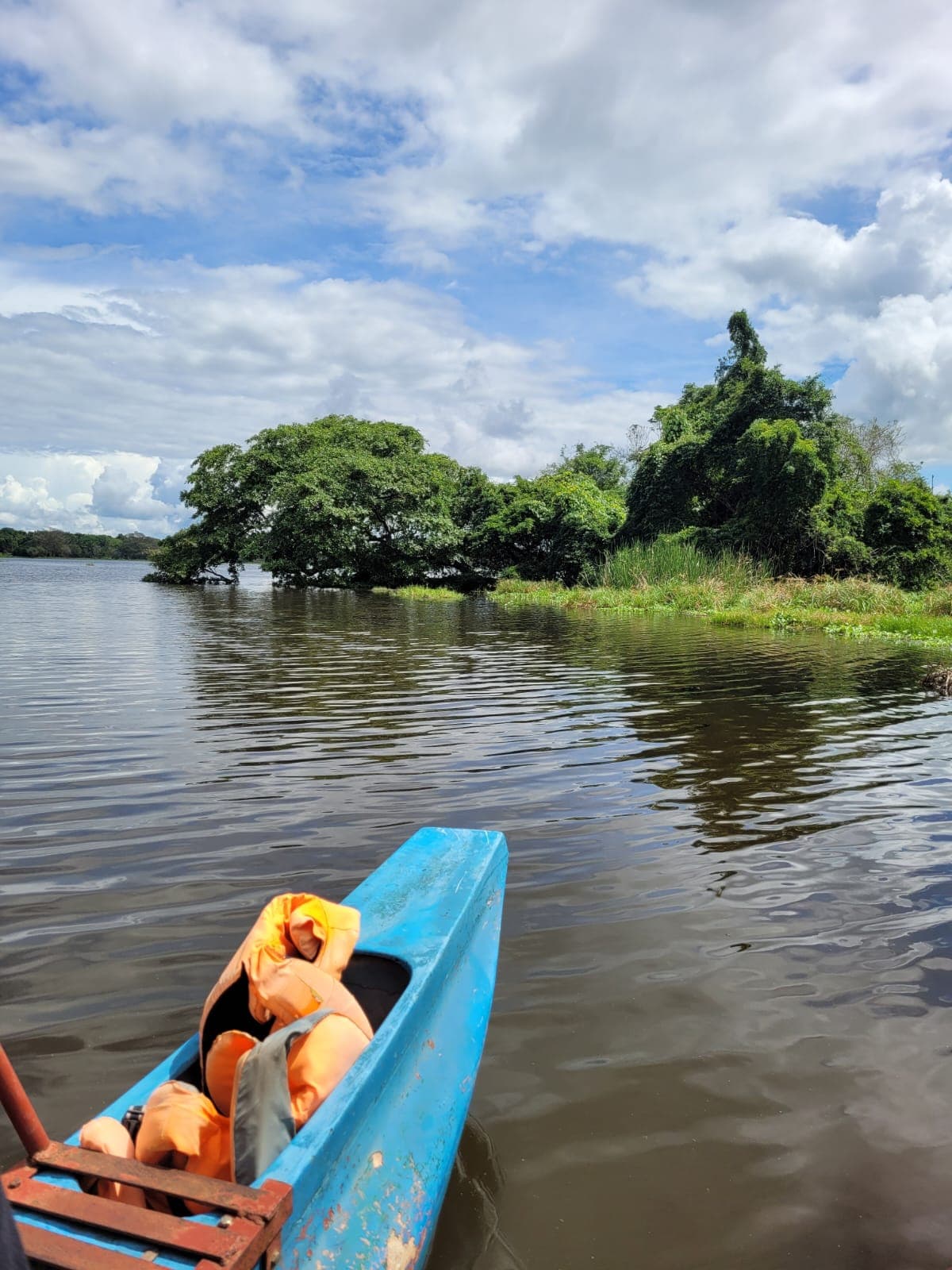
    Witnessing firsthand Cinnamon Nature Trails’, I realized how nature, animals and humans co-exist in harmony in the village. The nature trail took us through the interior of the village, a short boat ride to a watch house where we were greeted with coconut water, which we had to drink directly, not in a glass or with a plastic straw! Yes, that’s true!

    Latest and Breaking News on NDTV
     
    Latest and Breaking News on NDTV

    “Live and Let Live” initiative in Bediweva village is also a commendable initiative. This project tackles the Human-Elephant conflict head-on by educating villagers on building and maintaining community fences. This not only protects crops and homes but also safeguards the well-being of elephants.

    Farm-to-Fork Freshness With Green House Farming
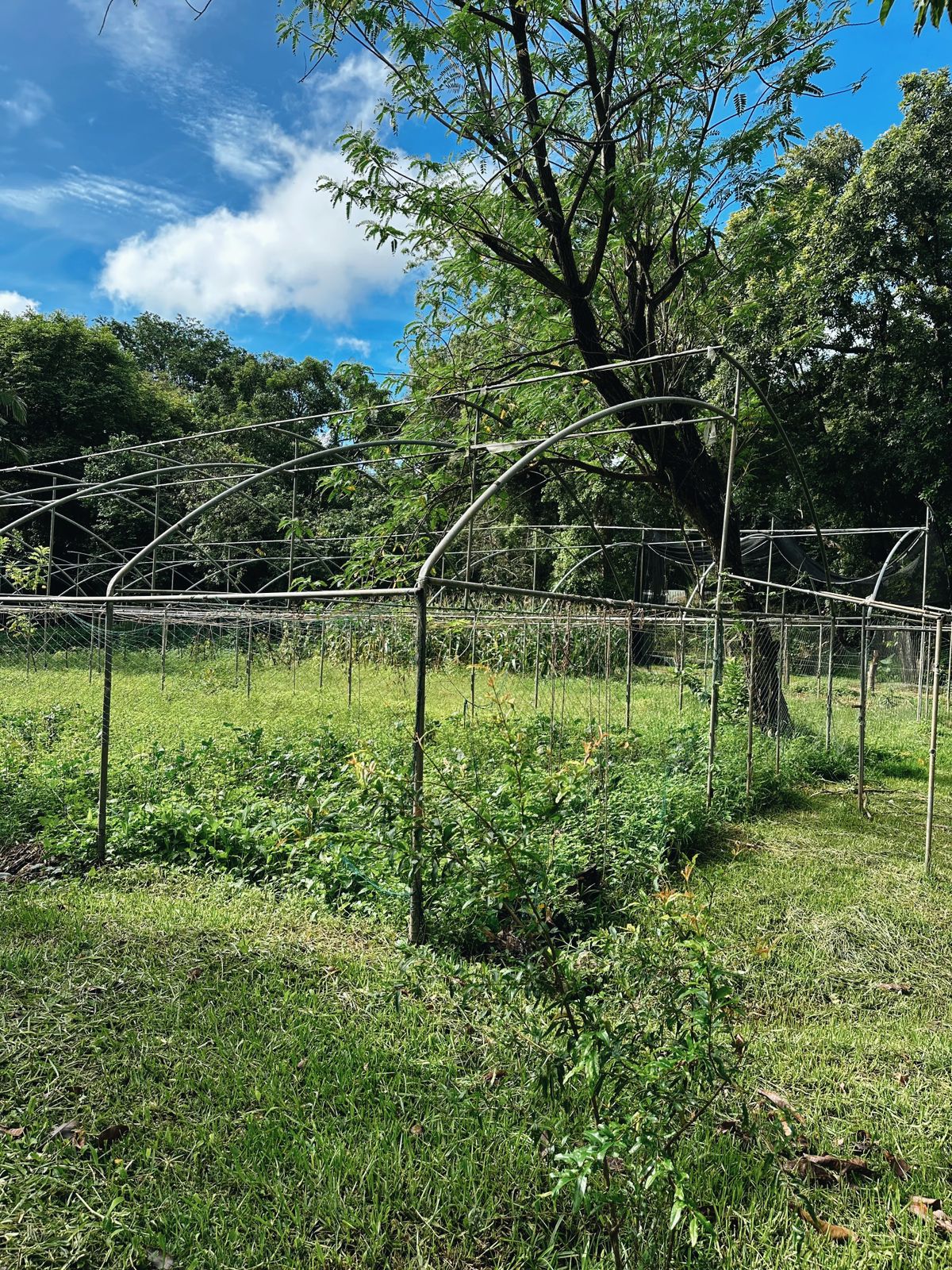
    Perhaps the most delightful aspect of Sri Lanka’s sustainable food scene is the “Farm to Fork” concept. During my stay at Cinnamon Habarana Village, I was treated to a tour of their in-house Green House. This innovative space utilizes vertical gardens and organic farming practices to cultivate a diverse range of fruits, vegetables, and herbs, including chillies, passion fruit, corn, vanilla, pomegranate and dragon fruit.

    Latest and Breaking News on NDTV
    Latest and Breaking News on NDTV

    One fascinating part was a separate temperature-controlled section dedicated to growing lettuce, which is otherwise difficult to grow in the region’s soil and temperature. Lettuce is actually grown in the mountains but here it was growing and thriving in the plains. And when I tried the lettuce from the garden in the breakfast next morning at Cinnamon Lodge Habarana Restaurant, I was impressed with the fresh taste of the greens in my salad.
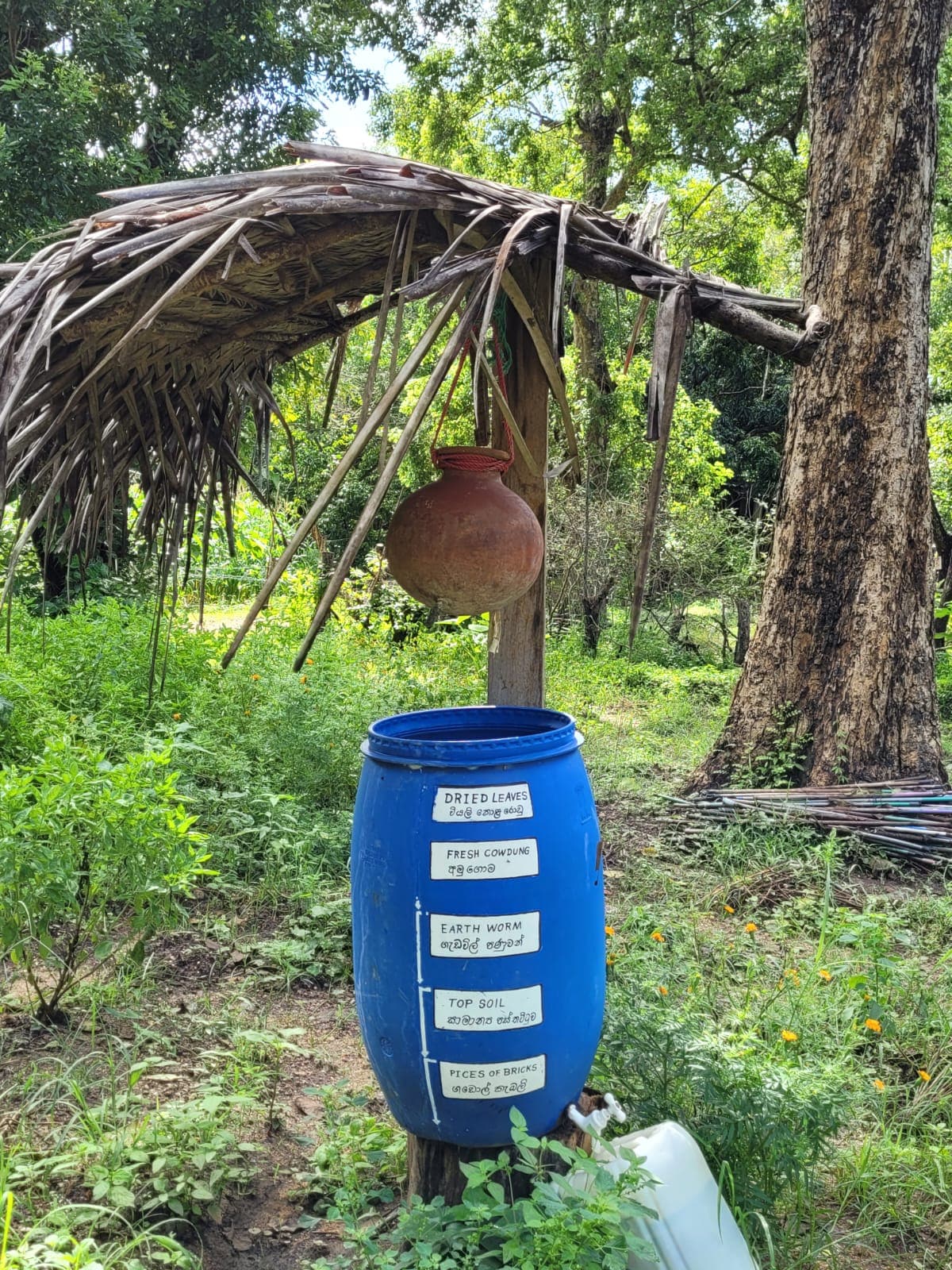
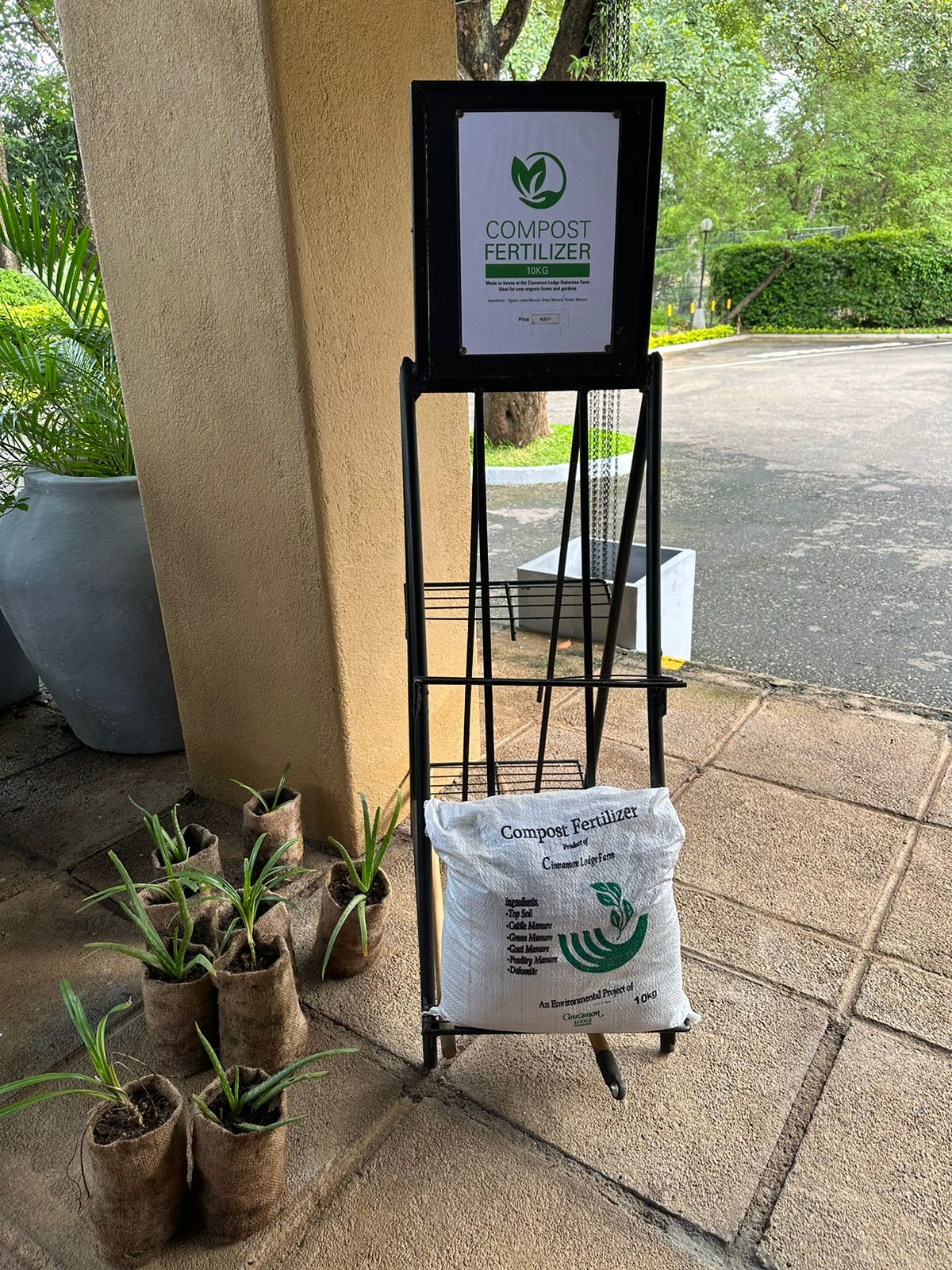
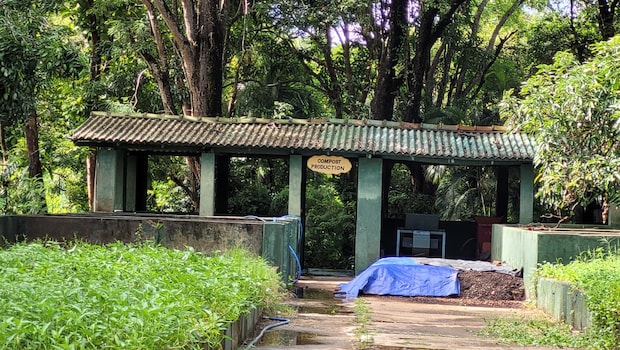
    The organic garden also makes its own compost from waste to add back to the soil to grow more plants. Not just that, they also provide compost from the organic garden to nearby farmers to help them grow crops.

    Latest and Breaking News on NDTV
    Latest and Breaking News on NDTV
    Latest and Breaking News on NDTV

    Chef Dhananjaya Buddhika at Cinnamon Habarana Village revealed to me that the hotel practices water recycling in the in-house water treatment plant. The water from the plant is also collected to water the crops in the dry season.

    A Sustainable Future on the Plate
    From ensuring food safety to empowering local communities and protecting ecosystems, Sri Lanka is setting a remarkable example. As travellers seeking not just beauty but also a connection with the land, Sri Lanka offers an unforgettable experience.

    Source link

  • Enjoy Kiwi In This Exciting Sri Lankan Kiwi Curry – Recipe Video Inside

    Enjoy Kiwi In This Exciting Sri Lankan Kiwi Curry – Recipe Video Inside

    Sri Lankan cuisine is renowned for its vibrant flavours, bold spices, and innovative use of local ingredients. One such dish that showcases the unique culinary traditions of Sri Lanka is the Kiwi Curry. This tantalizing curry combines the sweetness and tanginess of kiwi fruit with the aromatic spices and creamy coconut milk that characterize Sri Lankan cuisine. The Kiwi Curry is a delightful fusion of traditional Sri Lankan flavours with a modern twist. The kiwi fruit adds a refreshing sweetness and acidity to the dish, while the aromatic spices and creamy coconut milk provide a rich and satisfying base. 

    Can Kiwi fruit be cooked?

    Yes, kiwi fruit can be cooked! While it’s often enjoyed raw for its refreshing taste and nutritional value, cooking kiwi fruit can add a unique twist to various dishes. Remember, it’s better to have it in the raw form as cooking may make it lose some nutrients but there is no harm in turning it into delicious dishes like curries.  This recipe for kiwi curry was shared by Chef Minoli De Silva on her Instagram page. 

    Also Read: Sri Lankan Chicken Curry: A Flavourful Chicken Recipe You Must Try

    Kiwi Recipe I How To Make Kiwi Curry:

    1. Heat the coconut oil in a large frying pan over medium-high heat. Add the curry leaves, mustard seeds, and cumin seeds. Cook, tossing, until the mustard seeds stop popping.
    2. Add the red onion, ginger, garlic, and pandan leaf. Toss to combine.
    3. Now, add the dry spices: chilli powder, black pepper, ground cumin, fennel powder, and coriander powder. Stir through until fragrant, about 30 seconds.
    4. Add the fresh and dried turmeric and stir through.
    5. Add the tomatoes and a good pinch of salt. Toss all together and allow to cook down for 2-3 minutes.
    6. Add half of the coconut water (or water) and stir until all are combined. Continue to simmer for 2-3 minutes.
    7. Add the kiwi fruit and toss through the curry. Add the remaining coconut water and the coconut milk. Stir to combine all together.
    8. Taste the sauce and add a little salt if you need to balance the sourness of the kiwi fruit.
    9. Serve with your favourite side and condiments.

    Watch the complete recipe video for kiwi curry here:

    Tips for the Perfect Kiwi Curry:

    • Use slightly underripe kiwi fruit for a better balance of sweetness and tartness.
    • Adjust the spices to your taste preference.
    • Serve the curry with rice, roti, or naan.
    • Garnish with fresh cilantro or chopped green onions for added flavour.

    The sweetness of the kiwi fruit complements the rich and creamy coconut milk, while the aromatic spices add depth and complexity to the dish. Do give this Kiwi curry recipe a try. 

    Also Read: Detox Juice: How To Make Cucumber Kiwi Juice For Weight Loss And Immunity
     

    Add image caption here

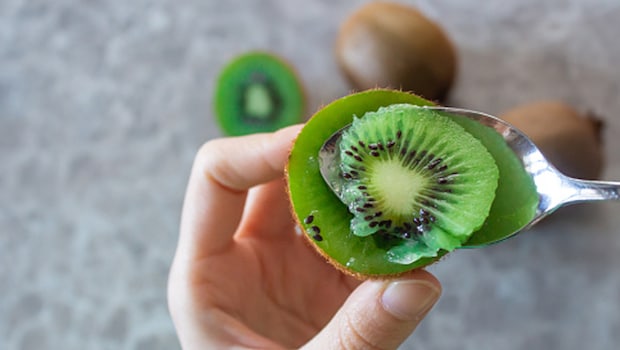
    Kiwi can be turned into delicious recipes.

    Here are some ways to incorporate cooked kiwi into your culinary creations:

    • Kiwi Compote: Create a sweet and tangy compote by simmering chopped kiwi fruit with sugar, lemon juice, and a touch of water. This compote can be enjoyed on pancakes, waffles, yoghurt, or ice cream.
    • Kiwi Sauce: Cook kiwi fruit with sugar and lemon juice to create a thick and flavorful sauce that can be used to glaze desserts or as a topping for grilled meats.   
    • Kiwi Jam: Preserve the sweetness and tanginess of kiwi fruit by making jam. Combine chopped kiwi fruit with sugar, pectin, and lemon juice, and cook until thickened.   
    • Kiwi in Baked Goods: Add chopped kiwi fruit to cakes, muffins, or pies for a burst of flavour and a touch of tartness.   
       

    About Neha GroverLove for reading roused her writing instincts. Neha is guilty of having a deep-set fixation with anything caffeinated. When she is not pouring out her nest of thoughts onto the screen, you can see her reading while sipping on coffee.


    Source link