hacklink hack forum hacklink film izle hacklink marsbahisizmir escortsahabetpornJojobet

Tag: Surprise

  • Surprise finding sheds light on what causes Huntington’s disease, a devastating fatal brain disorder

    Surprise finding sheds light on what causes Huntington’s disease, a devastating fatal brain disorder

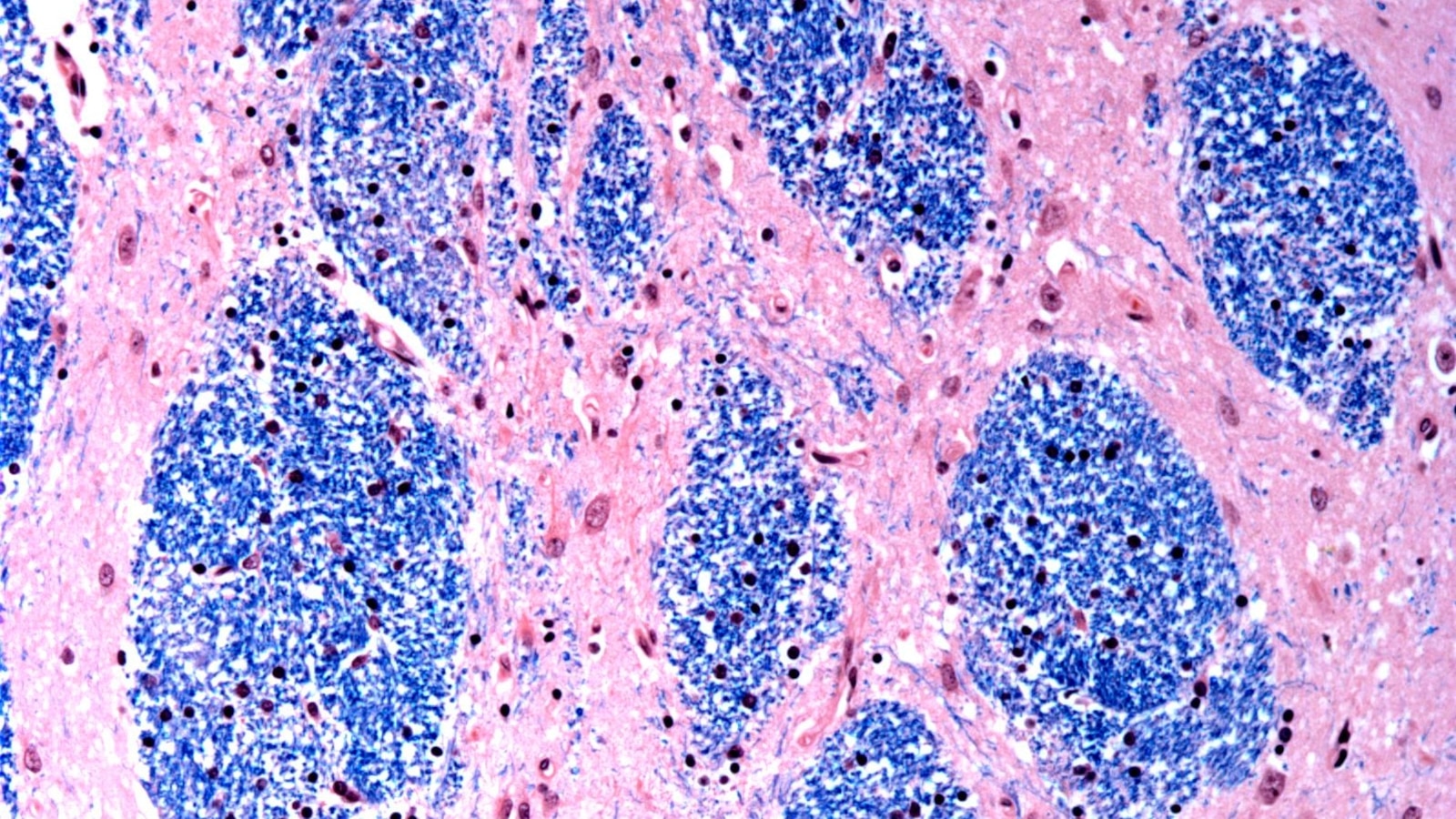
    Scientists are unraveling the mystery of what triggers Huntington’s disease, a devastating and fatal hereditary disorder that strikes in the prime of life, causing nerve cells in parts of the brain to break down and die.

    The genetic mutation linked to Huntington’s has long been known, but scientists haven’t understood how people could have the mutation from birth, but not develop any problems until later in life.

    New research shows that the mutation is, surprisingly, harmless for decades. But it quietly grows into a larger mutation — until it eventually crosses a threshold, generates toxic proteins, and kills the cells it has expanded in.

    “The conundrum in our field has been: Why do you have a genetic disorder that manifests later in life if the gene is present at conception?” said Dr. Mark Mehler, who directs the Institute for Brain Disorders and Neural Regeneration at the Albert Einstein College of Medicine and was not involved in the research. He called the research a “landmark” study and said “it addresses a lot of the issues that have plagued the field for a long time.”

    The brain cell death eventually leads to problems with movement, thinking and behavior. Huntington’s symptoms – which include involuntary movement, unsteady gait, personality changes and impaired judgment – typically begin between the ages of 30 and 50, gradually worsening over 10 to 25 years.

    Scientists at the Broad Institute of MIT and Harvard, McLean Hospital in Massachusetts and Harvard Medical School studied brain tissue donated by 53 people with Huntington’s and 50 without it, analyzing half a million cells.

    They focused on the Huntington’s mutation, which involves a stretch of DNA in a particular gene where a three-letter sequence – CAG – is repeated at least 40 times. In people without the disease this sequence is repeated just 15 to 35 times. They discovered that DNA tracts with 40 or more such “repeats” expand over time until they are hundreds of CAGs long. Once CAGs reach a threshold of about 150, certain types of neurons sicken and die.

    The findings “were really surprising, even to us,” said Steve McCarroll, a Broad member and co-senior author of the study, which was published Thursday in the journal Cell. The study was partly funded by the Howard Hughes Medical Institute, an organization that also supports The Associated Press Health and Science department.

    The research team estimated that repeat tracts grow slowly during the first two decades of life, then the rate accelerates dramatically when they reach about 80 CAGs.

    “The longer the repeats, the earlier in life the onset will happen,” said neuroscience researcher Sabina Berretta, one of the study’s senior authors.

    Researchers acknowledged that some scientists were initially skeptical when results were shared at conferences, since previous work found that repeat expansions in the range of 30 to 100 CAGs were necessary — but not sufficient — to cause Huntington’s. McCarroll agreed that 100 or fewer CAGs are not sufficient to trigger the disease, but said his study found that expansions with at least 150 CAGs are.

    Researchers hope their findings can help scientists come up with ways to delay or prevent the incurable condition, which afflicts about 41,000 Americans and is now treated with medications to manage the symptoms.

    Recently, experimental drugs designed to lower levels of the protein produced by the mutated Huntington’s gene have struggled in trials. The new findings suggest that’s because few cells have the toxic version of the protein at any given time.

    Slowing or stopping the expansion of DNA repeats may be a better way to target the disease, researchers said.

    Though there are no guarantees this would stave off Huntington’s, McCarroll said “many companies are starting or expanding programs to try to do this.”

    ——

    The Associated Press Health and Science Department receives support from the Howard Hughes Medical Institute’s Science and Educational Media Group and the Robert Wood Johnson Foundation. The AP is solely responsible for all content.
    Source link

  • 7 Foods You Think Are High In Protein, But Reality Might Surprise You

    7 Foods You Think Are High In Protein, But Reality Might Surprise You

    We all know how essential protein is for overall health. It is what helps repair and build our body’s tissues, builds energy, and keeps our immune system healthy. A low-protein diet can result in muscle loss, skin issues, and even brittle hair and nails. To prevent this, many of us make sure to add some sort of protein to our everyday meals. It could be a serving of grilled chicken, chickpea salad, mushrooms, eggs, or perhaps dal. While some of these tick the criteria of being a protein powerhouse, others do not. There are several such foods that we may think are high in protein but may not be enough for our requirement. Surprised? Read on to discover what these foods are, as claimed by nutritionist Mohita Mascarenhas on Instagram.

    Here Are 7 Foods You Think Are High In Protein, But Aren’t – As Per The Expert:

    1. Dal

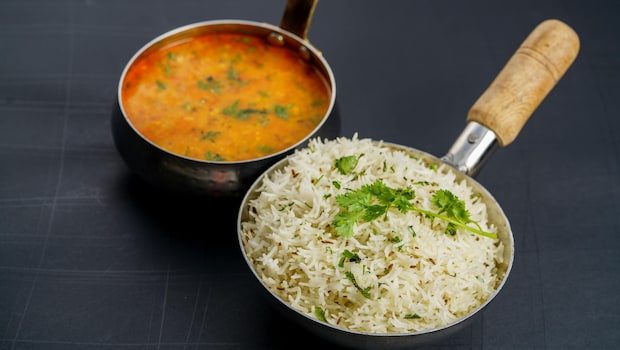
    Dal is a staple in Indian households, and most vegetarians have at least 1 katori of dal every day. While it is a good source of protein, this amount is not sufficient to meet your daily requirements. According to Mohita, 1 katori of dal doesn’t have more than 4 to 5 gms of protein.
    Also Read: Do You Need Extra Water On A High-Protein Diet? A Nutritionist Explains

    Add image caption here

    Photo Credit: iStock

    2. Sattu

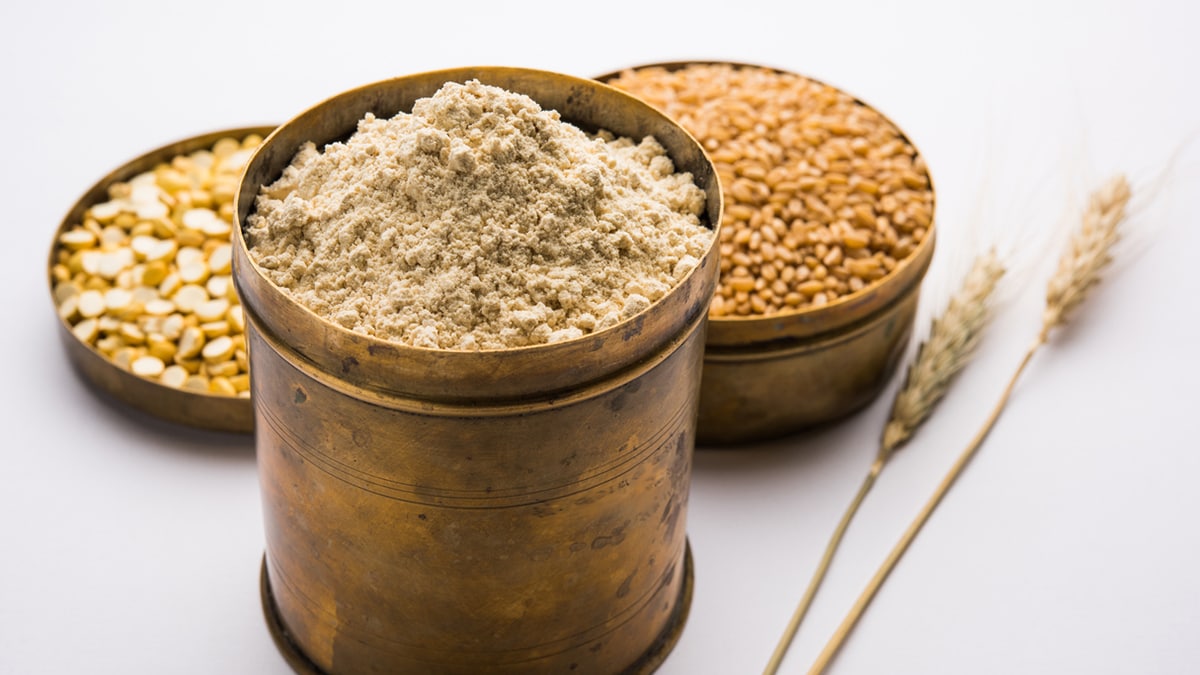
    Sattu has emerged as a superfood due to its protein content. Made from powdered chana dal, many think it can help boost their protein intake. The nutritionist explains that this is true only to a certain extent. When 1 tsp of sattu is mixed with water, it offers only about 5 to 7 gms of protein.

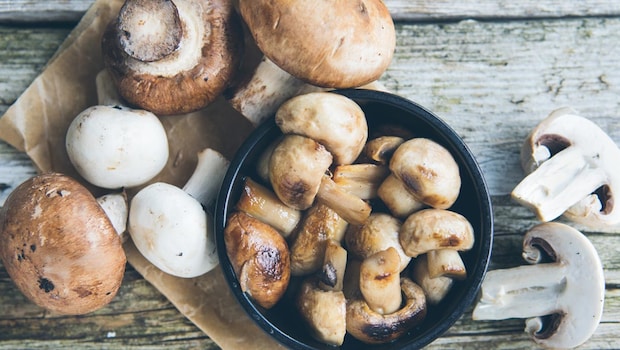
    3. Mushrooms

    Do you eat mushrooms thinking you’re getting enough protein? Mohita explains that vegetables are not a good source of protein. She states that a 100-gm serving of mushrooms has only about 3 gms of protein.

    Add image caption here

    Photo Credit: iStock

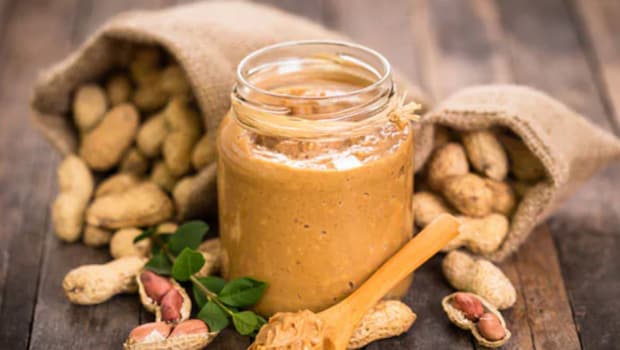
    4. Peanuts/Peanut Butter

    Peanuts and peanut butter are popular options among those trying to increase their protein intake. While they do contain protein, they are a better source of fat. She shares that 2 tbsp of peanut butter will give you about 200 calories, and 10 gms of protein. So, be mindful of how much you consume, as you’ll also be consuming extra calories.

    Add image caption here

    Photo Credit: iStock

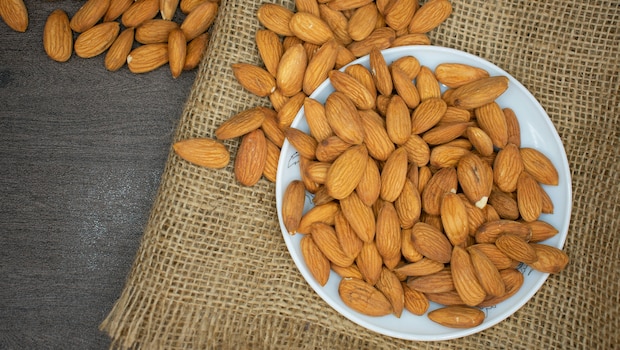
    5. Almonds

    According to Mohita, almonds are also a better source of fat compared to protein. Most of us usually have about 5-6 almonds daily. However, this is not sufficient to meet your protein requirements. As per the U.S. Department Of Agriculture, 100-gm of almonds contain about 21 gm of protein.

    Add image caption here

    Photo Credit: iStock

    6. Quinoa/Millets

    Think quinoa and millets make for a great protein source? Mohita says both of these offer the same amount of protein as regular grains such as wheat. A 100-gm serving of quinoa and millets will give approximately 13 gms of protein.

    7. Protein Bars

    Enjoy snacking on protein bars before or after your gym session? The expert claims that contrary to what they promise to offer, they are merely packed with sugar. Instead of protein, you’ll be consuming extra calories, which can lead to weight gain. She suggests consuming protein powder instead.
    Also Read: Kala Chana Soup: The High-Protein Winter Comfort You Didn’t Know You Needed

    Check out the full video below:

    So, while these foods do provide some amount of protein, you shouldn’t rely solely on them. Stay fit and healthy!

    Disclaimer: The opinions expressed within this article are the personal opinions of the expert. NDTV is not responsible for the accuracy, completeness, suitability, or validity of any information on this article. All information is provided on an as-is basis. The information, facts or opinions appearing in the article do not reflect the views of NDTV and NDTV does not assume any responsibility or liability for the same.


    Source link

  • Do Bananas Spike Blood Sugar? The Answer Will Surprise You…

    Do Bananas Spike Blood Sugar? The Answer Will Surprise You…

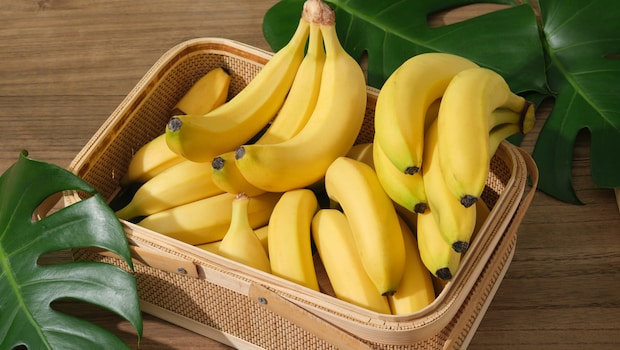
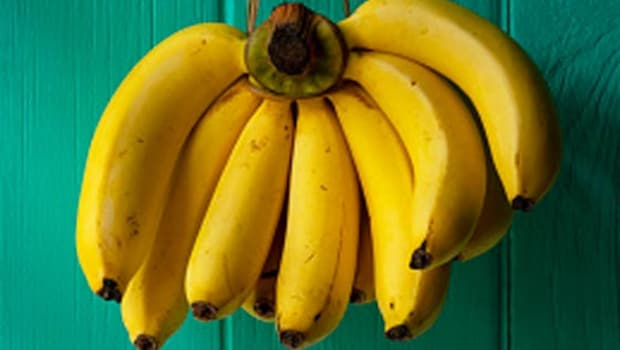
    Gooey, sweet, and delicious-yes, we are talking about bananas. Bananas are undeniably one of the most popular fruits worldwide. They are available year-round and extremely versatile, which makes them stand out in the culinary world. The best part about this fruit is that it is packed with several nutrients like fibre, potassium, good carbohydrates, and Vitamin C, making it a must-have in our diet. However, bananas are also rich in carbohydrates, leading some people to exclude them from their diets, mainly due to concerns about sudden blood sugar spikes. But is this concern justified? Should bananas be excluded from diets solely because of their high carbohydrate and sugar content? If you have these and other questions in mind, let’s find out what the experts have to say on the matter.

    Also Read: Banana Nutrition: Your Favourite Fruit Contains This Much Fat!

    Latest and Breaking News on NDTV

    Photo: iStock

    Yes, Bananas Spike Blood Sugar, But There’s A Catch

    Bananas are rich in sugar and calories, leading some to believe they are unsuitable for those monitoring insulin levels or aiming to avoid weight gain. However, according to nutritionist Shalini Sudhakar, eating a banana will cause a blood sugar spike, but not immediately.

    Why Do Bananas Spike Blood Sugar?

    Due to its fibre content, Nutritionist Sudhakar points out that the combination of sugar and fibre is crucial since fibre slows the absorption of sugar into the bloodstream. This gradual release prevents immediate spikes in glucose levels.

    Are Bananas Good For Weight Loss?

    The benefits of bananas are often overshadowed by their high-calorie content. However, if you are trying to lose weight, there’s good news-you can include bananas in your weight loss plan! Nutritionist and health practitioner Shilpa Arora says, “The high fibre content in bananas makes them very satiating, which aids weight loss by improving metabolism. Additionally, they serve as a great sugar substitute and help curb sweet cravings.”

    Add image caption here

    Photo: Pexels

    Can Diabetics Eat Bananas?

    Since bananas are high in sugar, diabetics often eliminate this fruit from their diet to maintain blood sugar levels. However, Delnaaz T. Chanduwadia, Chief Dietitian and Head of Nutrition and Dietetics at Jaslok Hospital & Research Centre states that you can eat bananas in moderation under expert guidance. “A qualified nutritionist can advise on the timing and amount of consumption, considering your glycemic control and treatment plan,” she notes.

    Adding to this, Sweedal Trinidade, Senior Dietetics Officer (Head) at P.D. Hinduja Hospital and MRC, advises against combining bananas with “lunch or dinner” since these major meals are typically rich in carbohydrates.

    When Is the Best Time To Eat Bananas?

    If you crave bananas, have them as a mid-meal snack. This approach allows you to burn calories throughout the day without feeling guilty about consuming this fruit.

    So, include bananas in your diet (in moderation) and reap the benefits of this sweet fruit!

    Disclaimer: This content including advice provides generic information only. It is in no way a substitute for qualified medical opinion. Always consult a specialist or your doctor for more information. NDTV does not claim responsibility for this information.

    Also Read: Bloating? Acidity? Not Anymore! Try Banana Tea For Better Digestion
     

    Source link

  • What Happens To Your Blood Sugar When You Drink Alcohol? Answer Might Surprise You…

    What Happens To Your Blood Sugar When You Drink Alcohol? Answer Might Surprise You…

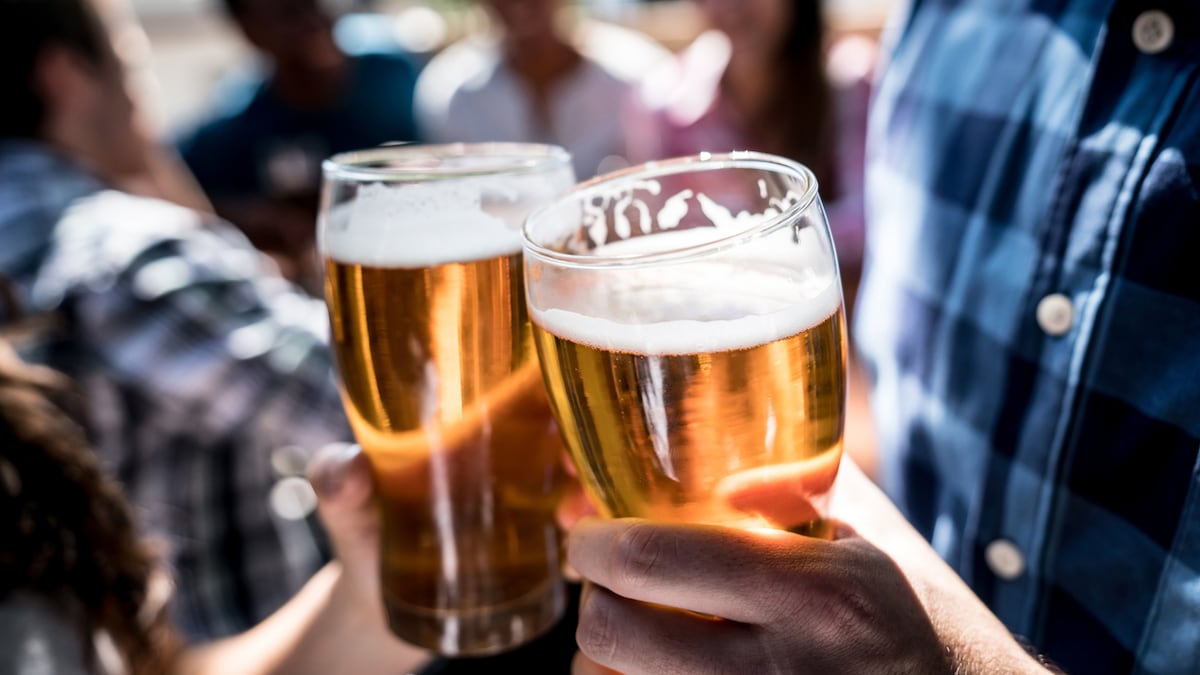
    Every celebration today – be it a birthday, promotion, or even a casual weekend hangout – seems to come with a glass of something alcoholic in hand. Even though it is well-established that alcohol has several health risks, many still indulge in it, considering it a staple for socialising and unwinding with friends. But while you might be aware of its effects on your liver, sleep, or weight, have you ever wondered how alcohol impacts your blood sugar levels? For those who claim to only consume one or two drinks per occasion, the answer might genuinely surprise you. Let’s find out what the experts say about alcohol and its effect on your blood sugar levels.

    Also Read:7 Hacks To Enhance The Taste Of Alcohol

    Latest and Breaking News on NDTV

    Photo: iStock

    Does Alcohol Cause Your Blood Sugar To Spike?

    No, it doesn’t. Let’s understand the biology behind it. According to nutritionist Amita Gadre, when we consume alcohol, our body identifies it as a toxin or poison. This is why it starts metabolising it as soon as it enters your system. Essentially, your body prioritises processing alcohol over its other activities.

    Why Isn’t Blood Sugar Spiked?

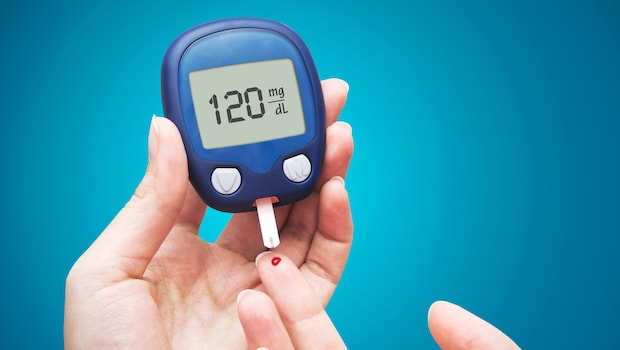
    This is because, for metabolising alcohol, your body requires glucose. So, you won’t see a spike in your blood sugar but a decrease, since glucose is being used to metabolise the alcohol. However, Gadre adds that if you consume cocktails or sugary mixers with alcohol, your blood sugar will rise due to the added sugars.

    How Much Alcohol Is Safe For Human Consumption?

    None. It doesn’t matter if you take one drink or an entire bottle; no amount of alcohol is safe for your body. According to a 2023 report released by WHO and Lancet, alcohol is a leading cause of various disorders like liver cirrhosis and other non-communicable diseases, including heart conditions. Moreover, alcohol – whether consumed neat or in a cocktail – can lead to serious health risks. This means that any beverage containing alcohol, regardless of its quantity, negatively impacts your health.

    The WHO report also mentions that no study suggests even light or moderate drinking is harmless.

    Latest and Breaking News on NDTV

    Photo: iStock

    What Happens To Your Body When You Stop Drinking Alcohol?

    Only good things happen to your body when you stop drinking alcohol.

    1. May Help Lose Weight

    Since alcohol and alcohol-based beverages are high in calories, they can prevent your body from burning fat. Additionally, they can make you feel hungry and crave greasy and salty foods. So, when you stop drinking alcohol, you can avoid excessive calories and focus on your weight loss journey.

    2. Better Sleep At Night

    Alcohol can disrupt your sleep patterns and quality of rest. While it may help you fall asleep initially, dehydration and digestive problems may disturb your sleep later. Avoid consuming alcohol for a more consistent and improved sleep cycle.

    3. Enhances Cognitive Functions

    Alcohol is a central nervous system depressant that affects your concentration and memory. According to consultant nutritionist Rupali Datta, “Consuming higher amounts of alcohol directly impacts your cognitive abilities. Once you stop drinking, they begin to improve. Disorders and depression also improve.” So, when you stop drinking alcohol, you can expect better work performance and decision-making skills.

    4. Improves Skin Quality

    According to Datta, alcohol affects your liver, which can lead to poor skin quality. Alcohol dehydrates your body and causes inflammation. When you stop drinking, your body maintains hydration levels, leading to smoother and more supple skin.

    5. Better Liver Health

    Since alcohol directly impacts your liver, abstaining from it improves this organ’s functionality. The liver helps detoxify and metabolise substances, but a significant proportion of heavy alcohol consumers develop severe liver diseases. Quitting alcohol can enhance your liver health.

    Also Read: Should We Eat Before Or After Drinking Alcohol? Hear It From The Expert

    Source link

  • Can Dal Alone Meet Your Protein Needs? The Truth Might Surprise You

    Can Dal Alone Meet Your Protein Needs? The Truth Might Surprise You

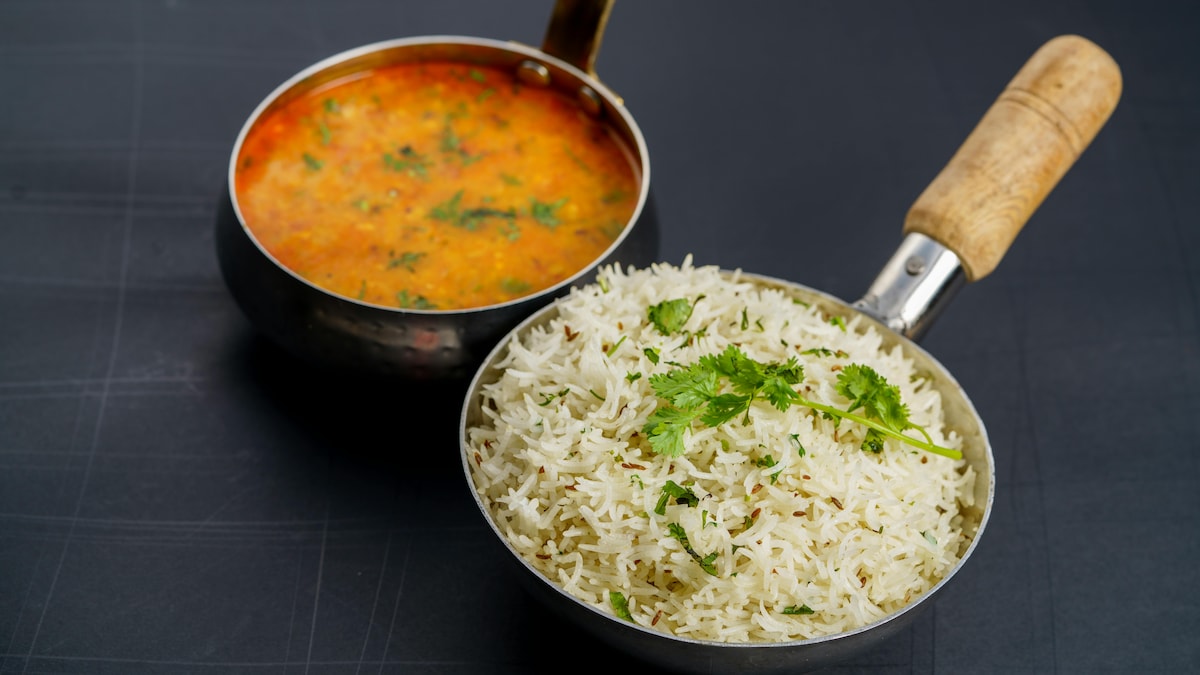
    In every Indian home, dal (lentils) is not just a comfort food – it’s a dietary staple. The humble bowl of dal, often enjoyed with a serving of rice, chapati, or roti, is a go-to meal for many of us. Packed with nutrients, lentils are celebrated as a rich source of protein, especially in vegetarian diets. In fact, many of us might think that a hearty bowl of dal or a lentil salad is all we need to meet our daily protein requirements. But here’s the catch: dals alone are not complete protein. You need to pair them with other foods to create a balanced protein profile.

    Also Read: High-Protein Diet: How To Make Vegetarian Indian Thali Rich In Protein

    Why Dal Alone Isn’t Enough For Protein Requirement:

    This revelation was brought to light by holistic health coach Luke Coutinho in an Instagram post, where he shared the truth that lentils, pulses, and legumes, though rich in protein, are not “complete” proteins. What does that mean? To understand this, we need to take a closer look at amino acids-the building blocks of protein. There are 20 amino acids in total, and 9 of these are considered essential, meaning our body cannot produce them and we must obtain them through food.

    Lentils and legumes are rich in lysine, an essential amino acid, but they lack sufficient amounts of another amino acid-methionine-which is abundant in cereals like rice and wheat. On the other hand, rice and wheat are low in lysine but packed with methionine and cysteine, sulfur-containing amino acids that lentils and pulses lack.

    When you combine dals with cereals like rice, wheat, or even millets, you create a complete protein, containing all nine essential amino acids needed for optimal health. This is particularly important for vegetarians, who rely on plant-based foods to meet their nutritional needs. In countries like India, where rice and wheat are dietary staples, the traditional pairing of dals with cereals ensures that we get a balanced and complete protein intake.

    Also Read: 6 Things To Add to Your Own Vegetarian Protein Bowl

    The Benefits of Traditional Dal Combinations

    The traditional Indian thali, with its carefully designed combinations of dals, cereals, and vegetables, exemplifies the wisdom of combining foods to create a balanced, nutrient-rich meal. This age-old practice ensures that we get not just protein, but also a good mix of vitamins, minerals, and fiber.

    Let’s take a look at some classic examples of how different cuisines pair cereals and pulses to create complete proteins:

    • Dal-Chawal or Rajma-Rice (India): This iconic Indian meal pairs lentils (dal) or kidney beans (rajma) with rice. This combination is not only delicious but also provides a complete amino acid profile, making it a perfect plant-based protein source. 
    • Dal-Roti (India): Pairing dal with roti (Indian flatbread) is another great example of this principle in action. The combination of legumes and wheat ensures your body gets all the essential amino acids it needs for protein synthesis. 
    • Hummus-Pita (Middle Eastern): This combination of hummus (made from chickpeas, a legume) with pita bread (a cereal-based food) mirrors the Indian approach of pairing pulses with cereals to form a complete protein. Click here for hummus recipe. 
    • Poha with Peanuts or Sprouts (India): Poha (flattened rice) served with peanuts or sprouts makes for a quick, protein-packed meal. The peanuts or sprouts provide the missing amino acids, balancing the poha’s protein profile. 
    • Dal-Dhokli (India): A traditional Gujarati dish, Dal-Dhokli combines wheat flour dumplings (dhokli) with dal. The pairing of wheat and pulses ensures a satisfying and complete protein-rich meal. Click here for dal dhokli recipe.
    • Dal Khichdi (India): This easy-to-digest dish is a mix of rice and lentils, spiced with turmeric and cumin. Not only is it comforting, but it also packs a protein punch with the rice-lentil combination. 
    • Lentil and Corn Tortilla (Latin America): A combination of corn (a cereal) and lentils provides a complete protein, often seen in traditional Latin American cuisines. 

    The Importance of Pairing Dal for Vegetarians

    For vegetarians, achieving a balanced intake of protein is vital. Unlike animal-based proteins, which typically contain all the essential amino acids, plant-based proteins often lack one or more of these amino acids. By understanding the science of protein pairing-combining legumes with cereals or grains-vegetarians can ensure they are consuming a complete set of amino acids. This is particularly significant in countries like India, where vegetarianism is common and the foundation of many meals rests on dal and rice.

    The next time you enjoy a bowl of dal, remember that while lentils are an excellent source of protein, it’s the combination of dal with rice, wheat, or other cereals that truly creates a complete, balanced protein profile. This simple yet powerful nutritional wisdom has been a part of traditional Indian meals for centuries and continues to offer a practical solution for meeting our protein needs. So, whether it’s dal-chawal, hummus-pita, or dal-dhokli, the art of combining cereals and pulses is a timeless recipe for health and nourishment.


    Source link

  • Quitting Roti And Rice For Weight Loss? Is It Worth It? The Answer May Surprise You

    Quitting Roti And Rice For Weight Loss? Is It Worth It? The Answer May Surprise You

    Carbohydrates are often the first thing people cut when they’re trying to lose weight. They’ve earned a bad reputation for adding extra calories and throwing off our weight loss plans. But here’s the thing – carbs are actually a crucial part of a balanced diet. In fact, Indian meals are usually packed with carbs, with staples like rice and roti on the table at every meal. It’s pretty common to think cutting these out will help with weight loss, but does it really work in the long run? Are you someone who has ditched roti and rice, but still not seeing the results you’re hoping for? If that sounds like you, keep reading. We’re about to dive into why carbs matter and what happens to your body when you try to go without them.

    Also Read: Carbs – How Much Is Enough? Does Carb Intake Affect Lifespan?

    Latest and Breaking News on NDTV

    Photo Credit: iStock

    Why Are Carbs Important?

    Like other food groups, carbs are vital for our daily diet. According to nutritionist Nidhi Nigam, carbohydrates are key to achieving optimal nutrition and maintaining a healthy body and mind. Here’s how carbs benefit us:

    1. Carbs are the brain’s first choice for energy due to their high metabolism rate. Neurons need a lot of energy, and carbohydrates are the only nutrient that can meet this demand.

    2. Carbs are rich in fibre, promoting a healthy digestive system. They support the gut microbiome, which is crucial for good digestion.

    3. They are a great source of B-group vitamins, which support skin, eye, mental, and cell health.

    4. Despite providing immense energy, carbs are often blamed for weight gain. This is why many people cut them out when trying to shed extra kilos.

    Do You Actually Lose Weight When You Quit Carbohydrates – Roti and Rice?

    Roti and rice, staples in Indian diets, are rich in carbs. Contrary to popular belief, cutting them out can lead to weight loss. Nutritionist Shalini Sudhakar explains that our primary energy source comes from food. When you quit carbs, you naturally consume fewer calories than your body needs.

    What Happens When You Quit Eating Carbohydrates?

    Your body enters a calorie deficit. To meet its energy needs, it taps into fat stores. Here’s how it works: you burn more calories, fat cells shrink, and you lose weight.

    Latest and Breaking News on NDTV

    Photo Credit: iStock

    Is This Kind of Weight Loss Sustainable?

    Not beyond two to three weeks. According to Sudhakar, an extreme calorie deficit and nutrient deprivation trigger hunger pangs, sugar cravings, binge eating, and low energy levels. Eventually, you’ll return to eating carbs. Worse, once you resume normal eating, your body may store more fat due to disturbed cortisol levels, leading to regained weight or even greater weight gain.

    What Is the Best Way to Include Carbohydrates in Your Diet?

    Instead of eliminating carbs, nutritionist Rupali Datta suggests opting for healthier ones. “Quality carbs provide additional nutrients with health benefits. Whole grains, legumes, starchy vegetables like potatoes, and root vegetables are good options. These foods give us more than just carbs-they deliver other nutrients as well,” she says.

    Watch the full video below:

    Also Read: Watch: Low Carb Keto Thepla Recipe – Easy And Healthy Breakfast Recipe For Busy Mornings

    What’s your go-to meal during your weight loss journey? Let us know in the comments below.


    Source link

  • 5 odd facts about Donald Trump’s lifestyle that might surprise you |

    5 odd facts about Donald Trump’s lifestyle that might surprise you |

    5 odd facts about Donald Trump’s lifestyle that might surprise you

    Republican Donald Trump has made a historic comeback by winning the 47th presidential run, defeating Democrat Kamal Harris with a promise to restore the ‘American dream’ and improve the country’s economic conditions. His return to the White House, after losing the elections to Democratic rival Joe Biden four years back, makes the win even more crucial. While he is set to become the President of the United States, let’s take a look at some of the odd facts about Trump’s lifestyle, we bet you never knew.
    Donald Trump hates pizza crust

    Donald Trump

    If you thought asking for a hand-tossed thin crust at the restaurant is a tad weird, you are in for tough competition. Though Donald Trump and his former wife Ivana starred in a 1995 pizza commercial, awfully eating the pizza crust first, in real life he cannot stand the crust! In an earlier interview with the Daily Mail, Trump confessed that he ‘never’ eats pizza crust! Well, and the rest is history.
    Donald Trump is obsessed with golfing
    In the past few months, Trump has been always spotted golfing, despite his racy campaign duties. Back in the day, when he was a real estate developer, Trump had acquired and constructed golf courses. His company owns many golf courses worldwide. According to Trump’s official Golf website, he owns 18 golf courses across three continents.
    Lavish residences
    Fourth child of New York real estate tycoon Fred Trump, Donald Trump was born into royalty. He also leads a luxe life. Trump grew up in an affluent neighborhood in Queens, New York City, and owns several luxe residences in several parts of the world. His most loved abode is the Trump Tower, a 68-story skyscraper on Fifth Avenue, New York. He often stays in the penthouse.
    Fear of eating at non-chain restaurants
    Donald Trump is quite popular for his diet. He is very fond of American fast food, especially McDonald’s, KFC, pizza, and Diet Coke. He is also said to avoid dining at non-chain restaurants. So, what’s the real reason behind Donald Trump’s love for fast food chains? In his 2018 book Fire and Fury: Inside the Trump White House, author Michael Wolff stated that Donald Trump “had a longtime fear of being poisoned.” Speaking of why Trump preferred McDonald’s, Wolff asserted, “nobody knew he was coming and the food was safely premade.”

    Sent to military school for misbehaving
    Controversies and detours followed Donald Trump, even when he was very young. At the age of 13, Trump was sent off to the military academy, because he started misbehaving in school. Despite his affluent family background, he was expected to work the lowest-tier jobs within his father’s company.


    Source link

  • 5 odd facts about Donald Trump’s lifestyle that might surprise you |

    5 odd facts about Donald Trump’s lifestyle that might surprise you |

    5 odd facts about Donald Trump’s lifestyle that might surprise you

    Republican Donald Trump has made a historic comeback by winning the 47th presidential run, defeating Democrat Kamal Harris with a promise to restore the ‘American dream’ and improve the country’s economic conditions. His return to the White House, after losing the elections to Democratic rival Joe Biden four years back, makes the win even more crucial. While he is set to become the President of the United States, let’s take a look at some of the odd facts about Trump’s lifestyle, we bet you never knew.
    Donald Trump hates pizza crust

    Donald Trump

    If you thought asking for a hand-tossed thin crust at the restaurant is a tad weird, you are in for tough competition. Though Donald Trump and his former wife Ivana starred in a 1995 pizza commercial, awfully eating the pizza crust first, in real life he cannot stand the crust! In an earlier interview with the Daily Mail, Trump confessed that he ‘never’ eats pizza crust! Well, and the rest is history.
    Donald Trump is obsessed with golfing
    In the past few months, Trump has been always spotted golfing, despite his racy campaign duties. Back in the day, when he was a real estate developer, Trump had acquired and constructed golf courses. His company owns many golf courses worldwide. According to Trump’s official Golf website, he owns 18 golf courses across three continents.
    Lavish residences
    Fourth child of New York real estate tycoon Fred Trump, Donald Trump was born into royalty. He also leads a luxe life. Trump grew up in an affluent neighborhood in Queens, New York City, and owns several luxe residences in several parts of the world. His most loved abode is the Trump Tower, a 68-story skyscraper on Fifth Avenue, New York. He often stays in the penthouse.
    Fear of eating at non-chain restaurants
    Donald Trump is quite popular for his diet. He is very fond of American fast food, especially McDonald’s, KFC, pizza, and Diet Coke. He is also said to avoid dining at non-chain restaurants. So, what’s the real reason behind Donald Trump’s love for fast food chains? In his 2018 book Fire and Fury: Inside the Trump White House, author Michael Wolff stated that Donald Trump “had a longtime fear of being poisoned.” Speaking of why Trump preferred McDonald’s, Wolff asserted, “nobody knew he was coming and the food was safely premade.”

    Sent to military school for misbehaving
    Controversies and detours followed Donald Trump, even when he was very young. At the age of 13, Trump was sent off to the military academy, because he started misbehaving in school. Despite his affluent family background, he was expected to work the lowest-tier jobs within his father’s company.


    Source link

  • 5 odd facts about Donald Trump’s lifestyle that might surprise you |

    5 odd facts about Donald Trump’s lifestyle that might surprise you |

    5 odd facts about Donald Trump’s lifestyle that might surprise you

    Republican Donald Trump has made a historic comeback by winning the 47th presidential run, defeating Democrat Kamal Harris with a promise to restore the ‘American dream’ and improve the country’s economic conditions. His return to the White House, after losing the elections to Democratic rival Joe Biden four years back, makes the win even more crucial. While he is set to become the President of the United States, let’s take a look at some of the odd facts about Trump’s lifestyle, we bet you never knew.
    Donald Trump hates pizza crust

    Donald Trump

    If you thought asking for a hand-tossed thin crust at the restaurant is a tad weird, you are in for tough competition. Though Donald Trump and his former wife Ivana starred in a 1995 pizza commercial, awfully eating the pizza crust first, in real life he cannot stand the crust! In an earlier interview with the Daily Mail, Trump confessed that he ‘never’ eats pizza crust! Well, and the rest is history.
    Donald Trump is obsessed with golfing
    In the past few months, Trump has been always spotted golfing, despite his racy campaign duties. Back in the day, when he was a real estate developer, Trump had acquired and constructed golf courses. His company owns many golf courses worldwide. According to Trump’s official Golf website, he owns 18 golf courses across three continents.
    Lavish residences
    Fourth child of New York real estate tycoon Fred Trump, Donald Trump was born into royalty. He also leads a luxe life. Trump grew up in an affluent neighborhood in Queens, New York City, and owns several luxe residences in several parts of the world. His most loved abode is the Trump Tower, a 68-story skyscraper on Fifth Avenue, New York. He often stays in the penthouse.
    Fear of eating at non-chain restaurants
    Donald Trump is quite popular for his diet. He is very fond of American fast food, especially McDonald’s, KFC, pizza, and Diet Coke. He is also said to avoid dining at non-chain restaurants. So, what’s the real reason behind Donald Trump’s love for fast food chains? In his 2018 book Fire and Fury: Inside the Trump White House, author Michael Wolff stated that Donald Trump “had a longtime fear of being poisoned.” Speaking of why Trump preferred McDonald’s, Wolff asserted, “nobody knew he was coming and the food was safely premade.”

    Sent to military school for misbehaving
    Controversies and detours followed Donald Trump, even when he was very young. At the age of 13, Trump was sent off to the military academy, because he started misbehaving in school. Despite his affluent family background, he was expected to work the lowest-tier jobs within his father’s company.


    Source link

  • 5 odd facts about Donald Trump’s lifestyle that might surprise you |

    5 odd facts about Donald Trump’s lifestyle that might surprise you |

    5 odd facts about Donald Trump’s lifestyle that might surprise you

    Republican Donald Trump has made a historic comeback by winning the 47th presidential run, defeating Democrat Kamal Harris with a promise to restore the ‘American dream’ and improve the country’s economic conditions. His return to the White House, after losing the elections to Democratic rival Joe Biden four years back, makes the win even more crucial. While he is set to become the President of the United States, let’s take a look at some of the odd facts about Trump’s lifestyle, we bet you never knew.
    Donald Trump hates pizza crust

    Donald Trump

    If you thought asking for a hand-tossed thin crust at the restaurant is a tad weird, you are in for tough competition. Though Donald Trump and his former wife Ivana starred in a 1995 pizza commercial, awfully eating the pizza crust first, in real life he cannot stand the crust! In an earlier interview with the Daily Mail, Trump confessed that he ‘never’ eats pizza crust! Well, and the rest is history.
    Donald Trump is obsessed with golfing
    In the past few months, Trump has been always spotted golfing, despite his racy campaign duties. Back in the day, when he was a real estate developer, Trump had acquired and constructed golf courses. His company owns many golf courses worldwide. According to Trump’s official Golf website, he owns 18 golf courses across three continents.
    Lavish residences
    Fourth child of New York real estate tycoon Fred Trump, Donald Trump was born into royalty. He also leads a luxe life. Trump grew up in an affluent neighborhood in Queens, New York City, and owns several luxe residences in several parts of the world. His most loved abode is the Trump Tower, a 68-story skyscraper on Fifth Avenue, New York. He often stays in the penthouse.
    Fear of eating at non-chain restaurants
    Donald Trump is quite popular for his diet. He is very fond of American fast food, especially McDonald’s, KFC, pizza, and Diet Coke. He is also said to avoid dining at non-chain restaurants. So, what’s the real reason behind Donald Trump’s love for fast food chains? In his 2018 book Fire and Fury: Inside the Trump White House, author Michael Wolff stated that Donald Trump “had a longtime fear of being poisoned.” Speaking of why Trump preferred McDonald’s, Wolff asserted, “nobody knew he was coming and the food was safely premade.”

    Sent to military school for misbehaving
    Controversies and detours followed Donald Trump, even when he was very young. At the age of 13, Trump was sent off to the military academy, because he started misbehaving in school. Despite his affluent family background, he was expected to work the lowest-tier jobs within his father’s company.


    Source link