FRANKFURT, Germany — The European Union has finalized its sharply higher customs duties on electric vehicles imported from China. EVs are the latest flash point in a broader trade dispute over Chinese government subsidies and Beijing’s burgeoning exports of green technology to the 27-nation bloc.
The duties took effect provisionally in July and were finalized after talks between the EU and China failed to resolve their differences. Negotiations are expected to continue, and the EU could lift the duties if an agreement is reached.
Here are some basic facts about the EU’s customs duties:
The European Commission, the EU’s executive arm, conducted an eight-month investigation and concluded that companies making electric cars in China benefit from massive government help that enables them to undercut rivals in the EU on price, take a large market share and threaten European jobs.
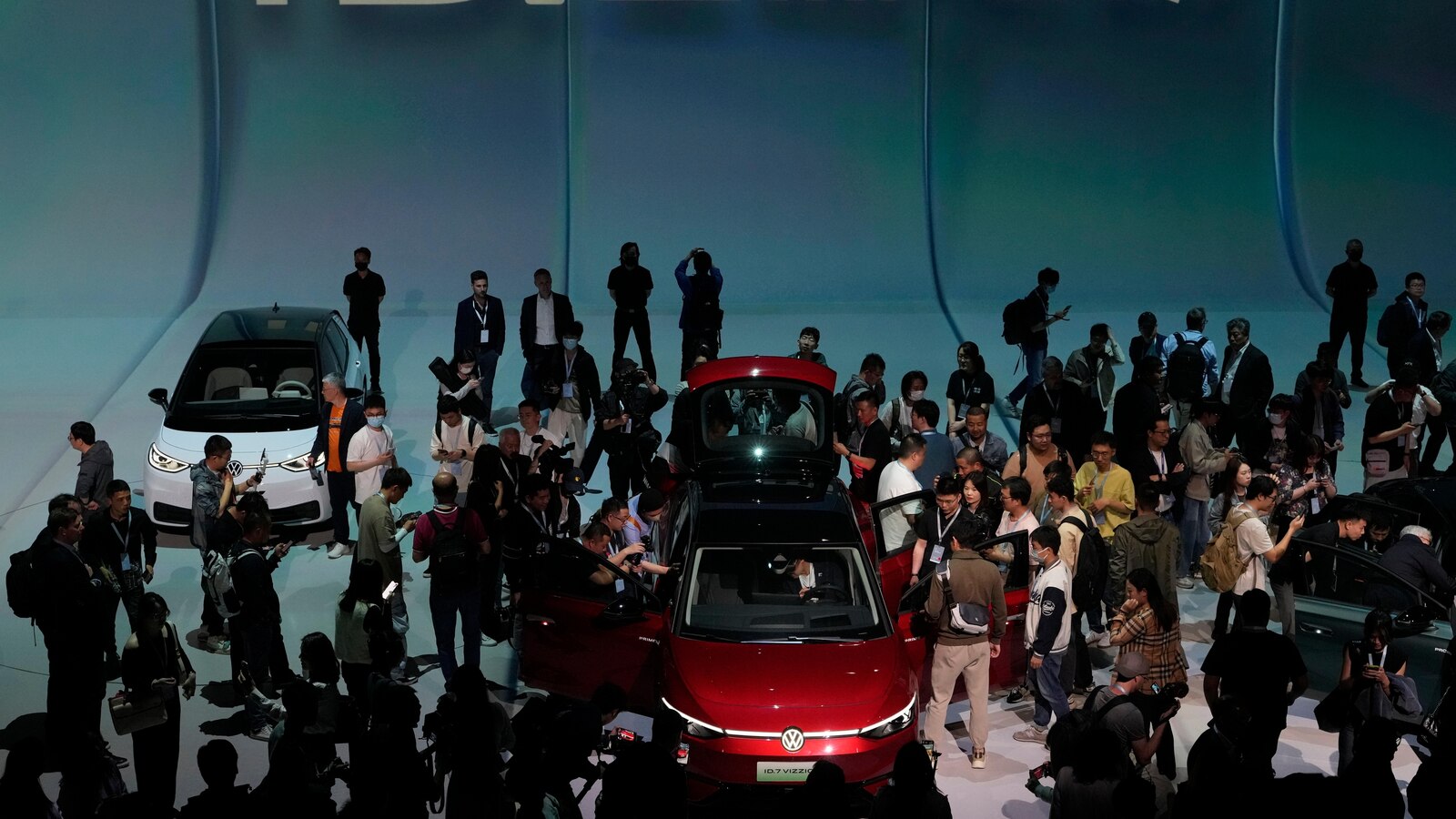
The duties differ depending on the maker: 17% for BYD, 18.8% for Geely and 35.3% for state-owned SAIC. Other EV manufacturers in China, including Volkswagen and BMW, would be subject to a 20.7% duty. The commission has an individually calculated rate for Tesla of 7.8%.
“By adopting these proportionate and targeted measures after a rigorous investigation, we’re standing up for fair market practices and for the European industrial base,” European Commission Executive Vice-President Valdis Dombrovskis said.
The duties will stay in force for five years unless an amicable solution is found.
Chinese-built electric cars jumped from 3.9% of the EV market in 2020 to 25% by September 2023, the commission has said.
The commission says companies in China accomplished that with the help of subsidies all along the chain of production, from cheap land for factories from local governments to below-market supplies of lithium and batteries from state-owned enterprises to tax breaks and below-interest financing from state-controlled banks.
The rapid growth in market share has sparked fears that Chinese cars will eventually threaten the EU’s ability to produce its own green technology needed to combat climate change, as well as the jobs of 2.5 million workers at risk in the auto industry and 10.3 million more people whose jobs depend indirectly on EV production.
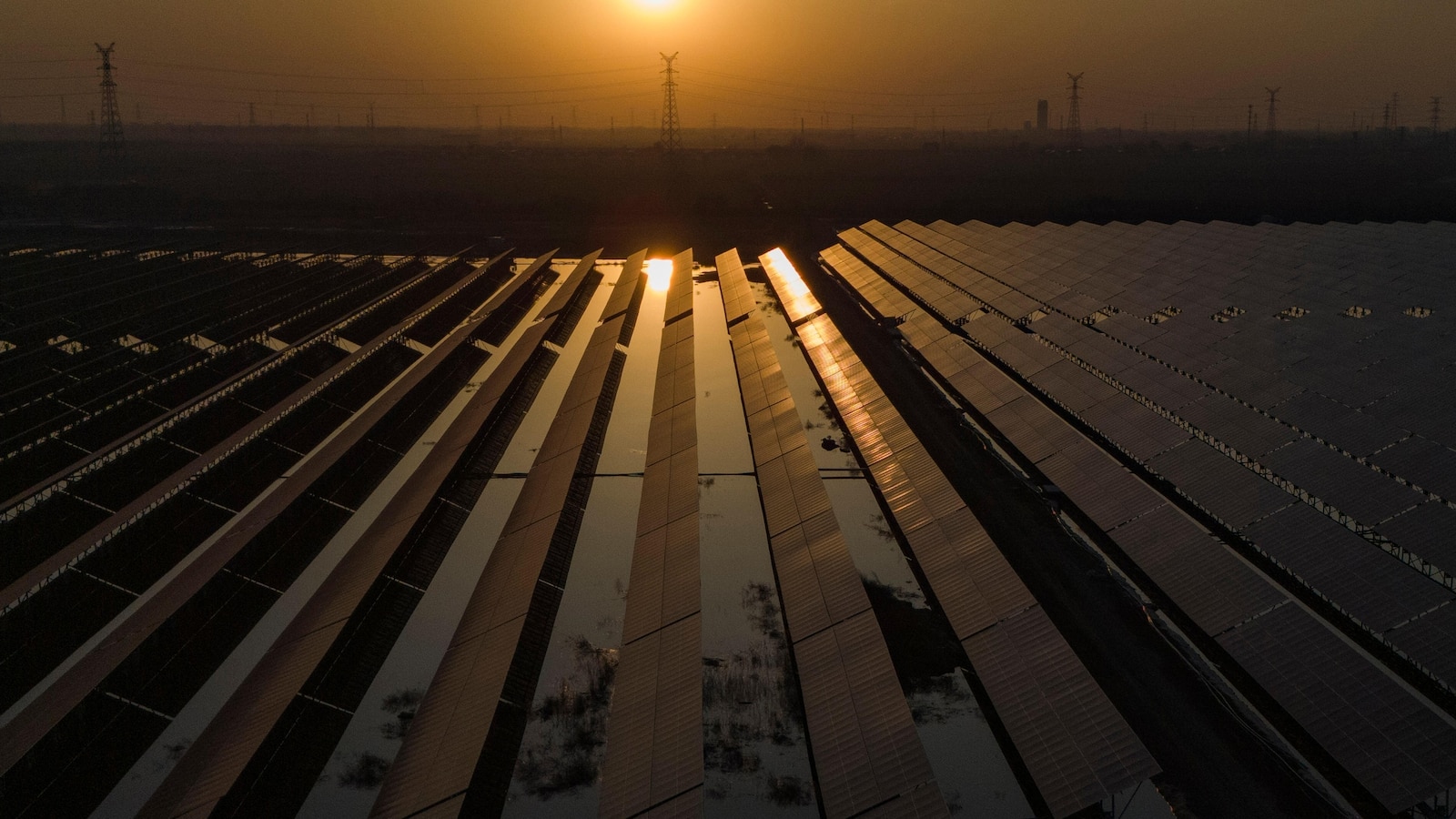
Subsidized solar panels from China have wiped out European producers — an experience that European governments don’t want to see repeated with their auto industry.
Unusually, the commission acted on its own, without a complaint from the European auto industry. Industry leaders and Germany, home to BMW, Volkswagen and Mercedes-Benz, have opposed the tariffs. That’s because many of the cars that will be hit with tariffs are made by European companies, and China could retaliate against the auto industry or in other areas.
Beijing has been sharply critical of the investigation and the higher duties as protectionist and unfair.
The Commerce Ministry has also launched anti-dumping investigations into European exports of brandy, pork and dairy products. Earlier this month, it announced provisional tariffs of 30.6% to 39% on French and other European brandies, after EU member countries voted in favor of finalizing the tariffs on EVs.
Officials have also said that they are weighing whether to raise tariffs on imports of gasoline-powered vehicles with large engines.
Talks between the two sides focused in recent weeks on so-called “price commitments” as a possible resolution. In such a scenario, carmakers would agree to a minimum selling price for their EVs in Europe.
Some Chinese automakers are looking at making cars in Europe to avoid any tariffs and be closer to the market. BYD is building a plant in Hungary, while Chery has a joint venture to build cars in Spain’s Catalonia region.
The Biden administration is raising tariffs on Chinese EVs to 100% from the current 25%. At that level, the U.S. tariffs block virtually all Chinese EV imports.
That’s not what Europe is trying to do.
EU officials want affordable electric cars from abroad to achieve their goals of cutting greenhouse gas emissions by 55% by 2030 — but without the subsidies EU leaders see as unfair competition
The planned tariffs are aimed at leveling the playing field by approximating the size of the excess or unfair subsidies available to Chinese carmakers.
European countries subsidize electric cars, too. The question in trade disputes is whether subsidies are fair and available to all carmakers or distort the market in favor of one side.
It’s not clear what impact the duties will have on car prices. Chinese carmakers are able to make cars so cheaply that they could absorb the duties in the form of lower profits instead of raising prices.
Currently, Chinese carmakers often sell their vehicles overseas at much higher prices than in China, meaning they are favoring profits over market share, even given their recent market gains. Five of BYD’s six models would still earn a profit in Europe even with a 30% tariff, according to Rhodium Group calculations.
BYD’s Seal U Comfort model sells for the equivalent of 21,769 euros ($23,370) in China but 41,990 euros ($45,078) in Europe, according to Rhodium. The base model of BYD’s compact Seagull, due to arrive in Europe next year, sells for around $10,000 in China.
While consumers might benefit from cheaper Chinese cars in the short term, allowing unfair practices could eventually mean less competition and higher prices in the long term, the commission argues.
___
Moritsugu reported from Beijing.