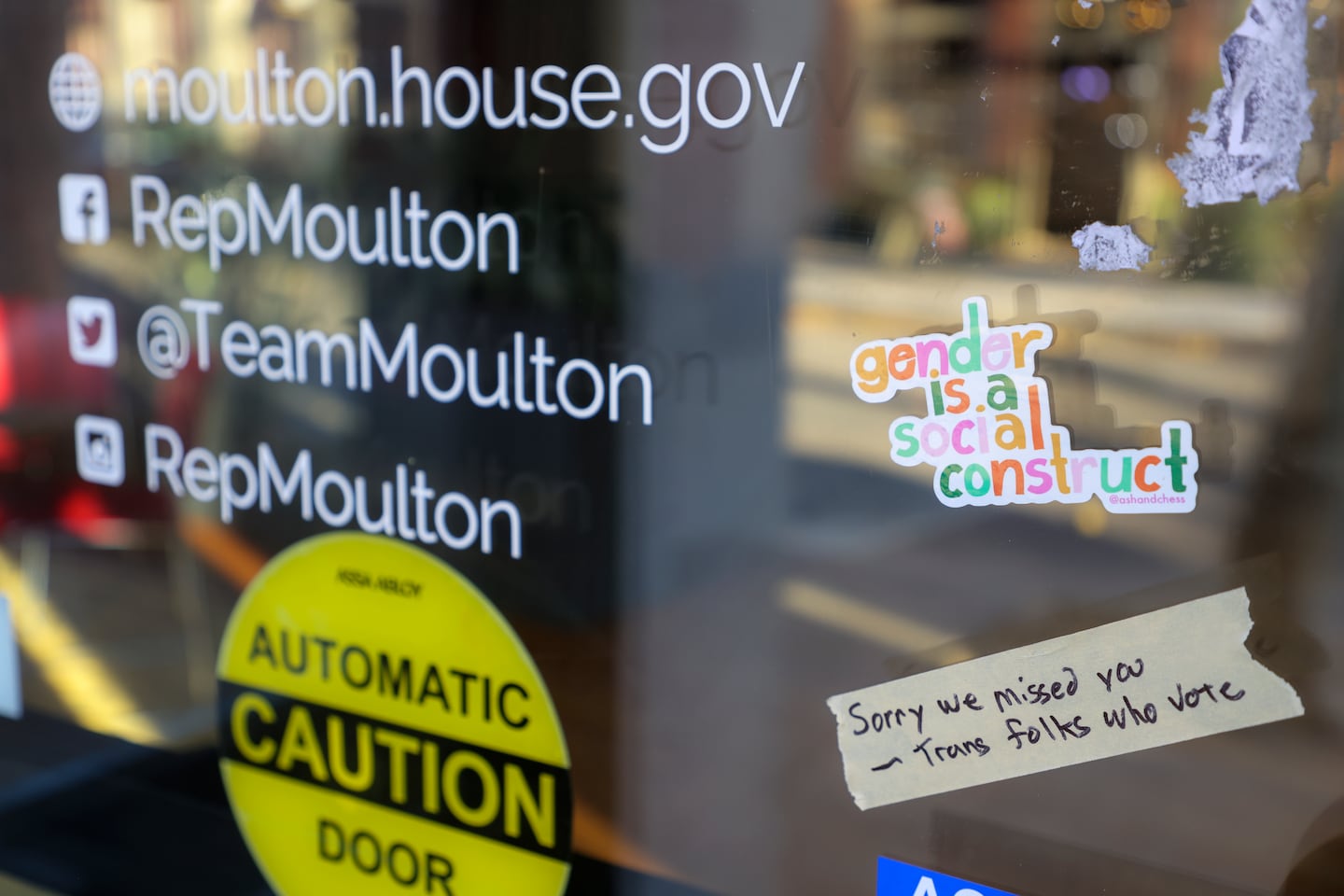
In the end, however, those on the brief Zoom call say they ended up disappointed with Moulton’s response.
“I was telling him people were fearful for their children’s lives,” said Nina Selvaggio, executive director of Greater Boston PFLAG. “Nothing made an impact. There was no empathy, no love, no pausing.”
Moulton declined to be interviewed for this story, but in a statement, a spokesperson said the congressman “has an unimpeachable voting record on LGBTQ+ issues, and he will continue to stand up for the rights of all Americans.”
“He has been talking to and listening to a wide variety of people about this issue over the last couple weeks,” the spokesperson, Sydney Simon, said. “We don’t expect everyone to agree with him, but a lot of those conversations have been supportive of what he is trying to do: which is to push Democrats to make room for the voters we’ve lost.”
Selvaggio and Tanya Neslusan, executive director of MassEquality, were also on the call along with the mother of a school-age transgender child and Moulton’s chief of staff Rick Jakious.
The 30-minute call was meant to be educational, said Selvaggio, Neslusan, and the mother, all of who spoke to The Boston Globe in separate interviews. They said they hoped to educate Moulton on some of the facts about transgender youth in sports, as well as on how to speak about the LGTBQ+ community. In his original comments, for example, Moulton called transgender women “formerly male,” language that does not accurately reflect the person’s gender identity.
In the hours and days after the call, the mother watched intently as Moulton appeared on TV shows, radio programs, and give interviews to newspapers across New England. As a constituent who lives in Moulton’s congressional district, the mother hoped to see the congressman change his tone or apologize.
He didn’t.
“He did not ask any questions about the topic. He did not ask any questions about how my kids were doing,” the mother said, describing the call with the congressman. “I didn’t sense empathy.”
She spoke on the condition of anonymity to protect her safety, noting that families of transgender youth are often targeted when they speak publicly.
Selvaggio requested the meeting with Moulton soon after the New York Times quoted him in a story where he said identity politics hurt the party and suggested it should focus more intensely on other matters facing voters.
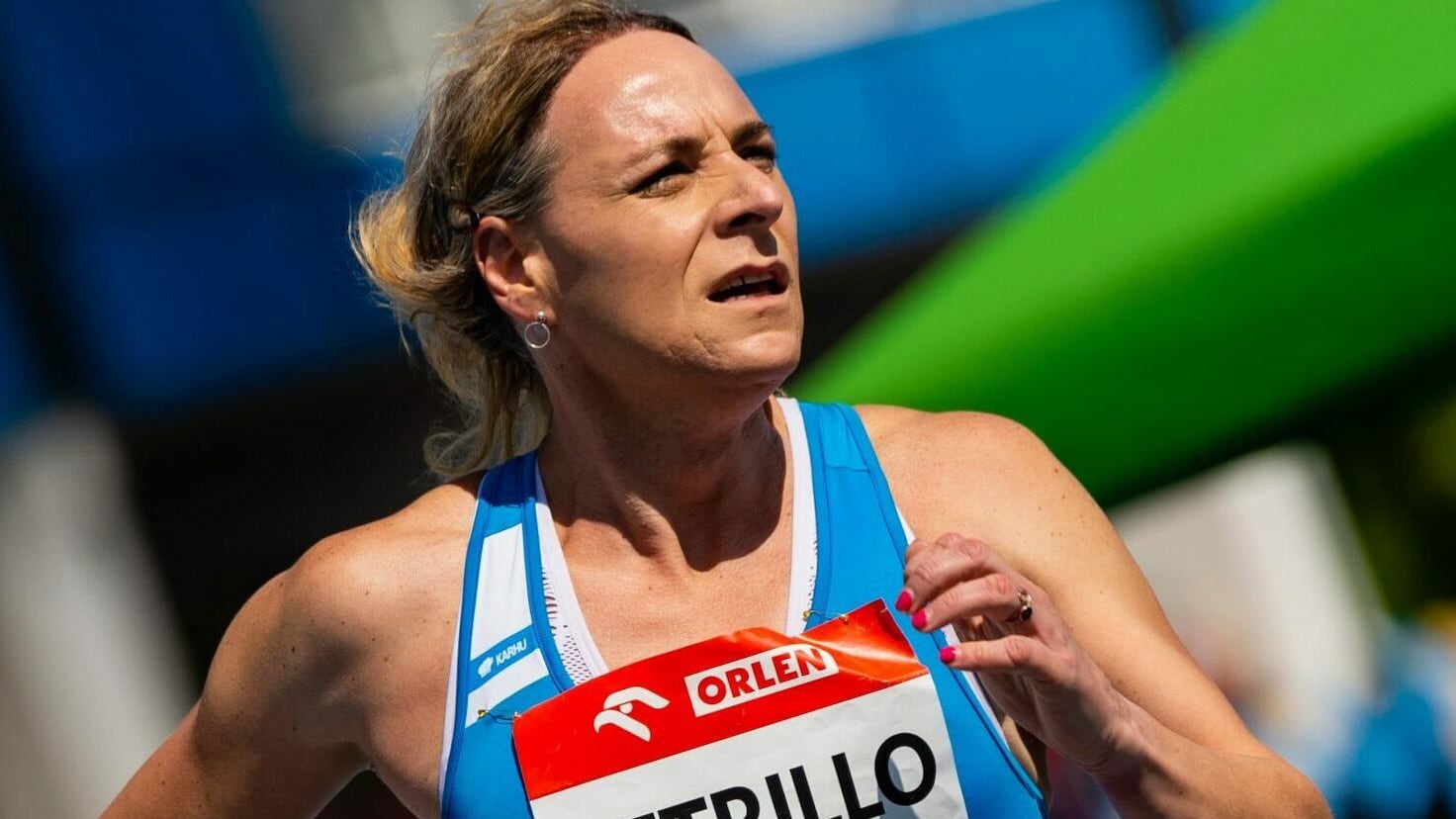
“Democrats spend way too much time trying not to offend anyone rather than being brutally honest about the challenges many Americans face,” Moulton told the newspaper. “I have two little girls, I don’t want them getting run over on a playing field by a male or formerly male athlete, but as a Democrat, I’m supposed to be afraid to say that.”
On the call, the advocates said they made the point that transgender people make up just slightly more than 1 percent of the nation’s population, and the number of transgender youth is even smaller. That number gets even smaller when one considers the number of transgender youth who also play sports.
Moulton admitted he didn’t use the perfect words to make his point in the Times, Selvaggio, Neslusan, and the mother said, describing the interaction in separate interviews with the Globe. He also told them, “The backlash proves my point,” repeating a line he used with reporters in the aftermath of his comments.
Neslusan said hearing Moulton express opinions “that are unfounded and potentially extremely harmful” about the biology of transgender children was unsettling.
“My ask was that he take some time to research and reach out to organizations like mine . . . before speaking out on those things because he was in a position to do more harm,” Neslusan said. “When he didn’t commit to that, which was a low-risk ask, I lost a lot of faith.”
Moulton repeated that his statement to the Times came “from a genuine place as a dad,” but those on the call asked: what about this parent’s child?
Moulton has defended himself against the criticism and has brought up other issues related to gender and sexuality in interviews.
On GBH News’ Boston Public Radio, he called the use of pronouns in email signatures “kind of weird” and said the formality represents Democrats having “to change all our values to meet the needs or demands of one very small minority group.”
WBUR’s Morning Edition host Tiziana Dearing asked why he hadn’t apologized. He demurred, instead underscoring the importance of “having this debate and not being canceled for it.”
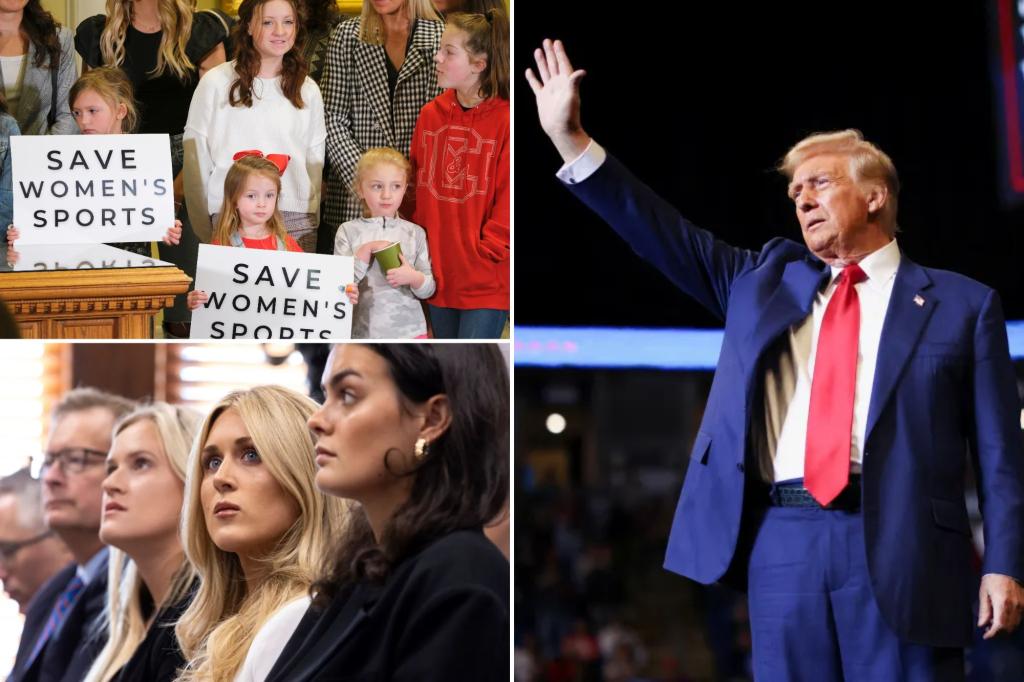
Transgender rights, including whether transgender athletes should be allowed to compete in women’s sports, have been a centerpiece of the culture war this political cycle. President-elect Donald Trump put out a deluge of antitrans ads during his campaign, and South Carolina Representative Nancy Mace, a Republican, is pushing to ban transgender women from women’s restrooms at the US Capitol. Locally, a new state law in New Hampshire that bars transgender girls from girls’ sports in middle and high schools prompted a lawsuit from a transgender girl’s family.
Hope Watt-Bucci, president of Manchester nonprofit North Shore Pride, said Massachusetts has long been seen as a safe space for LGBTQ people around the country, and that Moulton represents a vibrant community on Massachusetts’ North Shore, especially in his hometown of Salem.
She said Moulton, who marches in their parade and attends their festivals, made comments that were “just unconscionable.”
Watt-Bucci had a separate phone call with Moulton shortly after the comments.
“He did say that maybe I could have worded it better,” she said. “I said, ‘You most definitely could have.’”
Samantha J. Gross can be reached at samantha.gross@globe.com. Follow her @samanthajgross.