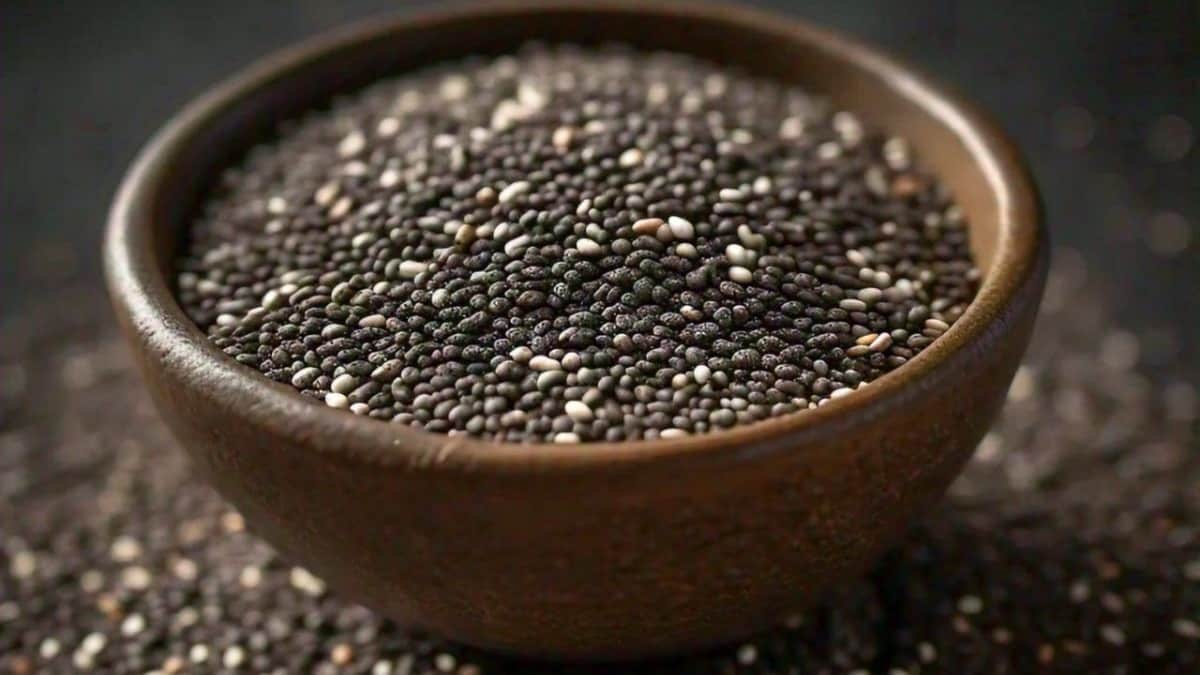
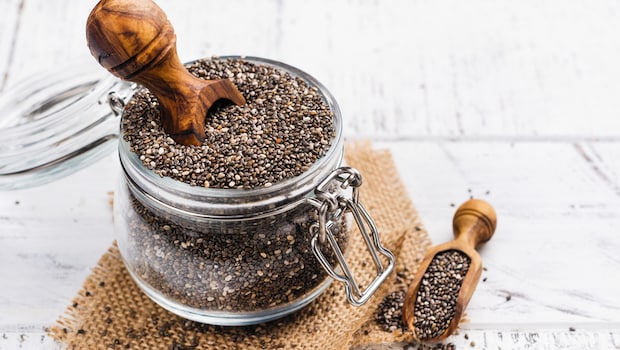
Chia seeds have emerged as a superfood in recent times. Known for being rich in essential vitamins and minerals, they have become a popular choice for those trying to eat healthy. If you’re also one of them, you must have read, watched videos, or been advised to incorporate them into your diet. Some even say that chia seeds can aid in fat loss. But is this really true? Can these tiny black seeds help you fulfil your fat loss goals? Recently, fitness coach Ralston D’Souza took to his Instagram to reveal the truth about chia seeds and fat loss, and the answer might surprise you. But before that, let’s understand if fat loss is the same as weight loss. Also Read: Weight Loss: Drink Protein-Rich Chia Seeds Water To Lose Weight Effectively
Photo Credit: iStock
Is Fat Loss And Weight Loss The Same Thing?
Many people use these terms interchangeably, but they have distinct meanings. Fat loss refers to a decrease in body fat alone, whereas weight loss is a decrease in overall body weight. The former is a more specific goal, while the latter is more general. The most suitable option for you would depend on your personal health goals.
Chia Seeds For Fat Loss: Do They Really Work? Here’s What The Fitness Coach Revealed
According to Ralston, if you only add chia seeds to your diet without making any other changes, you might actually gain fat. He explains, “Chia seeds are very nutritious and packed with fibre, which helps you feel full and manage hunger. But they’re also calorie-dense.” He states that a 100-gm serving of chia seeds can contain up to 500 calories. So, while chia seeds are healthy, you need to be mindful of how much you’re consuming. Ralston further adds, “Eating fewer calories is necessary for fat loss, so don’t simply add chia seeds to everything whenever you feel hungry – it just won’t work.” In order to see the desired change, you must alter your diet as a whole and not rely on a single food item.
Watch the complete video here:
How To Incorporate Chia Seeds Into Your Diet?
You can incorporate chia seeds into your diet in several fun and exciting ways. Check out some options below:
1. Chia Seeds Pudding
Chia seeds make for a delicious pudding when soaked with milk. If you dislike the taste of plain milk, feel free to add flavours of your choice, such as coffee, chocolate, or mango.
2. Chia Seeds Smoothie
Love sipping smoothies? Try making one with chia seeds next time! Simply pre-soak chia seeds and add them to your smoothie glass. They will give it a fun, gel-like texture.
3. Chia Seeds Salad
To make this salad, combine chia seeds with oats, banana, milk, almonds, dates, and honey. It’s not only super healthy but also tastes delicious. Also Read: How To Consume Chia Seeds For Weight Loss – Dos And Don’ts
Now that you know the truth about chia seeds, incorporate them wisely into your diet to reap their maximum benefits.
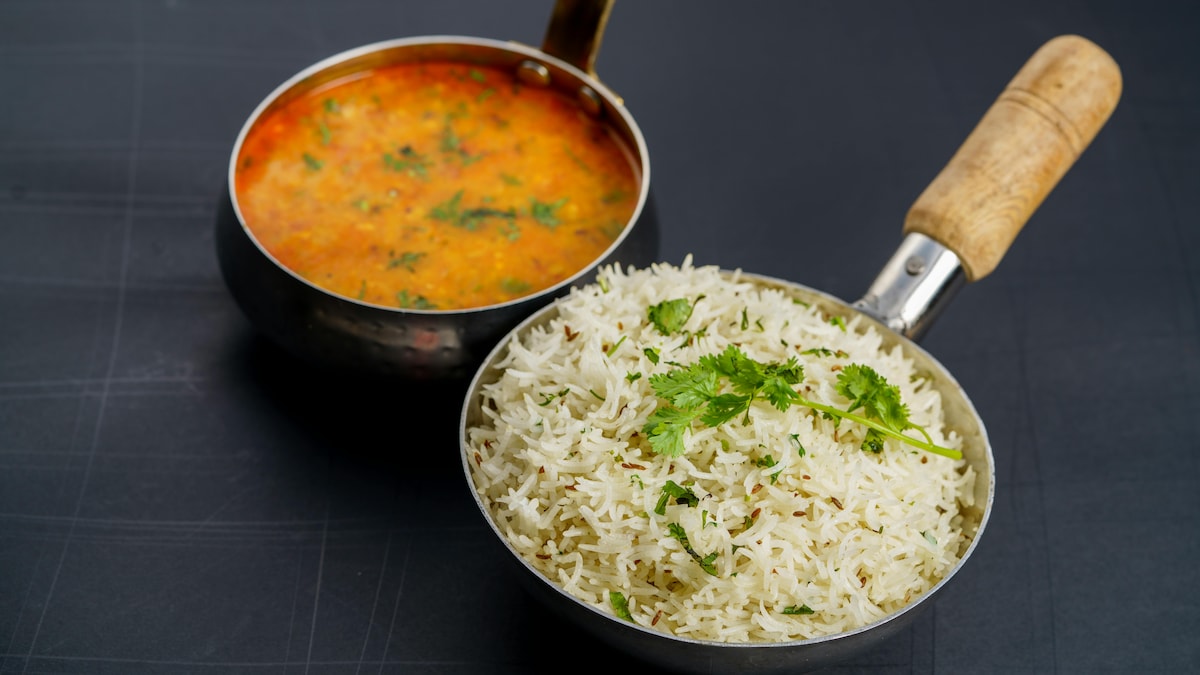
In every Indian home, dal (lentils) is not just a comfort food – it’s a dietary staple. The humble bowl of dal, often enjoyed with a serving of rice, chapati, or roti, is a go-to meal for many of us. Packed with nutrients, lentils are celebrated as a rich source of protein, especially in vegetarian diets. In fact, many of us might think that a hearty bowl of dal or a lentil salad is all we need to meet our daily protein requirements. But here’s the catch: dals alone are not complete protein. You need to pair them with other foods to create a balanced protein profile.
Also Read: High-Protein Diet: How To Make Vegetarian Indian Thali Rich In Protein
Why Dal Alone Isn’t Enough For Protein Requirement:
This revelation was brought to light by holistic health coach Luke Coutinho in an Instagram post, where he shared the truth that lentils, pulses, and legumes, though rich in protein, are not “complete” proteins. What does that mean? To understand this, we need to take a closer look at amino acids-the building blocks of protein. There are 20 amino acids in total, and 9 of these are considered essential, meaning our body cannot produce them and we must obtain them through food.
Lentils and legumes are rich in lysine, an essential amino acid, but they lack sufficient amounts of another amino acid-methionine-which is abundant in cereals like rice and wheat. On the other hand, rice and wheat are low in lysine but packed with methionine and cysteine, sulfur-containing amino acids that lentils and pulses lack.
When you combine dals with cereals like rice, wheat, or even millets, you create a complete protein, containing all nine essential amino acids needed for optimal health. This is particularly important for vegetarians, who rely on plant-based foods to meet their nutritional needs. In countries like India, where rice and wheat are dietary staples, the traditional pairing of dals with cereals ensures that we get a balanced and complete protein intake.
Also Read: 6 Things To Add to Your Own Vegetarian Protein Bowl
The Benefits of Traditional Dal Combinations
The traditional Indian thali, with its carefully designed combinations of dals, cereals, and vegetables, exemplifies the wisdom of combining foods to create a balanced, nutrient-rich meal. This age-old practice ensures that we get not just protein, but also a good mix of vitamins, minerals, and fiber.
Let’s take a look at some classic examples of how different cuisines pair cereals and pulses to create complete proteins:
Dal-Chawal or Rajma-Rice (India): This iconic Indian meal pairs lentils (dal) or kidney beans (rajma) with rice. This combination is not only delicious but also provides a complete amino acid profile, making it a perfect plant-based protein source.
Dal-Roti (India): Pairing dal with roti (Indian flatbread) is another great example of this principle in action. The combination of legumes and wheat ensures your body gets all the essential amino acids it needs for protein synthesis.
Hummus-Pita (Middle Eastern): This combination of hummus (made from chickpeas, a legume) with pita bread (a cereal-based food) mirrors the Indian approach of pairing pulses with cereals to form a complete protein. Click here for hummus recipe.
Poha with Peanuts or Sprouts (India): Poha (flattened rice) served with peanuts or sprouts makes for a quick, protein-packed meal. The peanuts or sprouts provide the missing amino acids, balancing the poha’s protein profile.
Dal-Dhokli (India): A traditional Gujarati dish, Dal-Dhokli combines wheat flour dumplings (dhokli) with dal. The pairing of wheat and pulses ensures a satisfying and complete protein-rich meal. Click here for dal dhokli recipe.
Dal Khichdi (India): This easy-to-digest dish is a mix of rice and lentils, spiced with turmeric and cumin. Not only is it comforting, but it also packs a protein punch with the rice-lentil combination.
Lentil and Corn Tortilla (Latin America): A combination of corn (a cereal) and lentils provides a complete protein, often seen in traditional Latin American cuisines.
The Importance of Pairing Dal for Vegetarians
For vegetarians, achieving a balanced intake of protein is vital. Unlike animal-based proteins, which typically contain all the essential amino acids, plant-based proteins often lack one or more of these amino acids. By understanding the science of protein pairing-combining legumes with cereals or grains-vegetarians can ensure they are consuming a complete set of amino acids. This is particularly significant in countries like India, where vegetarianism is common and the foundation of many meals rests on dal and rice.
The next time you enjoy a bowl of dal, remember that while lentils are an excellent source of protein, it’s the combination of dal with rice, wheat, or other cereals that truly creates a complete, balanced protein profile. This simple yet powerful nutritional wisdom has been a part of traditional Indian meals for centuries and continues to offer a practical solution for meeting our protein needs. So, whether it’s dal-chawal, hummus-pita, or dal-dhokli, the art of combining cereals and pulses is a timeless recipe for health and nourishment.
Figs, or Anjeer, are a delicious fruit often consumed in dried form in India. Figs are known for their nutritional benefits, such as boosting gut health, strengthening muscles, and improving energy levels. However, some people worry that this ‘fruit’ might be non-vegetarian. Sounds bizarre, right? How can a fruit that grows on trees be non-vegetarian? This confusion arises from the unique process behind the formation of the fig fruit. Intrigued? Read on to learn more about how figs form and decide whether you would call them vegetarian or non-vegetarian.
Role of Wasps in Fruition of Figs
Figs begin as an inverted closed flower. This shape prevents common pollinators like wind or bees from spreading the fig’s pollen. This is where pollinator wasps help the fig tree turn flowers into fruits. A female wasp crawls into the tiny opening of the fig flower to lay her eggs. During the process, her antennae and wings break off, and she is unable to exit, dying shortly afterwards while still inside the flower.
Also Read: 5 Reasons Why Dried Figs (Anjeer) Are The Ultimate Travel Snack – According To Nutritionist
The fig digests the wasp’s body using an enzyme called ficin, which breaks down the body into protein. Her eggs hatch, the larvae mate, and then crawl out of the fig.
For every fig consumed, a wasp likely died inside it to allow it to come to fruition. However, since the wasp’s body is absorbed, you will not be eating the insect corpse when biting into the fruit.
According to Consultant Nutritionist Rupali Dutta, pollination is a natural process required for fruition and the role played by bees, wasps or insects does not make the fruit, in this case figs, a non-vegetarian product.
Do you think figs are vegetarian or non-vegetarian?
Many Figs Are Self-Pollinating and Require No Wasps
The figs that are commercially grown and sold in India are usually common or edible figs produced parthenocarpically – that is, without the aid of fig wasps or pollination, according to Beauty Without Cruelty – India, an international educational charitable trust for animal rights. Varieties of figs that fall under this category include Poona, Conadria, Mission, Kadota, and Brown Turkey.
Also Read:Fig Water For Weight Loss: How This Incredible Drink Can Help You Shed Kilos
Some Vegans May Still Eat Figs – Here’s Why!
While many people may find figs to be non-vegetarian due to their formation process, some vegans argue that figs are still fit for consumption. This is because veganism is a movement against animal exploitation, while wasp-fig pollination is a natural process that does not involve any human-led animal exploitation.
What is your take on figs? Would you consider them non-vegetarian or vegetarian? Share your views in the comments section.
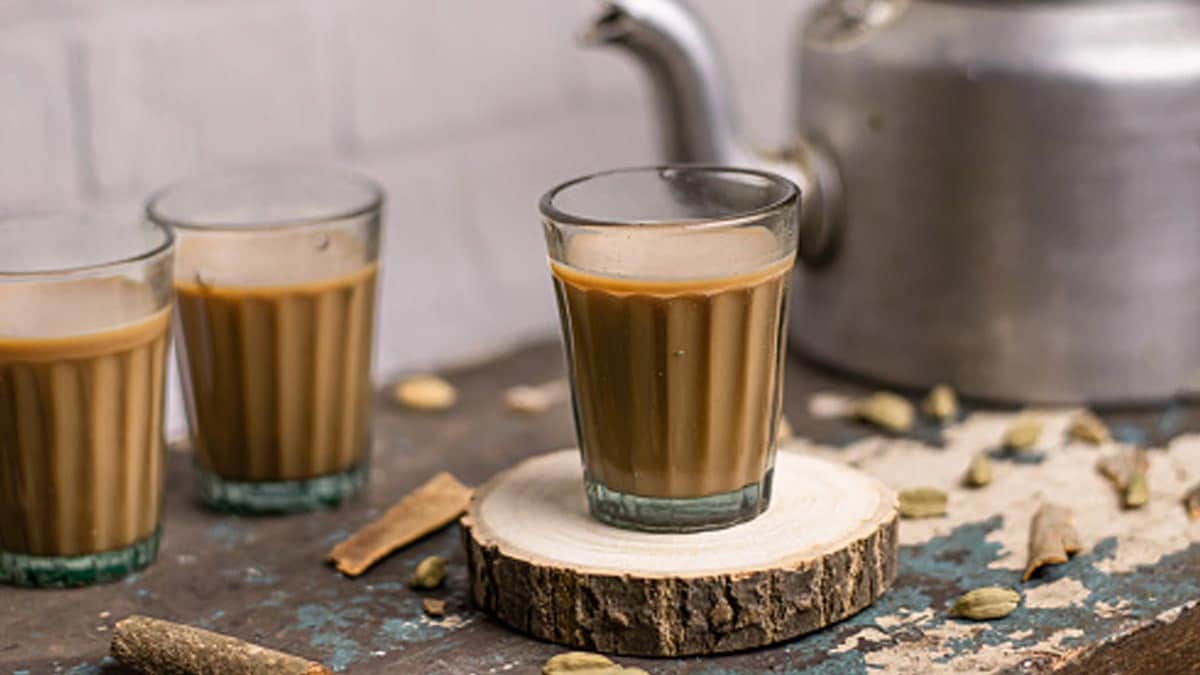
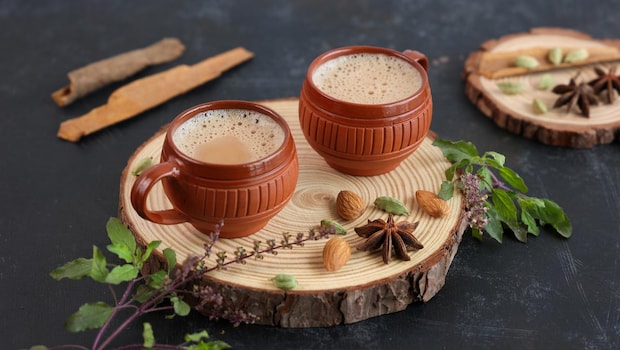
Milk tea, or chai as we lovingly call it, is practically a national obsession in India. Whether it’s the crack of dawn or a late-night pick-me-up, chai is always there to soothe our souls. But amidst all that comforting warmth, many of us battle an unexpected foe: acidity. Turns out, the way we brew our chai can make all the difference between bliss and burn. So, before you swear off your favourite drink, read on to learn how to keep enjoying your cuppa without the acidity blues, straight from dieticians and nutritionists.
Also Read: Tea: The Drink That Changed History – Here’s Why It’s More Than Just A Beverage
Why Does Milk Tea Cause Acidity?
The acidity from milk tea isn’t just a myth-it’s a real struggle for many chai enthusiasts. According to dietician Trishala, there are three main culprits:
1. Overboiling Milk and Tea Together
We’ve all done it-letting the tea simmer a bit too long to intensify the flavour. But here’s the catch: overboiling milk with tea can break down proteins and lactose, triggering acidity for some. Dietician Trishala suggests a simple fix: add milk after brewing your tea, once it’s cooled a bit. This preserves the milk’s goodness while keeping your tea smooth and soothing.
2. Letting Tea Sit Too Long
Time flies, but your tea shouldn’t. Leaving your freshly brewed chai to languish for too long can amp up its acidity. To savour the freshness and dodge the burn, sip your tea within 10 minutes of brewing. Your taste buds and stomach will thank you.
3. Reheating Your Cuppa
Think twice before popping yesterday’s tea in the microwave. According to Trishala, reheating tea, especially with milk, can alter its composition and spike acidity levels. For the best brew every time, prepare only what you’ll drink in one go.
How Much Tea Should You Drink Daily?
While a few cups of chai can be part of a healthy routine, moderation is key. Research from Harvard suggests sticking to 3-4 cups a day to reap the benefits without overdoing it. If you’re dealing with health concerns, it’s always wise to chat with your doctor first.
Photo Credit: iStock
Foods to Skip With Your Chai
Now that you’re a chai aficionado in the making, here are some food pairings to steer clear of for optimal health by nutritionist and macrobiotic health coach Shilpa Arora
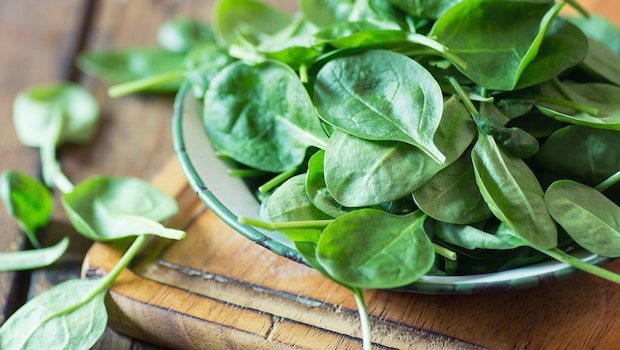
1. Leafy Greens
As much as we love our greens, pairing them with tea can hinder iron absorption due to tannins in tea. Save your spinach and broccoli for meals sans chai to get the most nutrients.
2. Cold Fruit Salads
Chai warms you up from the inside out, so skip the chill of raw fruits right after. Enjoy your fruits post-chai to keep digestion smooth and acidity at bay.
3. Lemon
Lemon adds zing to tea, but its acidity can clash with your digestive system, potentially leading to discomfort. If you love lemon in your tea, consider enjoying it in moderation to avoid overdoing the acidity.
4. Turmeric
Turmeric’s health benefits are stellar, but paired with tea, it can create a storm in your stomach. The combo of curcumin in turmeric and tannins in tea might trigger gastric problems like acidity or constipation.
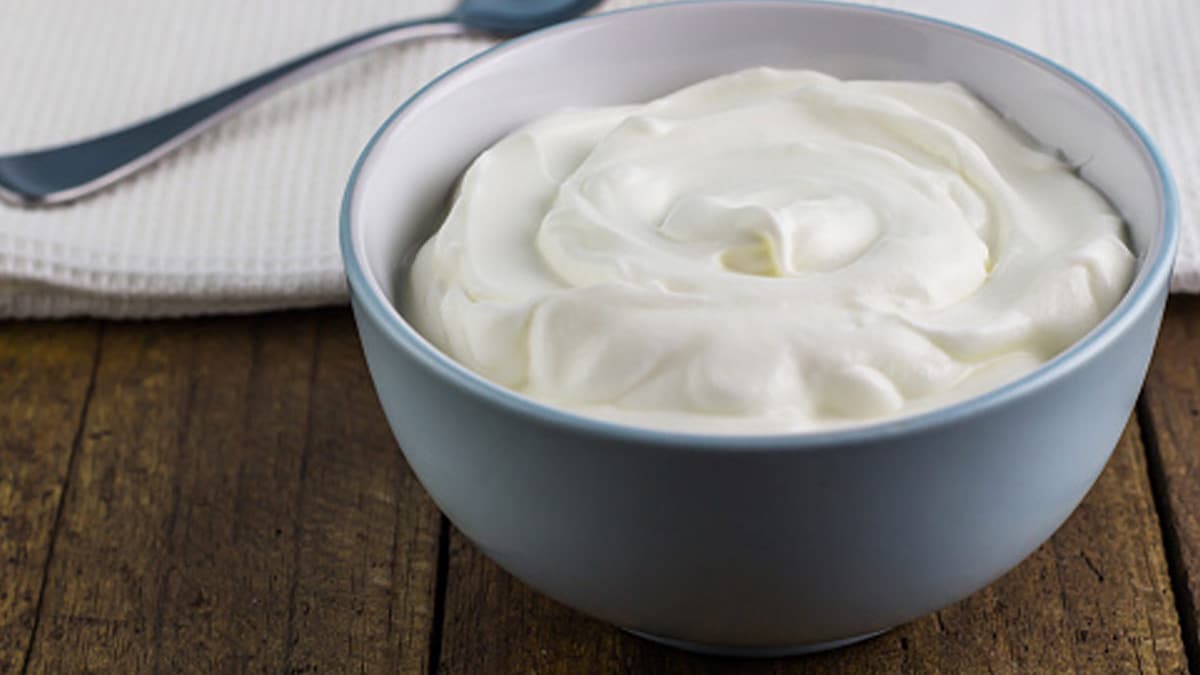
5. Yogurt
Cold foods like yogurt don’t mesh well with warm chai. Experts advise keeping hot and cold foods separate to prevent potential digestive distress.
Also Read: Tea Leaves Or Tea Bags: Which One’s A Healthier Option?
Remember, enjoying your chai shouldn’t come with a side of acidity. With these tips from experts, you can savour your tea moments while keeping your stomach happy.
Who doesn’t love mithai? We all do! From ladoos and barfis to kheer and gulab jamun, no Indian meal or occasion is complete without a serving of these heavenly desserts. They surely bring contentment to the heart, but let’s not forget that they contain copious amounts of sugar. For diabetics or those trying to lose weight, sugar-free mithai has emerged as a popular alternative. Nowadays, you’ll easily find sugar-free options for your favourite mithais in the market. While it can be tempting to indulge in them, have you ever wondered if they are really healthy? Do they live up to the promise, or are they just a facade? Recently, nutritionist Amita Gadre took to her Instagram handle to reveal the truth. First, let’s understand what “sugar-free” actually means. Also Read: Diabetes Diet: This Sugar-Free, Gluten-Free Halwa Is Perfect To Satiate Your Sweet Tooth
Photo Credit: iStock
What Is Sugar-Free Made Of?
As the name suggests, sugar-free is made without sugar. Instead, it is prepared using alternative sweeteners that replicate the flavour of sugar and have almost no calories. The most popular artificial sweetener is aspartame, which is commonly used in diet sodas and chewing gums. Apart from this, saccharin and sucralose are also popular sugar-free alternatives.
Here’s What the Expert Revealed:
So, is sugar-free mithai good for our health? According to Amita, it’s completely alright to consume sugar-free mithai in moderation, but the problem arises when you go overboard. Many end up over-consuming, especially during the festive season. She says, “Eating sugar-free halwa or sugar-free mithai during this time of the year won’t necessarily benefit you. Whether you’re having sugar-free mithai, regular mithai, or jaggery-based mithai, the quantity should be small.” Amita further states that just because it’s sugar-free doesn’t mean you can consume half a kilogram in a week. This is because sugar-free mithai also contains other ingredients that can lead to the consumption of extra calories.
Watch the complete video below:
What Is the Difference Between Sugar-Free and No Added Sugar?
Sugar-free products are not the only ones you come across in the market. There are also several food products labelled ‘no added sugar.’ As a customer, it can be quite confusing to decide which one to pick. So, is there any difference between the two, or are they the same? Well, there is! Sugar-free foods contain absolutely no sugar, both natural and added. On the other hand, foods with the label ‘no added sugar’ do not contain any additional sugar. However, they may contain some naturally occurring sugars. Also Read: 7 Sugar-Free Breakfast Recipes Perfect For Diabetes Diet
Now that you know the truth about sugar-free, we’re sure you’ll be more confident about making the right decision for yourself. Stay fit and healthy!
Nothing brings greater joy than hearing the word ‘cheat day’ when you’re on a strict diet. A cheat day is like a temporary break from your diet, allowing you to indulge in whatever foods you desire. Whether it’s a juicy burger, a slice of pizza, a gooey brownie, or a ghee-laden paratha – there are no rules on a cheat day. The concept is based on the idea that one can ‘cheat’ once a week, provided they stick to their diet the rest of the week. It’s also believed that cheat days can help with cravings and prevent overeating during the week. But is this really true? Are cheat days helpful when following a diet, or can they backfire and lead to negative consequences? Let’s find out from nutritionist Amita Gadre. Also Read: 5 Ways To Practise Mindful Eating When Dining Out To Manage Blood Sugar
Here’s What The Nutritionist Revealed:
Amita Gadre took to her official Instagram handle to share the truth about cheat days. According to her, there is no such thing as a cheat day. She says, “Just like you wouldn’t take shortcuts in your work, studies, or at a wedding, the same applies to your health!” Instead, she suggests focusing on everyday mindful eating, which includes increasing your awareness of food and practising portion control. Mindful eating allows you to eat within limits, thus preventing overeating. So, while cheat days may seem like a tempting option, and may even work for some, Amita suggests avoiding them.
Watch the complete video below:
How Can You Create A Mindful Eating Environment?
Now that you know the importance of practising mindful eating, you may be wondering how to follow it. Well, it’s not as difficult as it seems. The first step is to declutter and organise your kitchen pantry, storing only healthy foods like fruits, veggies, and whole grains. Additionally, you should practice calmness with sensory elements. You can achieve this by incorporating natural elements in your eating space. Studies suggest that using heavier cutlery can also help you feel full faster. Don’t forget, you can create a mindful eating environment only when you eat slowly and savour your food. Focus on the present moment, and ensure you chew your food well. Also Read: On Ketogenic Diet? Say No To Carbs On Cheat Days! Try These 5 Keto-Friendly Recipes
Having cheat days may be beneficial for some, but not for others. If you’re struggling to lose weight, consider practising mindful eating instead.
Whenever we have an upset stomach, we are often advised to have more probiotics. Whether it’s a bowl of yoghurt, a glass of kefir, chaas, kanji, or some paneer. These probiotic foods consist of a lot of ‘good’ or ‘gut-friendly’ bacteria, which is why they are considered great for our gut health. Consuming them can help replenish and maintain the balance of good bacteria in our gut. However, have you ever paused and wondered if probiotics are the answer for optimal gut health? Are they suitable for everyone, and can they prevent all types of digestive issues? Recently, Gut Health and Ayurveda Coach Dimple Jangda took to Instagram to clear this confusion once and for all. Before we find the answer to this mystery, let’s understand why it’s essential to look after our gut health: Also Read: Why Is It Important To Nourish You From Within? Expert Shares Insight On Gut Health
Photo Credit: iStock
Why Is It Important To Keep Your Gut Healthy?
Our gut plays a vital role in the absorption of nutrients from food and aiding in digestion. When our gut is healthy, we can benefit from the nutrients that food has to offer. This helps us stay energised, fit, and healthy, allowing us to take on challenges throughout the day. On the other hand, if we neglect our gut health, it can result in health ailments such as food intolerances, irritable bowel syndrome (IBS), and increased inflammation, impacting our overall health.
Are Probiotics Important For Gut Health? Here’s What The Expert Revealed:
Now, coming to the mystery question: Are probiotics the ultimate solution for gut health? According to Dimple, probiotics may not be suitable for everyone. She says, “Probiotics are great for those whose gut bacteria or gut flora is weak. But for someone who’s a Pitta Dosha or a mesomorph with active gut bacteria, it could actually cause more harm.” Dimple further explains that fermented foods can also cause a burning sensation in the stomach. If you’re a Pitta Prakriti, it can cause acid reflux, whereas if you’re a Kapha Prakriti, it can make you feel sluggish. So while probiotics are good, she emphasises figuring out what dosha you are before incorporating them into your diet.
Watch the complete video below:
What Are Some Diet Tips For Improving Your Gut Bacteria?
While probiotics certainly help, other dietary changes can support gut health as well. According to nutritionist Lovneet Batra, one should focus on increasing their fibre intake. This is because fibre helps promote the growth of good bacteria, so make sure you’re having enough fruits and vegetables. Along with this, you must also focus on following a diverse diet rich in whole foods, as this can lead to a diverse microbiome – which is essential for gut health. Do not forget to exercise regularly and get adequate sleep, as these too can have an impact on your gut health. Also Read: Apple For Digestion: Nutritionist Shares 3 Ways to Eat Apples For Gut Health
Now that you know the truth about probiotics, include them in your diet accordingly. Remember to always consult a professional before making any major changes to your diet.
In the trailer for Ridley Scott’s hotly anticipated sequel to Gladiator (2000), a new gladiator (played by Paul Mescal) goes to battle in “the greatest temple Rome ever built – the Colosseum”.
He comes up against naval warfare, a cutthroat promoter (Denzel Washington) and a stampeding rhino. But how much of this really took place in Roman times? As always with films based in the past, pedantic historians will jump in to assess the degree of cinematic licence and historical misinterpretation. So it is with the forthcoming Gladiator II.
The trailer for Gladiator II.
Did gladiators fight rhinos?
One thing that certainly did not happen was a warrior mounted on a rhinoceros (even a non-computer-generated one) charging at a group of gladiators. However, there is a record of a rhino at the inauguration of the Colosseum in 80BC. It didn’t fight men, but a bull, bear, buffalo, bison, lion and two steers. The other rare mentions of rhinos in Rome are of those in menageries, to be admired as exotic creatures.
This Roman interest in foreign, wild animals was the basis of the initial beast spectacles which began in 275BC with an exhibition of captured war elephants. Such non-violent displays of animals continued into the imperial era, but in 186BC the first staged animal hunt (venatio), featuring both lions and leopards, took place and by 169BC beast hunts had become an official part of republican state festivals.
Later, under the emperors, collecting and transporting beasts, especially unusual and foreign ones, to be displayed – but more often killed – demonstrated imperial power, territorial control and the vastness of the empire. Thousands of animals were brought from Africa and elsewhere to Roman arenas to be slaughtered for entertainment and the meat from the dead animals was given away to the spectators (it was easier than trying to dispose of the many carcasses).
Those who fought the beasts were not gladiators but specially trained hunters (venatores) armed with spears. The venatio could also feature fights between animals, as with the Colosseum rhinoceros, but most often the contest consisted of bulls against an elephant or bear. Animal hunts outlasted gladiatorial combats as a source of spectator entertainment, but as both the size of the empire and imperial funds diminished, greater reliance was placed on domestically reared “wild” animals.
Were there sea battles in the Colosseum?
More credence in historical terms can be given to the film’s staged sea battle (naumachia) in the flooded Colosseum. Such spectacles were expensive to stage and were reserved for special occasions.
The first one recorded was for Emperor Augustus in 2BC. Held on an artificial lake, it featured 30 large ships carrying some 3,000 marines plus an unspecified number of rowers. Participants in a naumachia, typically either convicted criminals or prisoners of war, were expected to kill each other or drown, though, the demonstration of fighting ability and courage could gain them a pardon.
The Naumachia by Ulpiano Checa (1894) imagines naval warfare in the Coliseum. Museo Ulpiano Checa
The grandest sea battle was provided by Emperor Claudius on Lake Fucinus, a spectacle involving 100 ships and some 19,000 marines and oarsmen. It was at this event that the fighting men reportedly said “hail, emperor, we who are about to die salute you”, mistakenly assigned to gladiators in so many films, including the first Gladiator.
Literary sources (not always to be trusted in antiquity as they were often written well after alleged events) claim that the Colosseum was flooded for a sea battle at its inauguration. After some debate, historians now accept that the engineering mechanisms were in place so that, at least in its early days, the Colosseum could have accommodated a naumachia.
Did a thumbs down really mean death for a gladiator?
Gladiator II also showcases the misconstrued sporting legacy of the thumbs up signal to spare a defeated gladiator who requested mercy or the converse of a thumbs down from those who wished him to die.
The arena was a large, noisy place and hand signals were often used as a means of communication. Indeed, rather than verbally requesting mercy, the defeated warrior himself would raise the index finger of his right hand, or even the hand itself, both of which were recognised pleas for clemency.
When the crowd opted for the death of a fighter they indicated this by means of pollice verso, literally a turned thumb, with no direction specified. When the hand was waved the sign indicated that the gladiator’s throat should be cut by his conqueror. Those who wished to save the vanquished, but courageous, fighter gave the sign pollice compresso, a compressed thumb but one often hidden from sight so as not to cause visual confusion.
Gladiators were valuable assets. Promoters, who had paid a hiring fee (typically 10-20% of their value) for them to fight, were reluctant to incur the full asset value demanded as compensation should they die. Especially when, at the crowd’s insistence, they could have a choice in the matter.
In many instances the event had been promoted to curry favour with the spectators so to go against their wishes would be counterproductive. However, whether the ultimate decision-maker gave a thumbs up or thumbs down is debatable. The idea that this occurred seems to have developed around 1872 with the popularity of a painting by French artist, Jean-Léon Gérôme. In it he depicts vestal virgins giving the dreaded sign. Although titled Pollice Verso, it became conventionally referred to as “the thumbs down painting”.
Looking for something good? Cut through the noise with a carefully curated selection of the latest releases, live events and exhibitions, straight to your inbox every fortnight, on Fridays. Sign up here.
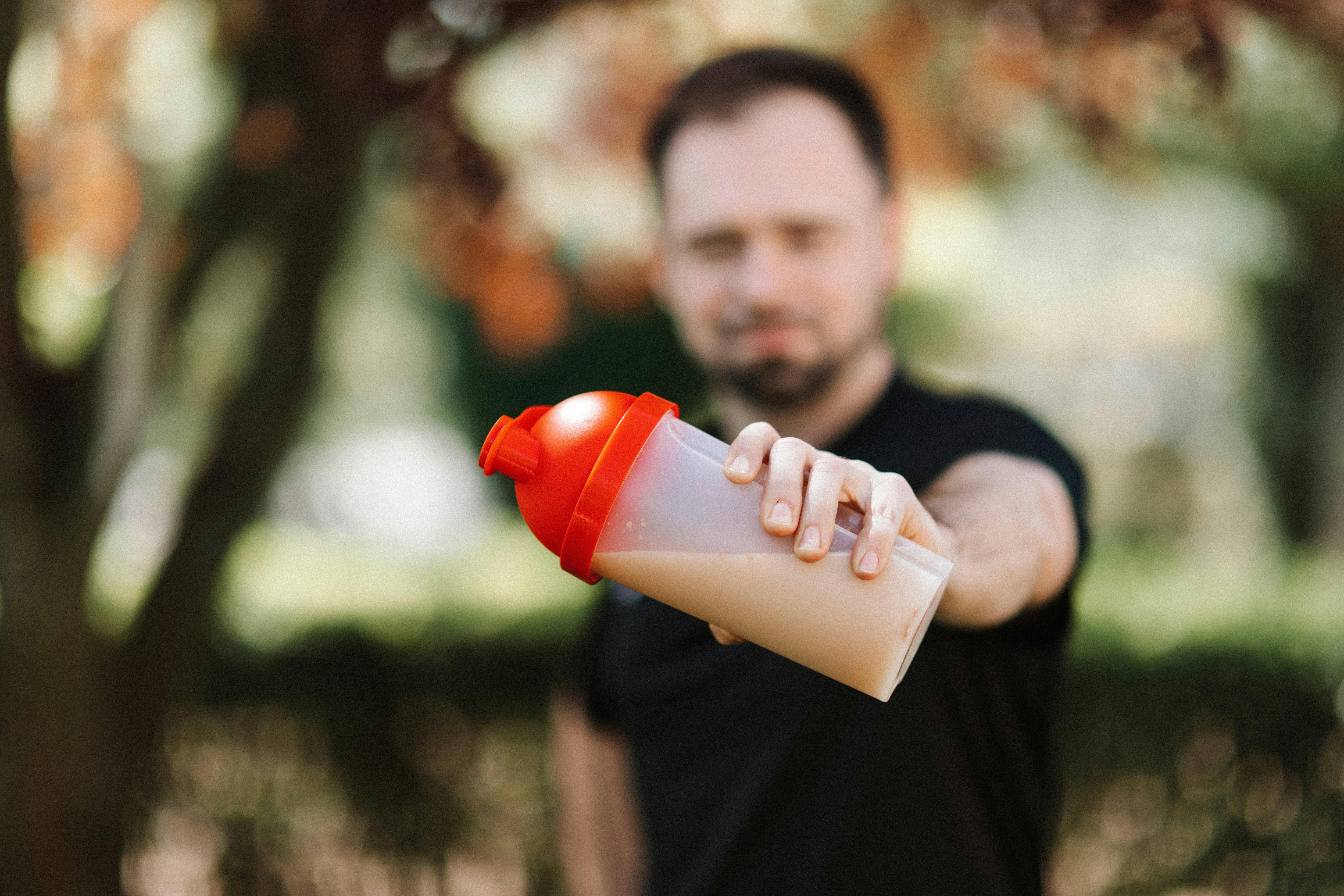
In today’s fast-paced world, dietary supplements, including meal replacement shakes, powders, and bars, have skyrocketed in popularity. They’re often advertised as a convenient, go-to solution for weight loss, fitness performance, and managing hectic lifestyles. These products promise balanced nutrition in a quick, easy-to-consume format, which makes them appealing to anyone looking for a faster alternative to preparing traditional meals. But with so much hype surrounding them, it’s easy to get caught up in the claims. Are these supplements the health game-changers they’re made out to be, or is it just clever marketing? While they offer certain benefits, there’s also a fair amount of misunderstanding about what they can do. Let’s dive into the science behind dietary supplements and separate the facts from the myths so you can decide whether they’re worth incorporating into your daily routine.
Also Read: Vitamin-D Supplements Can Help in Relieving Pain: Experts
Photo Credit: Pexels
So, What Are Dietary Supplements?
Dietary supplements are designed to take the place of your usual meals. Packed with essentials like protein, fibre, vitamins, and minerals, they’re typically low in calories, fats, and sugars. People often turn to them for:
Weight loss: Reducing calories is easier with these.
Fitness goals: They help with muscle recovery or fuel your workouts.
Convenience: When there’s no time to cook, these are a lifesaver.
The Science Behind Them
Meal supplements promise to deliver the same nutrients as a balanced meal but in a compact form. Here’s how they stack up:
Balanced Nutrition: These products are crafted to provide a good mix of proteins, carbs, fats, vitamins, and minerals. They typically offer 200-400 calories per serving, which can help with weight control.
Protein Power: Packed with protein, these supplements keep your muscles strong and help you stay fuller for longer – a big deal when you’re focused on fitness or weight loss.
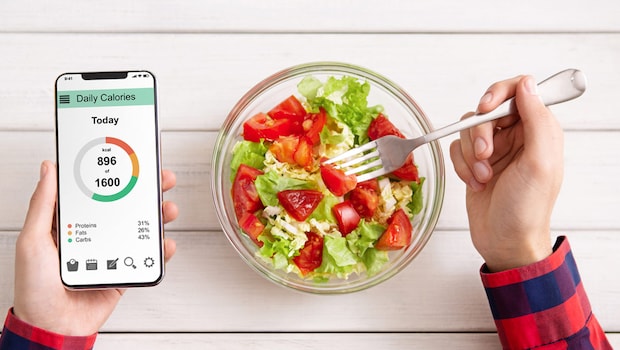
Calorie Control: Each serving has a fixed number of calories, making portion control and calorie counting easier.
Convenience: For busy days or when cooking feels like a chore, these replacements make it easy to keep up with your nutrition.
Scientific Backing: Studies show that using meal replacements can help with weight loss and even improve metabolic health. Research says people tend to lose more weight with these compared to traditional low-cal diets when used correctly.
Also Read: Whey Protein For Weight Loss: How To Consume This Protein Supplement To Shed Kilos
Photo Credit: Pexels
Busting the Myths
Though meal supplements can be helpful, there are a bunch of myths floating around that might confuse you.
Myth 1: “They’re the same as whole foods.”
Not really. While supplements are packed with nutrients, they often lack the antioxidants, fibre, and phytonutrients you get from whole foods like fruits and veggies. Real food gives you a range of nutrients that work together to boost your health. Relying too much on supplements could lead to deficiencies in the long run.
Myth 2: “They’re great for long-term use.”
Supplements work well for short bursts-like weight loss phases or when you need quick meals-but long-term? Not so much. Over time, you might get bored, miss out on important nutrients, and lose the variety you need from a regular diet.
Myth 3: “All meal supplements are created equal.”
Nope. The quality varies a lot. Some are loaded with protein but might lack fibre, while others could have a ton of sugar or unhealthy fats. Always check the label to see what’s inside.
Myth 4: “They’re better than actual meals for losing weight.”
While meal replacements can help you cut calories, whole foods are more filling and satisfying. Chewing solid food helps you feel fuller than sipping on a shake or nibbling a bar.
Myth 5: “They make portion control a breeze.”
Supplements might help with portions, but they won’t teach you how to manage food portions in real life. Learning how to balance your meals is key for long-term health.
Also Read: How Much Protein Is Enough?
Photo Credit: Pexels
Are Meal Supplements Safe?
Generally, yes, but you should know the risks:
Nutritional Gaps: If you rely solely on these, you might miss out on key nutrients like fibre and healthy fats found in real food.
Quality Counts: Some brands use too much sugar, artificial flavours, or low-quality ingredients, which can undo any potential benefits.
Health Considerations: If you have certain medical conditions like diabetes, talk to a doctor first. Meal replacements can impact your blood sugar.
Long-Term Success: They may help with quick weight loss, but to maintain it, you’ll eventually need to transition back to regular meals and good eating habits.
The Bottom Line
Meal supplements can be helpful for short-term weight loss, convenience, or fitness goals, but they’re not a long-term solution. Combining them with a balanced diet is the best way to use them. Always read the label, pick quality products, and remember: that they’re not a magic fix for your health.
Disclaimer: The opinions expressed within this article are the personal opinions of the author. NDTV is not responsible for the accuracy, completeness, suitability, or validity of any information in this article. All information is provided on an as-is basis. The information, facts or opinions appearing in the article do not reflect the views of NDTV and NDTV does not assume any responsibility or liability for the same.
You’ve probably heard people say, “A calorie is a calorie,” but is that really true? The whole “Are all calories equal” debate has been buzzing around for a while now, and it turns out that not all calories hit our bodies the same way. Sure, a calorie is just a unit of energy, whether it’s in your food or used up by your body. But here’s the kicker: the source of those calories matters. Almost everything we eat gives us calories (except for water), but not all calories are created equal.
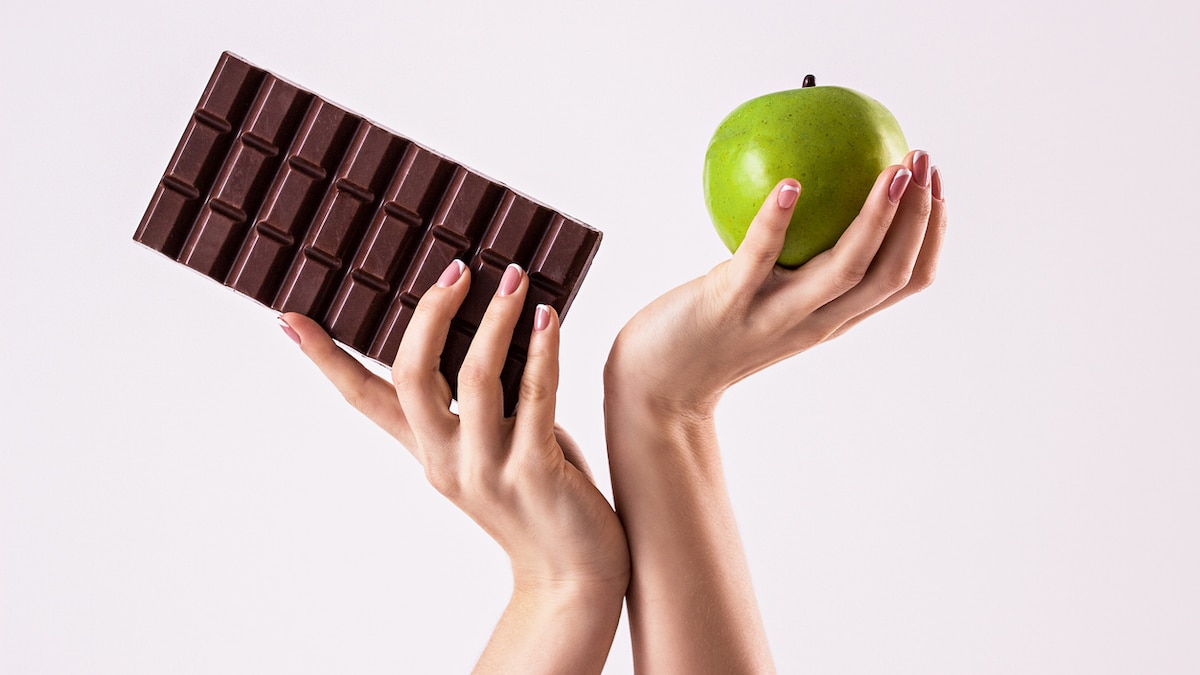
When we talk about calories, we’re also talking about the nutrients that come with them. Carbs and proteins give you 4 calories per gram, while fats pack a punch with 9 calories per gram. So, what you eat matters. For instance, take 100 calories from an apple versus 100 calories from a candy bar. Both are giving you energy, but they have completely different effects on your body.
Why Counting Calories Alone Won’t Lead To A Healthier You – Nutritional Quality Matters
Not all calories are packed with the same nutrients. Foods that are high in nutrients – think fruits, veggies, whole grains, lean proteins, and healthy fats – give you the good stuff like vitamins, minerals, and fibre, along with the energy. On the flip side, sugary snacks and processed junk might give you calories, but they’re low on the nutrients your body needs. Also Read: Dietitian Shares A Quick And Healthy Weight Loss Lunch Recipe To Try At Home
Hunger And Satiety: The Fullness Factor
Ever notice how some foods fill you up more than others, even if they’ve got the same number of calories? That’s because foods high in protein and fibre make you feel fuller for longer, helping you keep your hunger in check. But eat something loaded with refined carbs or sugars, and you might end up feeling hungry again pretty quickly. Those foods can cause your blood sugar to spike and crash, making you reach for more snacks.
Photo Credit: iStock
Metabolic Response: How Your Body Reacts
Your body processes different types of calories in different ways. For example, foods high in refined carbs can spike your insulin levels and might even lead to insulin resistance over time. On the other hand, foods rich in healthy fats and protein can help keep your blood sugar steady and support your metabolism.
The Bigger Picture: Health Effects
At the end of the day, eating a diet full of nutrient-dense, whole foods can help lower your risk of chronic diseases like obesity, type 2 diabetes, heart disease, and even some cancers. But if your diet is heavy on processed foods, added sugars, and unhealthy fats, your risk for these conditions goes up. Also Read: Post-Bariatric Surgery: What To Eat, What To Avoid – A Comprehensive Guide
The Bottom Line
So, while every calorie gives you energy, the source of those calories really matters when it comes to your health. Focusing on nutrient-rich, whole foods and watching your portions can make a big difference. Next time you’re checking out the calories on a label, don’t just ask how many – ask where they’re coming from.
Disclaimer: The opinions expressed within this article are the personal opinions of the author. NDTV is not responsible for the accuracy, completeness, suitability, or validity of any information in this article. All information is provided on an as-is basis. The information, facts or opinions appearing in the article do not reflect the views of NDTV and NDTV does not assume any responsibility or liability for the same.