hacklink hack forum hacklink film izle hacklink marsbahisizmir escortsahabetpornJojobetcasibom girişgalabetBakırköy Escortcasibom9018betgit casinomarsbahismatbet girişcasibomlink 5k depositjojobetonwinmatbetalobet

Tag: vital

  • NATO is deploying eyes in the sky and on the Baltic Sea to protect vital cables. Here’s why and how

    NATO is deploying eyes in the sky and on the Baltic Sea to protect vital cables. Here’s why and how

    ABOARD A FRENCH NAVY FLIGHT OVER THE BALTIC SEA — With its powerful camera, the French Navy surveillance plane scouring the Baltic Sea zoomed in on a cargo ship plowing the waters below — closer, closer and closer still until the camera operator could make out details on the vessel’s front deck and smoke pouring from its chimney.

    The long-range Atlantique 2 aircraft on a new mission for NATO then shifted its high-tech gaze onto another target, and another after that until, after more than five hours on patrol, the plane’s array of sensors had scoped out the bulk of the Baltic — from Germany in the west to Estonia in the northeast, bordering Russia.

    The flight’s mere presence in the skies above the strategic sea last week, combined with military ships patrolling on the waters, also sent an unmistakable message: The NATO alliance is ratcheting up its guard against suspected attempts to sabotage underwater energy and data cables and pipelines that crisscross the Baltic, prompted by a growing catalogue of incidents that have damaged them.

    “We will do everything in our power to make sure that we fight back, that we are able to see what is happening and then take the next steps to make sure that it doesn’t happen again. And our adversaries should know this,” NATO Secretary-General Mark Rutte said this month in announcing a new alliance mission, dubbed “Baltic Sentry,” to protect the underwater infrastructure vital to the economic well-being of Baltic-region nations.

    Power and communications cables and gas pipelines stitch together the nine countries with shores on the Baltic, a relatively shallow and nearly landlocked sea. A few examples are the 152-kilometer (94-mile) Balticconnector pipeline that carries gas between Finland and Estonia, the high-voltage Baltic Cable connecting the power grids of Sweden and Germany, and the 1,173-kilometer (729-mile) C-Lion1 telecommunications cable between Finland and Germany.

    Undersea pipes and cables help power economies, keep houses warm and connect billions of people. More than 1.3 million kilometers (807,800 miles) of fiber optic cables — more than enough to stretch to the moon and back — span the world’s oceans and seas, according to TeleGeography, which tracks and maps the vital communication networks. The cables are typically the width of a garden hose. But 97% of the world’s communications, including trillions of dollars of financial transactions, pass through them each day.

    “In the last two months alone, we have seen damage to a cable connecting Lithuania and Sweden, another connecting Germany and Finland, and most recently, a number of cables linking Estonia and Finland. Investigations of all of these cases are still ongoing. But there is reason for grave concern,” Rutte said on Jan. 14.

    At least 11 Baltic cables have been damaged since October 2023 — the most recent being a fiber optic cable connecting Latvia and the Swedish island of Gotland, reported to have ruptured on Sunday. Although cable operators note that subsea cable damage is commonplace, the frequency and concentration of incidents in the Baltic heightened suspicions that damage might have been deliberate.

    There also are fears that Russia could target cables as part of a wider campaign of so-called “hybrid warfare” to destabilize European nations helping Ukraine defend itself against the full-scale invasion that Moscow has been pursuing since 2022.

    Without specifically blaming Russia, Rutte said: “Hybrid means sabotage. Hybrid means cyber-attacks. Hybrid means sometimes even assassination attacks, attempts, and in this case, it means hitting on our critical undersea infrastructure.”

    Finnish police suspect that the Eagle S, an oil tanker that damaged the Estlink 2 power cable and two other communications cables linking Finland and Estonia on Dec. 25th, is part of Moscow’s “shadow fleet” used to avoid war-related sanctions on Russian oil exports.

    Finnish authorities seized the tanker shortly after it left a Russian port and apparently cut the cables by dragging its anchor. Finnish investigators allege the ship left an almost 100-kilometer (62-mile) long anchor trail on the seabed.

    Several Western intelligence officials, speaking on condition of anonymity because of the sensitive nature of their work, told The Associated Press that recent damage was most likely accidental, seemingly caused by anchors being dragged by ships that were poorly maintained and poorly crewed.

    One senior intelligence official told AP that ships’ logs and mechanical failures with ships’ anchors were among “multiple indications” pointing away from Russian sabotage. The official said Russian cables were also severed. Another Western official, also speaking anonymously to discuss intelligence matters, said Russia sent an intelligence-gathering vessel to the site of one cable rupture to investigate the damage.

    The Washington Post first reported on the emerging consensus among U.S. and European security services that maritime accidents likely caused recent damage.

    The European Subsea Cables Association, representing cable owners and operators, noted in November after faults were reported on two Baltic links that, on average, a subsea cable is damaged somewhere in the world every three days. In northern European waters, the main causes of damage are commercial fishing or ship anchors, it said.

    In the fiber-optic cable rupture on Sunday connecting Latvia and Sweden, Swedish authorities detained a Maltese-flagged ship bound for South America with a cargo of fertilizer.

    Navibulgar, a Bulgarian company that owns the Vezhen, said any damage was unintentional and that the ship’s crew discovered while navigating in extremely bad weather that its left anchor appeared to have dragged on the seabed.

    The alliance is deploying warships, maritime patrol aircraft and naval drones for the mission to provide “enhanced surveillance and deterrence.”

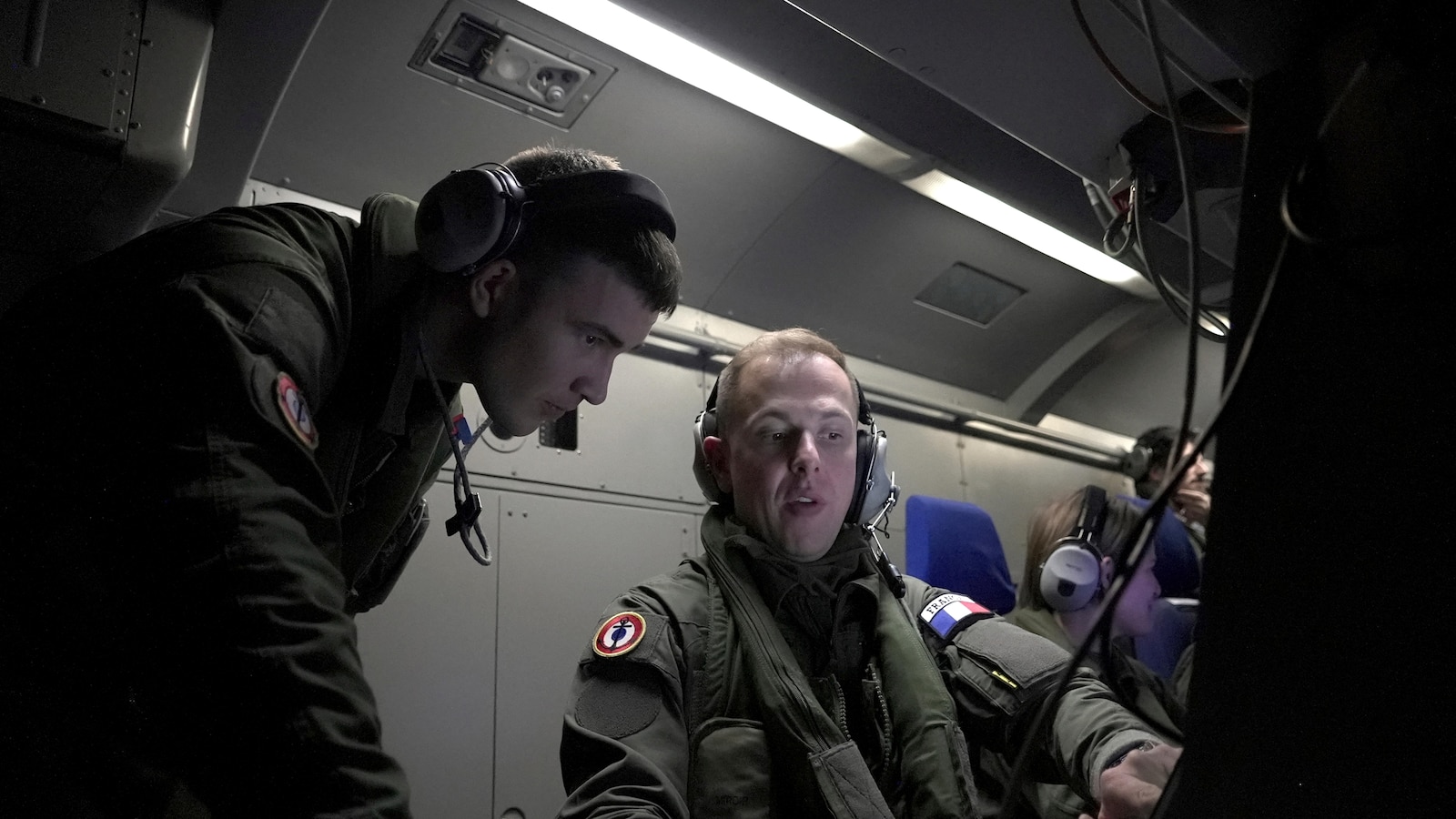
    Aboard the French Navy surveillance flight, the 14-member crew cross-checked ships they spotted from the air against lists of vessels they had been ordered to watch for.

    “If we witness some suspicious activities from ships as sea – for example, ships at very low speed or at anchorage in a position that they shouldn’t be at this time – so this is something we can see,” said the flight commander, Lt. Alban, whose surname was withheld by the French military for security reasons.

    “We can have a very close look with our sensors to see what is happening.”

    ___

    Burrows reported from London. AP journalists Jill Lawless in London, David Klepper in Washington and Veselin Toshkov in Sofia, Bulgaria, contributed to this report.


    Source link

  • 8 Vital Lifestyle Changes For Men Over 30

    8 Vital Lifestyle Changes For Men Over 30

    Last Updated:

    By implementing these lifestyle changes, men in their 30s can significantly improve their overall health, increase longevity, and enhance their quality of life.

    Staying properly hydrated is essential for overall health

    Staying properly hydrated is essential for overall health

    Turning 30 is a significant milestone in a man’s life. While it’s a time to celebrate, it also serves as a reminder to prioritize health and well-being. A healthy body is one of the best gifts a man can give himself. By adopting healthy eating habits, engaging in regular exercise, ensuring proper sleep, and integrating a combination of these practices, small steps can lead to significant improvements in overall wellness. Implementing these habits not only enhances health but also reduces the risk of illnesses such as heart disease, diabetes, and other health conditions.

    Discover eight simple lifestyle changes every man should consider after turning 30 to maintain a healthy lifestyle.

    1. Maintain muscle massAfter the age of 30, men naturally experience a decline in muscle mass, averaging a loss of 3-5% per decade, according to Harvard Health Publishing. To combat this, men should engage in strength training at least twice a week. Incorporate activities like weightlifting or resistance exercises to maintain muscle strength and functionality. A diet rich in protein—featuring lean meats, dairy, legumes, and nuts—can also help preserve muscle mass.
    2. Drink Plenty of WaterStaying properly hydrated is essential for overall health. Water aids digestion and supports muscle function, so aim to drink plenty throughout the day to keep your body running smoothly. Insufficient hydration can lead to headaches, dry skin, and fatigue.
    3. Monitor Waist SizeAs metabolism slows with age, many individuals tend to gain weight, particularly around the abdominal area. Monitoring waist size is crucial, as an increase can elevate the risk of health issues like heart disease and type 2 diabetes. To maintain a healthy waist size, focus on balanced nutrition and regular exercise, incorporating moderate physical activity or breathing exercises each week. Emphasize whole foods—fruits, vegetables, and whole grains—while reducing processed foods, sugary drinks, and excess salt.
    4. Prioritize Heart HealthAs men age, prioritizing heart health becomes increasingly important due to the rising risk of heart disease associated with high cholesterol and blood pressure. Incorporate omega-3 fatty acids into your diet by eating fish or taking supplements, and engage in regular physical activity. Managing stress through enjoyable hobbies can also support cardiovascular health.
    5. Enhance Mental HealthMental well-being is as vital as physical fitness, yet it often takes a back seat. Men should prioritize self-care activities, such as journaling, mindfulness, or pursuing hobbies that bring joy. Regularly connecting with friends and family can also foster better mental health.
    6. Quit Smoking and DrinkingBoth smoking and excessive alcohol consumption pose serious health risks, especially after 30. Studies indicate that quitting smoking and drinking before the age of 40 significantly reduces the risk of premature death; quitting by age 54 can cut that risk by two-thirds. Your body will undoubtedly thank you for making these changes.
    7. Achieve Work-Life BalanceWhile the hustle mentality may have defined your 20s, it’s essential to strive for a healthy work-life balance in your 30s. Spend quality time with friends and family, engage in hobbies, and take time for refreshing vacations to recharge.
    8. Get Quality SleepAim for 7 to 9 hours of quality sleep each night. A consistent sleep schedule not only enhances mental health but also contributes to physical well-being, promoting recovery and muscle building.

    By implementing these lifestyle changes, men in their 30s can significantly improve their overall health, increase longevity, and enhance their quality of life.

    Source link

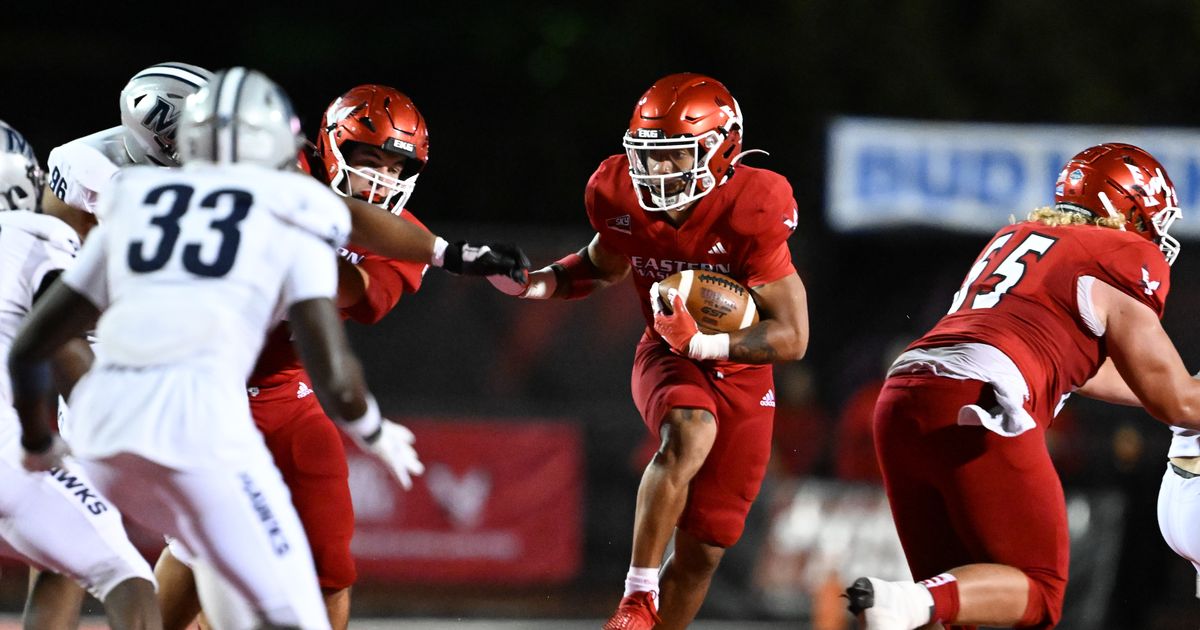
  • ‘It grew my love for football again’: Players with JUCO background vital for Eastern Washington football

    ‘It grew my love for football again’: Players with JUCO background vital for Eastern Washington football

    It was the end of the 2022 football season, and taking roll at the quarterback position meeting – which in the best of times is still not a lengthy exercise – took hardly any time at all, considering there was just one player left.

    “It was literally Kekoa (Visperas) and me, sitting in a room together,” EWU offensive coordinator Jim Chapin recalled on Tuesday.

    After the graduation of four quarterbacks, the Eagles were desperate for more, a “perfect storm” situation that meant Chapin needed to be aggressive in recruiting.

    Visperas, who is in line to make his 15th career start Saturday at Nevada (1-3), had played well in his first start, a 45-21 victory over Northern Colorado in the 2022 finale. Still, the Eagles could hardly rely solely on him and some incoming freshmen to handle the position in 2023.

    “We wanted to find quarterbacks with game experience,” Chapin said. “I didn’t want to take a risk on a kid that hadn’t done it.”

    Enter Jared Taylor and Michael Wortham, two quarterbacks with junior college experience who carved out important roles in Eastern’s offense last year, roles that they have continued to fill this season.

    While Taylor and Wortham are the most visible junior college transfers for the Eagles (1-2), they are certainly not the only ones.

    “We have kids on our team who went down (to California) for an opportunity,” Chapin said. “… They’re being underrecruited, and that’s a niche we can take advantage of.”

    There are 14 players on the EWU roster who played previously at California junior colleges. All but two play primarily on offense (many of whom also contribute on special teams), plus starting punter Landon Ogles and backup safety Trevion Shadrick-Harris, who also spent time at Central Florida.

    Jack Seelye, the team’s starting center, began his career at Diablo Valley College, about a 15-minute drive from his hometown in Lafayette, California.

    Austin York, Eastern’s third-year fullback and first-year team captain, played the COVID-19 year and 2021 at Butte College in his hometown of Chico, California.

    Some, like Taylor and running back Malik Dotson – who were teammates at Lakewood High School – moved from Washington to California to play junior college ball. Dotson and Taylor played at Feather River College in Quincy, California, about 1½ hours from Reno, Nevada.

    But the majority of Eastern’s former junior college players are Californians who opted to start at that level first, proving themselves there to FCS coaches who might sign them a year or two later.

    “You have guys coming from all over to play California JUCO ball,” said Ogles, who played his first two years at Palomar College in San Marcos, just north of San Diego. “You have to find a balance of (thinking), ‘How can I make it to the next level?’ and ‘How can I work with the guys next to me to help the team and make it to the next level?’ ”

    Ogles grew up in San Diego, where he was first a soccer player and then a specialist for the Rancho Bernardo High School football team as a junior and senior. At Palomar, he handled kicking and punting duties, performing well enough for Fresno State to notice.

    It was originally his “dream school,” Ogles said, because of family ties in the Fresno area. But he didn’t play in any games – although he was on the sideline when Eastern Washington took Fresno State to overtime last season – and after spring ball he weighed his options. That’s when EWU special teams coach Danny McDonald contacted him, and by late July he was on the EWU roster.

    Through three games, Ogles has landed six of his 12 punts inside the 20. Against Drake, he had a 69-yard punt that was the team’s longest in six years.

    A week later, against Southeastern Louisiana, Noah Cronquist – another former junior college standout – stepped in for injured wide receiver Nolan Ulm and caught four passes for 71 yards and a touchdown.

    Cronquist, a junior, started his career at Southern Utah. After serving a two-year church mission, he ended up at Moorpark (California) College last season.

    “I am a Moorpark kid through and through,” Cronquist said. “I grew up there, went to high school there. … When I went back to Moorpark, I got to go back and be around family.”

    Moorpark also threw the ball plenty. In 10 games, Cronquist caught 81 passes for 1,064 yards and 13 touchdowns. He was named to the first-team All-America offense by the California Community College Athletic Association.

    Cronquist, who said he weighed offers from other Big Sky programs and some from the Missouri Valley Football Conference, signed with the Eagles in December, joining a recruiting class that included three other California junior college players: offensive lineman David Shinn (Mt. San Jacinto), wide receiver Jaylen Garrison (Fresno City) and tight end Landon Cooper (Butte).

    Recruiting junior college players isn’t all that new for Chapin, who said even during his time at Sioux Falls, a Division II program in South Dakota, California junior colleges were a focal point.

    “The landscape of West Coast football has changed dramatically,” Chapin said. “Twenty years ago, the number of Division II programs was very different than it is today. Every day a Division II program closes down, there are going to be kids who are going to go play at junior colleges.”

    Chapin also said another mutual benefit for players and for FCS coaches looking to bolster their rosters: at junior colleges, freshmen and sophomores generally get a lot more playing time than they do at Division I programs.

    Coaches often say that live reps can’t be replicated. Players who come in as juniors with more game reps can be at a significant advantage.

    For Cronquist, Eastern is his second Division I program, and he’s grateful for the chance. But he also appreciated his time at Moorpark.

    “It grew my love for football again,” Cronquist said. “Being in a junior college environment, you see guys from all over and all they want to do is play football, and you realize, if I do get to play Division I football, it really is everyone’s dream.”

    Source link

  • Academic training is vital for sports coaches looking to shine bright

    Academic training is vital for sports coaches looking to shine bright

    In today’s world, sports and education are deeply interconnected. It is increasingly important for support personnel working with athletes to pursue academic studies to bridge the gap between theory and practice. 

    This applies to coaches, managers, and administrators at all levels. 

    This article will delve more into the coaching aspect of sports performance and attempt to give compelling reasons why academic training is indispensable for sports coaches. 

    Academic training is absolutely vital for sports coaches as it establishes a solid foundation that extends beyond technical expertise. It provides them with the necessary knowledge and skills to effectively support athletes and significantly enhance their overall coaching effectiveness. 

    The sports world is always changing, with new trends and technologies emerging regularly. Academic training helps coaches sharpen their critical thinking and problem-solving skills, enabling them to stay adaptable and innovative. This allows coaches to embrace new techniques, integrate technology, and meet the ever-changing needs of their athletes.

    Academic training enables coaches to concentrate on the holistic development of their athletes, addressing not just their physical skills, but also their mental and emotional well-being. This training empowers coaches to design personalized programmes tailored to each athlete’s specific needs, thereby assisting them in reaching their full potential.

    A strong academic foundation provides coaches with access to the most recent research in sports science, instructional techniques, and coaching strategies. This allows them to utilize evidence-based practices, analyse performance more effectively, and make informed decisions that enhance training results and overall athlete performance.

    Pursuing education often involves collaborating with other professionals, attending workshops, and engaging in ongoing education. These experiences broaden a coach’s knowledge, foster professional growth, and create valuable connections within the coaching community, leading to mentorship and collaboration opportunities.

    Ultimately, coaches with strong academic background may be better equipped to help their athletes succeed. They can create a positive environment, reduce injury risks, and promote long-term athlete development. This leads to better team dynamics, improved performance, and higher levels of satisfaction for both athletes and coaches.

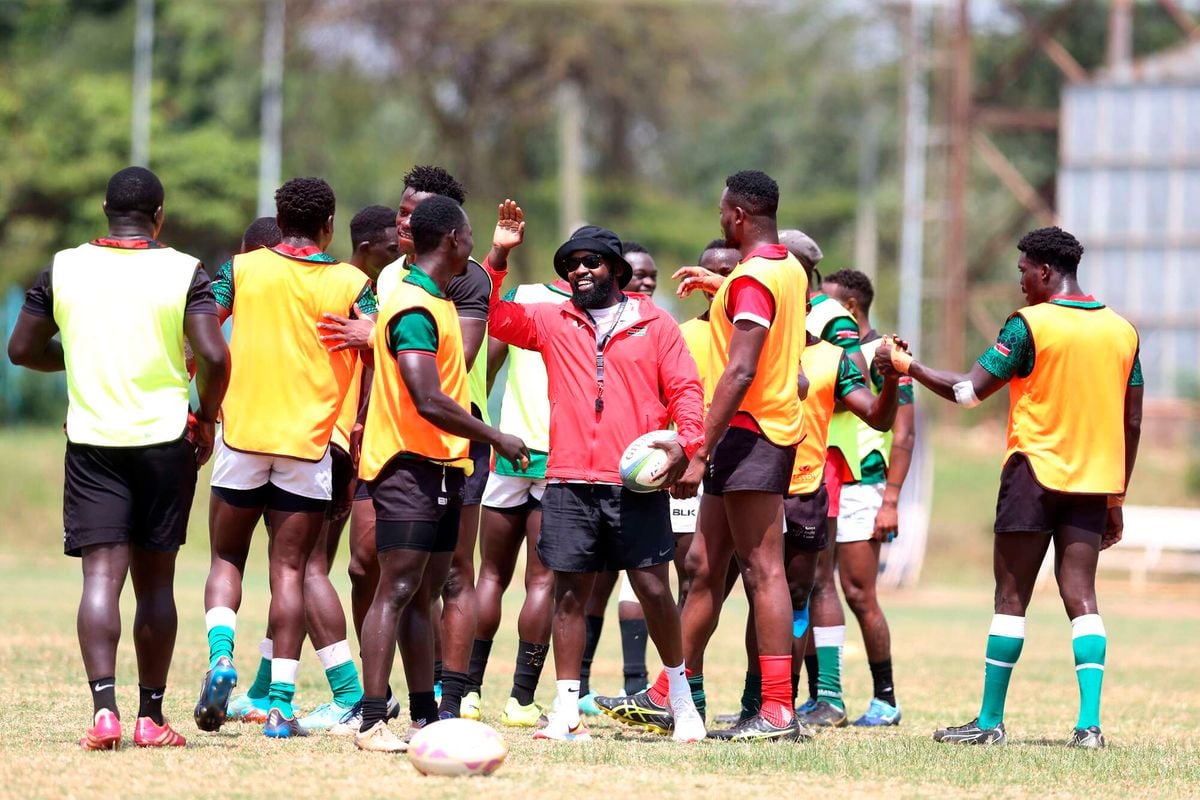
    National Olympic Committee of Kenya, using this background has robust programmes on coaches education. Every year at least two to five coaches are given scholarships to pursue further education, in addition to their sports-specific technical training. This is enhanced further by collaborations with local universities. NOC-K is at the final stage to go into a Memorandum of Understanding with the University of Nairobi to provide coaches education. This will strive to bridge the practical experience with academic knowledge.

    We are currently working on collaborations with other local universities to introduce Olympic research into the curriculum and other aspects of sports education. These efforts will bring together academics and technical personnel to improve sports offerings in the country. Kenya is already a relatively strong sporting nation with great coaching and athletic talent. With enhanced knowledge and professionalism, we have the potential to become unstoppable.

    I hope to live to see our universities in conjunction with our federations going into research and development of our sports. This is an idea whose time is long gone but can be recovered.

    Source link